Die Seite wird geladen…
Pocket-sized party word-guessing game: describe cards so teammates guess as many terms as possible before time runs out.
- 3 bis 99 Spieler
- 30 Minuten
- Ab 12 Jahren
30 Seconds 2go Holiday Version is a compact party game published by Denkriesen, the holiday edition of the 30 Seconds card game, sold as a small pocket version for trips, road trips, beach days or game nights at home. The premise is simple: players try to get their teammates to guess the terms printed on the cards.
DENKRIESEN
- 5 bis 99 Spieler
- 30 bis 40 Minuten
- Ab 13 Jahren
von Dominic Crapuchettes
Flipa
2023- 1 bis 12 Spieler
- 15 Minuten
- Ab 7 Jahren
- Spoons
Schlafmütze
1972A simple early American card-collecting game, with a Philippine variant called 1-2-3 Pass.
- 4 bis 13 Spieler
- 30 Minuten
- Ab 8 Jahren
Spoons is a quick card game for 4 to 13 players, aimed at children aged 8 and up. It is published by Asmodee, Djeco, Crown & Andrews Ltd. and others, and is widely treated as a children's game. Spoons is a variant of donkey in which the objects grabbed are spoons.
- 2 bis 12 Spieler
- 20 Minuten
- Ab 8 Jahren
- 2 bis 15 Spieler
- 20 Minuten
- Ab 17 Jahren
A social deduction card game for 6 to 32 friends: take roles as Mafia or townsfolk and unmask the culprit.
- 6 bis 32 Spieler
- 30 Minuten
- Ab 14 Jahren
von Amanda Bikshe
- 1 bis 99 Spieler
- 20 Minuten
- Ab 8 Jahren
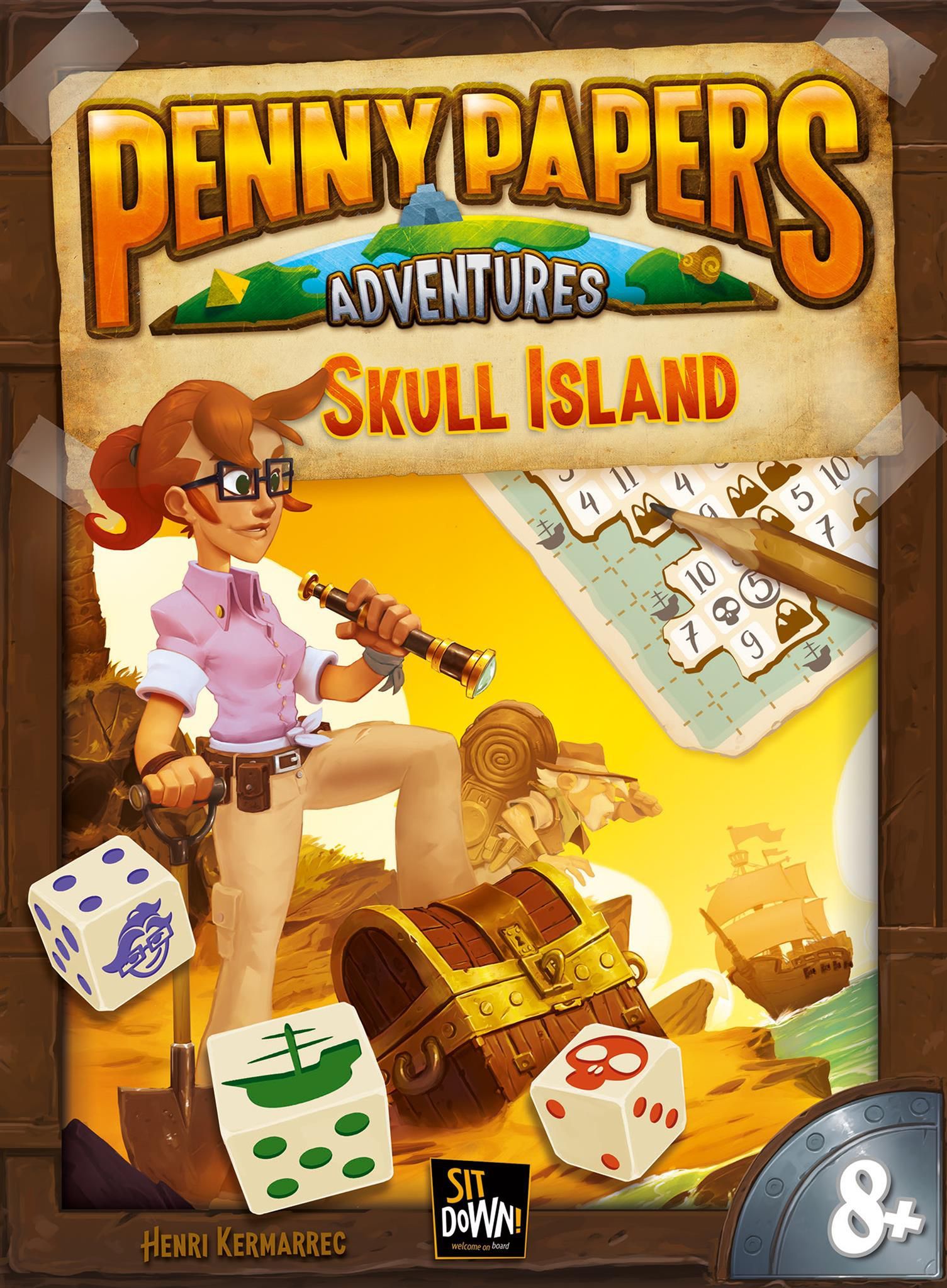
von Henri Kermarrec
A German music quiz where players identify hit songs from short clips and race to buzz in with answers.
- 3 bis 12 Spieler
- 30 Minuten
- Ab 6 Jahren
Play That Song! is a music quiz board game for parties and families, designed by Hans-Hermann Pein and published by MedienPark in Halstenbek, Germany. Players listen to short excerpts of hit songs and answer questions about the songs, the artists and music history.
von Hans-Hermann Pein
- 2 bis 12 Spieler
- 30 Minuten
- Ab 13 Jahren
von Craig Kinzer, Dave Long (I)
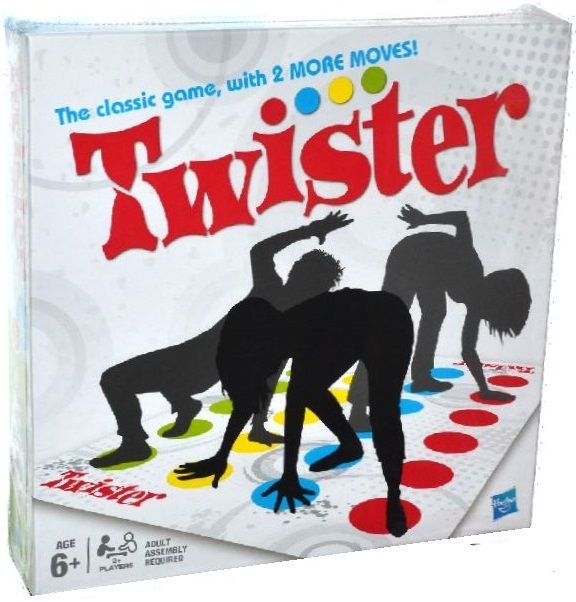
Twister
1966- 2 bis 99 Spieler
- 10 Minuten
- Ab 6 Jahren
A physical skill game from 1966 for two to 99 players aged 6 and up, played on a mat spread across the floor. Milton Bradley and Winning Moves are credited as its producers. You and your rivals contort across a big colorful mat, with each spin dictating which hand or foot must reach a circle.
Hasbro
- 4 bis 20 Spieler
- 60 Minuten
- Ab 18 Jahren
von Alex Hague, Justin Vickers
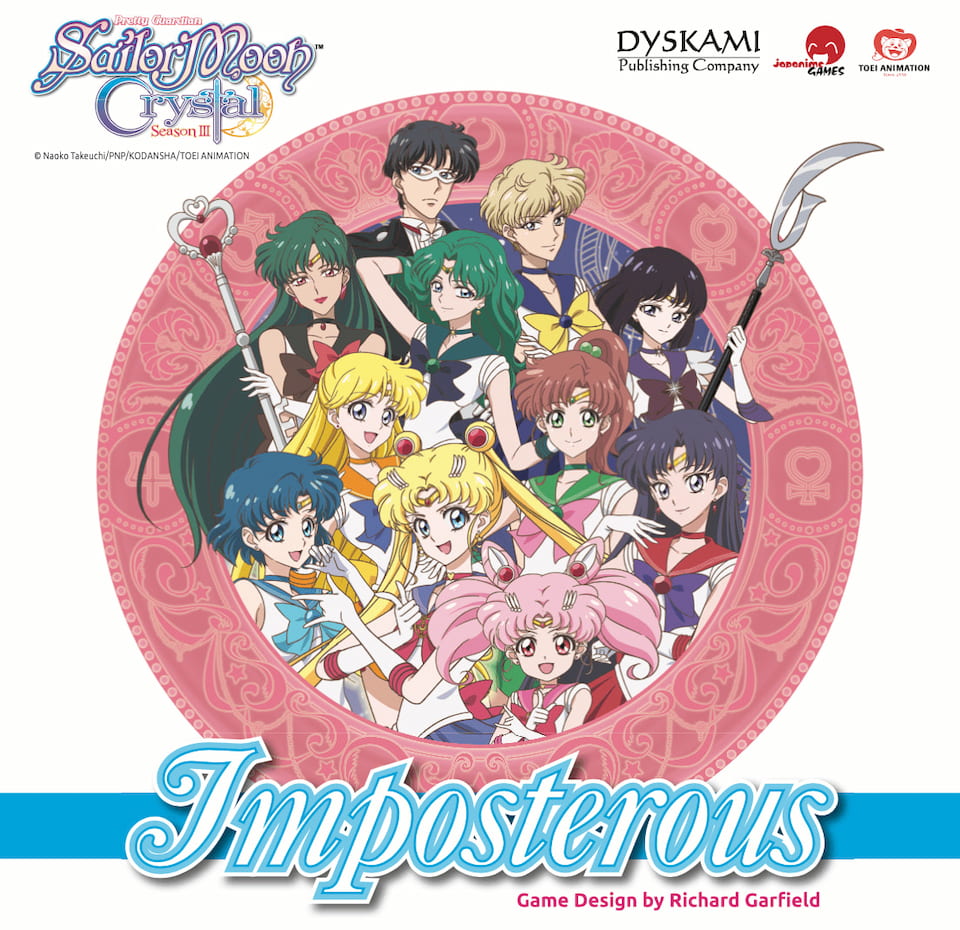
A social deduction game where the Sailor Guardians must unmask a Daimon imposter among them by comparing answers.
- 3 bis 12 Spieler
- Ab 10 Jahren
Sorry What?!
2025A party game of lip reading: wear headphones, read your teammates' lips, and guess absurd, suggestive phrases.
- 2 bis 99 Spieler
- 20 Minuten
- Ab 18 Jahren
von Lucky Egg
- 4 bis 50 Spieler
- 120 Minuten
- Ab 12 Jahren
von Christian Lemay
Citizen X
2002- 6 bis 16 Spieler
- Ab 10 Jahren
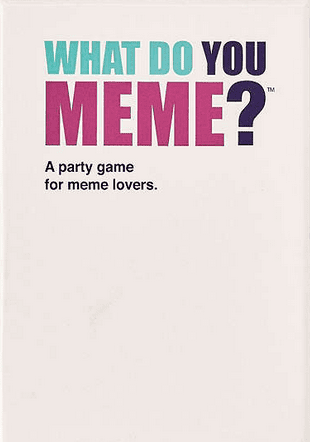
- What Do You Meme?
Match funny caption cards to internet memes in a lighthearted party game.
- 3 bis 20 Spieler
- 30 bis 90 Minuten
- Ab 17 Jahren
What Do You Meme? is a humorous party card game for groups of three to twenty players, aged 17 and up, lasting about 30 to 90 minutes. It was designed by Elliot Tebele, Elie Ballas and Ben Kaplan and published by HUCH!, Megableu and ToyCo.
- 1 bis 362 Spieler
- 120 Minuten
- Ab 12 Jahren
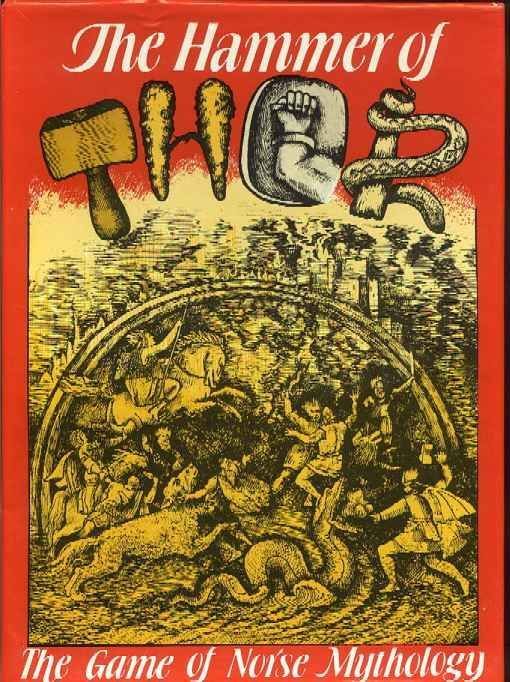
Designed by Joe Angiolillo, this 1980 board game suits players aged 12 and up and can seat from 1 to 362 people. Nova Game Designs released it. Each player picks a champion from Norse myth to become the victor in the final clash of Ragnarok, the struggle between the gods and the giants.
von Joe Angiolillo
- 2 bis 15 Spieler
- 45 Minuten
- Ab 14 Jahren
A World War I air combat wargame that has appeared on every Gen Con schedule since Gen Con I.
- 2 bis 52 Spieler
- 30 bis 120 Minuten
- Ab 12 Jahren
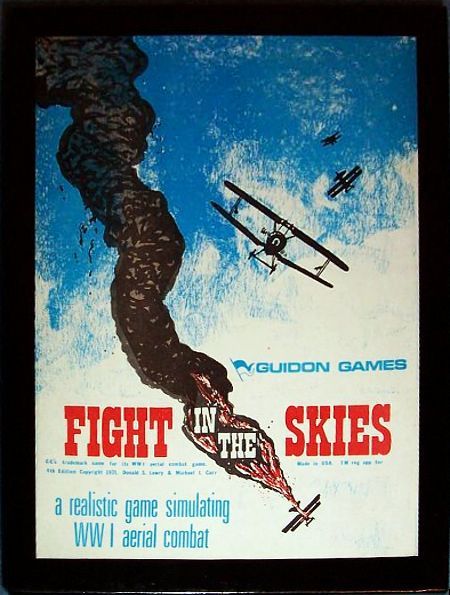
This board wargame, also called Dawn Patrol, is for 2 to 52 players, runs 30 to 120 minutes and suits ages 12 and up. Mike Carr created it. The game recreates aerial combat from the First World War era, with fighters squaring off over the front.
- 3 bis 16 Spieler
- 45 Minuten
- Ab 18 Jahren
von Maria Führer, Paul Catty
- 2 bis 12 Spieler
- 60 Minuten
- Ab 12 Jahren
- 4 bis 12 Spieler
- 45 Minuten
von Peter Sarrett
card game using special deck, originally medieval French gambling game
- 3 bis 15 Spieler
- Ab 9 Jahren
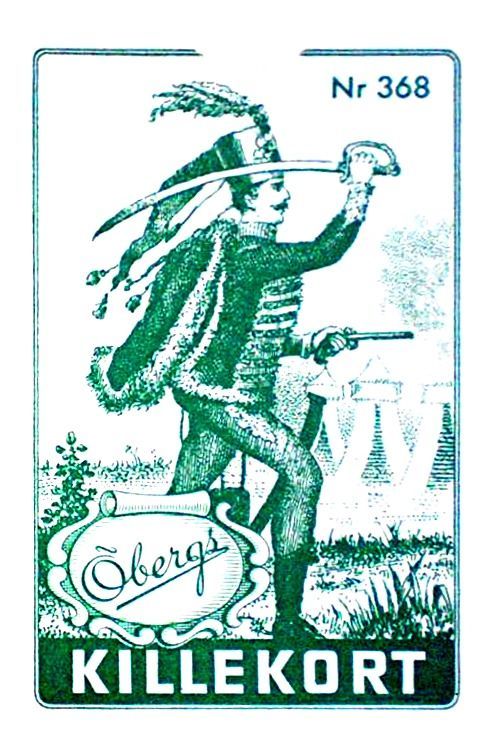
Kille is a card game for 3 to 15 players aged 9 and up, published by Offason. Kille is played with special playing cards. A card game with centuries of history, it was at its height in Sweden around the 1750s.
- 2 bis 14 Spieler
Field of Honor is a 1982 board game published by Ragnarok Enterprises.
Over 70 experimental character tokens that expand the Blood on the Clocktower base game for experienced players.
- 5 bis 20 Spieler
- 90 Minuten
- Ab 15 Jahren
The Carousel is an expansion for the social deduction game Blood on the Clocktower, designed by Steven Medway and published by Funtails GmbH. It is a collection of experimental characters rather than a standalone game. It adds over 70 experimental character tokens, including memory markers, to the base game.
von Steven Medway · Funtails
- 3 bis 12 Spieler
- 30 Minuten
- Ab 16 Jahren
- 4 bis 30 Spieler
- 20 Minuten
- Ab 10 Jahren
von Andrea Meyer, Friedemann Friese
- 1 bis 99 Spieler
- 60 Minuten
- Ab 10 Jahren
von Prospero Hall
A cooperative team dungeon crawl in the Aventuria world, with teams fighting undead hordes in separate arenas.
- 3 bis 20 Spieler
- 120 Minuten
- Ab 10 Jahren
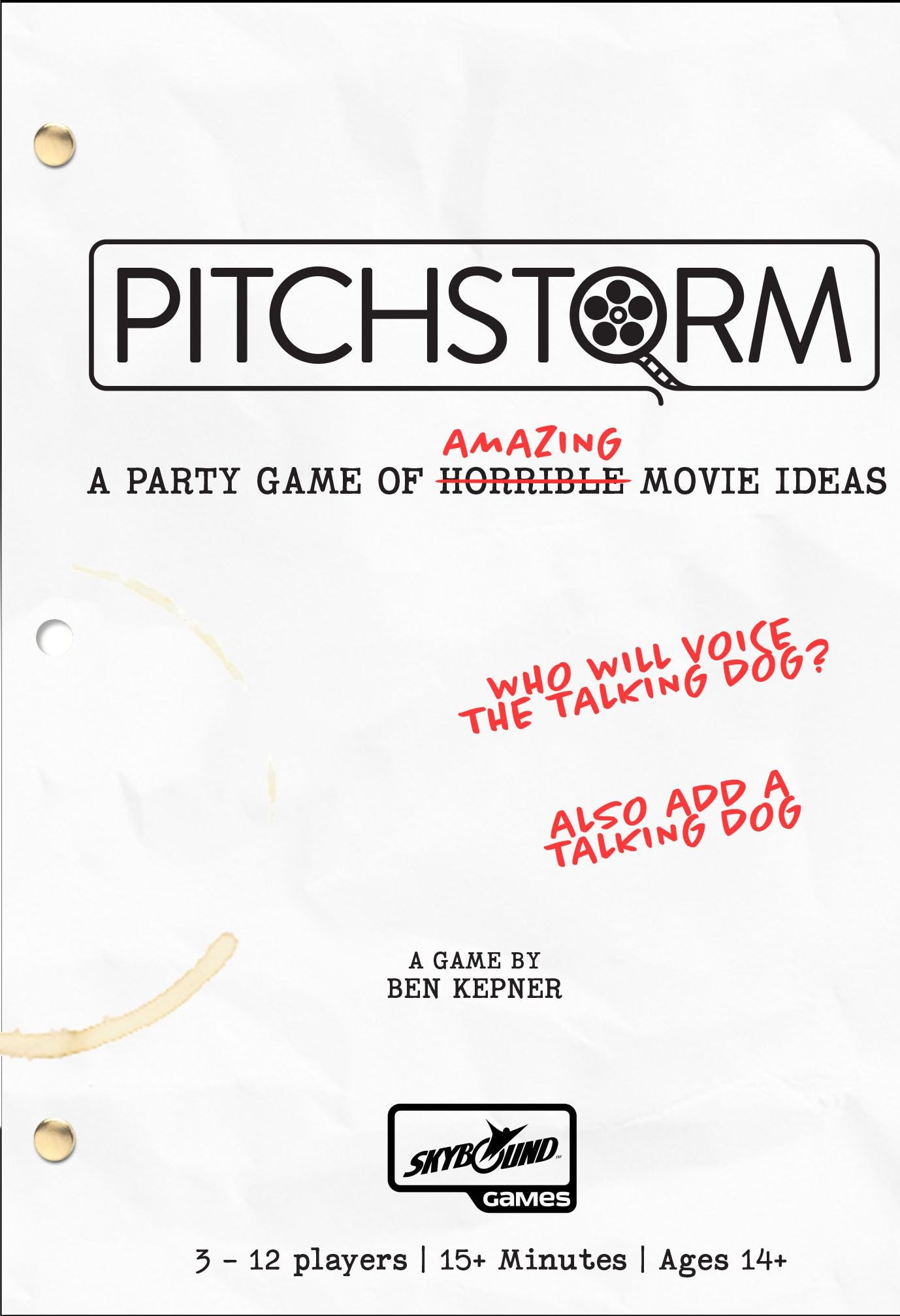
Pitchstorm
2018- 3 bis 12 Spieler
- 15 bis 60 Minuten
- Ab 14 Jahren
Pictionary
1985- 3 bis 16 Spieler
- 90 Minuten
- Ab 12 Jahren
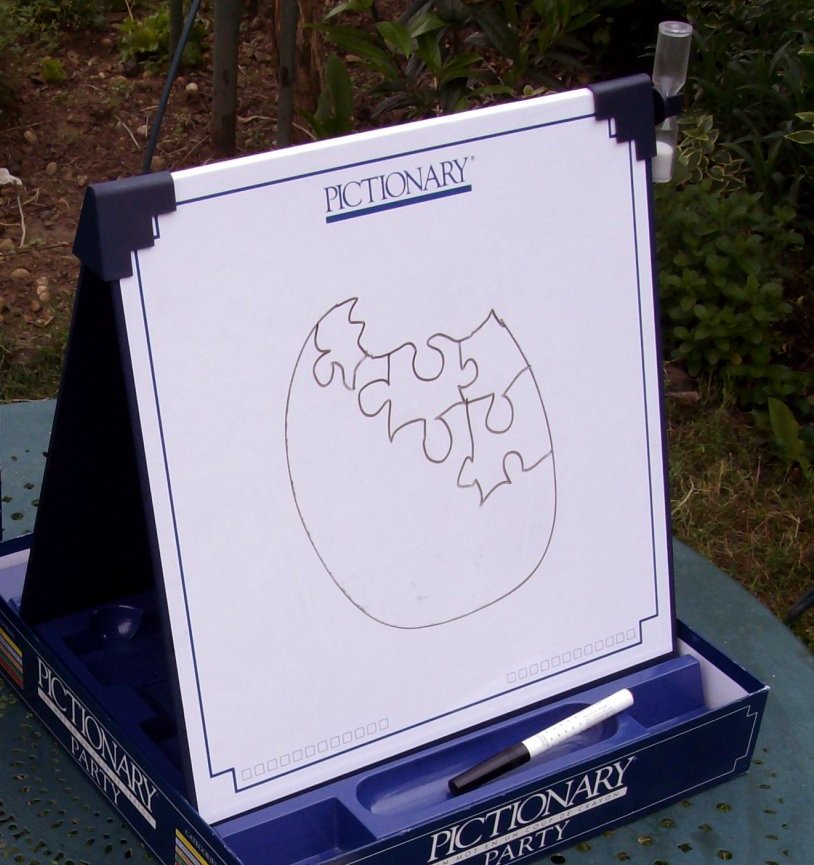
Pictionary is a word-guessing game inspired by charades, for 3 to 16 players aged 12 and up. Robert Angel designed it, and it was first published in 1985. Players split into teams, and each team tries to name the words its own members sketch. The aim is to win the race to the board's Finish square.
von Robert Angel