Die Seite wird geladen…
Guide Aang's companions as they race a looming comet to restore balance to the world.
- 1 bis 4 Spieler
- 60 Minuten
- Ab 8 Jahren
Avatar: Journey of Aang is a cooperative adventure board game from Bad Crow Games, set in the Avatar world and aimed at groups who want to share a story together. You are one of Aang's companions, working with the rest of the group to guide him toward mastering the four elements and restoring balance to the world.
- 2 bis 6 Spieler
- 30 bis 90 Minuten
- Ab 21 Jahren
von Madison O'Neil
- 1 bis 4 Spieler
- Ab 12 Jahren
- 1 bis 5 Spieler
- 40 bis 75 Minuten
- Ab 14 Jahren
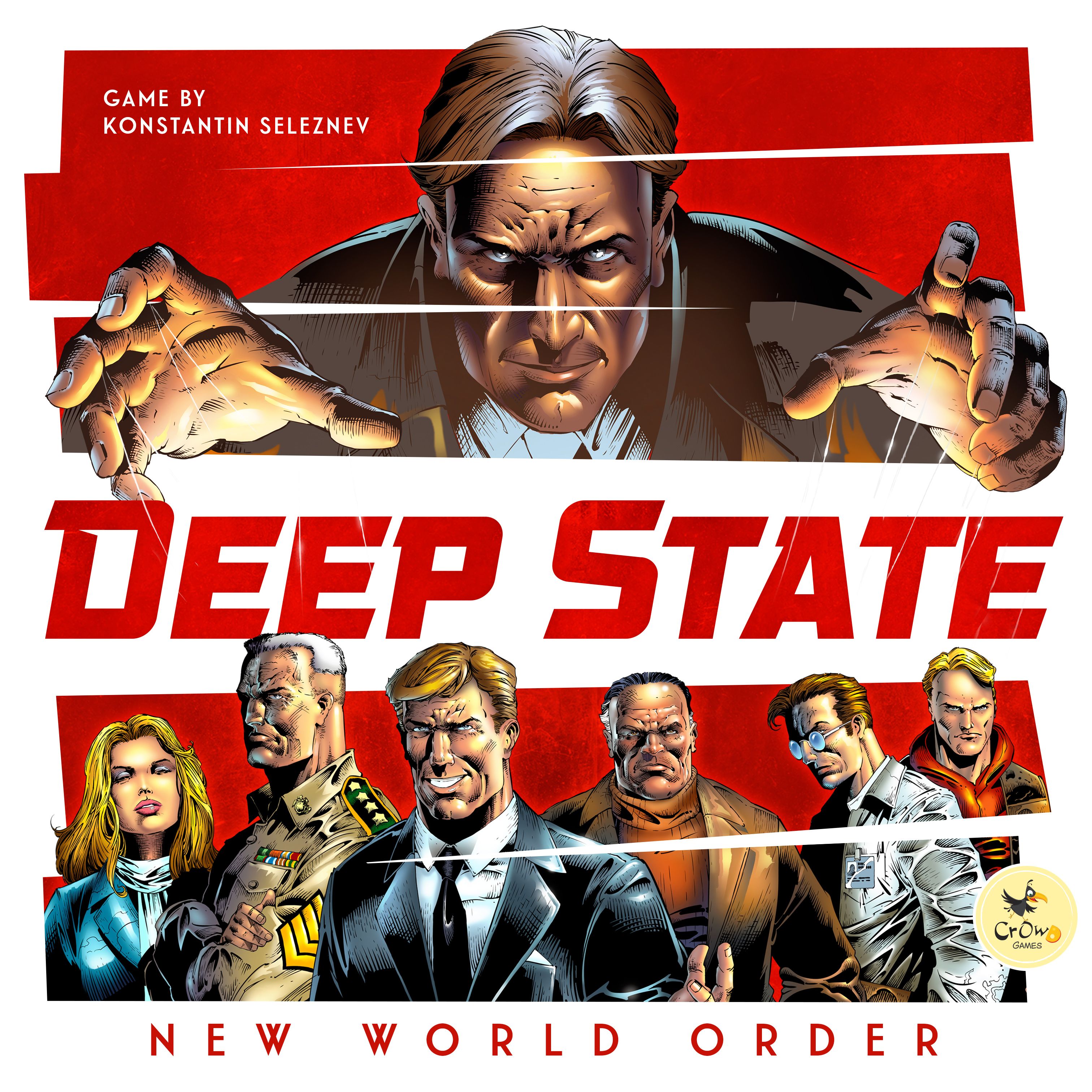
von Konstantin Seleznev
Startup Fever
2012- 2 bis 6 Spieler
- 120 Minuten
- Ab 14 Jahren
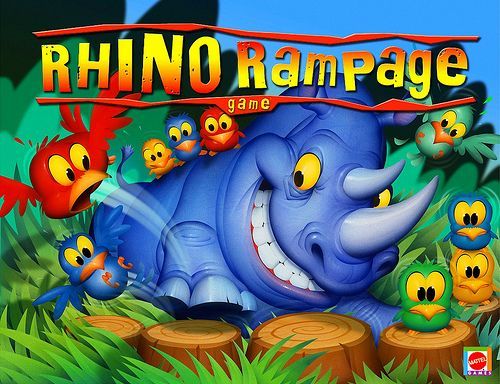
Rhino Rampage
2008- 2 bis 4 Spieler
- 15 Minuten
- Ab 4 Jahren
- 1 bis 6 Spieler
- 15 Minuten
- Ab 12 Jahren
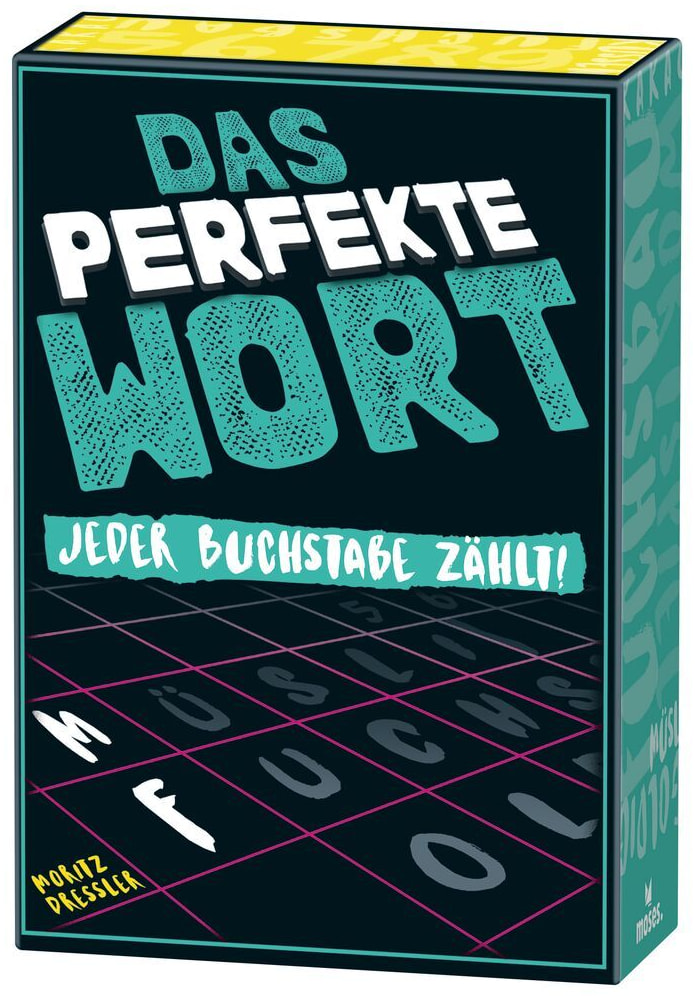
A quick word game for one to six players played over nine rounds, where a scoring card sets how many points each vowel is worth in the words you build.
von Moritz Dressler
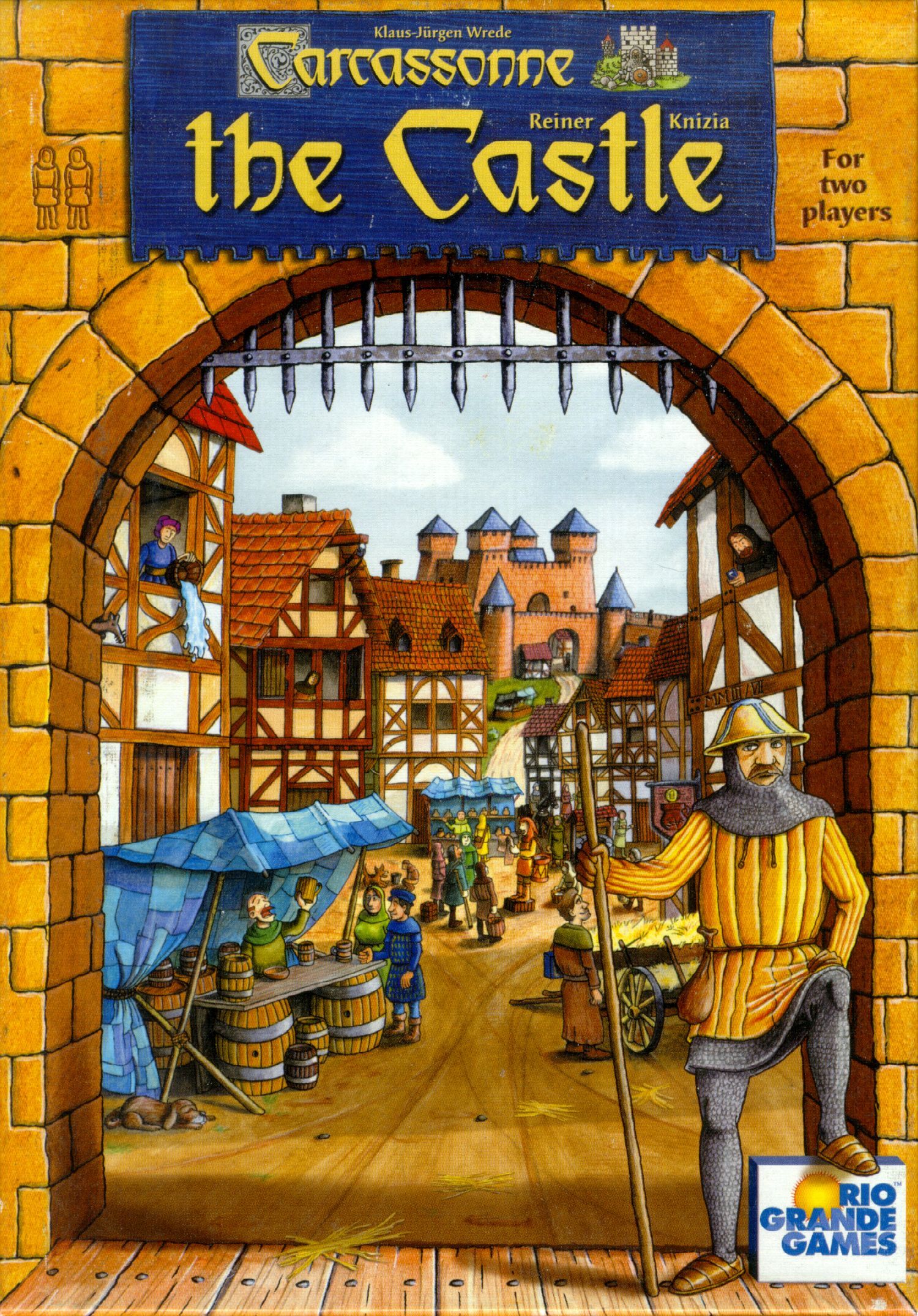
- Carcassonne: The Castle
Die Burg
2003A head-to-head Carcassonne game where tile placement is limited by a fixed board layout.
- 2 Spieler
- 30 Minuten
- Ab 8 Jahren
A two-player tile-placement game from the Carcassonne series, suited to ages 8 and up and taking about 30 minutes. Reiner Knizia designed it with series creator Klaus-Jürgen Wrede credited, and Hans im Glück published the German edition.
von Klaus-Jürgen Wrede, Reiner Knizia
- 2 bis 4 Spieler
- 45 Minuten
- Ab 8 Jahren
von Leo Colovini
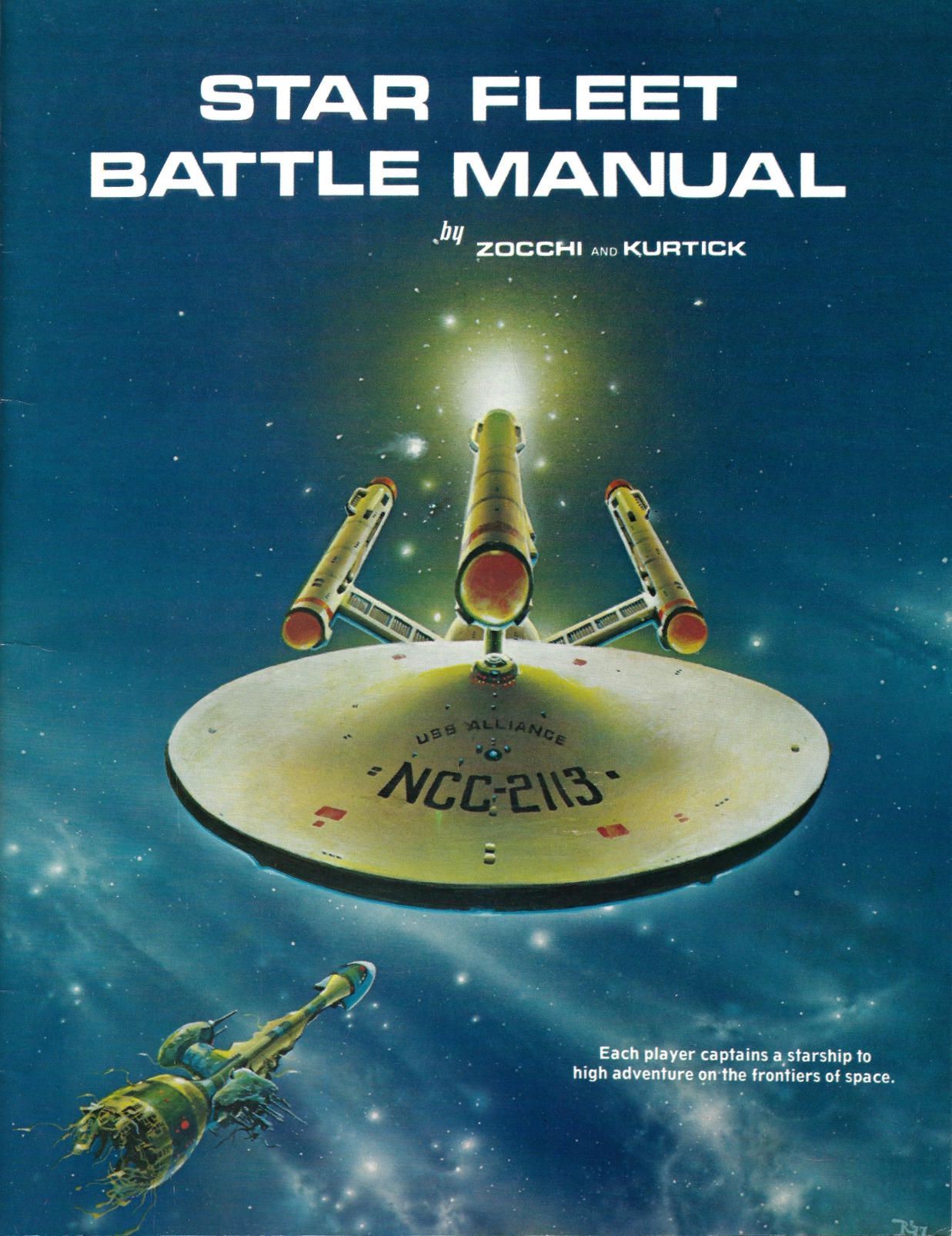
1977 Star Trek miniatures game
- 2 bis 8 Spieler
- 45 bis 90 Minuten
- Ab 12 Jahren
Star Fleet Battle Manual is a 1977 miniatures game for two to eight players, published by Gamescience and designed by Lou Zocchi. It suits players who enjoy tabletop starship battles. Each player takes command of one or more starships and battles the others across a tabletop.
von Lou Zocchi · Gamescience
- 1 bis 6 Spieler
- 45 Minuten
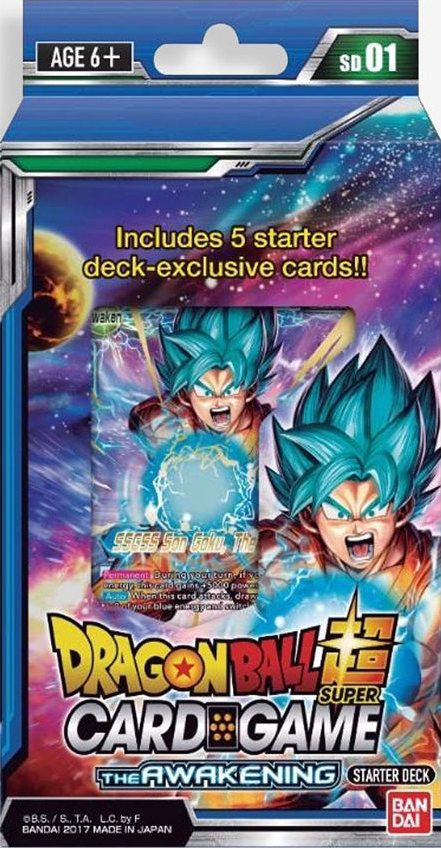
Dragon Ball's collectible card game, split into the Masters and Fusion World lines.
- 2 Spieler
- 15 bis 60 Minuten
- Ab 10 Jahren
A collectible card game for two players, taking 15 to 60 minutes and suited to ages 10 and up, published by Bandai. It is based on the Dragon Ball franchise. Its cards draw on heroes, places and moments from the original series through Super and Daima, plus films and video games.
- Polis: Fight for the Hegemony
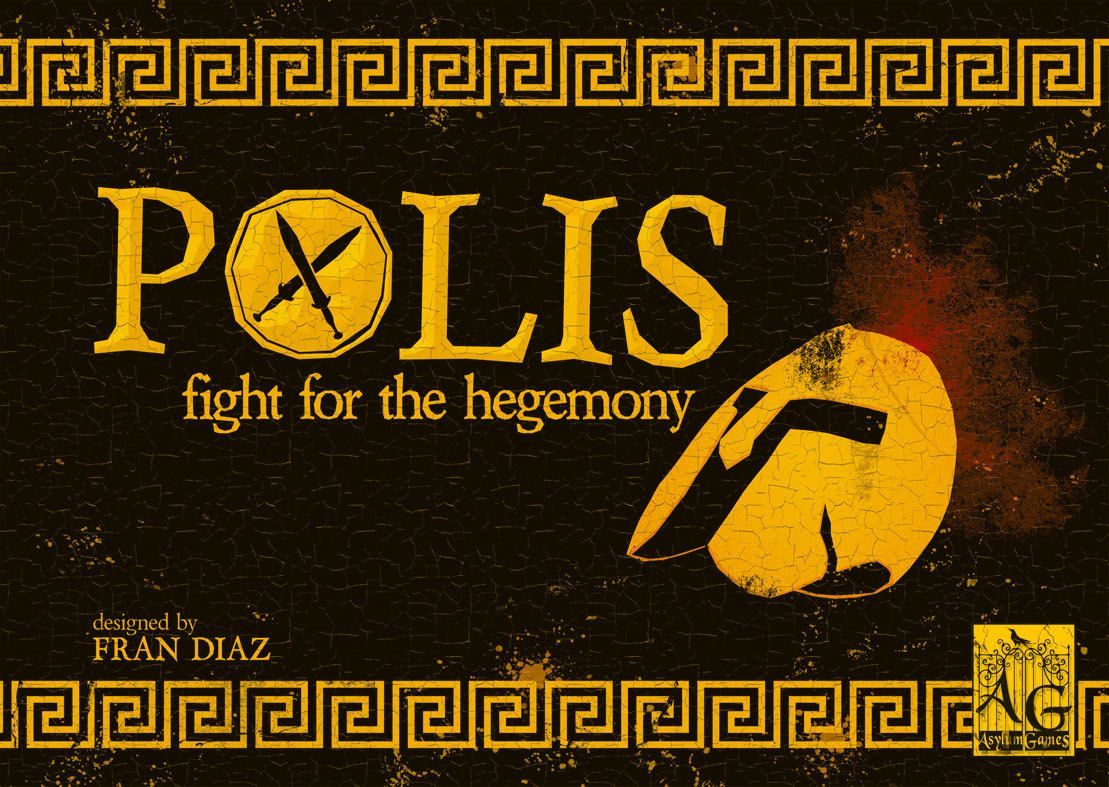
Two-player Peloponnesian War game where feeding your people matters as much as winning battles.
- 2 Spieler
- 90 bis 120 Minuten
- Ab 12 Jahren
A two-player historical war and economic game for ages 12 and up, published by Asylum Games, Mercury Games and Pegasus Spiele. It is set in the 2012 release year and is a compact yet demanding title. You command either Athens or Sparta in the Peloponnesian War, extending your influence over rival city states.
- 1 bis 4 Spieler
- 150 Minuten
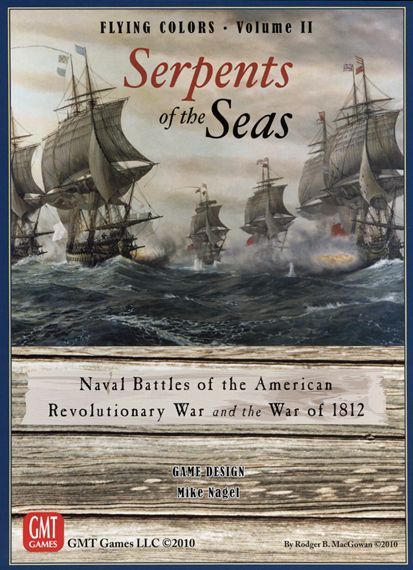
von Mike Nagel
- 2 bis 5 Spieler
- 20 Minuten
- Ab 8 Jahren
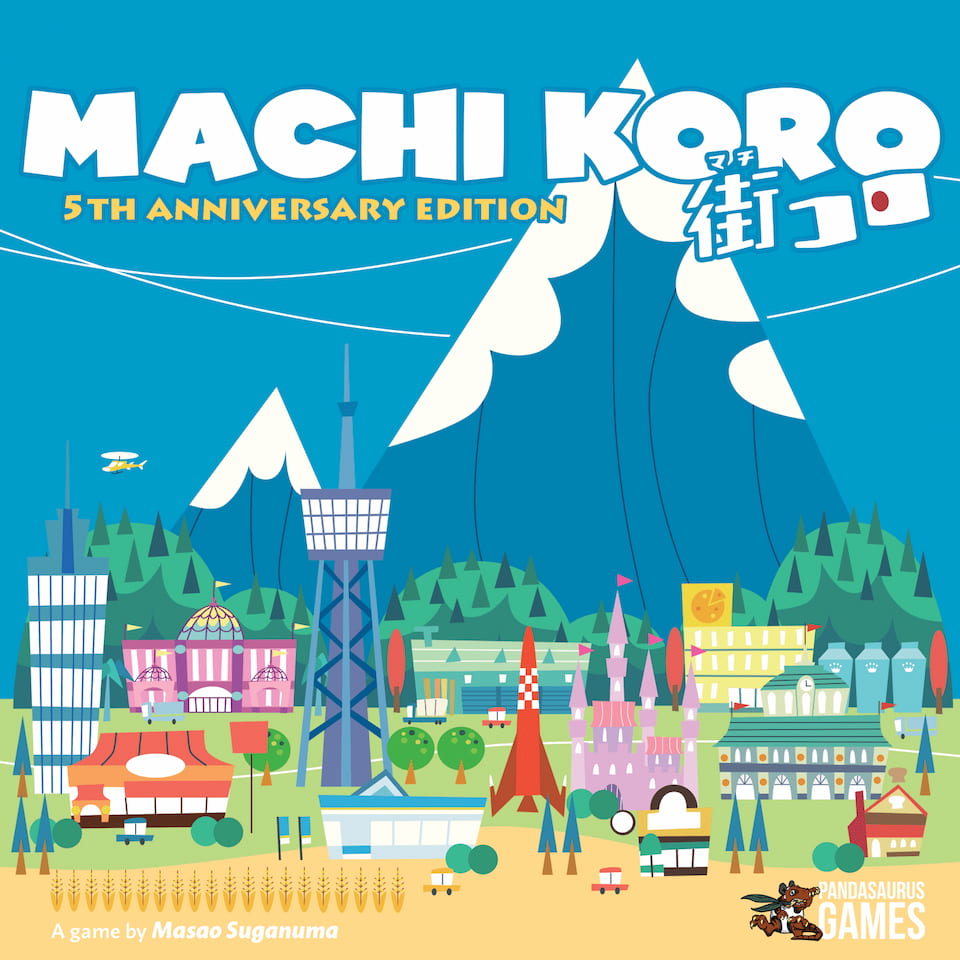
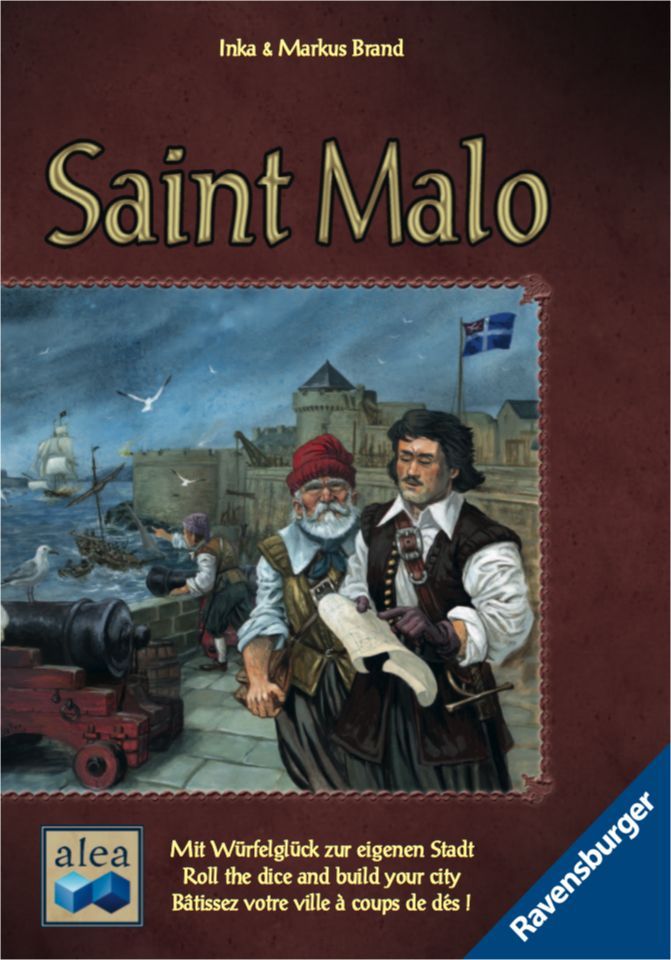
Build your town one dice roll at a time, racing to finish your landmarks first.
- 2 bis 4 Spieler
- 30 Minuten
- Ab 10 Jahren
Machi Koro is a tabletop city-building game for 2 to 4 players aged 10 and up, designed by Masao Suganuma and first published in 2012 by Grounding and other publishers. You are the mayor of a small town, competing against rival mayors to be the first to complete four major landmarks.
von Masao Suganuma · White Goblin Games
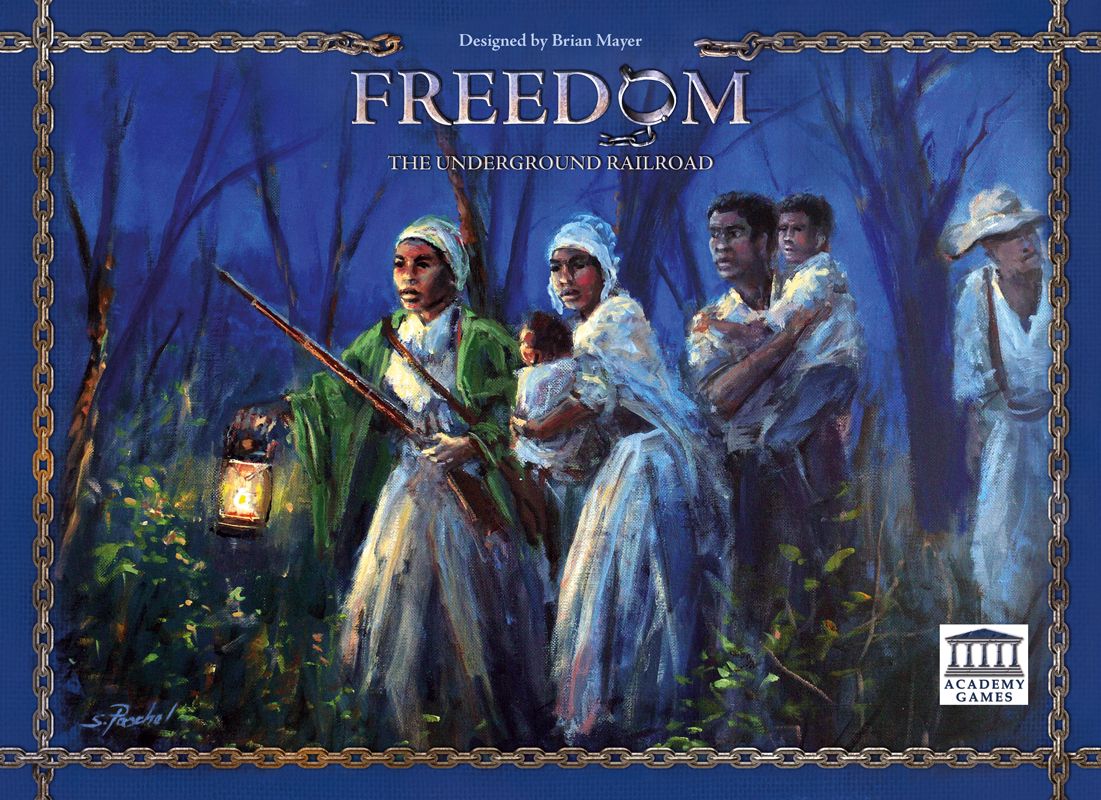
Cooperative play as abolitionists fighting slavery, guided by historical figure cards.
- 1 bis 4 Spieler
- 60 bis 120 Minuten
- Ab 13 Jahren
Brian Mayer designed this co-operative board game for one to four players aged 13 and up, and Academy Games published it as the opening title of its Freedom series. Set in early American history, the game casts everyone as allies in the Abolitionist Movement, aiming to end slavery across the nation.
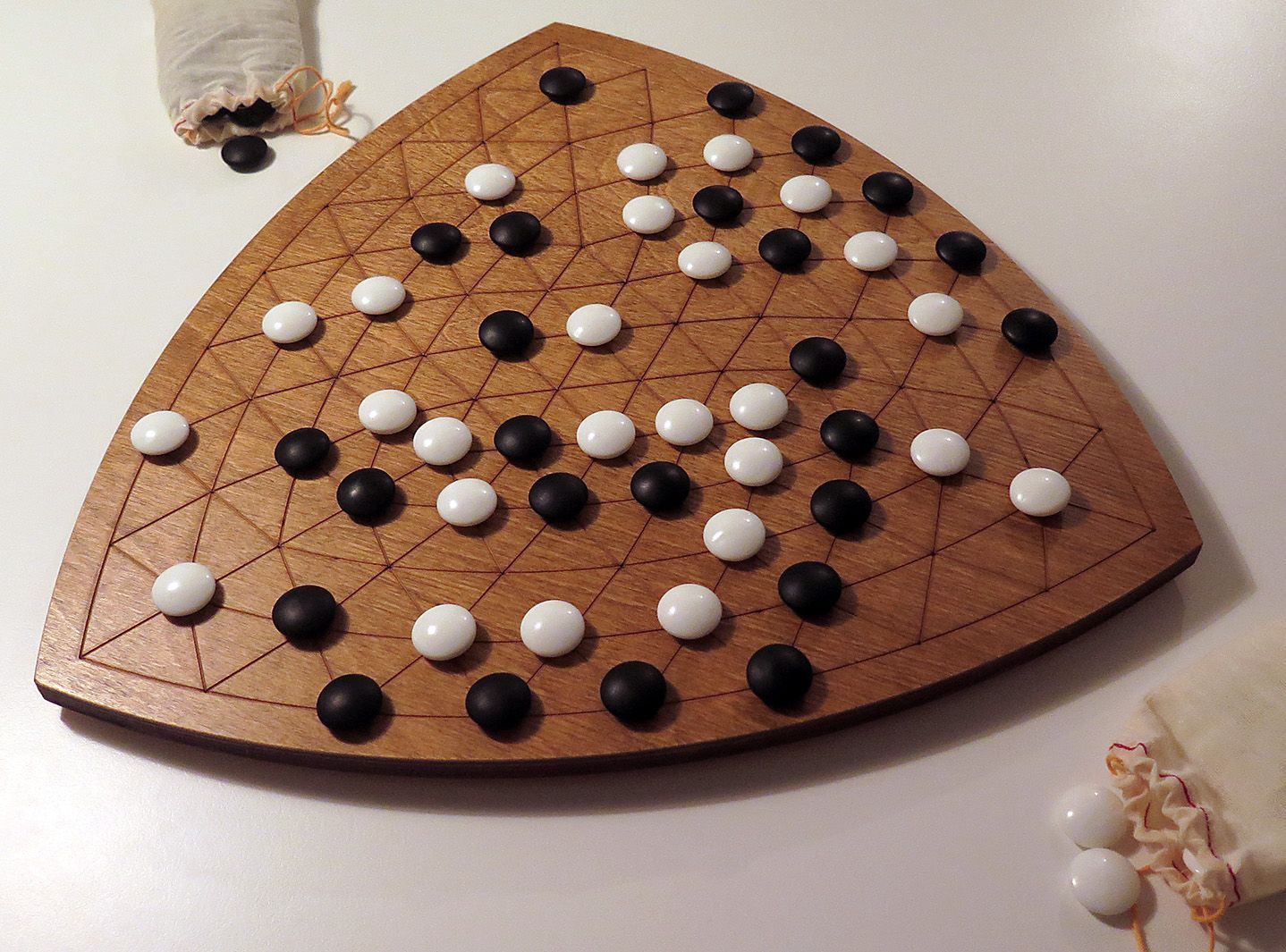
The Game of Y
1953A two-player connection game on a triangular board, where placed stones never move.
- 2 Spieler
- 20 Minuten
- Ab 10 Jahren
Y is an abstract strategy game for two players aged 10 and up, published by Kadon Enterprises. Craige Schensted and Charles Titus came up with it separately in 1953. Two players, Black and White, add stones to the board in turn, and the stones stay where they are for the rest of the game.
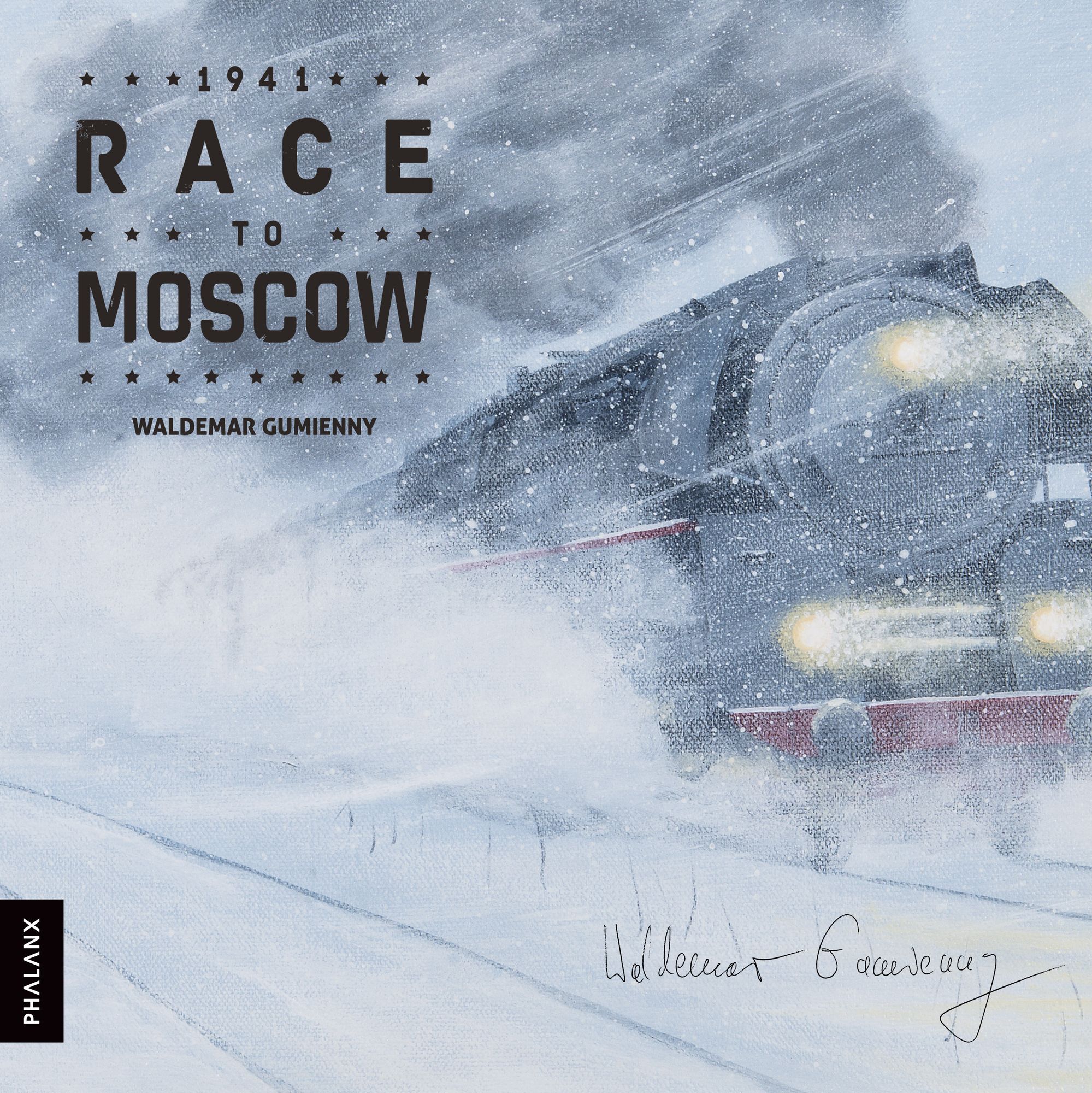
- 1 bis 4 Spieler
- 90 bis 120 Minuten
- Ab 14 Jahren
A logistics-focused historical race in which players act as quartermasters pushing their armies eastward to their objectives before rivals do, while mud, enemy forces and disrupted railroads get in the way.
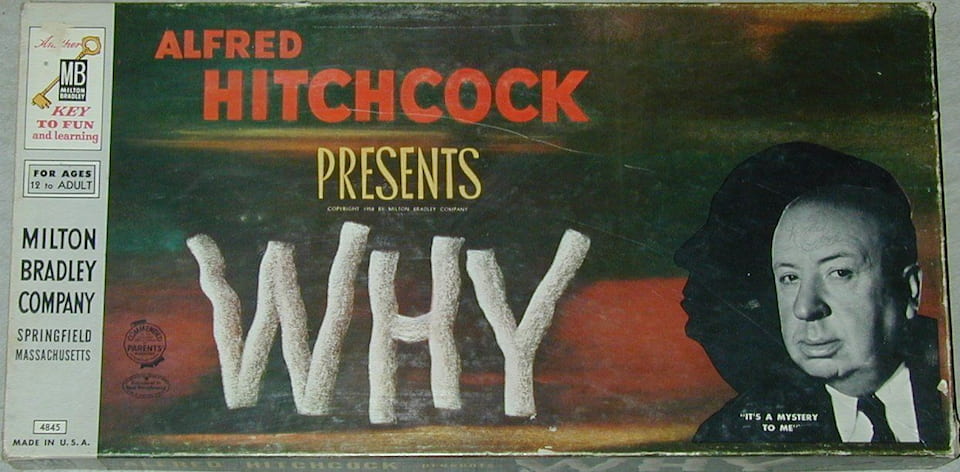
Why
1958A 1958 Alfred Hitchcock-inspired detective spoof where you collect ghosts, weapons and motives.
- 2 bis 4 Spieler
- 45 Minuten
- Ab 12 Jahren
Why is a 1958 board game for two to four players aged 12 and up, created by Milton Bradley and later issued by several publishers. Inspired by the Alfred Hitchcock Presents television show, the game spoofs detective fiction. Players race to assemble one ghost, one weapon and one motive before their rivals do.
Milton Bradley Company
- 2 Spieler
- 30 bis 60 Minuten
- Ab 14 Jahren
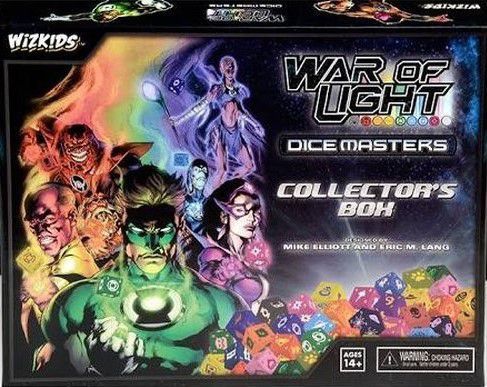
von Eric M. Lang, Mike Elliott
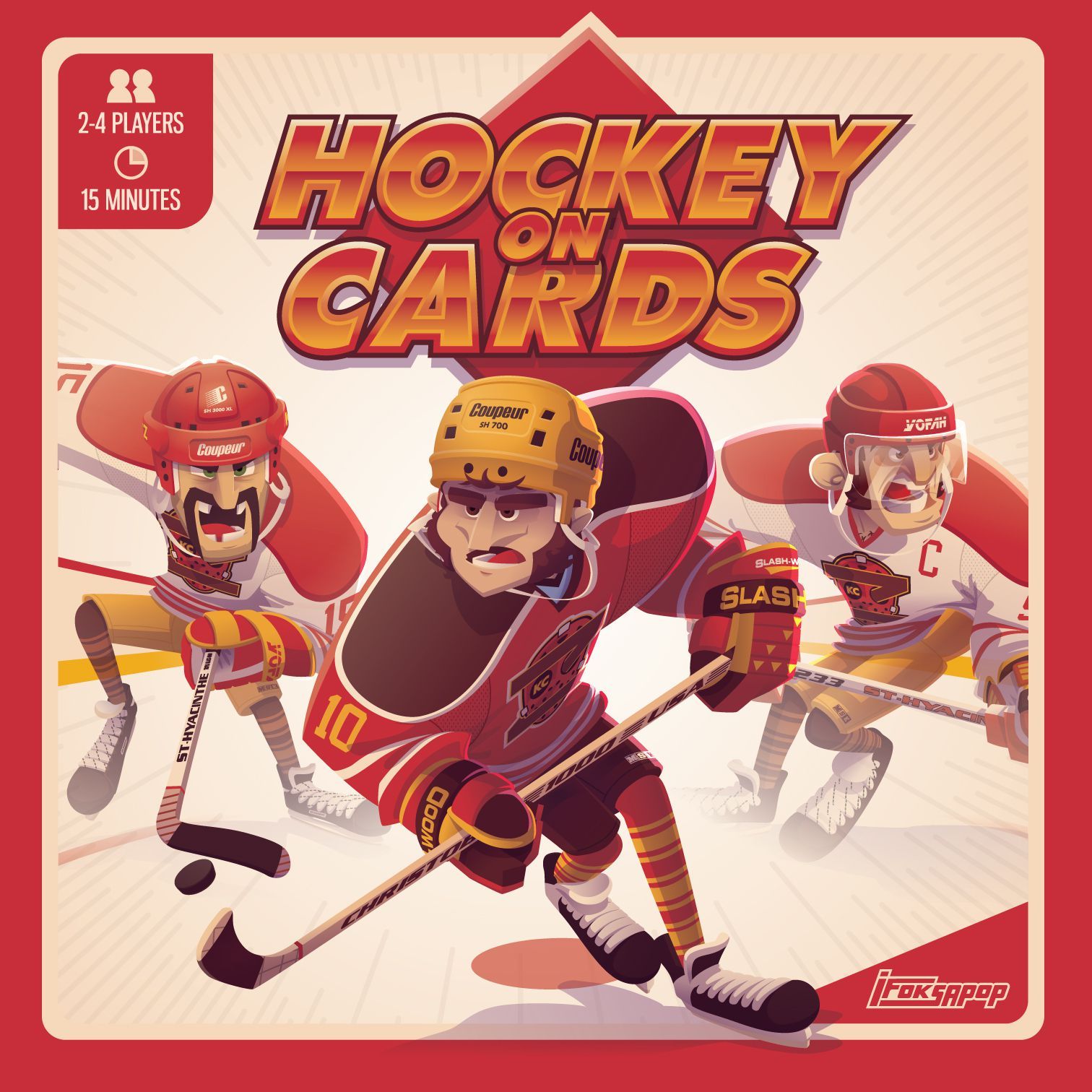
Hockey on Cards
2017- 2 bis 4 Spieler
- 10 bis 15 Minuten
- Ab 8 Jahren
- 2 bis 4 Spieler
- 45 bis 60 Minuten
- Ab 10 Jahren
Paradox Island
2025A deduction game of hidden island exploration where paradox characters fight or escape.
- 2 bis 4 Spieler
- 60 bis 90 Minuten
- Ab 10 Jahren
von Stepan Opalev
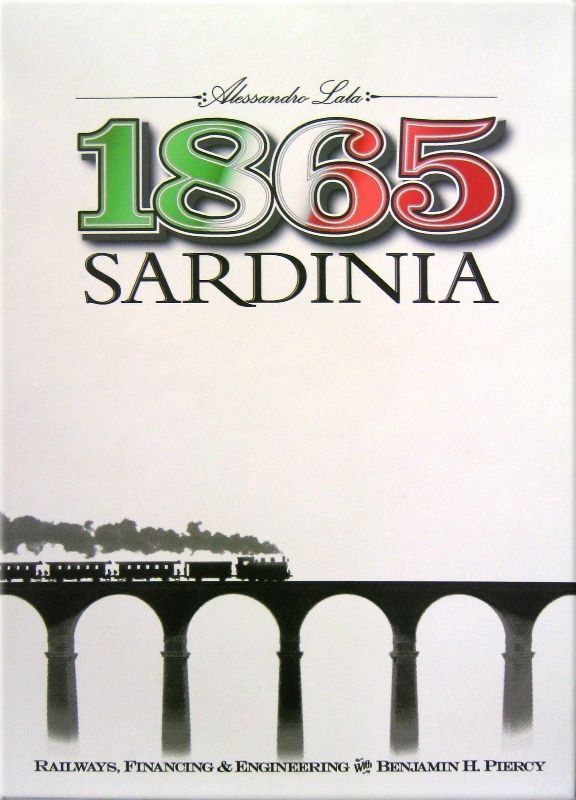
1865: Sardinia
2011- 2 bis 4 Spieler
- 240 Minuten
- Ab 14 Jahren
- 2 bis 4 Spieler
- 15 Minuten
- Ab 5 Jahren