Die Seite wird geladen…
- 2 bis 6 Spieler
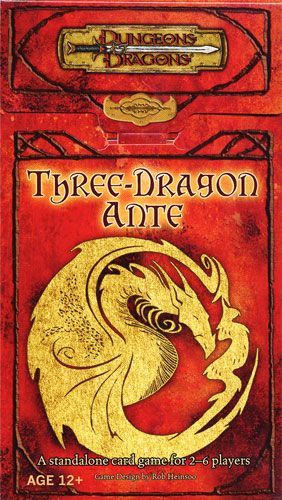
A Dungeons & Dragons card game blending luck and skill, with ideas borrowed from poker, hearts, and rummy.
- 2 bis 6 Spieler
- 20 Minuten
- Ab 10 Jahren
A card game blending luck and skill for 2 to 6 players, ages 10+, taking about 20 minutes. Rob Heinsoo designed it, and Wizards of the Coast issued it in 2005 alongside other publishers. Drawn from Dungeons & Dragons, the game lets you stake gold on dragons and mortals.
von Rob Heinsoo
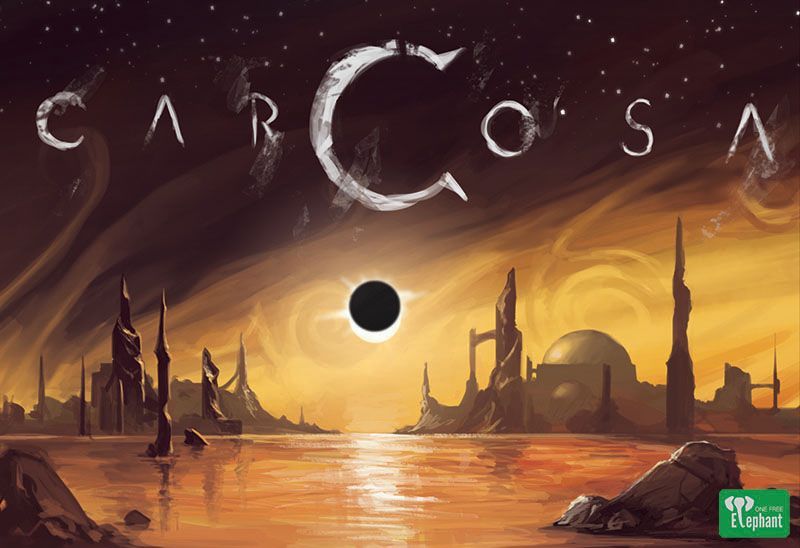
Carcosa
2017- 1 bis 4 Spieler
- 45 bis 60 Minuten
- Ab 12 Jahren
- 1 bis 4 Spieler
- 150 bis 1200 Minuten
- Ab 14 Jahren
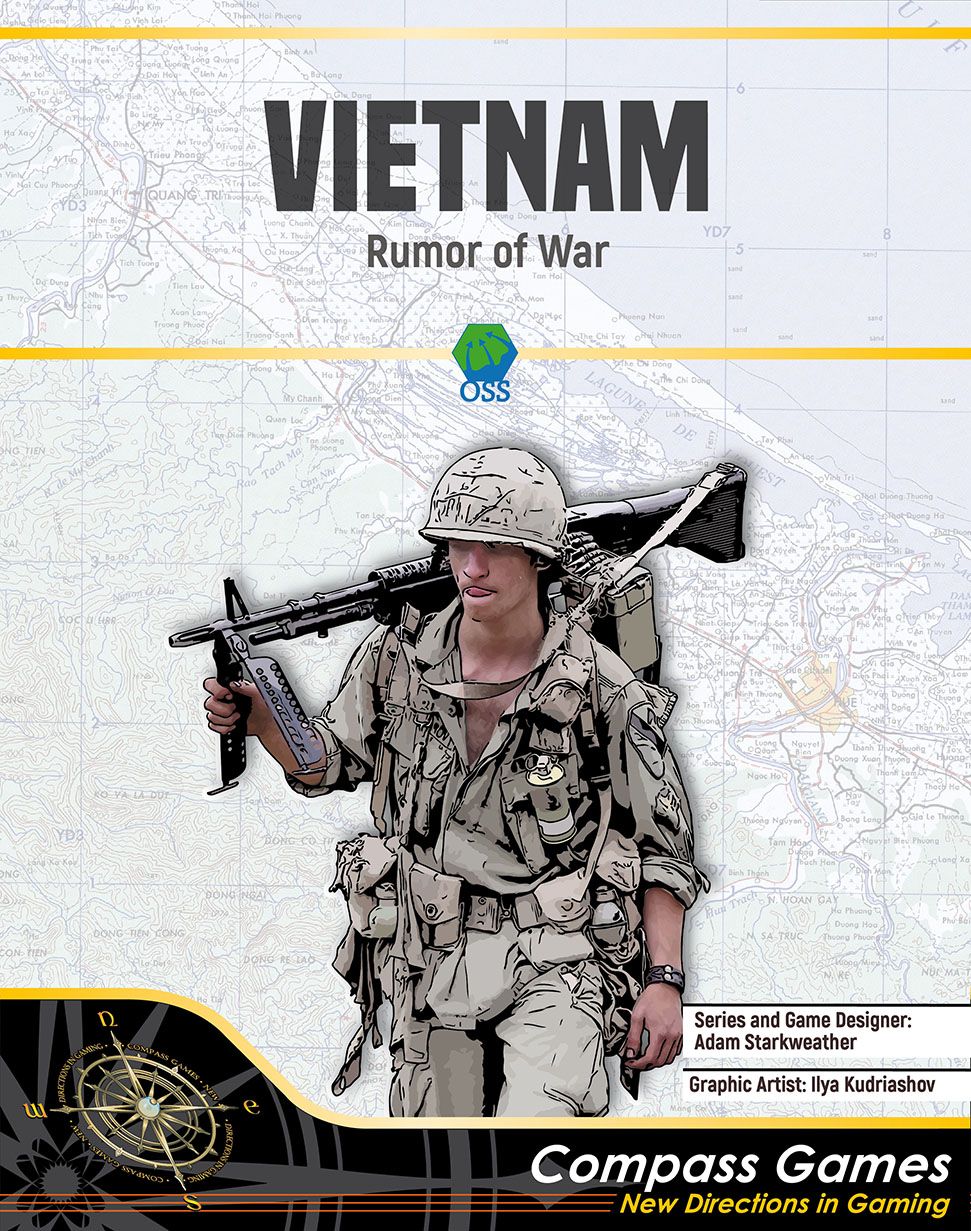
von Adam Starkweather
- 1 bis 4 Spieler
- 60 bis 120 Minuten
- 2 bis 8 Spieler
- 180 Minuten
- Ab 8 Jahren
SteamRollers
2015- 1 bis 5 Spieler
- 30 bis 45 Minuten
- Ab 10 Jahren
- 2 bis 4 Spieler
- 60 Minuten
- Ab 13 Jahren
von Dan Smith
- 2 bis 5 Spieler
- 20 Minuten
- Ab 10 Jahren
von Bernhard Naegele
- 3 bis 5 Spieler
- 120 Minuten
- Ab 10 Jahren
von Pascal Bernard
- 1 bis 4 Spieler
- 45 Minuten
- Ab 13 Jahren
- 1 bis 4 Spieler
- 180 Minuten
- Ab 10 Jahren
- 2 bis 5 Spieler
- 10 bis 20 Minuten
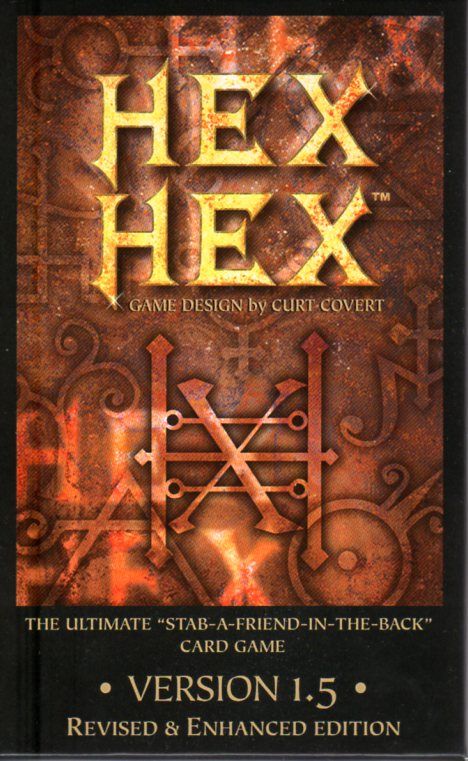
Hex Hex
2003Deflect point-stealing hexes with cards and hold on to your Voices in this fantasy card game.
- 3 bis 6 Spieler
- 30 Minuten
- Ab 12 Jahren
A fantasy card game for 3 to 6 players, rated for ages 12 and up and lasting about 30 minutes. Curt Covert designed it and Smirk & Dagger Games published it. You aim to fend off point-stealing curses that other players send your way, and finish with the most points.
von Curt Covert
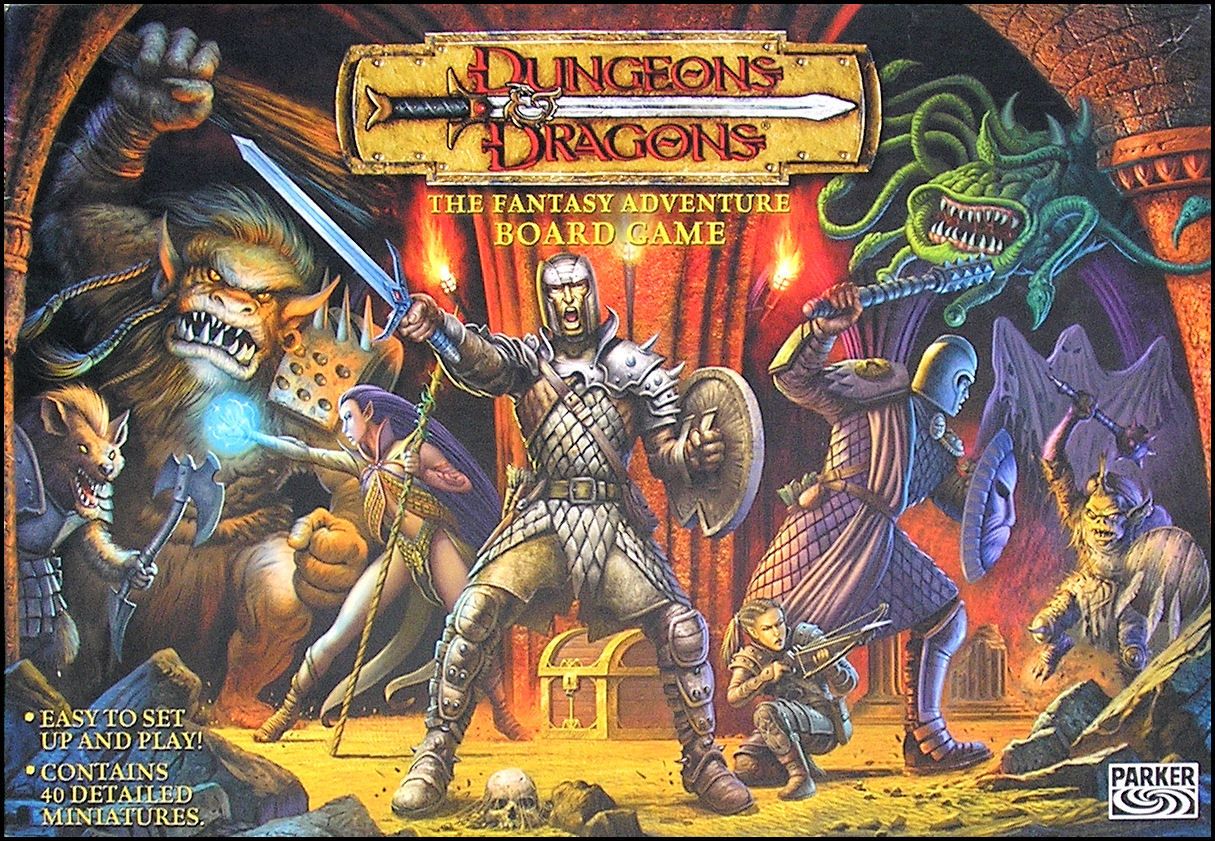
- Dungeons & Dragons: The Fantasy Adventure Board Game
A D&D-inspired dungeon crawl that swaps polyhedral dice for custom attack dice, for 2 to 5 players.
- 2 bis 5 Spieler
- 60 Minuten
- Ab 10 Jahren
A fantasy adventure board game for 2 to 5 players aged 10 and up, designed by Amanda Birkinshaw and published by Parker Brothers, a Hasbro division. Players go through a dungeon-crawl style adventure drawn from the D&D game, but without any role-playing.
von Amanda Birkinshaw
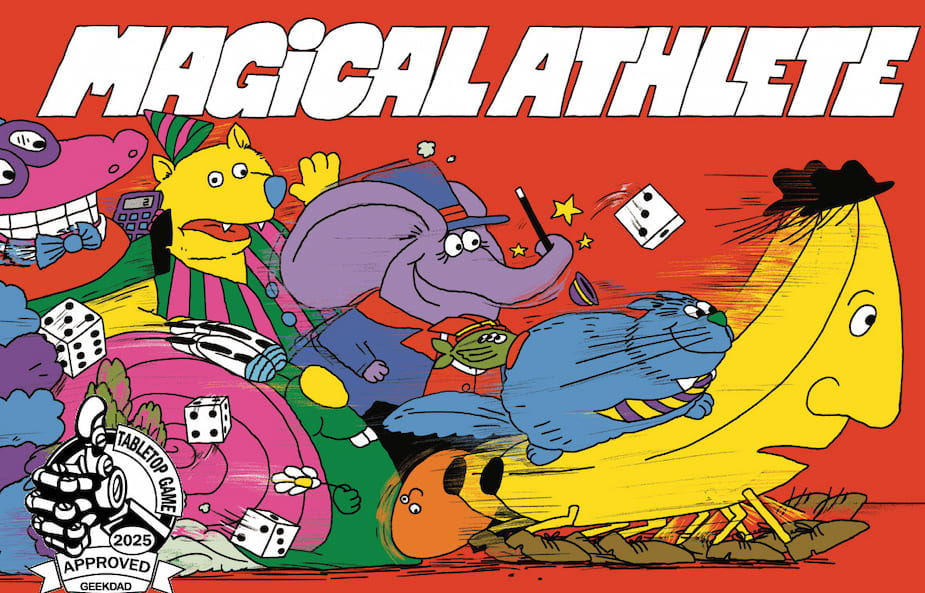
Magical Athlete
2025A chaotic family race where every absurd racer has a rule-bending power.
- 2 bis 6 Spieler
- 30 Minuten
- Ab 6 Jahren
Magical Athlete is a chaotic racing game for 2 to 6 players, designed by Richard Garfield and Takashi Ishida and published by CMYK. It is aimed at ages 6 and up and plays in about half an hour. Each racer you field carries an odd ability that twists how movement works on the track.
von Richard Garfield, Takashi Ishida
Pocket Sub
2018- 2 bis 4 Spieler
- 10 bis 15 Minuten
- Ab 8 Jahren
- 2 bis 5 Spieler
- 30 Minuten
- Ab 10 Jahren
- 2 bis 10 Spieler
- Ab 6 Jahren
- 1 bis 4 Spieler
- 15 Minuten
Secretly rule Waterdeep by placing agents to recruit adventurers and complete quests.
- 2 bis 5 Spieler
- 60 Minuten
- Ab 14 Jahren
von Peter Lee, Rodney Thompson
Heart of Crown
2011- 2 bis 4 Spieler
- 30 bis 60 Minuten
- Ab 12 Jahren
- 1 bis 3 Spieler
- 60 bis 90 Minuten
- Ab 14 Jahren
von Brian Train, Dávid Turczi
- 1 bis 4 Spieler
- 2 bis 4 Spieler
- Ab 10 Jahren
- 2 bis 4 Spieler
- 45 bis 90 Minuten
- Ab 10 Jahren
von Alexander Pfister
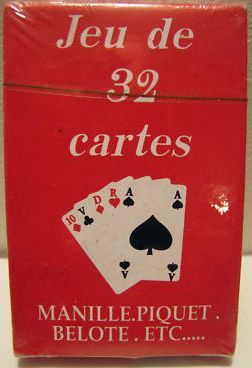
Catalan-born trick-taking card game with a 32-card deck, popular in parts of France and Belgium.
- 2 bis 4 Spieler
- 60 Minuten
Manille is a trick-taking card game of Catalan origin, played with a 32-card piquet deck. It spread through France in the early 20th century, but belote later pushed it back. It is usually played by four players in two partnerships, though two- and three-player variants also exist.
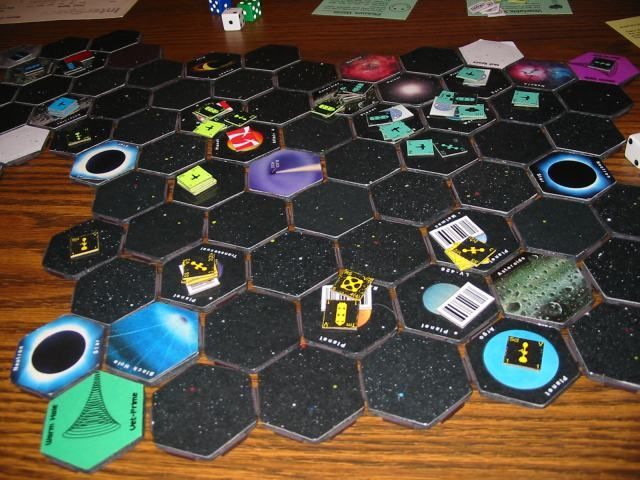
InterSpace
2004- 2 bis 4 Spieler
- 360 Minuten
- Ab 11 Jahren