Die Seite wird geladen…
Formula C Minus
2000- 2 bis 6 Spieler
- Ab 10 Jahren
- 2 bis 6 Spieler
- 30 Minuten
- Ab 8 Jahren
Super Big Boggle
2012- 1 bis 20 Spieler
- 60 Minuten
- Ab 8 Jahren
Couture
2023- 3 bis 6 Spieler
Aerodrome
1994- 2 bis 12 Spieler
- 30 bis 60 Minuten
- Ab 12 Jahren
- 2 bis 6 Spieler
- 20 Minuten
- Ab 10 Jahren
von Bernhard Lach, Uwe Rapp
Joomo (Klein)
2026A family trick-taking card game where the first two cards of each trick set a number gap others must fit.
- 2 bis 6 Spieler
- 30 Minuten
- Ab 8 Jahren
Joomo is a new kind of trick-taking game for the whole family, designed by Michael Palm and Lukas Zach and published by 10 Traders GmbH. It is a quick, light card game for 2 to 6 players. In Joomo, the first two cards played to a trick set a numeric gap, and every card played after them must fit into that gap.
von Lukas Zach, Michael Palm · 10 Traders GmbH
- 2 bis 8 Spieler
- 240 Minuten
- Ab 12 Jahren
- 2 bis 8 Spieler
- 180 Minuten
- Ab 12 Jahren
von Herbert Saurugg, Nicole Zeller
Marvel: Remix
2022A Marvel-themed card game where you build a hand of heroes, villains and places to score the most points.
- 2 bis 6 Spieler
- 20 Minuten
- Ab 14 Jahren
Marvel: Remix takes the Fantasy Realms card design into the Marvel Universe, with heroes, villains, items and places. Players draft cards from shared decks and try to assemble the most valuable hand. It suits fans of Marvel and light card games for teens and adults.
von Bruce Glassco
- 2 bis 8 Spieler
- 5 bis 15 Minuten
- Ab 8 Jahren
- 1 bis 6 Spieler
- 20 bis 30 Minuten
- Ab 8 Jahren
von Hjalmar Hach, Lorenzo Silva
- 2 bis 6 Spieler
- 30 bis 45 Minuten
- Ab 12 Jahren
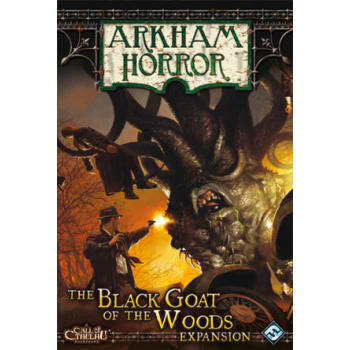
An expansion adding a cult and the Black Goat herald to the Arkham Horror base game.
- 1 bis 8 Spieler
- 240 Minuten
- Ab 12 Jahren
A small expansion for Arkham Horror in which a malevolent cult rises in Arkham and monsters swarm the town. Investigators must infiltrate the cult and resist the corrupting pull of the Black Goat, its Herald, before the Ancient One awakens. It suits fans of the horror cooperative base game who want a heavier challenge.
- 2 bis 8 Spieler
- 30 Minuten
- Ab 10 Jahren
von Urs Hostettler
- 2 bis 6 Spieler
- 15 bis 30 Minuten
- Ab 9 Jahren
von Johan Benvenuto, Nicolas Bourgoin
- 2 bis 6 Spieler
- 120 Minuten
- Ab 12 Jahren
- 2 bis 6 Spieler
- 30 Minuten
- Ab 8 Jahren
von Nick Hayes
- 3 bis 6 Spieler
- 10 bis 25 Minuten
- Ab 6 Jahren
von Randy Scheunemann, Samuel Mitschke
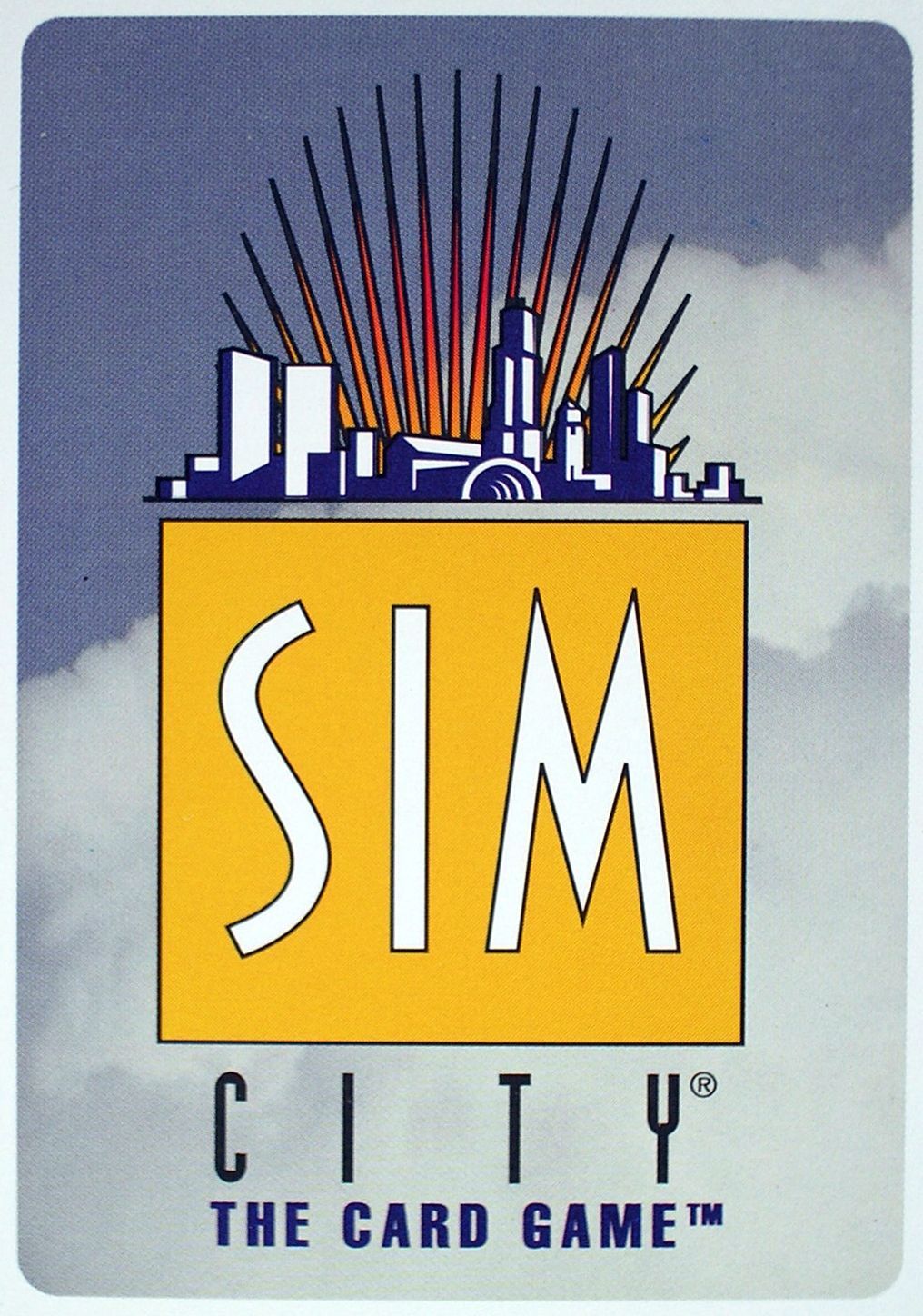
Grow a city from settlement to metropolis with zoned cards, racing rivals to 250 bucks.
- 1 bis 99 Spieler
- 120 Minuten
- Ab 10 Jahren
A collectible card game for one to 99 players aged 10 and up, playing in about 120 minutes. Darwin Bromley and Tom Wham designed it, and Mayfair Games published it in 1994. You and the other players try to grow a municipality from the ground up, collecting bucks as the city expands.
von Darwin Bromley, Tom Wham
- 4 bis 6 Spieler
- Ab 16 Jahren
von Lukas Setzke, Martin Student
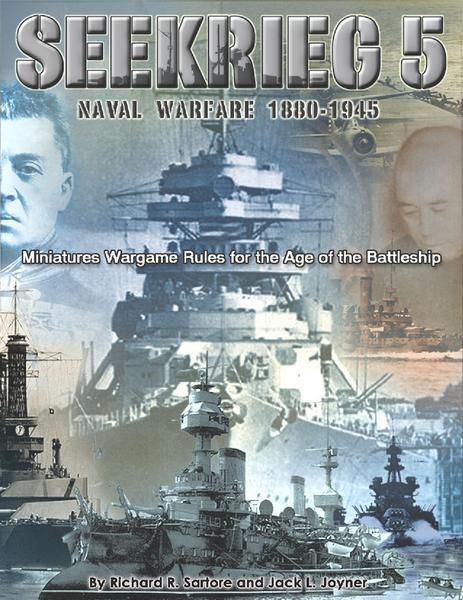
SEEKRIEG 5
2004- 2 bis 10 Spieler
- 120 Minuten
- Ab 12 Jahren
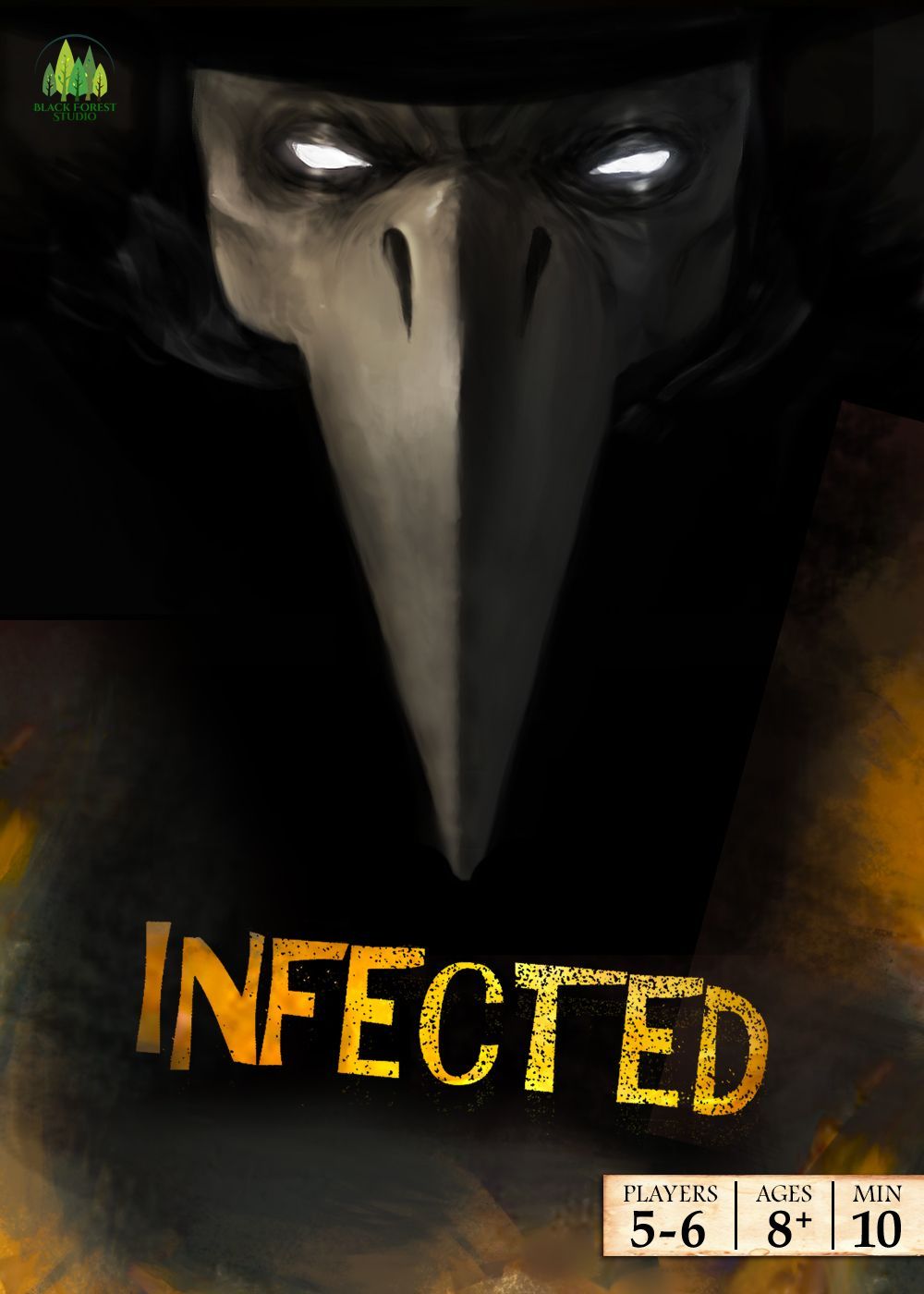
Infected
2017- 5 bis 6 Spieler
- 5 bis 15 Minuten
- Ab 13 Jahren
- 3 bis 6 Spieler
- 60 bis 120 Minuten
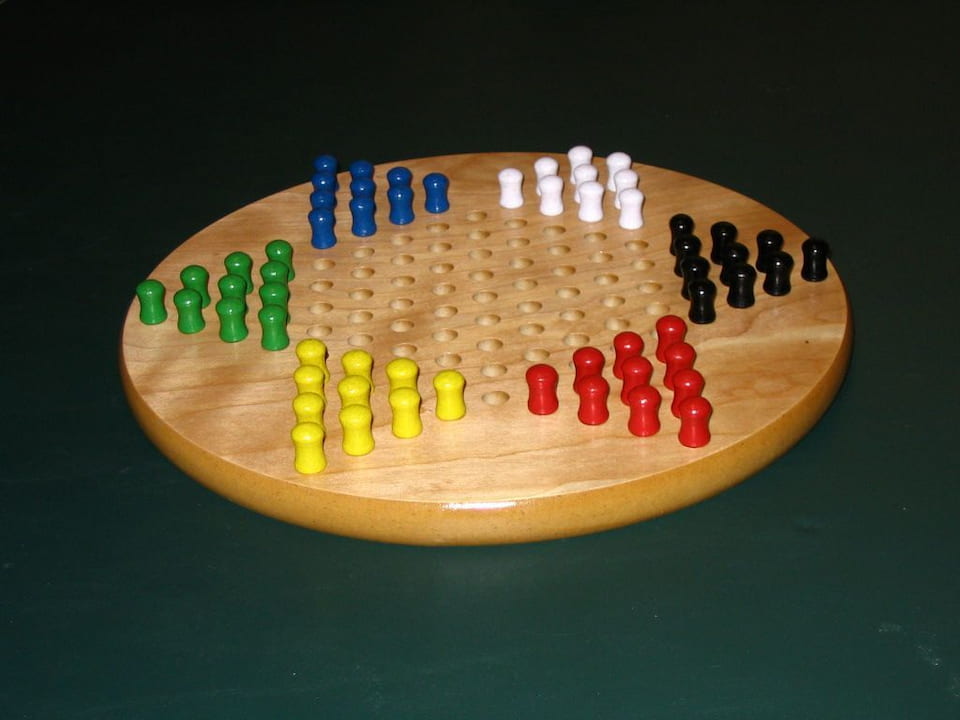
- Chinese Checkers
Sternhalma
1893- 2 bis 6 Spieler
- 30 Minuten
- Ab 6 Jahren
A strategy game of German origin, also called Sternhalma, suited to two to six players and dating from 1893. It is a simpler, more modern relative of Halma. Each player starts in one point of a six-pointed star and tries to bring every piece across the board to the corner directly opposite.