Cargando la página…
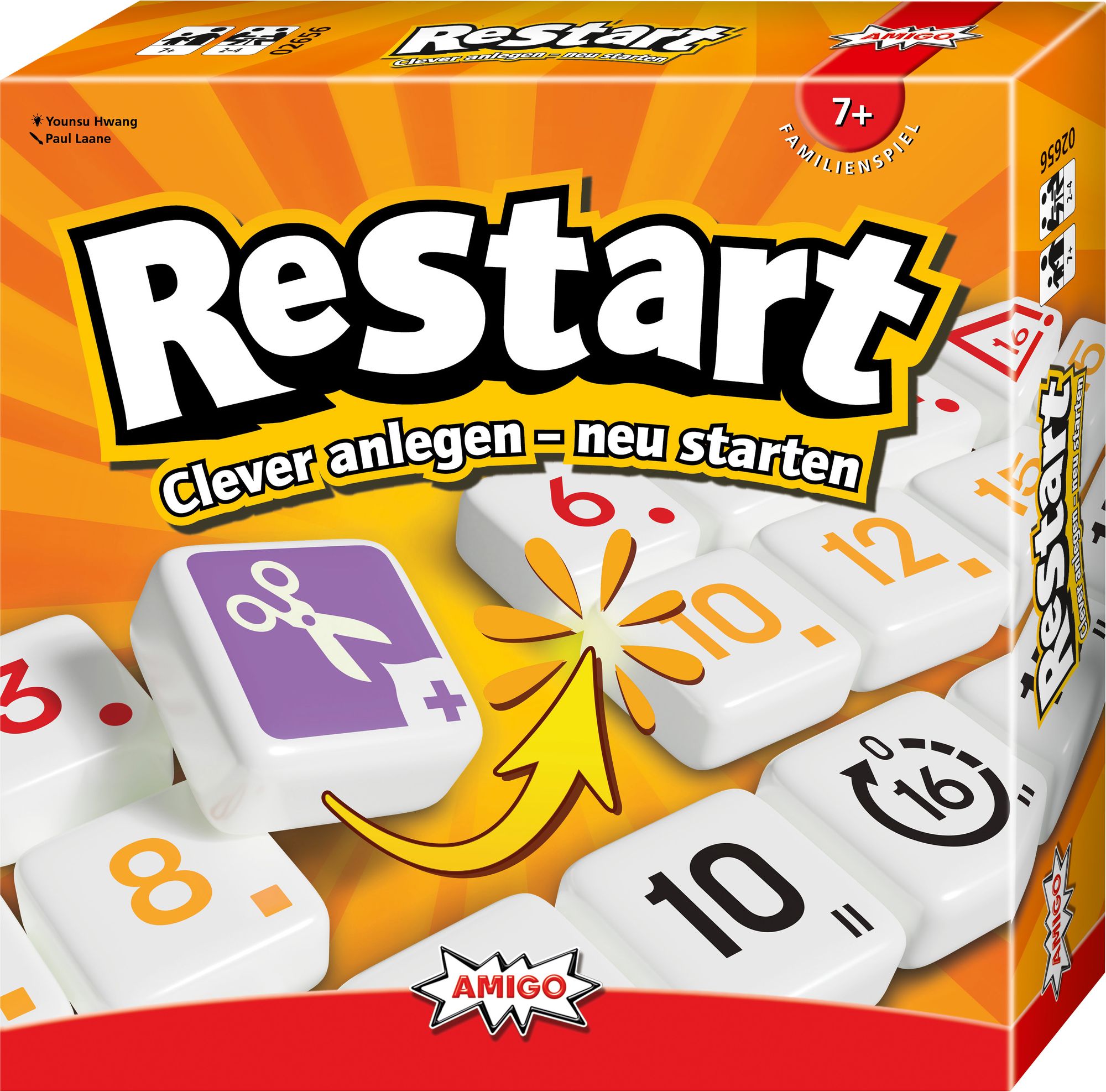
RESTART
2026- 2 a 4 jugadores
- 30 minutos
- A partir de 8 años
RESTART is a family tile-placement game by Younsu Hwang, published by AMIGO and IELLO for two to four players aged 8 and up. It is light and quick, with rounds that last about 30 minutes, and it suits everyone from children to grandparents. Each player keeps a hidden set of numbered tiles behind a screen.
de Younsu Hwang · IELLO
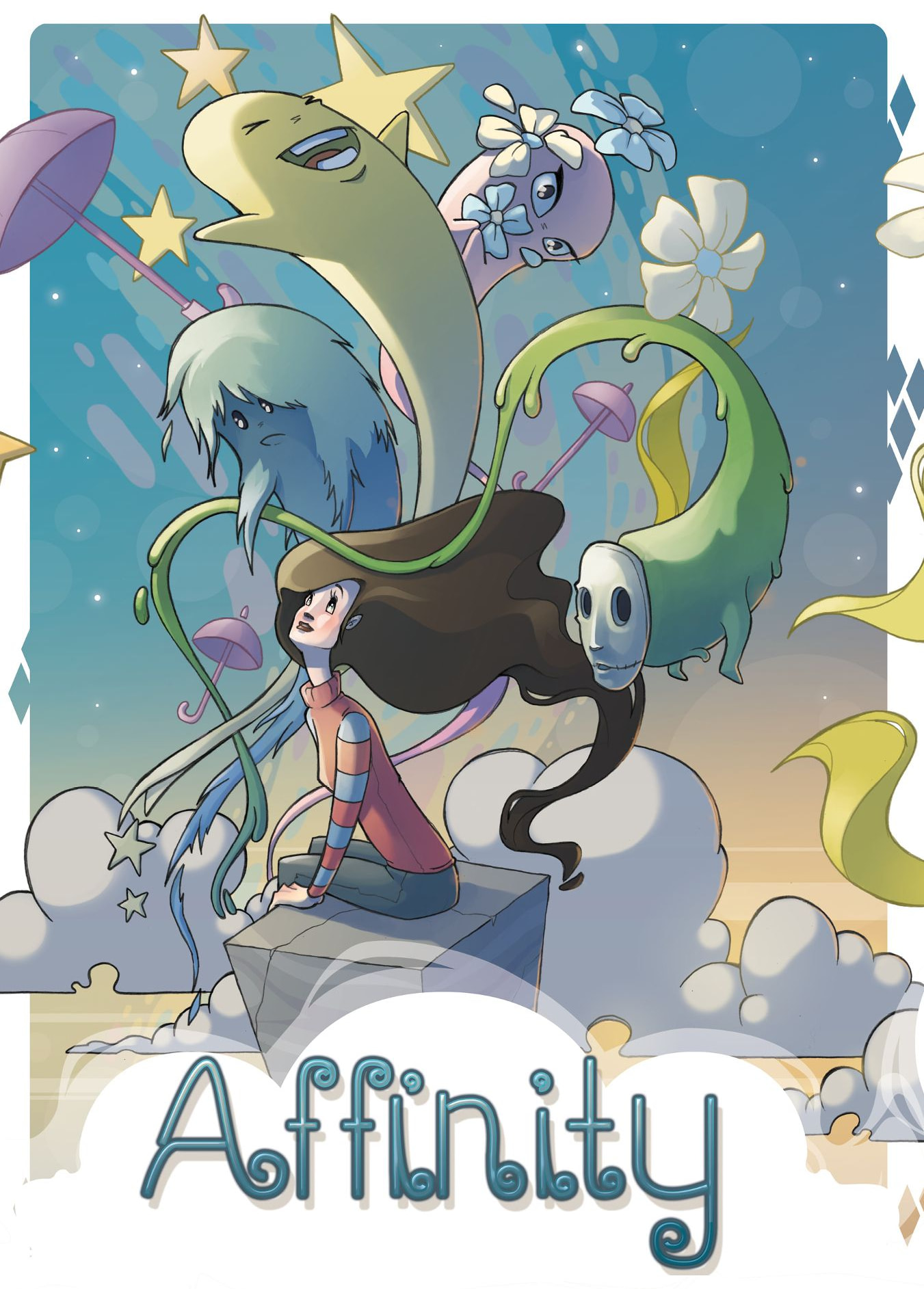
Affinity
2018- 3 a 8 jugadores
- 20 minutos
- A partir de 8 años
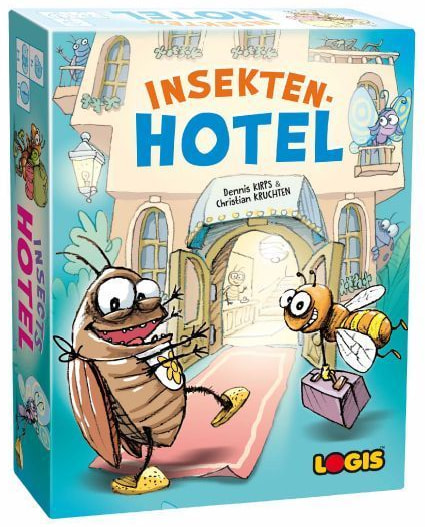
Insektenhotel
2015- 2 a 4 jugadores
- 15 a 20 minutos
- A partir de 7 años
de Christian Kruchten, Dennis Kirps
World Splitters
2022Fence off a futuristic New World and bid for land, where explorers claim the regions you enclose.
- 2 a 5 jugadores
- 45 minutos
- A partir de 8 años
de Romain Caterdjian, Tony Chen
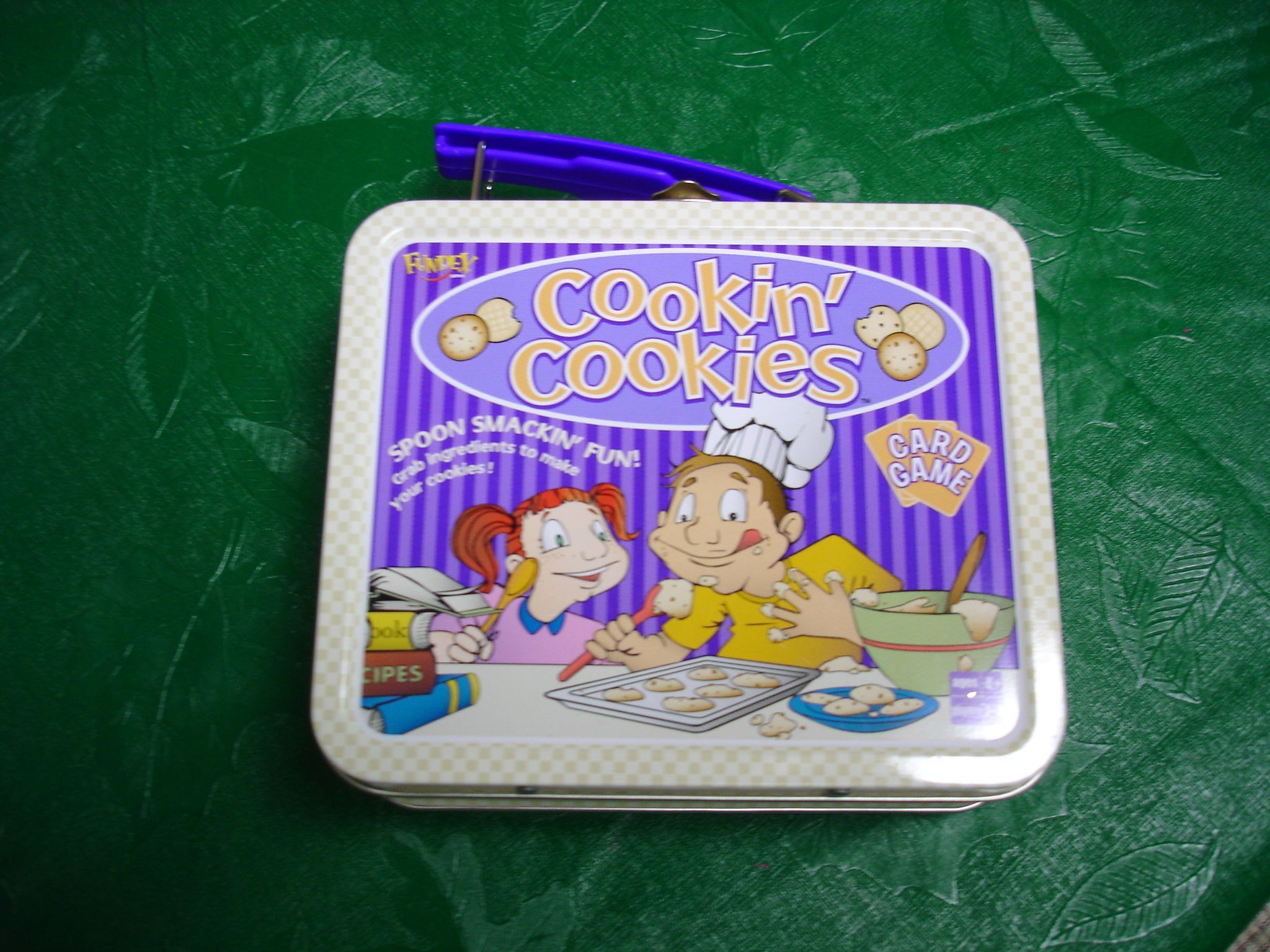
Cookin' Cookies
2003- 2 a 4 jugadores
- 10 minutos
- A partir de 4 años
A quick children's dice game where you shake a hungry-looking dog's cup and match pictures to shed your dice.
- 2 a 5 jugadores
- 5 minutos
- A partir de 4 años
You Little Stinker is a children's dice game for 2 to 5 players, published by Exploding Kittens and listed for ages 4 and up. Its designers are Ken Gruhl and Jeremy Posner. The premise is a dog, Bello, who has rolled in a mud puddle and wants to play.
de Jeremy Posner, Ken Gruhl
- 4 jugadores
- 60 a 120 minutos
- A partir de 8 años
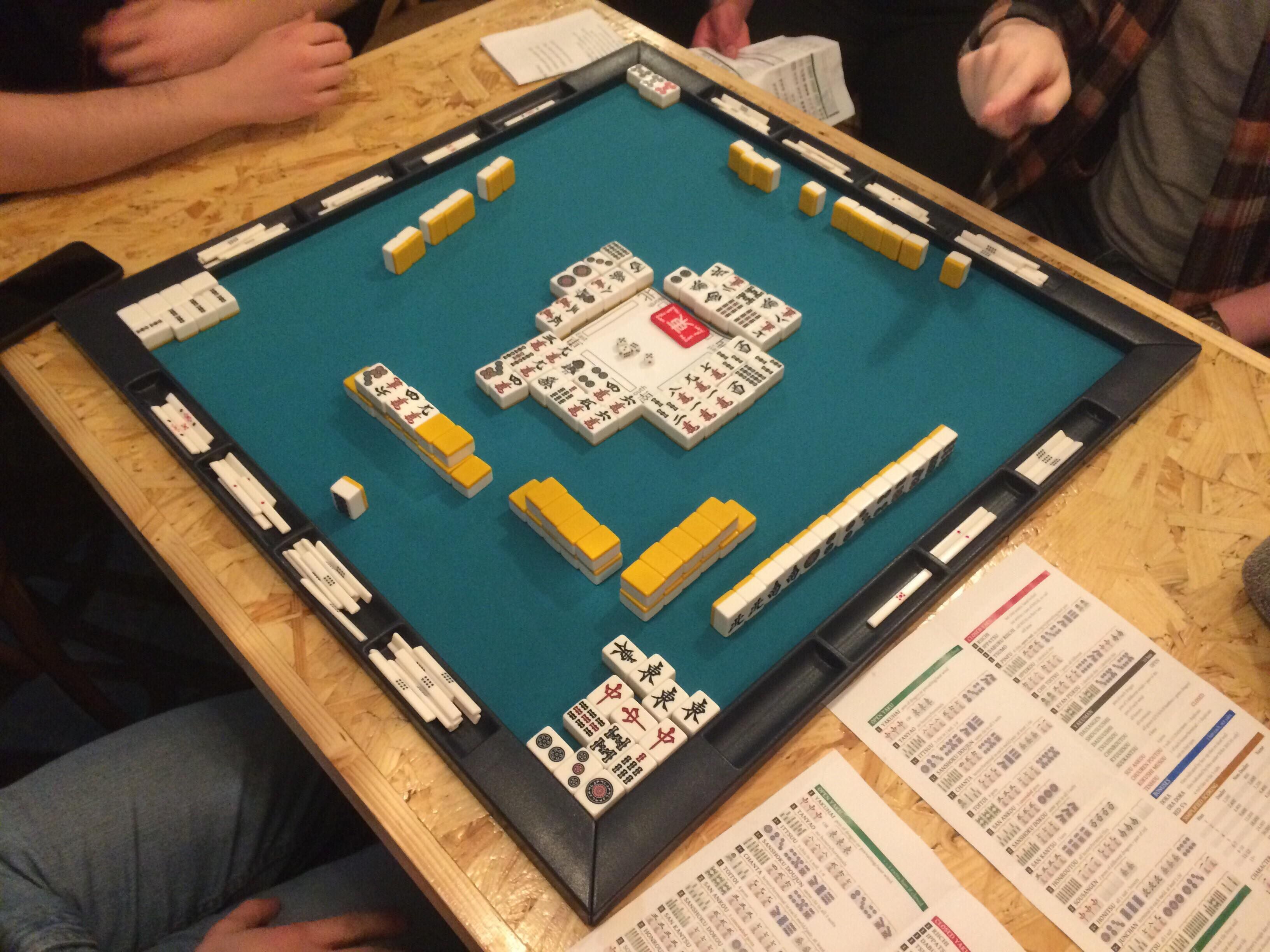
Riichi mahjong is a four-player variant of mahjong for ages 8 and up, taking 60 to 120 minutes to play. It is also known as Japanese mahjong. Japanese mahjong keeps the basic rules shared by other mahjong variants and adds its own distinctive rules. Its main features are these.
Imperial 2030
2009Invest in six rival nations and profit from the rise of new world powers, rather than conquering them.
- 2 a 6 jugadores
- 120 a 180 minutos
- A partir de 12 años
Imperial 2030 is a strategy game for two to six players aged 12 and up, designed by Mac Gerdts and published by Cranio Creations, Egmont Polska, Hobby World, PD-Verlag and Pensamento Coletivo. It first appeared in 2009.
de Mac Gerdts
- 2 a 4 jugadores
- 30 a 45 minutos
- A partir de 10 años
de Austin Rucker, Craig Van Ness
- 2 a 8 jugadores
- 45 a 60 minutos
- A partir de 14 años
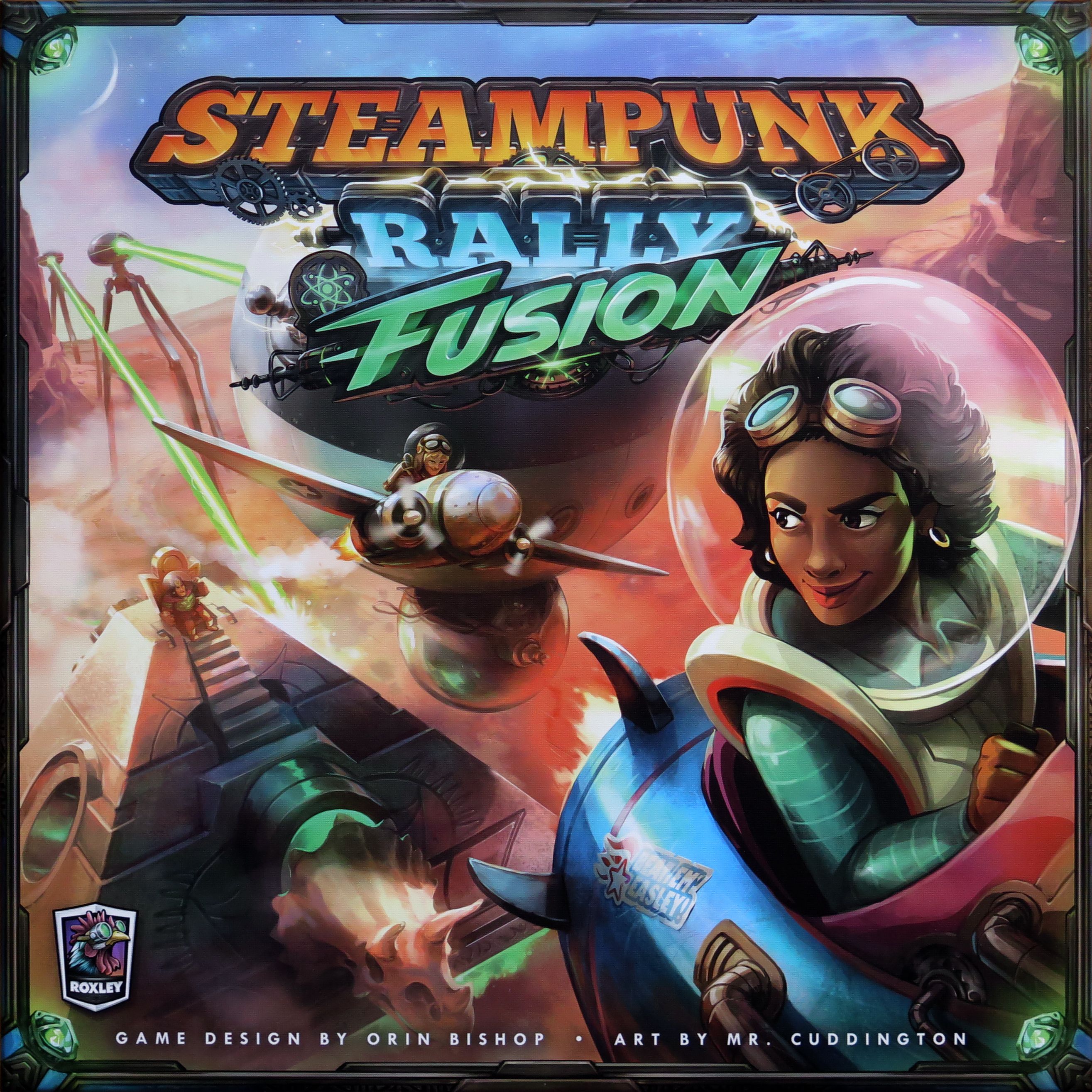
A deluxe compilation combining Steampunk Rally and Steampunk Rally Fusion, a competitive card-drafting and dice-placement race on a modular board.
- 2 a 6 jugadores
- 15 minutos
- A partir de 12 años
de Ludovic Maublanc · Interlude
- 4 a 6 jugadores
- 60 minutos
- A partir de 13 años
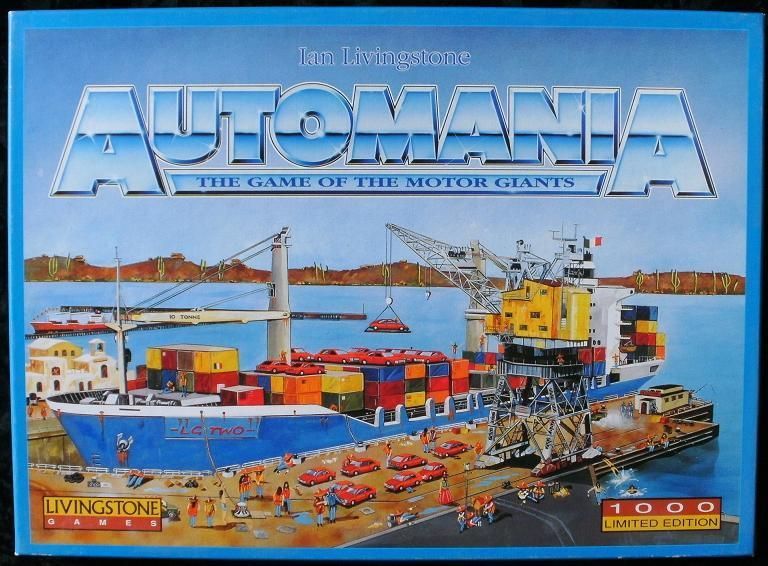
de Ian Livingstone
- 2 a 6 jugadores
- 20 minutos
- A partir de 10 años
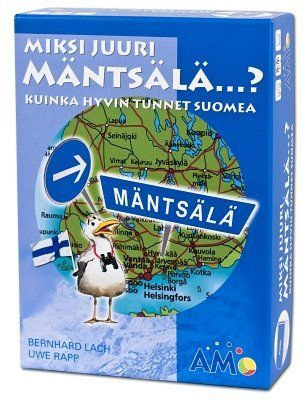
de Bernhard Lach, Uwe Rapp
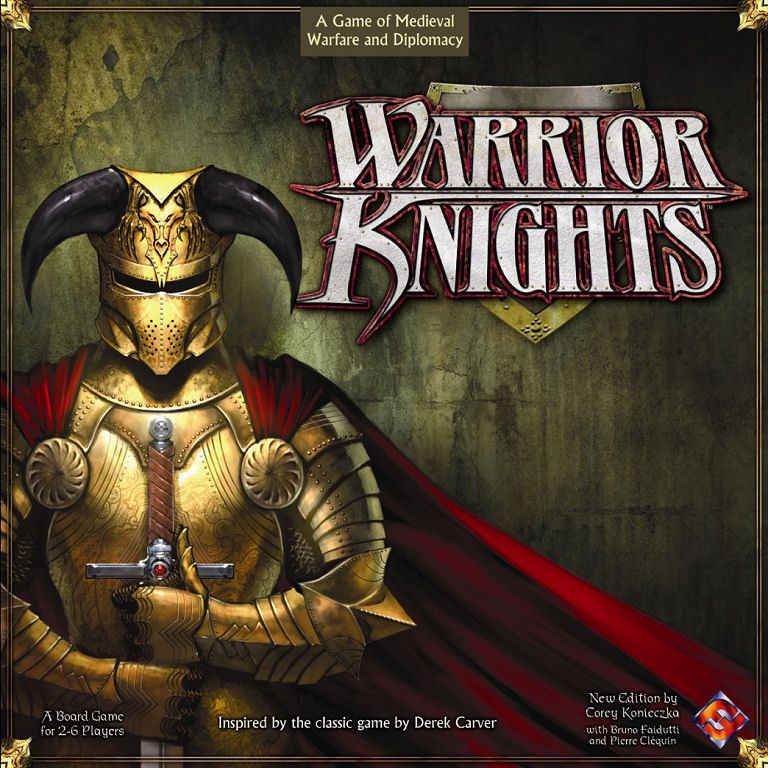
Warrior Knights
2006Rival barons raise armies and scheme for the crown of an unnamed kingdom.
- 2 a 6 jugadores
- 120 a 240 minutos
- A partir de 12 años
A strategy board game for two to six players aged 12 and up, designed by Bruno Faidutti, Corey Konieczka, Derek Carver and Pierre Cléquin. Its 2006 release came from Fantasy Flight Games. You are one of the Barons of an unnamed kingdom whose king has been murdered.
de Bruno Faidutti, Corey Konieczka
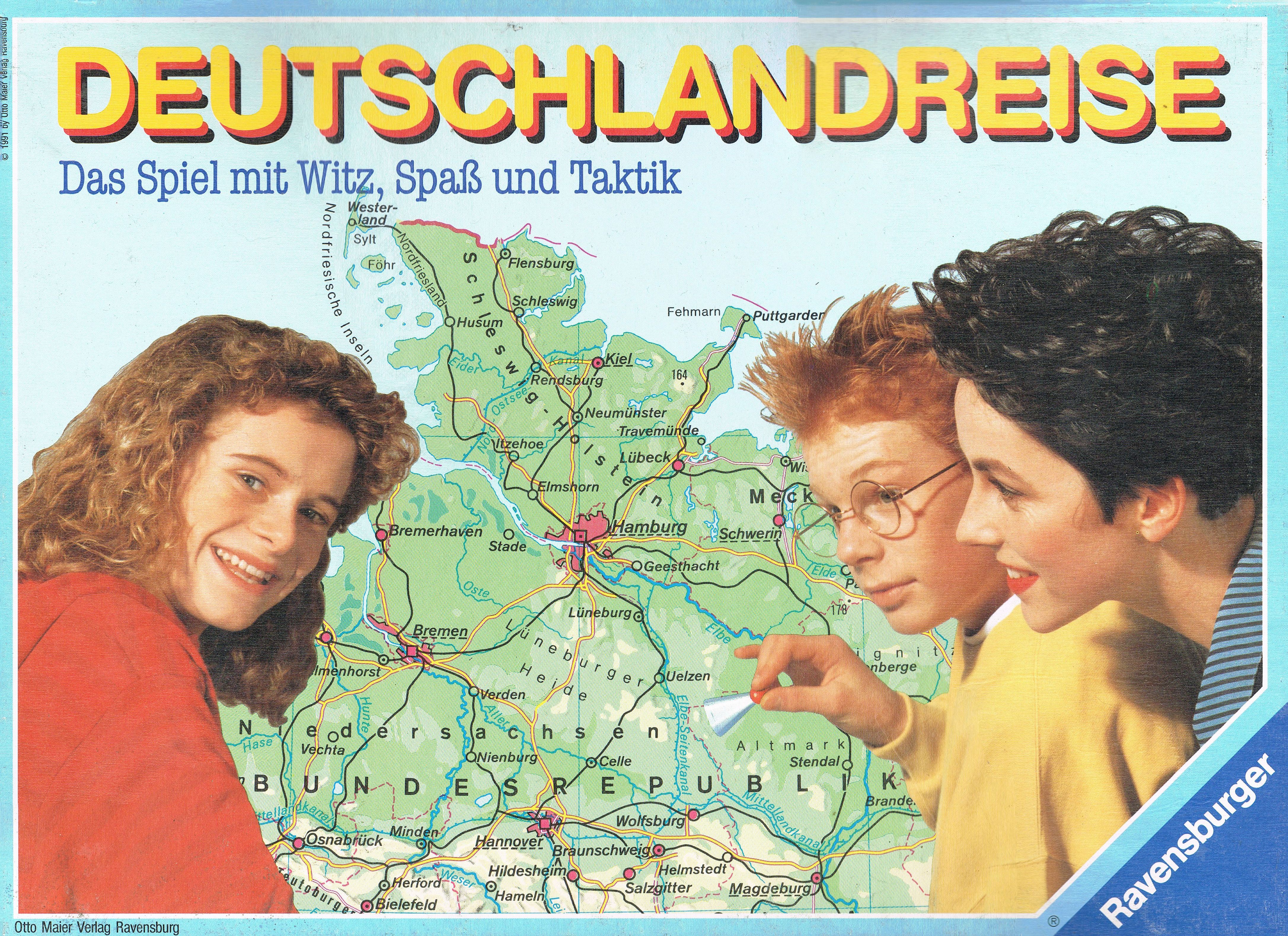
Deutschlandreise
1935- 2 a 6 jugadores
- 45 minutos
- A partir de 9 años
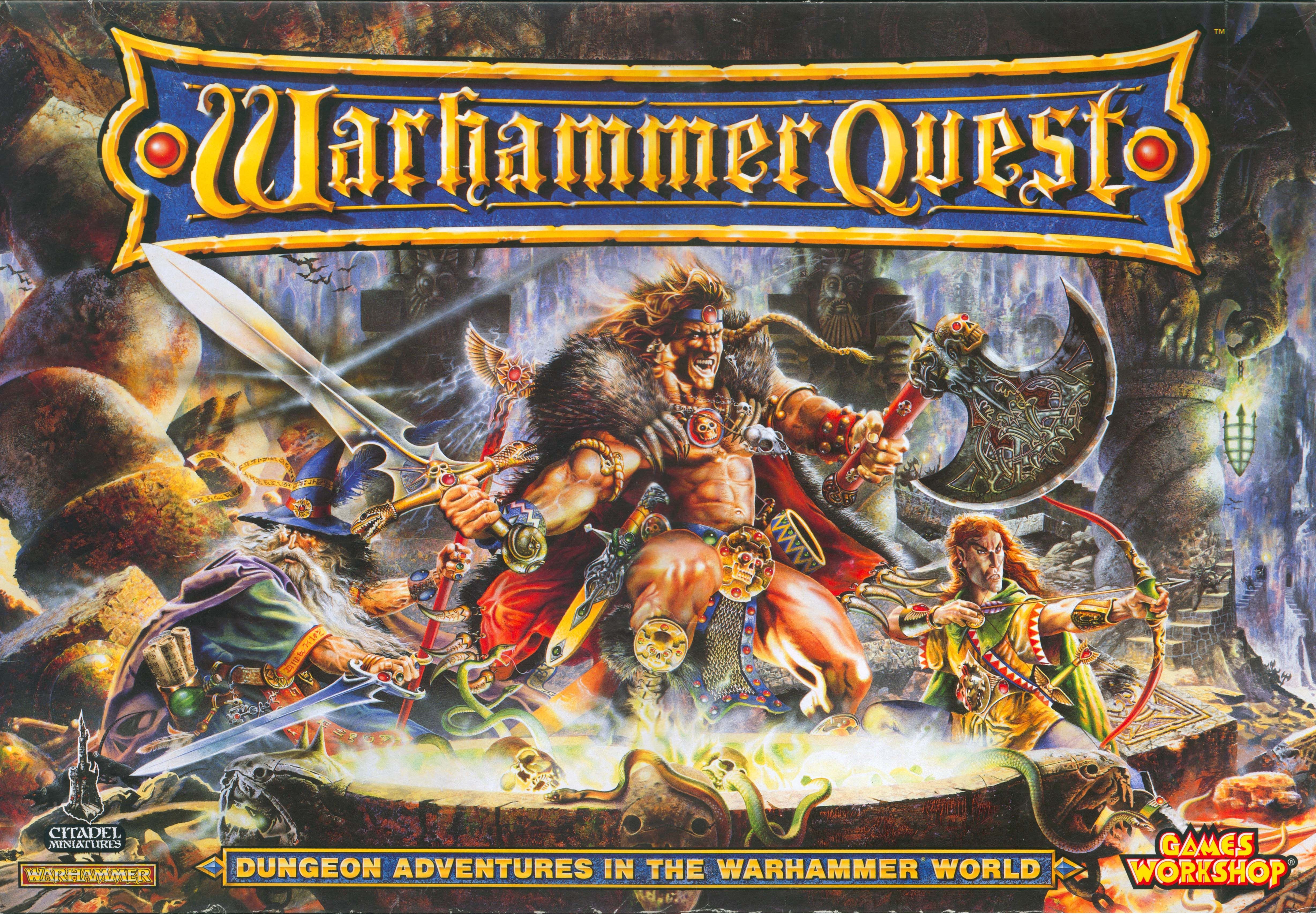
Warhammer Quest
1995A fantasy dungeon role-playing adventure wargame in the Warhammer Fantasy world.
- 1 a 4 jugadores
- 120 minutos
- A partir de 14 años
A fantasy dungeon adventure wargame with role-playing elements, for one to four players aged 14 and up. Andy Jones designed it and Games Workshop Ltd published it. Warriors band together to seek renown and wealth in the deepest, darkest reaches of the Old World, a fictional setting from the Warhammer Fantasy world.
de Andy Jones
Pass the Word
2025- 4 a 8 jugadores
- 20 minutos
- A partir de 10 años
de Simone Luciani, Yaniv Kahana · Piatnik
- 2 a 5 jugadores
- 30 minutos
- A partir de 14 años
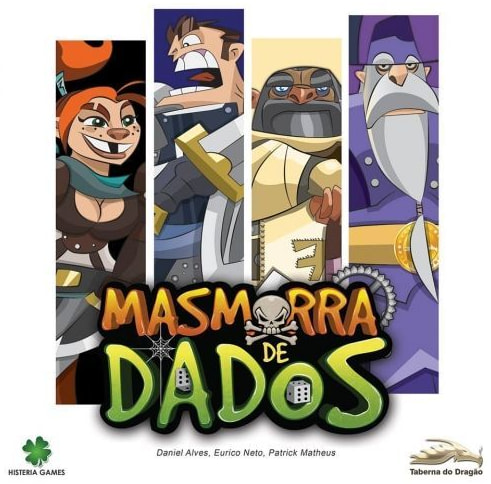
de Daniel Alves, Eurico Cunha Neto
- 1 a 5 jugadores
- 60 a 90 minutos
- A partir de 13 años
- 2 a 4 jugadores
- 15 minutos
- A partir de 12 años
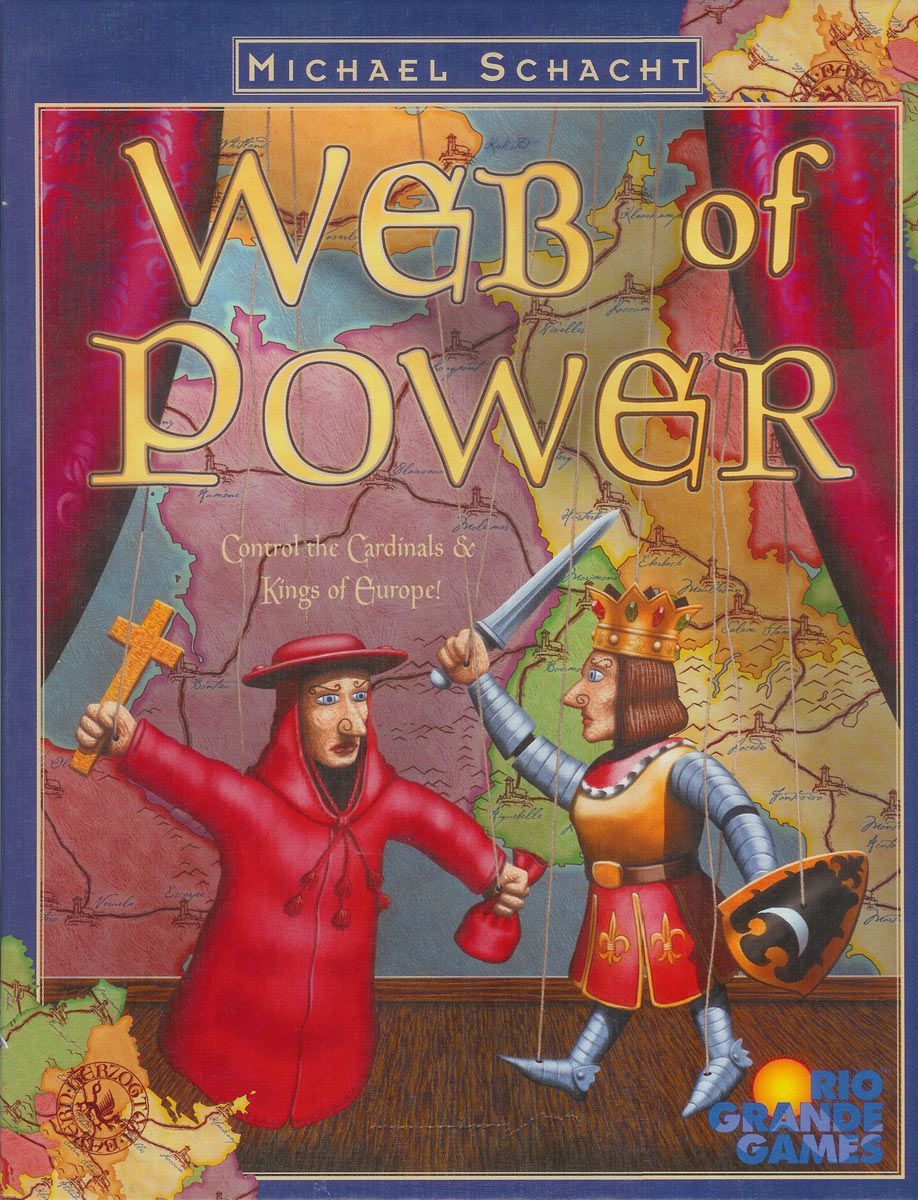
Web of Power
2000A compact, skill-driven struggle over scarce advisors and board space for three to five players.
- 3 a 5 jugadores
- 50 a 60 minutos
- A partir de 12 años
Web of Power is a skill-oriented board game from 2000 for three to five players aged 12 and up, designed by Michael Schacht and published by 999 Games, GameField, Goldsieber Spiele and Rio Grande Games.
de Michael Schacht
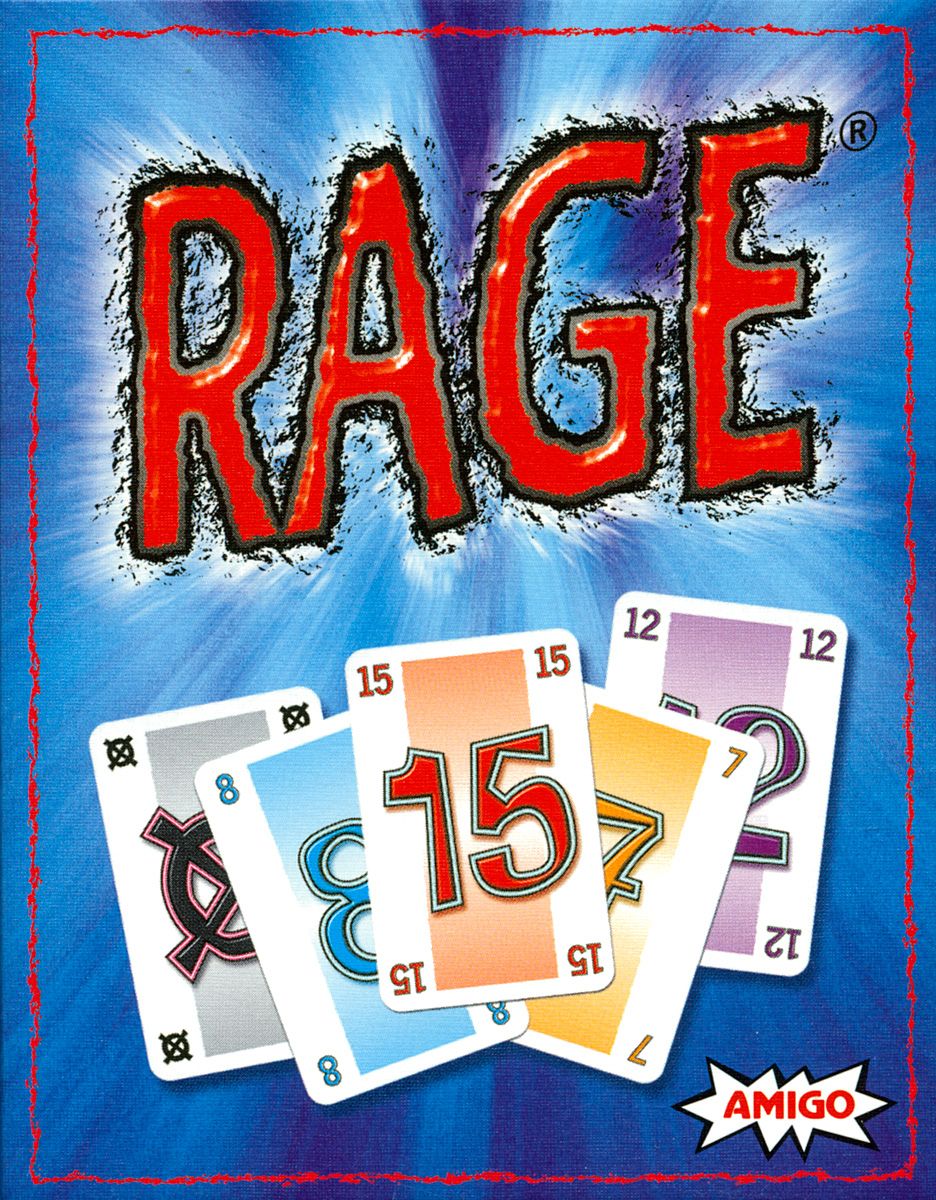
Rage
1983- 2 a 10 jugadores
- 45 minutos
- A partir de 8 años
Rage is a trick-taking card game for 2 to 10 players aged 8 and up, designed by Luke Peterschmidt and published by several companies including 999 Games and AMIGO. It was released in 1983. Your aim is to take exactly the number of tricks you bid, earning bonus points for hitting that target.
de Luke Peterschmidt
- 2 a 6 jugadores
- 45 a 90 minutos
- A partir de 10 años
- 3 a 5 jugadores
- 60 minutos
- A partir de 10 años
- 2 a 6 jugadores
- 45 a 60 minutos
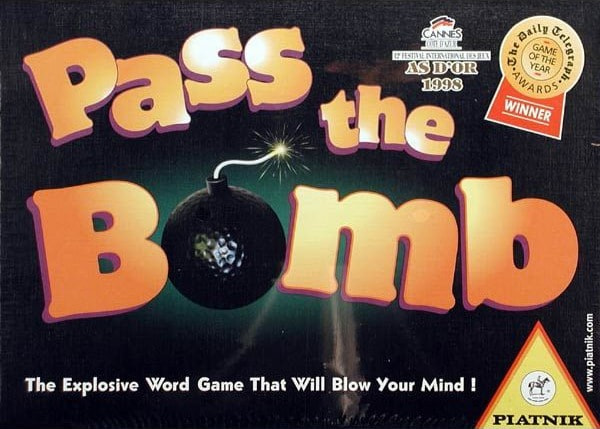
A ticking-bomb word game where you must keep passing the bomb before it explodes.
- 2 a 10 jugadores
- 20 minutos
- A partir de 12 años
Pass the Bomb is a word game for 2 to 10 players aged 12 and up, first released in 1994. Its listed designers are Juan Rodriguez, Roger Heyworth and Sylvie Barc. Players share a ticking bomb and try to keep it from going off in their own hands. Each round you are racing to hand it on before the timer runs out.
de Juan Rodriguez, Roger Heyworth
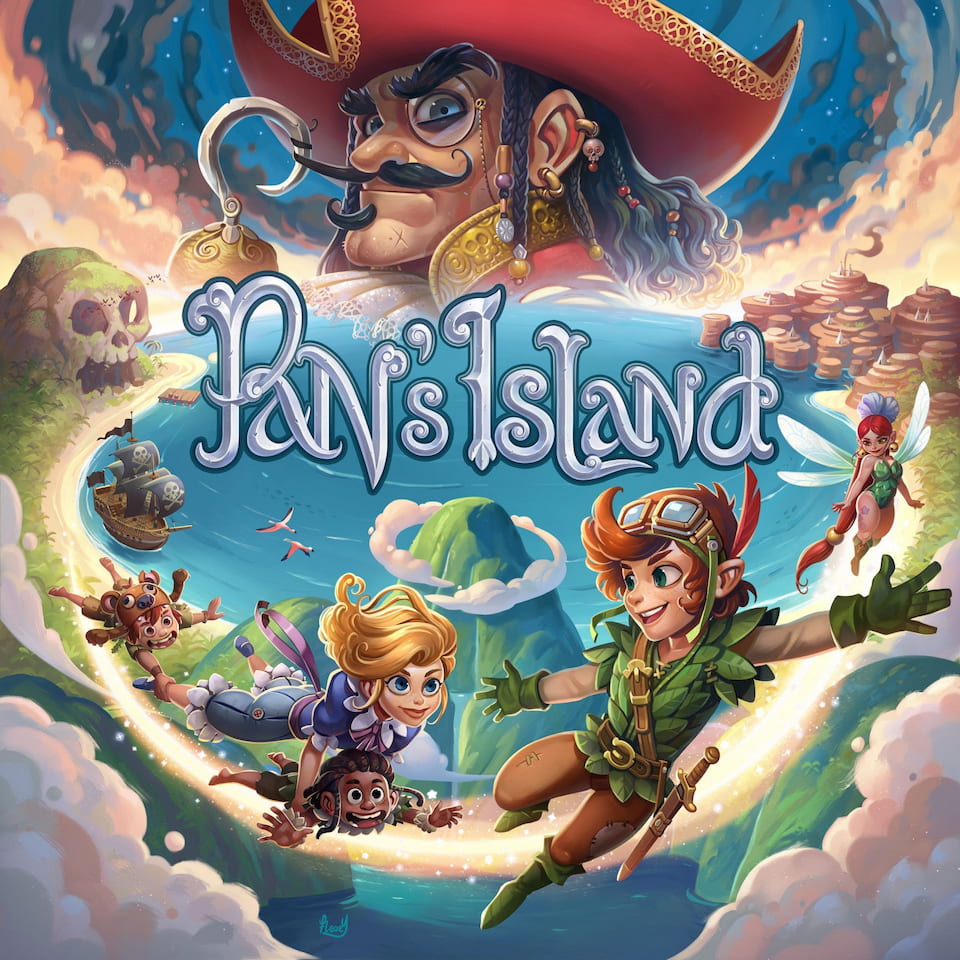
Pan's Island
2022- 2 a 5 jugadores
- 45 a 60 minutos
- A partir de 10 años
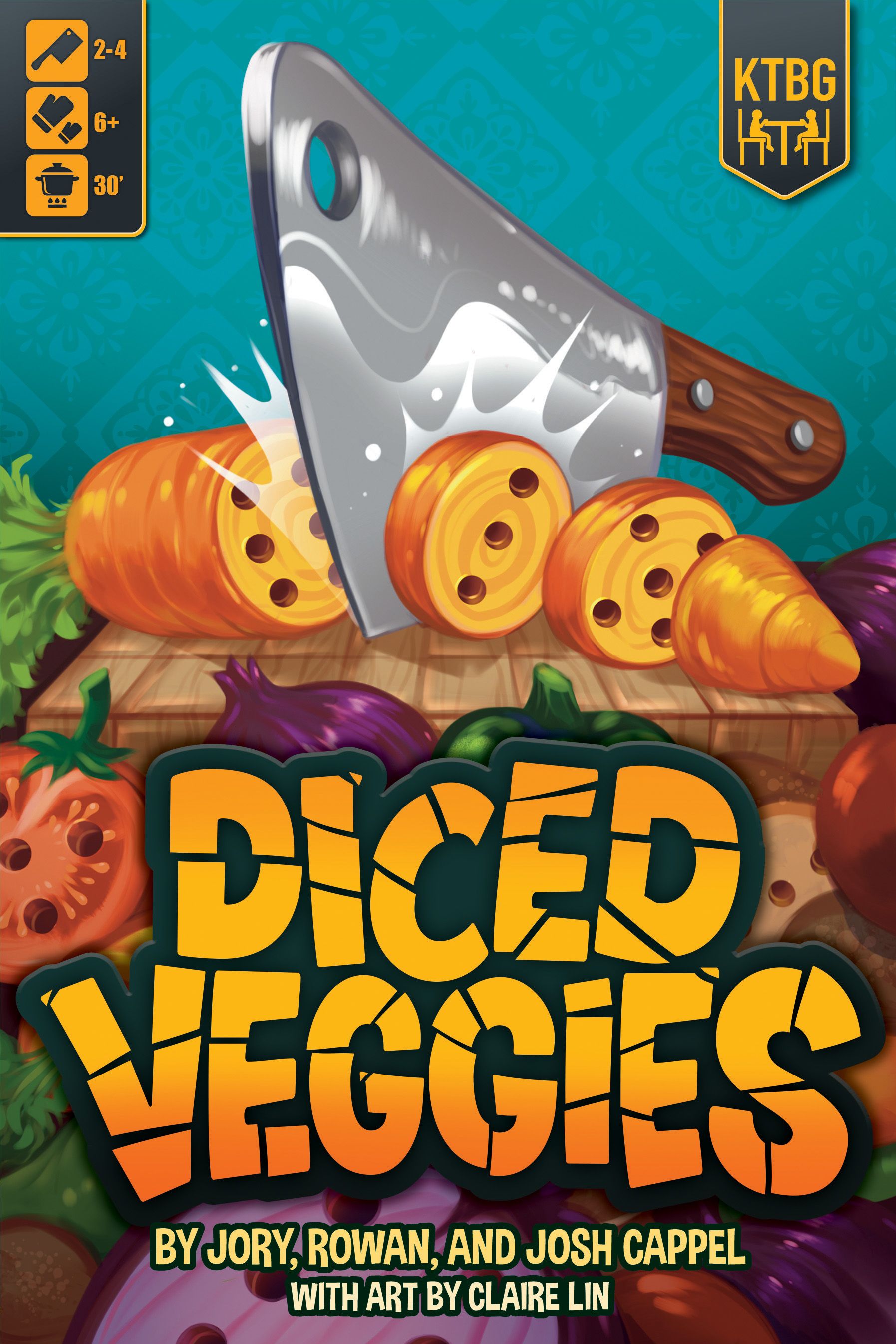
Diced Veggies
2023A family game of cutting ingredient dice out of a block with a cardboard cleaver to cook recipes.
- 2 a 4 jugadores
- 30 a 45 minutos
- A partir de 6 años
de Josh Cappel, Rowan Cappel
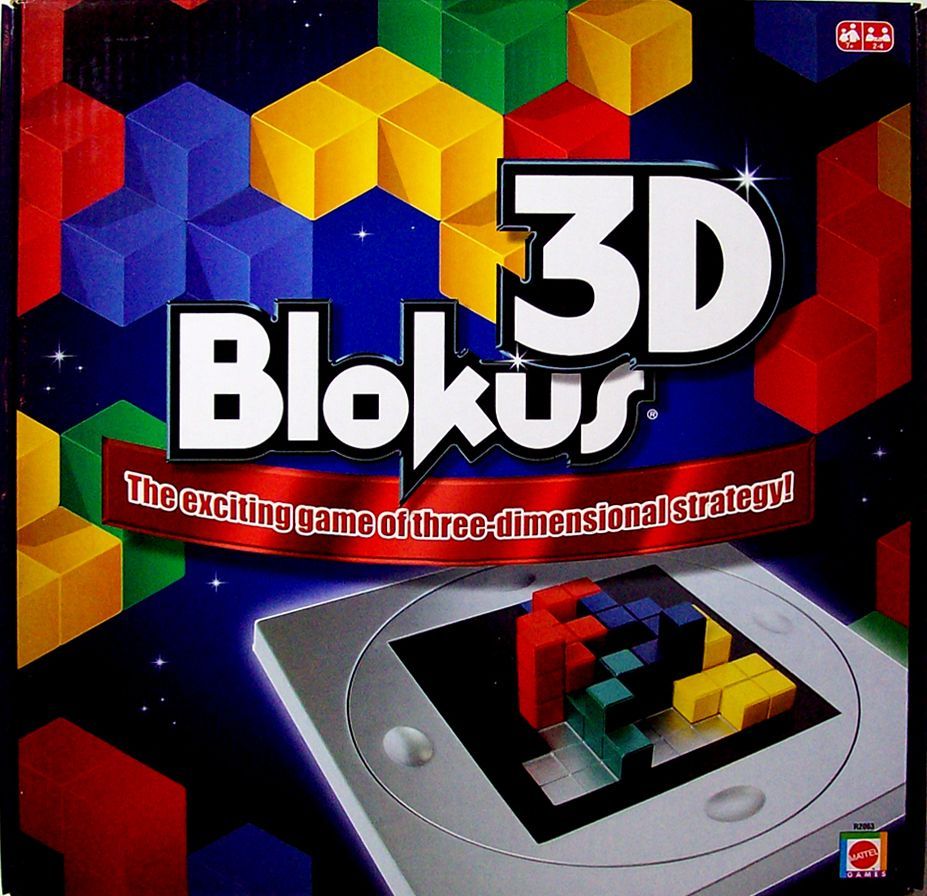
Blokus 3D
2003Blokus-style block placement, now built upward in three dimensions.
- 2 a 4 jugadores
- 15 a 20 minutos
- A partir de 7 años
Blokus 3D is a strategy game played in three dimensions, designed by Stefan Kögl for two to four players aged 7 and up. It first appeared in 2003 under the name Rumis. You stack colored blocks on a board inspired by Inca architecture, where the name Rumi refers to stone in Quechua.
de Stefan Kögl
- 2 a 5 jugadores
- A partir de 8 años