Cargando la página…
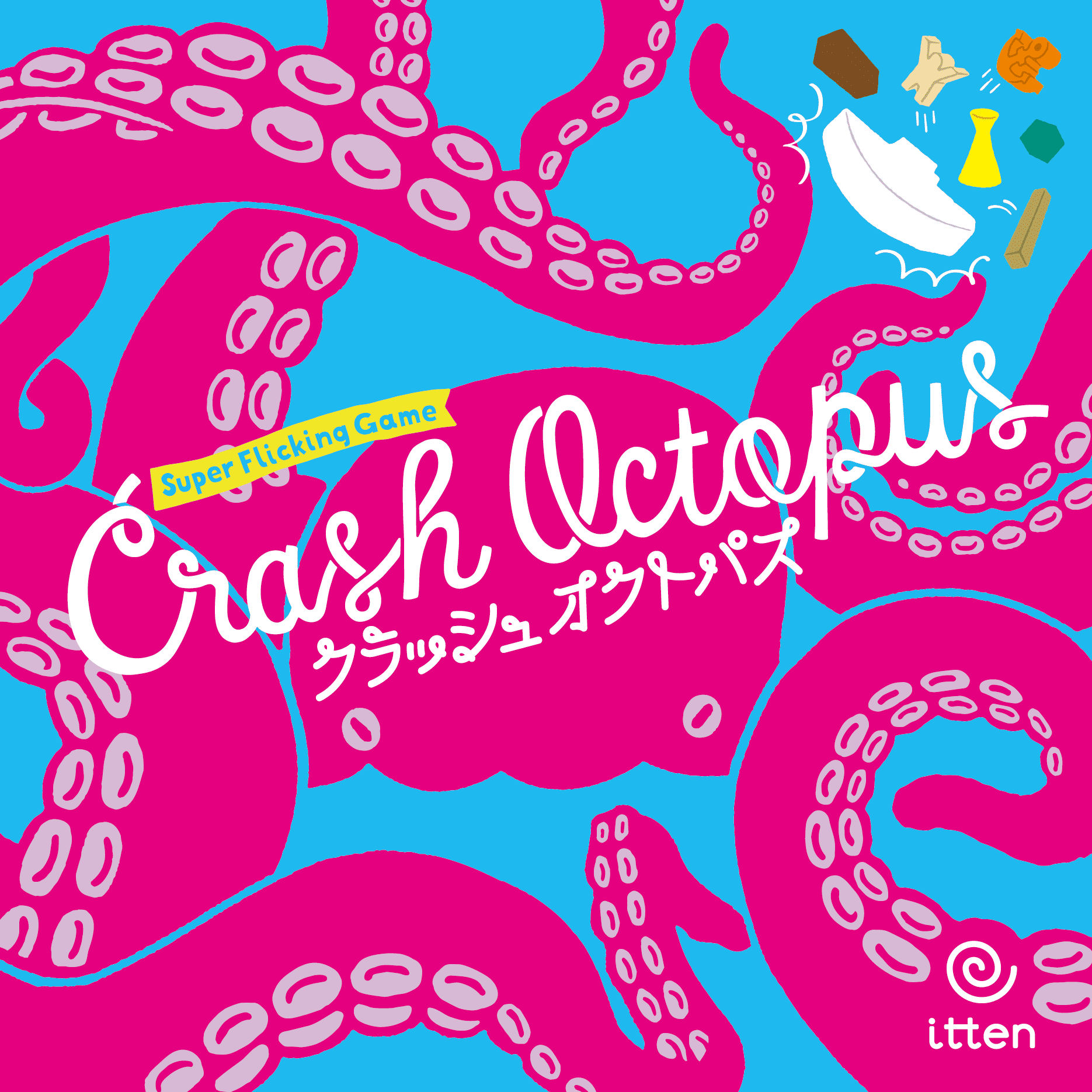
Crash Octopus
2021- 1 a 5 jugadores
- 20 a 30 minutos
- A partir de 7 años
A dexterity flicking game where players recover lost treasure from the sea while dodging a giant octopus; the first to get five different treasure types onto their boat wins.
de Naotaka Shimamoto
Black Market
2025A Swedish card game by Mikael Rosenqvist, with its cards documented in an online card book and a video rules guide.
- 2 a 12 jugadores
- 15 minutos
- A partir de 13 años
de Mikael Rosenqvist
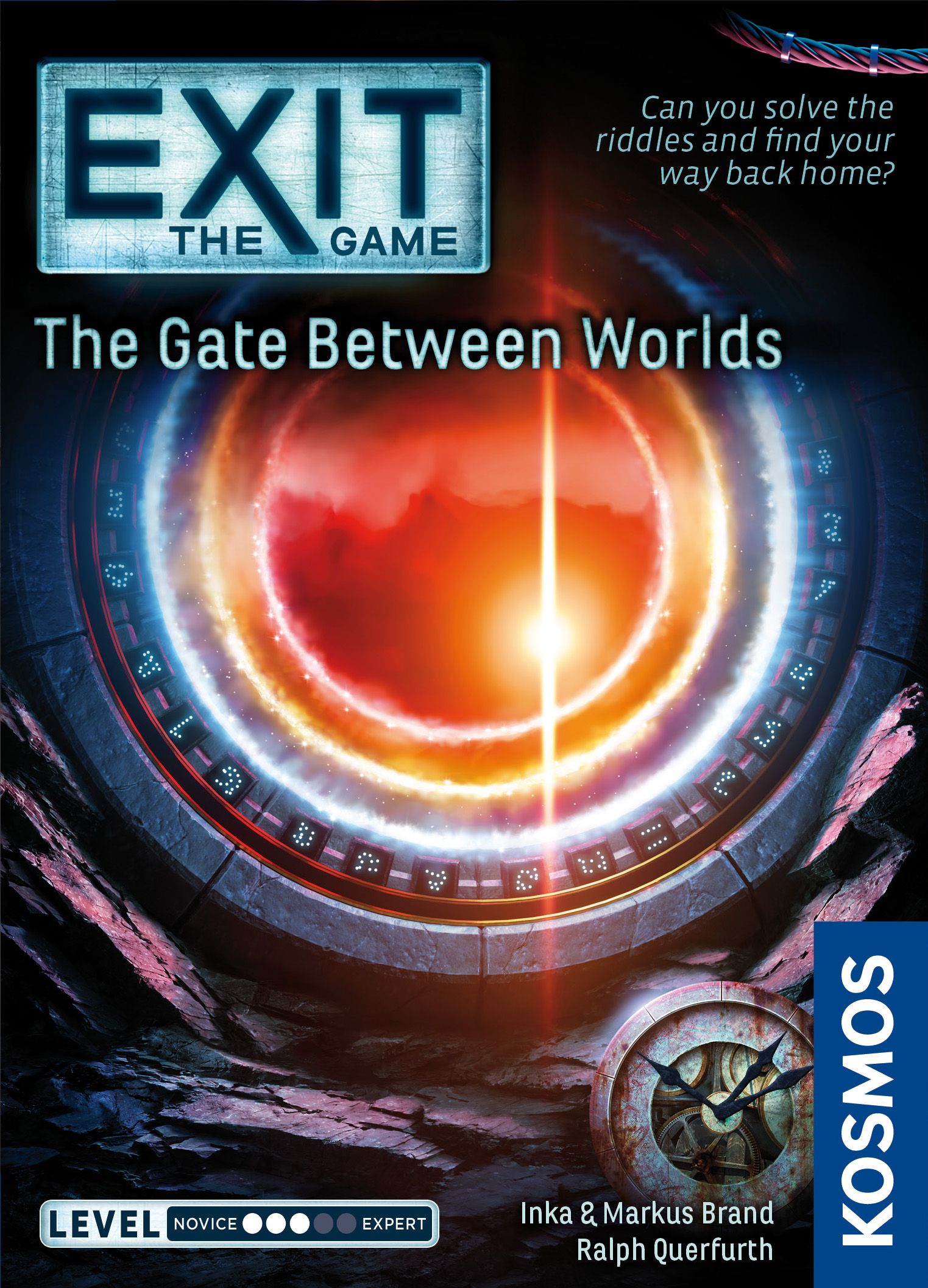
Shipwrecked on a mysterious island, a team must crack locks and riddles in a one-time cooperative escape-room game.
- 1 a 4 jugadores
- 45 a 90 minutos
- A partir de 12 años
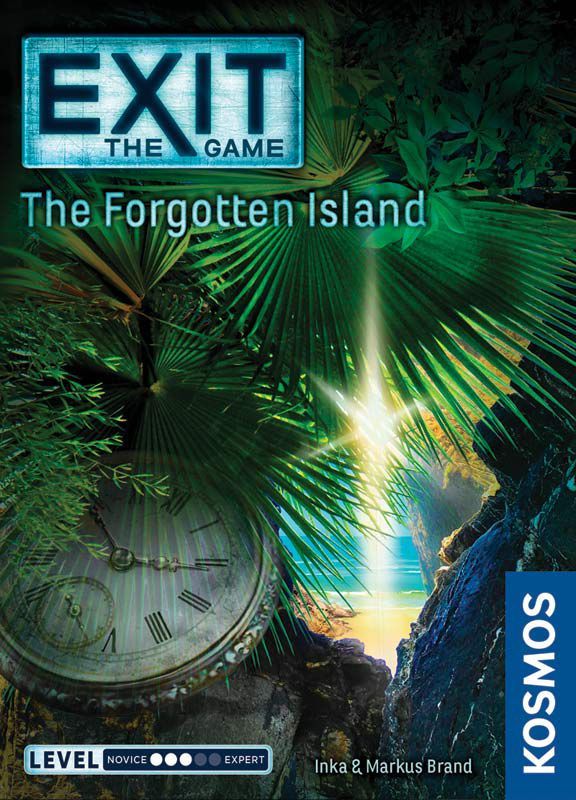
EXIT: The Forgotten Island is a cooperative escape-room game for the tabletop, designed by Inka and Markus Brand and published by Kosmos. You are shipwrecked after a sailing trip ends in a sudden storm, and you wake on a black sand beach with no sign of your boat.
de Inka Brand, Markus Brand
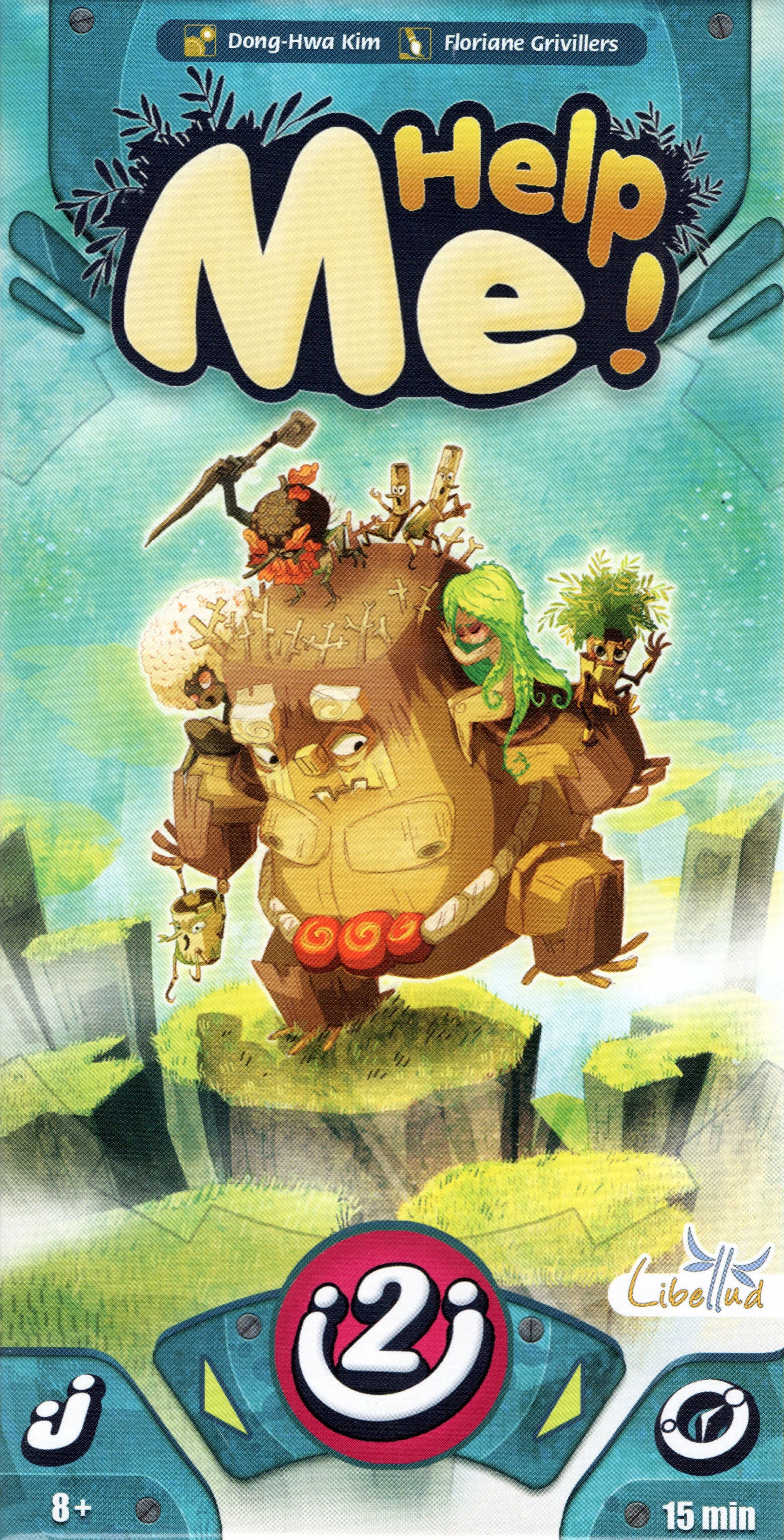
Help Me!
2011- 2 a 6 jugadores
- 10 minutos
- A partir de 7 años
- 2 a 5 jugadores
- 45 minutos
- A partir de 12 años
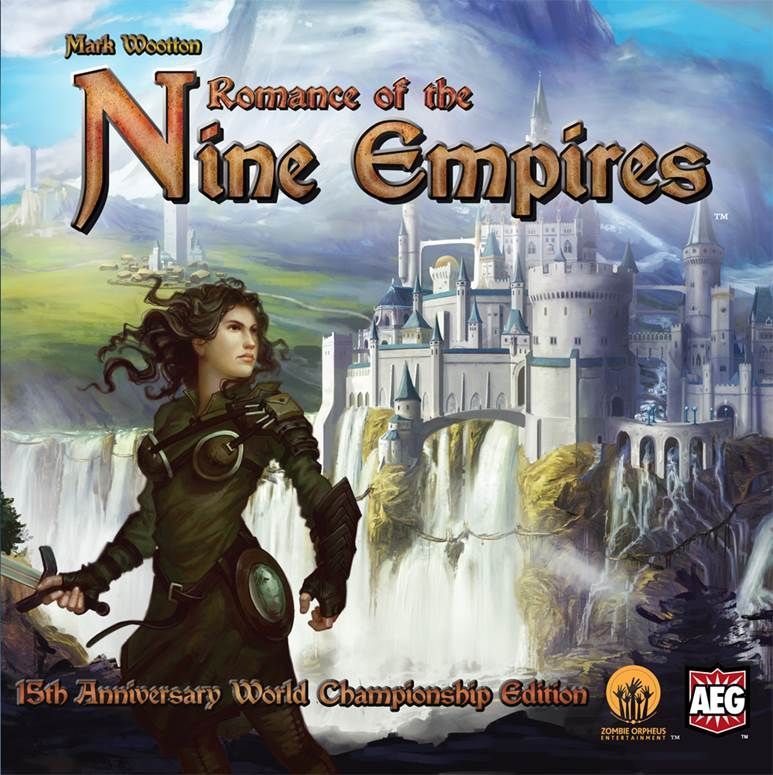
de Mark Wootton
- 1 a 10 jugadores
- 180 minutos
- A partir de 10 años
de Laura Fontanella · Mondiversi
- 2 a 4 jugadores
- 30 minutos
- A partir de 10 años
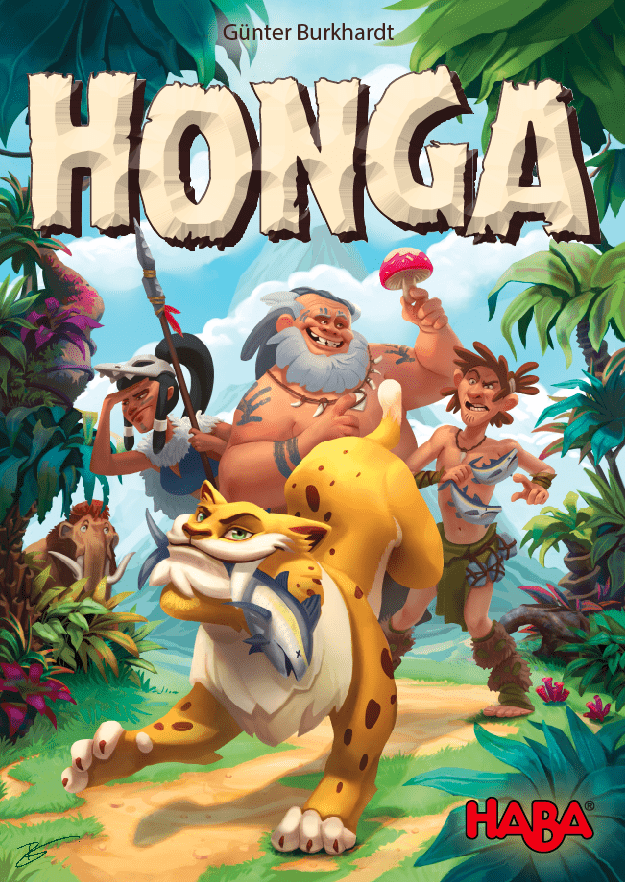
de Günter Burkhardt
- 2 a 4 jugadores
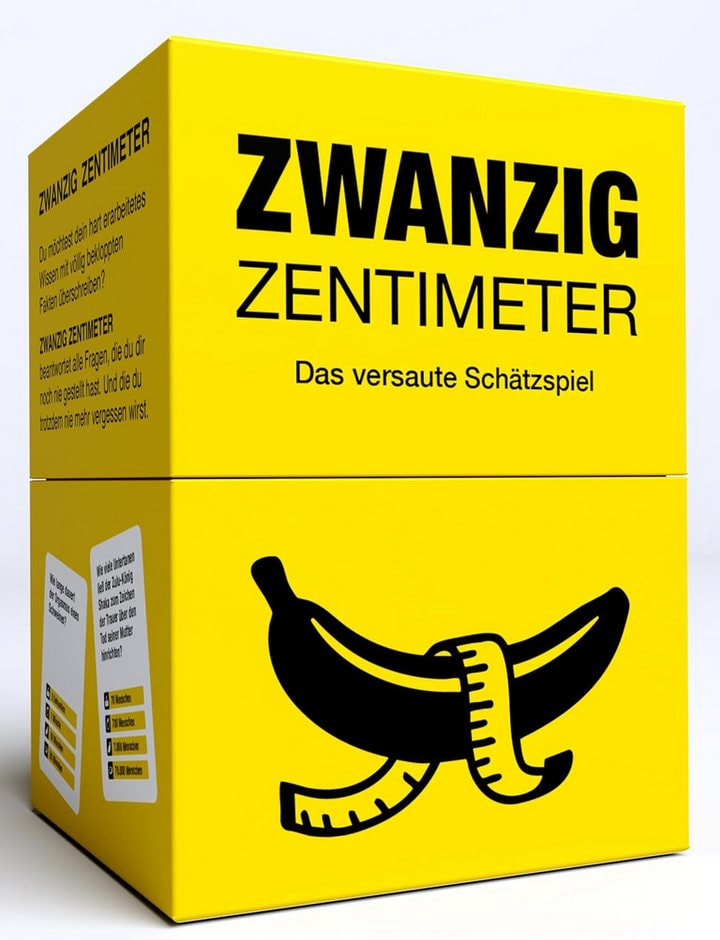
A crude guessing game of absurd facts: answer questions with estimates and lose a sip when you're off.
- 2 a 6 jugadores
- 30 a 60 minutos
- A partir de 16 años
Zwanzig Zentimeter is a rude estimation game for 2 to 6 players, designed by Angela Voegtli and published by Kampfhummel Spiele GmbH from Lucerne, Switzerland. It is a light party-style game about learning absurd, useless facts that you will never forget.
de Angela Vögtli
- 2 a 4 jugadores
- 30 minutos
- A partir de 7 años
- 2 a 6 jugadores
- 2 a 6 jugadores
- 30 minutos
- A partir de 15 años
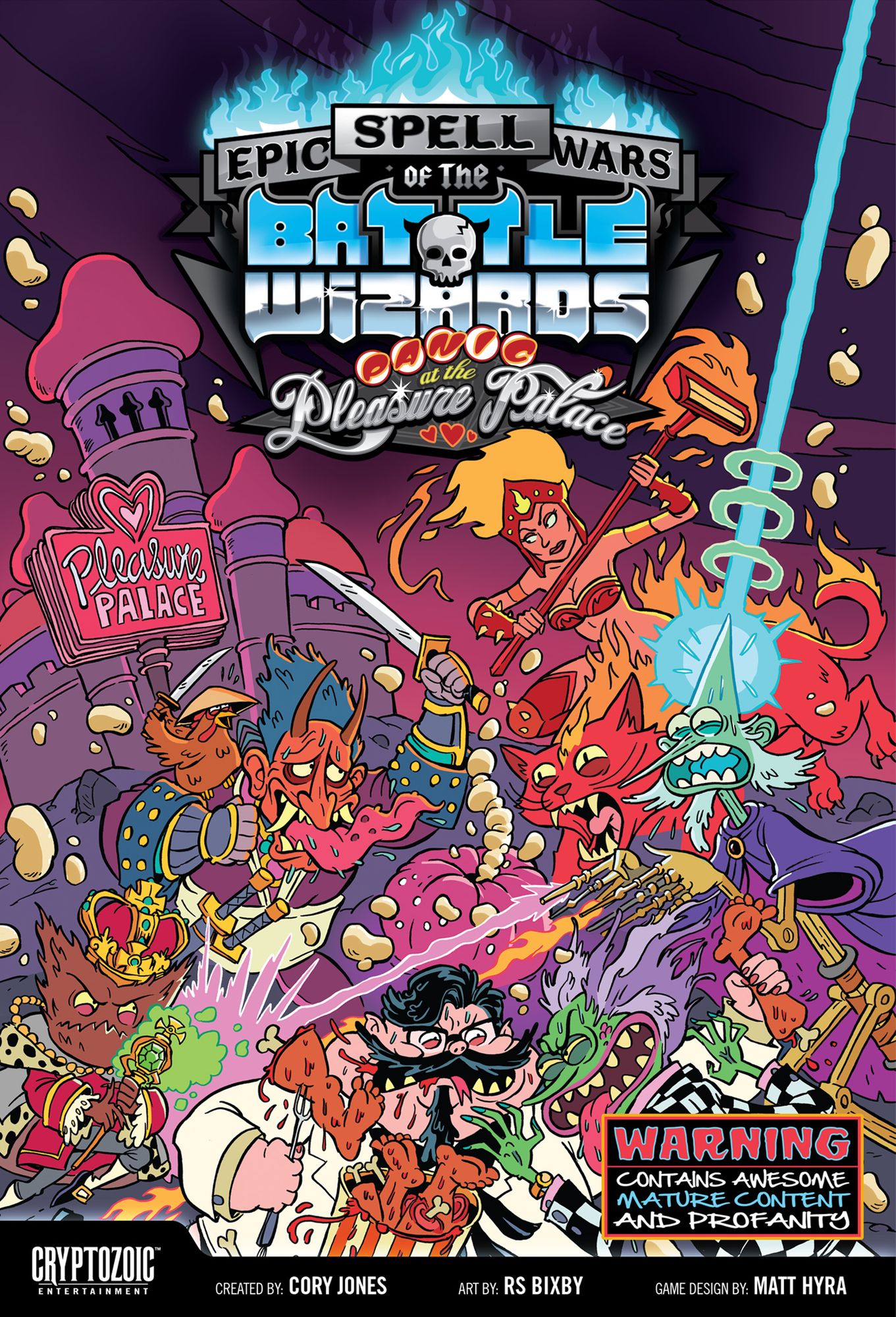
de Cory Jones, Matt Hyra
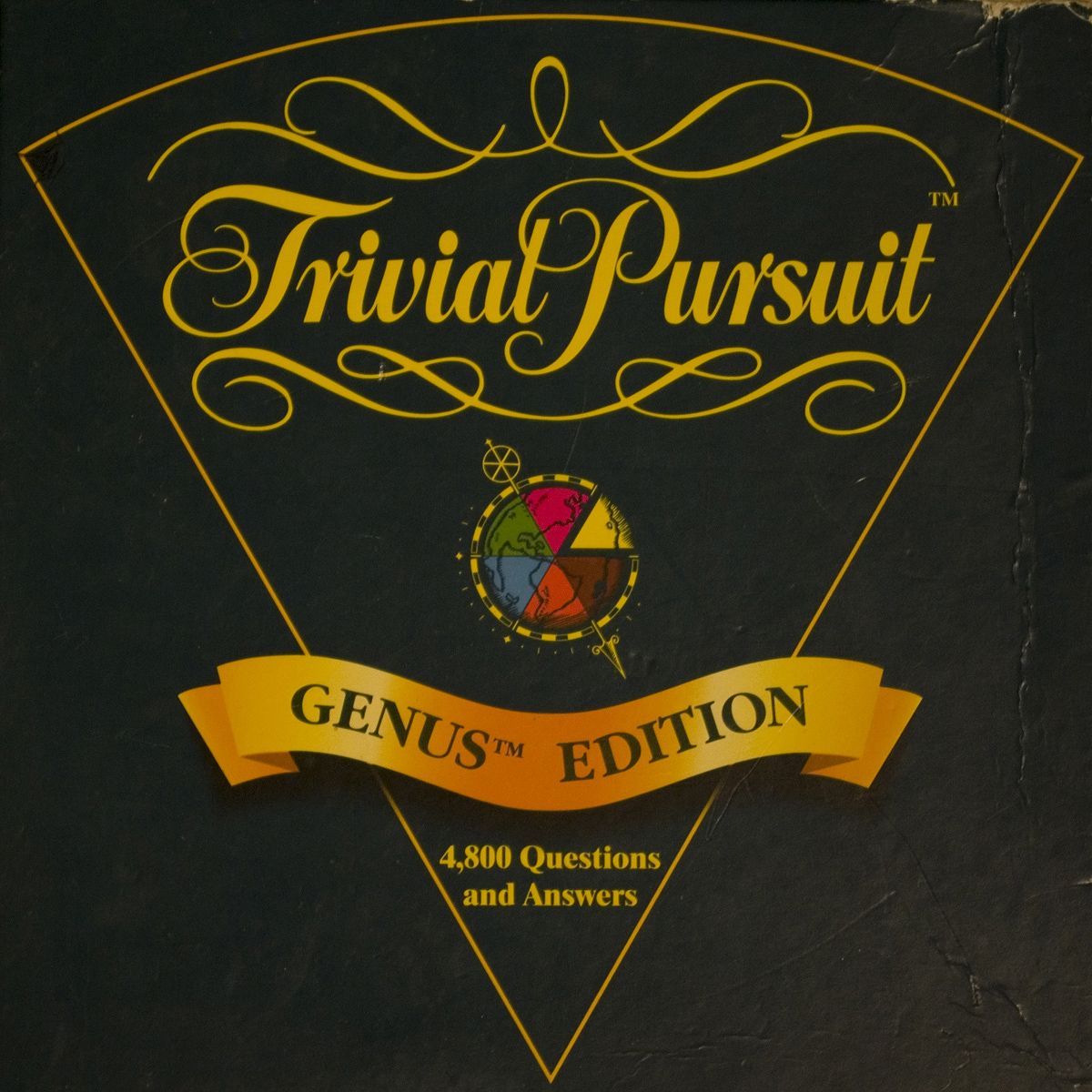
- Trivial Pursuit: Genus Edition
Trivial Pursuit
1981Answer trivia across six categories to fill your wedges and reach the central hub.
- 2 a 6 jugadores
- 90 minutos
- A partir de 12 años
A trivia board game for two to six players aged 12 and up, designed by Chris Haney and Scott Abbot. Published by Hasbro, Diset and others. You roll to move around a wheel-shaped board, answering trivia from six subject areas. Your goal is to fill your playing piece and win the game.
de Chris Haney, Scott Abbot
- 1 a 6 jugadores
- 45 minutos
- A partir de 10 años
A narrative card game following explorer Alexandra David-Neel through India and Tibet, where players build an adventure from cards offering different choices.
de Arnaud Ladagnous, Thomas Dupont
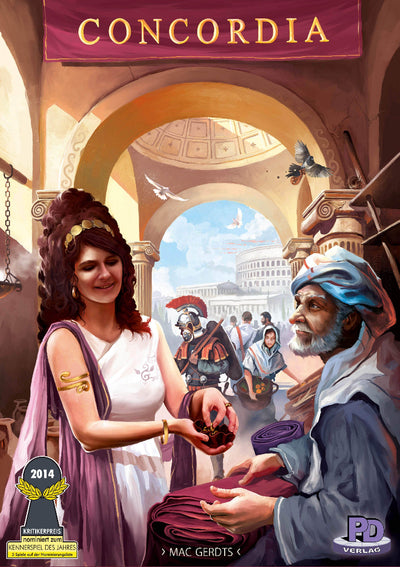
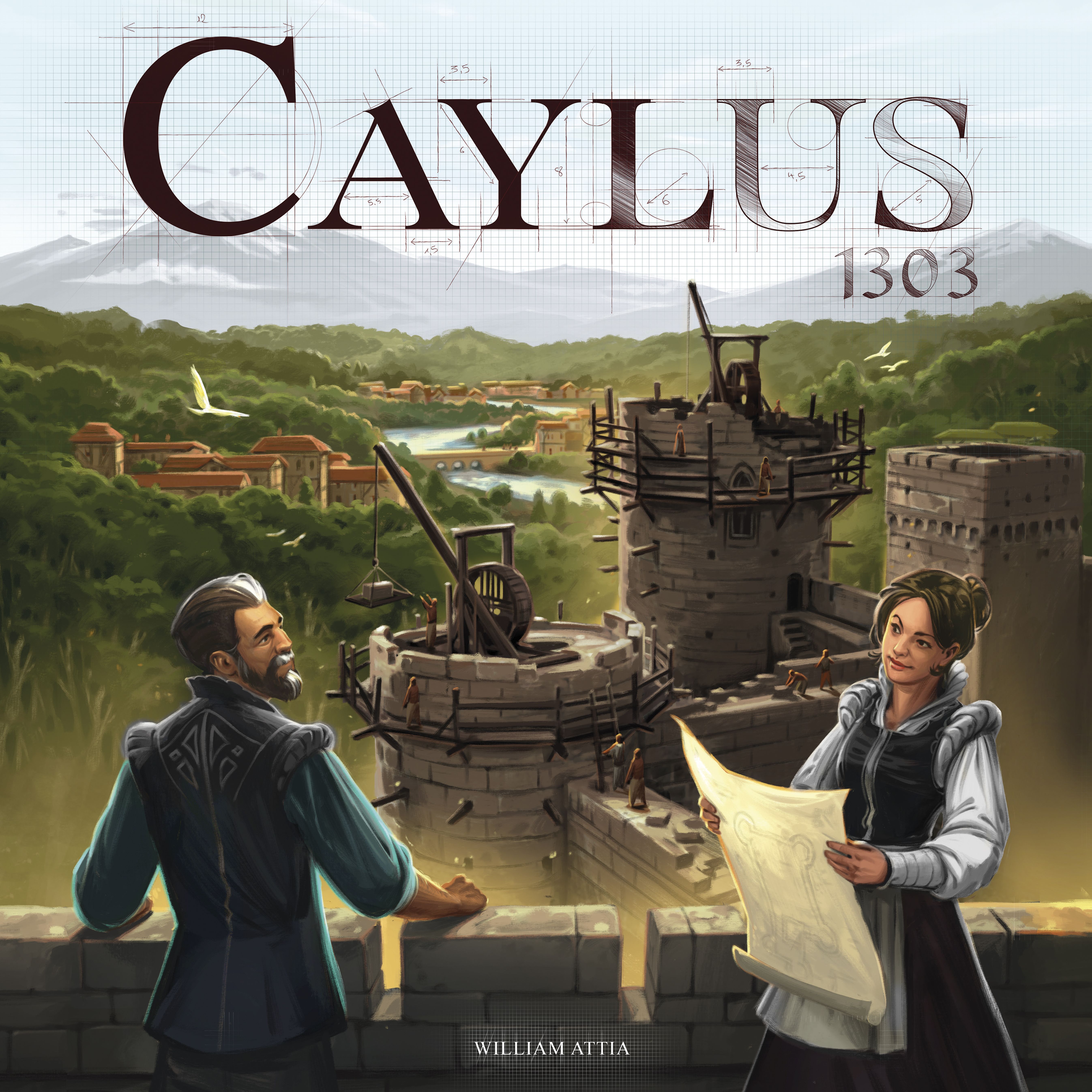
Merchants build and trade throughout the Roman Empire to please the Gods.
- 2 a 5 jugadores
- 100 minutos
- A partir de 13 años
This peaceful economic strategy game is set in ancient Rome, where you guide a dynasty that sends colonists across the Empire's lands around the Mediterranean sea. Colonists leave Rome and settle in cities producing bricks, food, tools, wine and cloth.
de Mac Gerdts · PD-Verlag
- 2 a 8 jugadores
- 60 minutos
- A partir de 8 años
- 4 a 20 jugadores
- 30 a 60 minutos
- A partir de 18 años
de Alex Hague, Justin Vickers
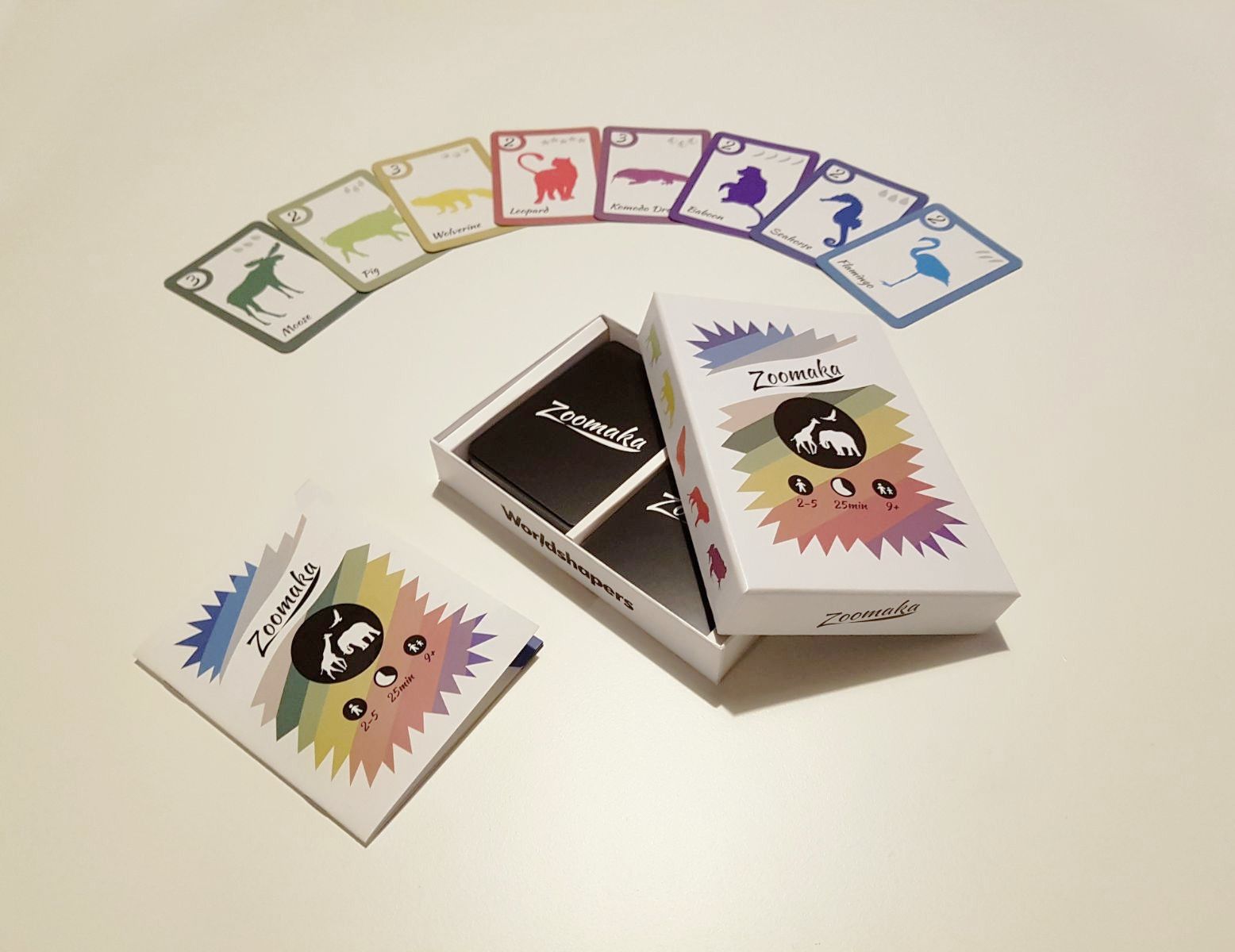
Zoomaka
2018- 2 a 5 jugadores
- 25 a 45 minutos
- A partir de 14 años
- 2 a 8 jugadores
- 90 minutos
- A partir de 8 años
- 2 a 6 jugadores
- 15 a 30 minutos
- A partir de 8 años
- 2 a 5 jugadores
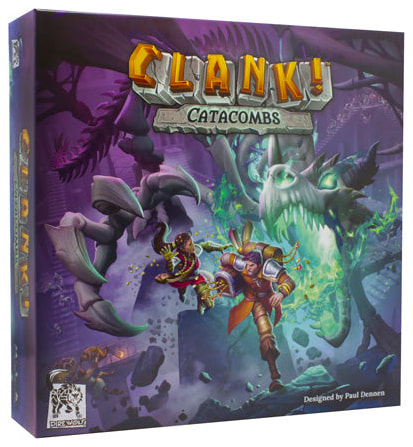
Deck-building adventure meets tile-laying in the newest incarnation of Clank!
- 2 a 4 jugadores
- 45 a 90 minutos
- A partir de 13 años
Set in the catacombs of the skeletal dragon Umbrok Vessna, a dungeon full of portals, hidden riches, captive prisoners and restless ghosts. Players are explorers seeking fortune and trying to escape the dragon. Each descent builds a different dungeon, because players lay tiles to form the dungeon as they go.
de Paul Dennen
Faction-based deck-building card duels from The Witcher 3's minigame, for 1 to 5 players.
- 1 a 5 jugadores
- 20 minutos
- A partir de 14 años
Gwent: The Legendary Card Game is a strategic, faction-based deck-building card game set in the world of The Witcher. It is published in physical form by No Loading Games and was released across retail from 15 September 2025.
de Damien Monnier, Rafał Jaki
- 2 a 5 jugadores
- 60 minutos
- A partir de 4 años
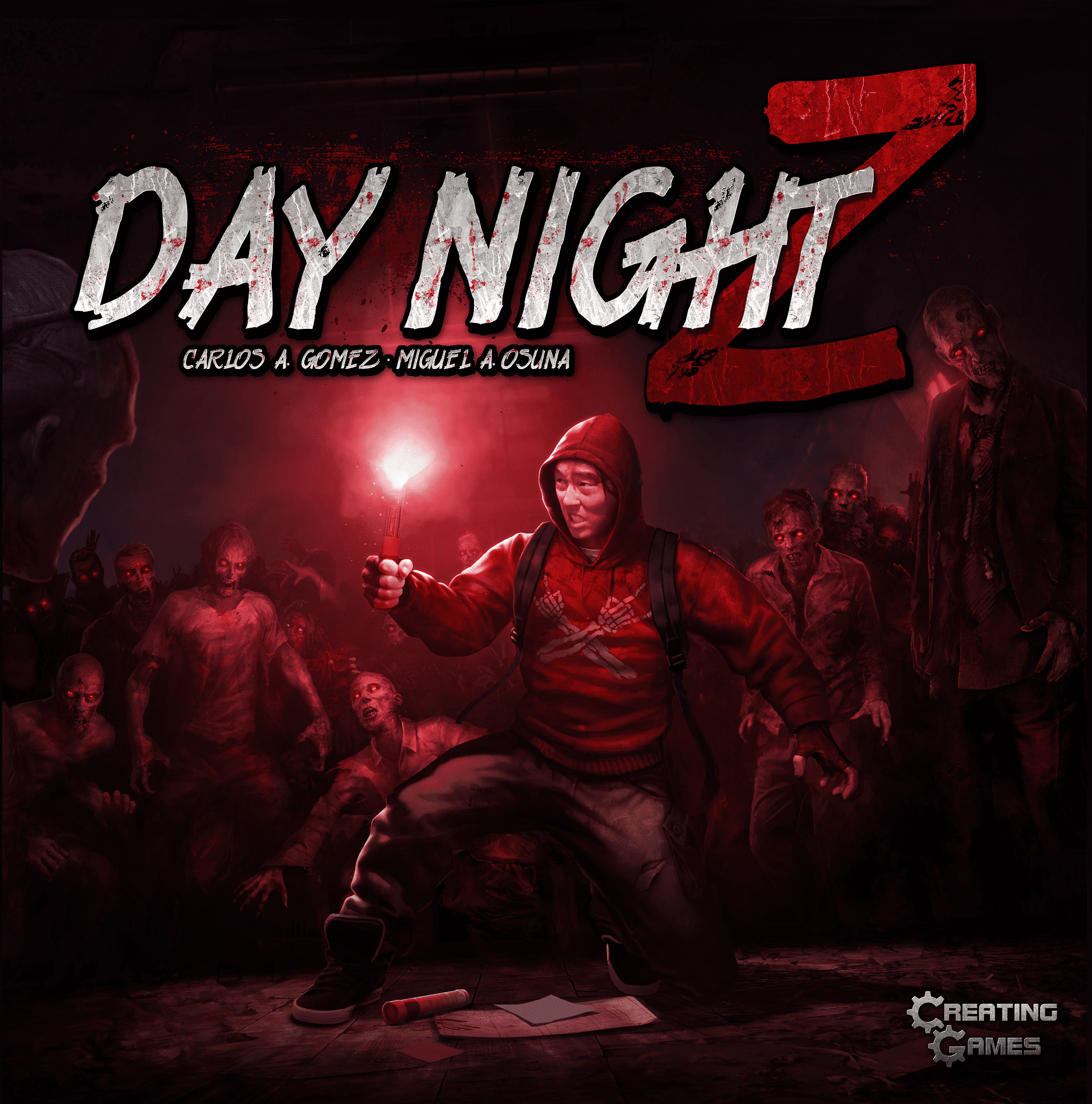
Day Night Z
2019- 1 a 4 jugadores
- 60 a 150 minutos
- A partir de 14 años
- 3 a 5 jugadores
- 20 minutos
- A partir de 8 años
de Friedemann Friese
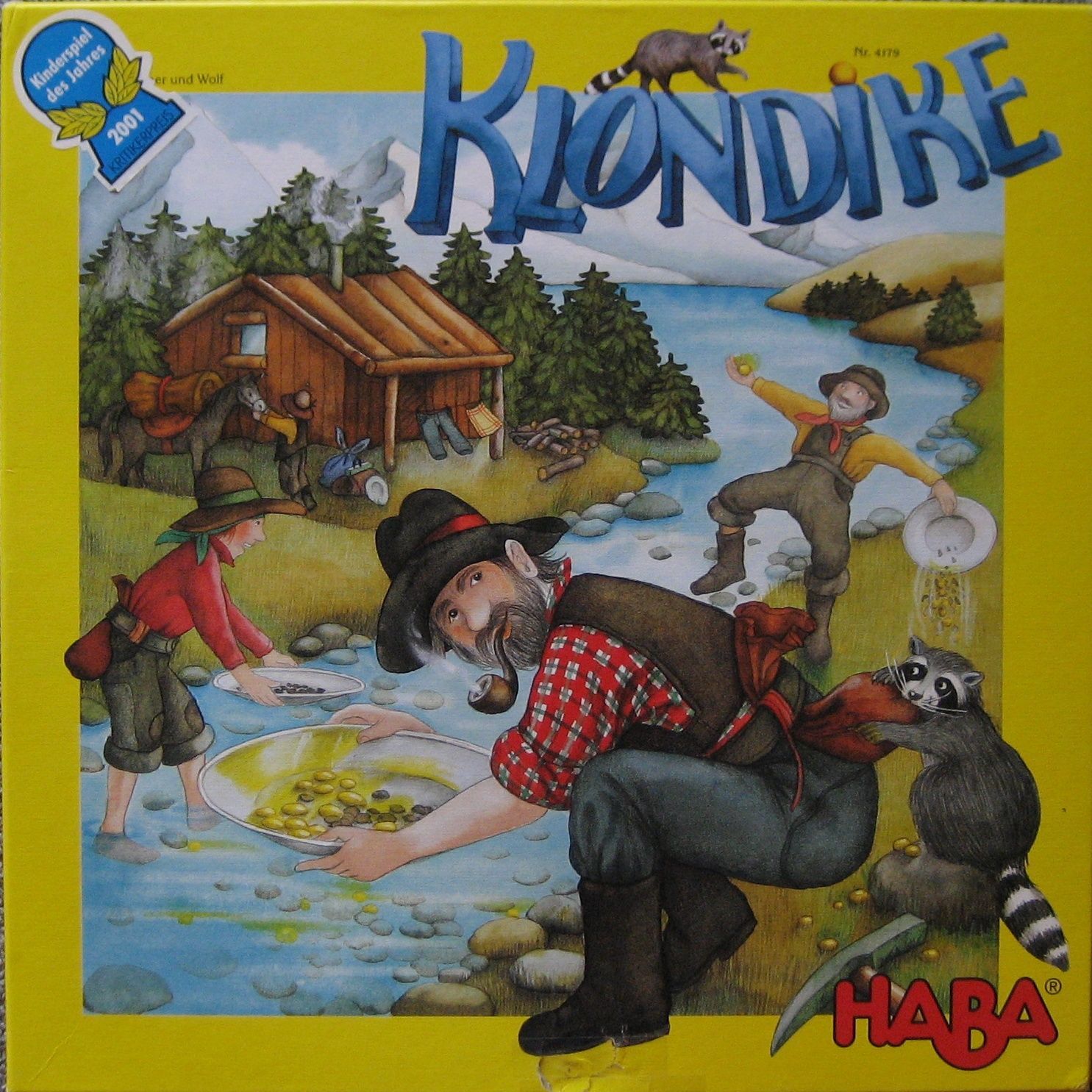
Classic Klondike solitaire: build suit foundations from aces to kings and clear the columns.
- 2 a 4 jugadores
- 20 minutos
- A partir de 6 años
This is a solitaire card game in the Klondike family, listed for 2 to 4 players and ages 6 and up. Christian Wolf and Stefanie Rohner designed it, and HABA published it. You play alone against the layout, trying to move every card from the columns and the deck onto the foundations.
de Christian Wolf, Stefanie Rohner
- 2 a 6 jugadores
- 20 minutos
- A partir de 13 años
de Matthew Duhan
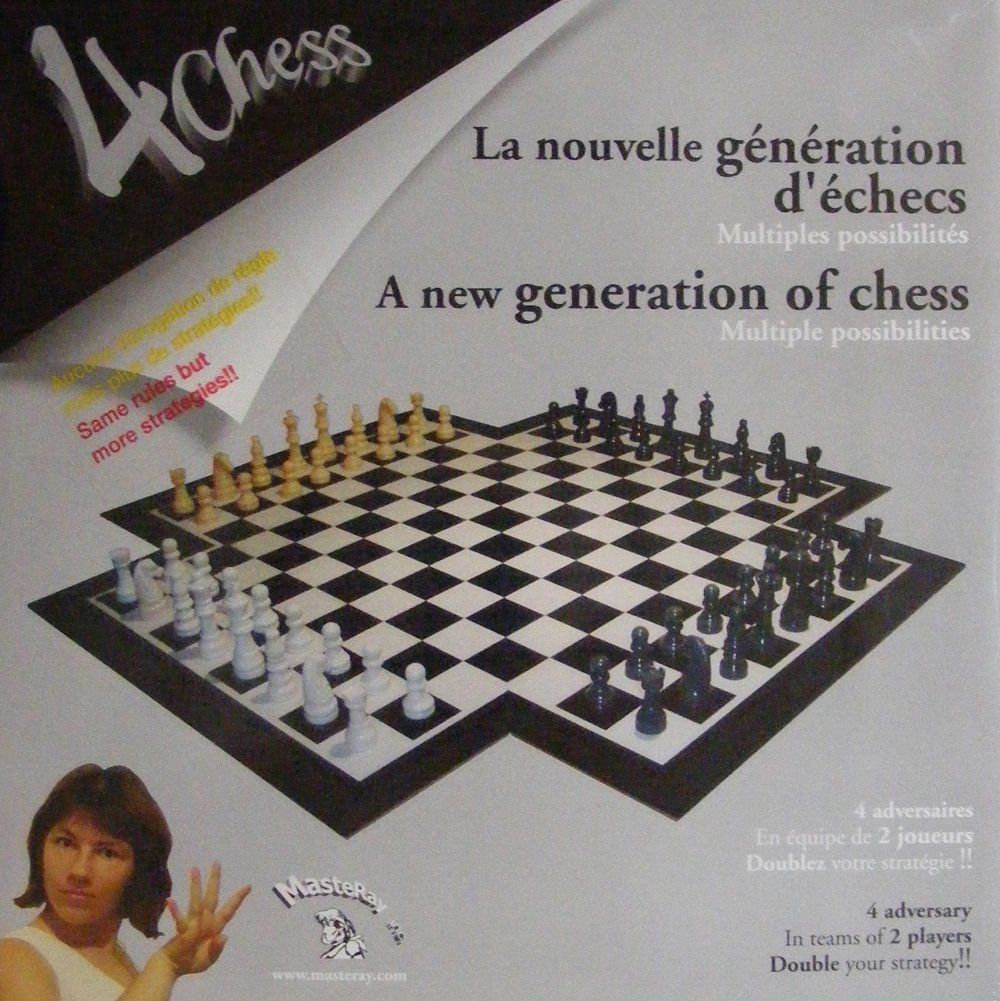
4 Player Chess
1881- 2 a 4 jugadores
- 45 minutos
- A partir de 8 años
Under our Sun
2024A cooperative or semi-cooperative survival exploration game in a post-apocalyptic wasteland where life depends on the sun.
- 1 a 6 jugadores
- 60 minutos
- A partir de 14 años
Under our Sun is a board game designed by Maximilian Lichtner and published by tabletopper games. It is a cooperative or semi-cooperative exploration game, so the players may not all share the same goal. You are a survivor in a post-apocalyptic wasteland where all life is at the mercy of the sun.
de Maximilian Lichtner, Maximilian Lichtner mit David Poluda · Tabletopper Games
- 1 a 4 jugadores
- 60 a 120 minutos
- A partir de 12 años
de Inka Brand, Markus Brand
- 2 a 5 jugadores
- A partir de 10 años
Outburst!
1986- 2 a 8 jugadores
- 60 minutos
- A partir de 18 años
Outburst is a quick-thinking party game for two to eight players, aimed at ages 18 and up. Brian Hersch created it, and it first appeared in 1986. Teams earn points by naming the hidden entries on a card, and each side tries to reach a total of 60 before its rival does.
de Brian Hersch