Cargando la página…
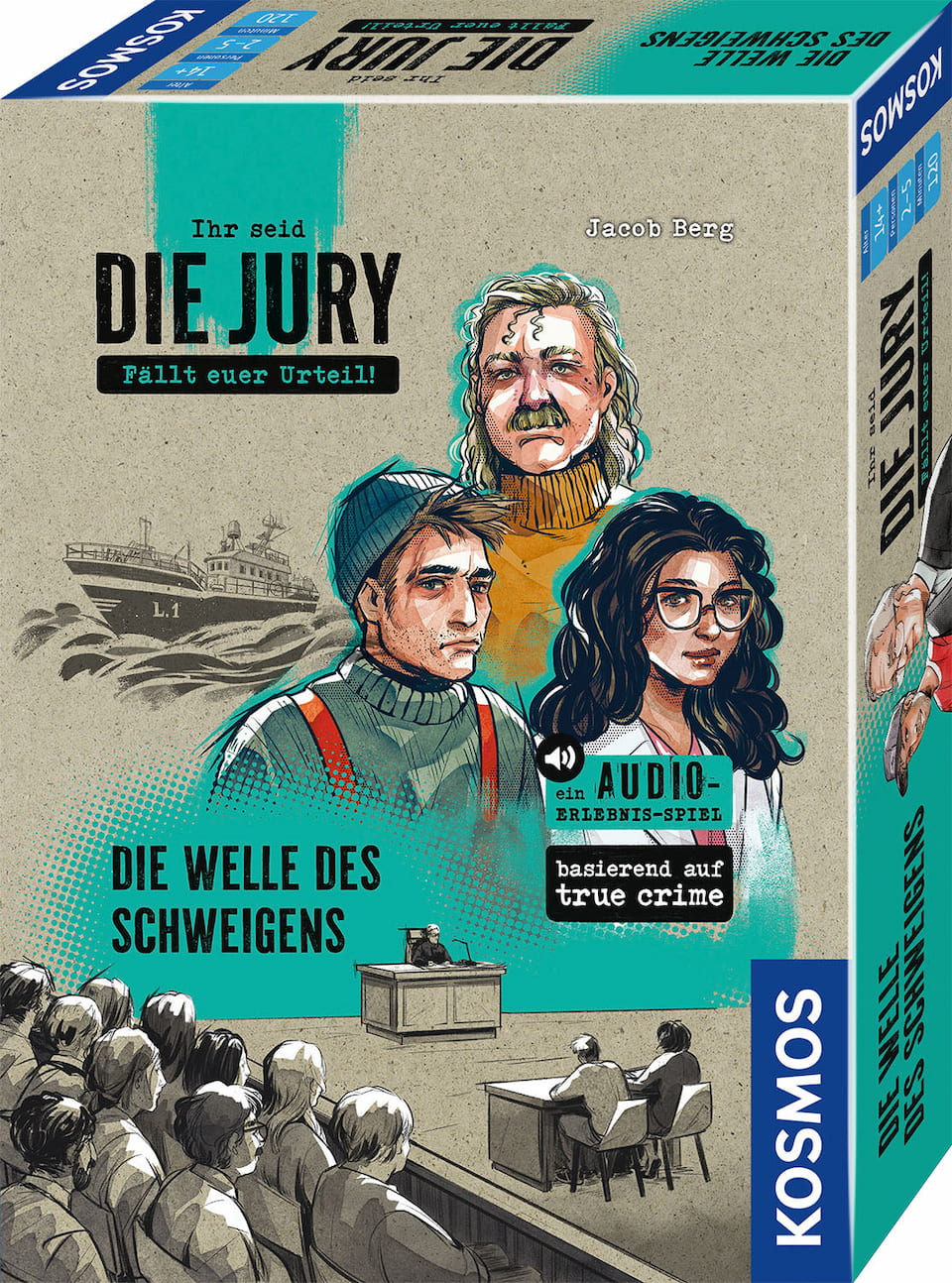
Sit on a jury for a fishing-boat death: hear courtroom audio, weigh the evidence, and reach a shared verdict.
- 2 a 5 jugadores
- 120 minutos
- A partir de 14 años
A true-crime courtroom game for 2 to 5 players aged 14 and up, designed by Jacob Berg and published by Franckh-Kosmos. You play as jurors weighing a puzzling death aboard a fishing boat, where a crew member faces charges after a man died with signs of serious injury and strangulation.
de Jacob Berg
- 2 jugadores
- 120 minutos
- A partir de 12 años
de Kip Allen, Larry Pinsky
- 2 jugadores
- 60 minutos
- A partir de 14 años
de Yasuyuki Yamagishi · Fentasy Games
- 2 jugadores
- 30 minutos
- A partir de 14 años
A quick card-drafting puzzle where you build a personal 4x4 grid of fantastic floating islands and creatures.
- 1 a 4 jugadores
- 15 minutos
- A partir de 10 años
Strange World Above the Clouds is a light card game by designer Florian Grenier, published by Board Game Circus, with illustrations by Valériane Holley. It is set in a realm above the clouds, full of fantastic islands and magical creatures, governed by its own rules, which you reshape to your liking.
de Florian Grenier · Board Game Circus
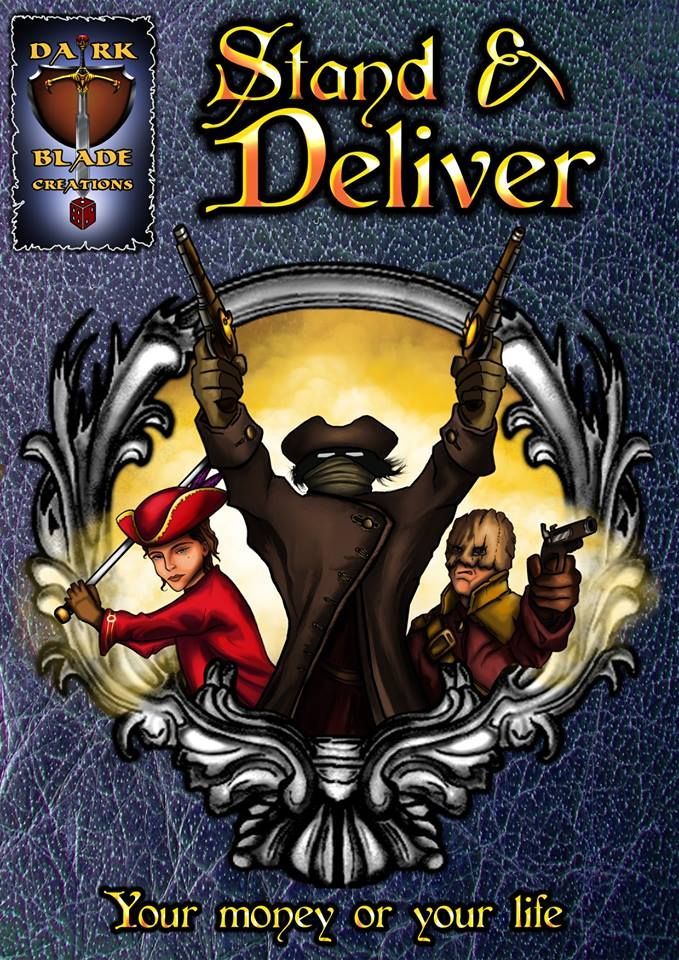
Stand & Deliver
2015- 1 a 6 jugadores
- 30 minutos
- A partir de 10 años
- 1 a 4 jugadores
- 2 jugadores
- 120 minutos
- A partir de 12 años
de John Young
- 2 a 4 jugadores
- 45 minutos
- A partir de 10 años
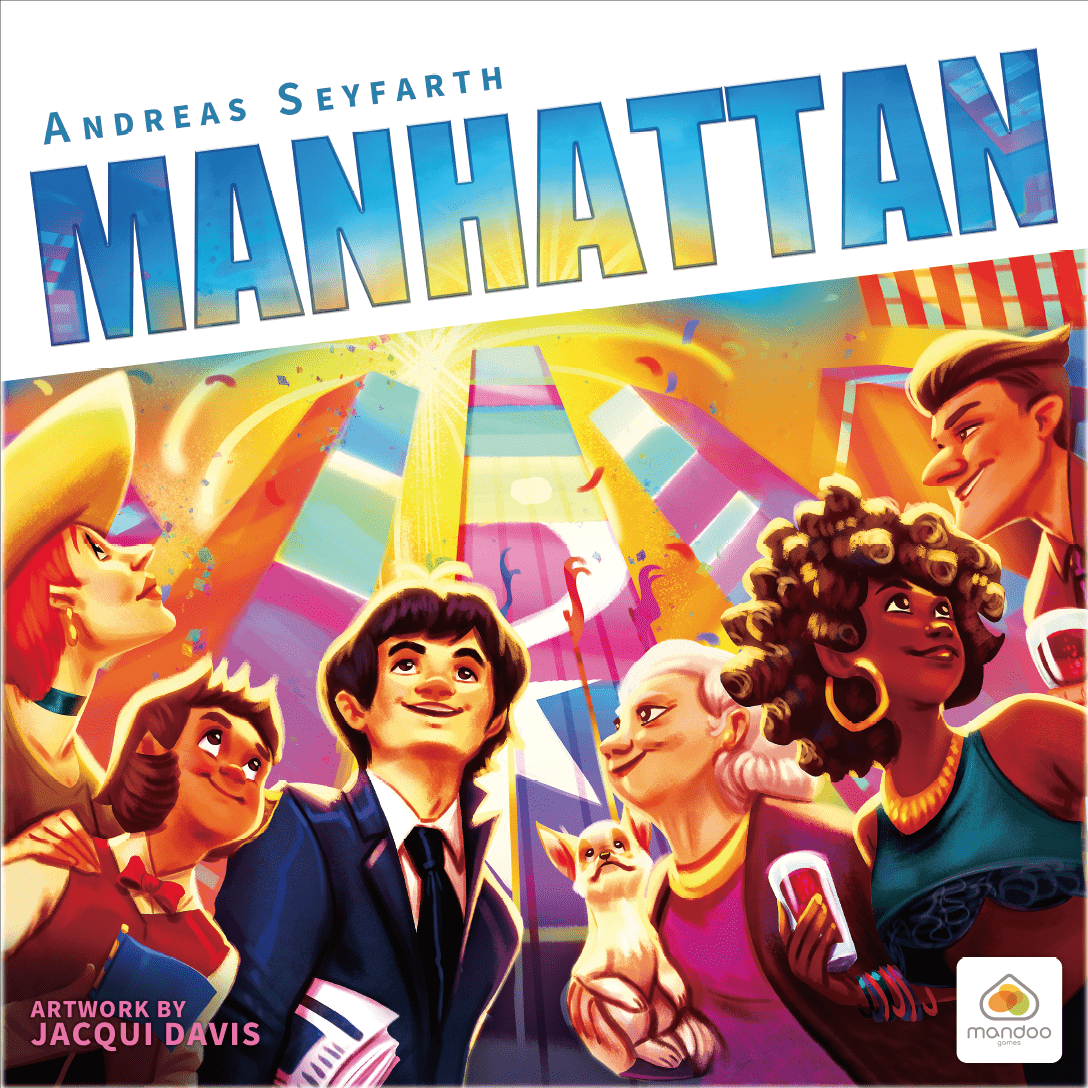
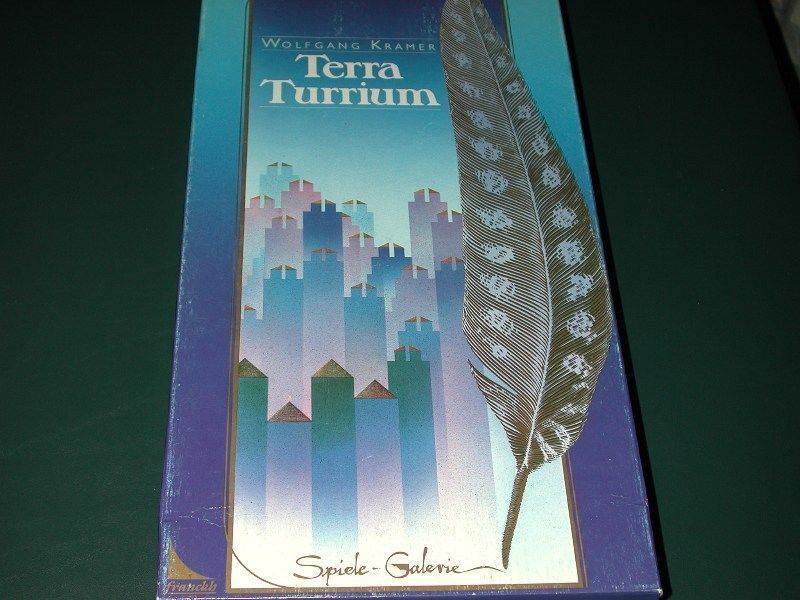
Build skyscrapers on shared city spaces, where whoever holds the top piece controls them.
- 2 a 4 jugadores
- 45 minutos
- A partir de 10 años
Manhattan is a board game for 2 to 4 players, age 10+, designed by Andreas Seyfarth in 1994 and published by 999 Games among others. Your goal is to raise skyscrapers across the city and hold control over them so they score points.
de Andreas Seyfarth
- 1 a 6 jugadores
- 30 a 240 minutos
- A partir de 14 años
Black Hole
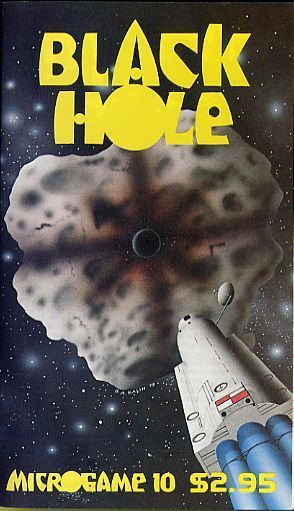
1978Corporate armies fight over a doughnut-shaped alien asteroid orbiting a black hole.
- 2 jugadores
- 30 minutos
- A partir de 10 años
Black Hole is a two-player science fiction wargame from 1978, released by Metagaming as one of its compact MicroGames. It suits players who want a short, straightforward contest of space combat. The game is set around a doughnut-shaped asteroid built by aliens, with a black hole at its centre.
- 2 a 3 jugadores
- 30 minutos
- A partir de 14 años
de Jon Manker, Matti Bergh · Ion Game Design
- 2 a 4 jugadores
- 20 minutos
- A partir de 7 años
de Michael Schacht
Memoir 44
2025A historical tactical wargame of 1944 ground battles, where two to four players command Allied or Axis troops with command cards.
- 2 a 4 jugadores
- 30 a 40 minutos
- A partir de 12 años
Memoir '44 is a historical tactical wargame for two to four players, first released in 2004 to mark the 60th anniversary of the Normandy landings. This revised edition from Spielworxx is fully in German. Richard Borg designed it.
de Richard Borg
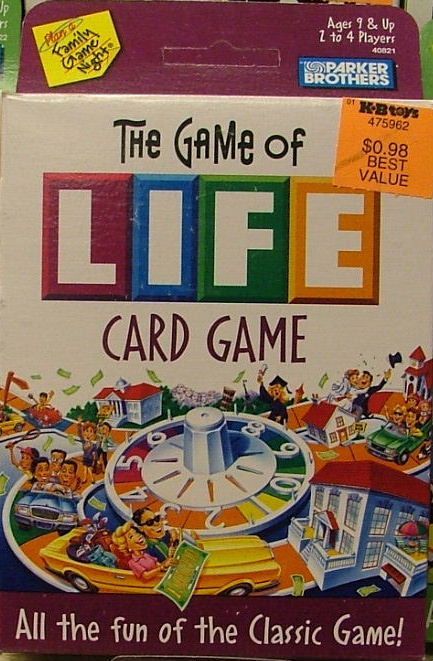
Score points on life goals in a quick card game about careers, college and money.
- 2 a 4 jugadores
- 30 minutos
- A partir de 9 años
A card game for 2 to 4 players aged 9 and up, playing in about 30 minutes. Rob Daviau and Reuben Klamer designed it, and Hasbro and Parker Brothers published it. Your aim is to gather the most points you can before the L.I.F.E. letters appear. Points come from completing goals that are worth a set value.
de Reuben Klamer, Rob Daviau
- 2 jugadores
- 120 a 240 minutos
- A partir de 16 años
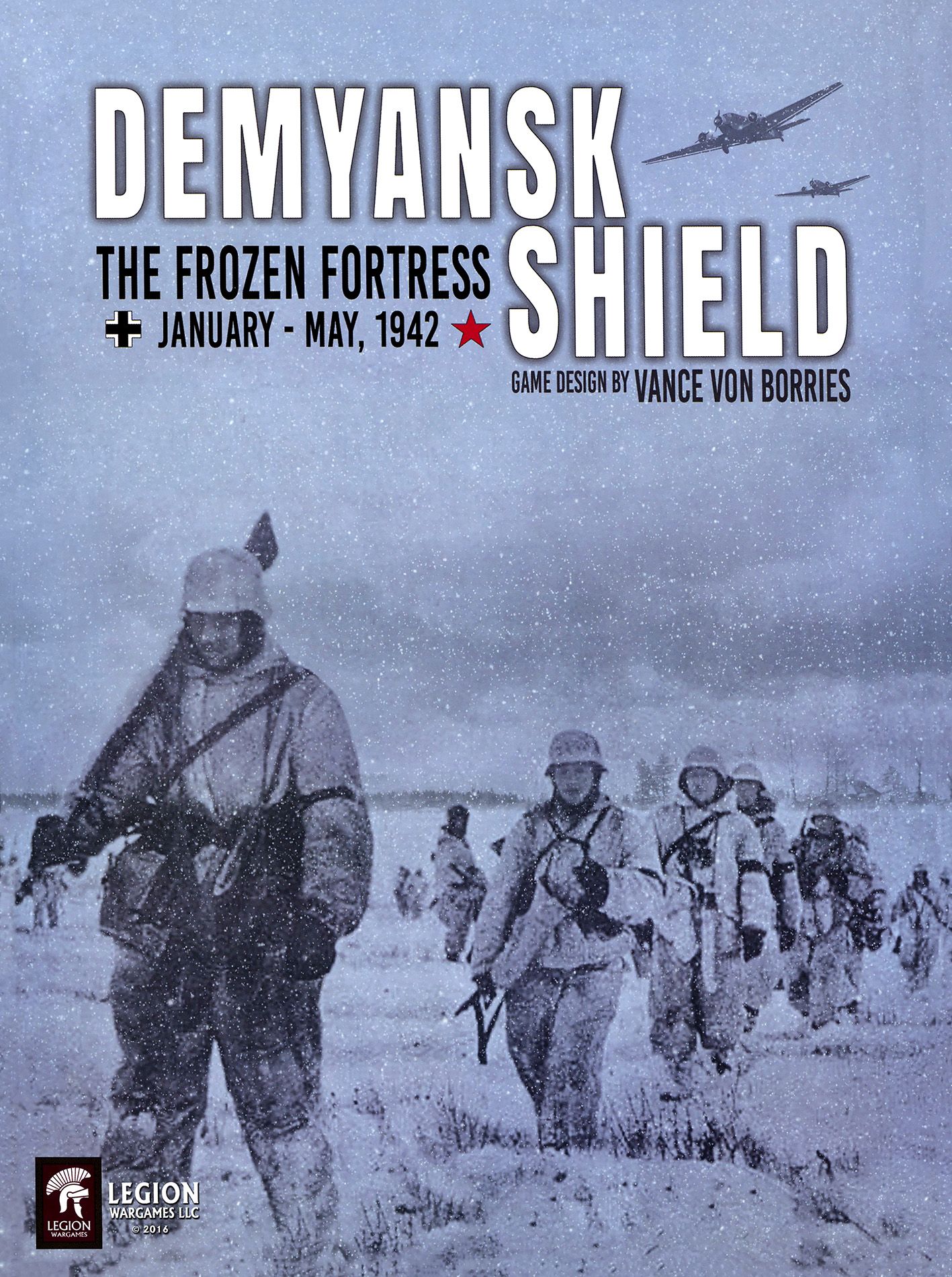
de Vance von Borries
1977 Cold War board wargame
- 2 jugadores
- 300 minutos
- A partir de 12 años
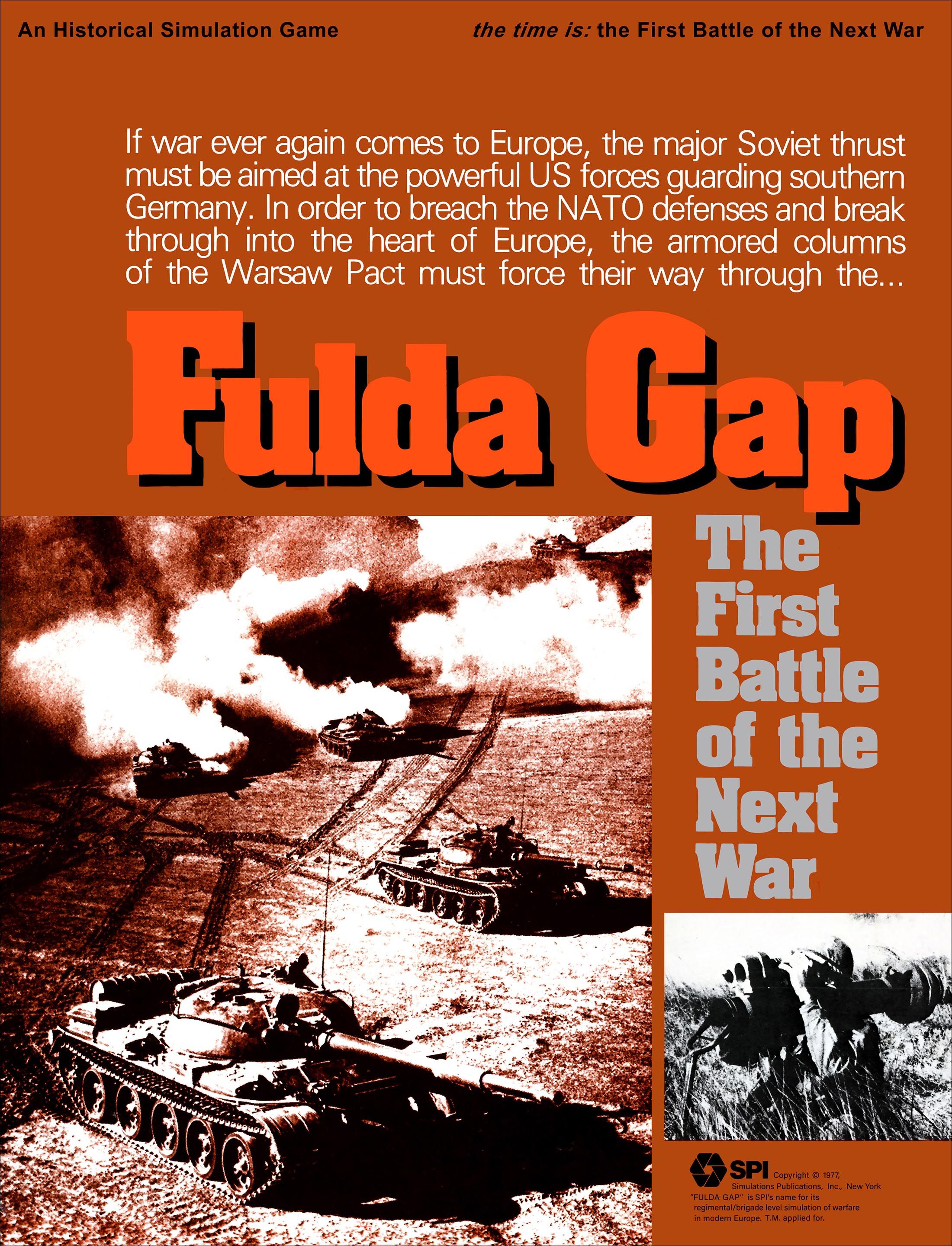
Fulda Gap is a two-player board wargame from 1977, designed by Jim Dunnigan and published by SPI. It is for players aged 12+ and runs about 300 minutes. Players take the Warsaw Pact and NATO sides in a hypothetical attack on West Germany, fought with the technology and tactics of the mid-1970s.
de Jim Dunnigan
- 1 a 4 jugadores
- 120 a 2100 minutos
- A partir de 13 años
de Adam Starkweather, Ross Mortell
- 1 a 5 jugadores
- 60 a 120 minutos
- A partir de 14 años
- 2 a 4 jugadores
- 30 minutos
- A partir de 8 años
de Brian Yu
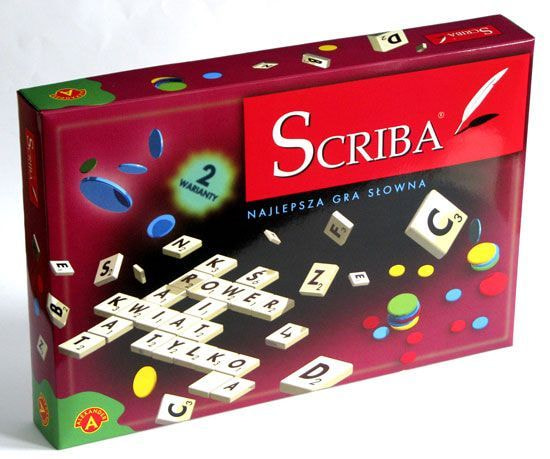
Scriba
2011- 2 a 4 jugadores
- 90 minutos
- A partir de 10 años
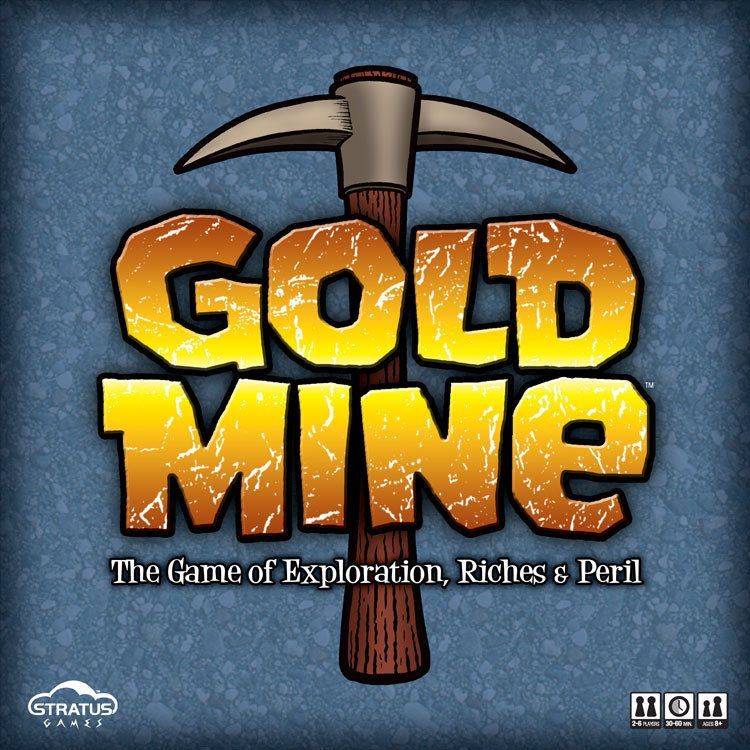
Gold Mine
2010- 2 a 6 jugadores
- 45 minutos
- A partir de 6 años
A 2010 tile-laying game for two to six players, created by Chris James and issued by Stratus Games. You dig a maze of mine tunnels from tiles and send miners to gather gold nuggets, racing rivals back to the entrance. Each turn has two parts: a movement phase, then an action phase.
de Chris James (I)
- 2 a 4 jugadores
- 60 minutos
- A partir de 10 años
de Marc Neidlinger · Schwerkraft-Verlag
- 1 a 2 jugadores
- 60 minutos
- A partir de 12 años
- 2 a 8 jugadores
- 120 a 180 minutos
- A partir de 13 años
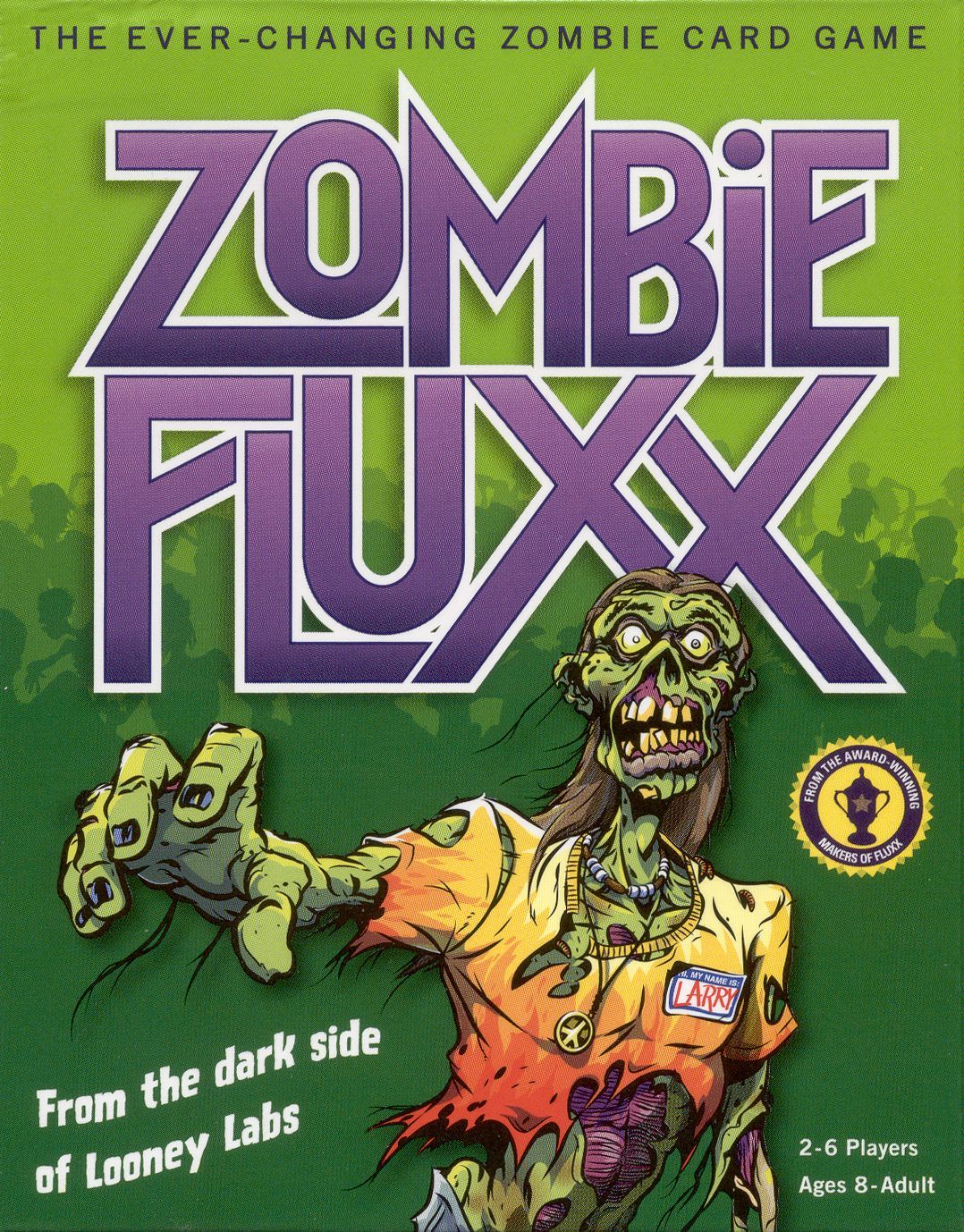
Zombie Fluxx
2007- 2 a 6 jugadores
- 10 a 40 minutos
- A partir de 8 años
Zombie Fluxx is a 2007 card game published by Looney Labs.
de Andrew Looney
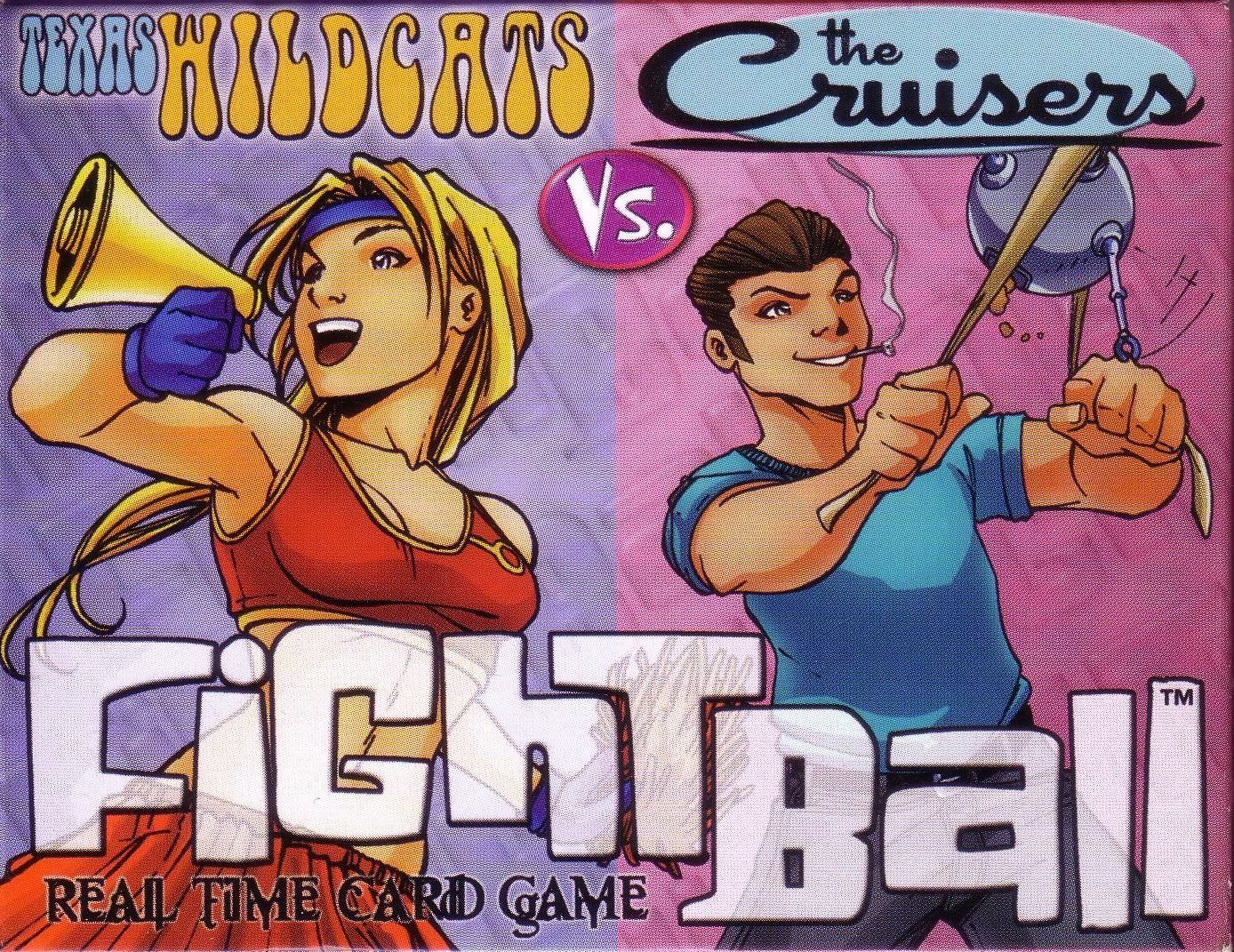
Fightball
2002Real-time futuristic basketball card duel where both players race to build scoring plays.
- 2 jugadores
- 20 minutos
- A partir de 12 años
A real-time card game for 2 players aged 12+, designed by James Ernest and Mike Selinker and published by Cheapass Games. You and an opponent compete to win a futuristic basketball game, scoring by building Complete Plays across four quarters.
de James Ernest, Mike Selinker
A compact, shorter escape-room card game where two animals must overcome their differences through a poetic sea-themed mystery.
- 1 a 6 jugadores
- 30 a 45 minutos
- A partir de 10 años
de Cyril Demaegd, Germain Winzenschtark
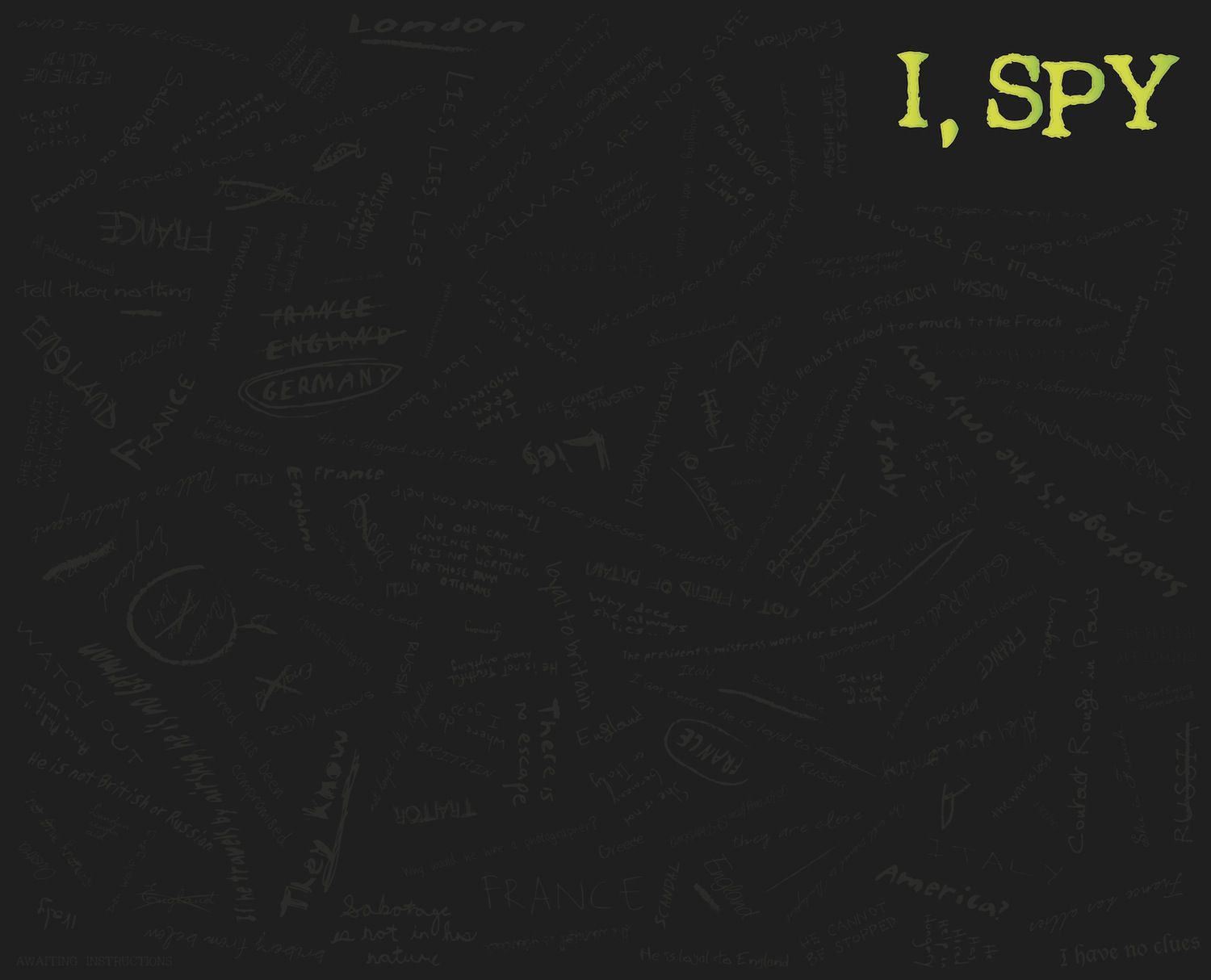
I, Spy
2015- 2 a 4 jugadores
- 90 minutos
- A partir de 13 años
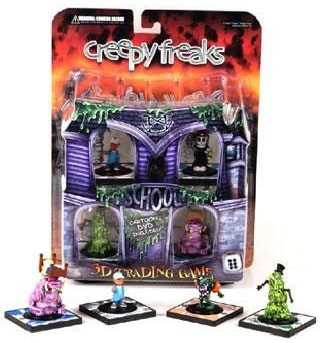
Creepy Freaks
2003- 2 a 4 jugadores
- 20 minutos
- A partir de 6 años
shogi variant with hexagonal cells
- 2 jugadores
Hexshogi is a two-player game, a shogi variant devised by George R. Dekle Sr. in 1986. Apart from the movement of its pieces, Hexshogi follows the rules of shogi, with each piece's moves reworked for hex-shaped spaces. The board is made of 85 hexagonal cells, which shapes how the pieces travel across it.