Cargando la página…
- 2 jugadores
- 120 a 240 minutos
de Brian Train
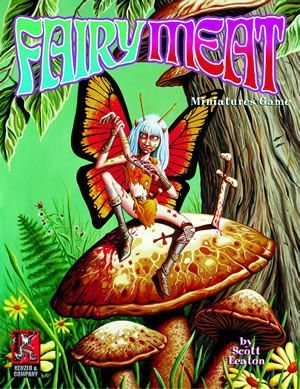
Fairy Meat
2000Cannibal fairy packs clash in a warband battle game played with miniatures and cards.
- 2 a 100 jugadores
- 60 minutos
- A partir de 12 años
Fairy Meat is a warband-based tabletop game for 2 to 100 players, lasting about 60 minutes and suited to ages 12 and up. Sky Leaton wrote and designed it, and Kenzer and Company first published it in 2000. The theme centres on a Circle, a pack of savage cannibal fairies, and the battles that pack fights.
- 3 a 13 jugadores
- 30 a 90 minutos
- A partir de 18 años
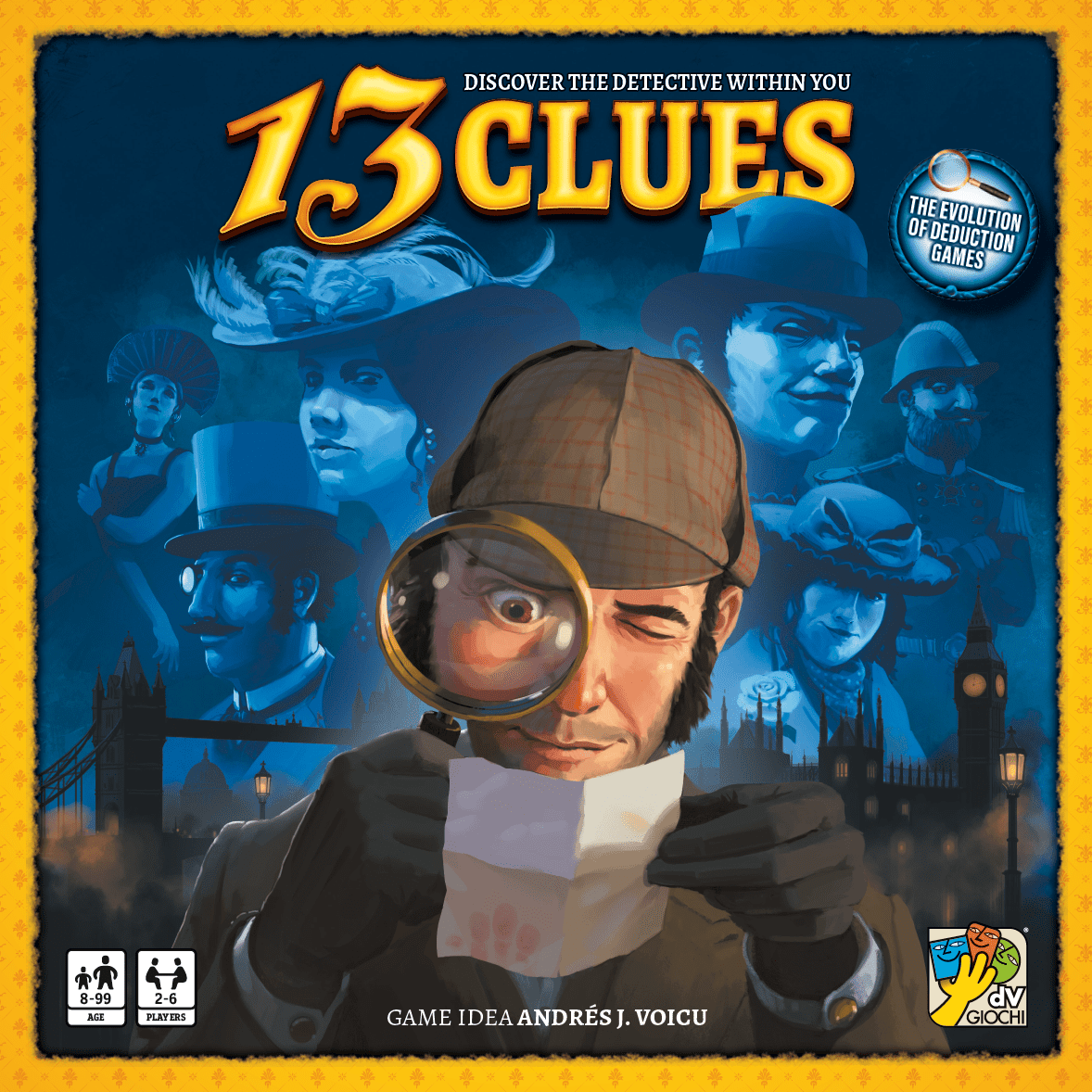
13 Clues
2016- 2 a 6 jugadores
- 30 minutos
- A partir de 8 años
- 1 jugador
- 360 minutos
- A partir de 12 años
de Mark Seaman
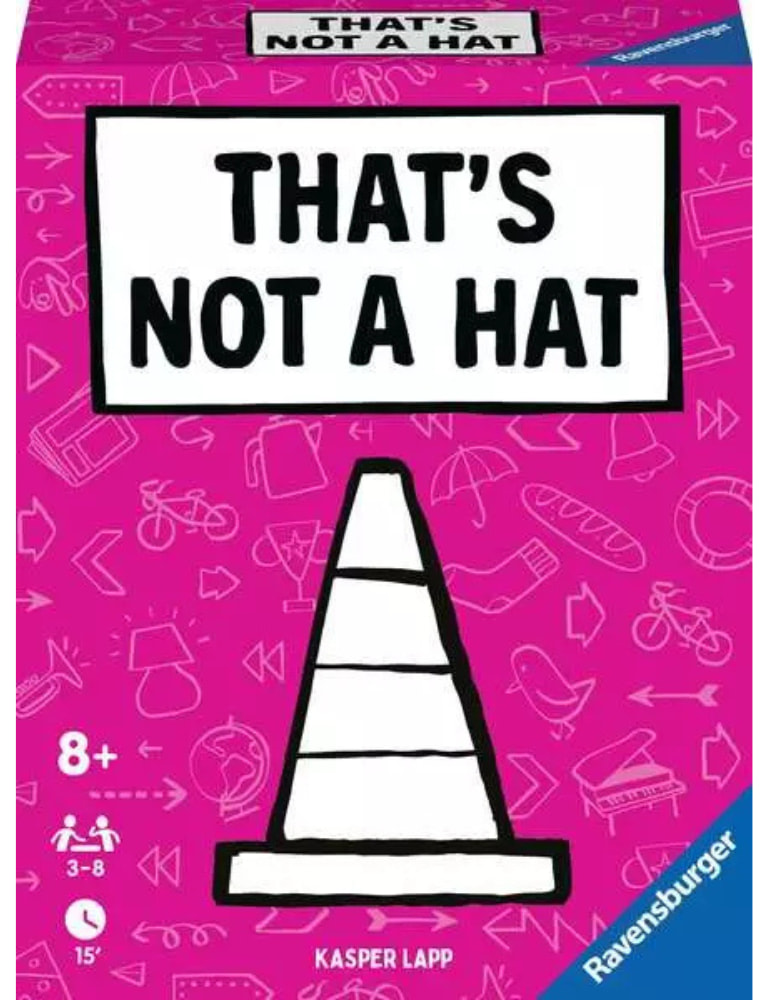
That's not a Hat
2023- 3 a 8 jugadores
- 15 minutos
- A partir de 8 años
A Ravensburger memory and bluffing card game where players pass face-down gift cards and must name what they are handing over, or convince others they remember.
de Kasper Lapp
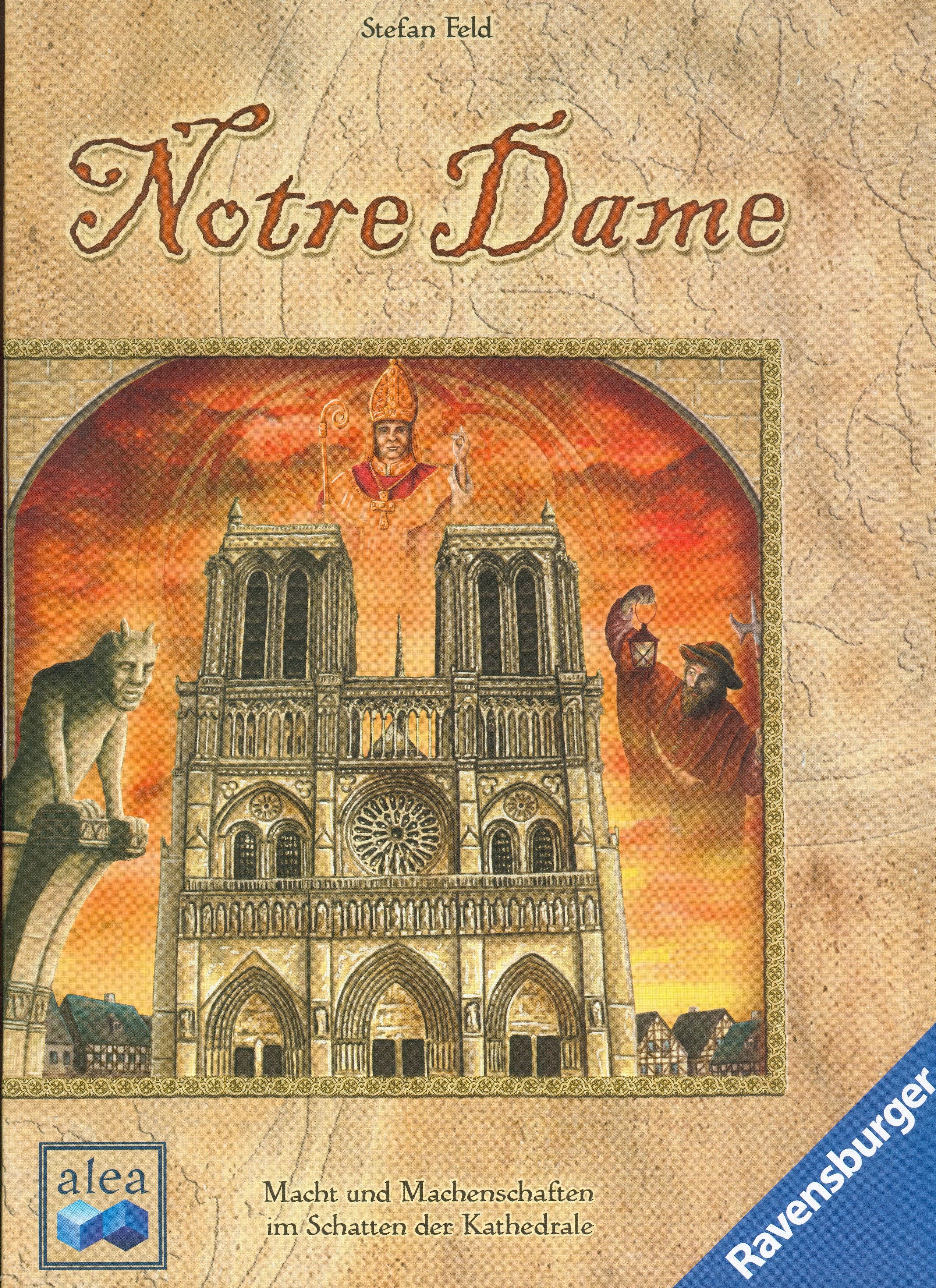
Notre Dame
2007Card-drafting area-influence game where rival Parisian families build up their boroughs around Notre Dame cathedral while managing the plague.
- 2 a 5 jugadores
- 45 a 75 minutos
- A partir de 10 años
Notre Dame is a strategy board game for two to five players aged 10 and up, lasting about 45 to 75 minutes. Stefan Feld designed it in 2007, and Ravensburger, Rio Grande Games and several other publishers released it.
de Stefan Feld
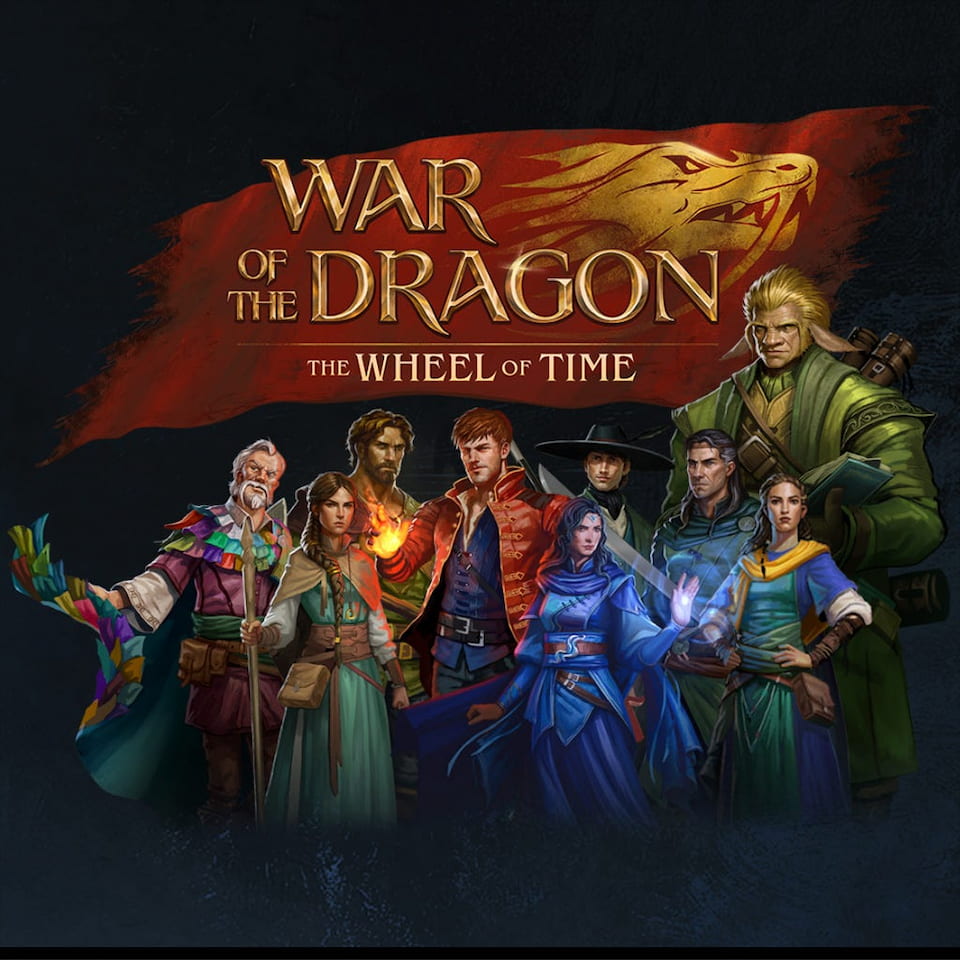
Armies clash across Robert Jordan's world in the first Wheel of Time board game.
- 2 a 4 jugadores
- 120 a 240 minutos
Set in Robert Jordan's Wheel of Time universe, this is the first board game in that world. Players clash between light and shadow across a realm of magic, old prophecies and mighty armies, aiming to save the world or ruin it.
de Andy Clautice, Michael Mihealsick
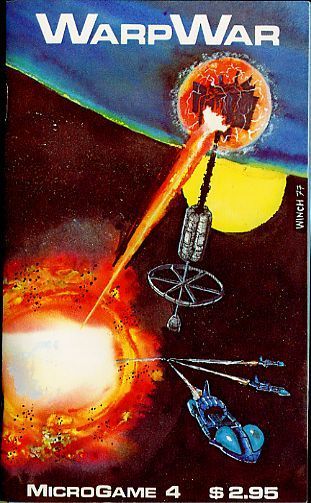
WarpWar
1977A compact 1977 science fiction wargame of interstellar starship combat built from Build Points.
- 2 jugadores
- 30 minutos
- A partir de 12 años
WarpWar is a two-player science fiction wargame from 1977, suited to ages 12 and up, designed by Howard Thompson and published by Metagaming and Sfera. Two rival commanders send their starships across interstellar space, and fighting breaks out wherever opposing ships meet in one system.
de Howard Thompson
- 2 a 6 jugadores
- 120 minutos
- A partir de 11 años
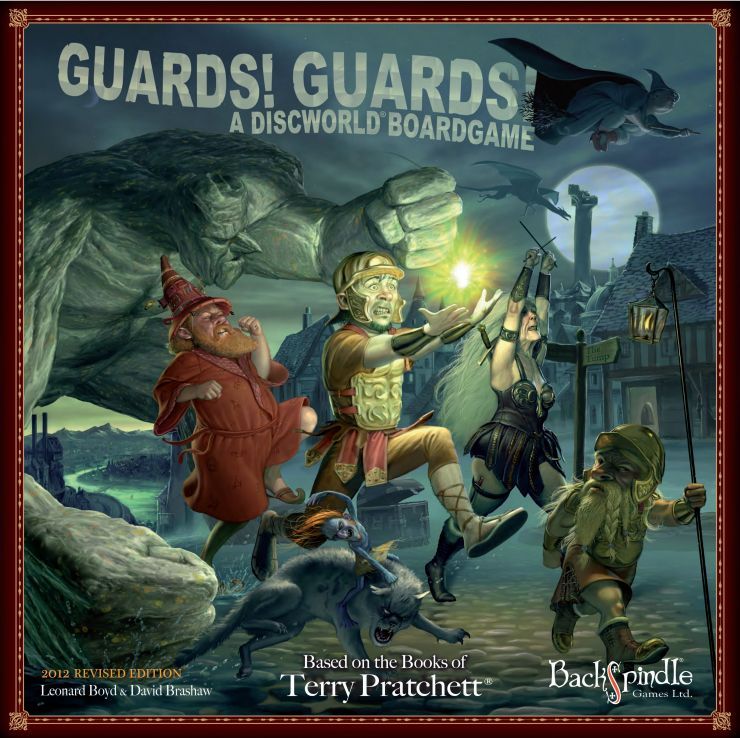
de David Brashaw, Leonard Boyd
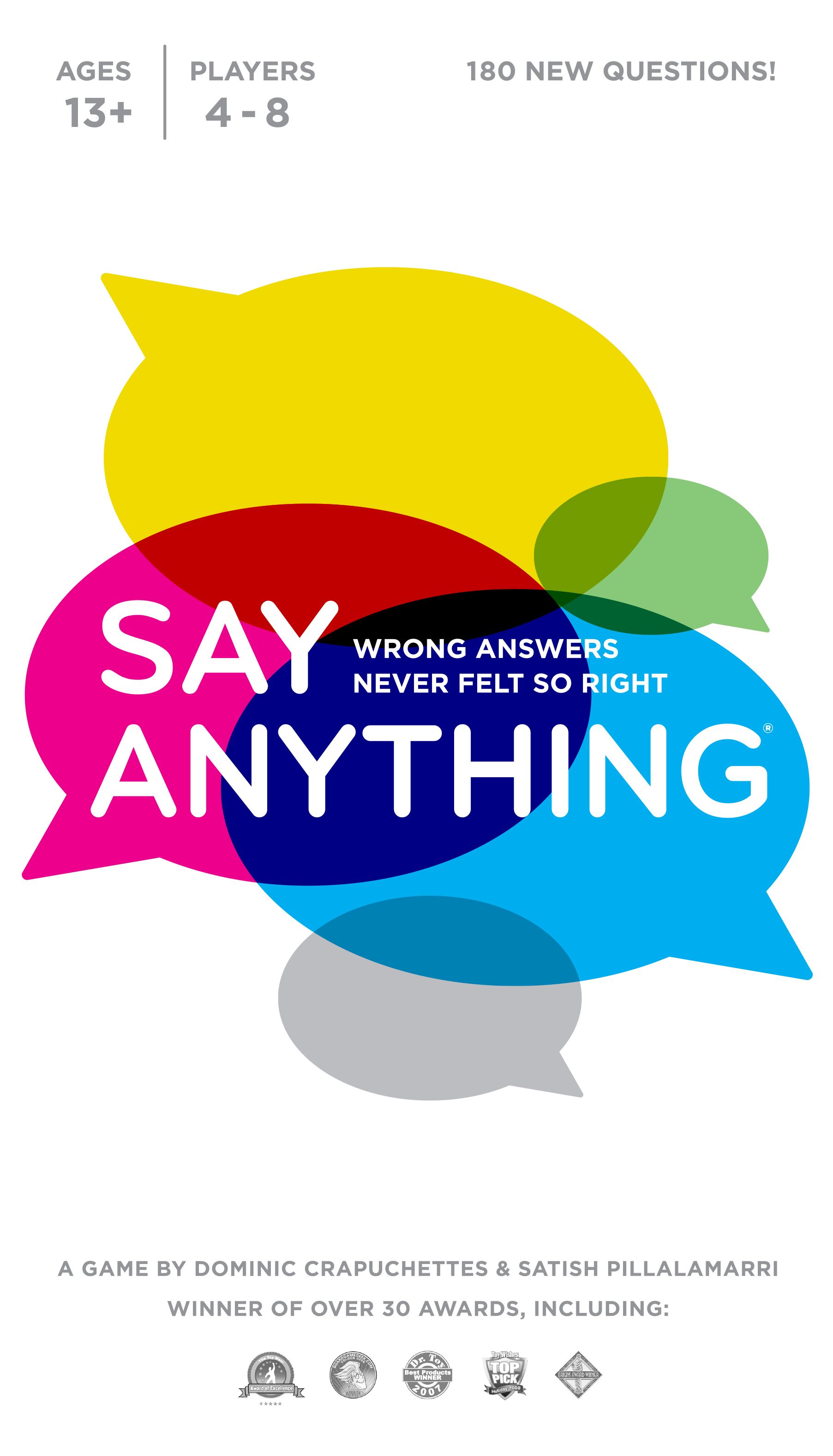
Open-ended questions and secret favourites make a fast, laugh-filled party guessing game.
- 3 a 8 jugadores
- 30 minutos
- A partir de 13 años
Say Anything is a party-style board game for three to eight players aged 13 and up, designed by Dominic Crapuchettes and Satish Pillalamarri. North Star Games released it in 2008 as a successor to Wits & Wagers. The aim is social fun: sparking conversation and making everyone laugh.
de Dominic Crapuchettes
MINI DARTS
2026A portable suction-dart game: toss sticky mini darts toward a jack dart, bocce-style, to get closest.
- 3 a 9 jugadores
- 10 minutos
- A partir de 3 años
de TOSSIT
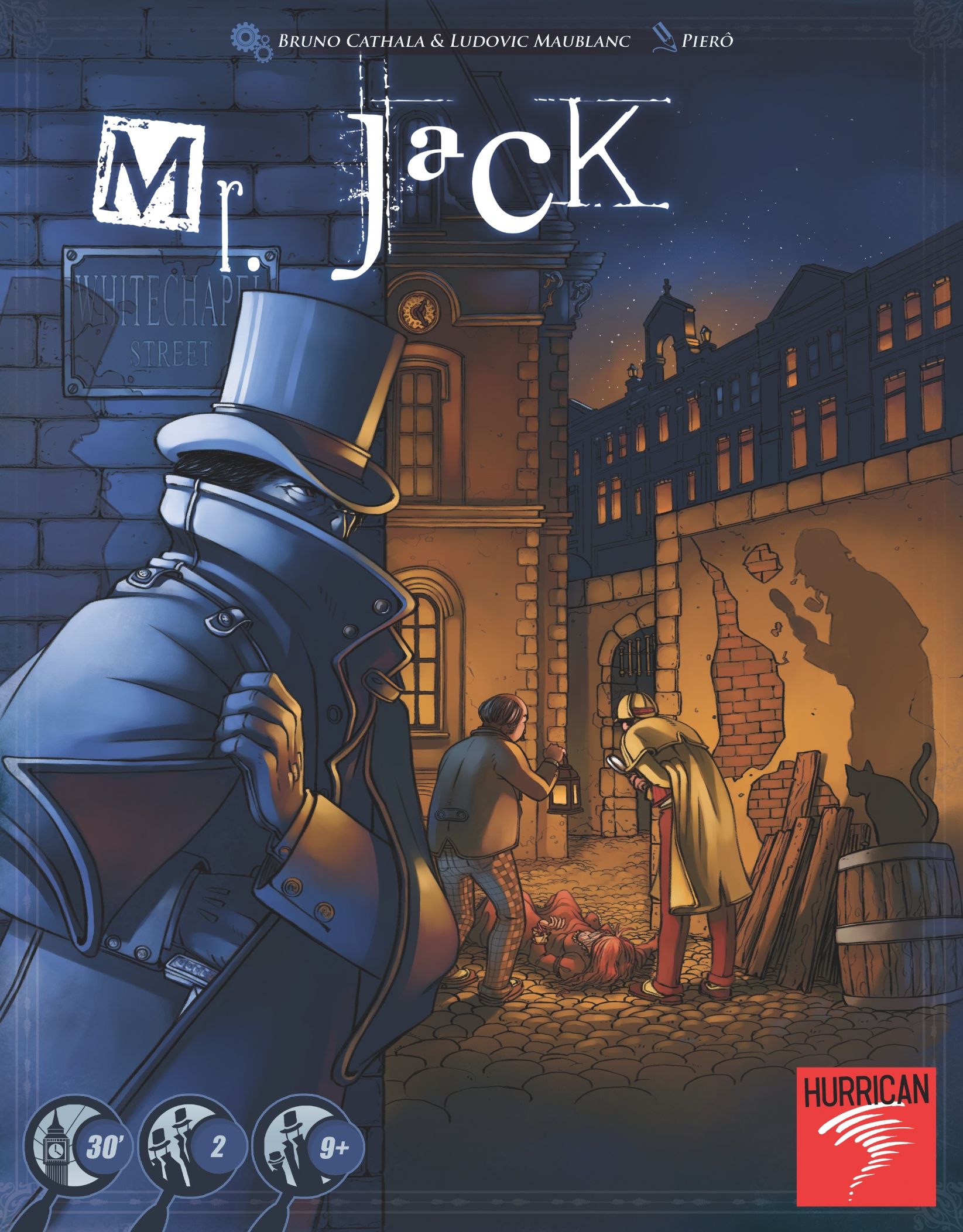
Mr. Jack
2006A two-player deduction game where one player hides Jack the Ripper among eight suspects while the other tries to unmask him before he escapes Whitechapel.
- 2 jugadores
- 30 minutos
- A partir de 9 años
de Bruno Cathala, Ludovic Maublanc
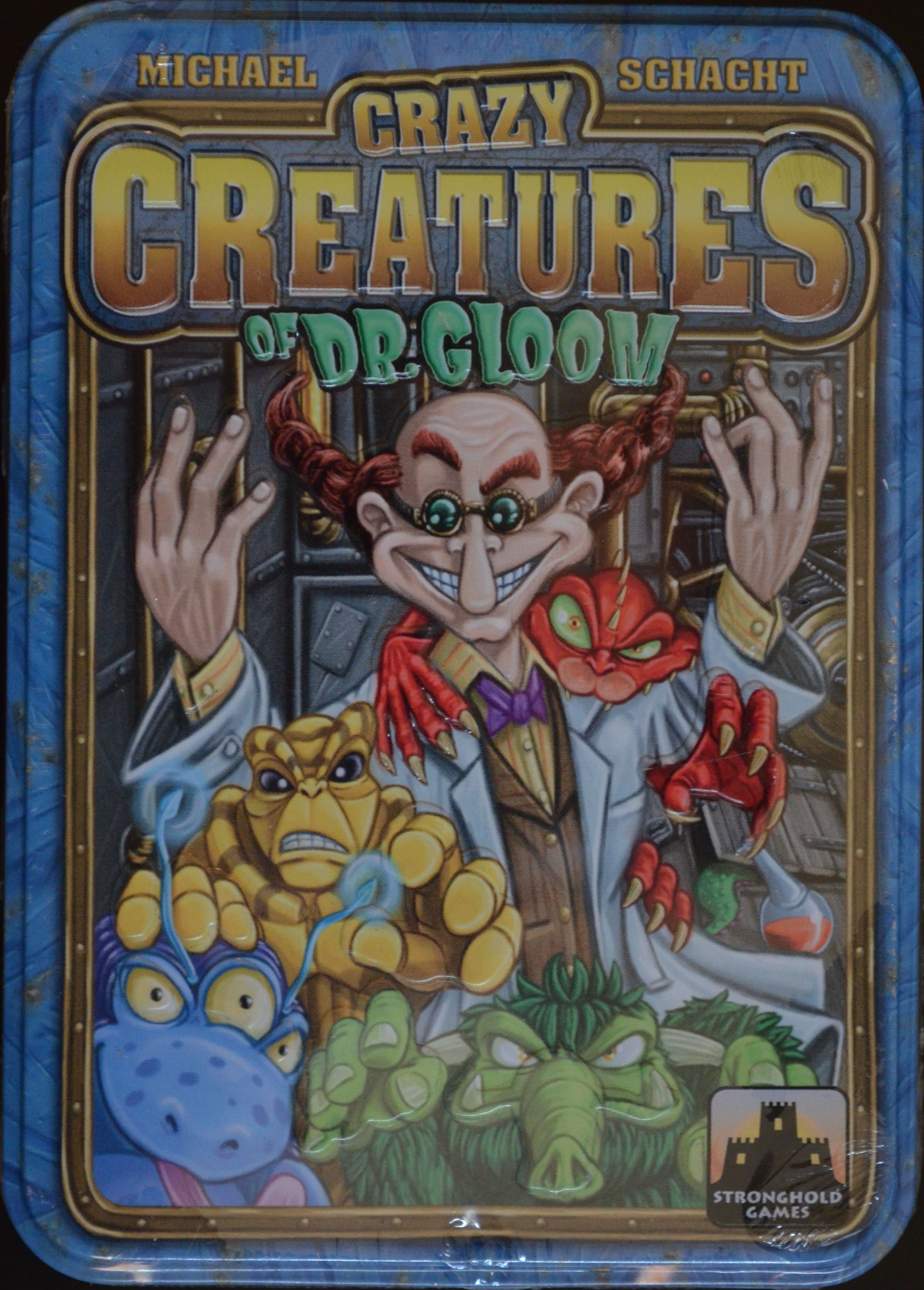
- 2 a 4 jugadores
- 20 minutos
- A partir de 7 años
de Michael Schacht
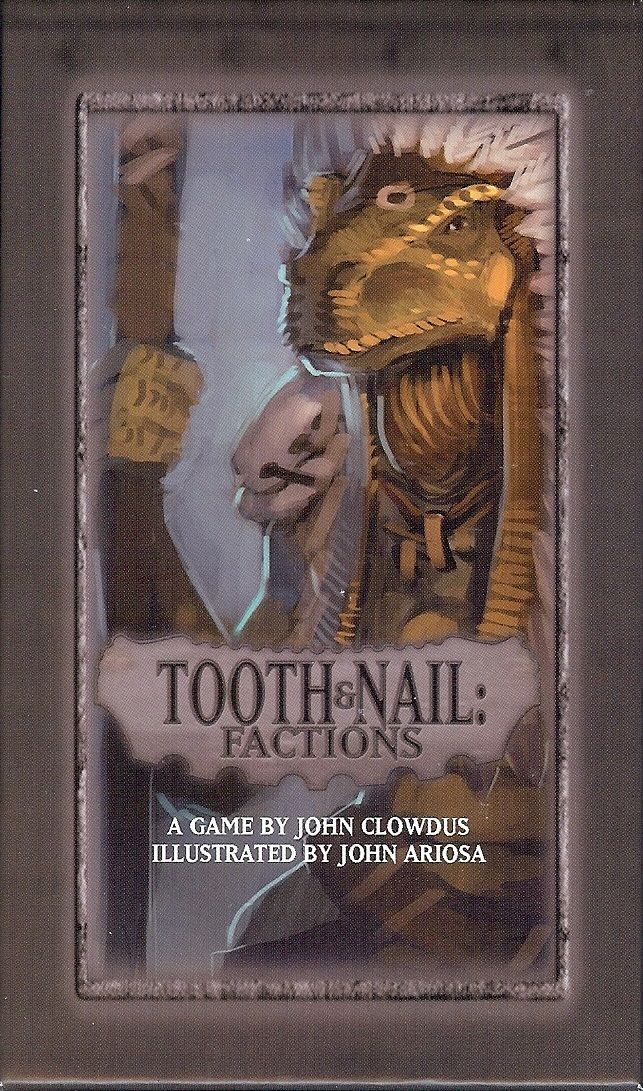
- 2 a 4 jugadores
- 15 a 30 minutos
de John Clowdus
For a Crown
2025Hidden rubies, sly mercenaries and a shared deck make an animal kingdom a scheming free-for-all.
- 3 a 5 jugadores
- 30 a 45 minutos
- A partir de 8 años
For a Crown is a deckbuilding and hidden-resource game for three to five players aged 8 and up, designed by Maxime Rambourg and published by Repos. Animal rivals gather to form one kingdom and fight over who will rule it.
de Maxime Rambourg
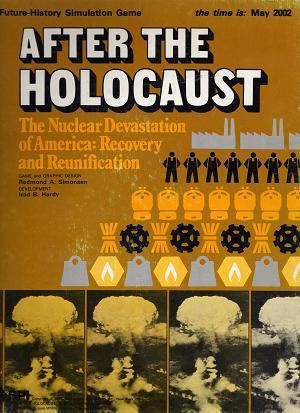
Rebuild a nuclear-wrecked America by trading, where cooperation rules unless an arms race erupts.
- 3 a 5 jugadores
- 180 minutos
- A partir de 12 años
A near-future board wargame for 3 to 5 players aged 12 and up, designed by Irad B. Hardy and Redmond A. Simonsen. SPI published it. Set in a United States wrecked by nuclear war, the game follows the slow economic rebuilding of the nation. Players work together to restore their regions.
de Irad B. Hardy, Redmond A. Simonsen
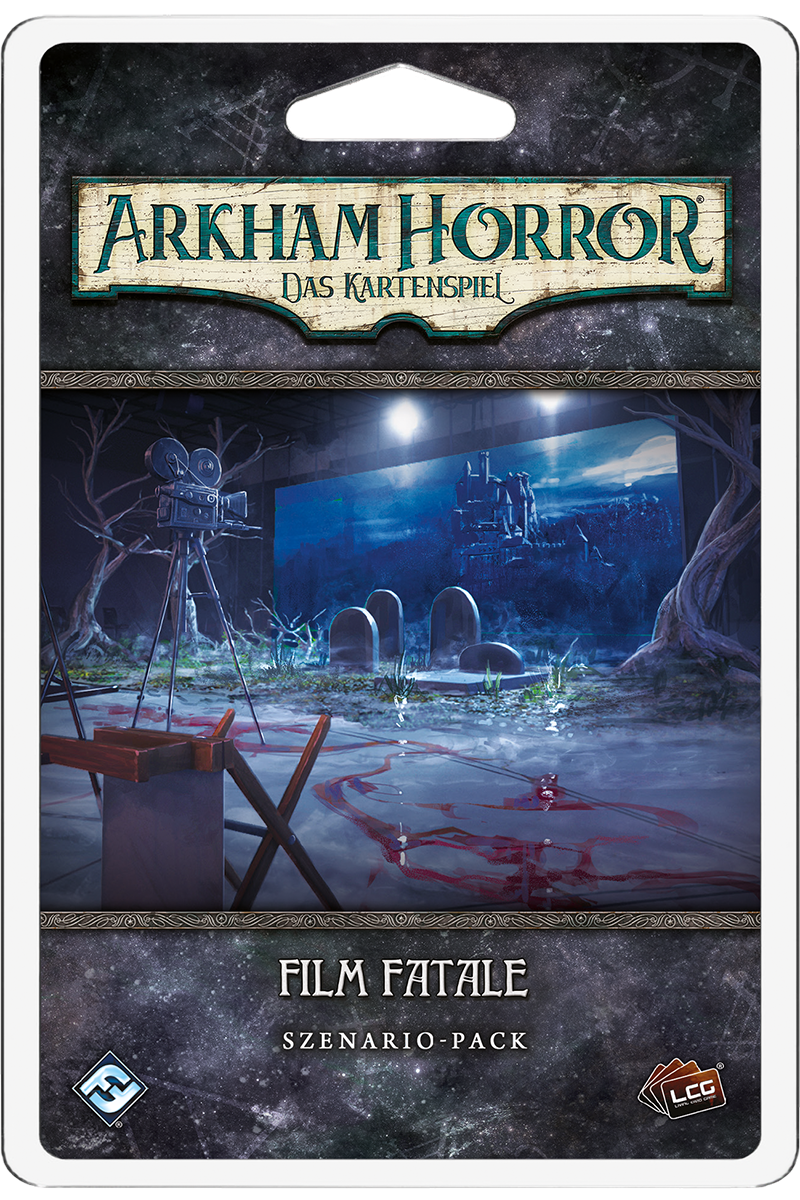
A Living Card Game scenario where investigators untangle a curse spreading across three movie sets at Hollywood's Studio C.
- 1 a 4 jugadores
- 60 a 90 minutos
- A partir de 14 años
de Josiah Harrist, Nicholas Kory
Pessoa
2022- 1 a 4 jugadores
- 45 a 75 minutos
- A partir de 10 años
- 1 a 4 jugadores
- 30 minutos
- A partir de 13 años
de Justin Gary
- 2 a 6 jugadores
- 90 minutos
- A partir de 12 años
de Chris Haney, Scott Abbot
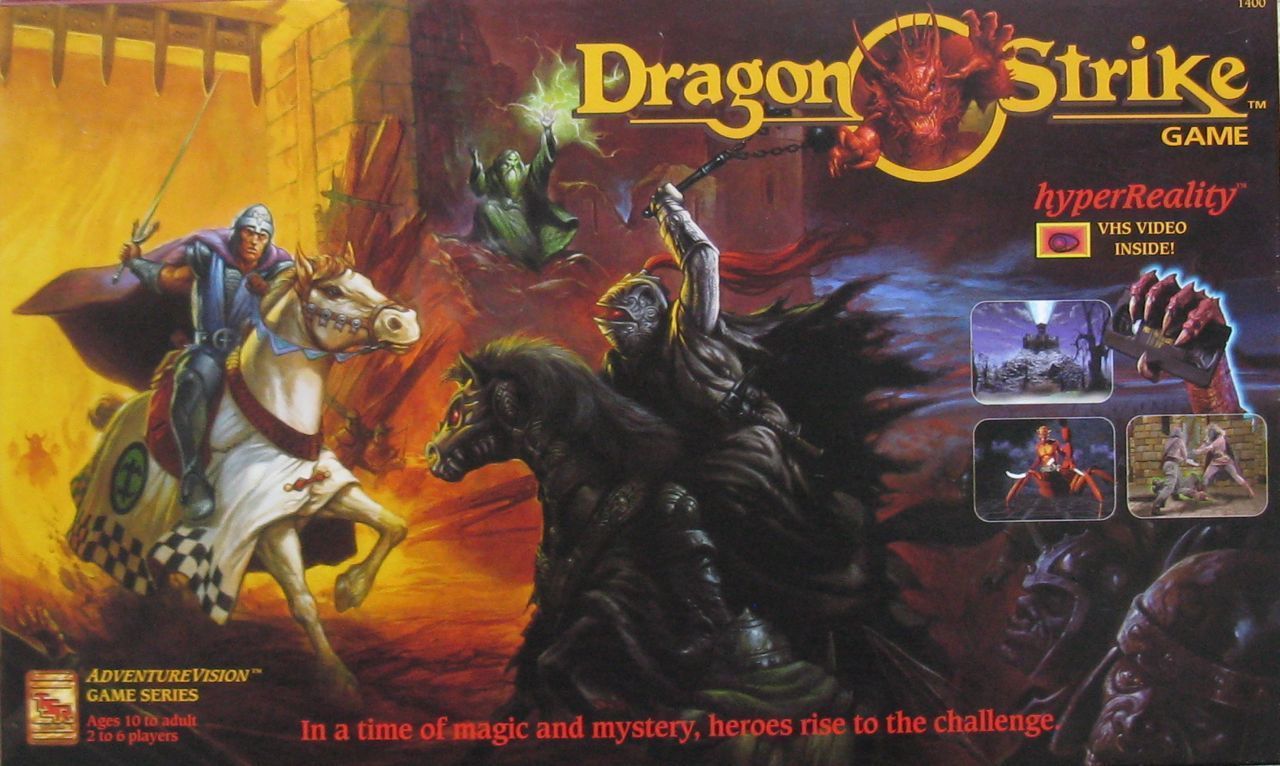
Dragon Strike
1993A beginner-friendly gateway into Dungeons & Dragons, with a VHS tutorial and plastic miniatures.
- 2 a 6 jugadores
- 60 minutos
- A partir de 10 años
A board game for 2 to 6 players aged 10+, designed as a gateway into fantasy role-playing. Published by Borras Plana S.A. and TSR. Players take on fantasy adventurers such as dwarves and thieves, exploring a colourful map to complete a mission set by the Dragon Master.
Fortune
1976- 3 a 5 jugadores
- 180 minutos
- A partir de 10 años
Fortune is a board game published by Philmar in 1976.
- 2 jugadores
- 120 minutos
- A partir de 12 años
de Jim Dunnigan
Longboard
2022- 2 a 4 jugadores
- 20 a 30 minutos
- A partir de 8 años
- 1 a 5 jugadores
- 45 minutos
- A partir de 10 años
de Julian Musgrave
- 1 jugador
- 15 minutos
- A partir de 8 años
A solo card game in which you play a robot stranded on an alien planet who must complete seven missions. You do so by arranging six module cards into specific patterns to overcome mishaps.
- 2 jugadores
- 120 minutos
- A partir de 12 años
de Mark Herman
- 2 jugadores
- 30 minutos
- A partir de 10 años
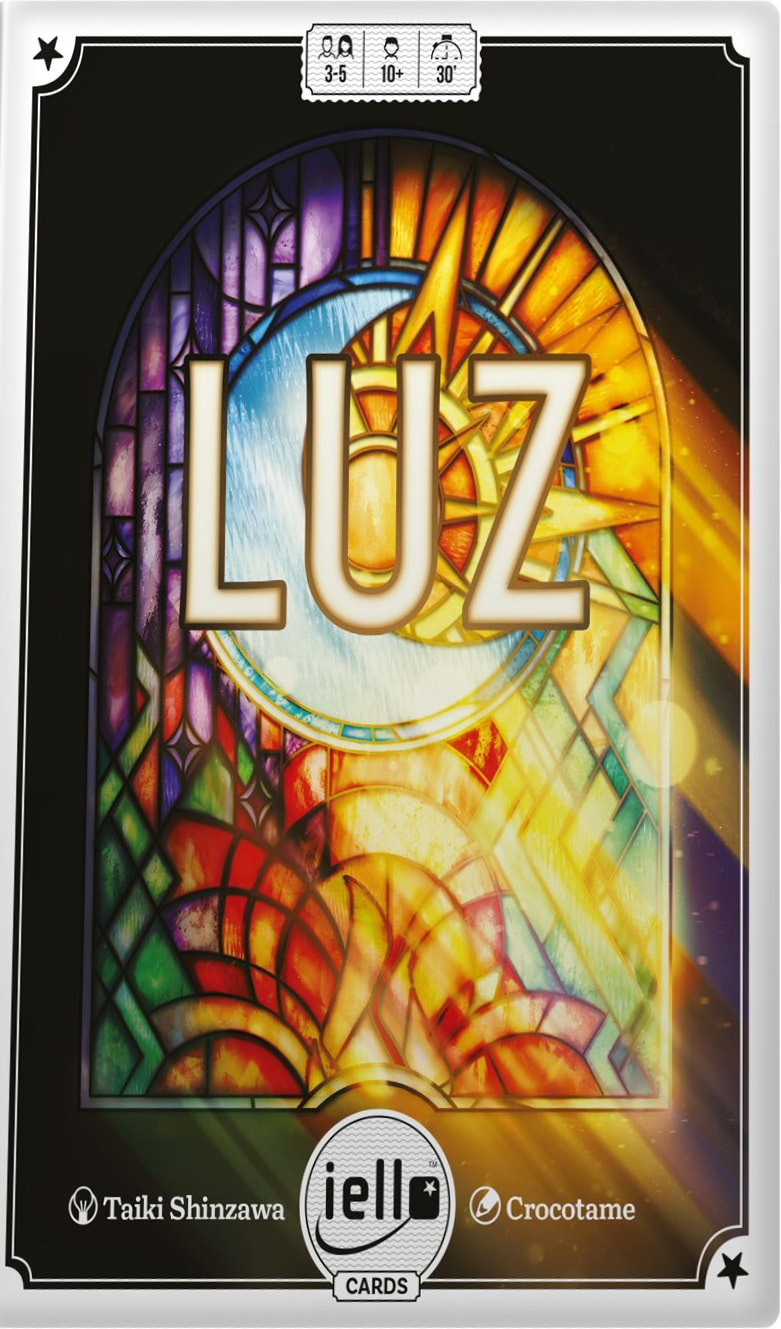
LUZ
2025- 3 a 5 jugadores
- 40 minutos
- A partir de 10 años
A trick-taking card game built around betting without seeing your own card values. Taiki Shinzawa designed it, IELLO published it, and it re-implements the Japanese game LUZ. Players must guess the values of cards they cannot look at, then commit to how many tricks they expect to win.
de Taiki Shinzawa · IELLO
- 4 a 20 jugadores
- 30 a 60 minutos
- A partir de 18 años
de Alex Hague, Justin Vickers