Chargement de la page…
- 2 à 8 joueurs
- 5 à 30 minutes
- Dès 10 ans
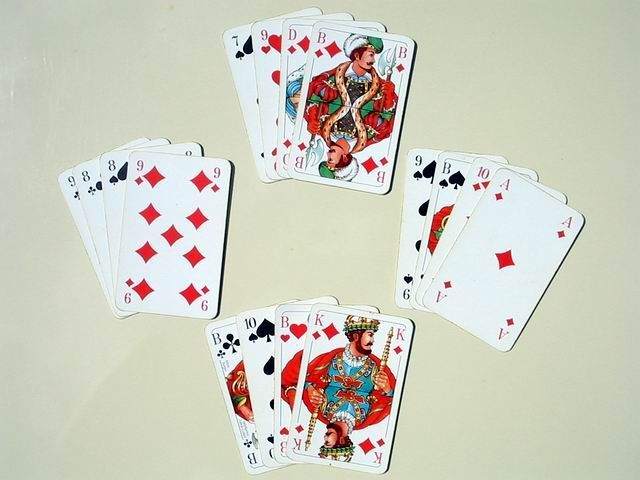
Tuppen is a trick-taking card game of Dutch origin for two to eight players, aged 10 and up, with a playing time of 5 to 30 minutes. It is often played for money or as a drinking game. You try to avoid penalty points by winning the final trick, since every other player picks up a point when a hand ends.
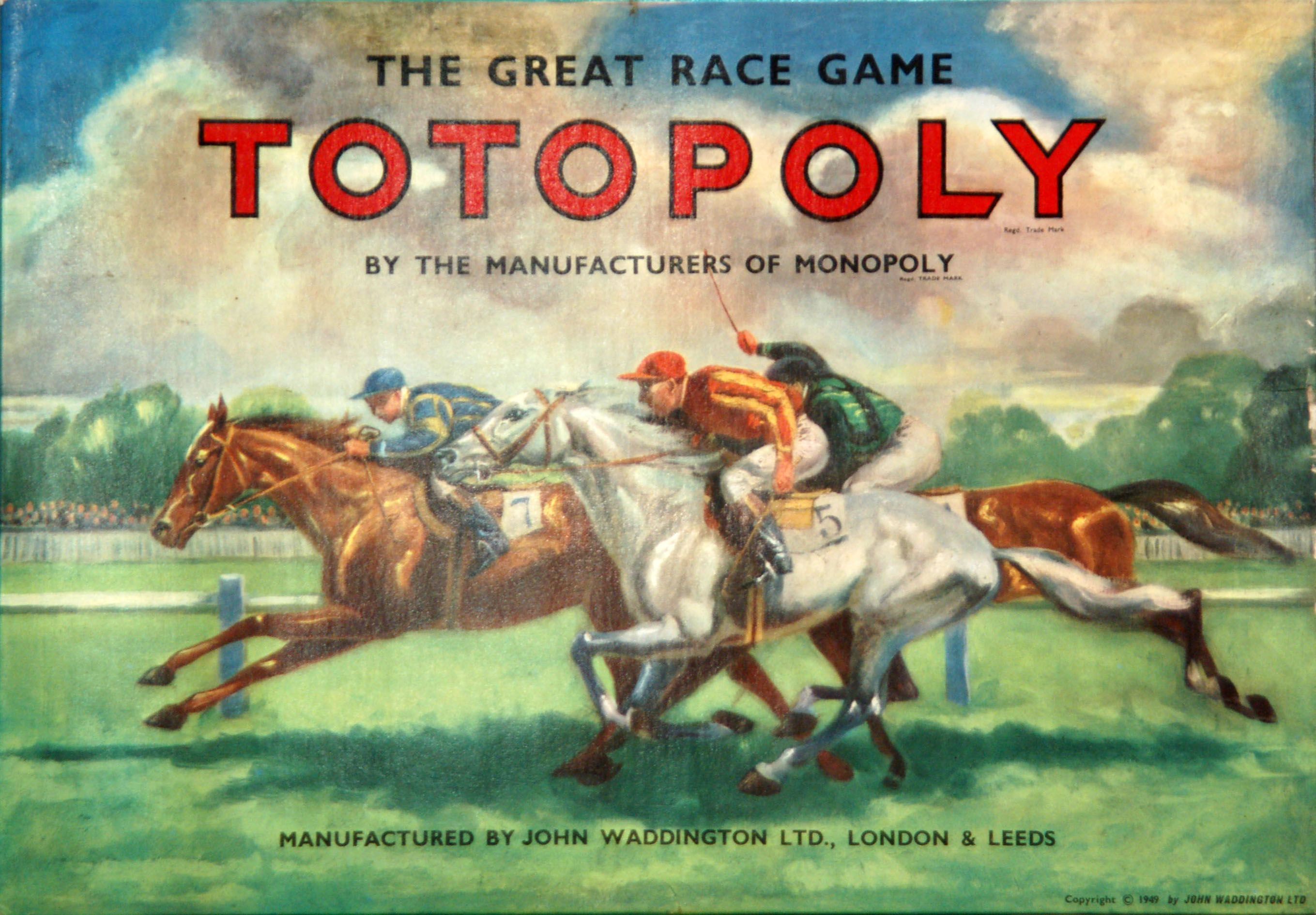
Totopoly
1938- 2 à 6 joueurs
- 90 minutes
- Dès 8 ans
Totopoly is a commercial board game, based on the events leading up to, and during, a horse race. Originally published in 1938 by Waddingtons, the game is based on a double-sided board, with each side representing a different half of the game.
Waddingtons
- 2 à 4 joueurs
- 30 à 45 minutes
- Dès 14 ans
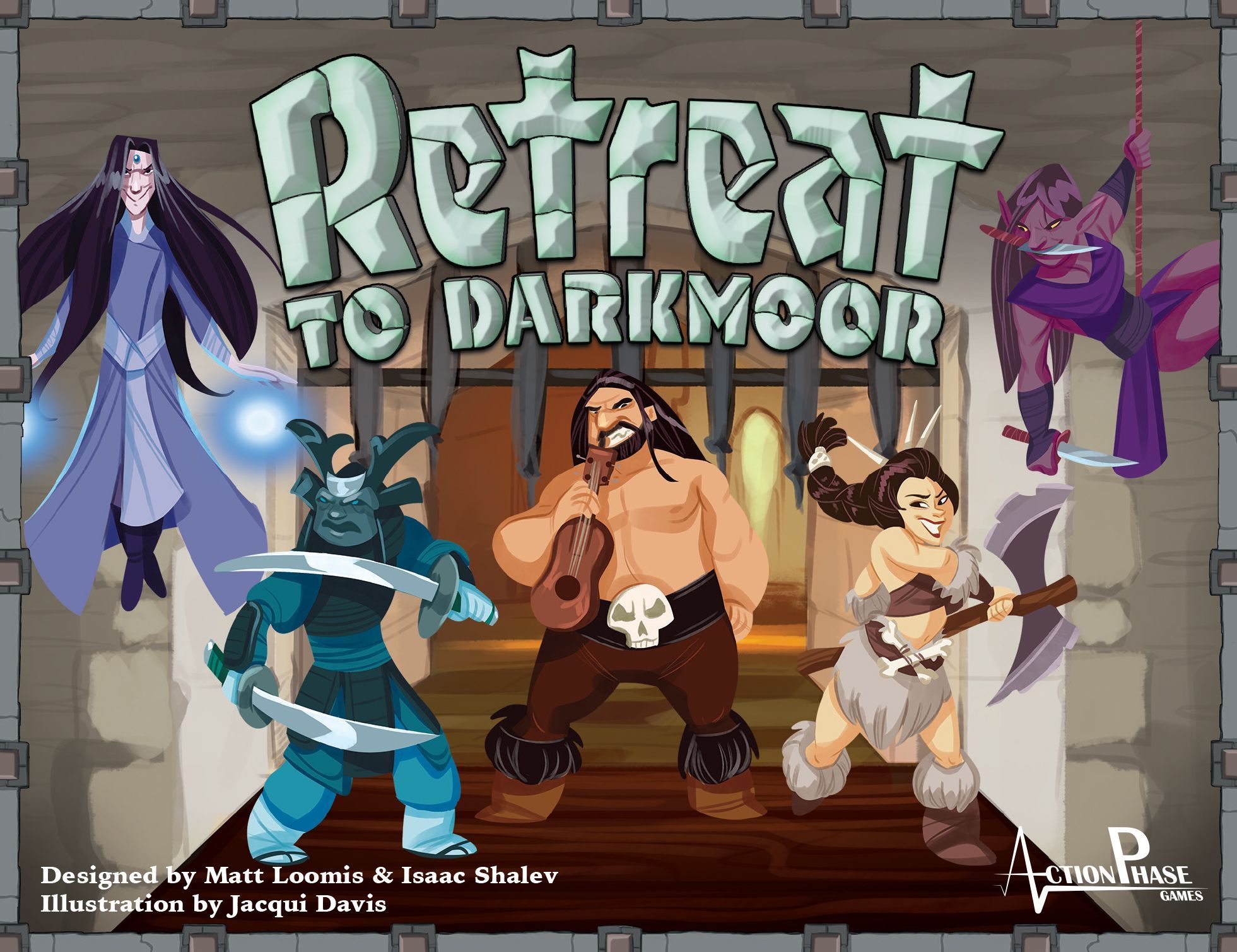
par Isaac Shalev, Matt Loomis
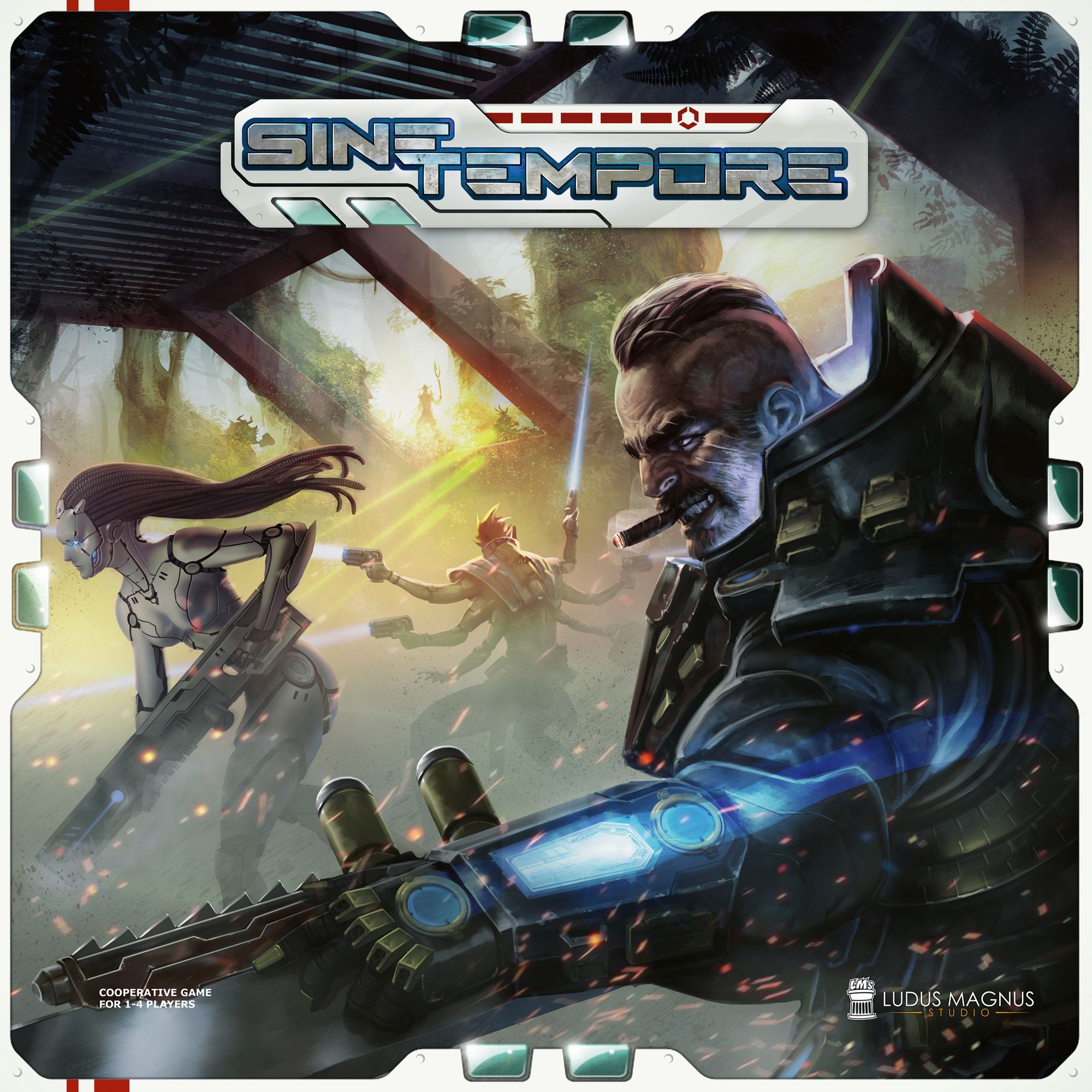
Sine Tempore
2018- 1 à 4 joueurs
- 20 à 60 minutes
- Dès 14 ans
Disrupt the ritual and slay the Elder Gods in this co-op dice chucker.
- 1 à 5 joueurs
- 90 à 120 minutes
- Dès 14 ans
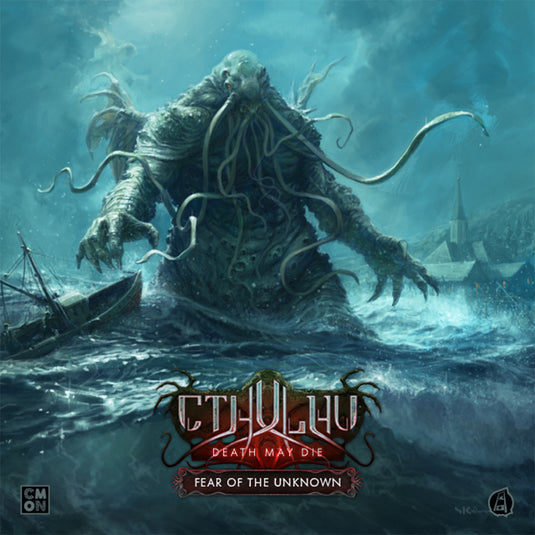
Set in the 1920s and inspired by H.P. Lovecraft's writings, the players are investigators who, instead of stopping the Elder Gods, try to summon them so they can be destroyed for good. The players begin the game already insane.
par Eric M. Lang, Rob Daviau
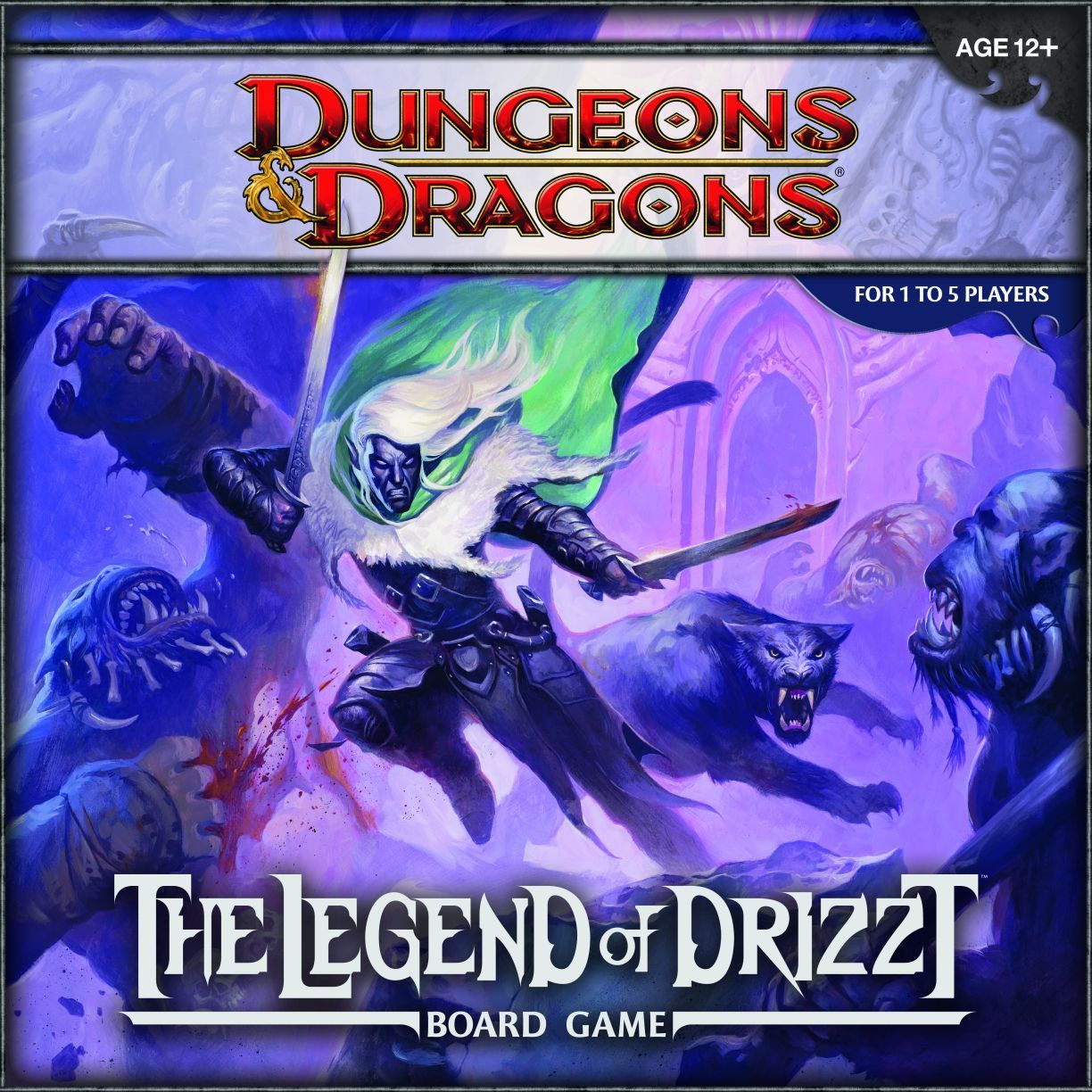
Cooperative D&D adventure: battle foes alongside Drizzt Do'Urden and his companions.
- 1 à 5 joueurs
- 60 minutes
- Dès 12 ans
A cooperative adventure board game for one to five players aged 12 and up, lasting about an hour. Peter Lee designed it and Wizards of the Coast published it in 2011. You and your allies step into the shoes of Drizzt Do'Urden and his companions, fighting foes for treasure and glory. The adventures are inspired by R.A.
par Peter Lee
- 2 à 5 joueurs
- 1 à 4 joueurs
- 60 minutes
- Dès 10 ans
par Ace Ellett, Anna Ellett · Grand Gamers Guild
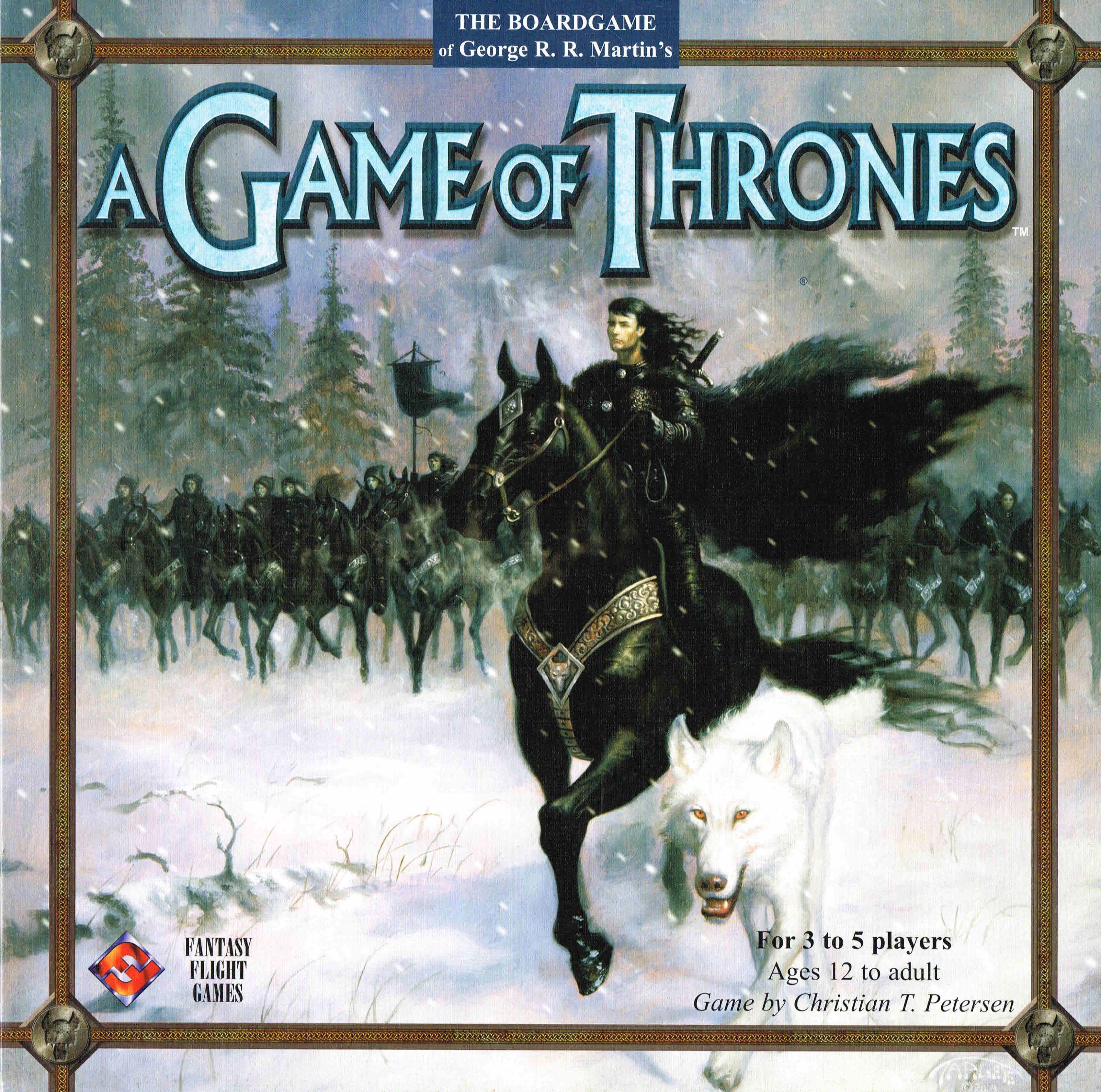
- A Game of Thrones
Le Trône de fer
2003Diplomacy-style order giving in a Song of Ice and Fire contest for the Iron Throne.
- 3 à 5 joueurs
- 180 minutes
- Dès 12 ans
A strategy board game for three to five players aged 12 and up, designed by Christian T. Petersen and Kevin Wilson and published by Fantasy Flight Games. Rival Great Houses of Westeros contest the Seven Kingdoms, and you win by seizing enough support to claim the Iron Throne.
par Christian T. Petersen, Kevin Wilson
- 1 à 3 joueurs
- 30 à 45 minutes
- Dès 13 ans
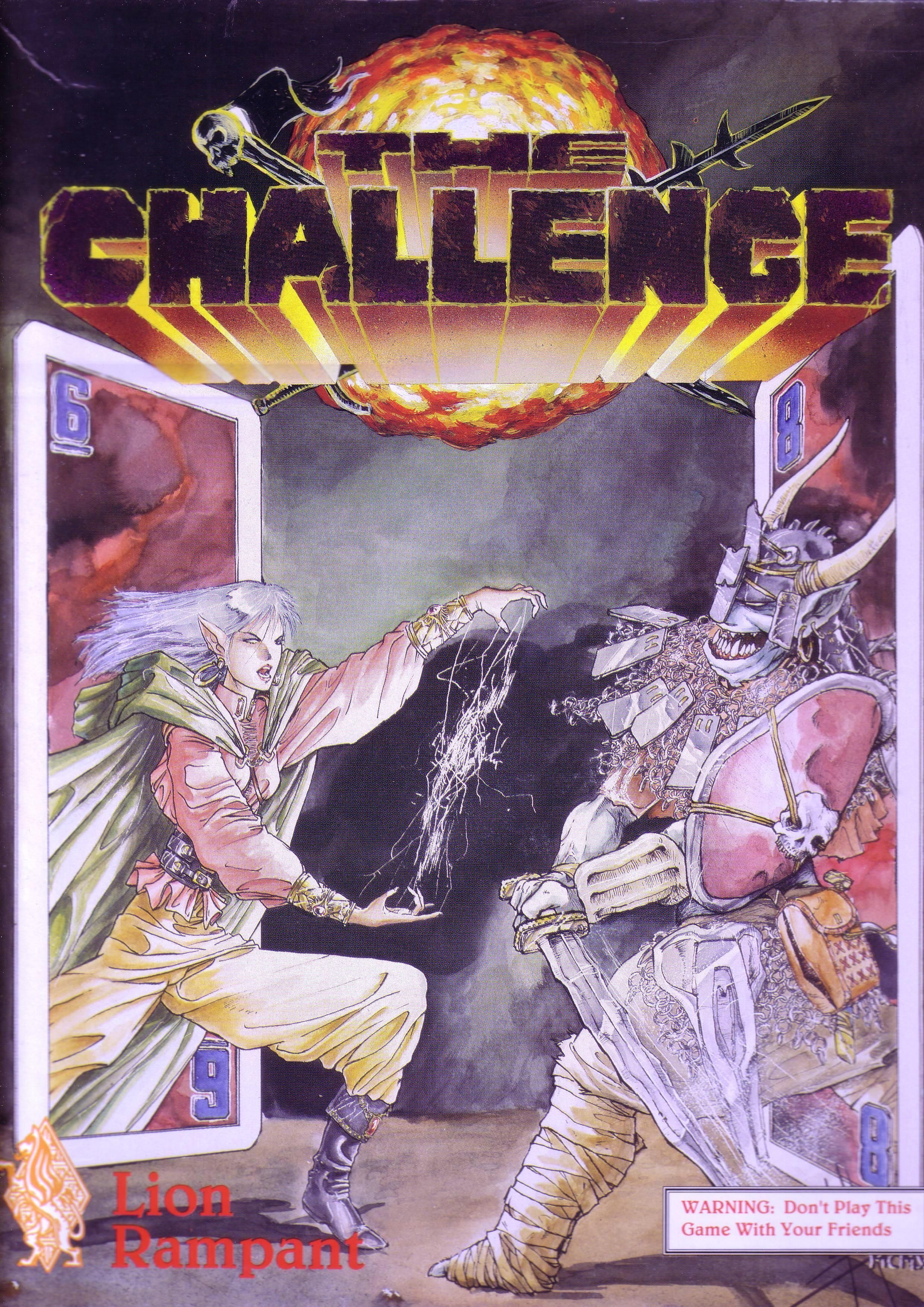
The Challenge
1990Fantasy card combat where races battle, ally uneasily and rely on subtle tactics.
- 2 à 6 joueurs
- 60 minutes
- Dès 12 ans
The Challenge is a 1990 combat card game for two to six players, published by Lion Rampant and designed by Mark Rein•Hagen. It is a fairly light game that can be played in about an hour. You lead a party of fantasy folk such as elves, orcs, humans, dwarves, gnomes or halflings.
par Mark Rein•Hagen · Lion Rampant
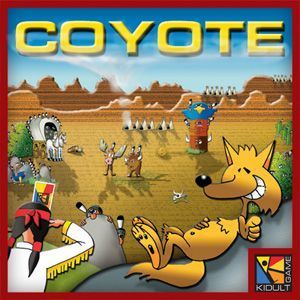
Coyote
2003A bluffing card game where you bid on the hidden total value of the cards and try to be the last player left.
- 3 à 6 joueurs
- 20 à 30 minutes
- Dès 10 ans
Coyote is a light bluffing card game by Spartaco Albertarelli for three to six players, published in France by Gigamic in a later edition. Each player holds a card they cannot see, placed on their forehead, and the cards in the centre and in the hands of others are kept similarly hidden from the holder.
par Spartaco Albertarelli · Kidultgame
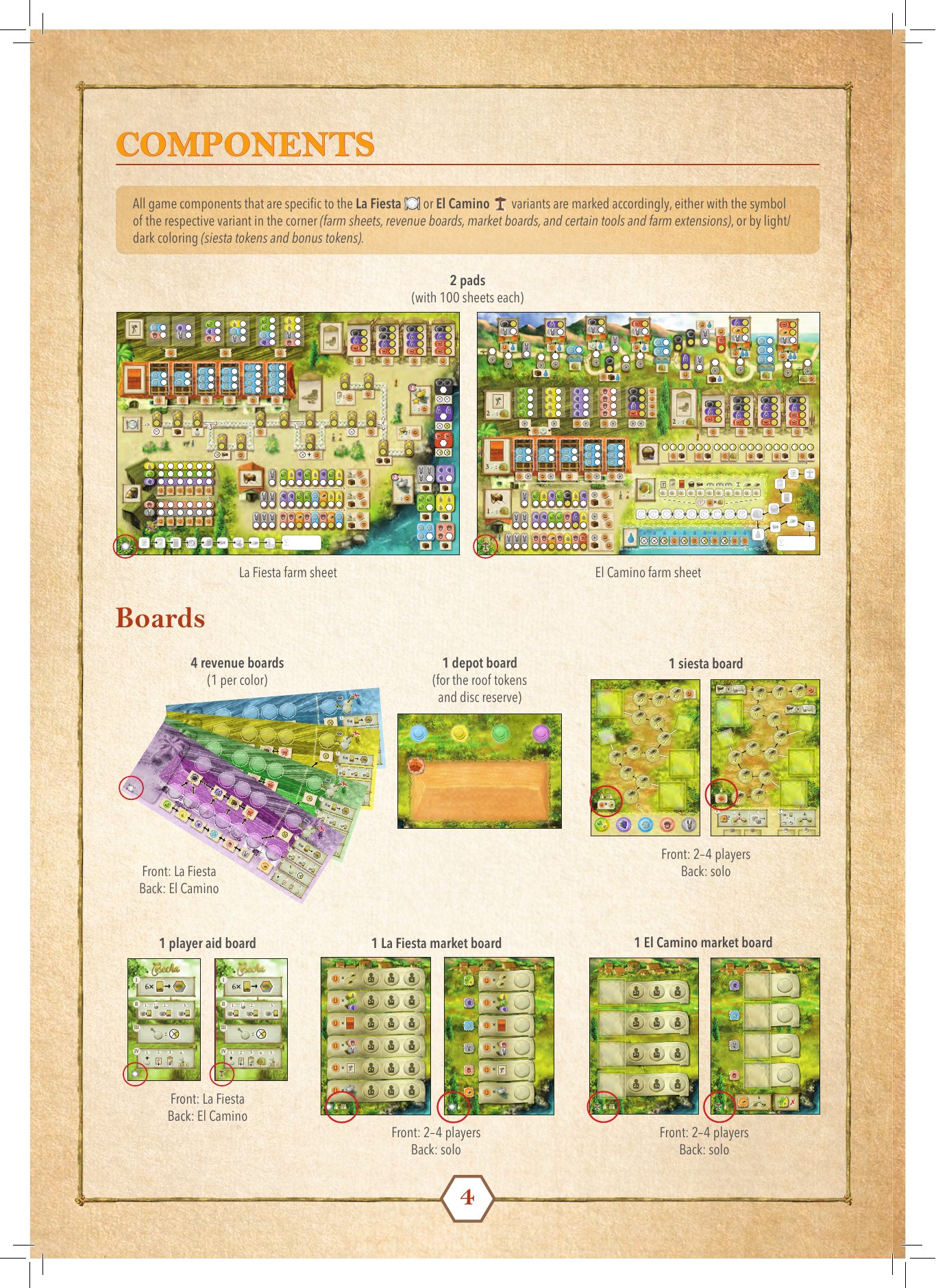
La Cosecha
2026A roll-and-write harvest game in the La Granja world, with a dice roundel and a demanding solo mode.
- 1 à 4 joueurs
- 60 minutes
- Dès 12 ans
La Cosecha is a roll-and-write game from Spielworxx GmbH, a German small publisher of limited-run strategy games, set in the world of La Granja. It is designed by Isra Cendrero, Sheila Santos, Mike Keller and Andreas Odendahl and is aimed at one to four players.
par Andreas Odendahl, Isra Cendrero · Spielworxx
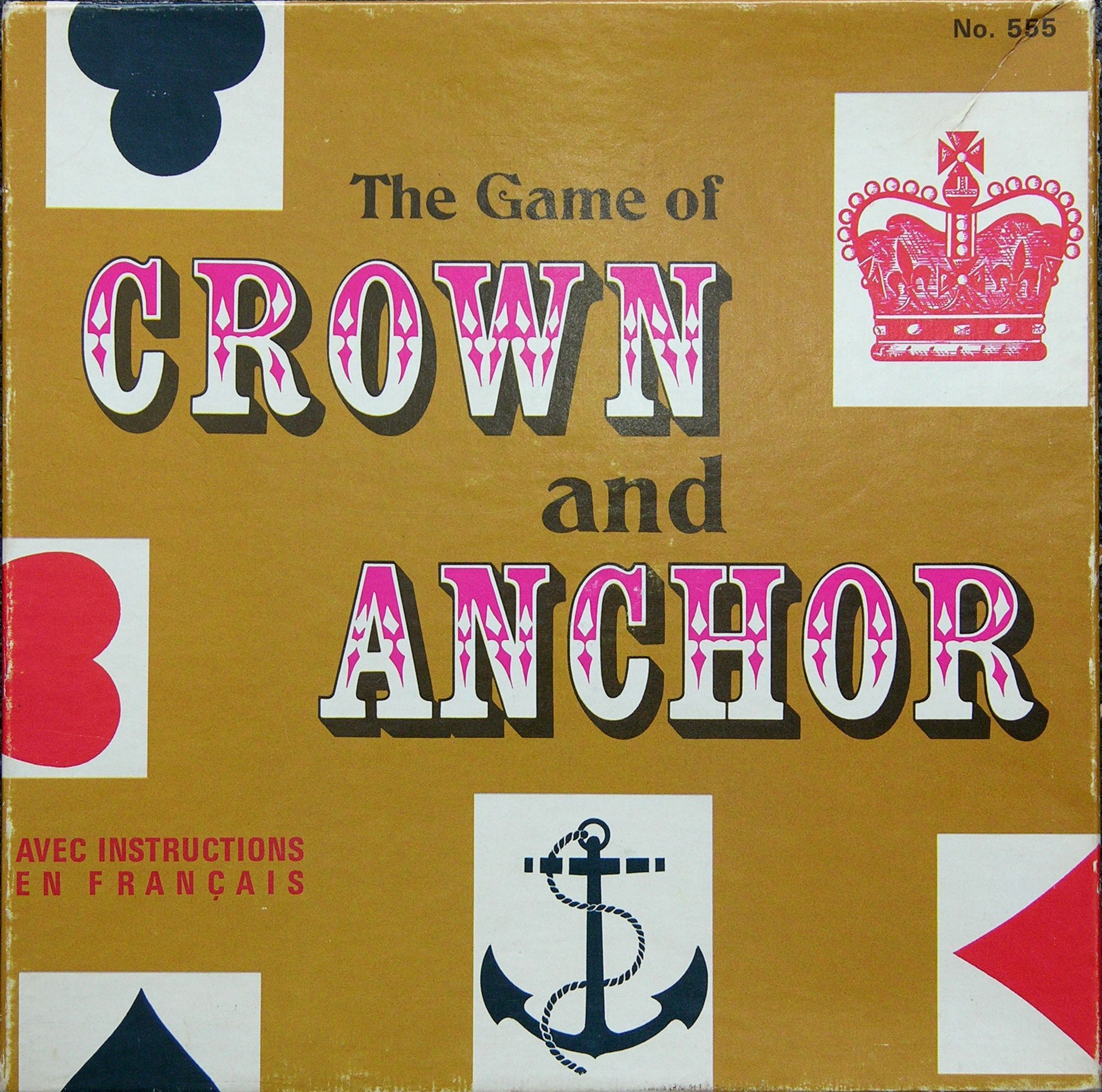
Three dice marked with crown, anchor and suit symbols in place of pips make this a simple game of chance.
- 2 à 12 joueurs
- 10 minutes
- Dès 9 ans
A simple dice game for two to twelve players, taking about ten minutes and suited to ages nine and up. It dates from 1850. Long a gambling pastime aboard ships, it was a wager game among seamen in the navy and in merchant and fishing vessels from Britain.
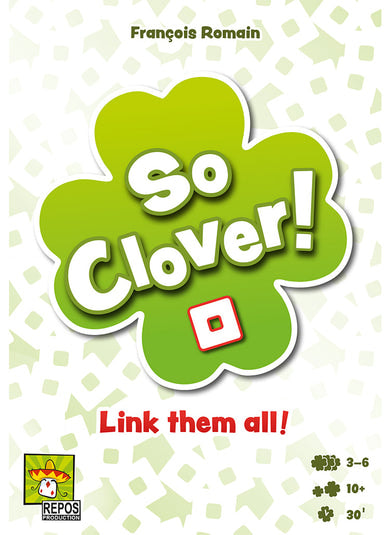
So Clover!
2021Cooperative word-association party game where teams link hidden keyword pairs with secret clues.
- 3 à 6 joueurs
- 30 minutes
- Dès 10 ans
A cooperative word association party game from 2021 for 3 to 6 players aged 10 and up, designed by Francois Romain and published by several companies. Your team must decode the hidden clues that teammates have written, working out where each original keyword belongs on the board.
par Francois Romain · Repos Production
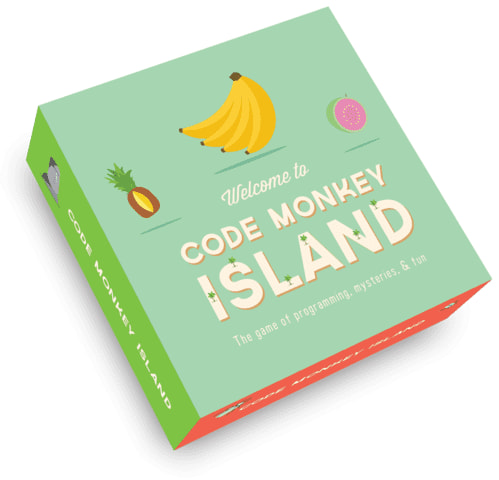
Move monkeys to the banana grove by playing cards that teach programming logic.
- 2 à 4 joueurs
- 45 minutes
- Dès 6 ans
Code Monkey Island is a family board game for 2 to 4 players, aged 6 and up, taking about 45 minutes, released in 2014. It is built around programming ideas. In this game about monkeys, you race your monkeys around the board toward the central banana grove. The goal is to get them there before your rivals do.
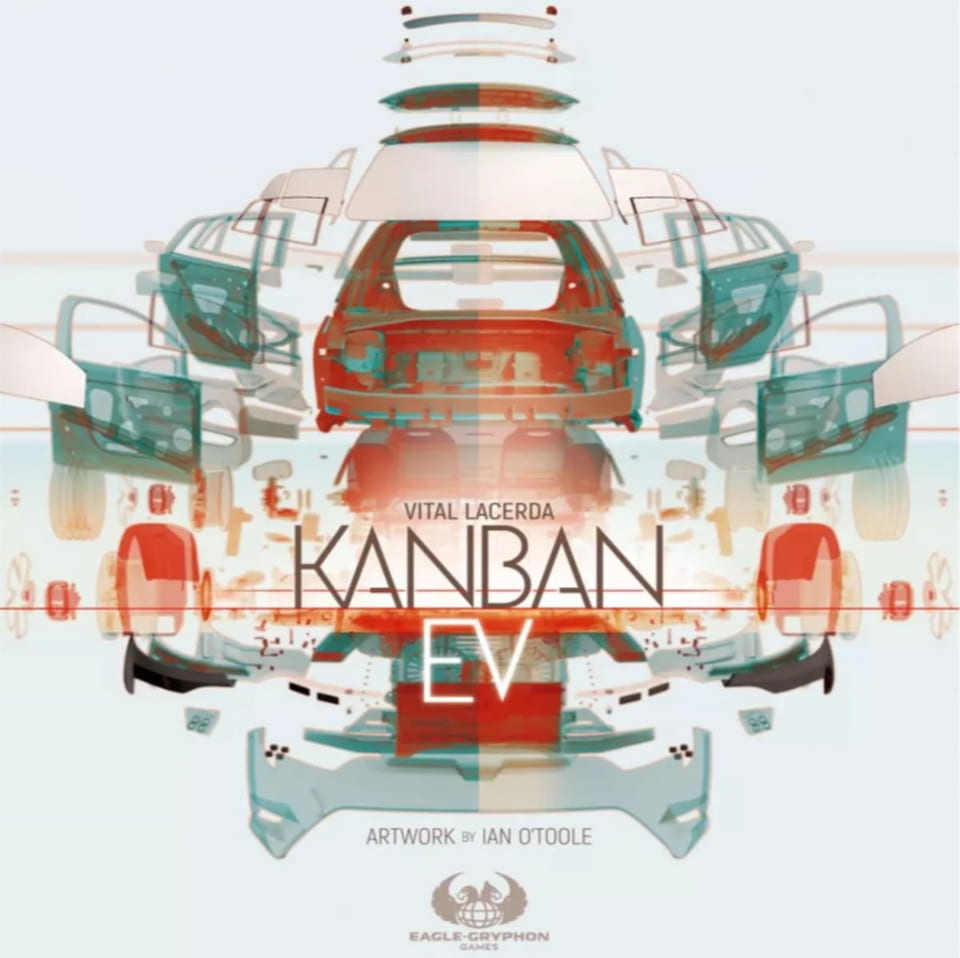
Kanban EV
2020EV-factory workers optimize and innovate to stand out at the big board meeting.
- 1 à 4 joueurs
- 90 à 120 minutes
- Dès 14 ans
Kanban EV is a resource and time management game for one to four players aged 14 and up, lasting 90 to 120 minutes. Vital Lacerda designed it, and Eagle-Gryphon Games published it, among others.
par Vital Lacerda · Eagle-Gryphon Games
Block Ness
2021- 2 à 4 joueurs
- 15 à 20 minutes
- Dès 8 ans
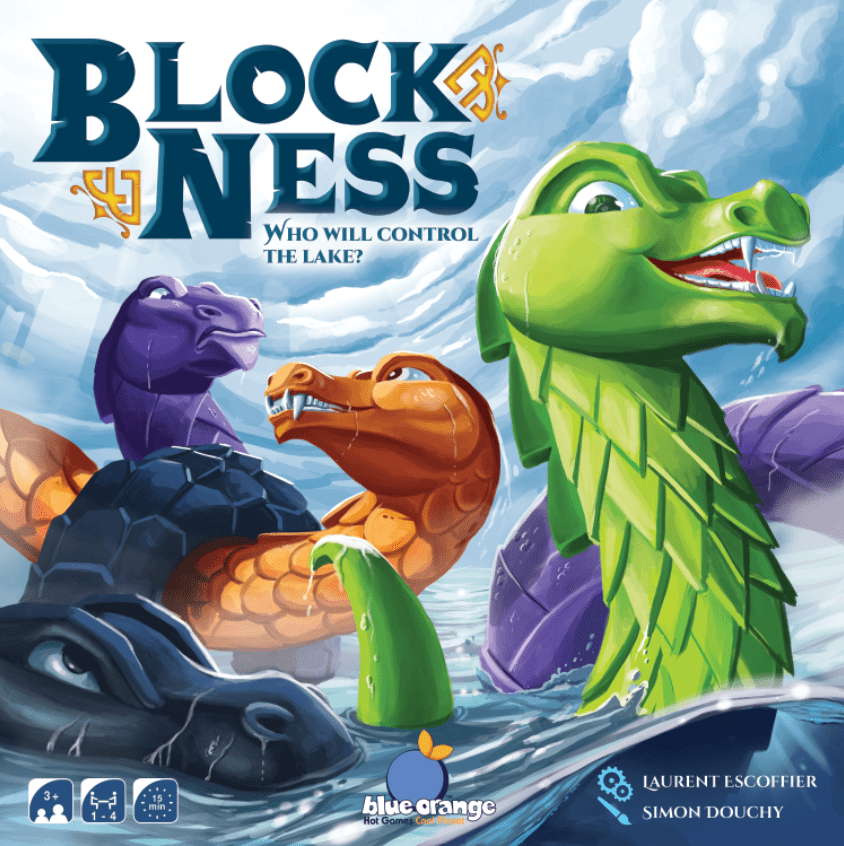
Each player grows a monster across a perforated board by adding one segment per turn to its head or tail. Play ends when everyone is blocked or out of pieces, and the fewest leftover segments wins.
par Laurent Escoffier
1882: Assiniboia
2019- 2 à 6 joueurs
- 120 à 180 minutes
- Dès 14 ans
- 1 à 4 joueurs
- 30 minutes
par Justin Gary
- 2 à 4 joueurs
- 30 à 120 minutes
- Dès 14 ans
par Isaac Vega
- 2 à 5 joueurs
- 20 à 30 minutes
A magnetic self-checking learning game for children from age 7: match answers by stacking coloured magnets, then check the back of the card.
- 1 à 10 joueurs
- 5 minutes
- Dès 7 ans
Klick Klack Klug! Starterset ab 7 Jahren is a children's learning game designed by Jürgen Heel and Anja Wrede and published by moses. Verlag. It is a light, self-checking quiz for primary school pupils that reinforces school knowledge in a playful way.
par Anja Wrede, Jürgen Heel
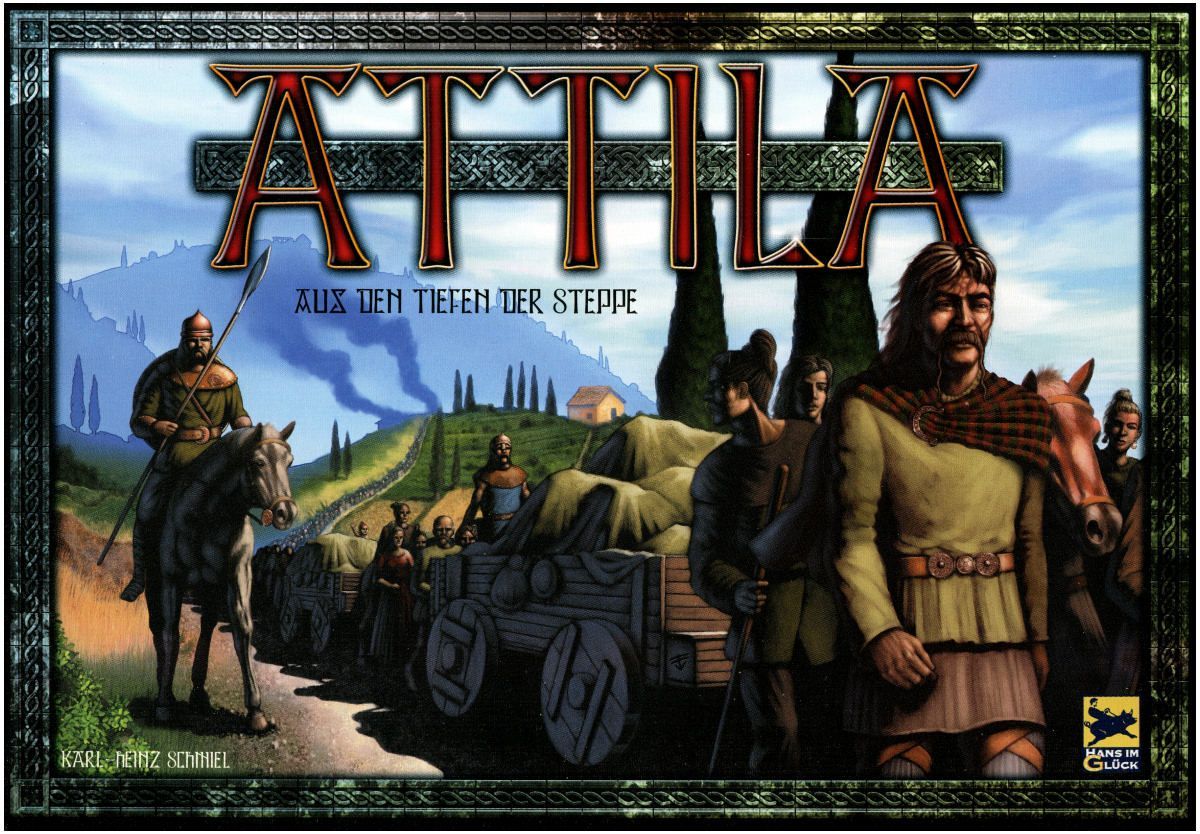
Attila
2000Steer Germanic tribes across a declining Roman Europe and wage wars for influence over the most successful tribe.
- 2 à 5 joueurs
- 45 minutes
- Dès 10 ans
Attila is an abstract strategy game for two to five players, age 10+, designed by Karl-Heinz Schmiel and published by 999 Games, Hans im Glück and Rio Grande Games. In 375 A.D. the Huns sweep across Europe and push Germanic tribes toward the weakening Roman empire.
par Karl-Heinz Schmiel · Hans im Glück
A nasty magical dungeon crawl in a labyrinthine library where players hunt five keys and sabotage each other.
- 2 à 5 joueurs
- 40 minutes
- Dès 10 ans
Library of Jakkarth is a board game from the Swiss studio Rulefactory, designed by Pierre Lippuner, Stefan Weisskopf, Pascal Frick, Fabian Engeler, Endre Banlaki and Nils Lange. It is a magical dungeon crawl for 2 to 5 players, published in 2024 as the studio's first board game after its Frantic card game.
par Endre Banlaki, Fabian Engeler · Rulefactory
Mycelia
2024- 1 à 4 joueurs
- Dès 10 ans
Players grow wild mushrooms on a board of triangle tiles representing different environments and nutrients, scoring points by cultivating them, spreading spores, and finally decaying them for powerful abilities.
- 1 à 4 joueurs
- 15 minutes
- Dès 7 ans