Chargement de la page…
The Grimwood
2016- 2 à 6 joueurs
- 30 à 60 minutes
- Dès 12 ans
- 2 à 5 joueurs
- 45 minutes
- Dès 12 ans
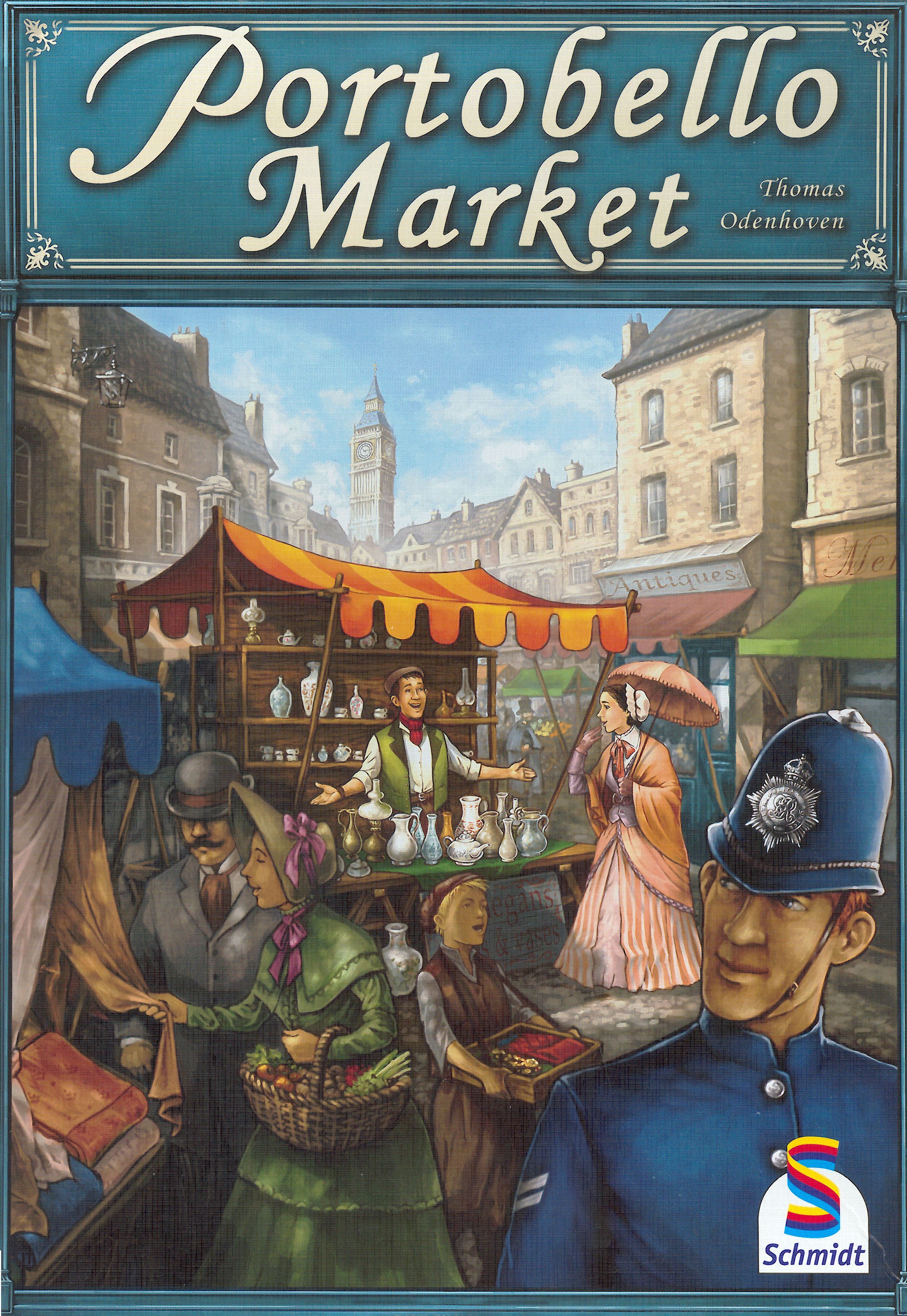
- 2 à 4 joueurs
- 35 minutes
- Dès 8 ans
par Thomas Odenhoven
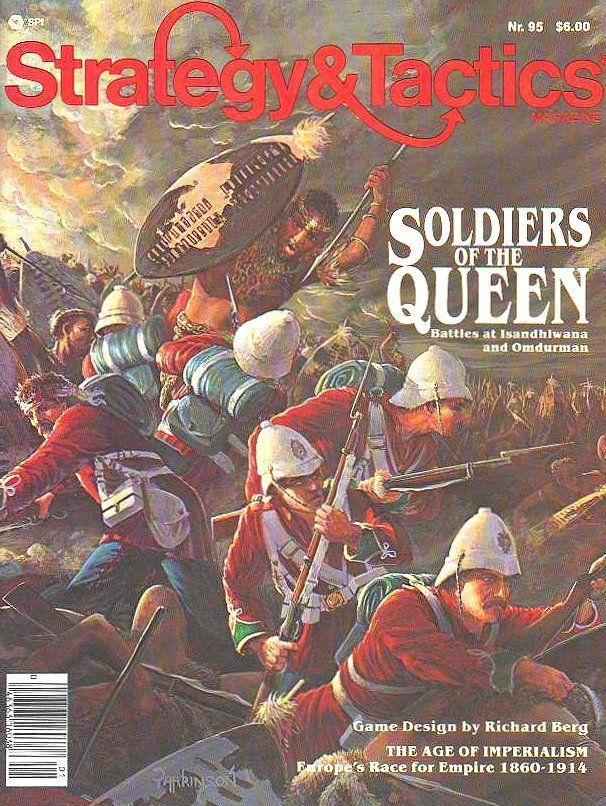
- 2 joueurs
- 240 minutes
- Dès 12 ans
par Richard H. Berg
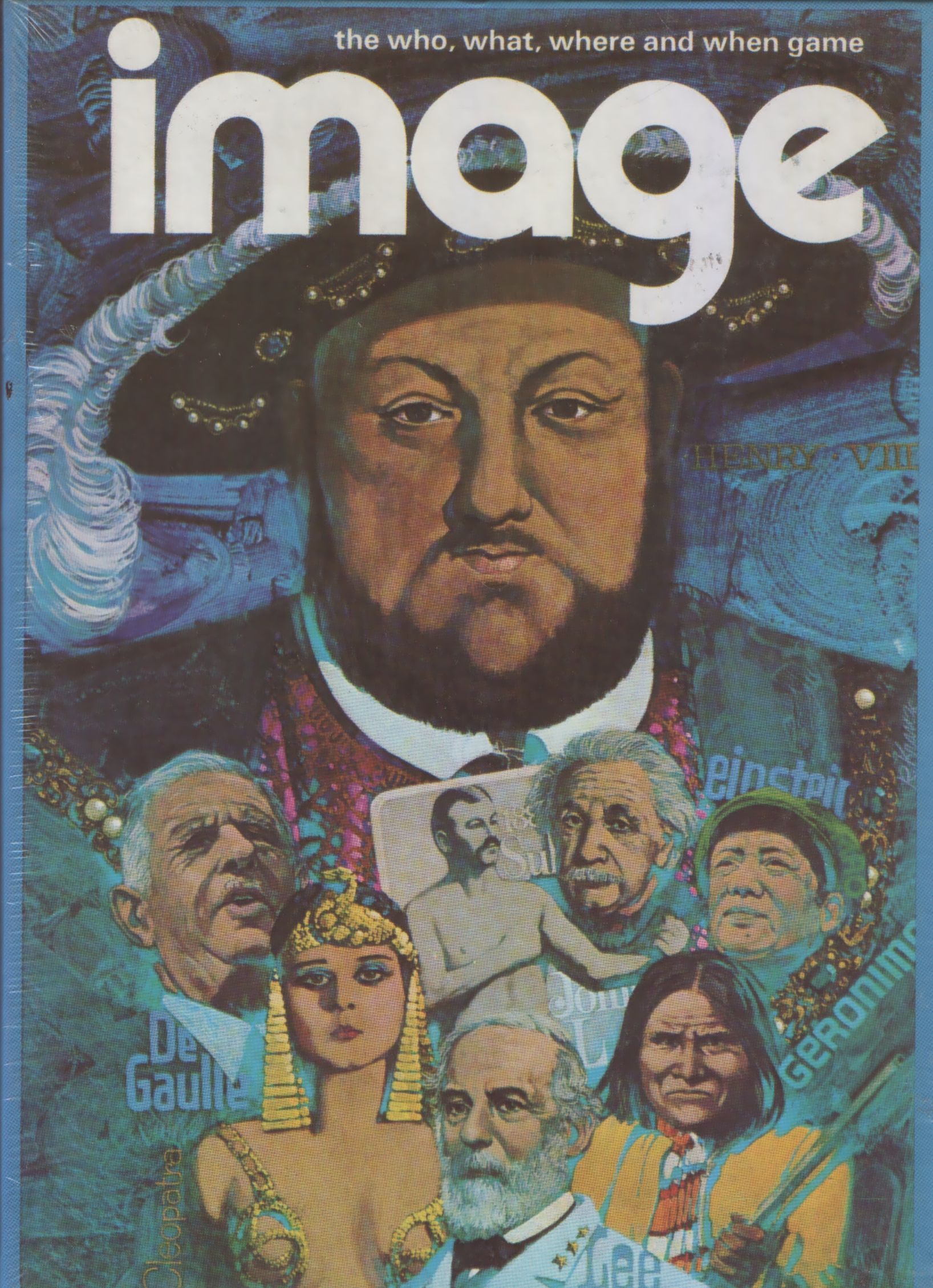
Image
1971Build historical or fictional characters from five card clues and claim them with a Letter card.
- 2 à 6 joueurs
- 30 minutes
- Dès 9 ans
Image is a card game for 2 to 6 players aged 9 and up, and a game takes about 30 minutes. Henry Szwarce developed it, and 3M and The Avalon Hill Game Co. published it. You and your rivals try to assemble cards that stand for a real or made-up person from history or fiction.
- 2 joueurs
- 20 minutes
- Dès 13 ans
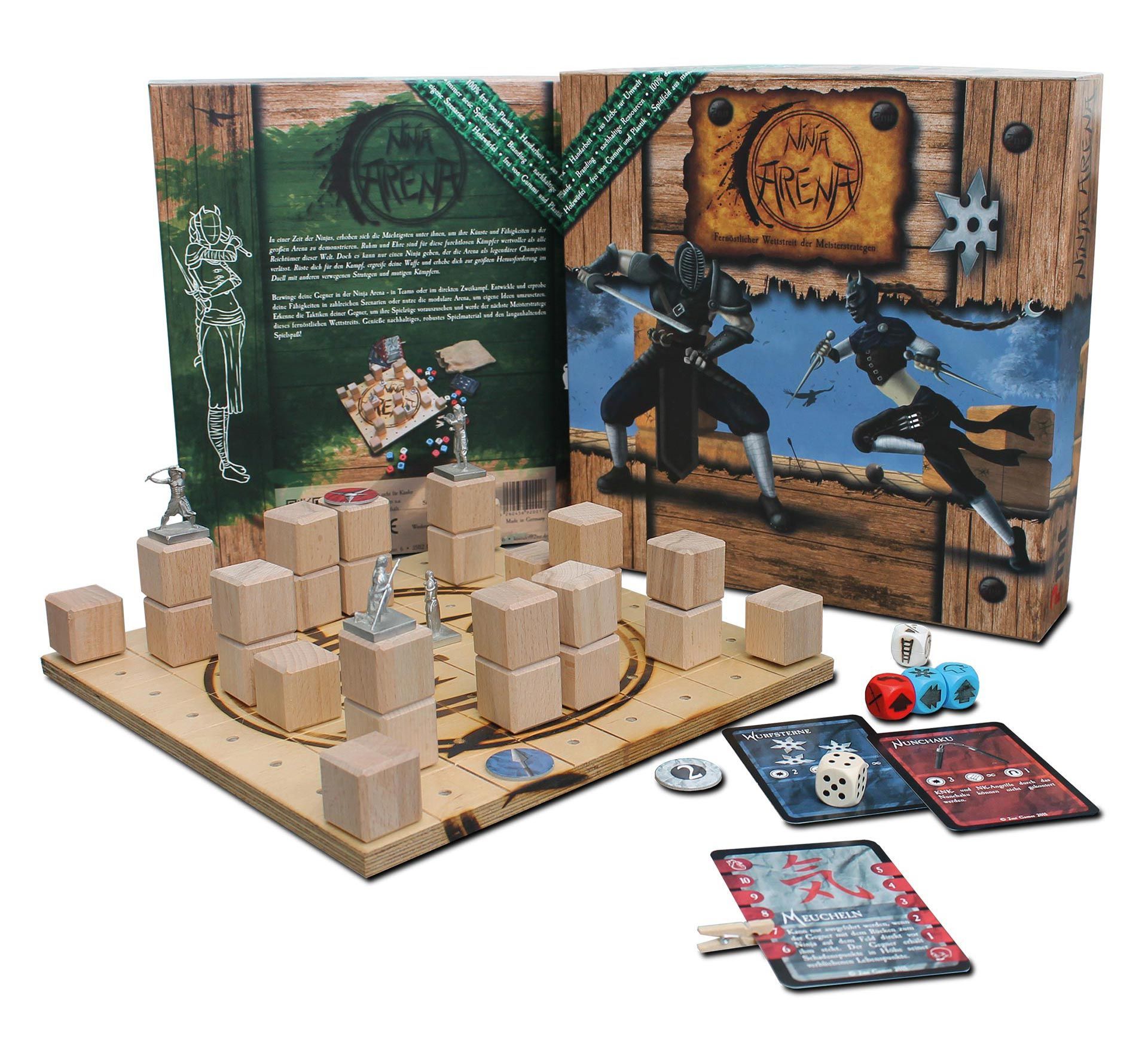
Ninja Arena
2016- 2 à 4 joueurs
- 20 à 40 minutes
- Dès 12 ans
- 2 à 6 joueurs
- 120 minutes
- Dès 14 ans
par Mathew Hinkle
- 2 à 6 joueurs
- 20 minutes
- Dès 6 ans
par Reiner Knizia
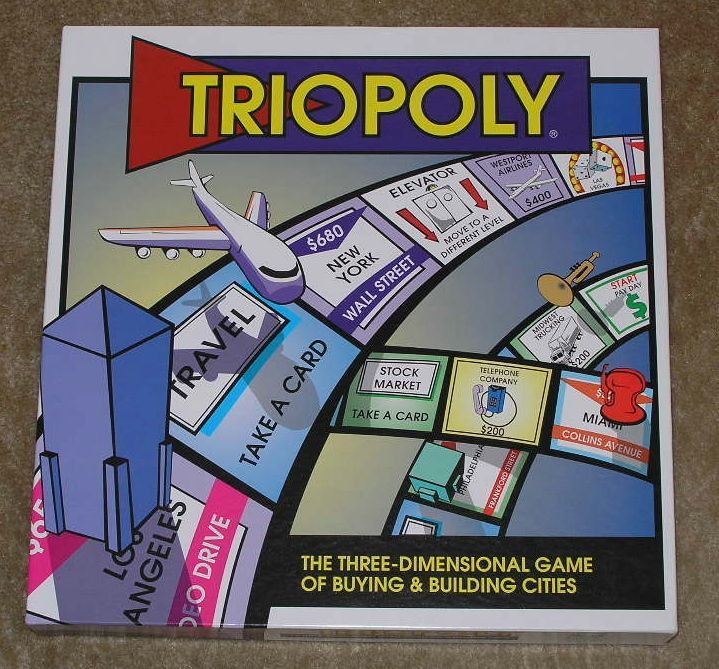
Triopoly
1997Monopoly expanded onto three concentric tracks, with levels you can travel between.
- 2 à 8 joueurs
- 240 minutes
- Dès 10 ans
Triopoly is a Monopoly-style property trading game for 2 to 8 players aged 10 and up, invented by Jeffrey Berndt. Reveal Entertainment published it in 1997. Where Monopoly uses a single track, this game lays out three property tracks, and players can add extra buildings to squares on them.
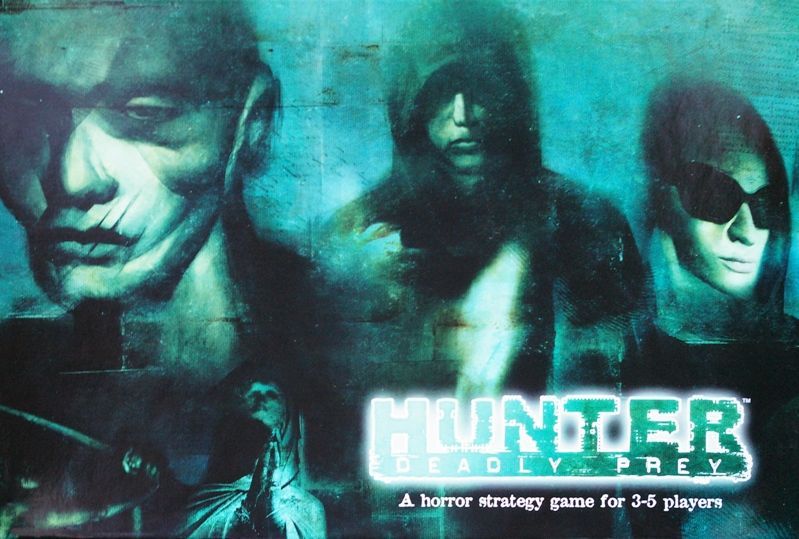
Televised Hunters stalk criminal Prey and a dangerous Fox through a deadly brutal maze.
A 1991 tabletop release from Maverick Games Co., this title is a miniatures-based contest of pursuit and scoring. You take on the role of a televised competitor racing through a perilous maze, aiming to track down and eliminate criminal quarry along with a menacing Fox.
- 2 joueurs
- 10 à 20 minutes
- Dès 12 ans
par Matt Hyra
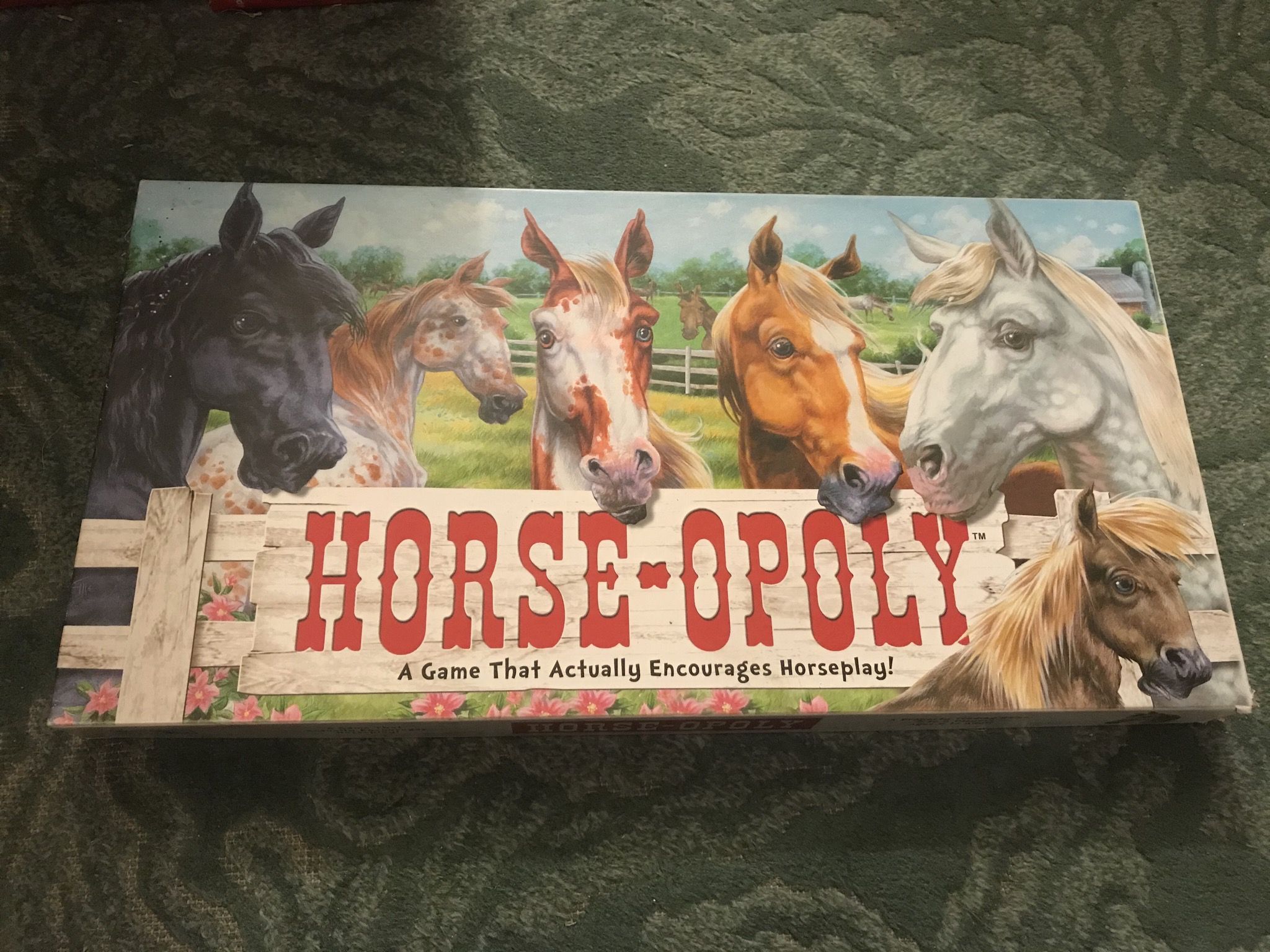
Horse-opoly
2004- 2 à 6 joueurs
- 120 minutes
- Dès 8 ans
- 2 joueurs
- 360 minutes
- Dès 12 ans
par Ty Bomba
- 2 à 8 joueurs
- 15 à 45 minutes
- Dès 13 ans
par Alexandr Ushan
- 3 à 5 joueurs
- 90 minutes
- Dès 10 ans
par Ken Cliffe
- 1 à 6 joueurs
- Dès 8 ans
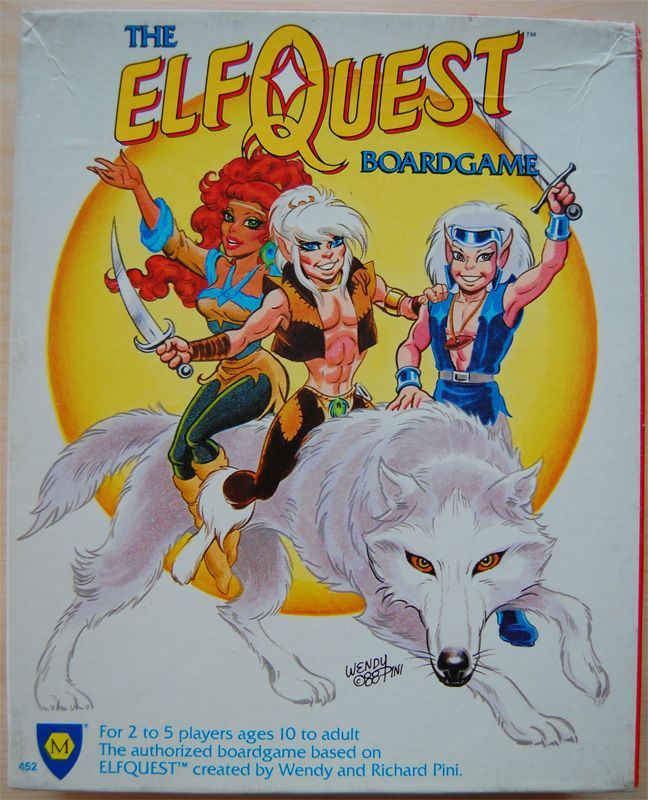
Elf tribes race to find their hidden birthplace while one player's trolls work to block them at every turn.
- 2 à 5 joueurs
- 90 minutes
- Dès 10 ans
A 1986 game for two to five players aged 10 and up, designed by Mark Acres and published by Mayfair Games. It runs about 90 minutes. Elf tribes set out to find their lost birthplace, Elf Home, while characters from the comic can help them or get in their way.
par Mark Acres
- 2 à 6 joueurs
- 240 minutes
- Dès 14 ans
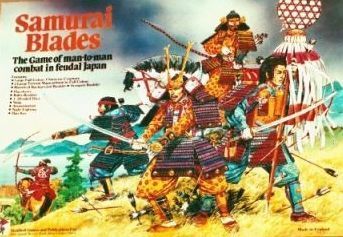
Samurai Blades is a 1984 board game published by Standard Games and Publications.
par Alan Paull
Disney Lorcana
2023- 2 à 6 joueurs
- Dès 8 ans
Disney Lorcana is a collectible card game for 2 to 6 players aged 8 and up, published by Ravensburger in 2023. It is Ravensburger's first trading card game. The game uses characters, items and song lyrics from Disney films and series.
Ravensburger AG
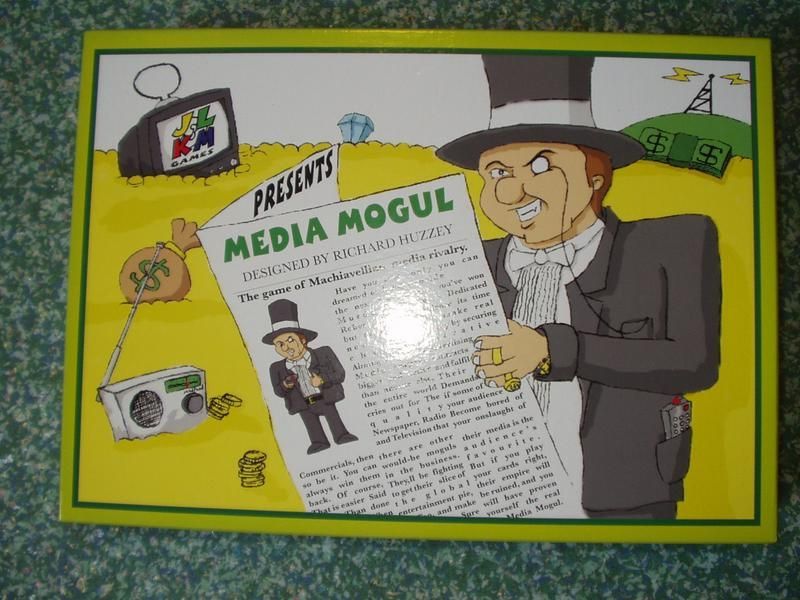
Media Mogul
2004- 3 à 5 joueurs
- 90 minutes
- Dès 8 ans
- 2 à 4 joueurs
- 1 à 6 joueurs
- 60 minutes
- Dès 10 ans
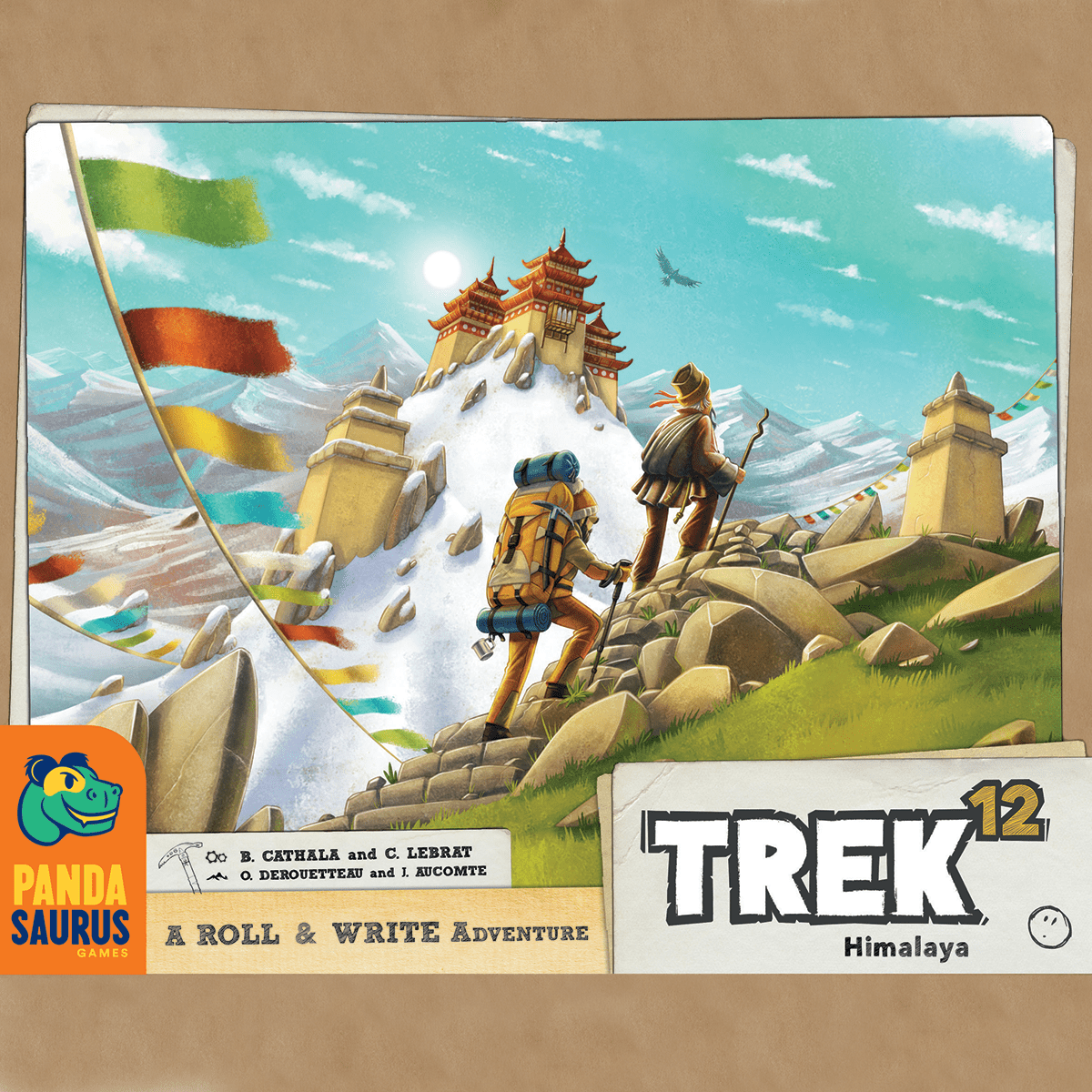
- Trek 12: Himalaya
- 1 à 50 joueurs
- 15 à 30 minutes
- Dès 8 ans
par Bruno Cathala, Corentin Lebrat
- 2 à 4 joueurs
- 20 minutes
- Dès 8 ans
- 2 à 4 joueurs
- 20 minutes
- Dès 8 ans
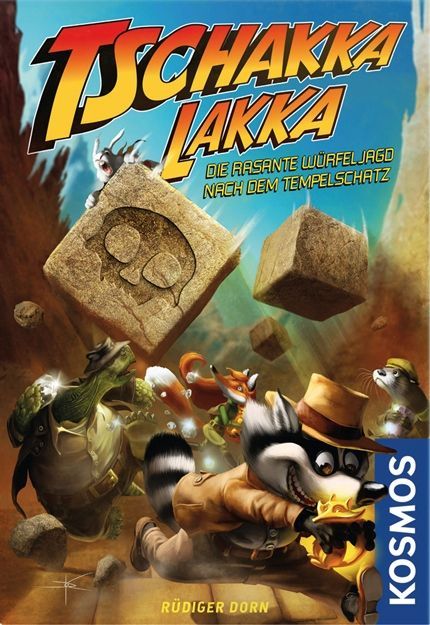
par Rüdiger Dorn
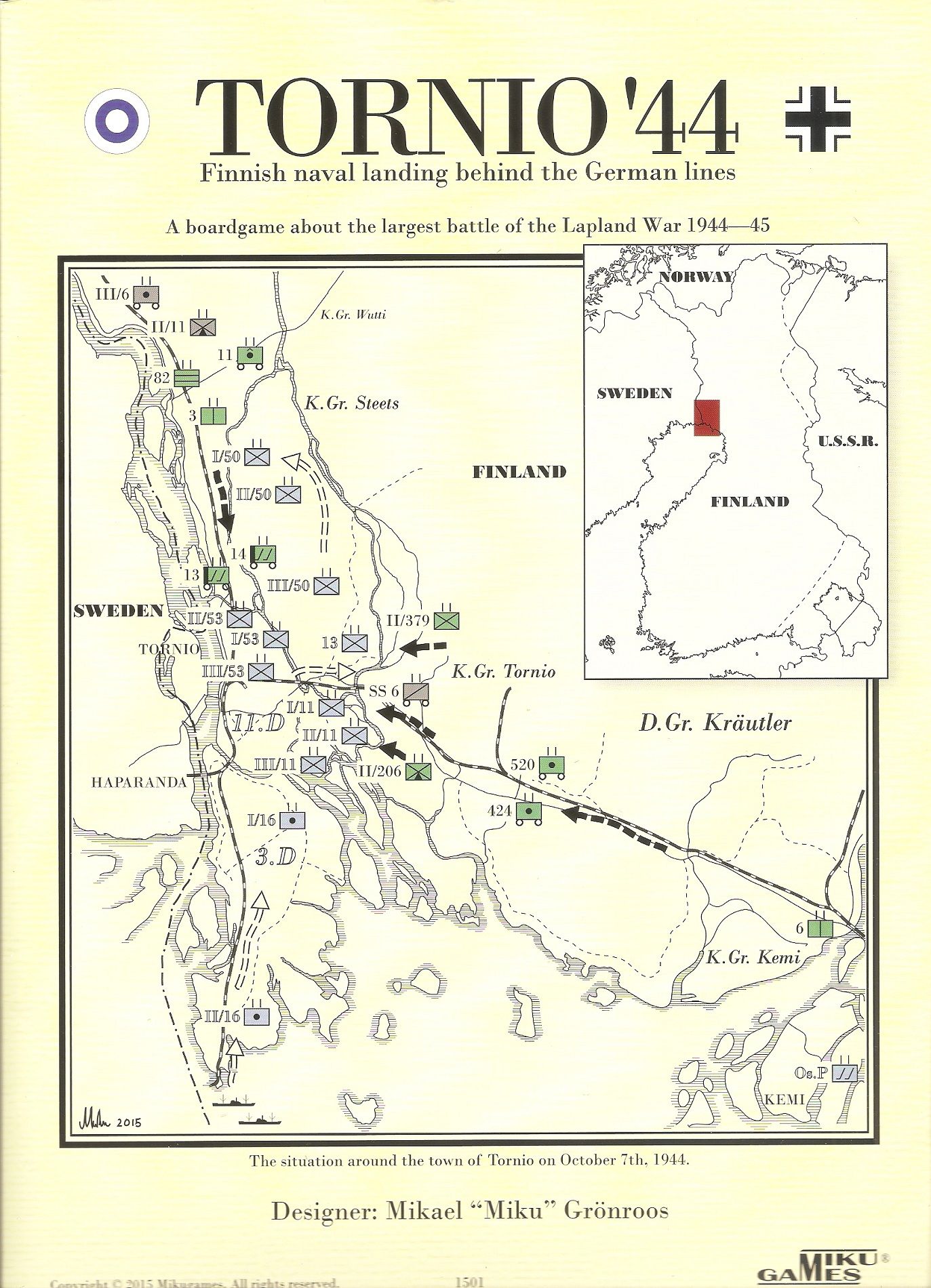
Tornio '44
2015- 1 à 2 joueurs
- 360 à 600 minutes
- Dès 12 ans
- 2 à 6 joueurs
- 90 minutes
- Dès 8 ans