Chargement de la page…
- 2 à 6 joueurs
- 45 minutes
- Dès 10 ans
par Aaron Weissblum, Alan R. Moon
- 2 à 6 joueurs
- 45 minutes
- Dès 8 ans
par Anthony E. Pratt
- 2 joueurs
Gartenbau
2022- 4 joueurs
- 30 à 60 minutes
- Dès 14 ans
- 1 à 4 joueurs
- 60 à 90 minutes
- Dès 10 ans
- 2 joueurs
- 60 minutes
- Dès 14 ans
par Eric M. Lang, Mike Elliott
Villa Panda
2026Place panda meeples in a bamboo village to gather resources, recruit pandas and build victory-point buildings.
- 2 à 4 joueurs
- 30 minutes
- Dès 10 ans
Villa Panda is a medium-weight strategy game for two to four players aged ten and up, designed by Miguel Suárez, Roberto Rivera, Alejandro Ortiz and Ignacio Villa, with art by Roly Ruthless.
par Alejandro Ortiz, Ignacio Villa · AllGo-Games
- 2 à 4 joueurs
- Dès 5 ans
Top it
2026A fast family word game mixing Tic Tac Toe with a race to name words from a letter grid.
- 2 à 6 joueurs
- 20 minutes
- Dès 10 ans
Top it is a fast family party-style word game from HUCH!, designed by Brad Ross and Ulco Toy and Game Co., with illustrations by Cheatwell. It combines the grid logic of Tic Tac Toe with a quick guessing game of naming words. The premise: a theme card is revealed and everyone races to name fitting terms.
par Brad Ross & Ulco Toy and Game Co.
- 1 à 6 joueurs
- 180 minutes
- Dès 12 ans
par Richard H. Berg
- 2 joueurs
- 60 minutes
- Dès 14 ans
par Seth Johnson
Fall of Lumen
2024- Dès 14 ans
Fall of Lumen is a stand-alone deck-building and tableau-building game from Twoid Games, set in the Outer Lands of the Legends of Void universe. Players lead rebel Heroes who move across the map, gather resources such as Gold, Mana, Mithril, Dark Matter and Genasi, and spend them to acquire traits, learn spells, buy…
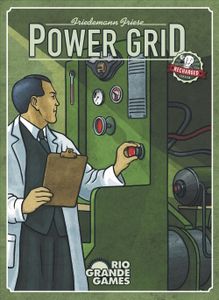
- Power Grid
Bid, network, and manage resources in a race to supply the most cities with power.
- 2 à 6 joueurs
- 120 minutes
- Dès 12 ans
Power Grid is a German-style multiplayer board game for 2 to 6 players aged 12 and up. Friedemann Friese designed it, and it was released in 2004. You run a company that owns power plants and compete to supply electricity to a growing number of cities. Your network decides who wins, so every bid and connection matters.
par Friedemann Friese
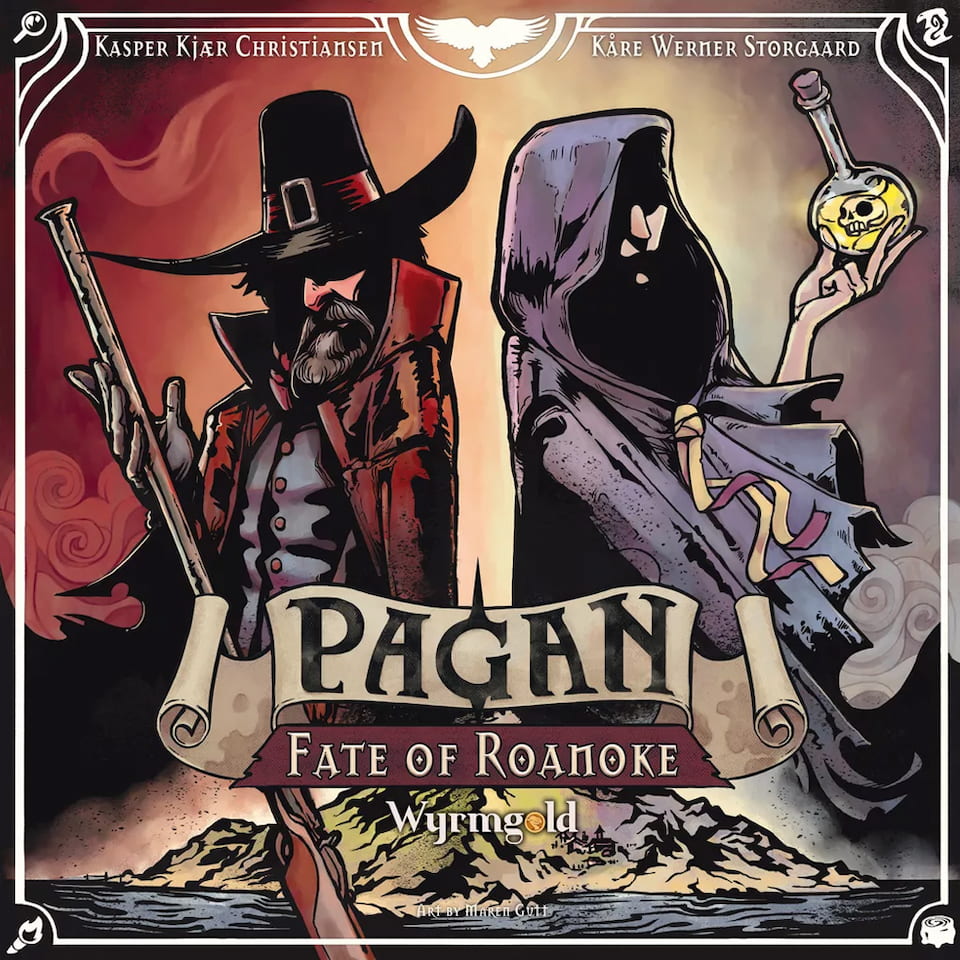
- Pagan: Fate of Roanoke
Asymmetric two-player card duel where a hidden witch races to finish a ritual while a witch hunter tries to unmask her among nine villagers.
- 2 joueurs
- 30 à 60 minutes
- Dès 12 ans
A two-player deduction card game for players aged 12 and up, lasting 30 to 60 minutes. It was designed by Kasper Kjær Christiansen and Kåre Storgaard and published by Super Meeple and Wyrmgold GmbH. Set in colonial Roanoke in 1587, one player is a hidden witch racing to finish a ritual.
par Kasper Kjær Christiansen, Kåre Storgaard
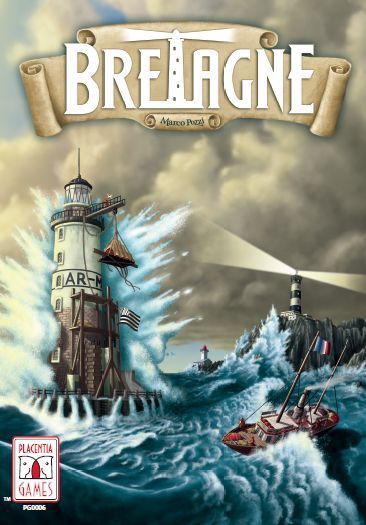
Bretagne
2015- 2 à 4 joueurs
- 90 à 120 minutes
- Dès 14 ans
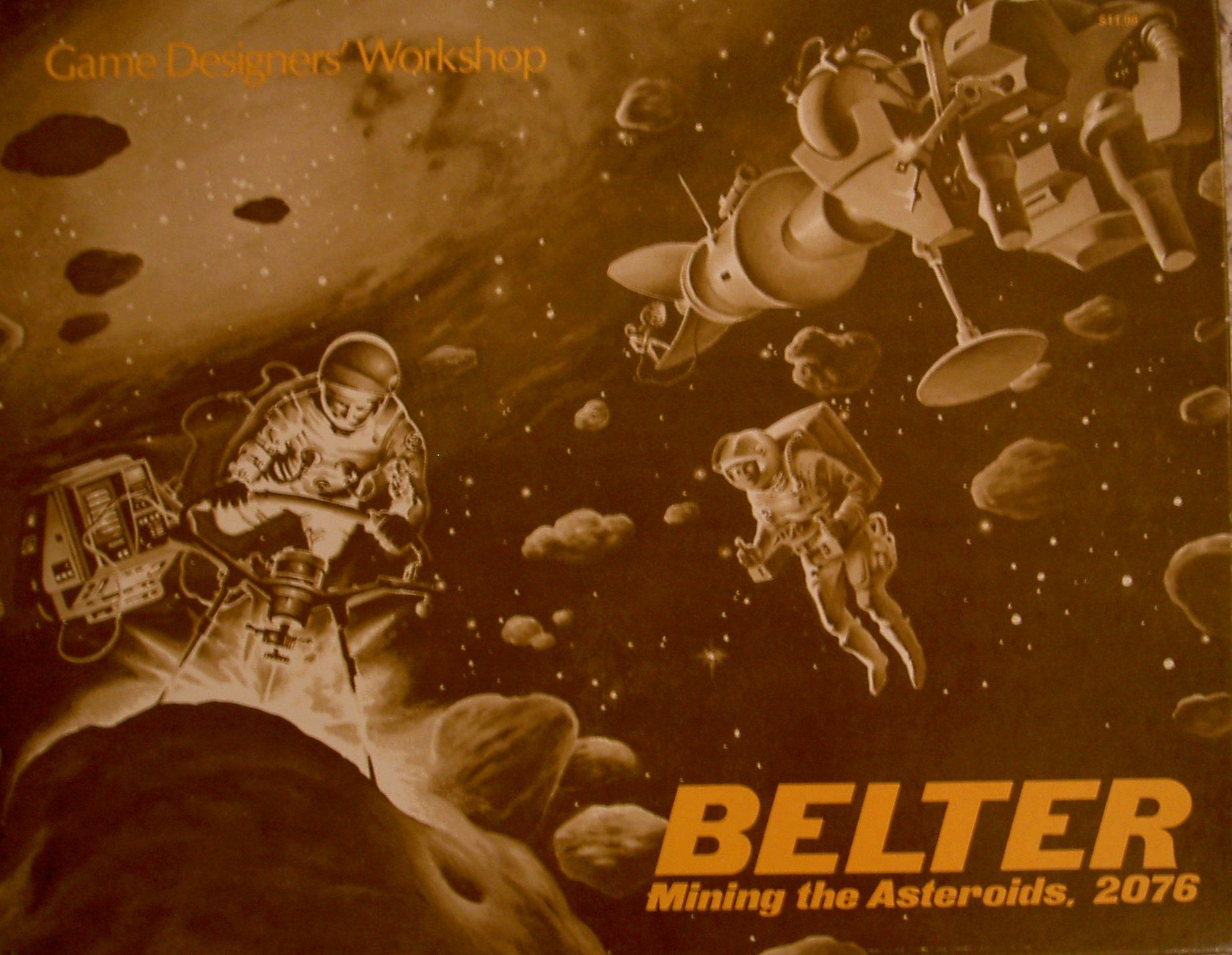
- Belter: Mining the Asteroids, 2076
Belter
1979Mine asteroid cargo while economics, power politics and combat collide in 2076.
- 2 à 5 joueurs
- 120 minutes
- Dès 12 ans
Designed by Frank Chadwick and Marc W. Miller, this 1979 science fiction game suits 2 to 5 players aged 12+, issued by Game Designers' Workshop. You are a belter, prospecting the Asteroid Belt in 2076 for tradeable cargo such as ore, natural gas and antimatter.
par Frank Chadwick, Marc W. Miller · Game Designers' Workshop
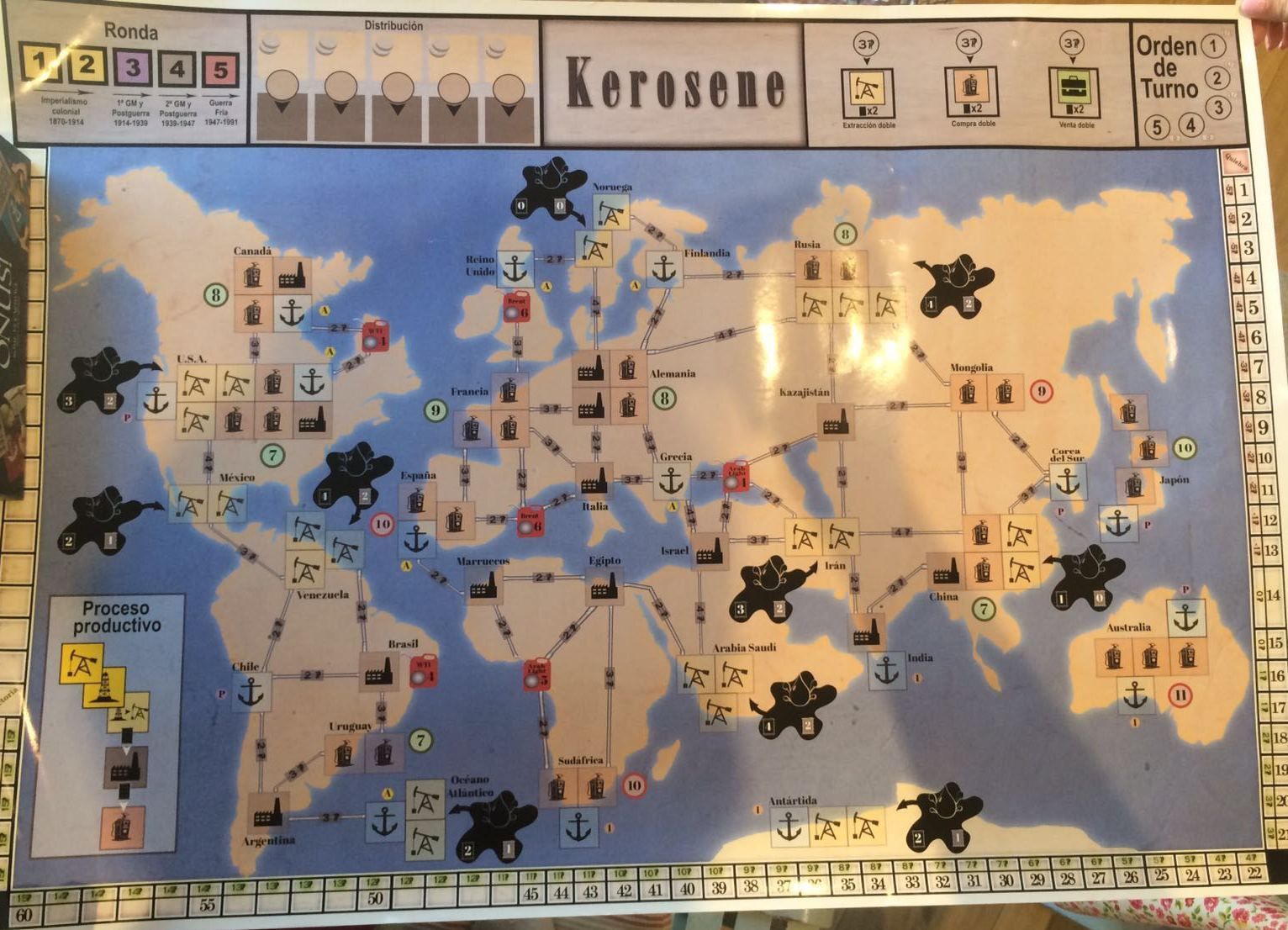
Kerosene
2016- 3 à 5 joueurs
- 90 à 120 minutes
- Dès 14 ans
Zendo
2001inductive logic game designed by Kory Heath and published by Looney Labs
- 3 à 5 joueurs
- 60 minutes
- Dès 8 ans
Zendo is an inductive logic puzzle for three to five players aged 8 and up, lasting about 60 minutes. Kory Heath designed it, and Looney Labs published it in 2001. One player becomes the Master and secretly invents a rule that structures called koans must obey.
par Andrew Looney, Kory Heath · Looney Labs
- 2 à 4 joueurs
- 300 à 480 minutes
- 2 joueurs
- 20 à 40 minutes
- Dès 13 ans
par Jeff Morrow, Sam Waller
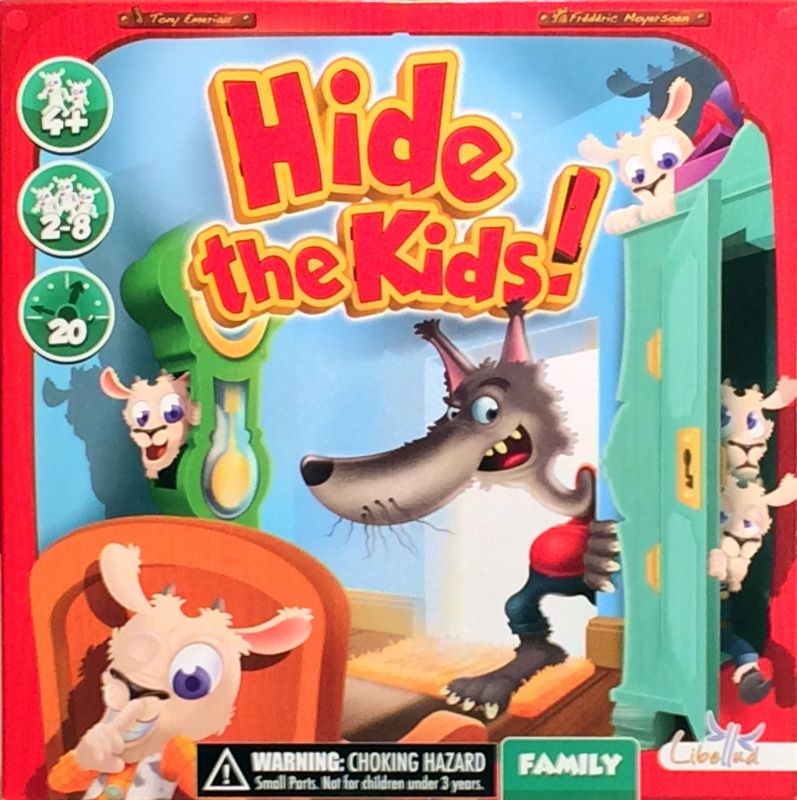
- Hide the Kids!
- 2 à 6 joueurs
- 20 minutes
- Dès 4 ans
par Fréderic Moyersoen
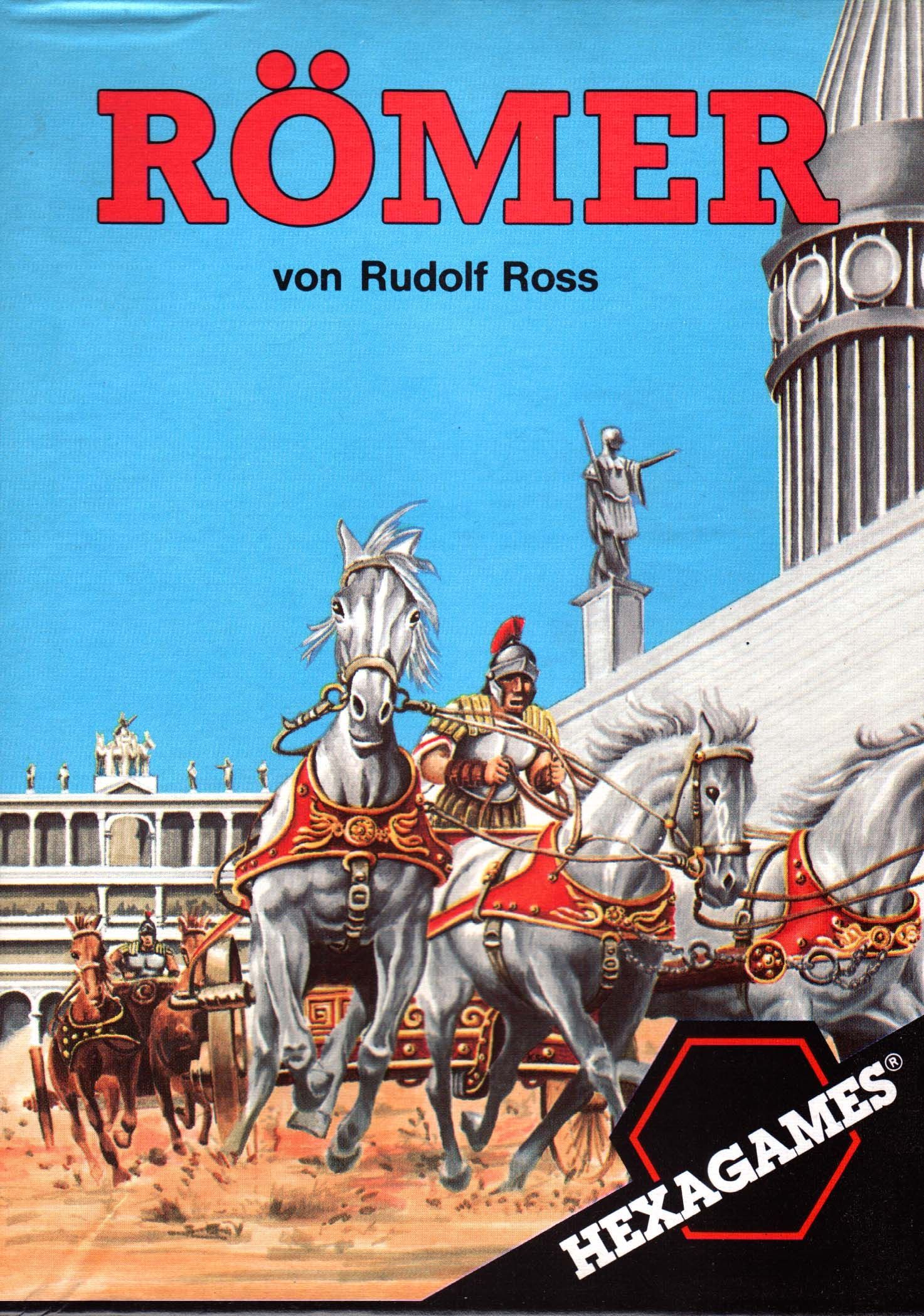
Römer
1990- 2 à 4 joueurs
- 45 minutes
- Dès 12 ans
Römer is a card game published in 1990 by Hexagames.
par Rudolf Ross
A detective game where the crime is visible but the language to describe it must be invented, one symbol at a time.
- 2 à 6 joueurs
- 45 minutes
- Dès 15 ans
par Bruno Ruggeri, Gerardo Maria Priore · Beyond Words Games
- 2 à 6 joueurs
- 25 à 35 minutes
- Dès 10 ans
- 2 à 6 joueurs
- 60 minutes
- Dès 12 ans
par Steve Jackson
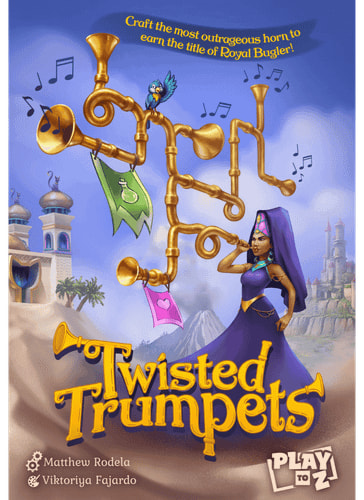
Twisted Trumpets
2025Build the most whimsical, twisted trumpet in a competitive tile-laying race to become the king's Royal Bugler.
- 2 à 4 joueurs
- 30 minutes
- Dès 8 ans
par Matthew Rodela · Play to Z
- 2 à 4 joueurs
- 45 minutes
- Dès 12 ans
par Martin Wallace
- 2 à 6 joueurs
- 20 à 45 minutes
- Dès 8 ans
- 2 à 4 joueurs
- 30 minutes
- Dès 10 ans
par Charles Chevallier, Gaëtan Beaujannot
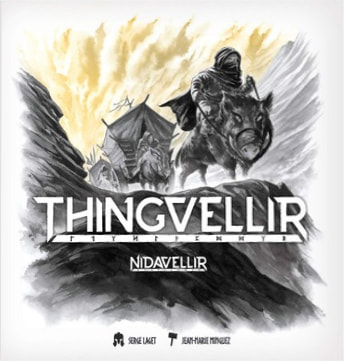
Nidavellir
2020Card-drafting auction game where dwarf-hiring elves bid coins on taverns to build the strongest battalion against Fafnir the dragon.
- 2 à 5 joueurs
- 45 minutes
- Dès 10 ans
Nidavellir is a bidding and set-collection card game for 2 to 5 players aged 10 and up, designed by Serge Laget and published in 2020. You are an elf working for a dwarf kingdom menaced by the dragon Fafnir, recruiting characters from the realm's taverns to assemble the strongest army against him.
par Serge Laget
- 2 à 5 joueurs
- 30 minutes
- Dès 15 ans
par Ben Stoll, Patrick Sullivan (II)
Counter Intelligence is a board game published in 1989 by Zzota Games.
- Ants
Fourmis
2025- 2 à 4 joueurs
- 90 minutes
- Dès 13 ans
Players run rival ant colonies in a garden, choosing each turn between exploring, foraging, digging new chambers, fighting creatures or incubating brood. Cards bring tags, one-off bonuses and end-game scoring, and the game ends once enough personal goals have been completed.
par Andrea Robbiani, Renato Ciervo · Cranio Creations