Chargement de la page…
A cooperative board game where players win or lose together, built for groups of three to six.
- 3 à 6 joueurs
- 60 minutes
Co-opoly is a cooperative board game for three to six players that takes about an hour, published by TESA Collective. It asks the whole table to pull together rather than compete against each other. Instead of racing for a single winner, the group builds an imagined cooperative business together.
TESA Collective
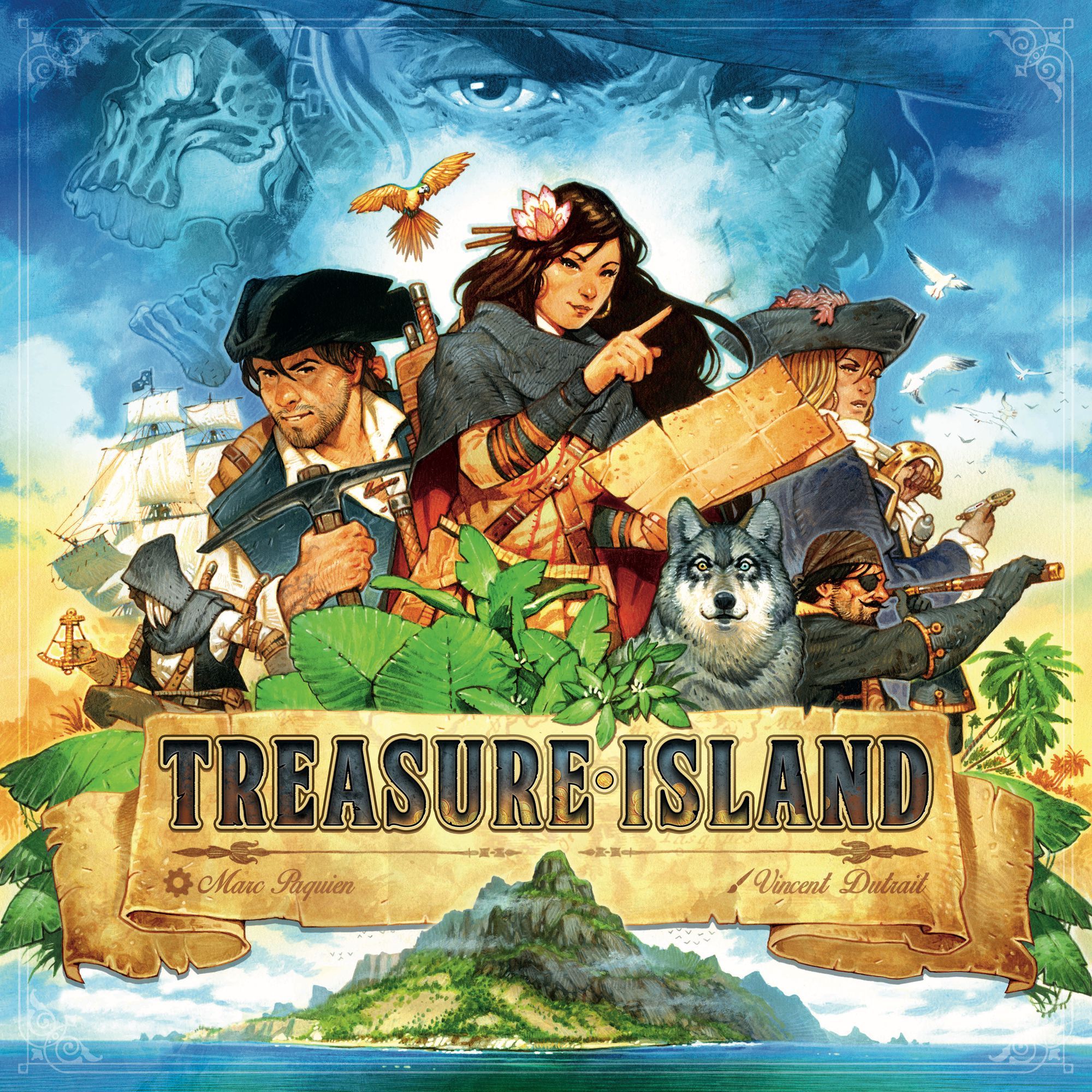
- Treasure Island
L'Île au Trésor
2018Hidden-clue pirate deduction: one player as Long John Silver feeds lies and truths while the others hunt his treasure on a wipe-clean map.
- 2 à 5 joueurs
- 45 minutes
- Dès 10 ans
You are either Long John Silver, held captive by his own mutinous crew, or one of the pirates hunting the treasure he hid on a large island map. Silver is the only one who knows where the treasure lies, so he must answer questions with clues, some true and some deliberately false, while the pirates search the island…
par Marc Paquien
- 2 joueurs
- 30 à 45 minutes
- Dès 12 ans
par Paul Peterson
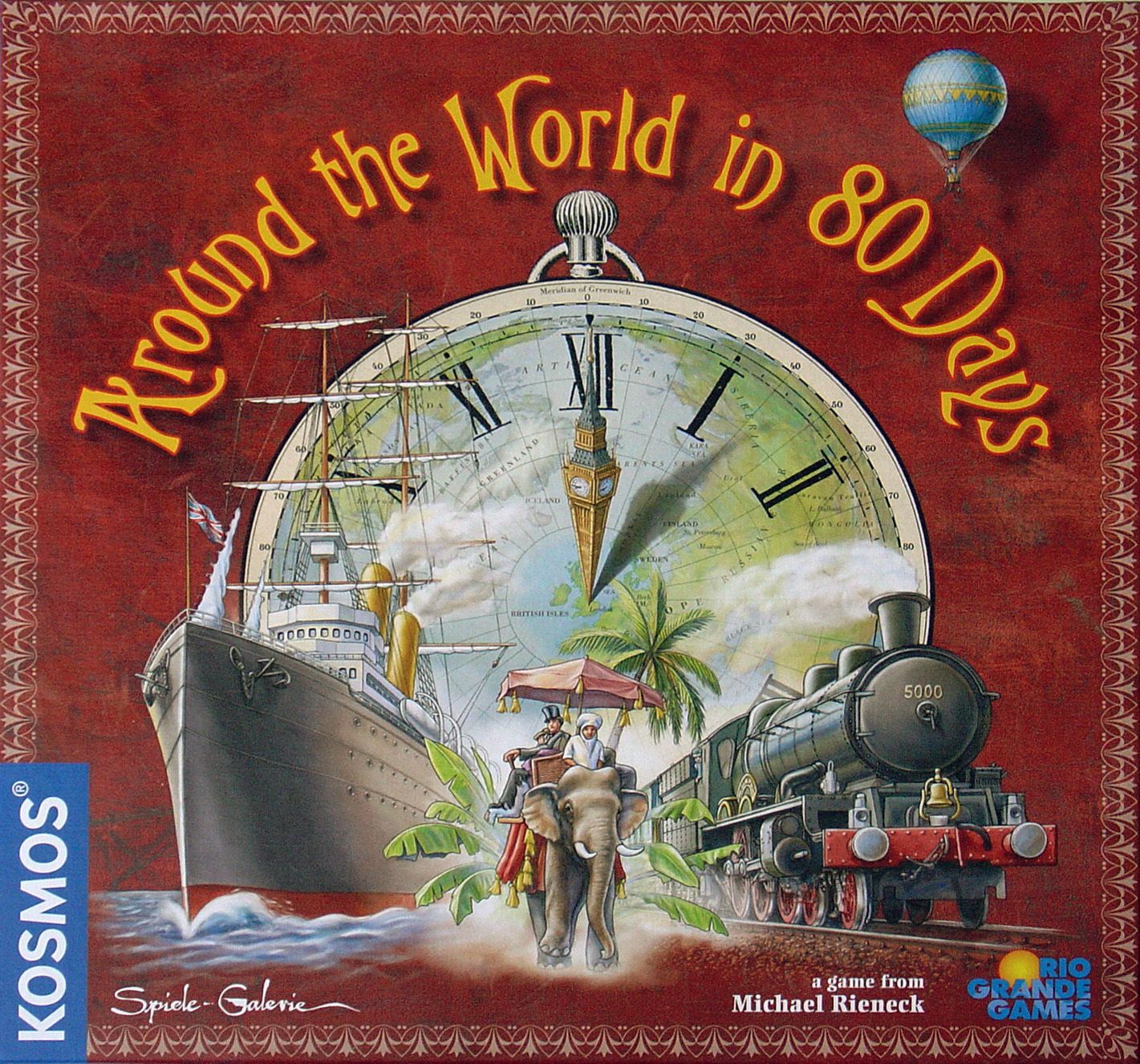
- Around the World in 80 Days
- 3 à 6 joueurs
- 50 à 70 minutes
- Dès 10 ans
Around the World in 80 Days is a 2004 designer board game by Michael Rieneck.
par Michael Rieneck
- 2 à 3 joueurs
- 180 à 240 minutes
- Dès 14 ans
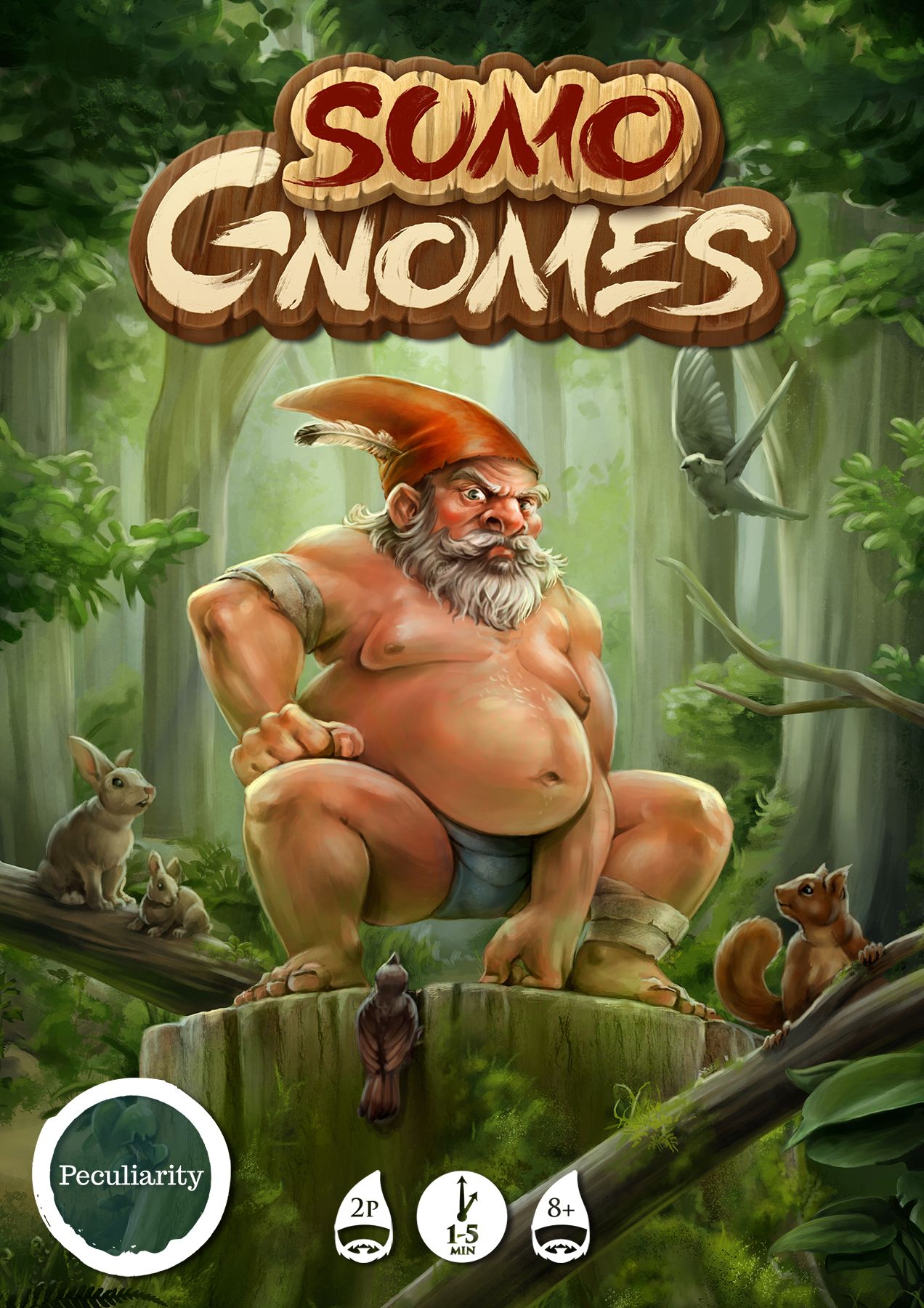
Sumo Gnomes
2019- 2 joueurs
- 1 à 5 minutes
- Dès 8 ans
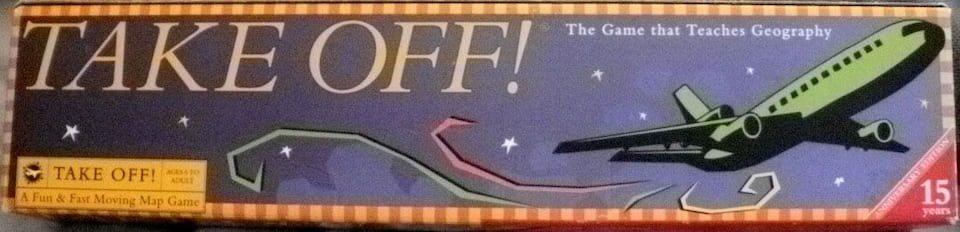
Take Off!
1987board game designed to teach geography, first released in 1988
- 2 à 6 joueurs
- 60 minutes
- Dès 6 ans
A geography-learning board game for two to six players aged six and up, made by Resource Games. Your planes start in Hawaii and must fly across the map to reach the opposite hemisphere, from the Eastern world to the Western world or back.
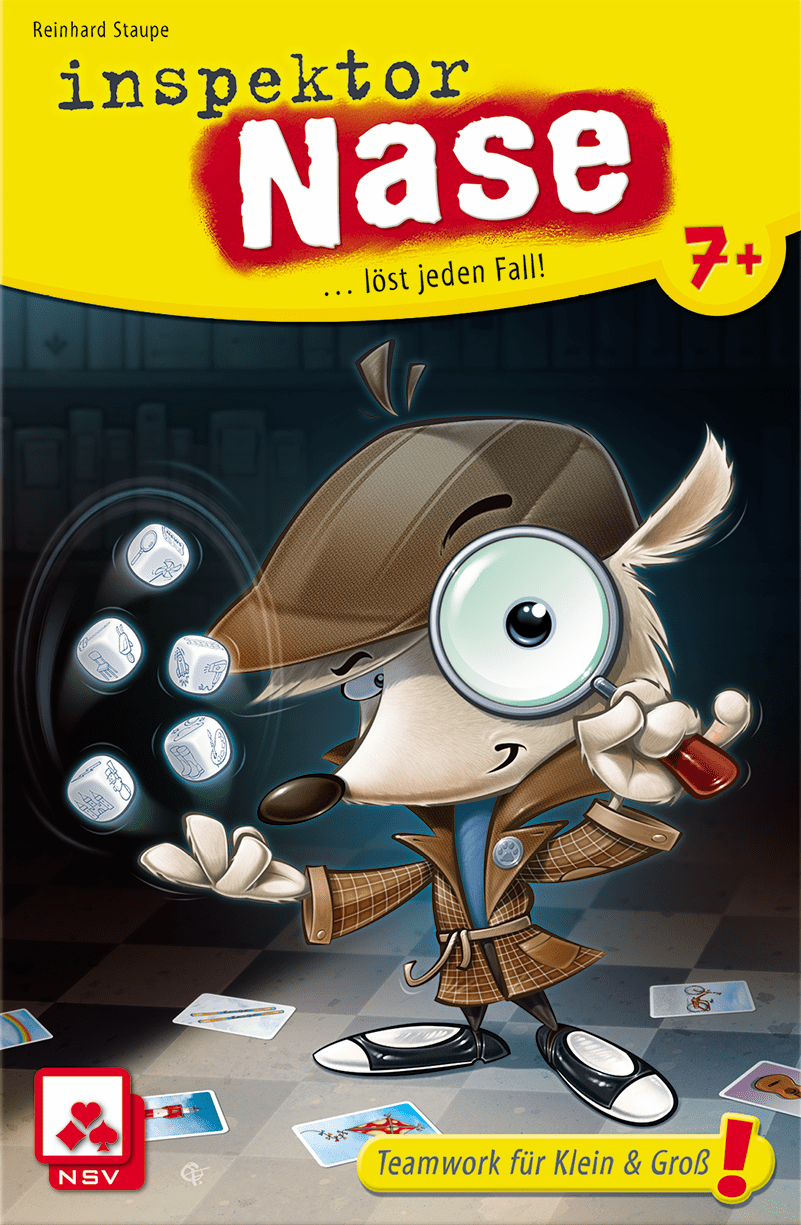
Inspektor Nase
2021- 2 à 5 joueurs
- 20 minutes
- Dès 7 ans
A cooperative deduction game for kids in which players take turns as the Inspector, using dice clues to help the others work out which picture card to remove.
par Reinhard Staupe
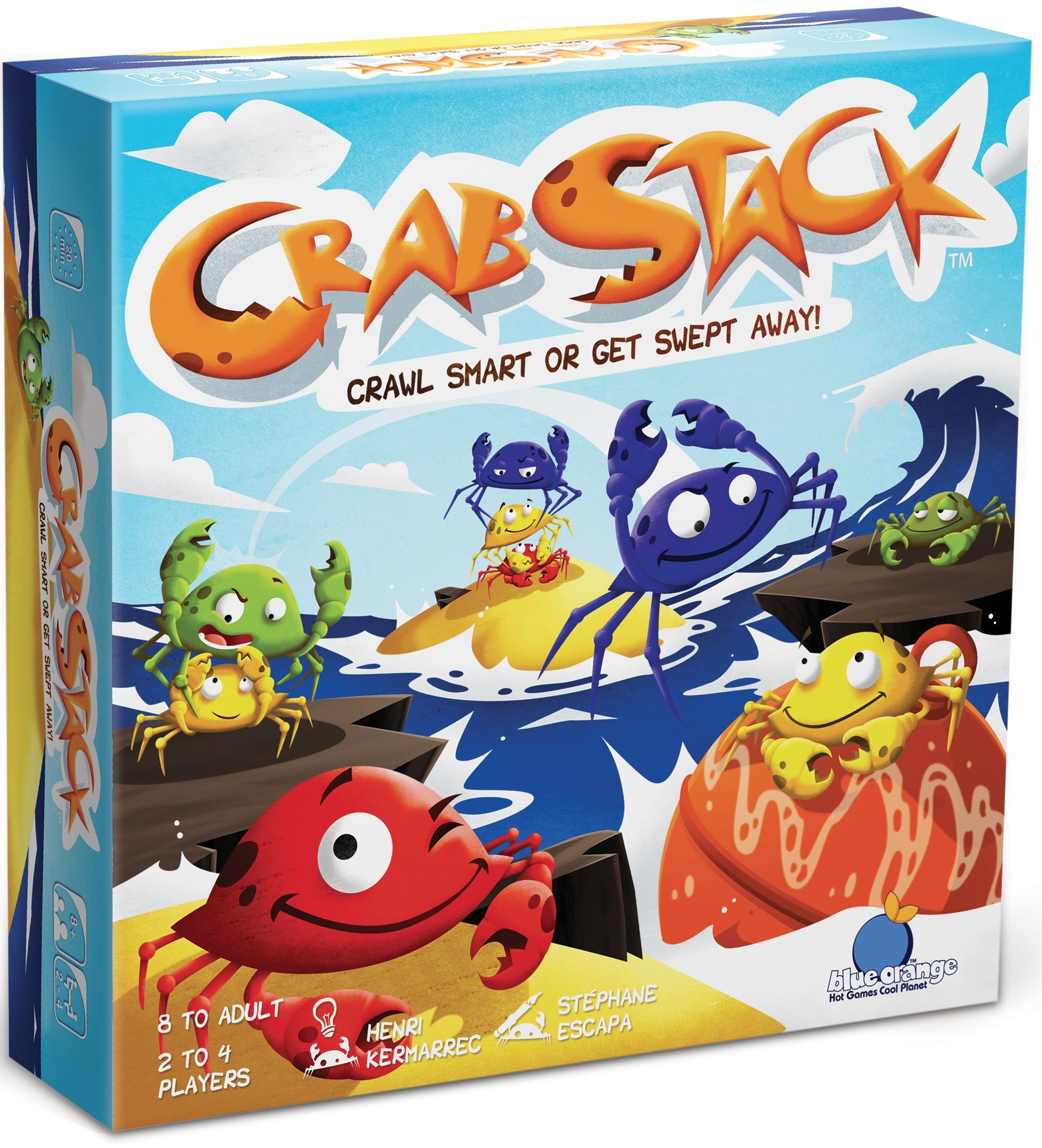
Crab Stack
2015Stack crabs on rocks and outlast rivals as waves wash away the smaller groups.
- 2 à 4 joueurs
- 20 minutes
- Dès 8 ans
Crab Stack is an abstract strategy game for 2 to 4 players aged 8 and up, first released in 2015. Henri Kermarrec designed it, and Blue Orange and several other publishers released it. Each player controls crabs of their own colour, scattered across a board of rocks.
par Henri Kermarrec
- 2 à 4 joueurs
- 20 à 30 minutes
- Dès 13 ans
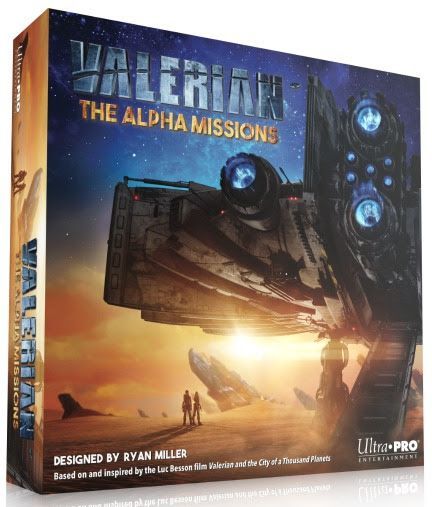
par Ryan Miller
Warriors of Mars
1974A rare 1974 Barsoom combat rulebook, published without permission and quickly pulled from sale.
A 1974 miniatures wargame rulebook created by Gary Gygax, with Brian Blume credited as co-writer and Tactical Studies Rules as publisher. The rules stage fights in Barsoom, the fantasy world from Edgar Rice Burroughs's John Carter of Mars novels.
par Gary Gygax
- 2 joueurs
- 180 minutes
- Dès 12 ans
par Ty Bomba
- 1 à 2 joueurs
- 20 à 40 minutes
- Dès 10 ans
- 1 à 8 joueurs
- 120 minutes
- Dès 12 ans
abstract board game for two players
This is an abstract strategy game for two players, also called Kaplansky's n-in-a-line. It takes its name from Irving Kaplansky. Two players compete to be the first to line up k stones of their own colour. Only a line that holds no stone of the opponent can deliver that win.
- 2 à 6 joueurs
- 240 à 1200 minutes
- Dès 12 ans
par Harry Rowland
- 2 joueurs
- 20 à 40 minutes
- Dès 14 ans
- 2 à 5 joueurs
- 20 minutes
- Dès 8 ans
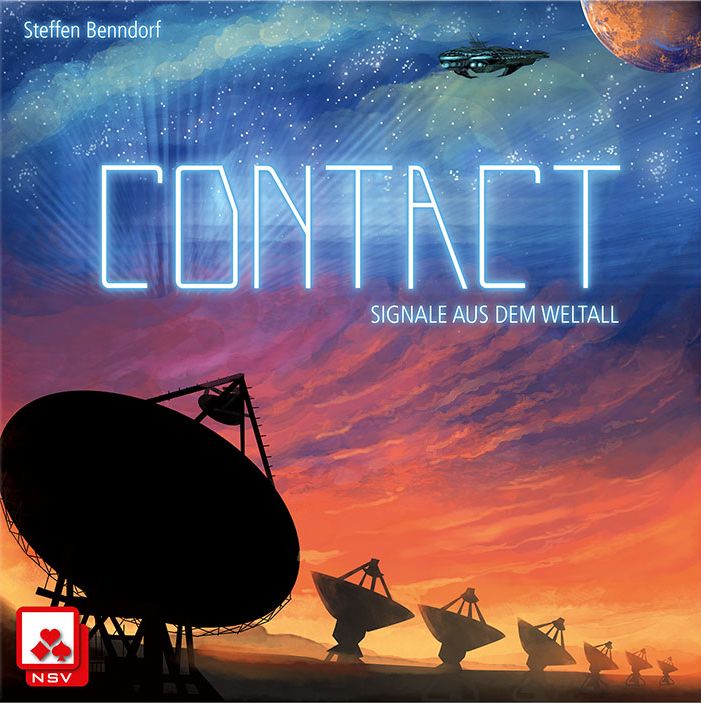
Contact: Signals from Outer Space is a cooperative game from 2020 for 2 to 5 players aged 8 and up, with a playing time of about 20 minutes. Steffen Benndorf designed it, and Arclight, Nürnberger-Spielkarten-Verlag, Popcorn Games and White Goblin Games published it.
par Steffen Benndorf
- 2 joueurs
- 120 minutes
- Dès 12 ans
par Jim Dunnigan
Fantastique
2026A bidding card game where players show off fan-shaped cards from around the world to win medals over seven rounds.
- 2 à 5 joueurs
- 25 minutes
- Dès 8 ans
par Brett J. Gilbert, Trevor Benjamin
A vintage Parker Brothers card game, revived in a 70th anniversary edition for four to eight players.
Make-a-Million is a Parker Brothers card game, copyrighted in 1934 and made available to buyers in 1935. It first appeared in Salem, Massachusetts, then reached larger cities such as New York and Chicago. The current Packard version uses two card decks.
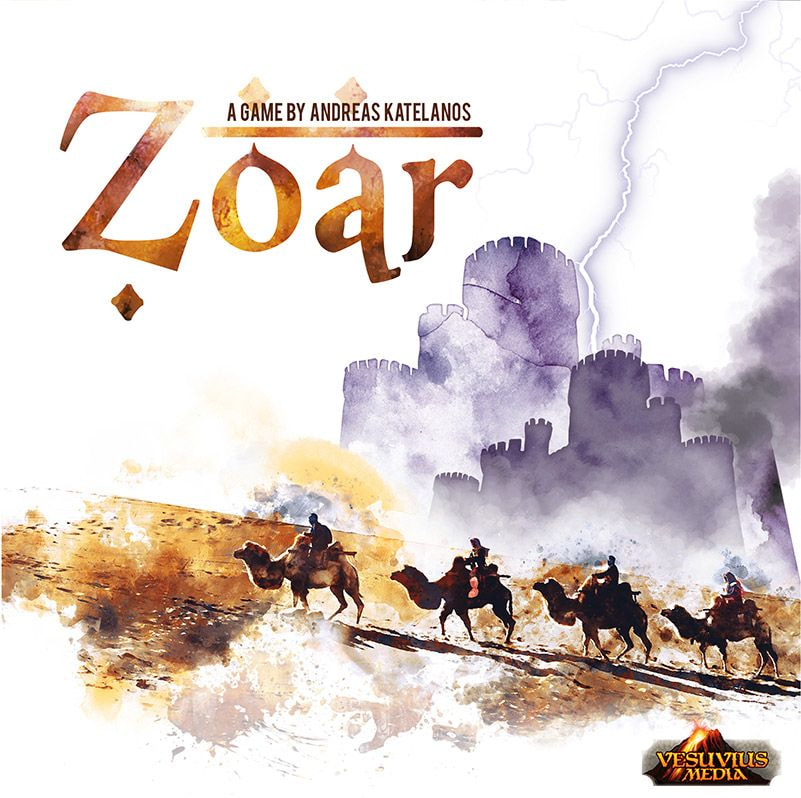
Zoar
2018- 2 à 4 joueurs
- 30 à 45 minutes
- Dès 13 ans
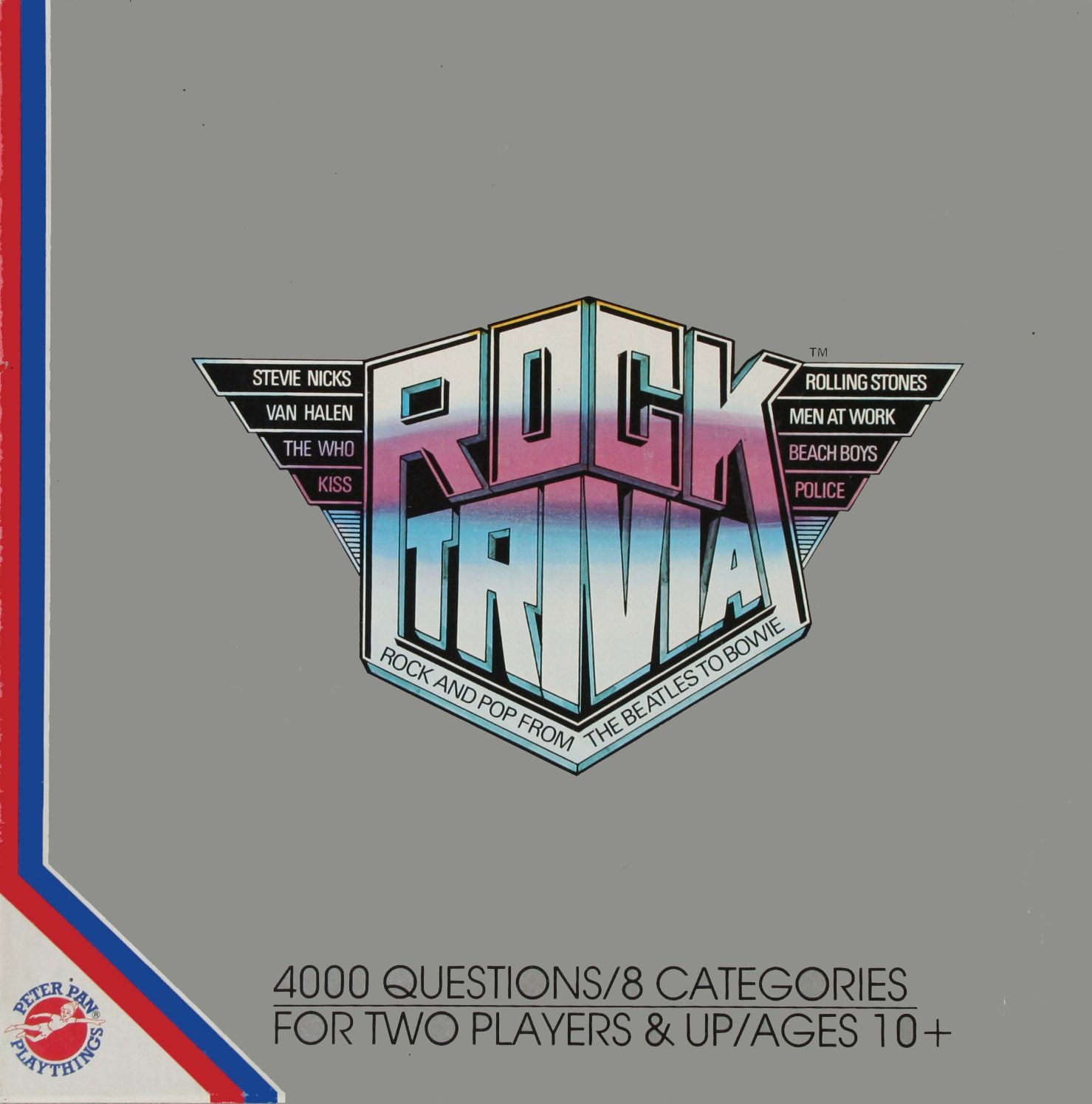
Rock Trivia
1987- 2 à 6 joueurs
- 60 minutes
- Dès 14 ans
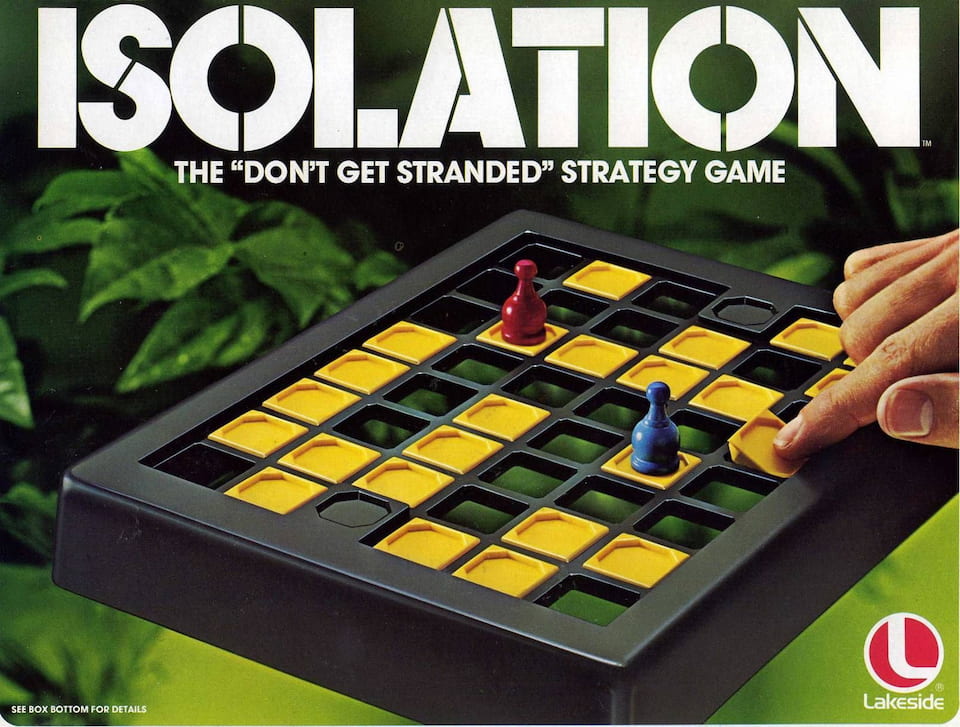
- Isolation
Isola
1972A quick two-player abstract where every move also removes a board tile.
- 2 joueurs
- 20 minutes
- Dès 8 ans
An abstract board game for two players aged 8 and up, lasting about 20 minutes, first released in 1972. Both players repeat the same two-step sequence on alternating turns: move a pawn, then remove a tile. Each removed tile leaves an empty square that neither pawn may enter, so the open space steadily shrinks.
- 2 joueurs
- Dès 6 ans
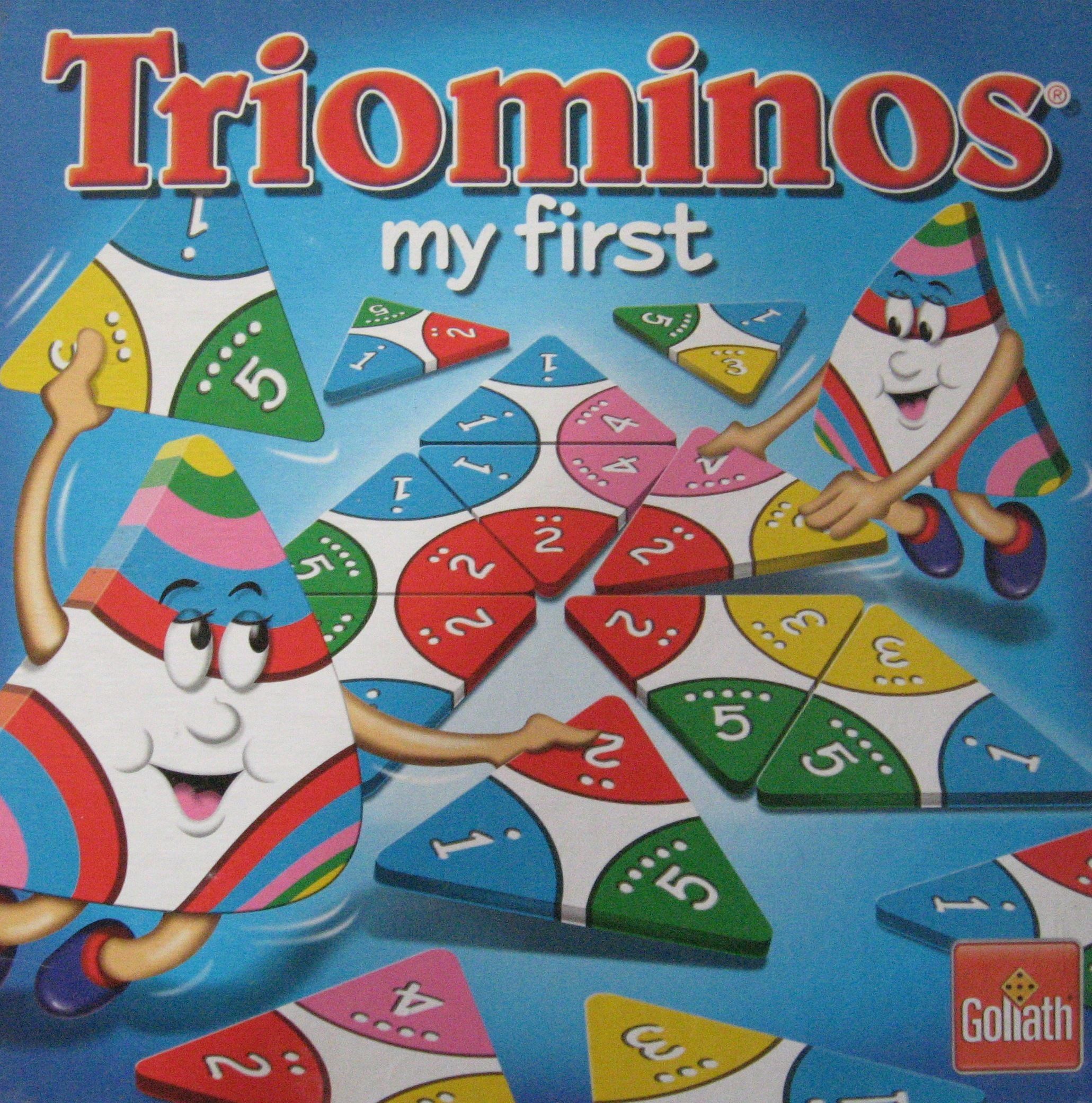
A junior tile-matching game of colours, numbers and dots, where young children win counters by fitting triangular Triominos together.
- 2 à 4 joueurs
- 30 minutes
- Dès 4 ans
My First Triominos is a children's tile-placement game from Goliath, a junior version of the Triominos classic for two to four players, with a suggested age of four and up and a playing time of about 30 minutes. The game is a light, co-operative-feeling family-style game built around fitting triangular tiles together.
par Kinetic
- 3 à 8 joueurs
- 30 minutes
- Dès 10 ans
par Hans-Peter Stoll