Chargement de la page…
- 1 à 2 joueurs
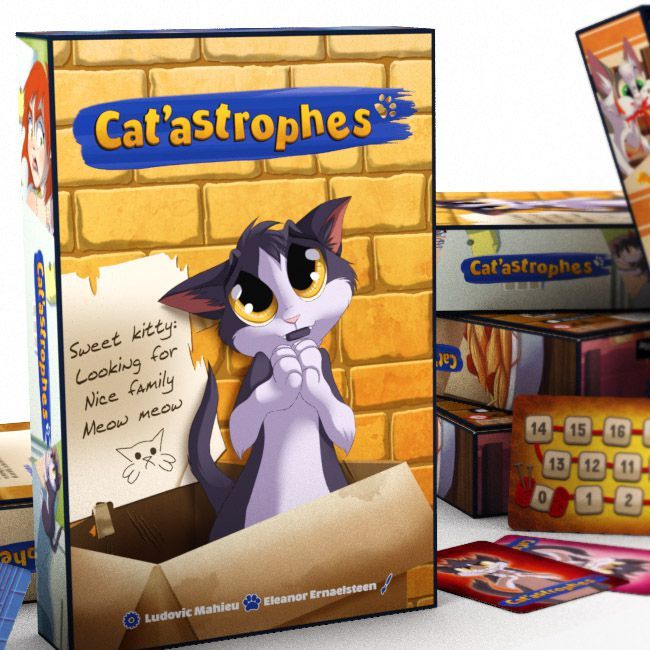
Cat'astrophes
2018- 2 à 6 joueurs
- 10 à 20 minutes
- Dès 7 ans
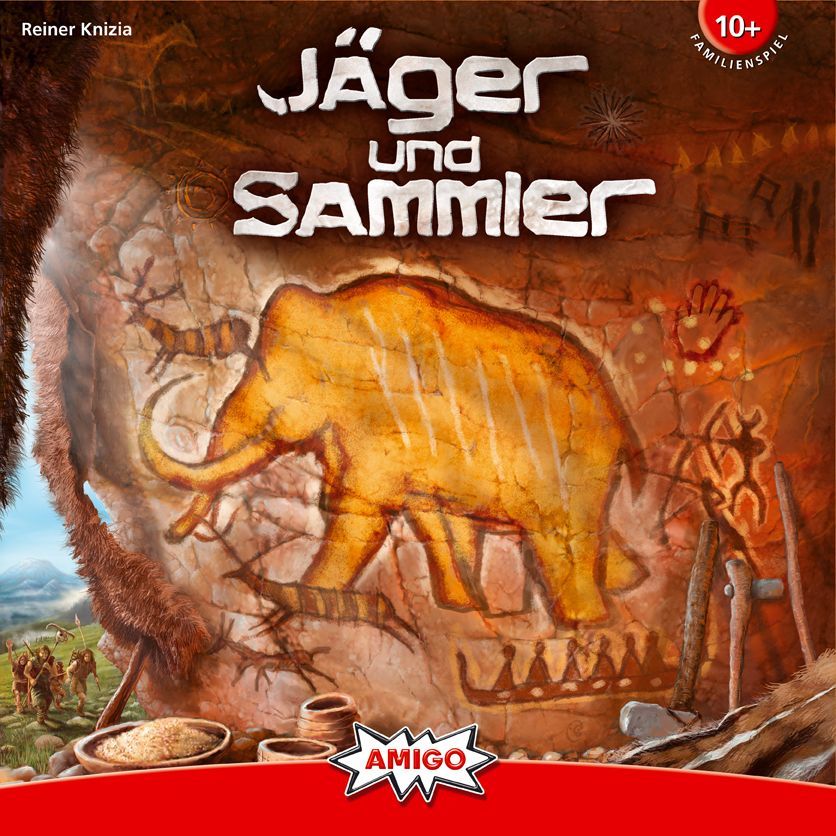
- 2 à 4 joueurs
- 45 minutes
- Dès 10 ans
par Reiner Knizia
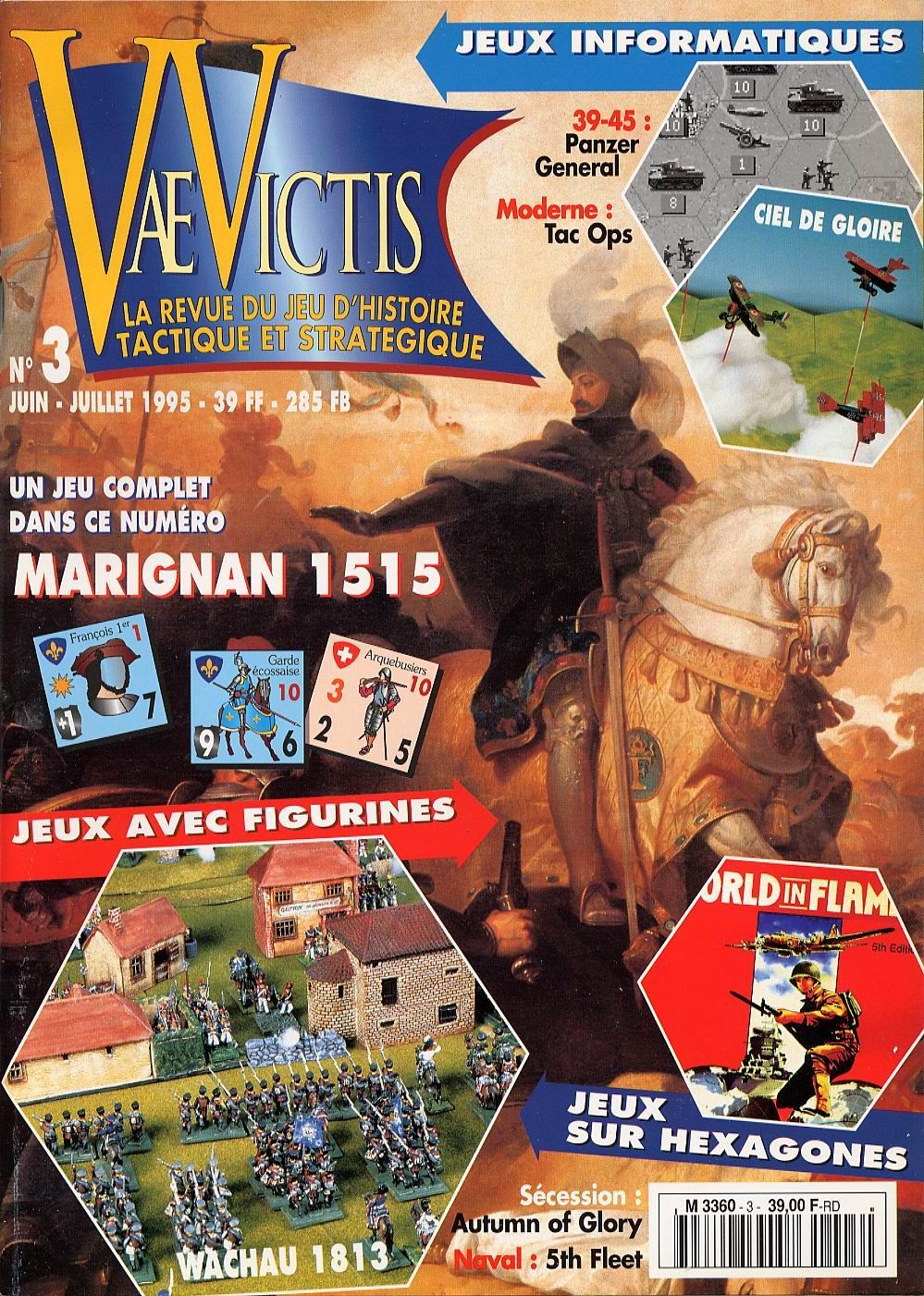
Marignan 1515
1995- 2 joueurs
- Dès 12 ans
Elixirus
2025A competitive game of brewing magical potions, played for Piatnik.
- 2 à 5 joueurs
- 30 minutes
- Dès 10 ans
par Dickie Chapin · Piatnik
- 2 à 3 joueurs
- 240 minutes
- Dès 12 ans
par Marco Donadoni
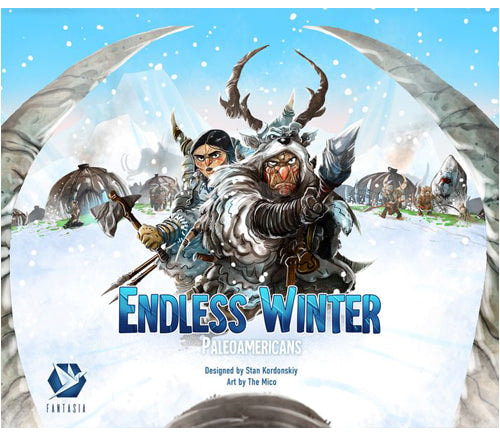
Worker placement and deckbuilding euro about tribes evolving from nomad hunters to megalith builders in Ice Age North America.
- 1 à 4 joueurs
- 60 à 120 minutes
- Dès 12 ans
Endless Winter: Paleoamericans is a euro-style game for one to four players, aged 12 and up, that runs about 60 to 120 minutes and sits at a medium weight. Stan Kordonskiy designed it and Fantasia Games published it.
par Stan Kordonskiy · Fantasia Games
Gaudí
2026Balance Nature, Catalonia and Religion to build modernist trencadís patterns.
- 1 à 4 joueurs
- 60 minutes
- Dès 12 ans
Gaudí is a family-focused card and tile game about the Catalan architect, designed by Dani Garcia and published by Devir and HUCH!. You follow the life and work of Antoni Gaudí, the visionary architect born in 1852, and gather Victory Points in three pillars that shaped his creations: Nature, Catalonia and Religion.
par Dani Garcia · Devir
- 2 joueurs
- 60 à 120 minutes
par Joseph Miranda
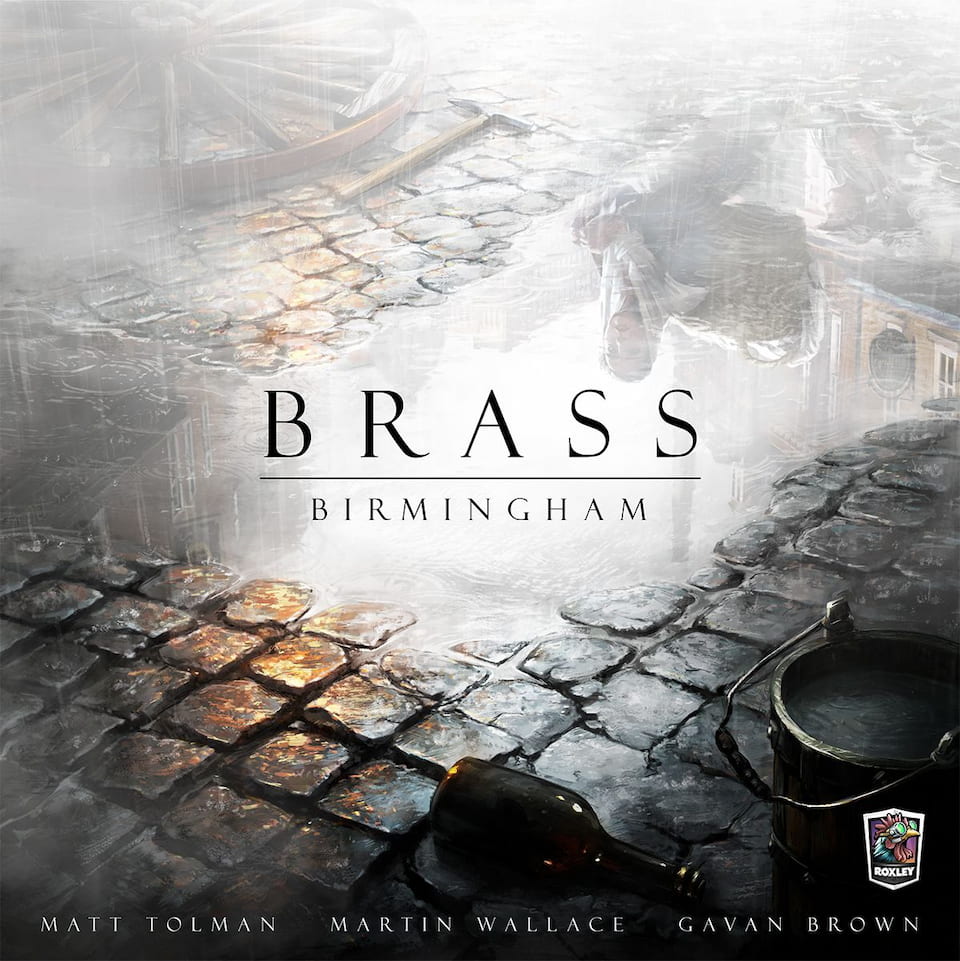
- Brass: Birmingham
Build networks, grow industries, and navigate the world of the Industrial Revolution.
- 2 à 4 joueurs
- 60 à 120 minutes
- Dès 14 ans
Brass: Birmingham is an economic strategy game set in Birmingham during the industrial revolution, between 1770 and 1870. Rival entrepreneurs compete to develop and establish their industries and networks, seizing chances when market demand is low or high.
par Gavan Brown, Martin Wallace · Roxley
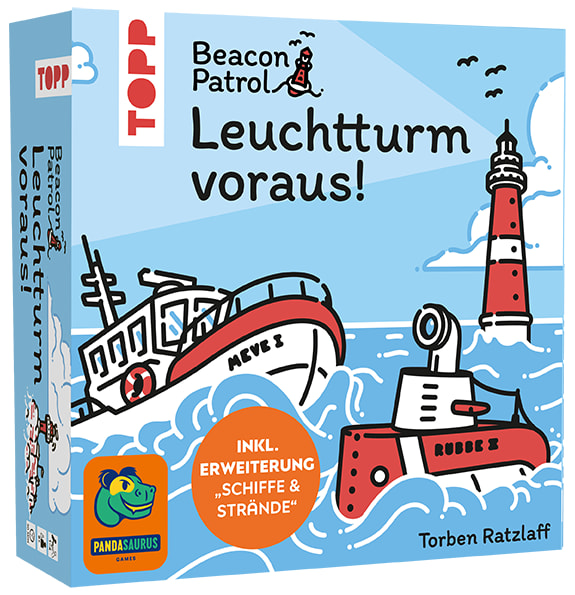
A cooperative tile-laying game where everyone sails ships across a growing sea chart, scoring for lighthouses and buoys.
- 1 à 4 joueurs
- 30 minutes
- Dès 8 ans
par Torben Ratzlaff
- 2 joueurs
- 30 minutes
- Dès 10 ans
par Reiner Knizia
Animal villagers compete to win the village cup by helping neighbours and supporting local buildings.
- 2 joueurs
- 40 à 60 minutes
- Dès 10 ans
Auf wilden Wegen is a two-player game by designer Iain Everett, published by Steinbock Brettspiele, with illustrations by Pennie Jo Everett. It is a family-weight game for two players, with a solo mode, for ages 10 and up, lasting about 40 to 60 minutes.
par Iain Everett · Steinbock Brettspiele
- 1 à 2 joueurs
- 180 minutes
- Dès 12 ans
par John Desch
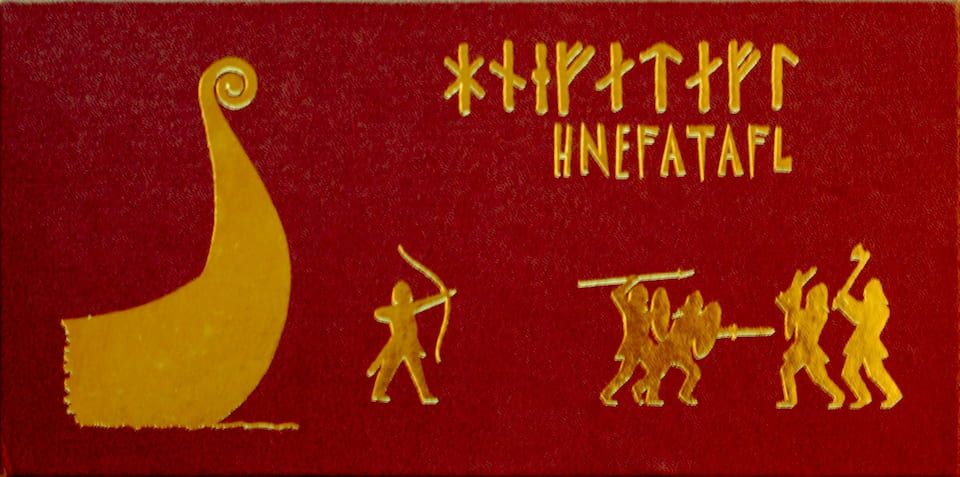
- Hnefatafl
- 2 joueurs
- 20 minutes
- Dès 7 ans
Fidchell, known in Welsh as gwyddbwyll, is a two-player board game of the ancient Celts, probably related to ludus latrunculorum. In Irish legend fidchell belonged to kings and gods. It was said to have been invented by Lugh, god of light and inspiration, and played skilfully by his son, the hero Cú Chulainn.
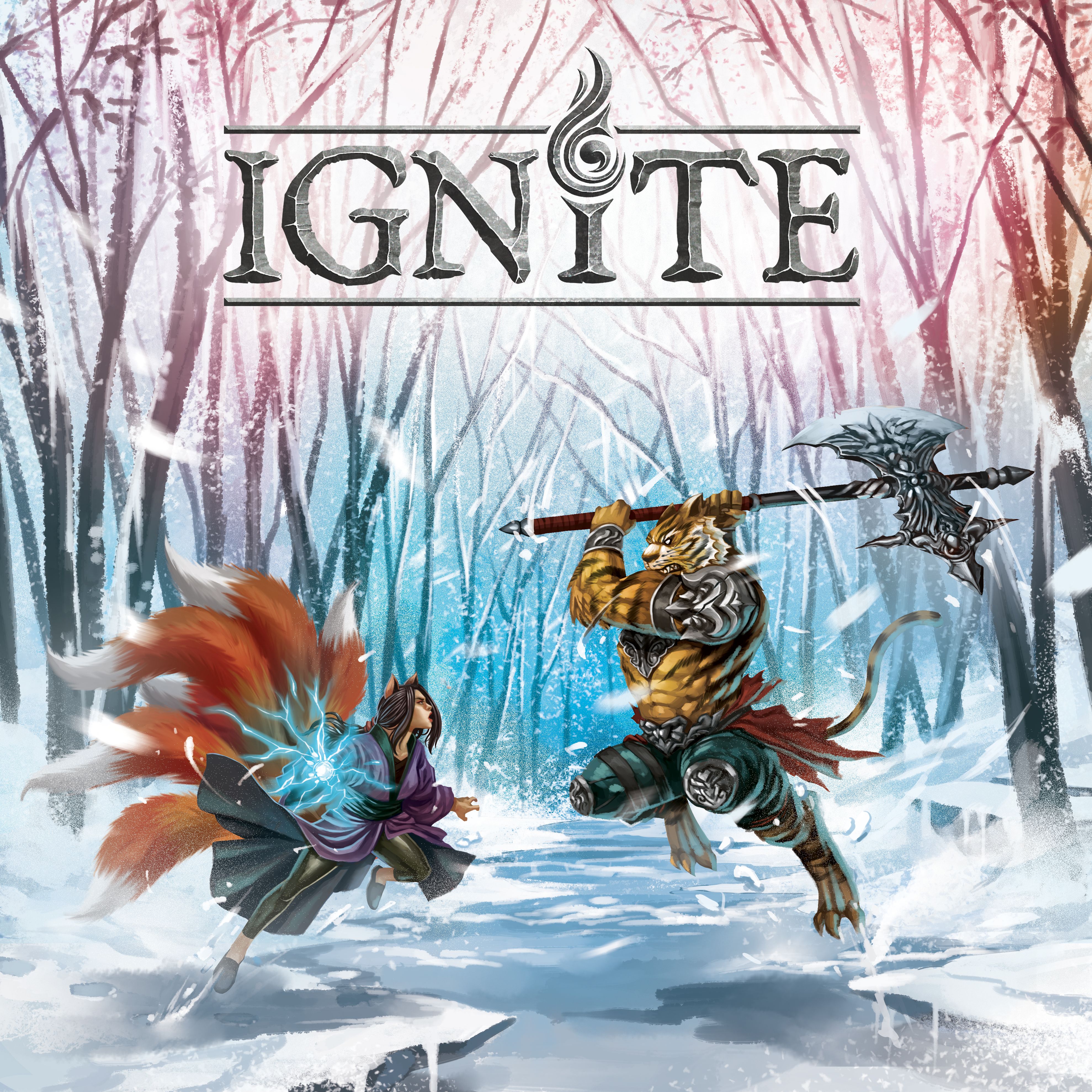
Ignite
2021- 2 à 8 joueurs
- 40 à 160 minutes
- Dès 13 ans
A fantasy game mixing deck building, area control and negotiation, where players pick a faction and fight over a modular board built from double-sided terrain tiles.
- 2 à 8 joueurs
- 120 minutes
- Dès 8 ans
Master of Wills
2017- 2 à 4 joueurs
- 25 à 45 minutes
- Dès 13 ans
Can't Stop
1980Push your luck to reach the top of three columns, but risk losing the progress you made this turn.
- 2 à 4 joueurs
- 30 minutes
- Dès 9 ans
Can't Stop is a two to four player dice game for ages 9 and up, lasting about 30 minutes. Sid Sackson designed it, and Parker Brothers first released it in 1980. Players race to climb numbered columns on a shared board, and the first to top three of them takes the win.
par Sid Sackson
- 2 joueurs
- 45 minutes
- Dès 12 ans
par Chuck Kallenbach, Evan Lorentz
- 2 joueurs
- 60 minutes
- Dès 12 ans
par Joseph M. Balkoski
- 2 à 8 joueurs
- 15 à 30 minutes
Sensu
2026A Japan-themed card game where you assemble folding fans by playing card combinations worth exactly 15.
- 1 à 5 joueurs
- 30 minutes
- Dès 10 ans
Sensu is a card game by designer Enrico Vicario, published by HUCH! and themed on traditional Japanese folding fans. It is light, family-friendly play for one to five players aged ten and up, with a playing time of about 30 minutes. Your aim is to arrange your cards into your own personal folding fans.
par Enrico Vicario
A 1830s trading race where clippers carry opium and silk from Asia back to England.
- 2 à 4 joueurs
- 120 minutes
- Dès 12 ans
A 1981 board game from FASA for 2 to 4 players, age 12+, drawn from James Clavell's famous novel of Hong Kong trade. It is a game of international commerce set in the 1830s. The game is set in the 1830s and centres on international trade. Players compete to carry their cargoes back to England for the best return.
FASA Corporation
- 2 à 4 joueurs
- 10 à 15 minutes
- Dès 4 ans
par Kristin Mückel
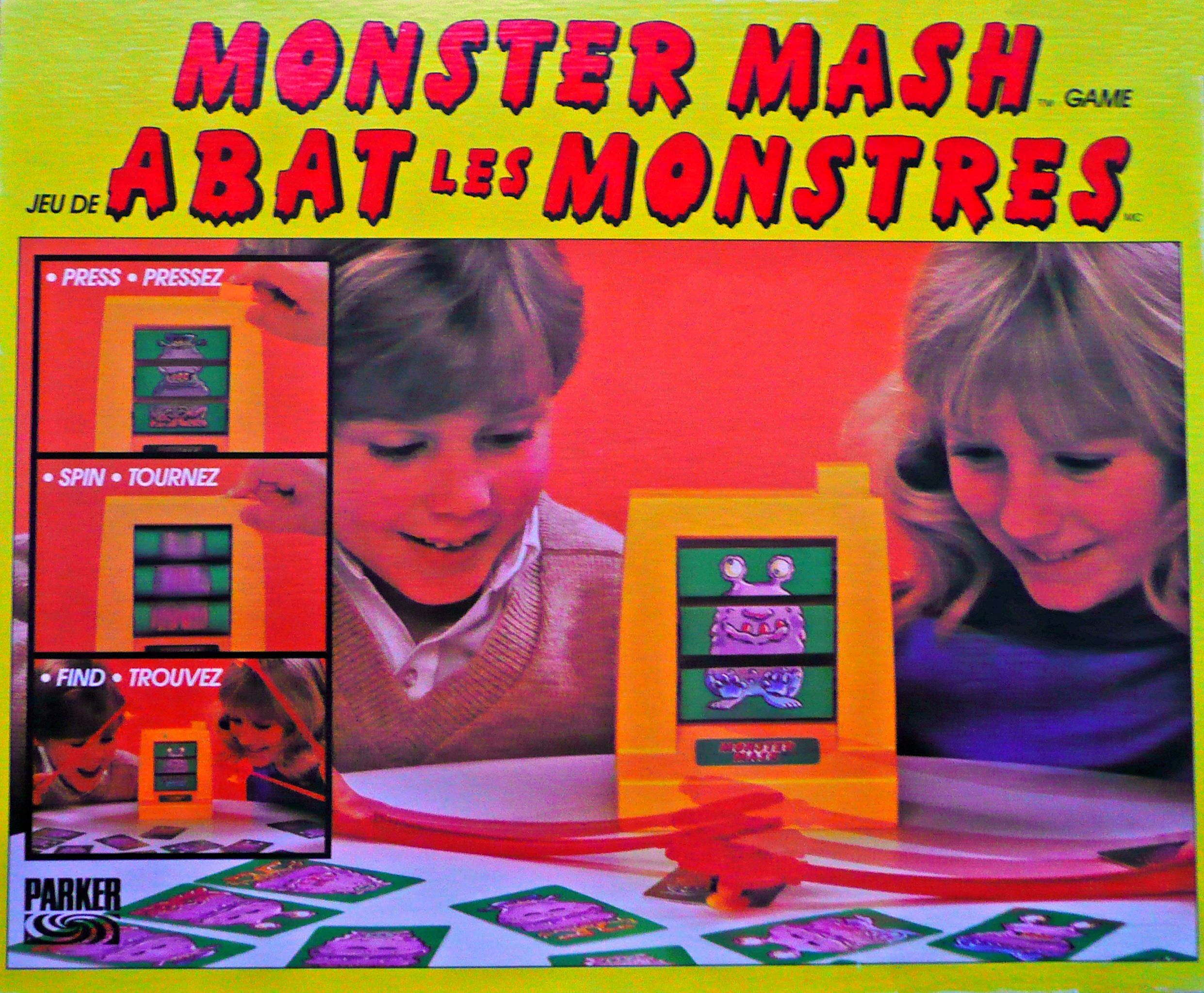
Monster Mash
1987- 2 à 4 joueurs
- 20 minutes
- Dès 5 ans
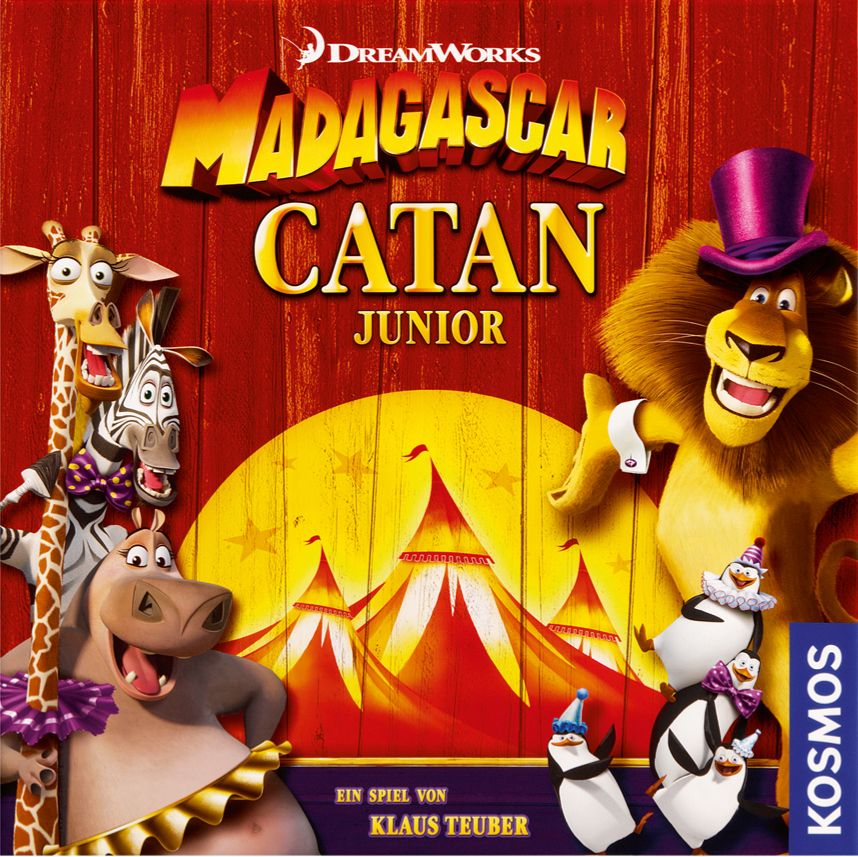
- 2 à 4 joueurs
- 30 minutes
- Dès 6 ans
par Klaus Teuber
- 2 joueurs
- 90 minutes
- Dès 12 ans
par Kevin Zucker
- 2 joueurs
- 15 à 20 minutes
- Dès 14 ans
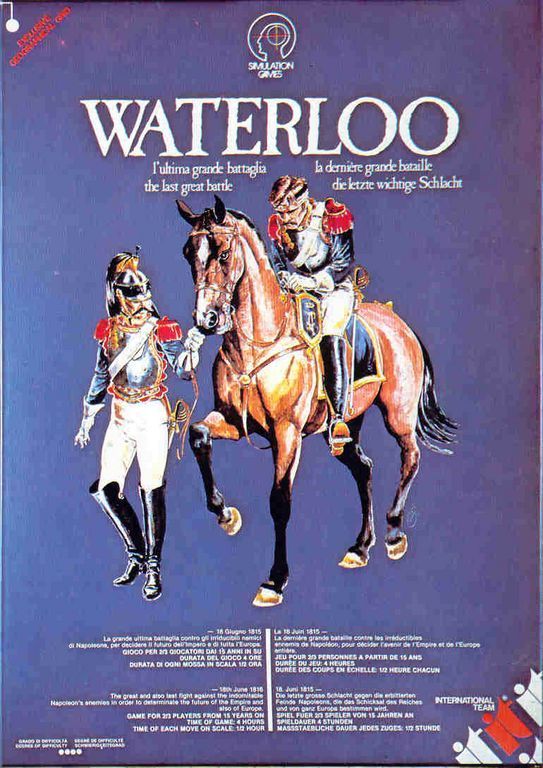
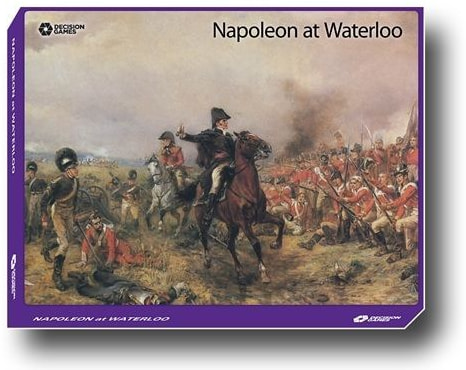
A simple 1971 wargame introduction to the Battle of Waterloo, played in one-hour turns.
- 2 joueurs
- 30 minutes
- Dès 10 ans
Napoleon at Waterloo is a two-player board wargame from 1971, designed by Jim Dunnigan and published by SPI for ages 10 and up. The game recreates the clash at Waterloo, with one player commanding the French and the other the opposing army.
par Jim Dunnigan
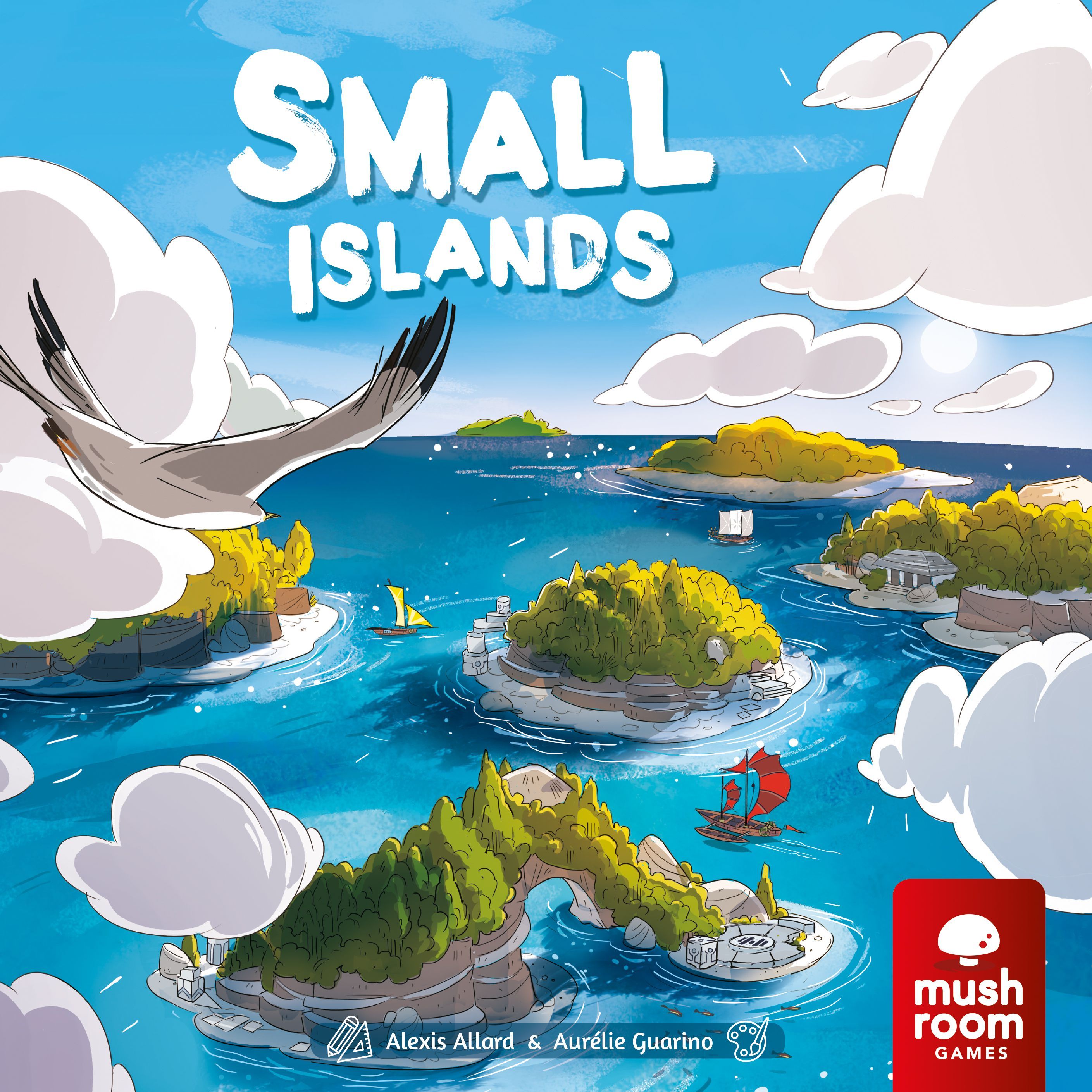
Small Islands
2018- 1 à 4 joueurs
- 30 minutes
- Dès 8 ans