Chargement de la page…
- 2 joueurs
- 30 minutes
- Dès 12 ans
- 2 à 6 joueurs
- 20 à 40 minutes
- Dès 14 ans
- 2 joueurs
- 30 minutes
- Dès 12 ans
par Brian L. Knipple
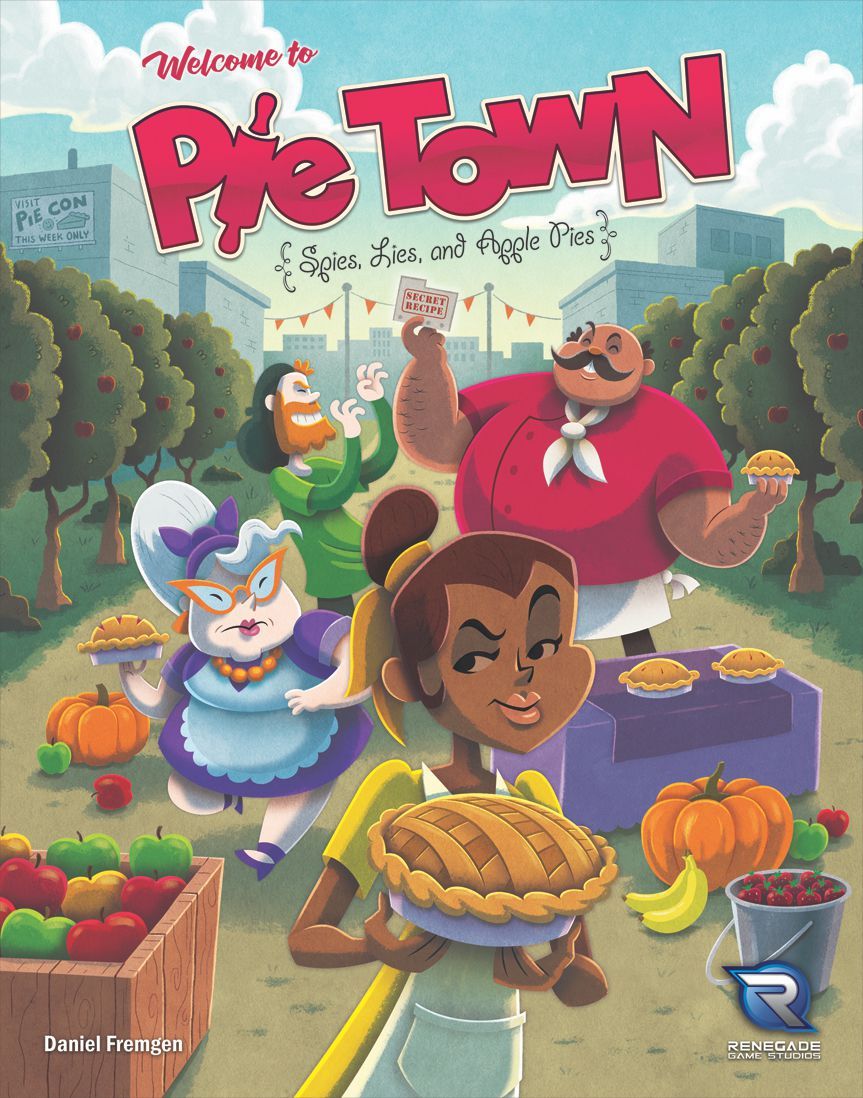
Pie Town
2017- 2 à 4 joueurs
- 60 à 90 minutes
- Dès 14 ans
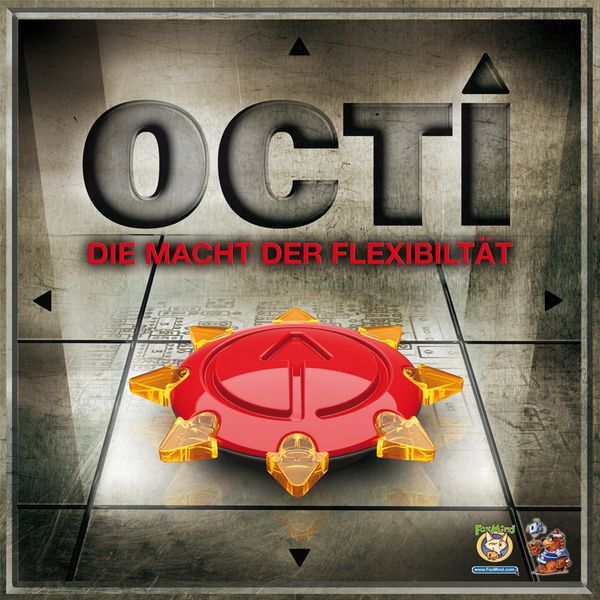
Octi
1999An abstract strategy game with a 9-by-9 board that resists computer chess techniques.
- 2 à 4 joueurs
- 10 à 30 minutes
- Dès 8 ans
Octi is an abstract strategy game for 2 to 4 players, suited to ages 8 and up, with play taking 10 to 30 minutes. Donald Green designed it, and The Great American Trading Company first published it in 1999. The original design uses a nine-by-nine board, a large grid that gives the game its main form.
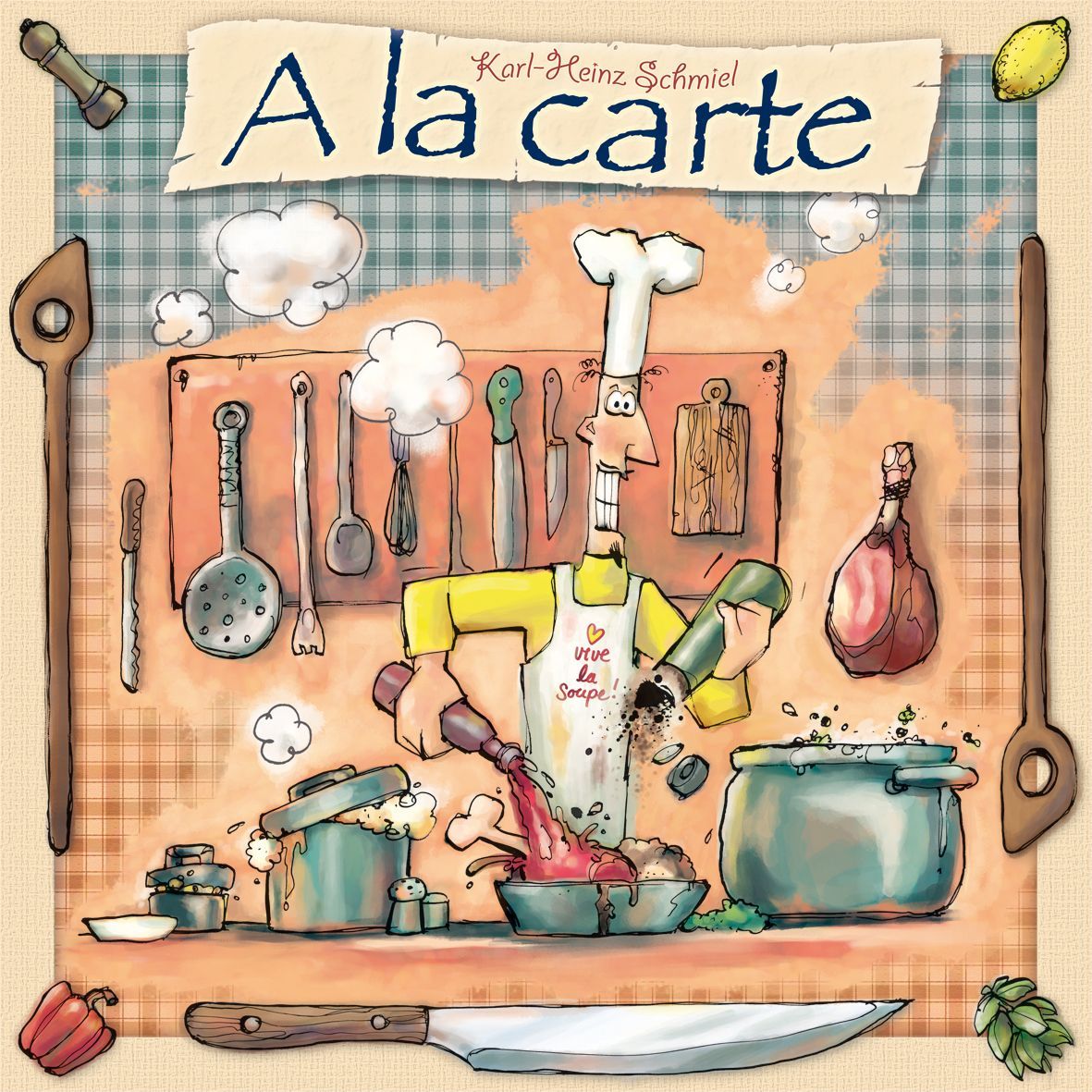
A la carte
1989- 2 à 4 joueurs
- 30 minutes
- Dès 8 ans
A la carte is a board game published in 1989 by Moskito Spiele.
par Karl-Heinz Schmiel
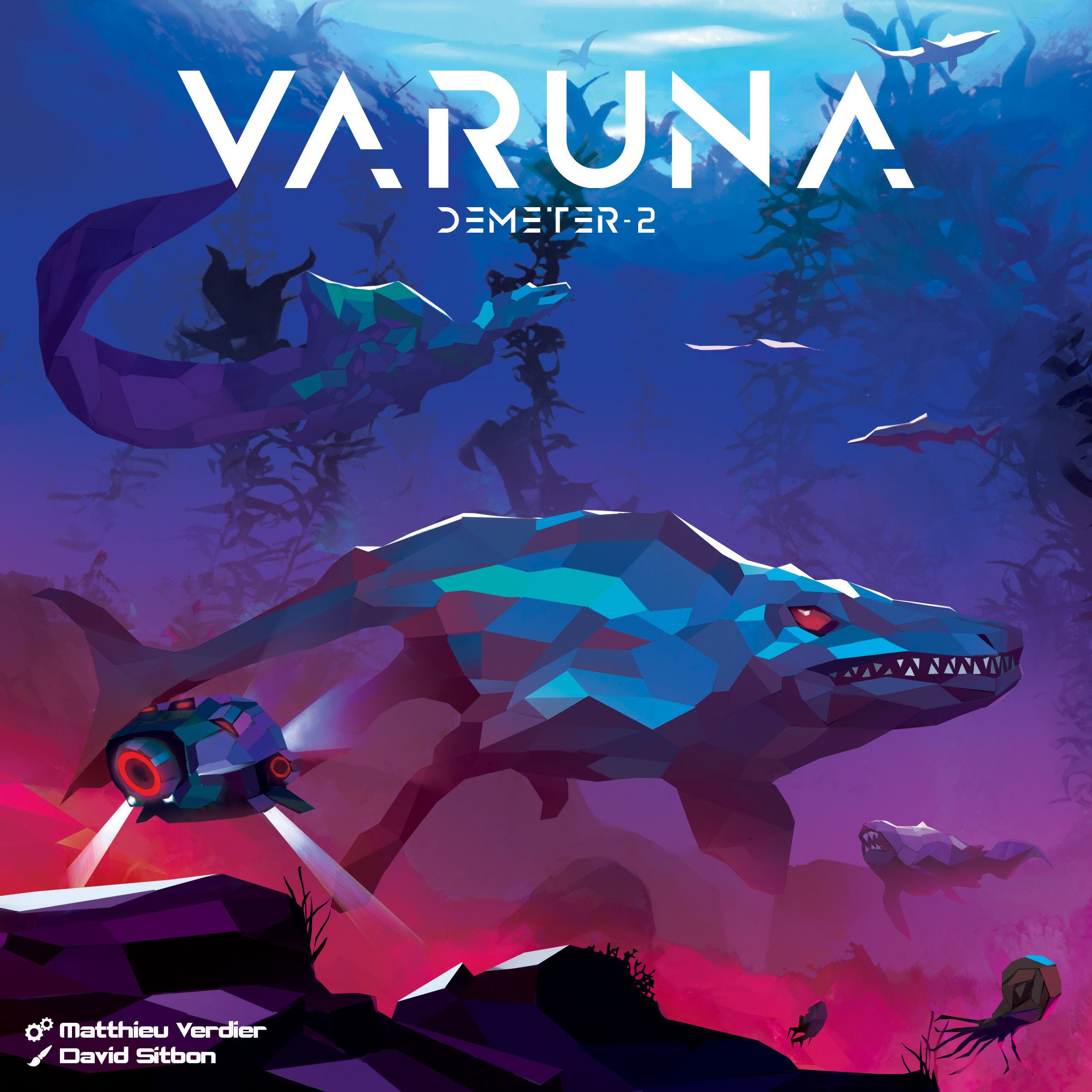
Varuna
2021- 1 à 100 joueurs
- 15 à 20 minutes
- Dès 14 ans
- 2 joueurs
- 60 à 240 minutes
- Dès 14 ans
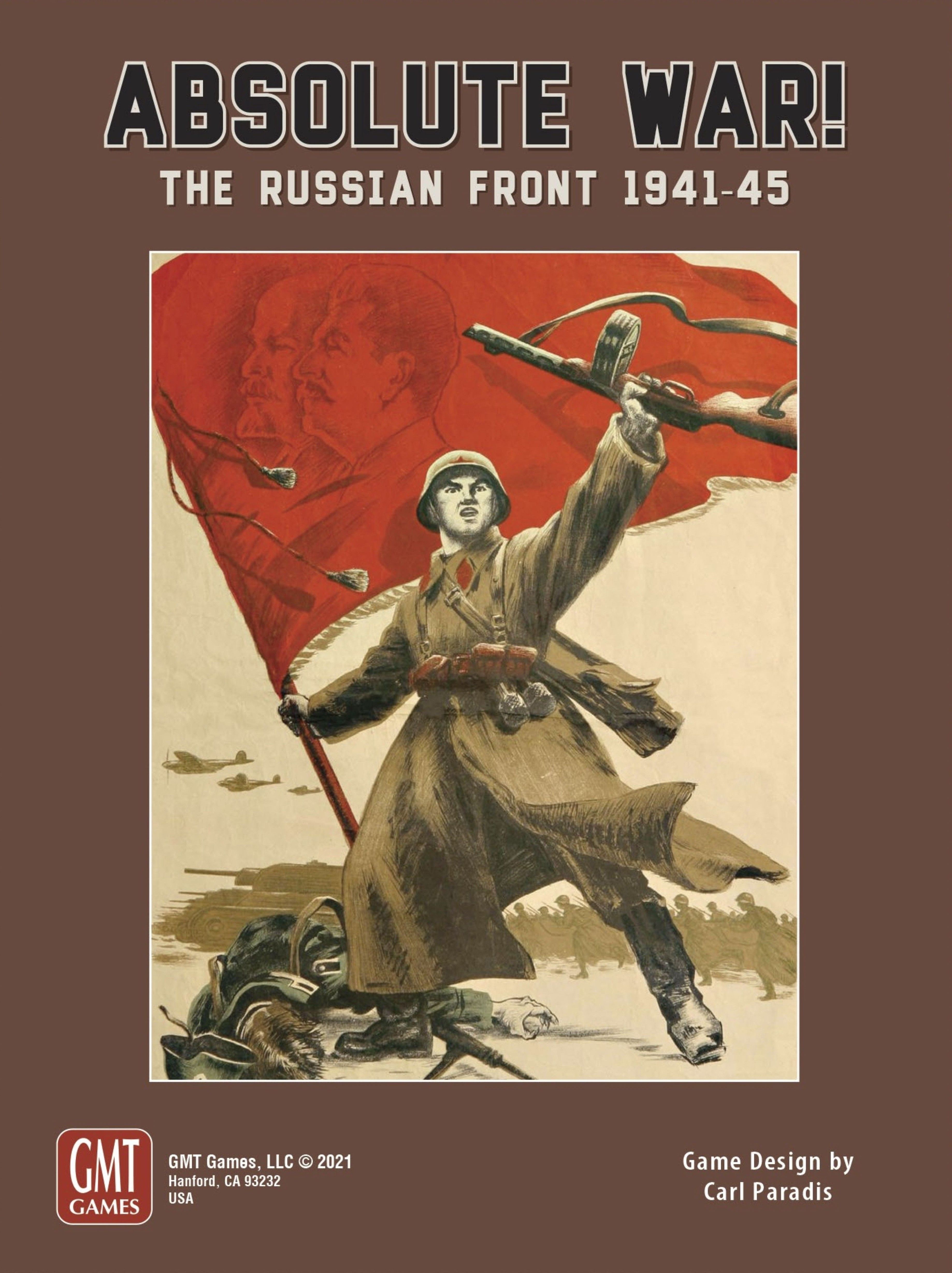
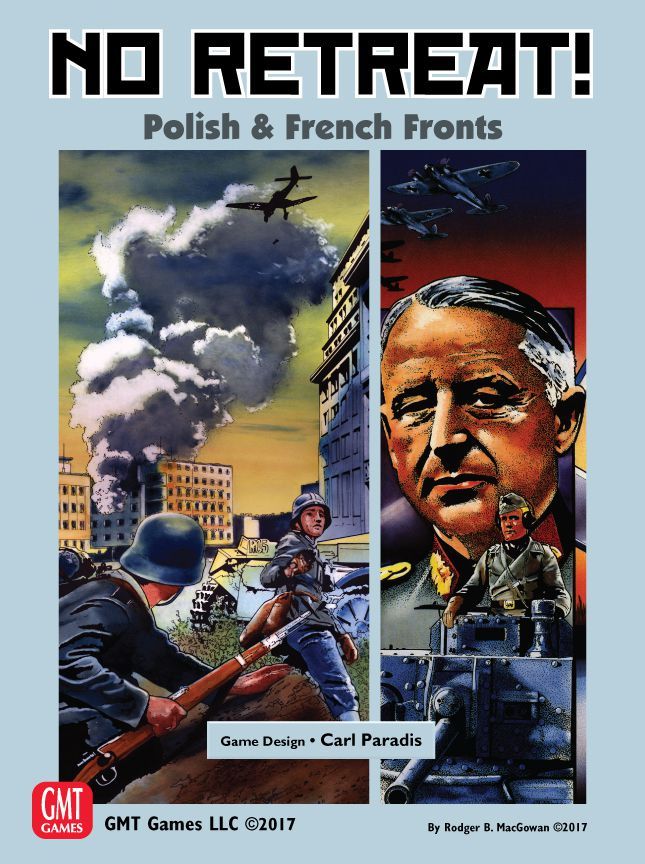
Two-player GMT wargame of the Eastern Front using card-driven combat instead of dice, with area movement, four scenarios and a full campaign.
par Carl Paradis
- 1 à 2 joueurs
- 120 minutes
- Dès 12 ans
par Jim Dunnigan
- 2 à 8 joueurs
- 120 minutes
- Dès 8 ans
- 2 à 6 joueurs
- Dès 10 ans
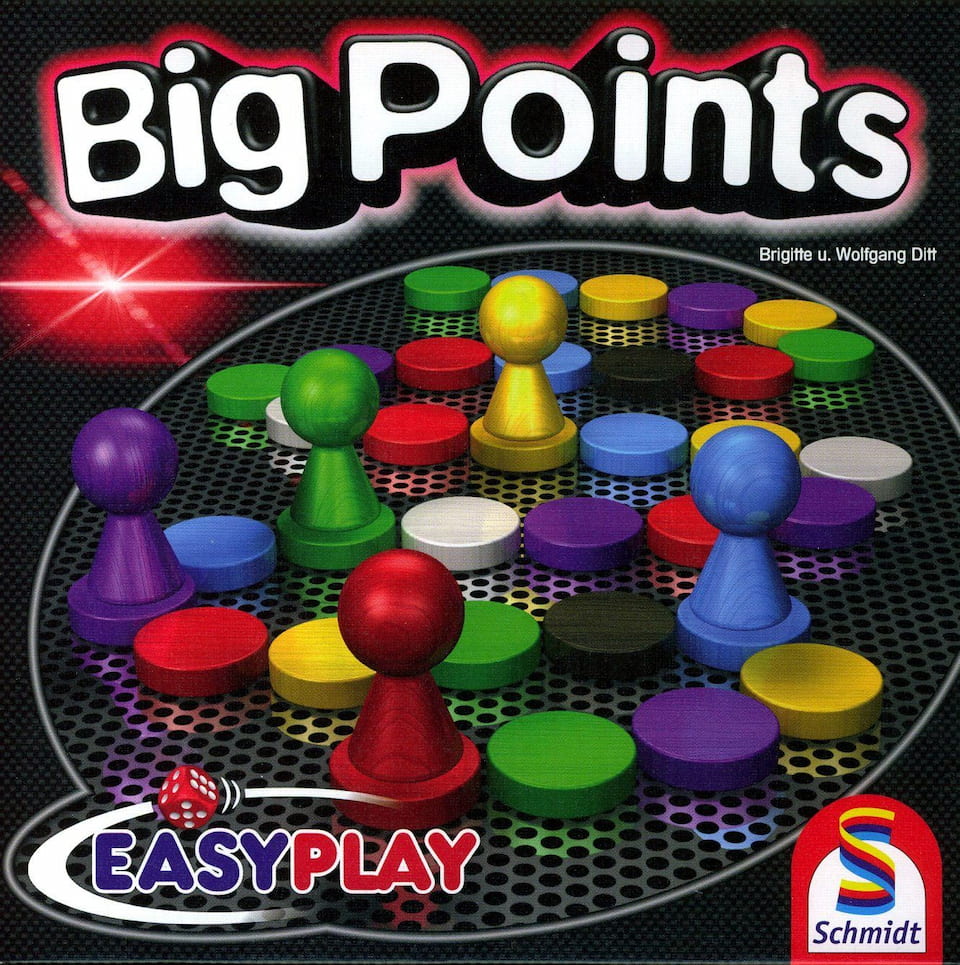
Big Points
2008Chess game for 2 to 5 players
- 2 à 5 joueurs
- 20 minutes
- Dès 8 ans
par Brigitte Ditt, Wolfgang Ditt
- 1 à 4 joueurs
- 120 à 240 minutes
- Dès 14 ans
- 2 à 4 joueurs
- 30 à 45 minutes
- Dès 13 ans
par Gary Arant, Justin Gary
- 2 à 4 joueurs
- 45 minutes
- Dès 15 ans
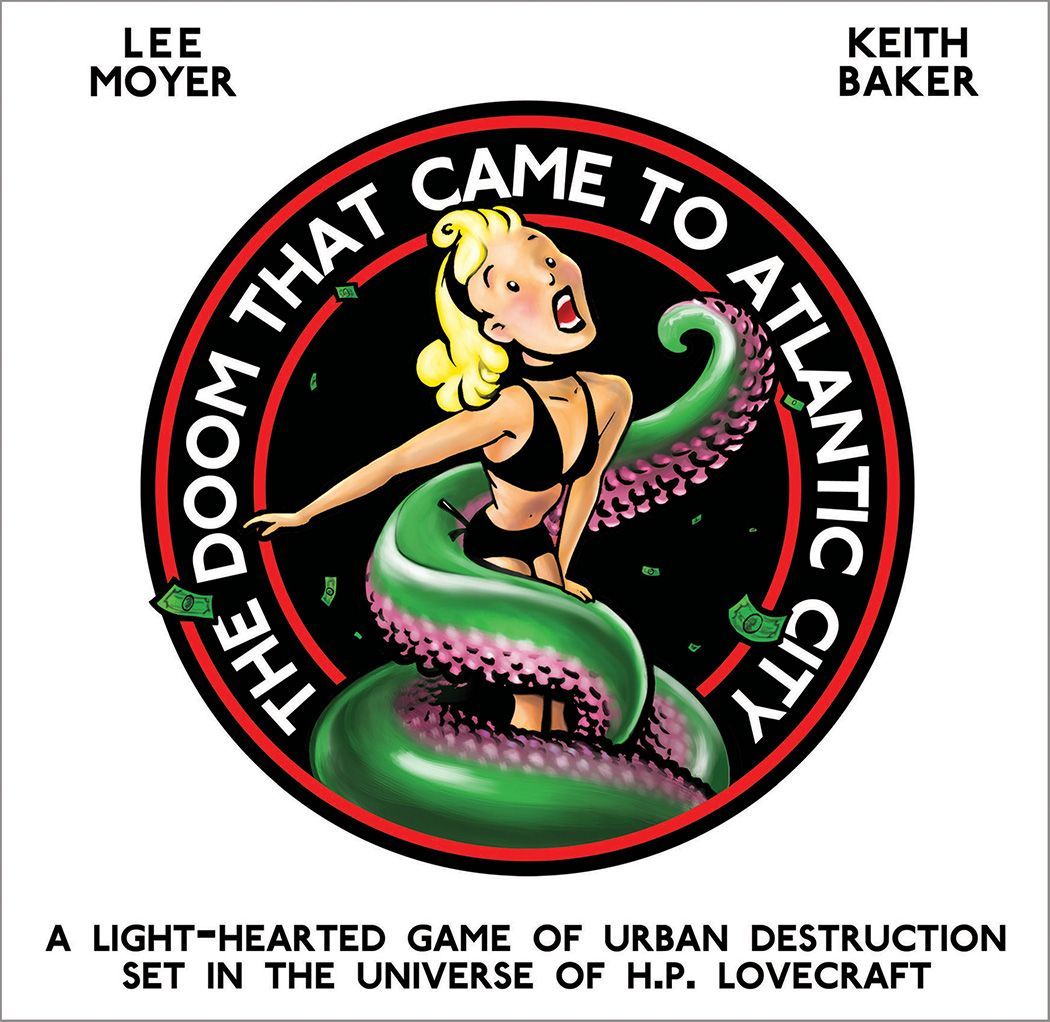
par Keith Baker
Cat Earth
2026Giant cats roam a flat world, knocking houses off the edge with movement cards.
- 2 à 4 joueurs
- 30 minutes
- Dès 8 ans
Cat Earth is a tabletop game designed by Gareth Edwards and published by Outset Media. It is a playful game about mischief on a flat world. Picture a flat planet overrun by oversized, troublemaking cats. Their favourite pastime is sending the buildings of the world tumbling over the edge into the abyss.
par Gareth Edwards
- 2 à 4 joueurs
- 20 minutes
- Dès 4 ans
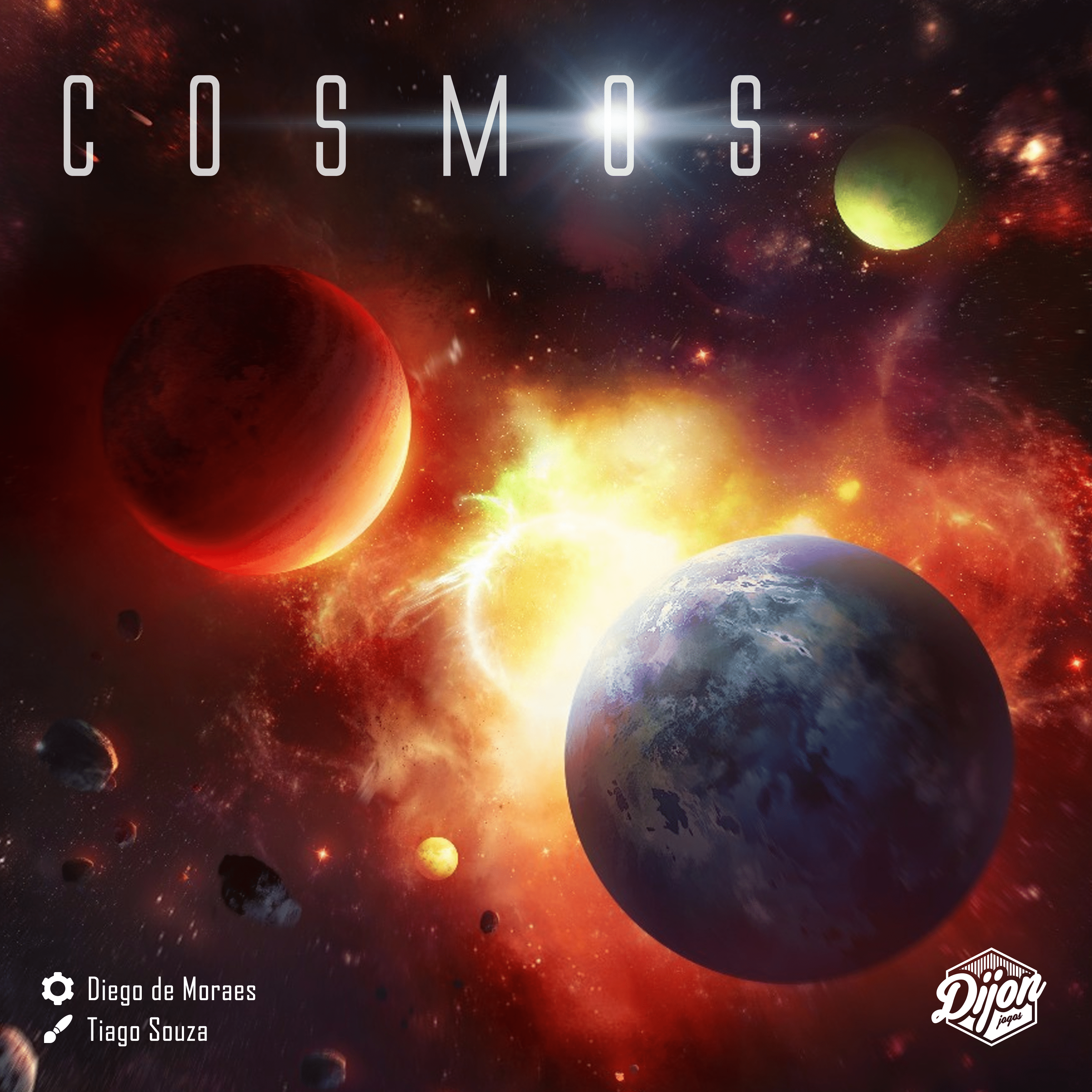
Cosmos
2020- 1 à 4 joueurs
- 60 à 90 minutes
- Dès 10 ans
- 2 à 4 joueurs
- 60 minutes
- Dès 10 ans
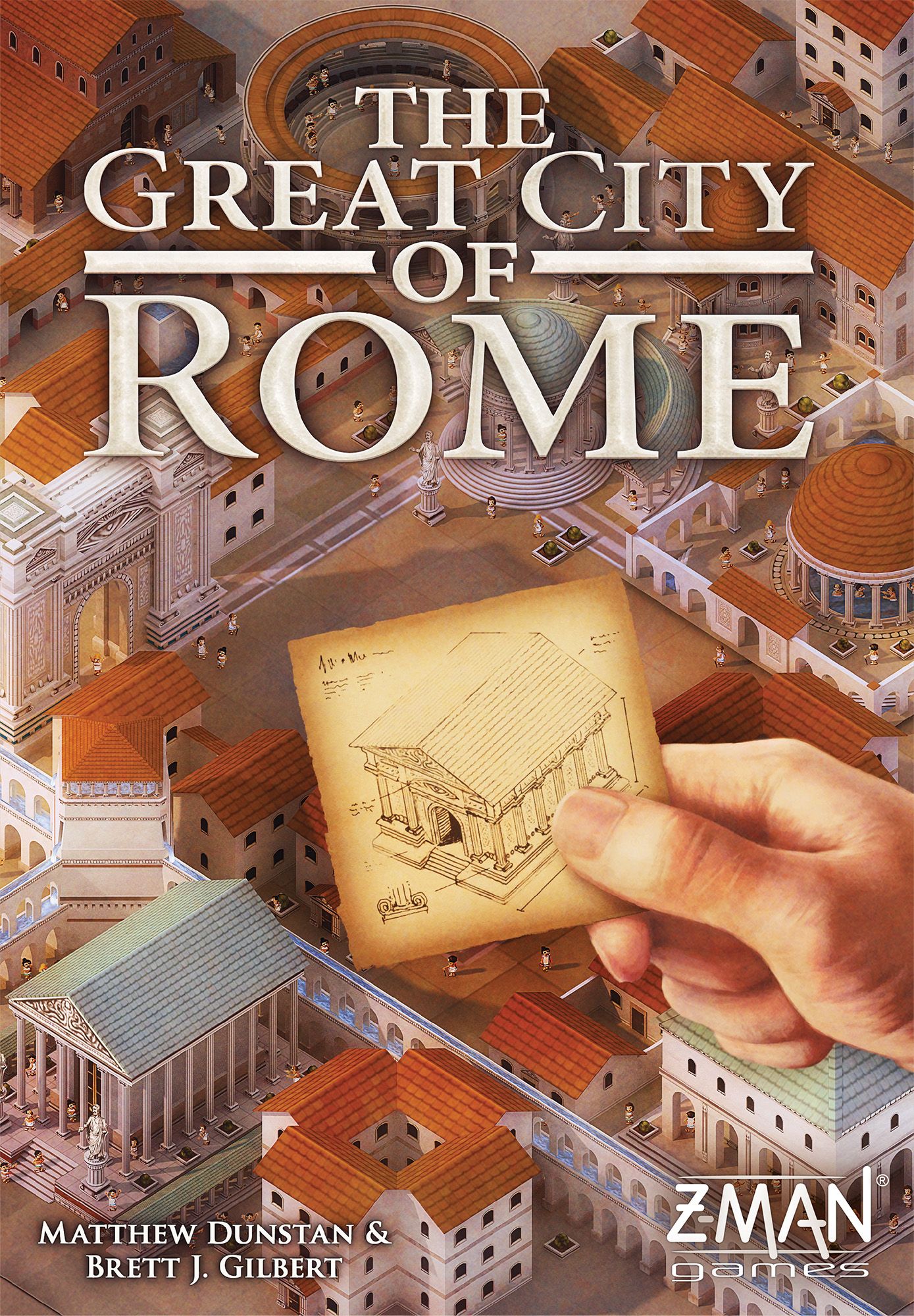
par Brett J. Gilbert, Matthew Dunstan
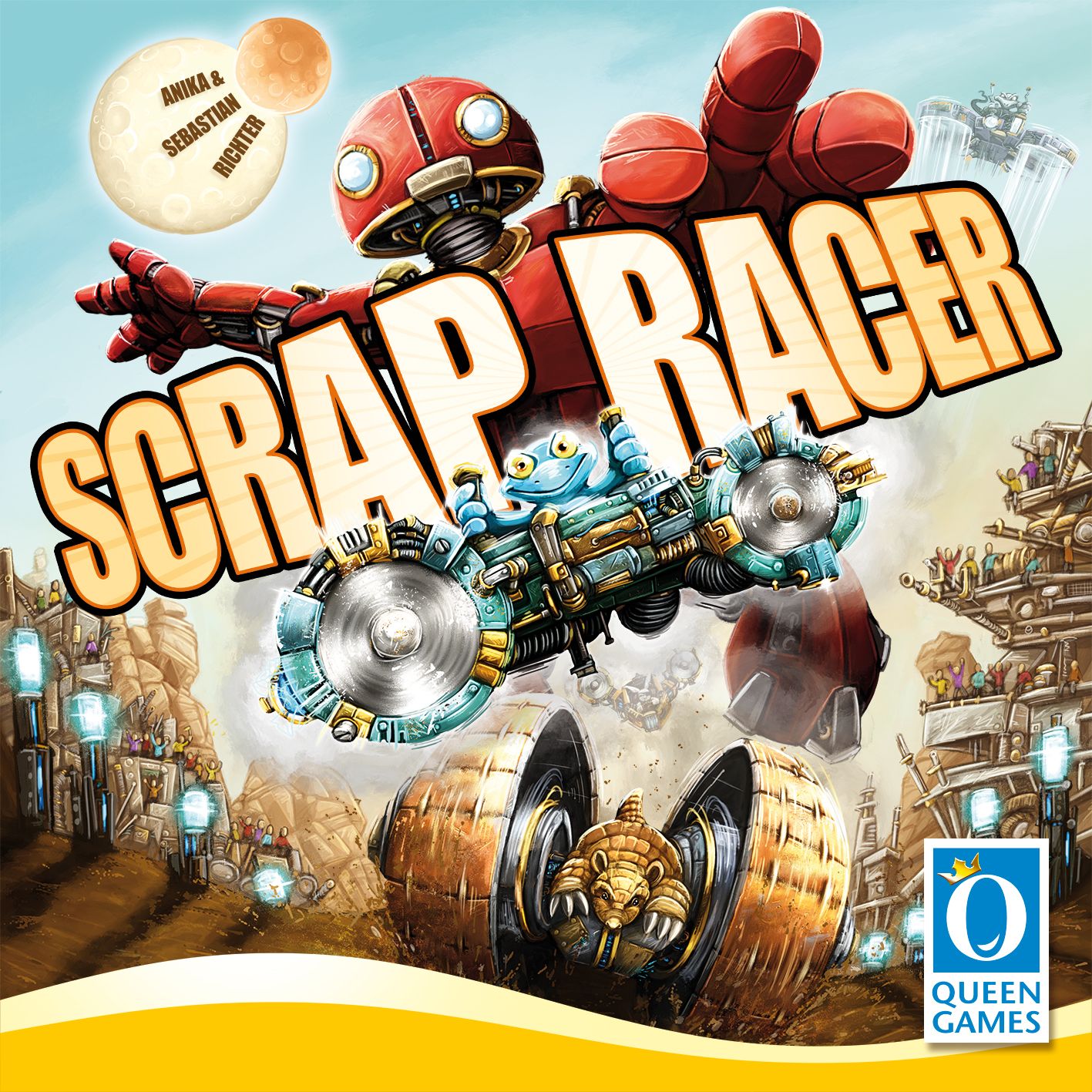
Scrap Racer
2021- 2 à 6 joueurs
- 20 à 45 minutes
- Dès 8 ans
A push-your-luck dice racing game from Queen Games for two to six players.
- 2 joueurs
- 180 minutes
- Dès 14 ans
par Carl Paradis
- 2 à 6 joueurs
- 60 à 240 minutes
- Dès 16 ans
Dark Horse
2012- 1 à 4 joueurs
- 90 minutes
- Dès 10 ans
- 2 joueurs
Five Lines is a two-player tables game from ancient Greece, known today by a modern name rather than an original one. Its ancient rules are only partly understood, so the modern account rests on scholarly reconstructions. You and your opponent each bring five pieces toward a central sacred line.
- 2 joueurs
- 360 minutes
- Dès 12 ans
par Rob Beyma
- Petteia
two-player strategy board game played throughout the Roman Empire
- 2 joueurs
- 20 minutes
- Dès 5 ans
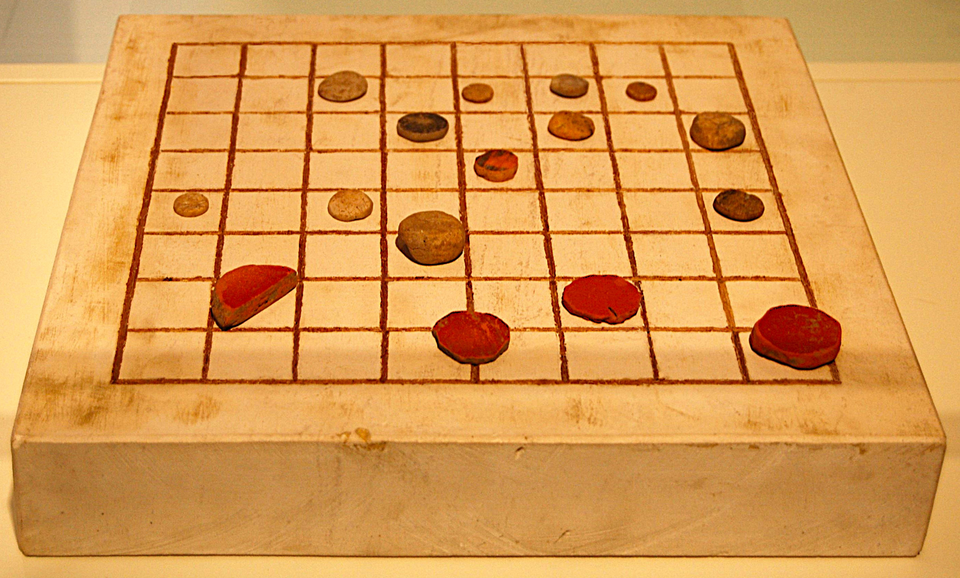
Petteia is a two-player strategy board game for ages 5 and up, taking about 20 minutes to play. It is also known by the Latin names ludus latrunculorum, latrunculi and latrones. The game is built around military tactics, and its Latin names mean brigands, mercenaries or soldiers.
Ratuki
2009- 2 à 5 joueurs
- 15 minutes
- Dès 8 ans
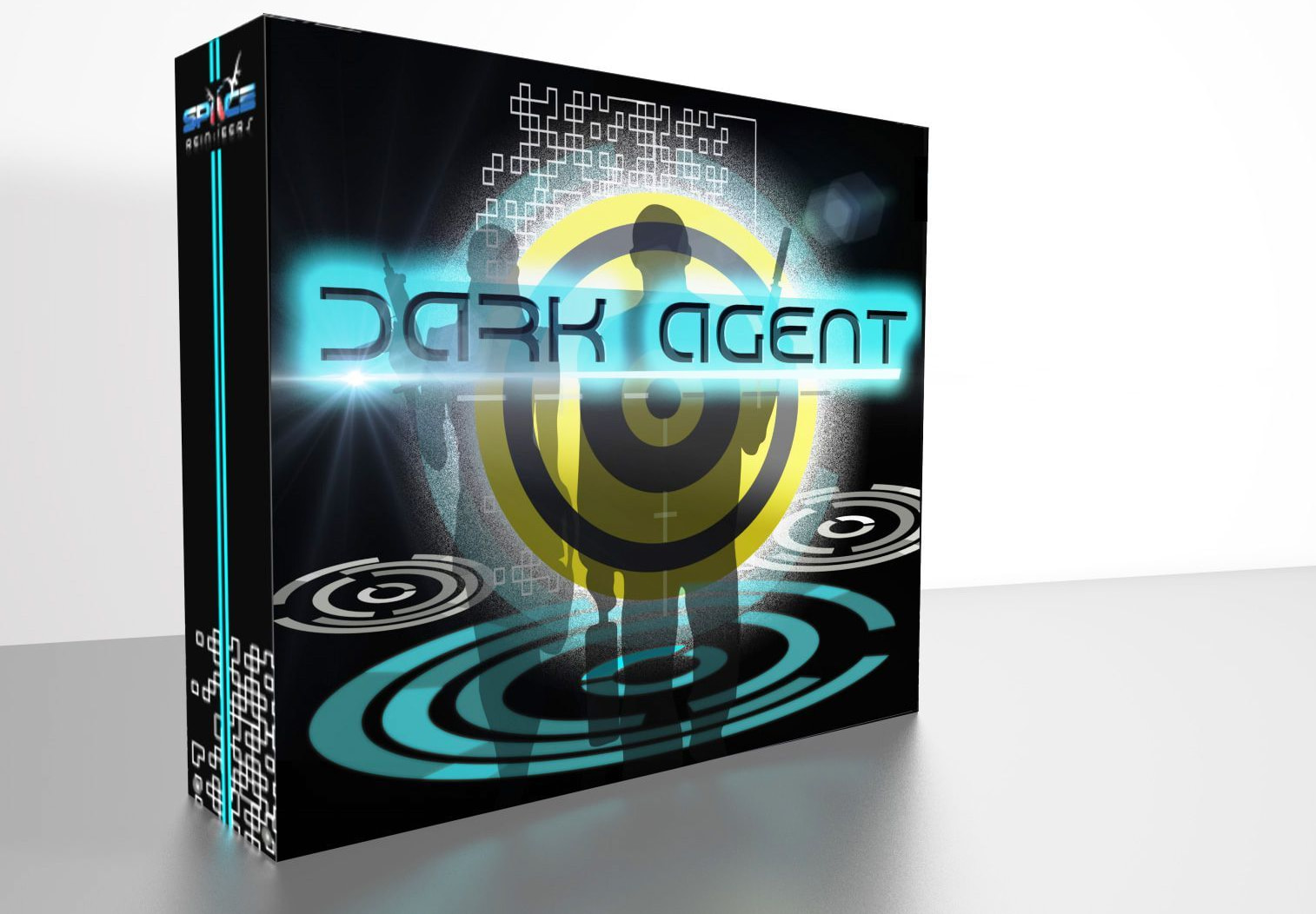
Dark Agent
2015- 1 à 6 joueurs
- 20 à 40 minutes
- Dès 14 ans
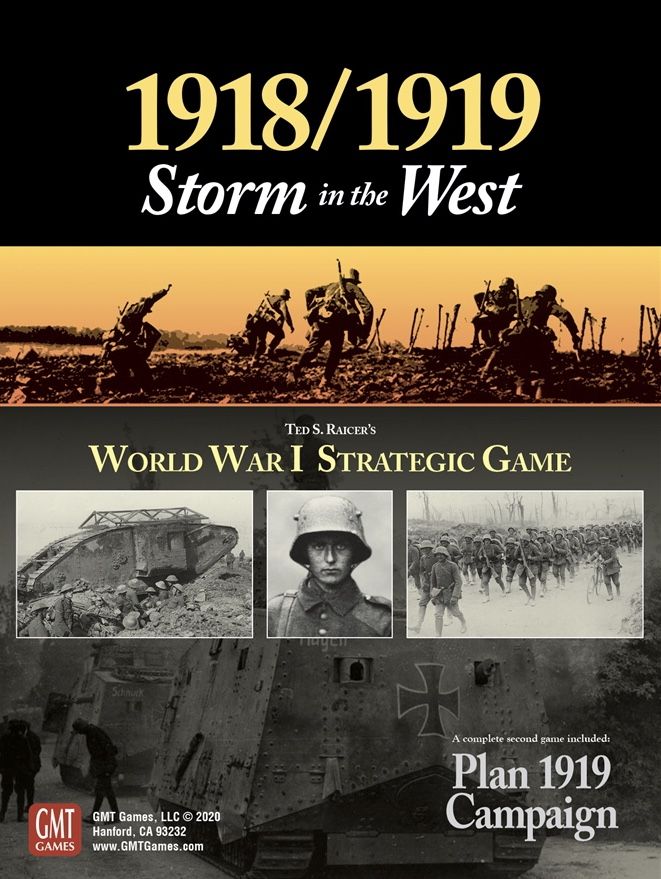
- 2 joueurs
- 240 minutes
- Dès 12 ans
par Ted Raicer
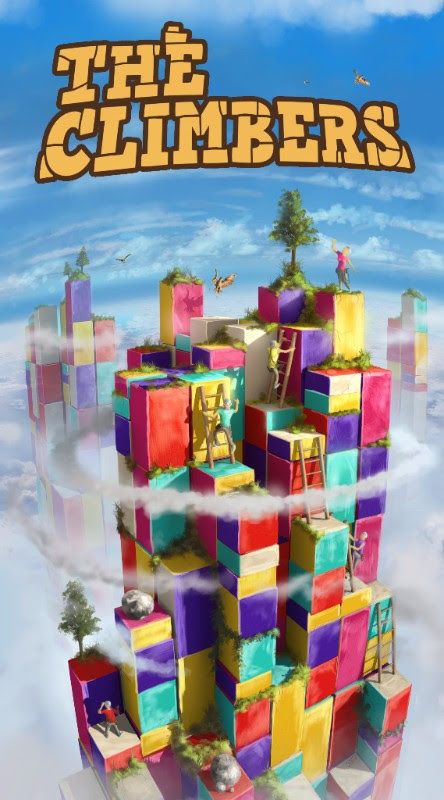
The Climbers
2008- 2 à 5 joueurs
- 45 minutes
- Dès 8 ans
- 2 à 5 joueurs