Chargement de la page…
- Spoons
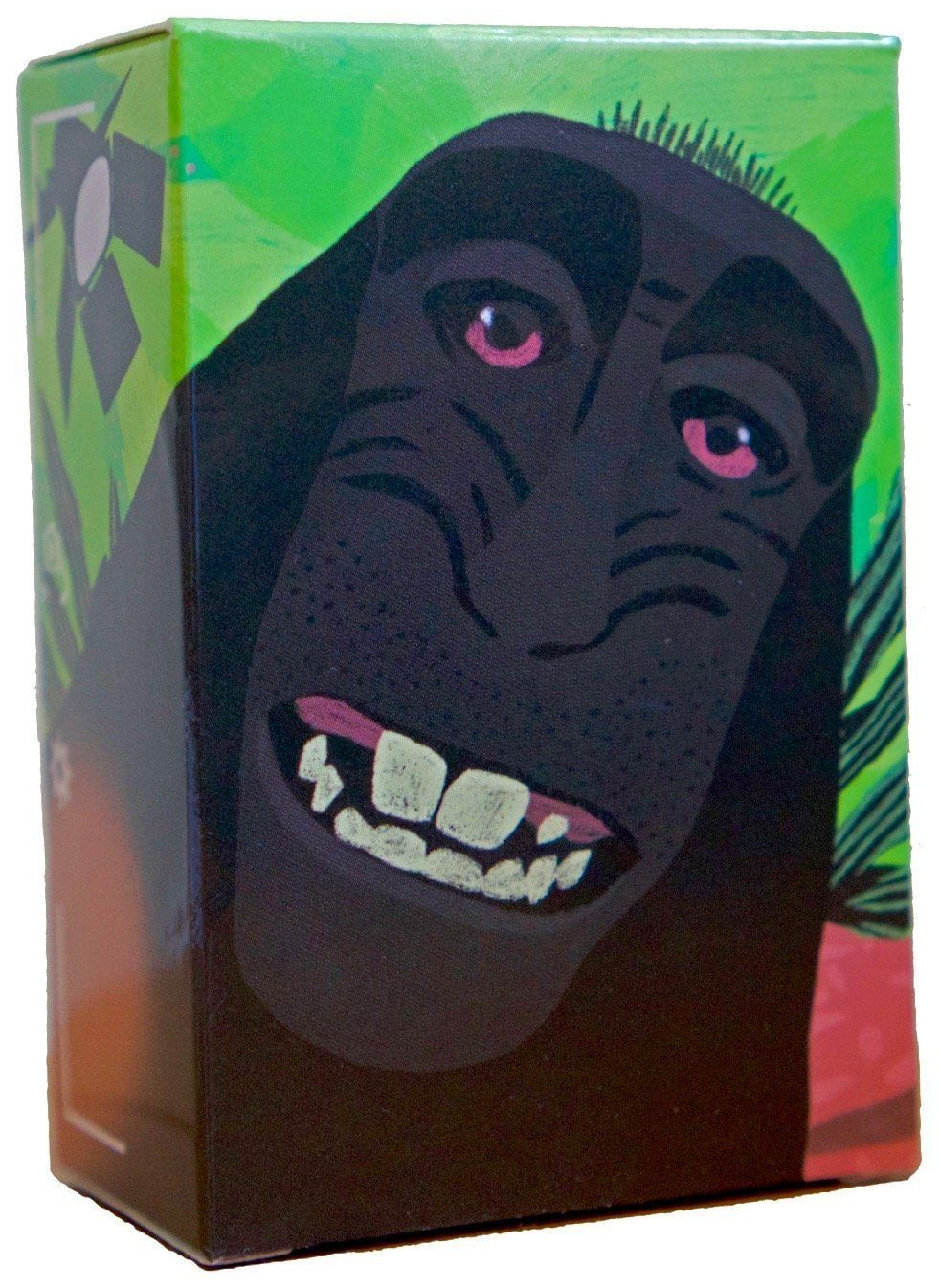
Bouchon
1972A simple early American card-collecting game, with a Philippine variant called 1-2-3 Pass.
- 4 à 13 joueurs
- 30 minutes
- Dès 8 ans
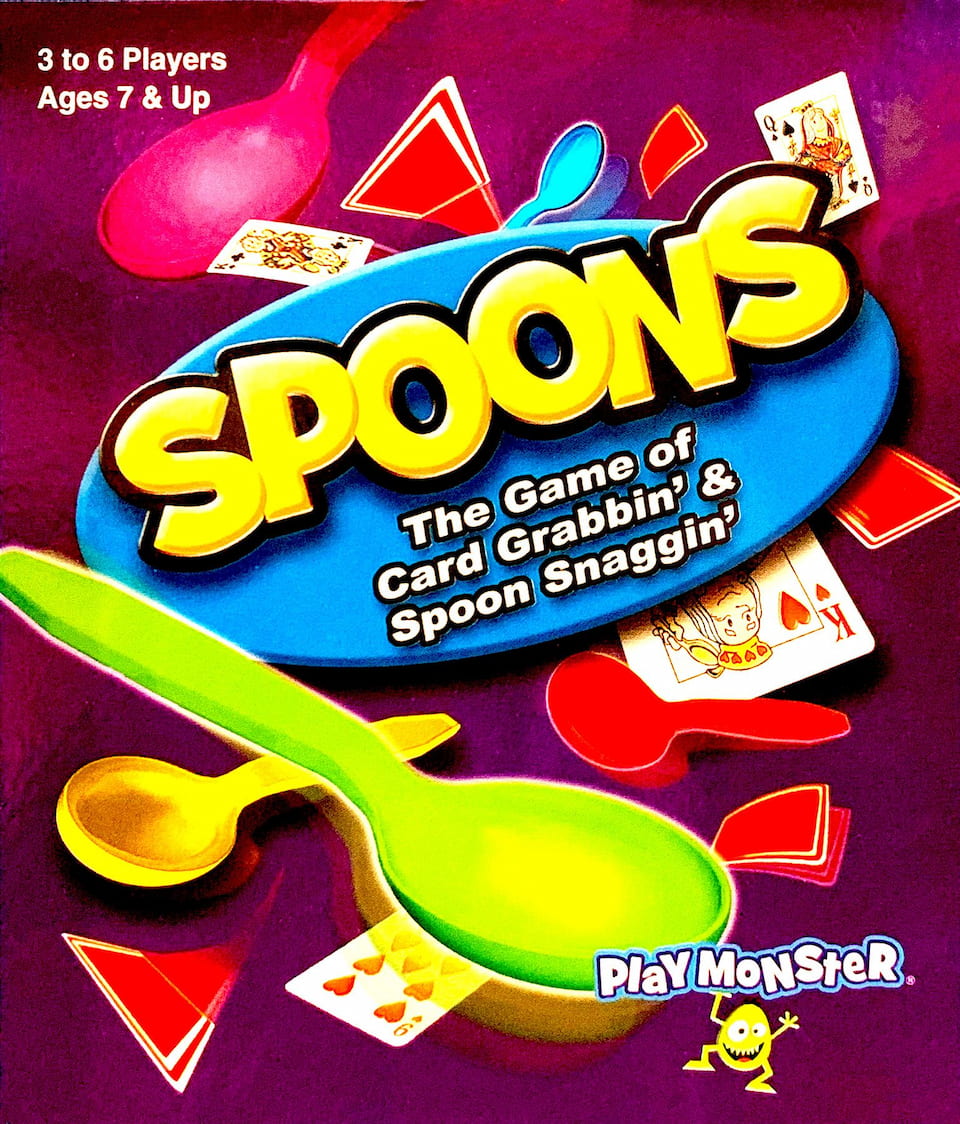
Spoons is a quick card game for 4 to 13 players, aimed at children aged 8 and up. It is published by Asmodee, Djeco, Crown & Andrews Ltd. and others, and is widely treated as a children's game. Spoons is a variant of donkey in which the objects grabbed are spoons.
Top Tier
2024- 3 à 18 joueurs
- 20 minutes
- Dès 12 ans
- 5 à 16 joueurs
- 30 minutes
- Dès 8 ans
- 1 à 100 joueurs
- 30 minutes
- Dès 10 ans
- 4 à 16 joueurs
- 45 minutes
- Dès 14 ans
A social deduction game where the Sailor Guardians must unmask a Daimon imposter among them by comparing answers.
- 3 à 12 joueurs
- Dès 10 ans
A simple adding card game where players keep a running total from climbing past 99.
- 2 à 13 joueurs
- 15 à 20 minutes
Ninety-Nine is a traditional, public-domain card game of simple addition, suited to any number of players from two upward. It needs only a standard deck of playing cards and some tokens, such as chips or coins, to track lives. Your aim is to avoid being the player who pushes the shared running total past 99.
- 2 à 12 joueurs
- 20 minutes
- Dès 8 ans
- 2 à 12 joueurs
- 150 minutes
- Dès 12 ans
- 2 à 12 joueurs
- 30 minutes
- Dès 13 ans
- 4 à 30 joueurs
- 30 minutes
- Dès 8 ans
- 2 à 12 joueurs
- 60 minutes
- Dès 12 ans
par Larry Balsamo, Sandra Bergeson
- 2 à 12 joueurs
- 30 à 45 minutes
- Dès 13 ans
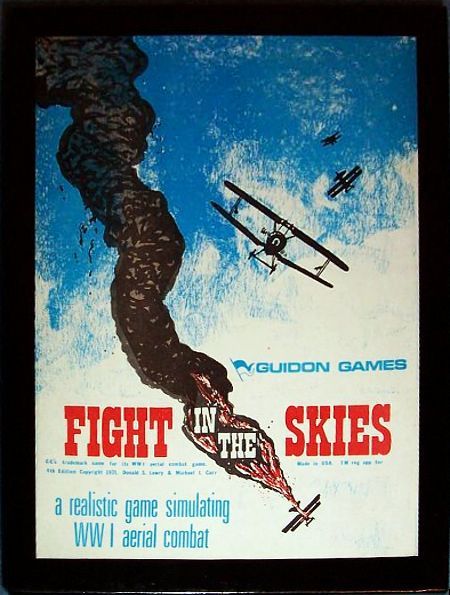
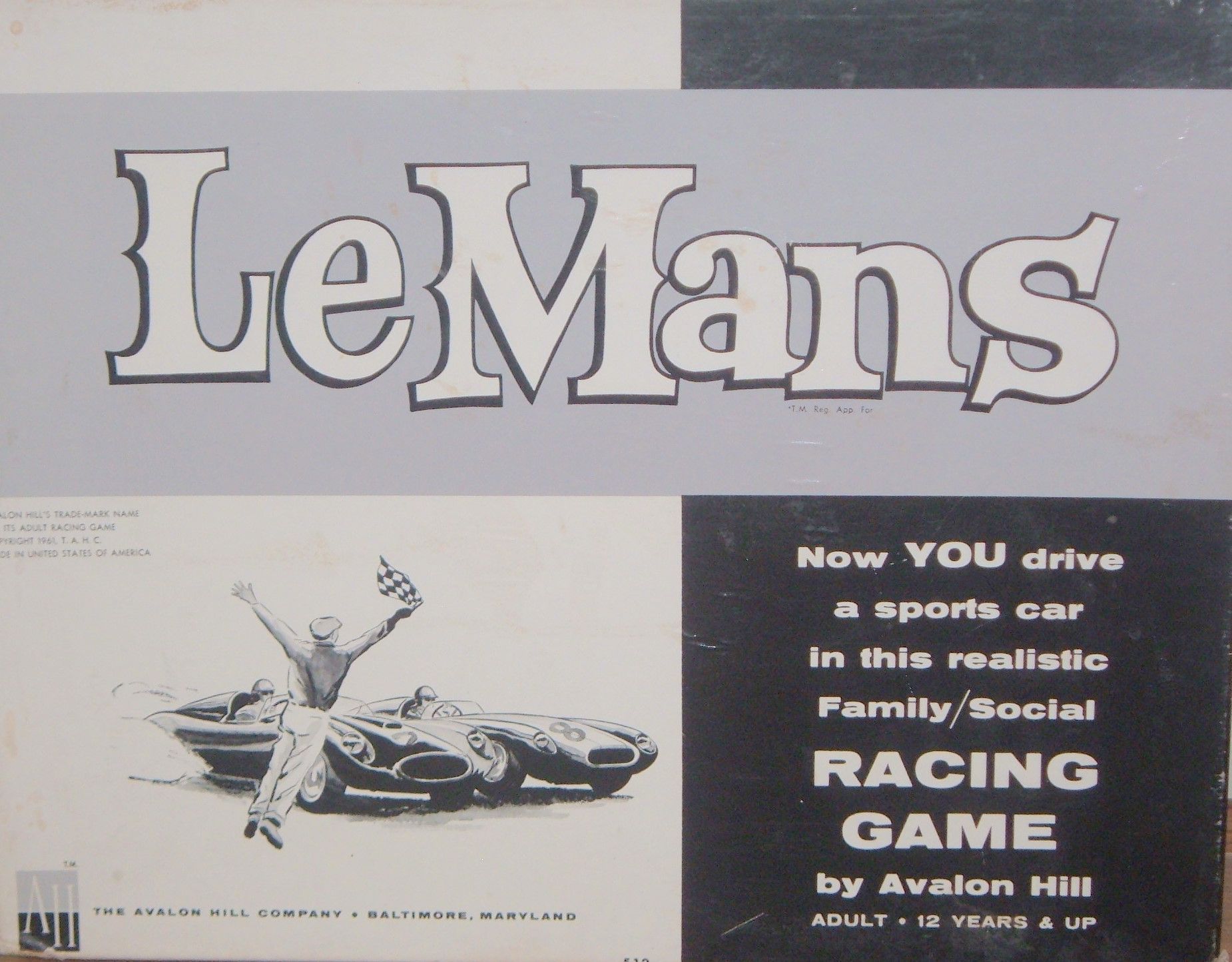
A World War I air combat wargame that has appeared on every Gen Con schedule since Gen Con I.
- 2 à 52 joueurs
- 30 à 120 minutes
- Dès 12 ans
This board wargame, also called Dawn Patrol, is for 2 to 52 players, runs 30 to 120 minutes and suits ages 12 and up. Mike Carr created it. The game recreates aerial combat from the First World War era, with fighters squaring off over the front.
- Hellapagos
Galèrapagos
2017- 3 à 12 joueurs
- 20 minutes
- Dès 10 ans
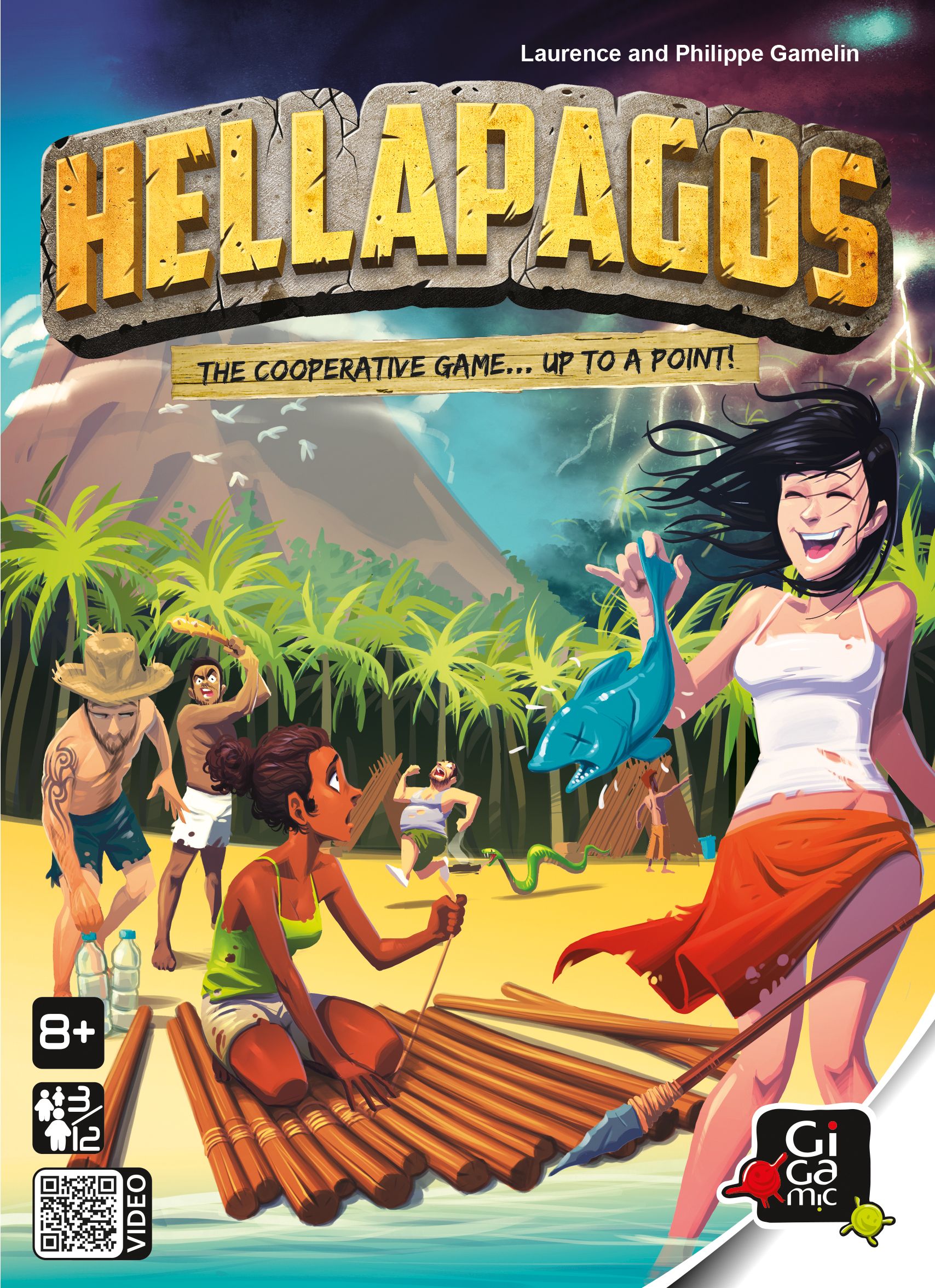
Hellapagos is a semi-cooperative party game for three to twelve players, designed by Laurence and Philippe Gamelin and published by Gigamic in 2017. You are a group of castaways on a desert island where food and water are scarce, and you must build a large raft before a hurricane arrives.
Gigamic
- 4 à 12 joueurs
- 45 minutes
par Peter Sarrett
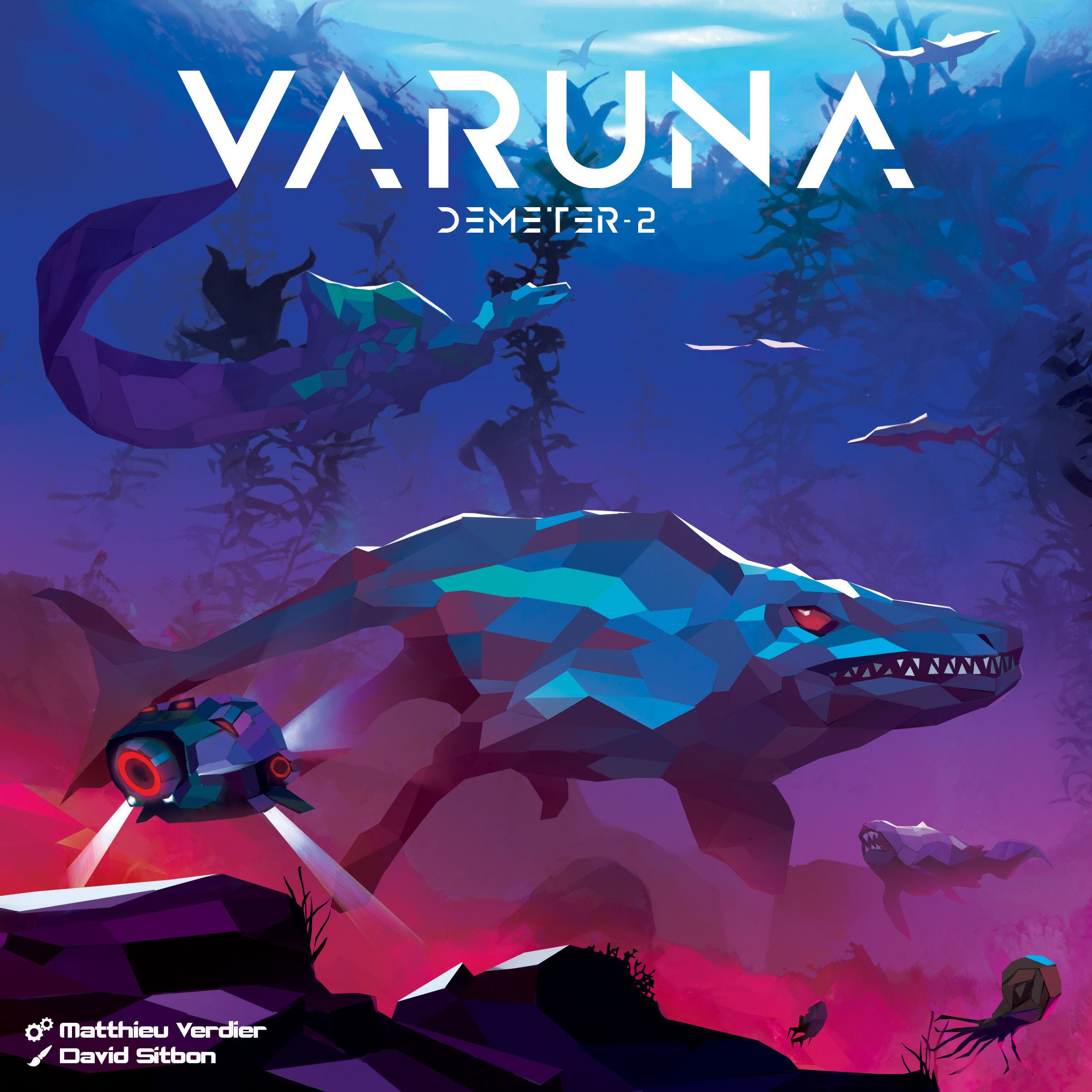
Varuna
2021- 1 à 100 joueurs
- 15 à 20 minutes
- Dès 14 ans
- 1 à 12 joueurs
- 20 minutes
- Dès 6 ans
par Rory O'Connor
- 2 à 99 joueurs
- 15 à 60 minutes
- Dès 18 ans
Défifoo
1998- 3 à 33 joueurs
- 60 minutes
- Dès 8 ans
Défifoo is a party game by Olivier Finet, published by Milton Bradley and first released in 1998. Players are split into teams: at each round two teams compete in a challenge while a third team acts as referee, and then the roles rotate.
par Olivier Finet · Milton Bradley
- 4 à 20 joueurs
- 30 à 60 minutes
- Dès 18 ans
par Alex Hague, Justin Vickers
- 3 à 18 joueurs
- 45 minutes
- Dès 10 ans
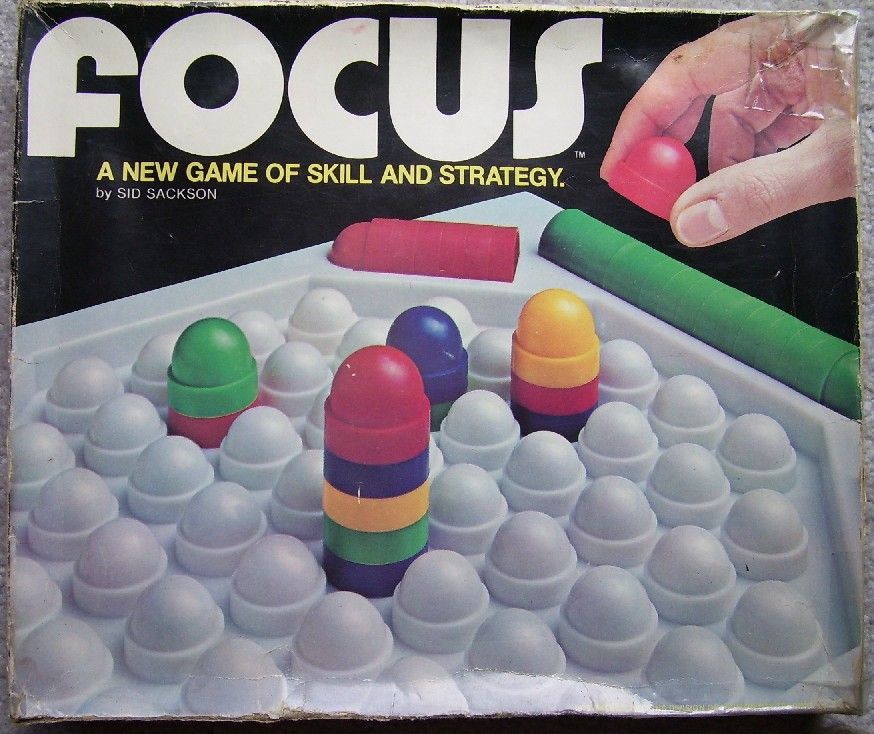
An abstract strategy game for ages 10 and up, devised by Sid Sackson and first released by Kosmos in 1963. Players compete for control of a shared board by sending stacks of their pieces across it. Your aim is to remain in the contest longer than your rivals.
par Sid Sackson