Loading the page…
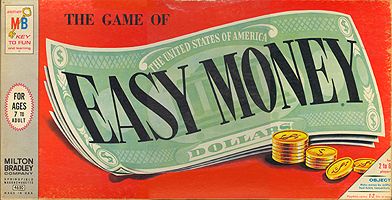
Easy Money
1935Monopoly's 1935 cousin: unowned utilities are auctioned and the richest net worth wins.
- 2 to 8 players
- 120 minutes
- Ages 7 and up
Easy Money is a 1935 board game for 2 to 8 players aged 7 and up, also published by Somerville and Winning Moves Games alongside Milton Bradley. Players start with money and move around the board buying properties, collecting rent and trading them. Your aim is to stay solvent while rivals run out of cash.
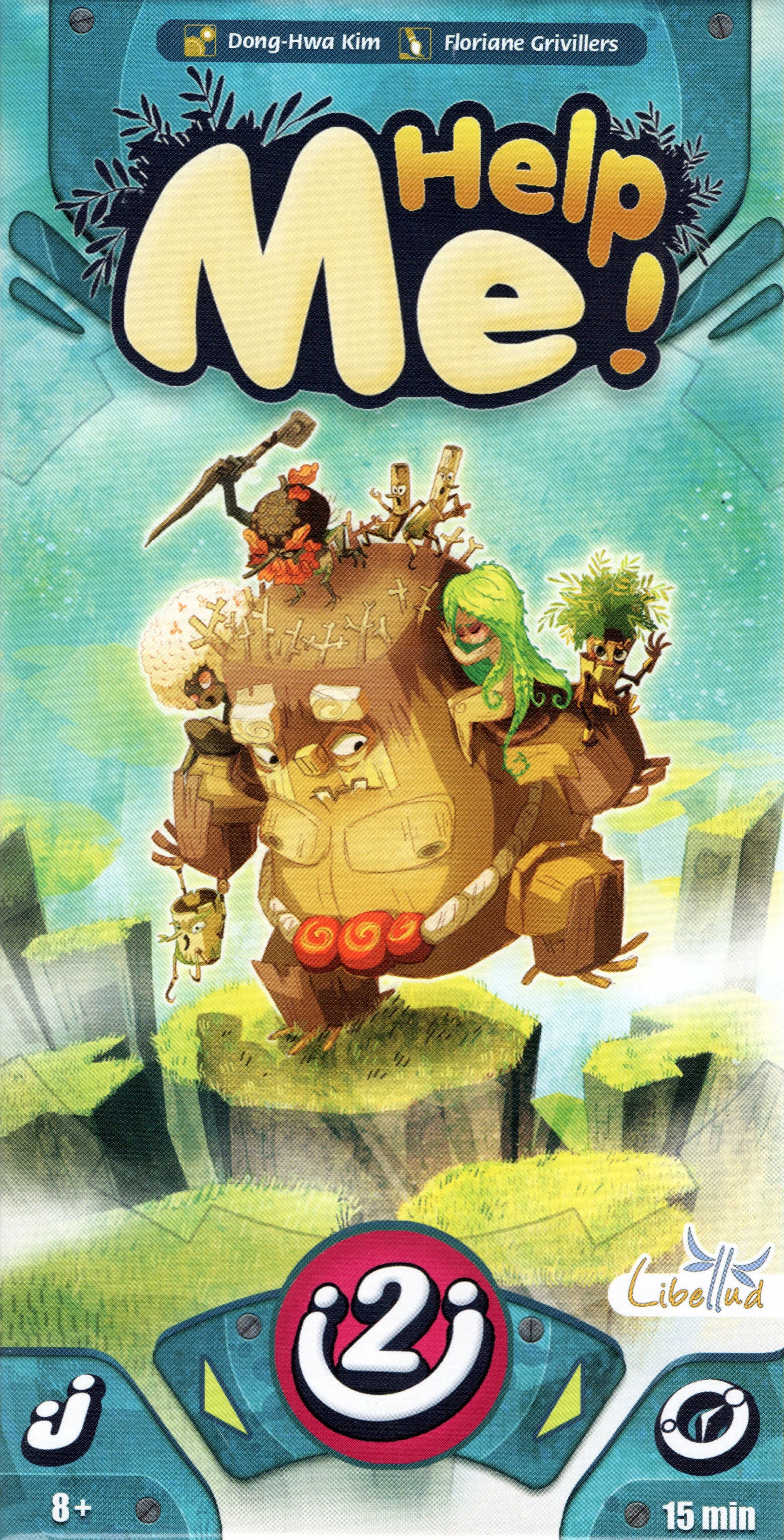
Help Me!
2011- 2 to 6 players
- 10 minutes
- Ages 7 and up
- 3 to 8 players
- 15 minutes
- Ages 7 and up
by Pierrick Yakovenko, Thomas Vuarchex
Handmade, unpainted epoxy resin polyhedral RPG dice set with sharp razor edges and golden foil.
- 2 to 8 players
- 10 minutes
- Ages 5 and up
A seven-piece set of handmade, razor-edged polyhedral dice for tabletop role-playing games, made by the manufacturer Bescon. It is a physical accessory rather than a rules-based game, so it has no players, turns or winners of its own; it supplies the dice that any game calling for them can use.
- 4 players
- 45 minutes
- Ages 8 and up
by Richard Tait, Whit Alexander
- 1 to 6 players
- 15 to 30 minutes
- Ages 8 and up
- 2 to 4 players
- 10 to 30 minutes
- Ages 8 and up
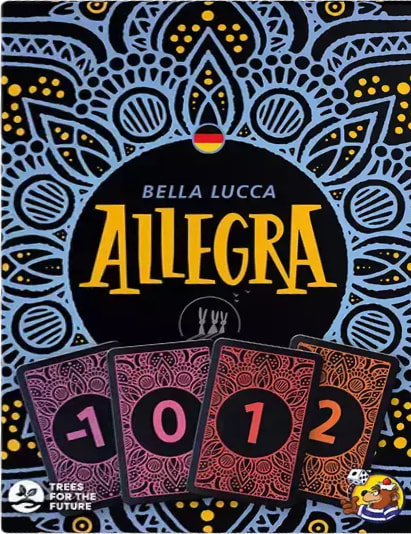
Allegra
2026A semi-cooperative card-laying game of hidden and revealed values, where players try to keep their card total low.
- 2 to 6 players
- 30 minutes
- Ages 8 and up
Allegra is a card game for two to six players by designer Bella Lucca, published in German by HeidelBÄR Games. It is a light-to-medium card game with a family-friendly weight, built on the same family of games that is widely known as Golf. You want to keep the total of your own card values as low as possible.
by Bella Lucca
- 2 to 4 players
- 5 minutes
- Ages 4 and up
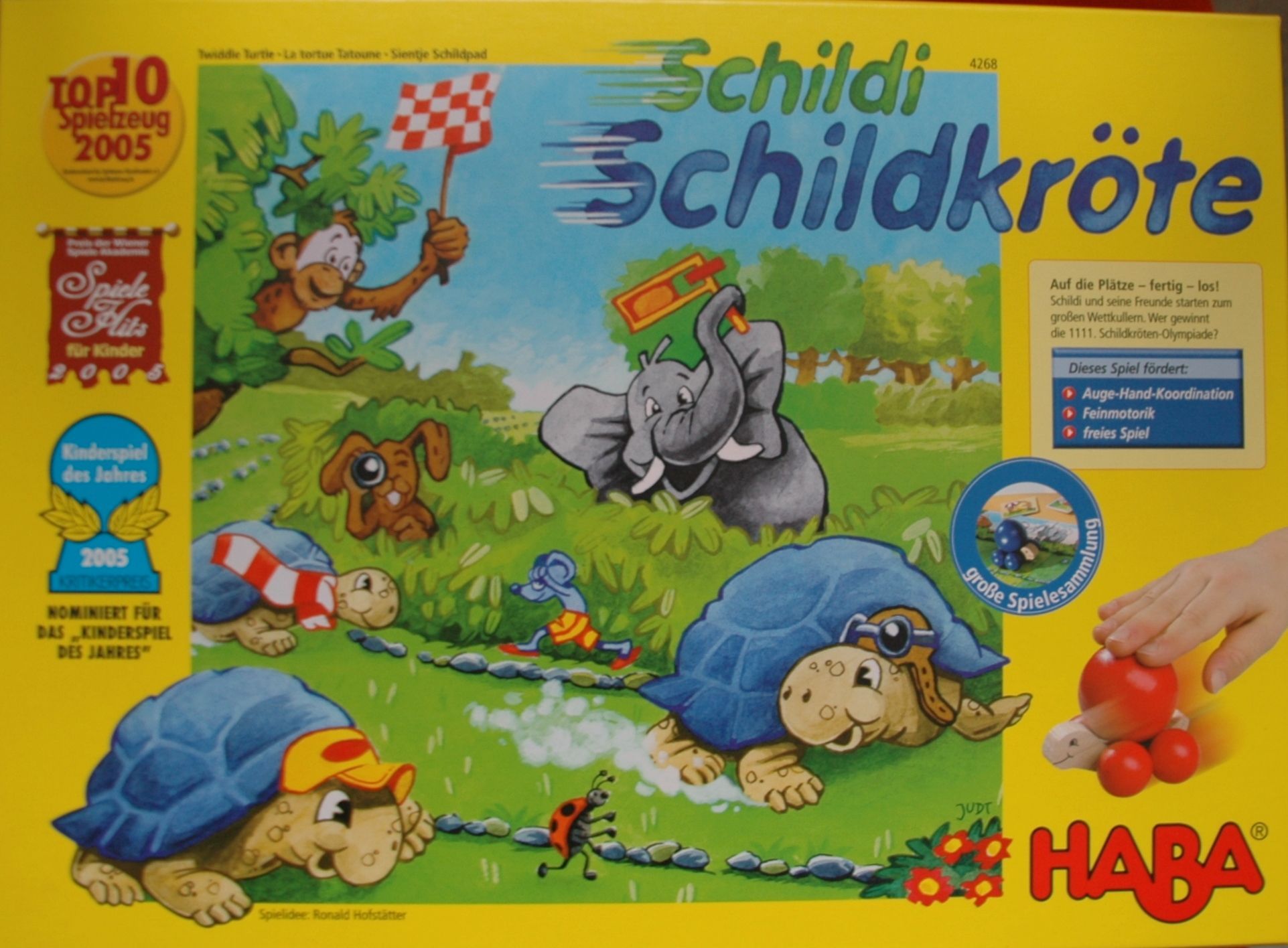
by Ronald Hofstätter
- 2 players
- 30 minutes
- Ages 8 and up
by Craig Van Ness
- 1 to 3 players
- 10 to 20 minutes
- Ages 8 and up
- 2 to 4 players
- 15 minutes
- Ages 4 and up
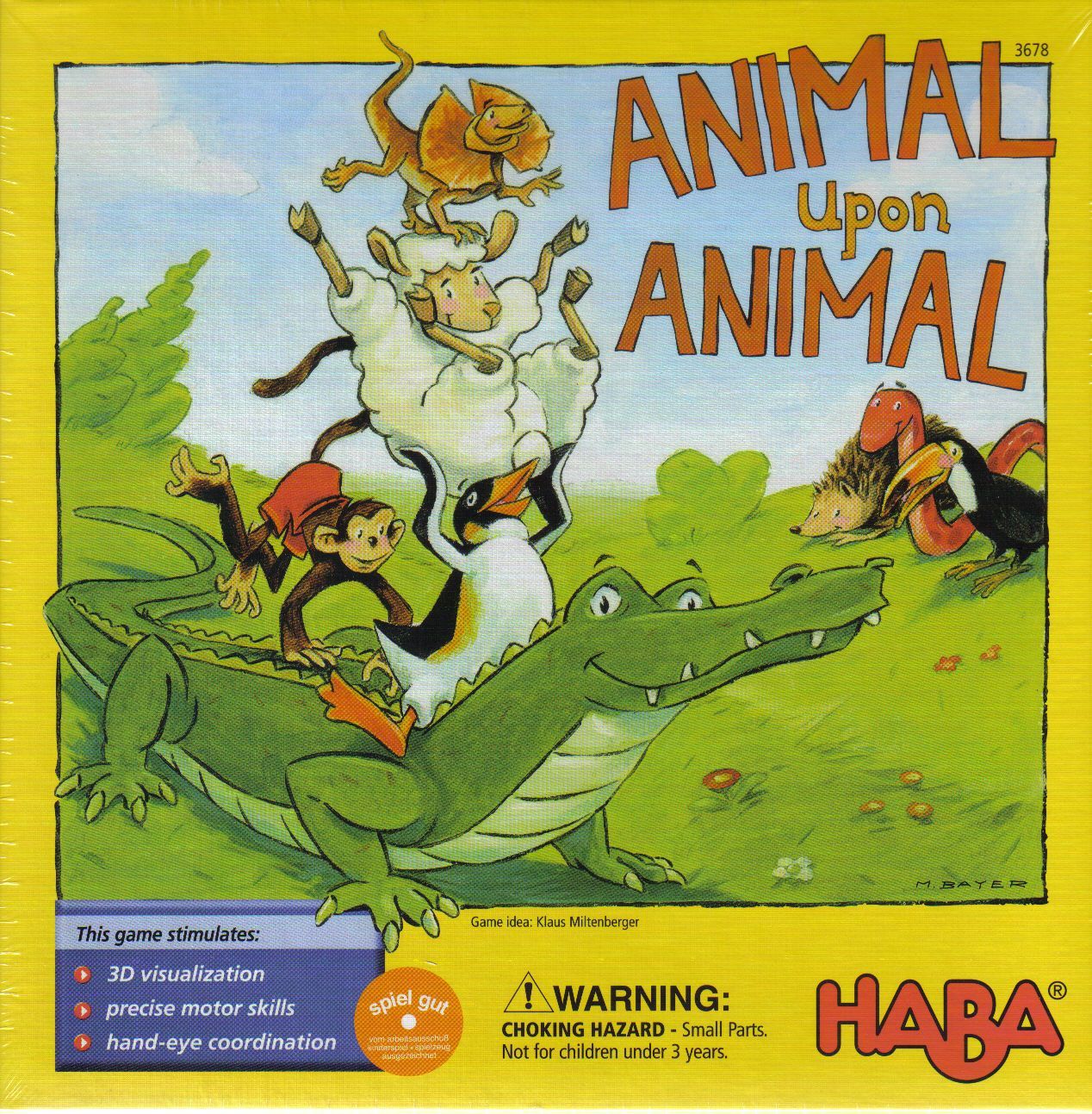
A dexterity and stacking game for two to four players, designed by Klaus Miltenberger and published by HABA. Players build a tall, wobbly pyramid of wooden animals: crocodiles, toucans, sheep, snakes, monkeys, penguins, hedgehogs and lizards.
by Klaus Miltenberger
- 2 to 4 players
- 20 to 30 minutes
- Ages 8 and up
- 2 to 4 players
- 30 minutes
- Ages 8 and up
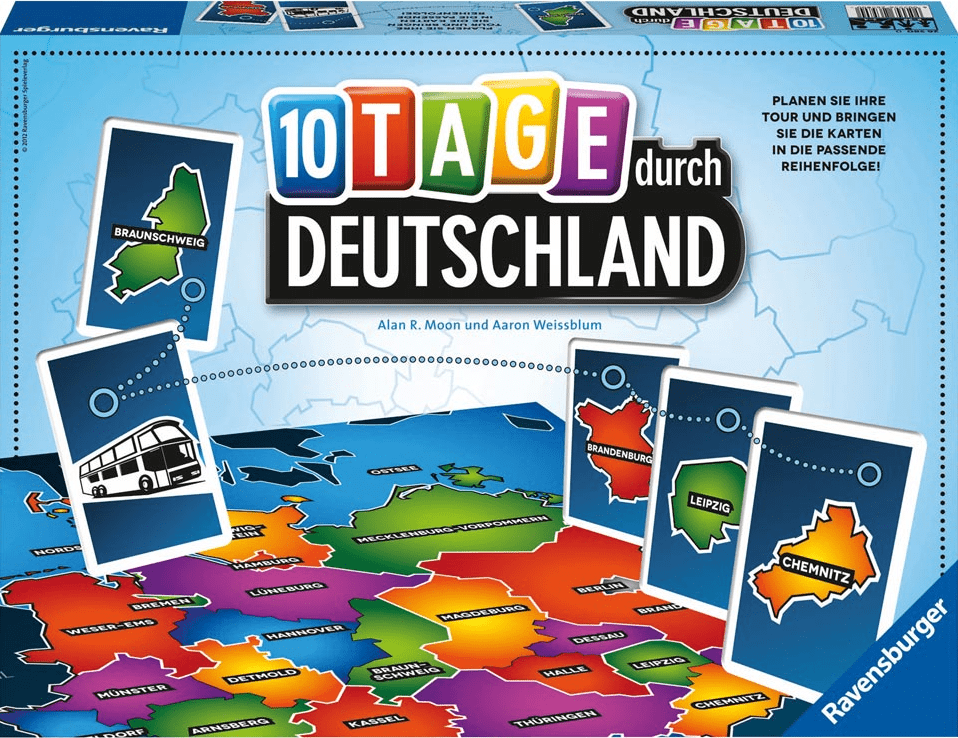
by Aaron Weissblum, Alan R. Moon
A village party game of bluffing and hidden werewolves for 5 to 68 players.
- 5 to 68 players
- 30 to 90 minutes
- Ages 8 and up
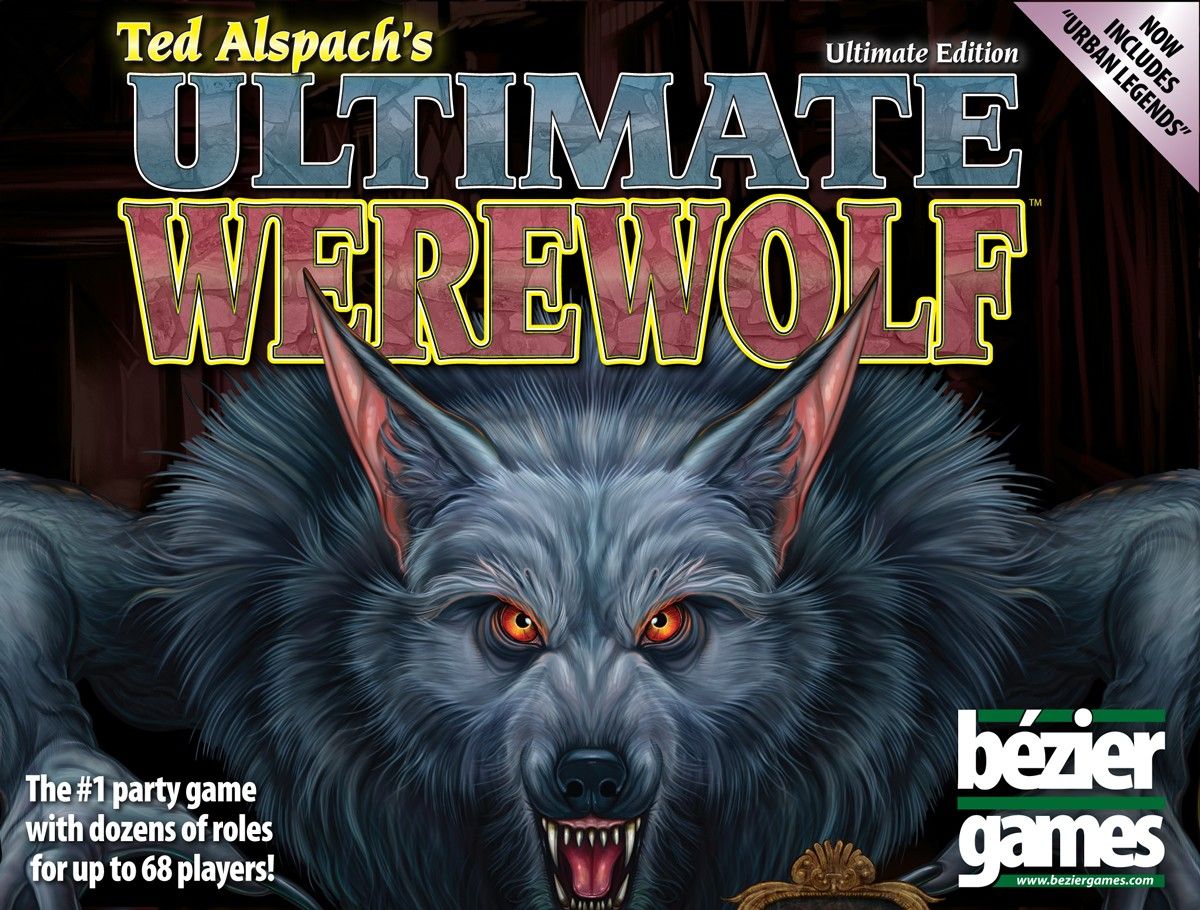
Ultimate Werewolf: Ultimate Edition is a party game for 5 to 68 players aged 8 and up, playing in 30 to 90 minutes. Ted Alspach designed it in 2008, and several publishers, including Arclight and Hobby World, have released it.
by Ted Alspach
- 3 to 4 players
- 20 to 30 minutes
- Ages 6 and up
by Forrest-Pruzan Creative
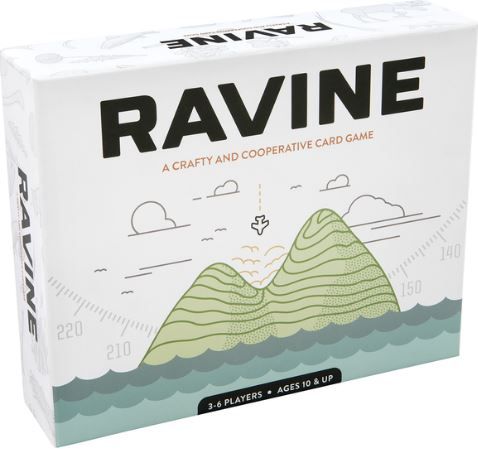
Ravine
2017- 3 to 6 players
- 15 to 20 minutes
- Ages 7 and up
Crazy Taco
2021- 1 to 2 players
- 20 to 30 minutes
- Ages 8 and up
A dice-driven worker-management game in which you run a Mexican fast-food restaurant, using a manager die, worker dice and an intern die to serve customers and earn money. It is mainly a solo game but also supports head-to-head play for two.
- 2 to 4 players
- 25 minutes
- Ages 5 and up
- 1 player
- 5 to 10 minutes
- Ages 8 and up
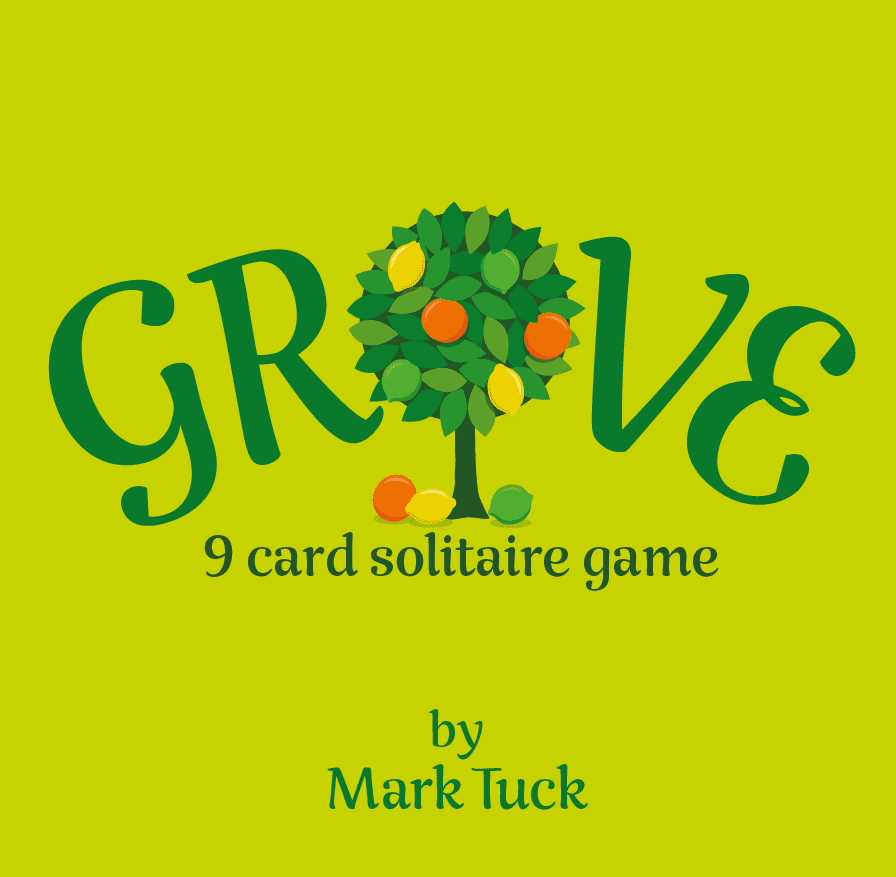
A solo card game and sequel to Orchard in which you build a grove of orange, lemon and lime trees from nine of its eighteen cards, with wild glade cards and an optional win/lose goal besides scoring.
by Mark Tuck
Task Team
2025Three teams compete in 150 silly mini-challenges, with one team refereeing each round.
- 3 to 18 players
- 20 minutes
- Ages 7 and up
by Olivier Finet · Board Game Circus
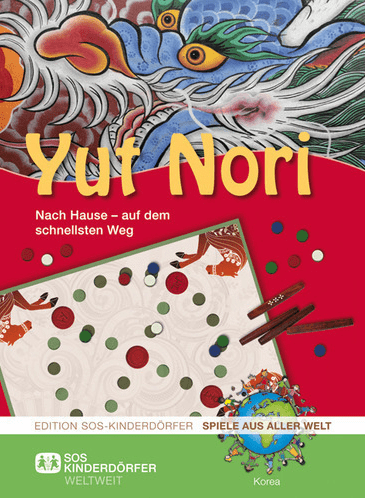
traditional board game played in Korea
- 2 to 8 players
- 30 minutes
- Ages 6 and up
Yunnori (Korean: 윷놀이), also known as yutnori, yut, nyout and yoot, is a traditional board game played in Korea, especially during Korean New Year. The game is also called cheoksa (척사; 擲柶) or sahui (사희; 柶戲).
- 2 to 6 players
- Ages 7 and up
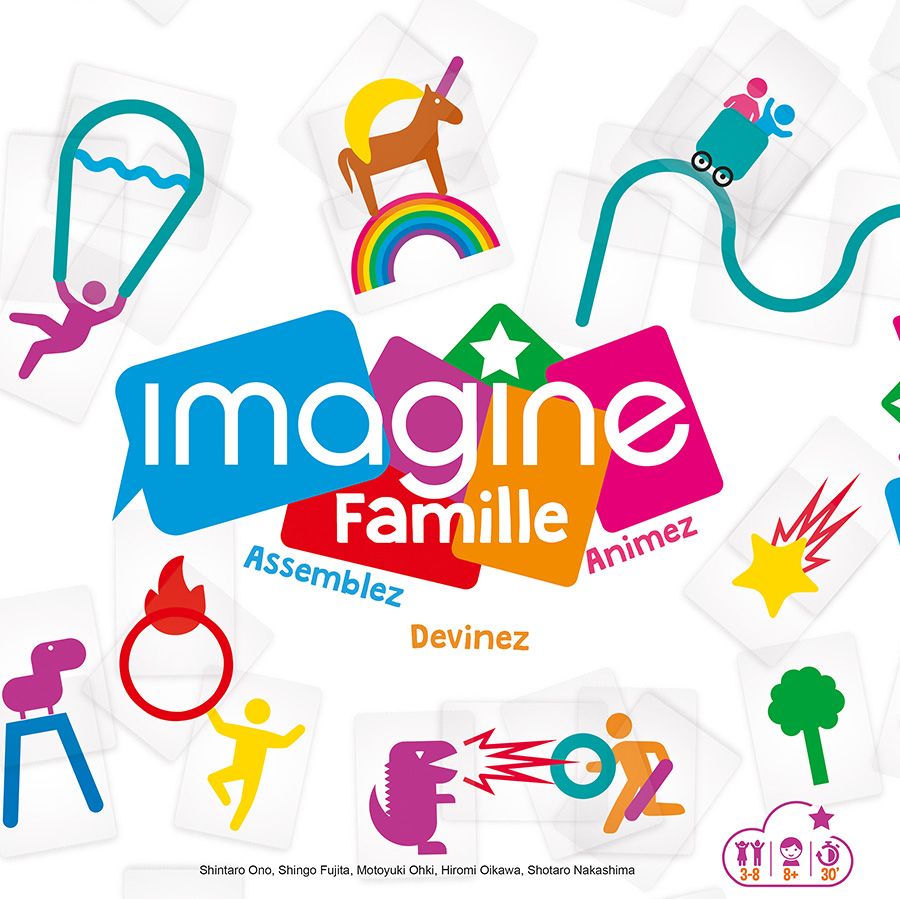
Imagine Famille
2020- 3 to 8 players
- 15 to 30 minutes
- Ages 8 and up
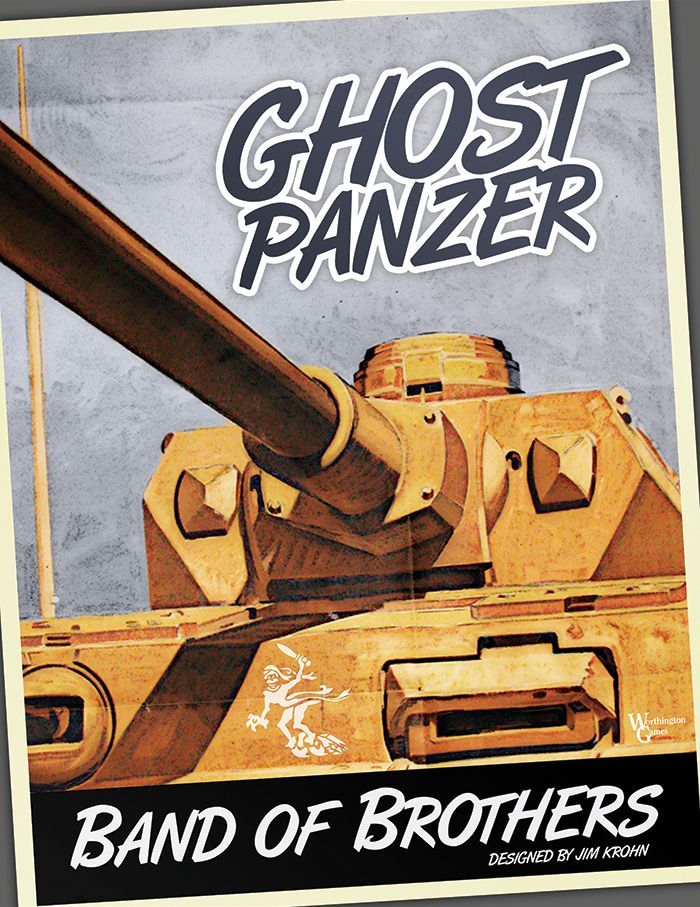
- 2 players
- 90 minutes
- Ages 8 and up
by Jim Krohn
- 2 to 4 players
- 20 minutes
- Ages 8 and up
by J. Alex Kevern
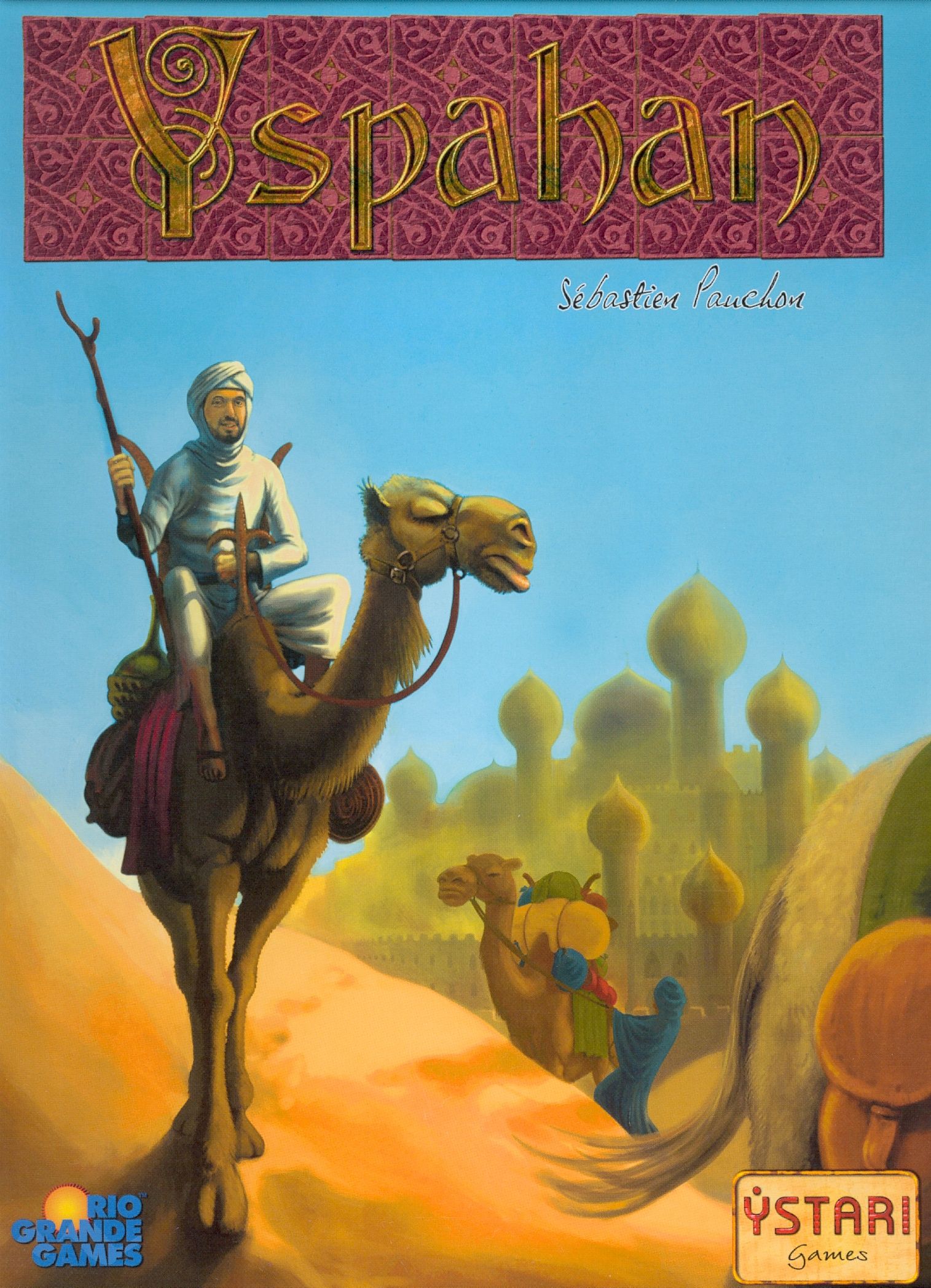
Yspahan
2006Named after Isfahan, a 2006 German-style game set when the city became Safavid capital in 1598.
- 2 to 4 players
- 45 to 60 minutes
- Ages 8 and up
Yspahan, from 2006, is a German-style game designed by Sébastien Pauchon for 2 to 4 players aged 8 and up, with publishers including Ystari Games and Rio Grande Games. The title refers to Isfahan, and the game is set in 1598, when that city became the Safavid imperial seat.
by Sébastien Pauchon
- 2 to 6 players
- 40 to 60 minutes
- Ages 8 and up
by Paul Peterson
Symbiose
2026A fast two-to-four player card game where you build a pond of animal cards and score off your neighbours' ponds too.
- 2 to 4 players
- 15 minutes
- Ages 8 and up
Symbiose is a quick, good-looking card game for 2 to 4 players aged 8 and up, playing in about 15 minutes. Christelle and Jérémy Partinico designed it and Gam'inBIZ published it. Each player grows a personal pond, aiming for the most points by scoring from their own cards as well as from the cards around them.
by Christelle Partinico, Jérémy Partinico