Loading the page…
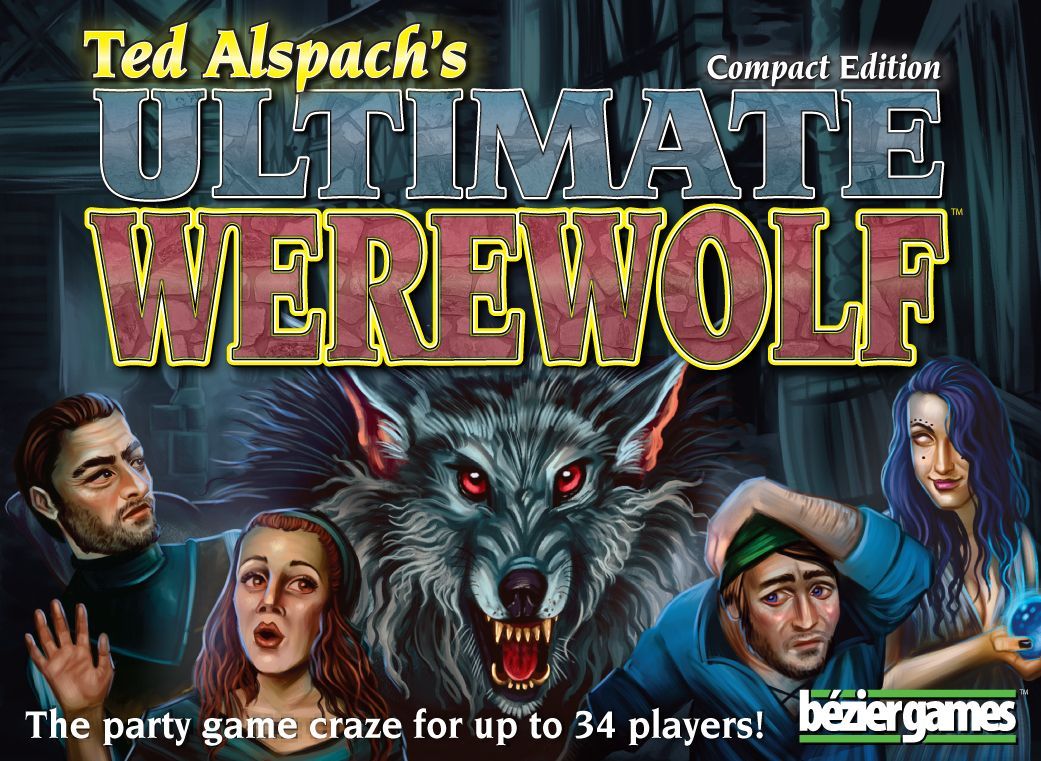
- 7 to 31 players
- 60 minutes
- Ages 14 and up
by Ted Alspach
- 2 to 99 players
- 10 minutes
- Ages 18 and up
- 2 to 20 players
- 120 minutes
- Ages 12 and up
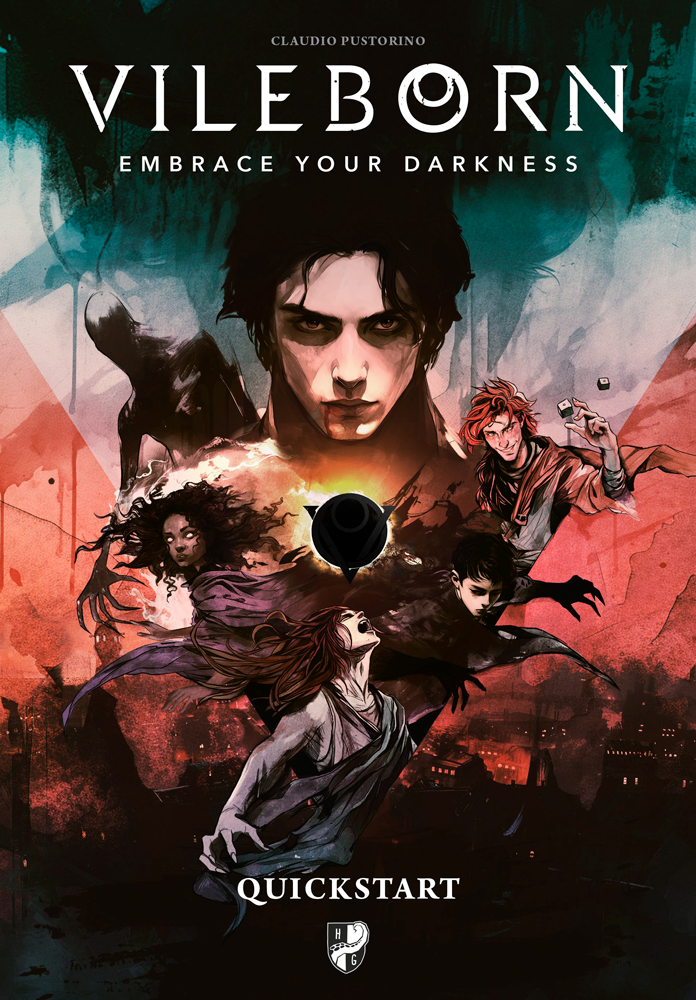
Vileborn
2025A dark fantasy coming-of-age tabletop RPG where half-human young heroes face a world overtaken by darkness.
- 1 to 99 players
- 120 minutes
- Ages 13 and up
Designers: Claudio Pustorino Vileborn is a nobledark TTRPG that evokes a coming-of-age fantasy story, biting and adventurous. Players assume the role of Vileborn, young half-blood heroes forced to face the darkness of the world and brave enough to embrace their own.
by Claudio Pustorino · Horrible Guild
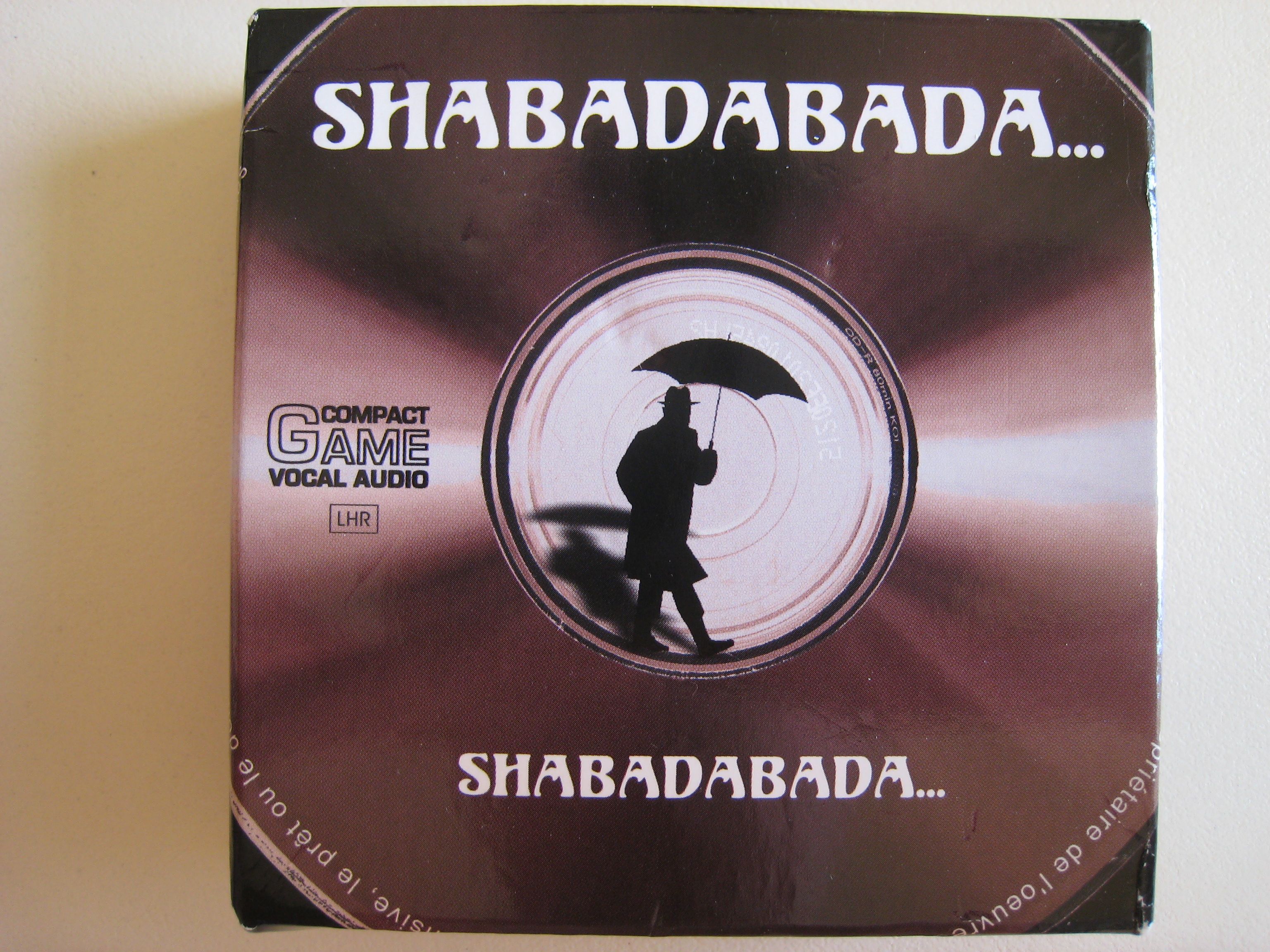
Shabadabada
2002A word game where teams must answer each card with a song, nursery rhyme or poem.
- 4 to 16 players
- 45 minutes
- Ages 8 and up
Shabadabada is a French party word game for 4 to 16 players aged 8 and up, designed by Sylvie Barc and published by La Haute Roche in 2002. Teams compete to answer the word on a card by singing a tune or reciting a verse that contains it. The aim is to collect the most cards.
by Sylvie Barc
- 2 to 20 players
- 15 minutes
- Ages 6 and up
A cooperative deduction game: guess a secret aquatic animal card by giving clues from the cards in your hand.
- 2 to 99 players
- 10 minutes
- Ages 7 and up
Designers: Hjalmar Hach, Pierluca Zizzi, Martino Chiacchiera Artist: Xavier "Naïade" Durin Age: 7+ Players: 2+ Playing Time: 10′ A cooperative deduction game where your goal is to make the other players guess one secret card by playing other cards from your hand as clues, stating whether they are similar to the cards…
by Hjalmar Hach, Martino Chiacchiera · Horrible Guild
Mime Master
2026A pantomime guessing game where one player directs everyone else's moves and gestures until someone finds the hidden word.
- 3 to 20 players
- 20 minutes
- Ages 8 and up
Mime Master is a pantomime game by Célestia Maquet and Hervé Bécue, published by HUCH! and offered through the distributor Hutter Trade. It is a light party-style game for 3 to 20 players aged 8 and up, with a playing time of about 20 minutes. The premise is a twist on charades.
by Célestia Maquet, Hervé Bécue
A German office-themed bingo game: mark five squares in a line to win, alone, together, or against others.
- 1 to 50 players
- 30 minutes
- Ages 6 and up
Bullshit Bingo – Büro is a bingo game for office life, designed by Jana Bender, who also made the artwork, and published by Skellig Games in Germany. It is a light, social game for the whole office. The premise is that no matter how tiresome a workday becomes, it is more bearable with a game of bingo.
by Jana Bender · Skellig Games
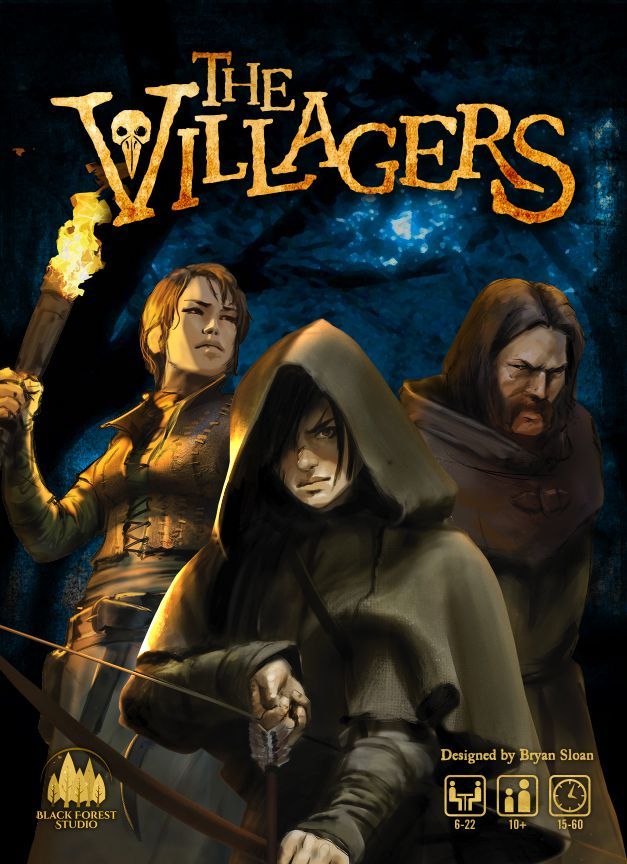
The Villagers
2018- 7 to 23 players
- 15 to 90 minutes
- Ages 10 and up
- 1 to 15 players
- 10 minutes
- Ages 8 and up
Brumble Quest
2026A silly, simple card game where everyone points at once and may lie, built for very large groups.
- 3 to 50 players
- 10 minutes
- Ages 14 and up
Brumble Quest is a silly, simple card game from Plaid Hat Games, designed by J. Arthur Ellis and released in 2026. It belongs to the Brumble Games line of small, inexpensive designs. Players gather gems by pointing at cards at the same moment, while trying to read each other's plans, which may include lies.
by J. Arthur Ellis · Plaid Hat Games
No one may explain the rules, so you learn them only by playing, breaking them and taking penalty cards.
- 2 to 20 players
- 5 to 60 minutes
- Ages 13 and up
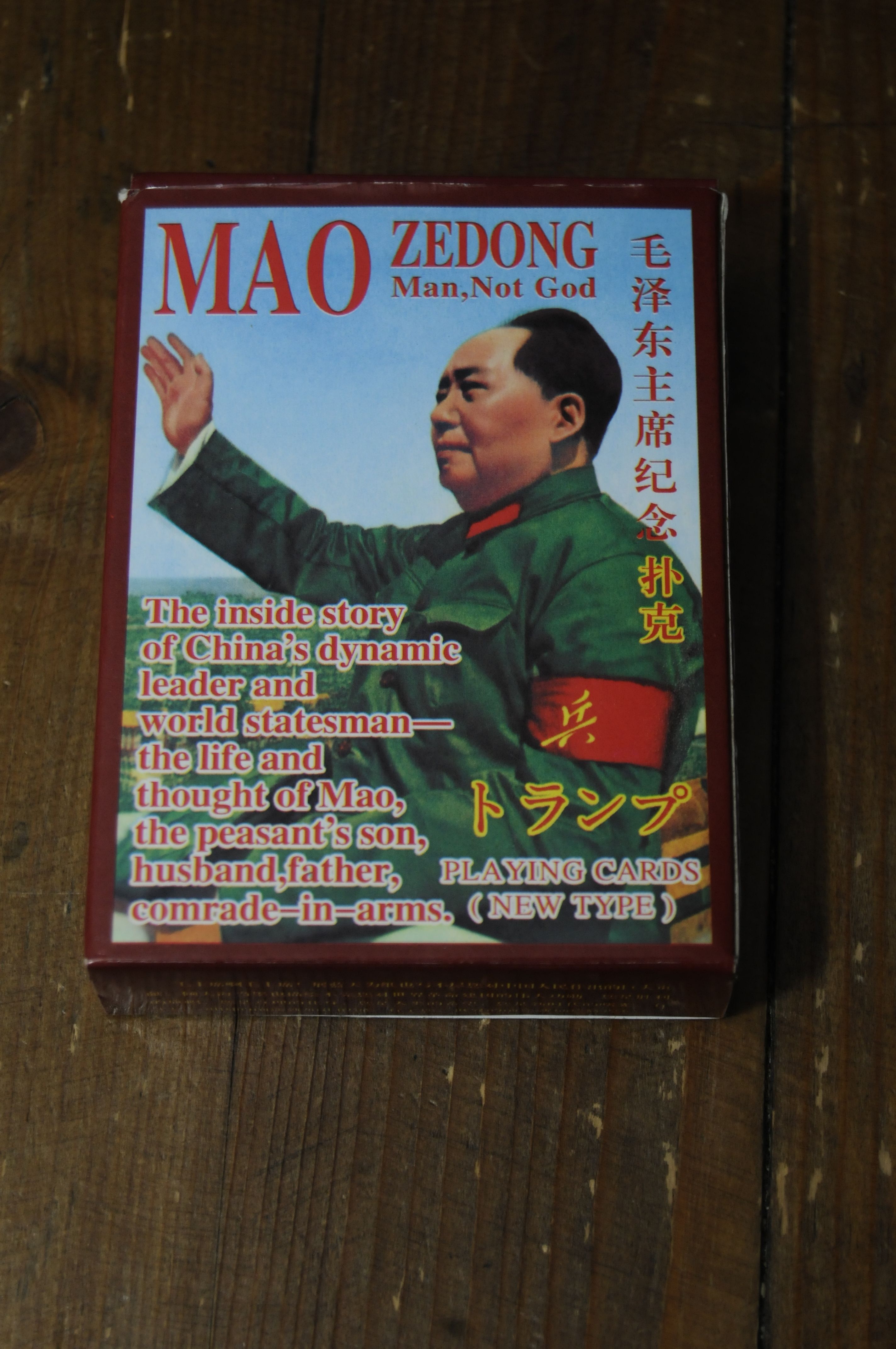
Mao is a shedding-family card game, similar in structure to Uno or Crazy Eights, for 2 to 20 players aged 13 and up. It is listed as a public domain game. Players try to shed every card in hand while obeying unspoken rules that differ from venue to venue.
- 5 to 99 players
- 30 to 40 minutes
- Ages 13 and up
by Dominic Crapuchettes
- 4 to 99 players
- 30 minutes
- Ages 8 and up
by Phil Orbanes Sr.
Spyworld
2026A family-friendly game of building secret hideouts, setting traps and raiding rivals' bases for large groups.
- 2 to 99 players
- 30 minutes
- Ages 8 and up
Spyworld is a family and large-group game by designer Frédéric Morard, published by HeidelBÄR Games. You are a wealthy would-be world ruler whose rivals want to steal the spotlight. After years of piling up riches, you dream of ruling the world, and your rivals see things differently.
by Frédéric Morard
- 1 to 362 players
- 120 minutes
- Ages 12 and up
Designed by Joe Angiolillo, this 1980 board game suits players aged 12 and up and can seat from 1 to 362 people. Nova Game Designs released it. Each player picks a champion from Norse myth to become the victor in the final clash of Ragnarok, the struggle between the gods and the giants.
by Joe Angiolillo
Trial by Trolley
2020- 3 to 13 players
- 30 to 90 minutes
- Ages 14 and up
- 6 to 24 players
- 20 minutes
- Ages 10 and up
by John Kovalic
- 2 to 16 players
- 60 minutes
- Ages 12 and up
- 7 to 36 players
- 20 minutes
- Ages 8 and up
Deduce who the Demon is through logic and bluffing. Dead players still play.
- 5 to 20 players
- 30 to 120 minutes
- Ages 14 and up
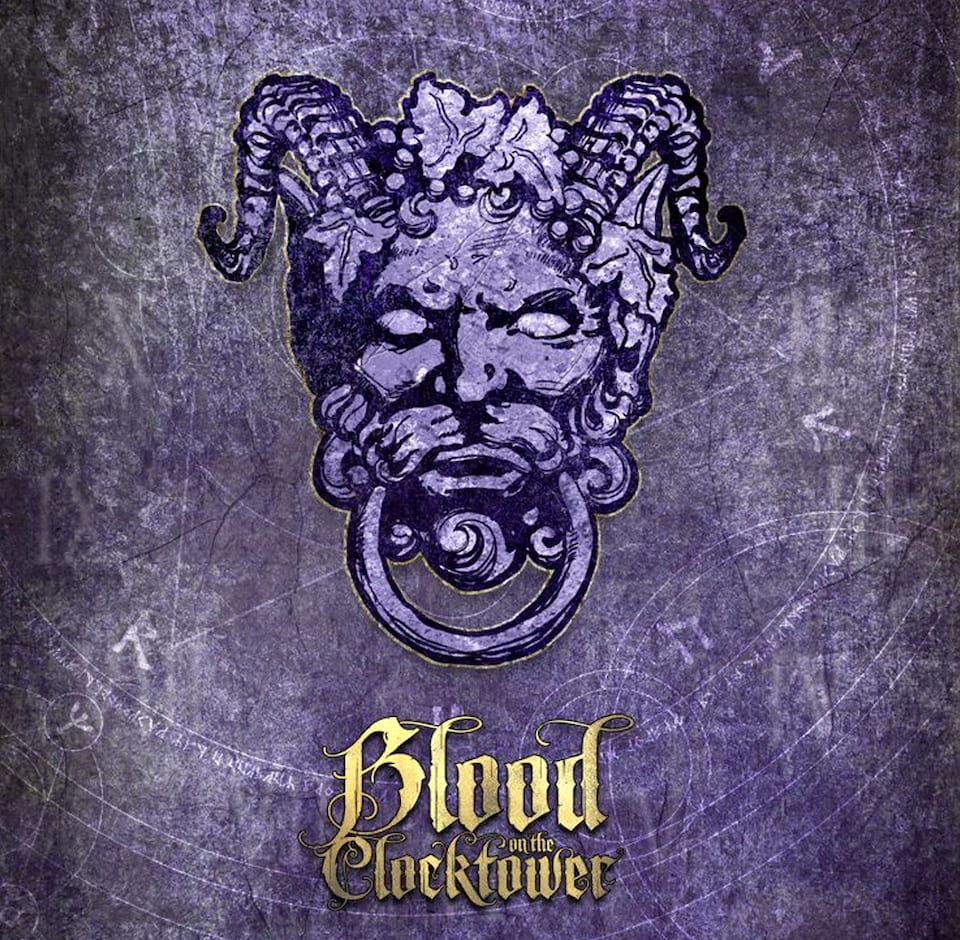
Blood on the Clocktower is a social deduction game for 5 to 20 players aged 15 and up, with core mechanics shared with Mafia. Steven Medway designed it, and The Pandemonium Institute published it. Players are secretly split into a good majority and an evil team made of a demon and its minions.
by Steven Medway · The Pandemonium Institute
Task Team
2025Three teams compete in 150 silly mini-challenges, with one team refereeing each round.
- 3 to 18 players
- 20 minutes
- Ages 7 and up
by Olivier Finet · Board Game Circus
- 2 to 20 players
- 5 to 34 players
- 45 minutes
- Ages 8 and up
by Ted Alspach