Loading the page…
- 2 to 6 players
- 90 minutes
- Ages 8 and up
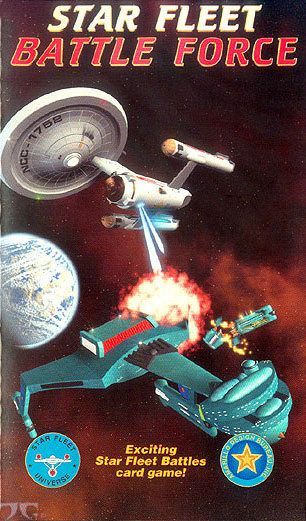
Fast card-based multiplayer starship battles across the Star Fleet Universe, with simplified rules that keep the detail.
- 1 to 6 players
- 90 minutes
- Ages 8 and up
A card-based starship combat game for one to six players aged 8 and up, designed by Stephen V. Cole and published by Amarillo Design Bureau. It was released in 2001 and runs about 90 minutes. Fleets drawn from the races of the original Star Trek series clash in fast multiplayer battles across the Star Fleet Universe.
by Stephen V. Cole
- 2 to 10 players
- 60 minutes
- Ages 8 and up
by Grant Wylie, Matt Burchfield
- 2 to 8 players
- 30 minutes
- Ages 6 and up
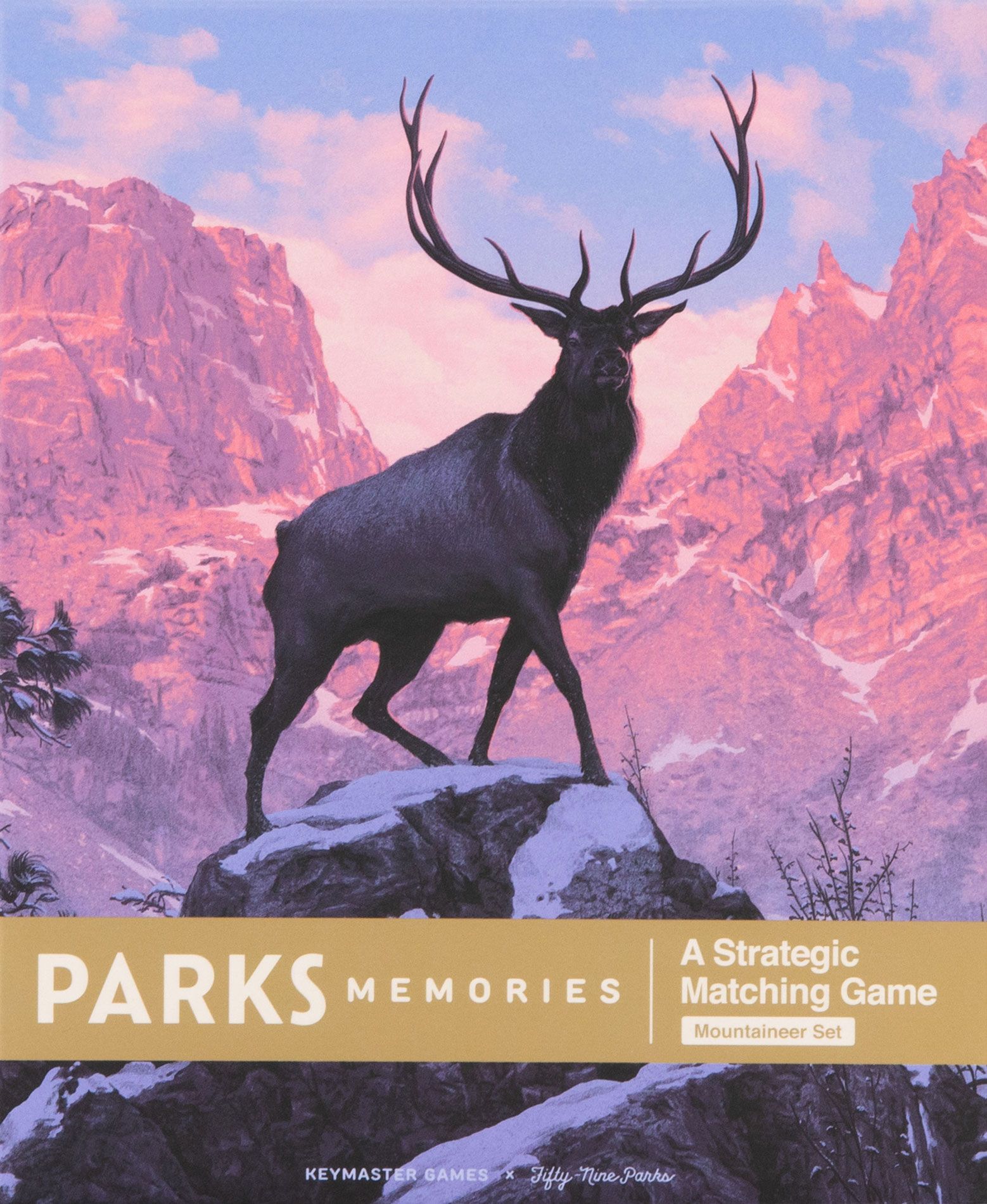
A memory-matching game set in the mountainous US national parks. Each turn you reveal two face-down tiles, keep one, add a new tile and lock one with the hiker token, aiming to collect three sets of matching park tiles.
- 1 to 6 players
- 20 to 120 minutes
- Ages 14 and up
Bullseye
2026- 3 to 8 players
- 25 minutes
- 2 to 6 players
- 90 minutes
- Ages 12 and up
by Chris Haney, Scott Abbot
- 3 to 6 players
- 60 to 120 minutes
- Ages 14 and up
- 2 to 6 players
- 15 to 30 minutes
- Ages 13 and up
by Brian Henk, Clayton Skancke
Exploding Pigeon
2025A fast team party game where you pass a shaking, ticking pigeon before it explodes on your side.
- 3 to 99 players
- 10 minutes
- Ages 7 and up
Exploding Pigeon is a family party game of quick reactions and quicker guessing, published by Exploding Kittens and designed by the Exploding Kittens team. Its heart is a plastic pigeon used as a die and a bomb at once. You play in teams against each other.
by Exploding Kittens Team
- 2 to 6 players
- 15 to 90 minutes
- Ages 8 and up
A modular triangular battlefield where you build the board and last leader standing wins.
- 2 to 6 players
- 120 minutes
- Ages 9 and up
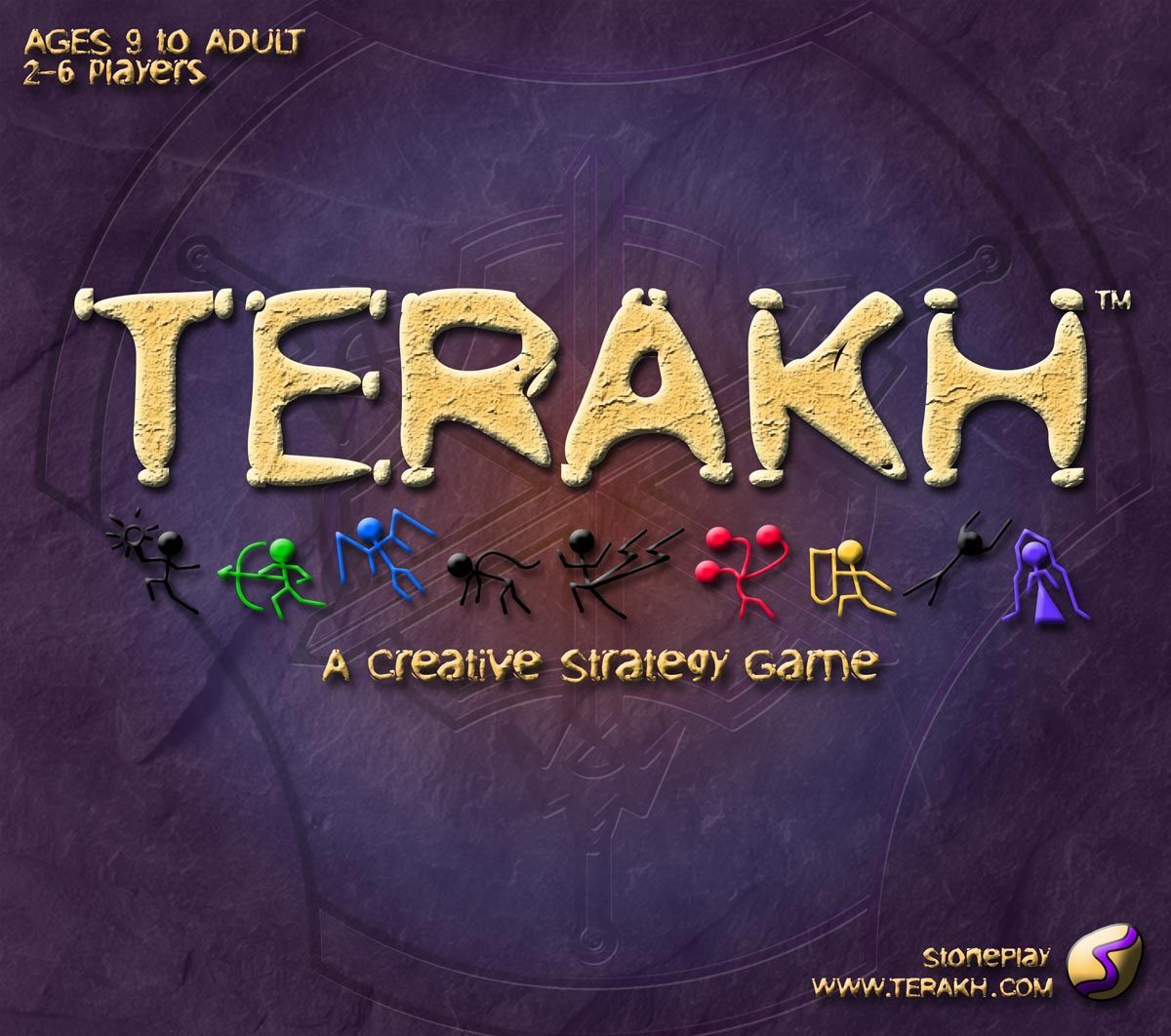
Terakh is a turn-based strategy board game for two to six players aged 9 and up, released in 2005 by Stoneplay. Its Canadian inventors, Terence Wong and Akhil Patel, also give the game its name. Players send their troops against one another on a battlefield they assemble themselves from triangular panels.
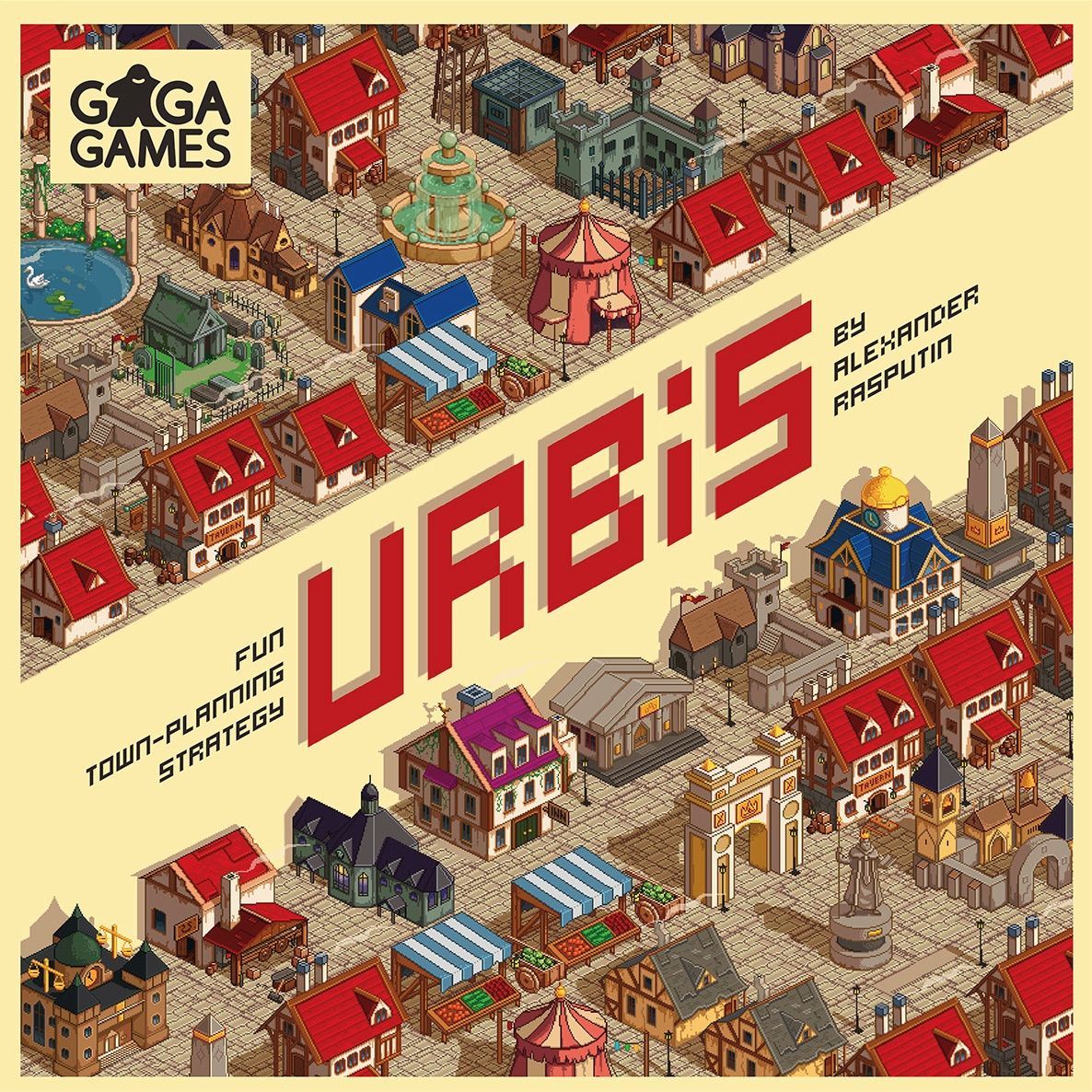
Urbis
2015- 2 to 6 players
- 30 to 60 minutes
- Ages 10 and up
- 2 to 10 players
- 90 minutes
- Ages 12 and up
by David "Zeb" Cook
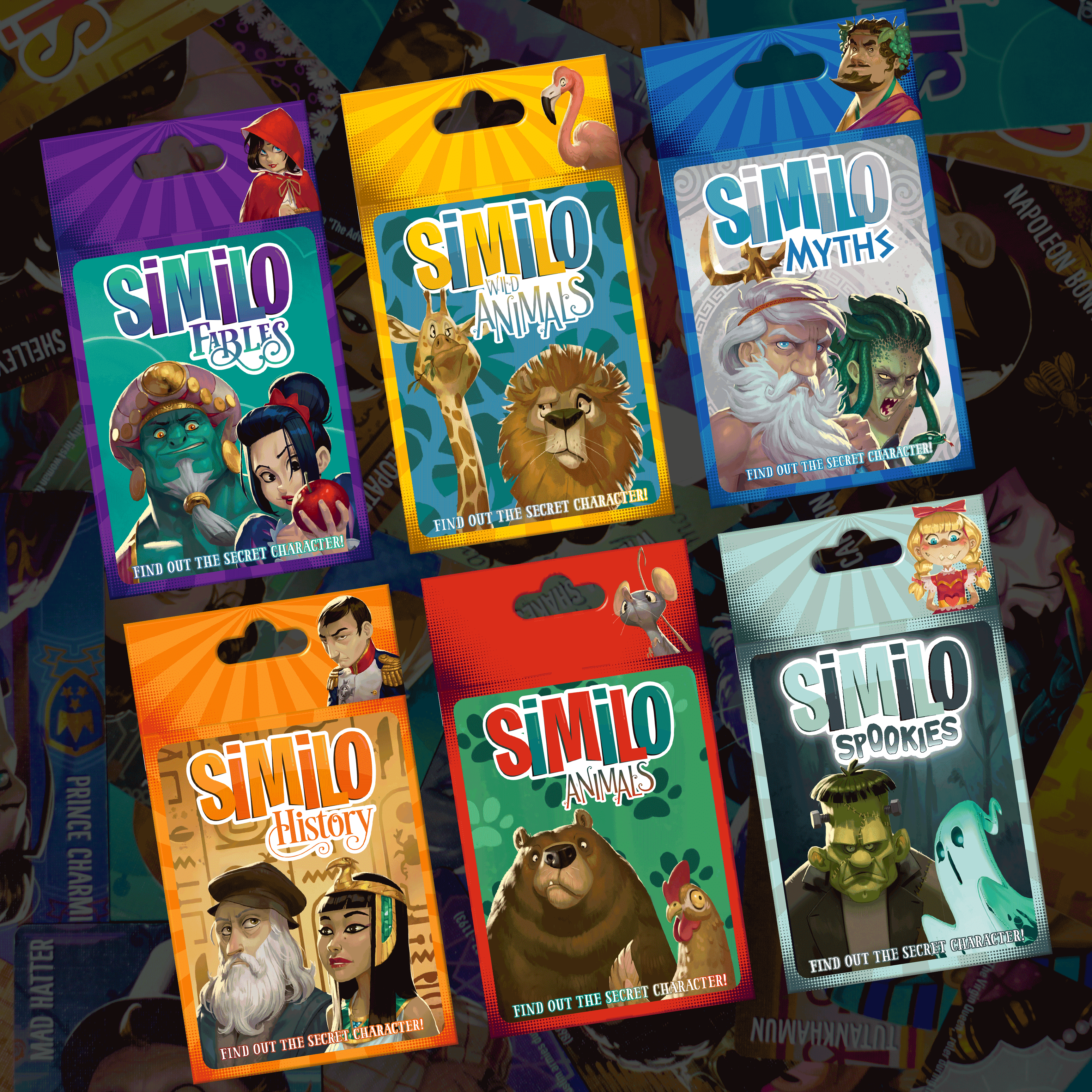
Similo
2019A quick cooperative clue game where one player's card orientation guides everyone to the secret character.
- 2 to 8 players
- 10 to 15 minutes
- Ages 7 and up
Similo is a light cooperative deduction game for two to eight players, aimed at ages 7 and up, first released in 2019. It was designed by Hjalmar Hach, Martino Chiacchiera and Pierluca Zizzi and published by 999 Games, Albi, Broadway Toys, FoxGames and Ghenos Games. Everyone wins or loses together.
by Hjalmar Hach, Martino Chiacchiera
- 2 to 6 players
- 35 minutes
- Ages 7 and up
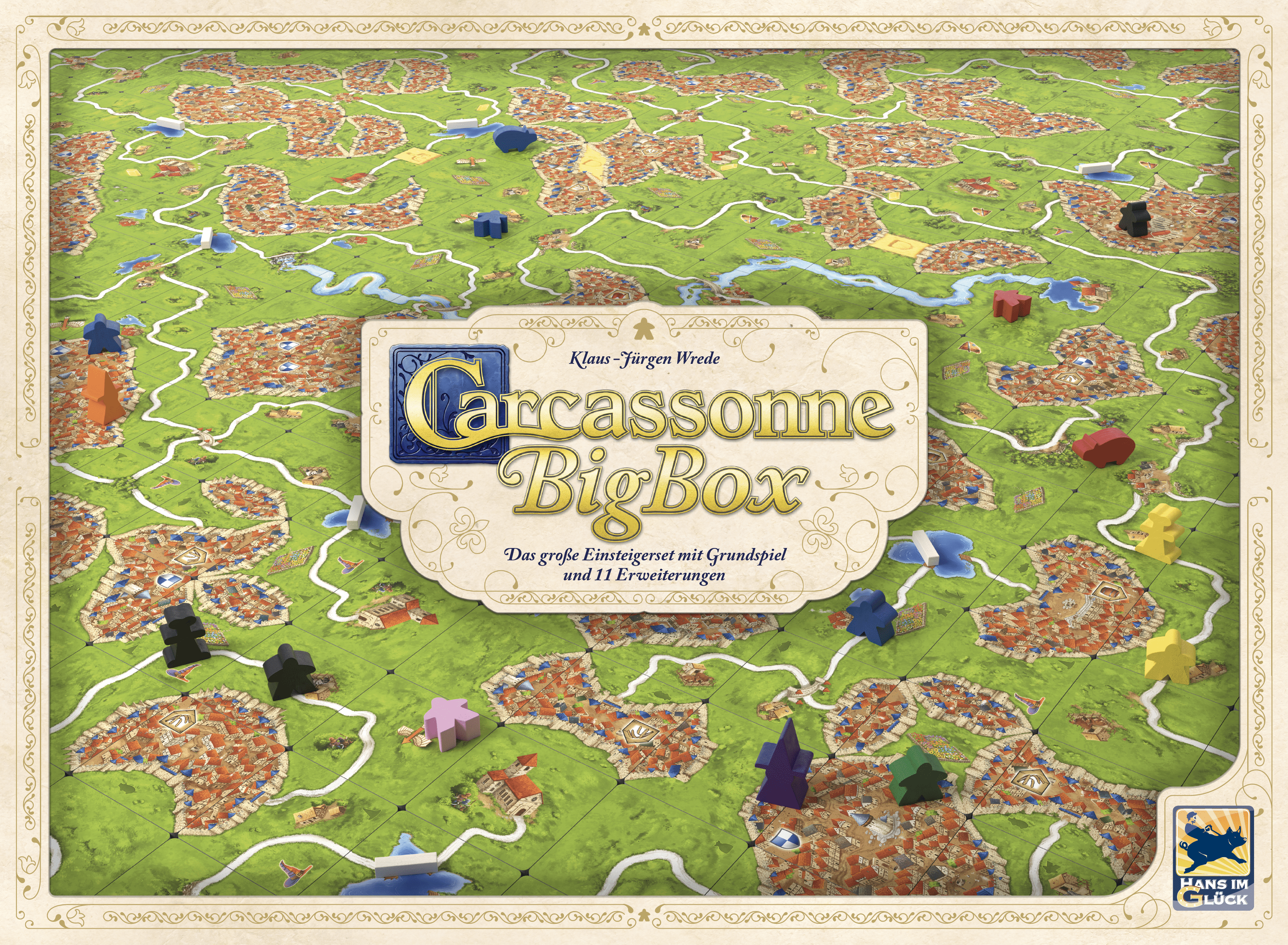
by Klaus-Jürgen Wrede
- 1 to 6 players
- 180 minutes
- Ages 12 and up
by Barry Nakazono
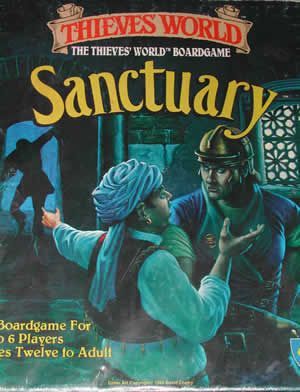
Sneak through the city of Sanctuary, dodging guards, and be first to hide 300 silver pieces.
- 1 to 6 players
- 120 minutes
- Ages 12 and up
Sanctuary is a 1982 board game designed by Bill Fawcett and published by Mayfair Games, for 1 to 6 players aged 12+, with a playing time of about 120 minutes. You are a thief in Sanctuary, a city where you slip past the guards and chase valuable goods. Your aim is to out-steal the other thieves.
by Bill Fawcett
- 2 to 6 players
- 45 to 90 minutes
- Ages 10 and up
by Lukas Zach, Michael Palm
- 2 to 6 players
- 1500 minutes
by Ty Bomba
- 1 to 6 players
- 30 to 180 minutes
- Ages 10 and up
by Kevin Wilson, Ren Multamäki
A fast party card game of restaurant orders: serve the right dish, send back the rest, and ring the bell to catch mistakes.
- 3 to 10 players
- 30 minutes
- Ages 8 and up
Chaosteria is a party card game for 3 to 10 people, designed by Maldón and published by frechverlag GmbH. It is a light, social game about running a busy restaurant kitchen, and it was named the publisher's waiter game of the year.
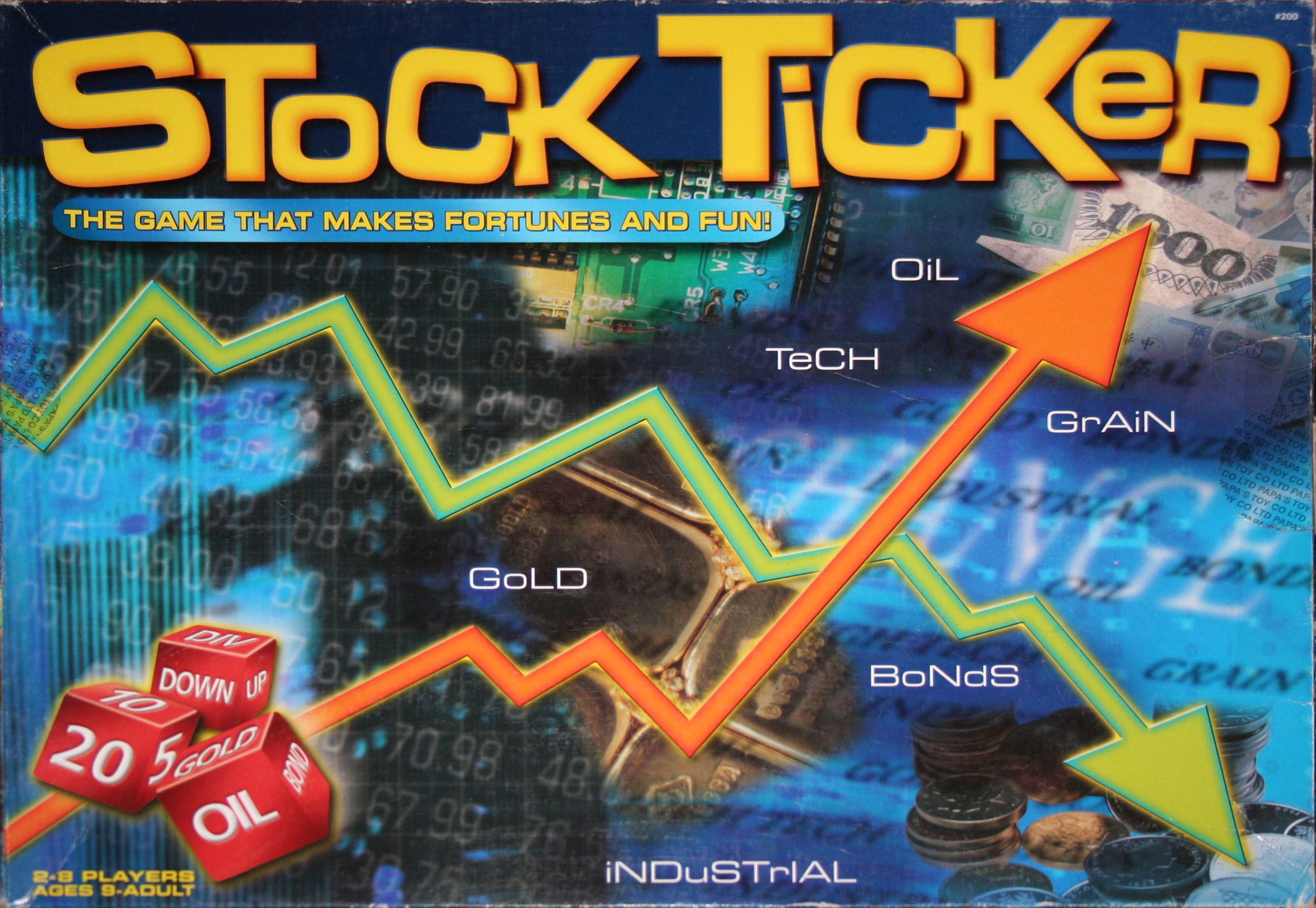
Stock Ticker
1937Trade six commodities that act like stocks, with three dice setting every price move.
- 2 to 6 players
- 45 minutes
- Ages 9 and up
A 1937 board game of buying and trading shares for 2 to 6 players aged 9 and up, playing in about 45 minutes. It was issued by Canada Games and Copp Clark Publishing Company. You trade in six commodities that behave like stocks: gold, silver, bonds, oil, industrials and grain.
Darwin's Choice
2019- 2 to 6 players
- 60 to 120 minutes
- Ages 10 and up
Onesie Whooo!
2026A wolf in farm animal onesies races you to call the right sound in a fast card game.
- 2 to 6 players
- 10 minutes
- Ages 6 and up
Onesie Whooo! is a fast, tricky card game for players of all ages, designed by Inon Kohn and published by FlexiQ bv in 2026. A wolf wants to join the barnyard animals, who are scared of him, so he pulls on farm animal onesies to disguise himself.
by Inon Kohn
- 2 to 6 players
- 30 minutes
- Ages 15 and up
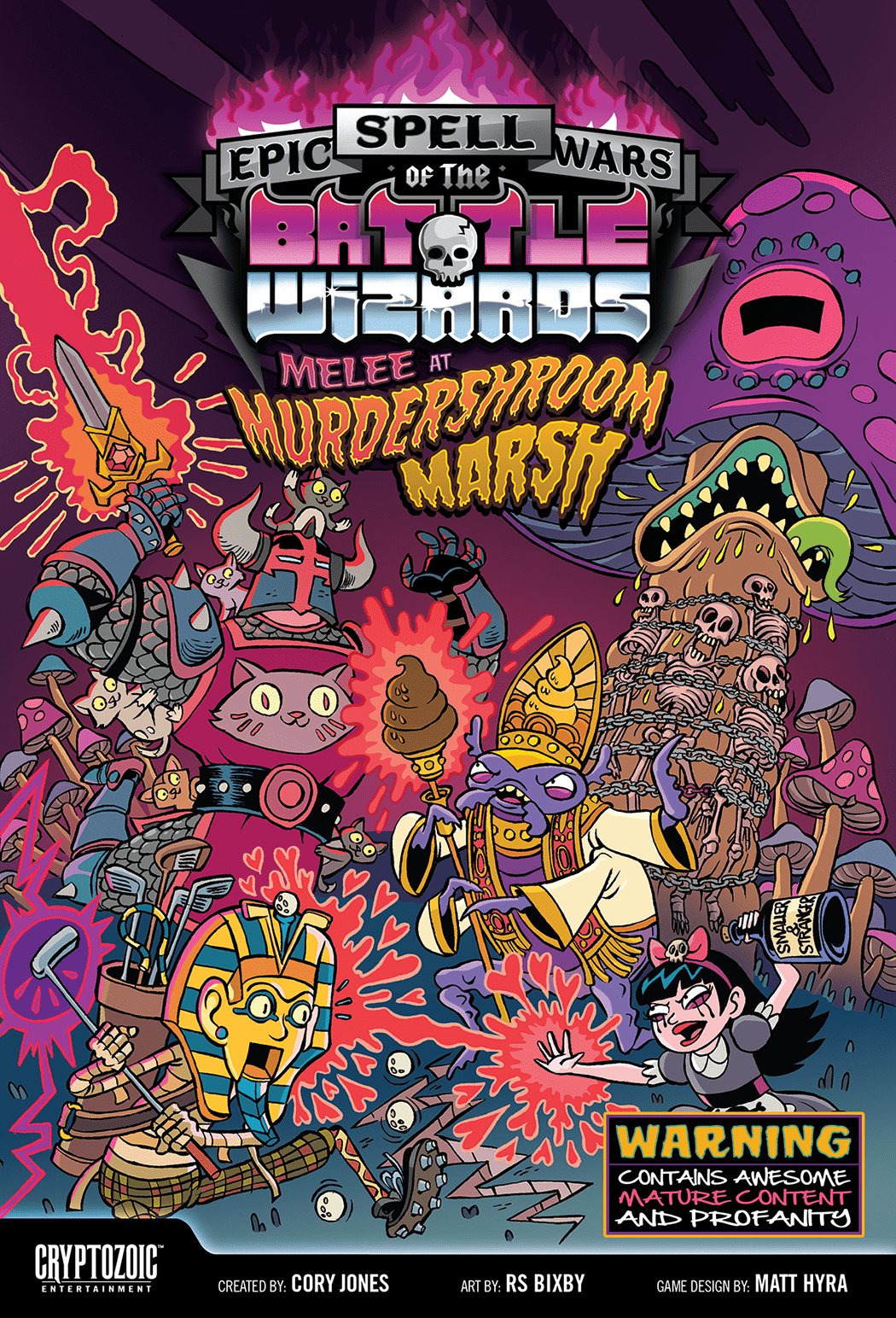
by Cory Jones, Matt Hyra
Narrow down the year, clip your window, and race your rival to discard all seven first.
- 2 to 10 players
- 45 minutes
- Ages 10 and up
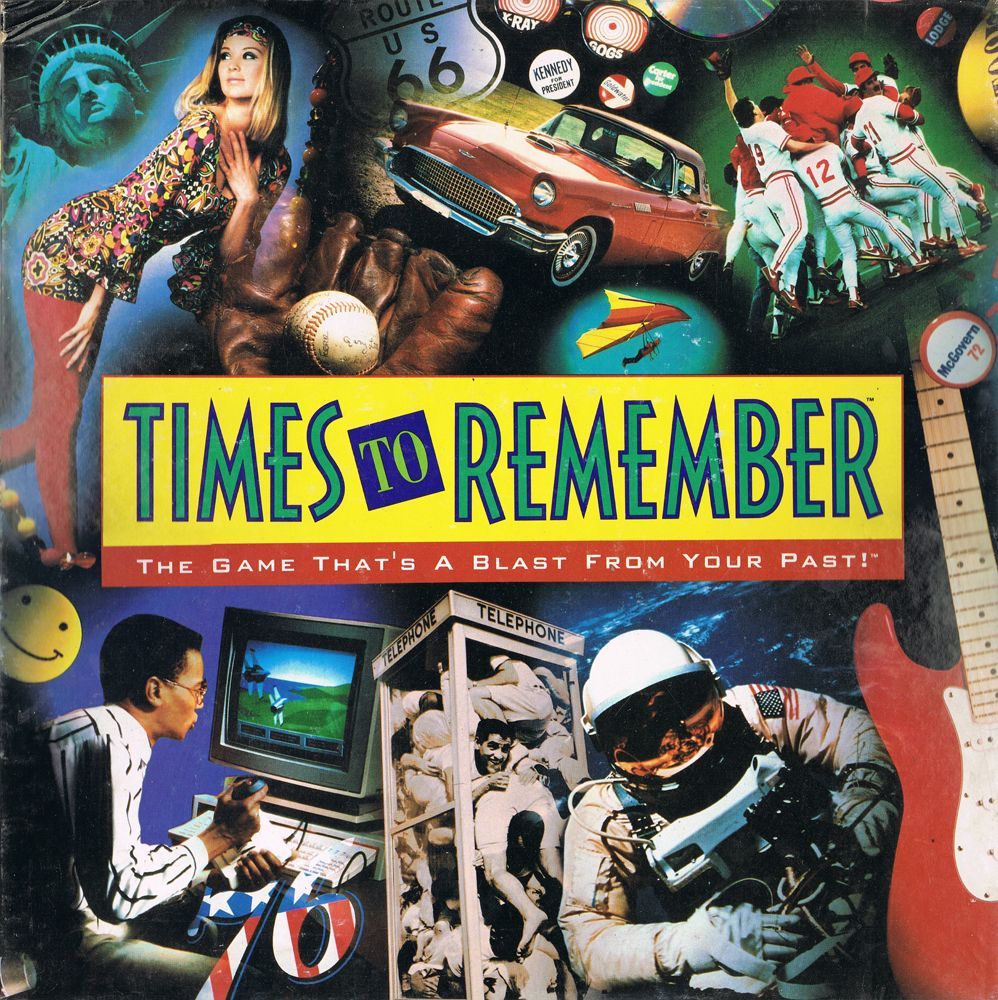
Times to Remember is a 1992 trivia game for 2 to 10 players aged 10 and up, and a typical game runs about 45 minutes. Richard Borg designed it, and Hasbro is among the publishers that released it. Teams test how well they remember the years when famous events took place in film, television, music and the news.
by Richard Borg