Loading the page…
- 1 to 4 players
- 90 minutes
- Ages 8 and up
by Cédric Asna
- 2 to 6 players
- Ages 13 and up
A tabletop roleplaying game in which a group of flawed real-world people is pulled into a fantasy realm that reflects their own fears and wishes.
- 2 to 6 players
- 180 minutes
- Ages 14 and up
DIE – Das Rollenspiel is a roleplaying game by Kieron Gillen, published by Squink, based on his comic series DIE and developed with the RPG writers Rowan, Rook and Decard. It is a dark homage to roleplaying escapism.
by Kieron Gillen · Squink
- 2 to 4 players
- 30 to 60 minutes
- Ages 12 and up
- 1 to 5 players
- Ages 10 and up
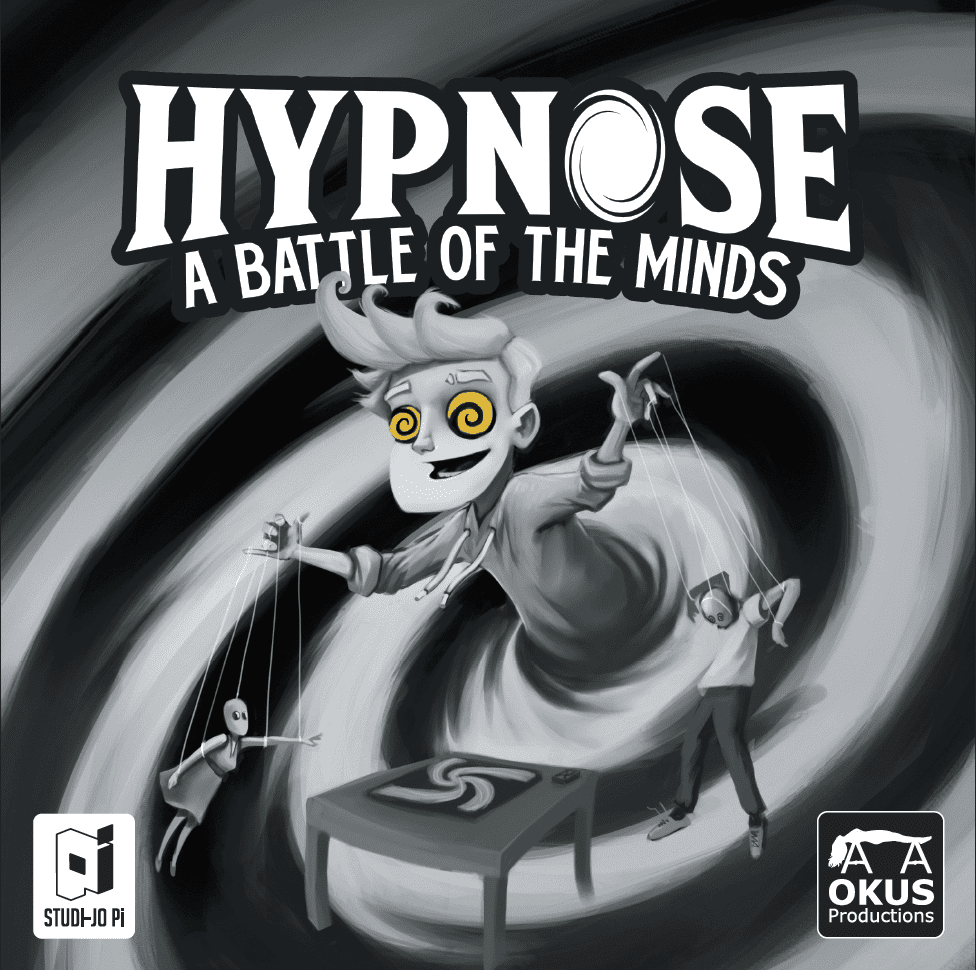
Hypnose
2017- 2 to 4 players
- 30 to 90 minutes
- Ages 10 and up
- 3 to 6 players
- 60 minutes
- Ages 12 and up
by James Ernest
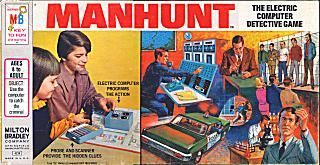
Manhunt
1972- 2 to 4 players
- 90 minutes
- Ages 8 and up
- 3 to 8 players
- 60 minutes
- Ages 10 and up
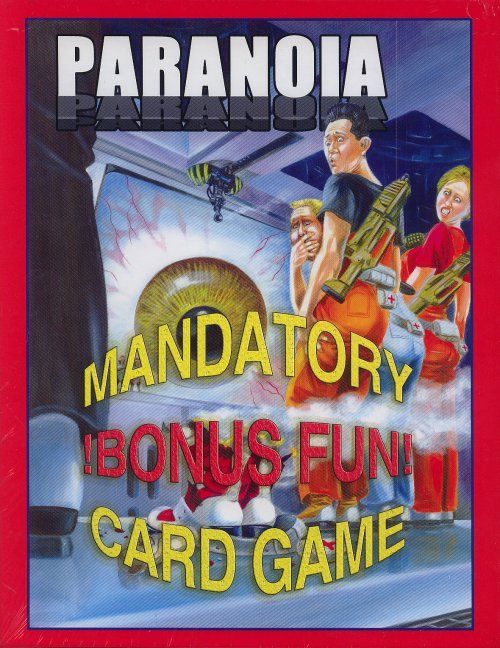
Paranoia Mandatory Bonus Fun! Card Game was the first card game published by Mongoose Publishing in 2005, and is based on the Paranoia role-playing game.
Earth
2023A low-downtime nature game where everyone acts at once to grow a 4-by-4 tableau of plants and ecosystems.
- 1 to 5 players
- 45 to 90 minutes
- Ages 13 and up
Earth is a nature-themed, card-driven board game from 2023 in which players build plant, terrain and ecosystem tableaux. Players aim to score the most points by combining card synergies and resources. It supports one to five players.
by Maxime Tardif · Inside Up Games
- 2 to 5 players
- 20 minutes
- Ages 9 and up
- 2 to 4 players
- 90 minutes
- Ages 10 and up
Mariposas
2020- 2 to 5 players
- 45 to 75 minutes
- Ages 14 and up
- 2 to 4 players
- 30 to 60 minutes
- Ages 10 and up
A 1974 board game simulating the international oil market, from drilling to selling gasoline.
- 2 to 4 players
- 90 minutes
- Ages 13 and up
A 1974 board game for 2 to 4 players aged 13 and up, lasting about 90 minutes. It was originally issued by St. Laurent Games and is also carried by Hexagames, Pegasus Spiele and Stronghold Games. Players run rival oil companies in a simulation of the international oil market.
- 1 to 4 players
- 10 to 30 minutes
- Ages 8 and up
- 1 to 4 players
- 120 minutes
- Ages 12 and up
by Shem Phillips · Schwerkraft-Verlag
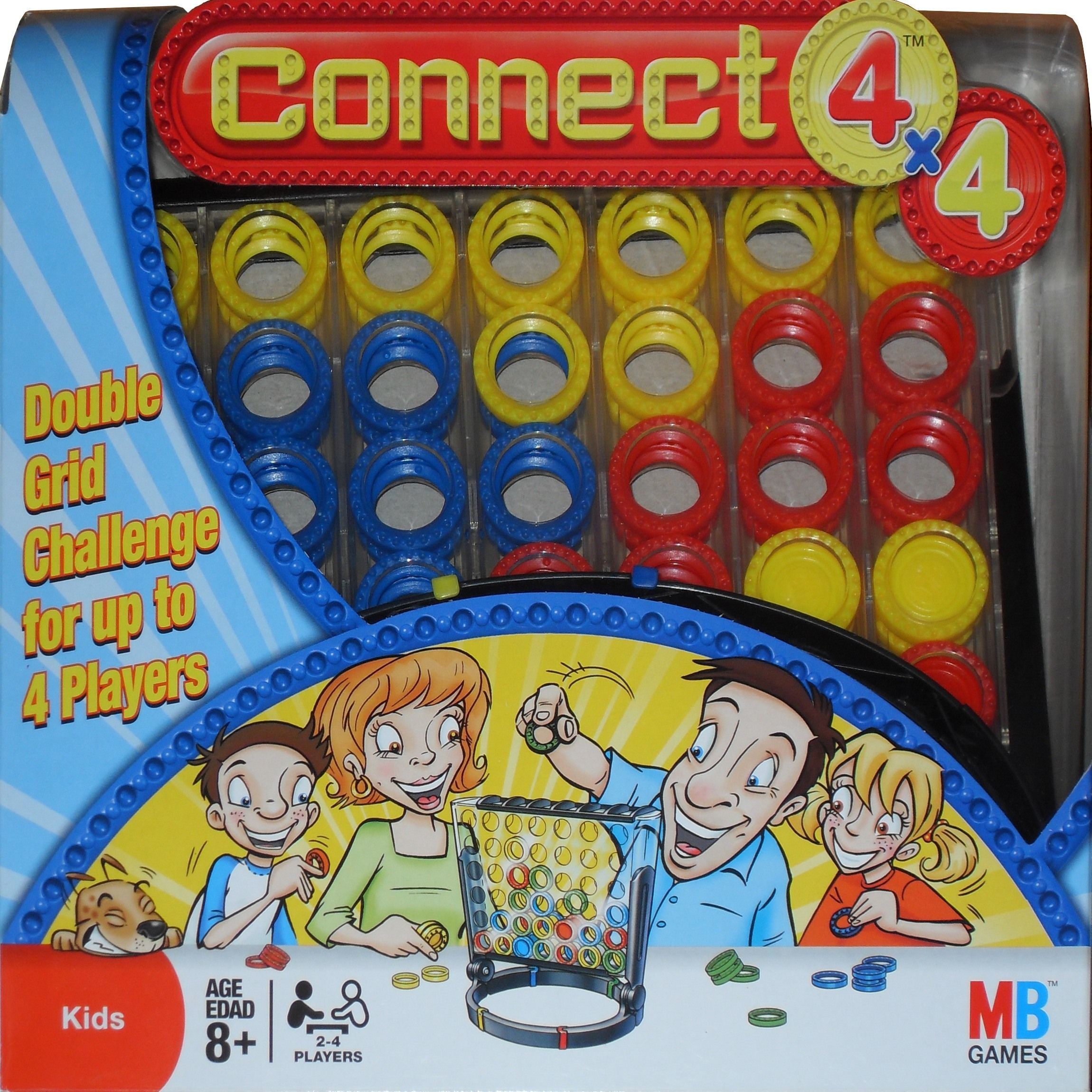
Connect 4x4
2009Connect Four goes three-dimensional, with a double grid and up to four players.
- 2 to 4 players
- 15 minutes
- Ages 8 and up
Connect 4x4 is a strategy game for 2 to 4 players aged 8+, playing in about 15 minutes. Milton Bradley released it in 2009 as a three-dimensional take on Connect Four, with Hasbro and MB Jeux also listed as publishers.
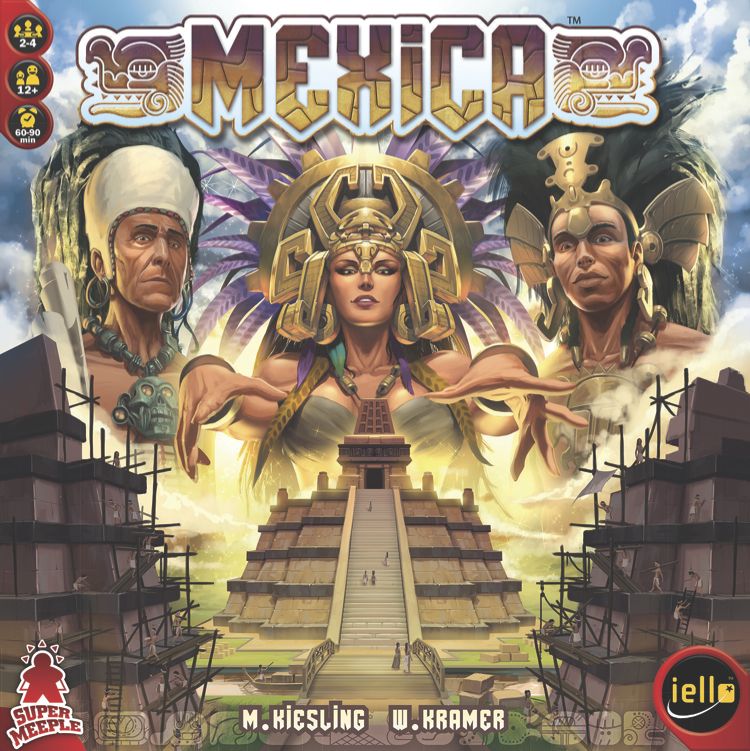
Mexica
2002Divide Tenochtitlan into districts and compete for influence over the most developed ones.
- 2 to 4 players
- 90 minutes
- Ages 10 and up
Kramer and Kiesling created this board game for two to four players aged 10 and up, lasting about 90 minutes. Players try to divide Tenochtitlan, the city on Lake Texcoco, into districts, then compete to hold influence over the most developed ones.
by Michael Kiesling, Wolfgang Kramer
- 2 to 8 players
- 45 to 60 minutes
- Ages 18 and up
- 3 to 8 players
- 30 to 45 minutes
- 2 to 6 players
- 30 minutes
- Ages 8 and up
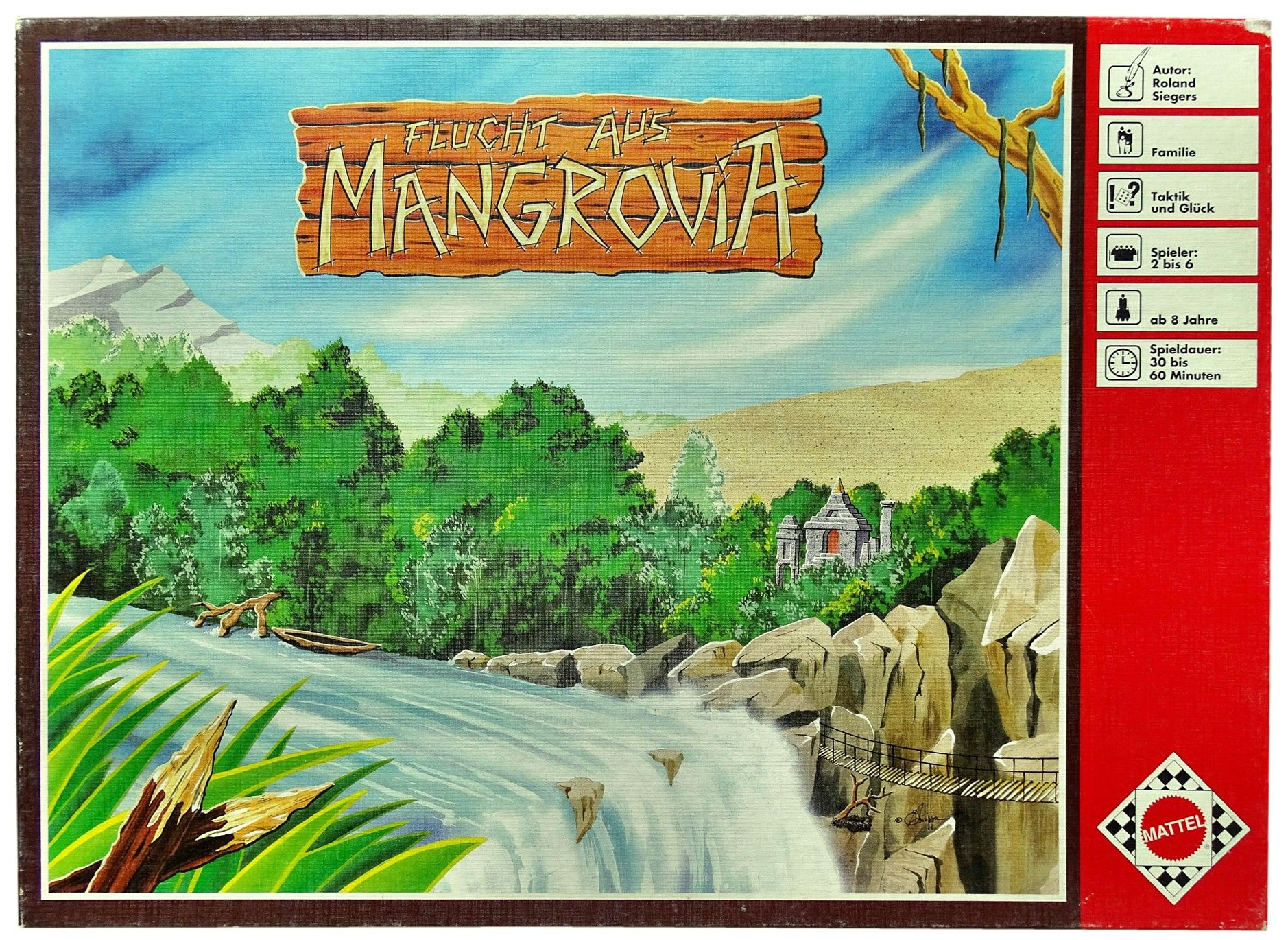
by Roland Siegers
- 2 to 4 players
- 180 minutes
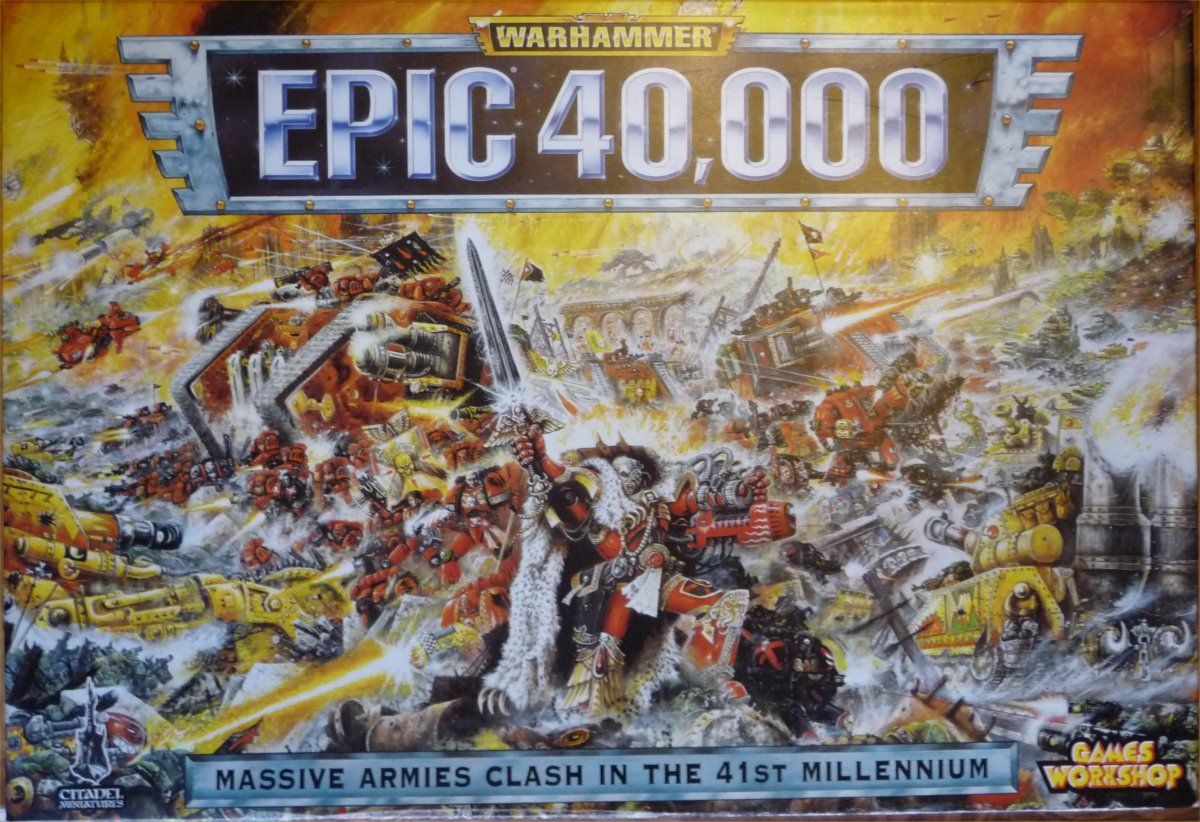
by Andy Chambers, Gavin Thorpe
- 2 to 4 players
- 20 minutes
- Ages 3 and up
- 2 to 5 players
- 60 to 90 minutes
- Ages 12 and up