Loading the page…
- 2 to 6 players
- Ages 7 and up
- 1 to 4 players
- 120 minutes
- Ages 14 and up
by Emanuele Santandrea
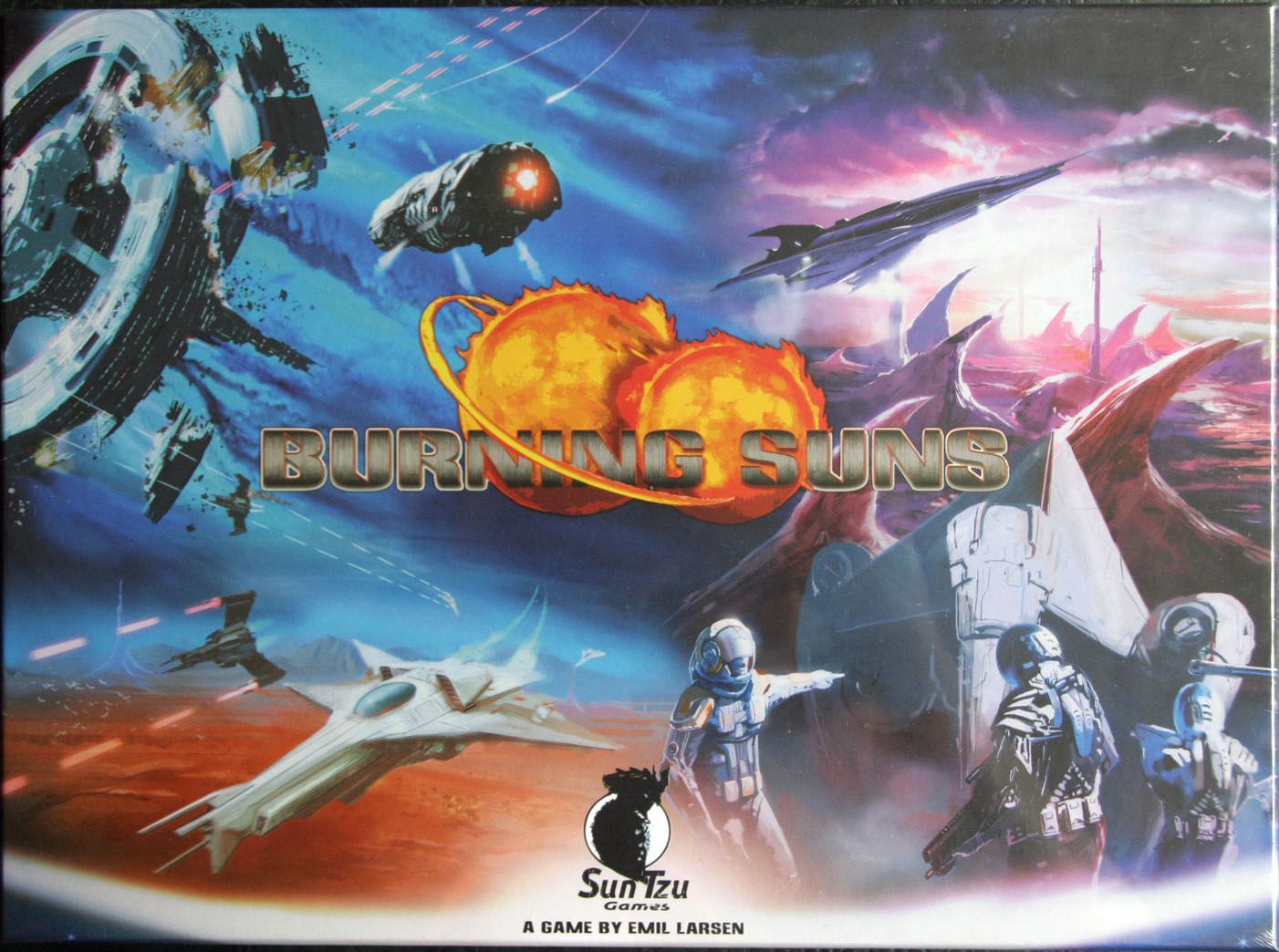
Burning Suns
2013- 2 to 5 players
- 80 to 200 minutes
- Ages 14 and up
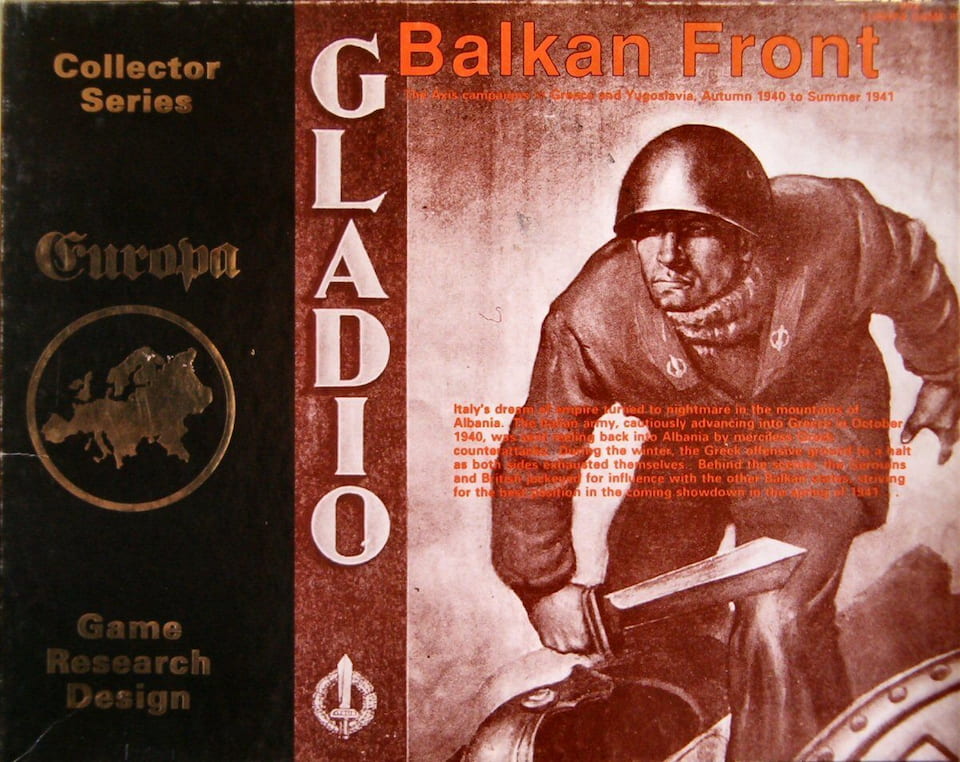
- 2 to 6 players
- 180 to 1200 minutes
- Ages 12 and up
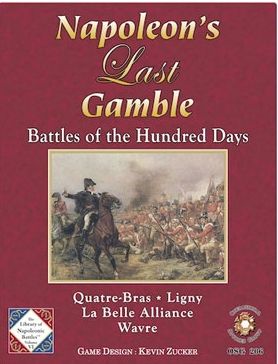
by Kevin Zucker
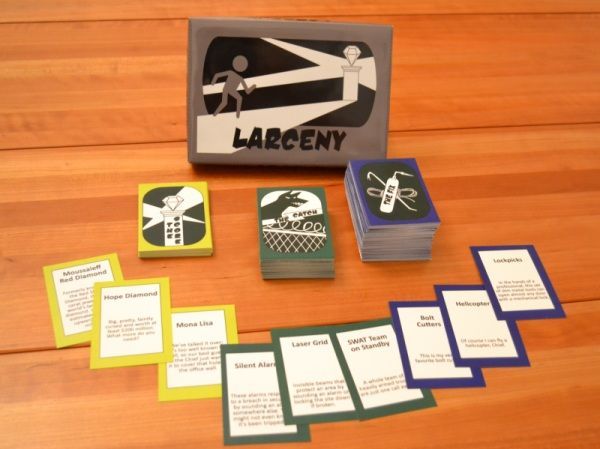
Larceny
2013- 3 to 10 players
- 5 minutes
- Ages 12 and up
- 2 to 15 players
- 20 minutes
- Ages 12 and up
by Holger Bösch
- 2 to 4 players
- 20 to 45 minutes
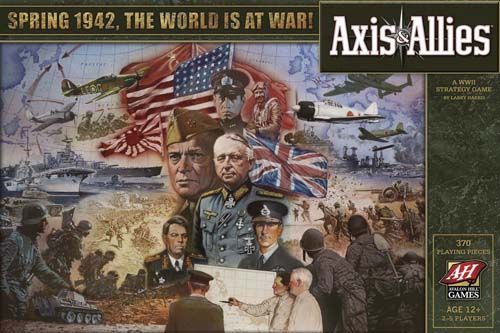
- 2 to 5 players
- 240 minutes
- Ages 12 and up
by Larry Harris, Jr.
- 1 to 4 players
- 60 to 90 minutes
- Ages 14 and up
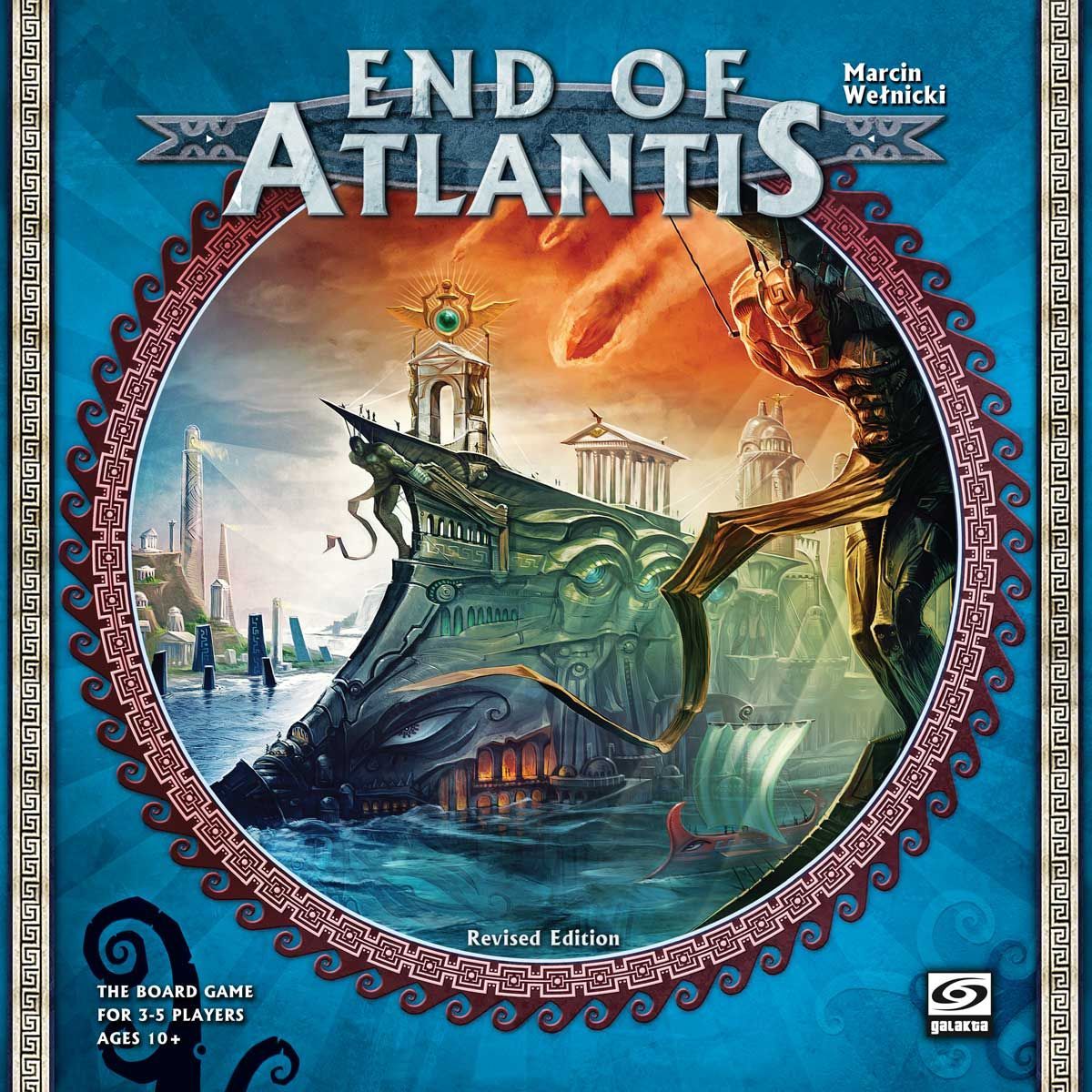
- 3 to 5 players
- 60 to 90 minutes
- Ages 10 and up
by Marcin Wełnicki
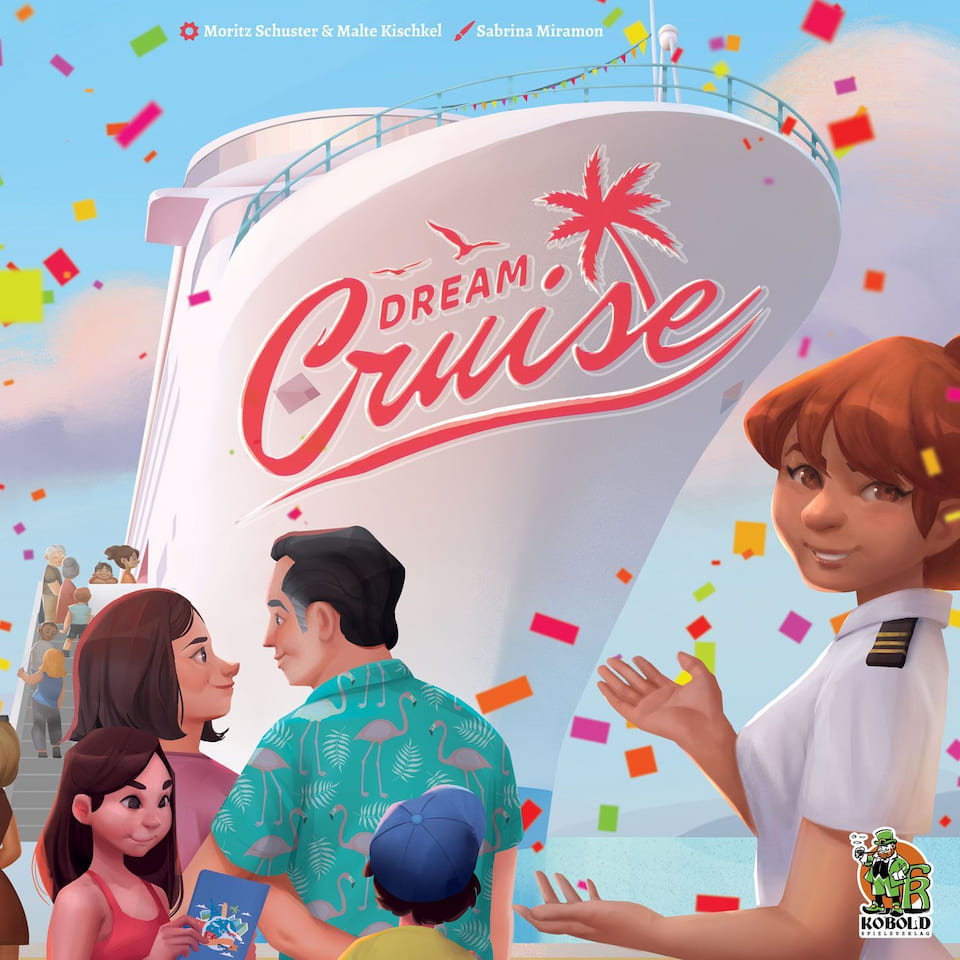
Dream Cruise
2021- 1 to 4 players
- 30 to 45 minutes
- Ages 8 and up
Players manage cruise ships and try to satisfy the varied wishes of their passengers, choosing ports to visit and competing to provide the best entertainment on board.
- 1 to 4 players
- 30 to 120 minutes
- Ages 15 and up
by Mataio Wilson
Cooperative deck-building expansion to Astro Knights adding a new boss, more Astro Knights and market cards.
- 1 to 4 players
- 45 minutes
- Ages 10 and up
Astro Knights: Das Orion System is a cooperative deck-building expansion for 1 to 4 players, designed by Nick Little and Will Sobel and published by Frosted Games. It is the first expansion to the space-opera boss battler Astro Knights and is aimed at experienced hobby gamers.
by Nick Little, Will Sobel · Frosted Games
- 2 to 5 players
- 30 minutes
- Ages 10 and up
by Frédéric Henry, Guillaume Blossier
- 3 to 5 players
- 75 minutes
- Ages 10 and up
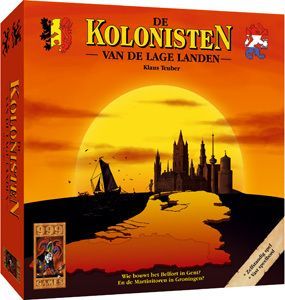
by Klaus Teuber · 999 Games
- 1 to 6 players
- 60 minutes
- Ages 12 and up
by Martino Chiacchiera, Silvano Sorrentino
Urbis
2015- 2 to 6 players
- 30 to 60 minutes
- Ages 10 and up
- 3 to 6 players
- 240 minutes
- Ages 12 and up
by Ian D. Wilson
Market Fortune
2026- 2 to 6 players
- Ages 14 and up
A card game of finance and strategy with no board, meant for two to six players aged 14 and up. David May Anaya designed it, and Market Fortune LLC publishes it. Each player builds wealth on their own while looking for openings to damage the people seated beside them. The stakes are held in capital, not in real cash.
- 2 to 4 players
- 45 minutes
- Ages 13 and up
by Dan Smith
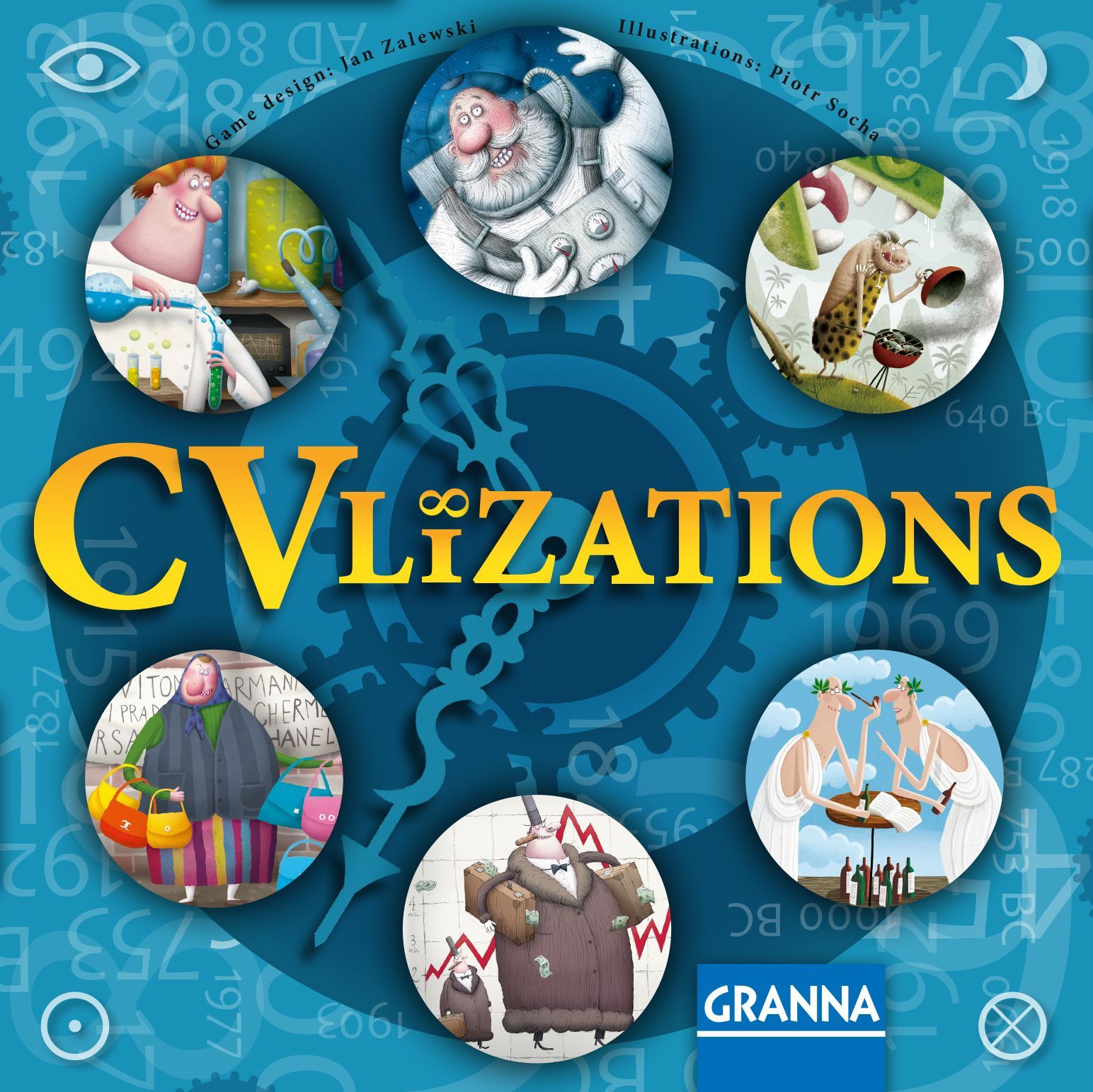
CVlizations
2015- 2 to 5 players
- 45 to 60 minutes
- Ages 10 and up
- 1 to 4 players
- 60 to 90 minutes
- Ages 14 and up
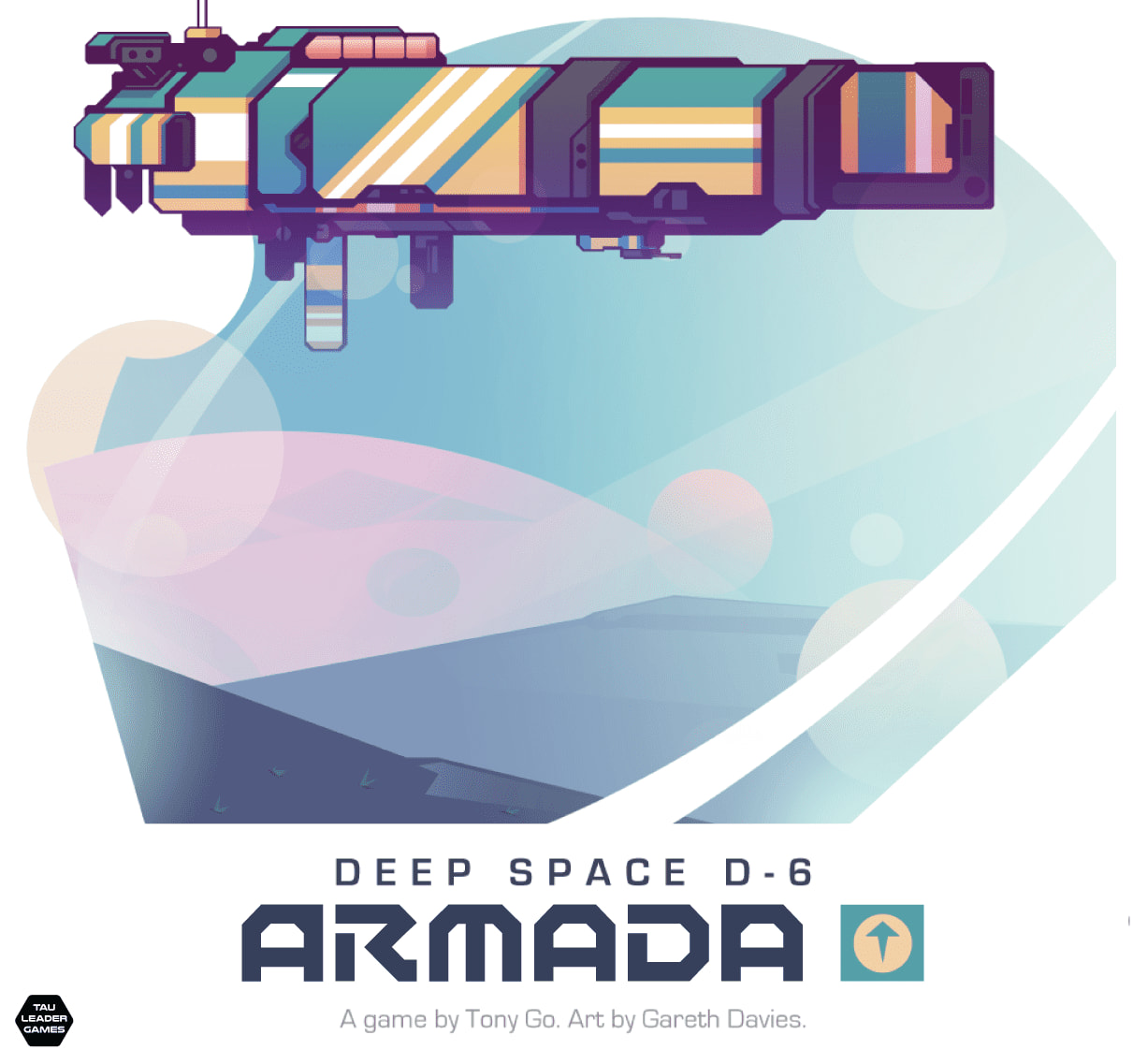
A standalone cooperative space-combat game in which players assign crew dice to starship stations, repair damage and fight enemy fleets across missions.
by Tony Go
- 3 to 6 players
- 60 minutes
- Ages 12 and up
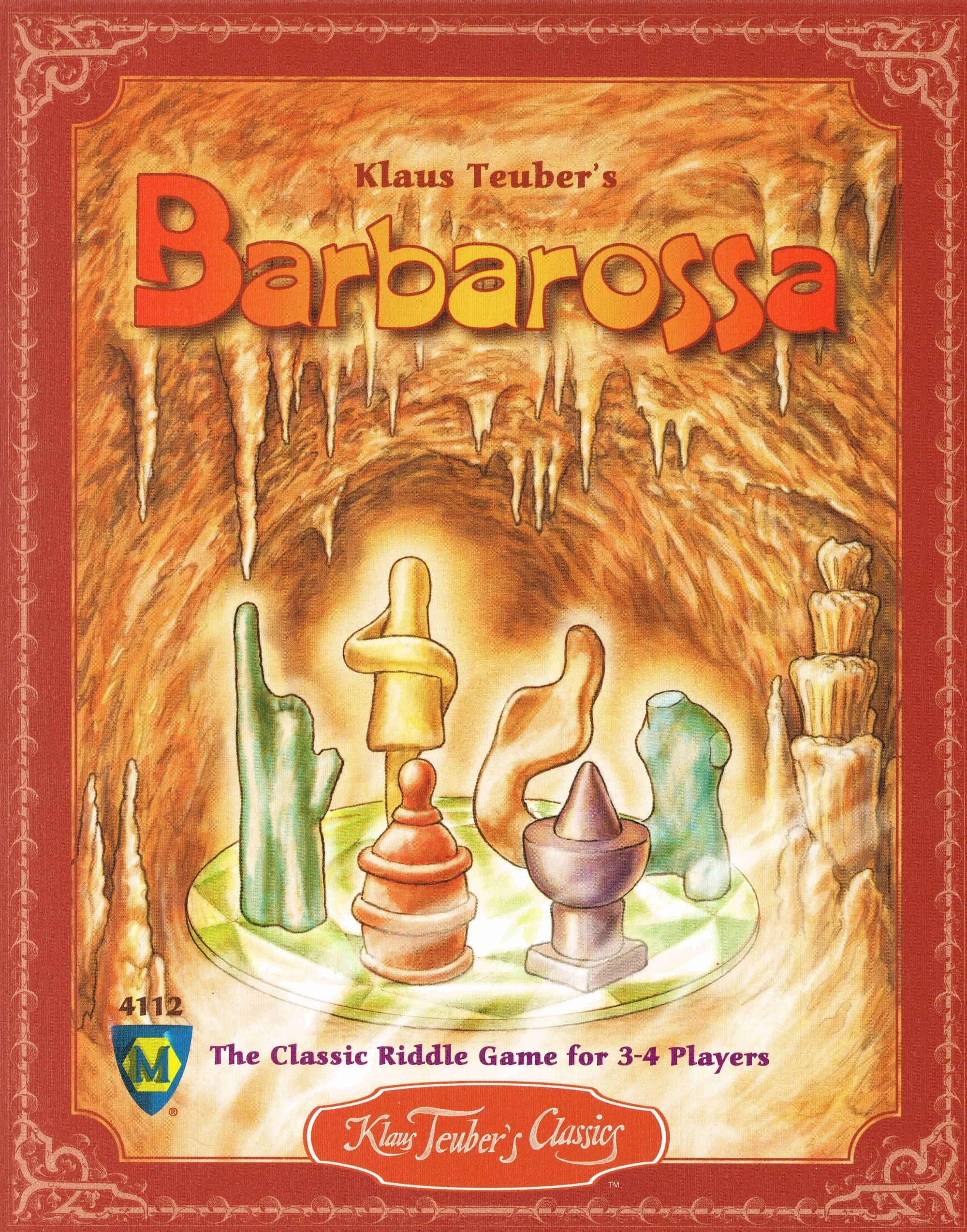
Barbarossa is a clay-shaping German-style board game for 3 to 6 players, designed by Klaus Teuber who based it off The Riddle-Master trilogy by Patricia A. McKillip, it was published in 1988 by Kosmos in German and by Rio Grande Games in English. Barbarossa won the 1988 Spiel des Jahres award.
by Klaus Teuber · Franckh-Kosmos
- 1 to 4 players
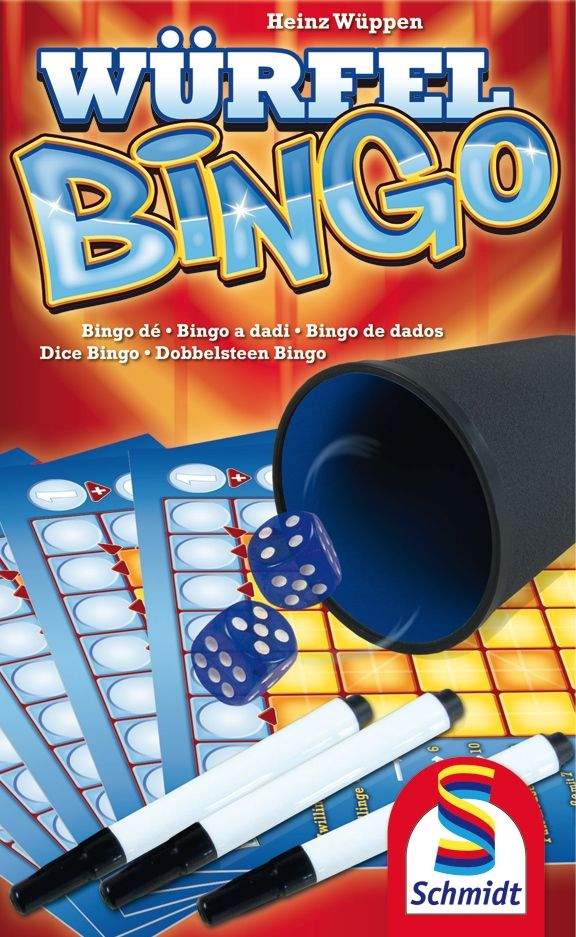
Würfel Bingo
2007Roll two dice each turn and fill a grid to build the best scoring lines.
- 1 to 12 players
- 15 minutes
- Ages 8 and up
A dice-rolling grid game for one to twelve players, taking about 15 minutes and suited to ages 8 and up. Several companies published it, Ravensburger and Schmidt Spiele among them. You fill your grid with sums from repeated dice rolls, aiming to form the most valuable lines.
- 3 to 5 players
- 120 minutes
- Ages 12 and up
by John Bohrer
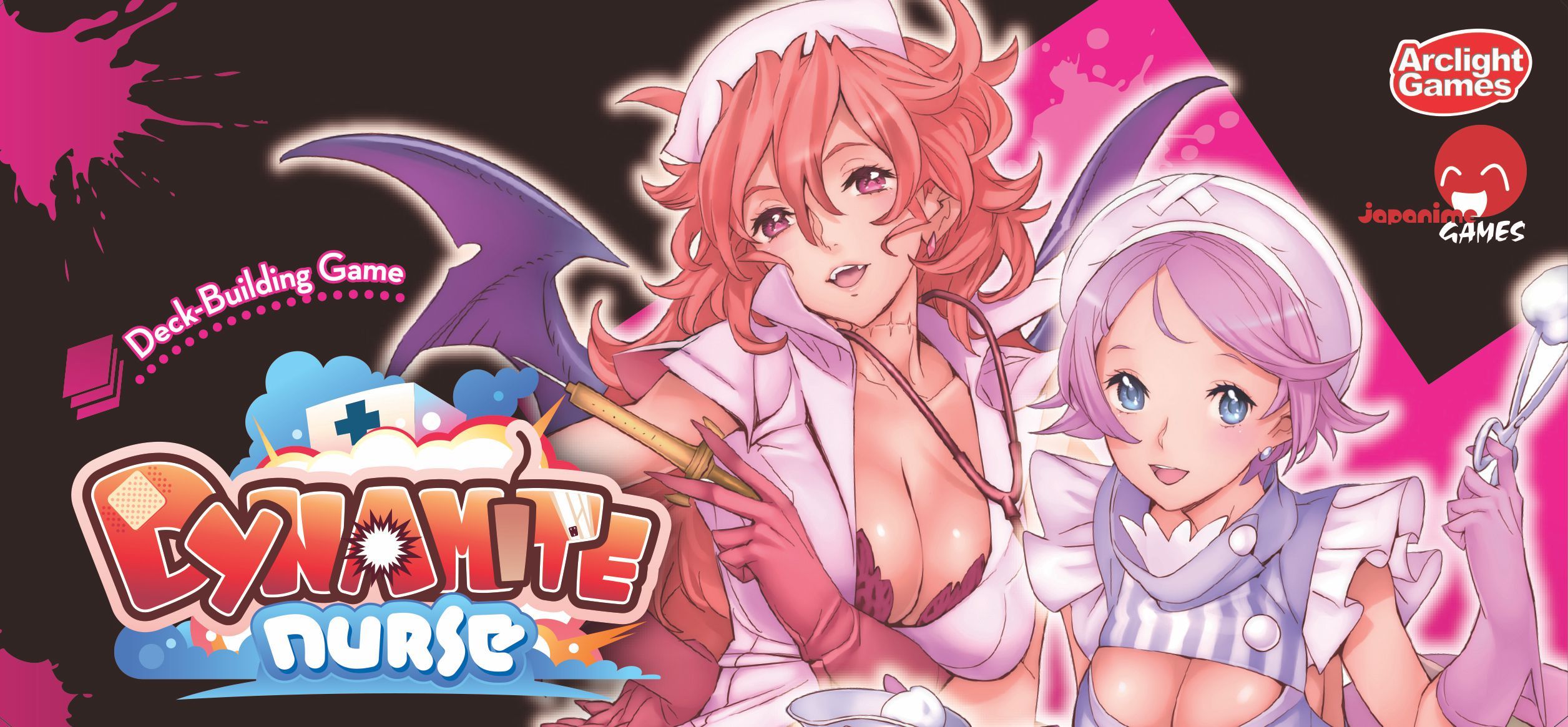
Dynamite Nurse
2011- 3 to 5 players
- 50 minutes
- Ages 16 and up