Loading the page…
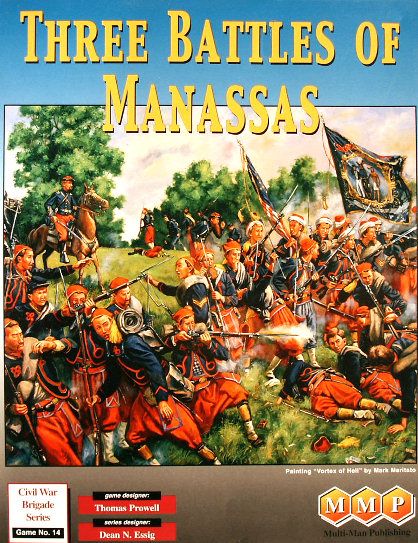
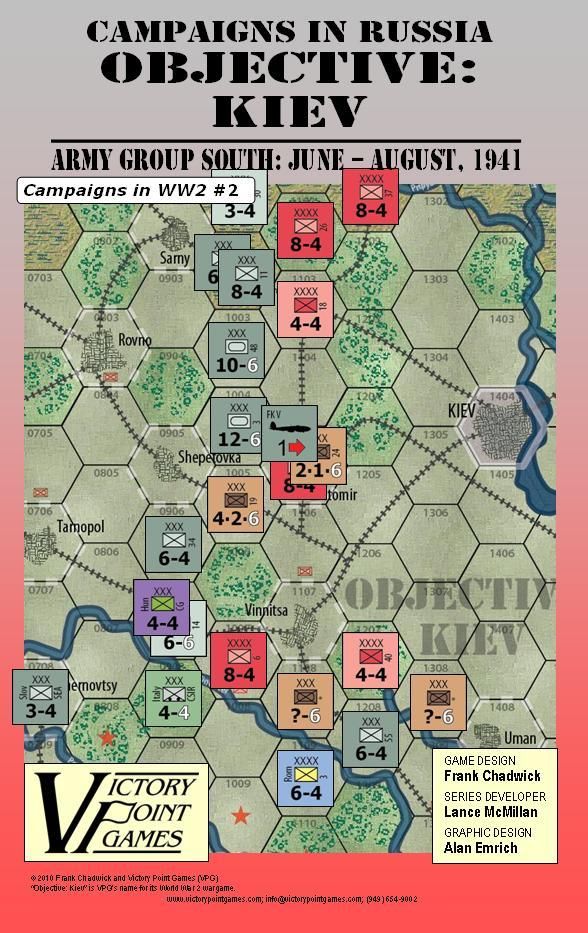
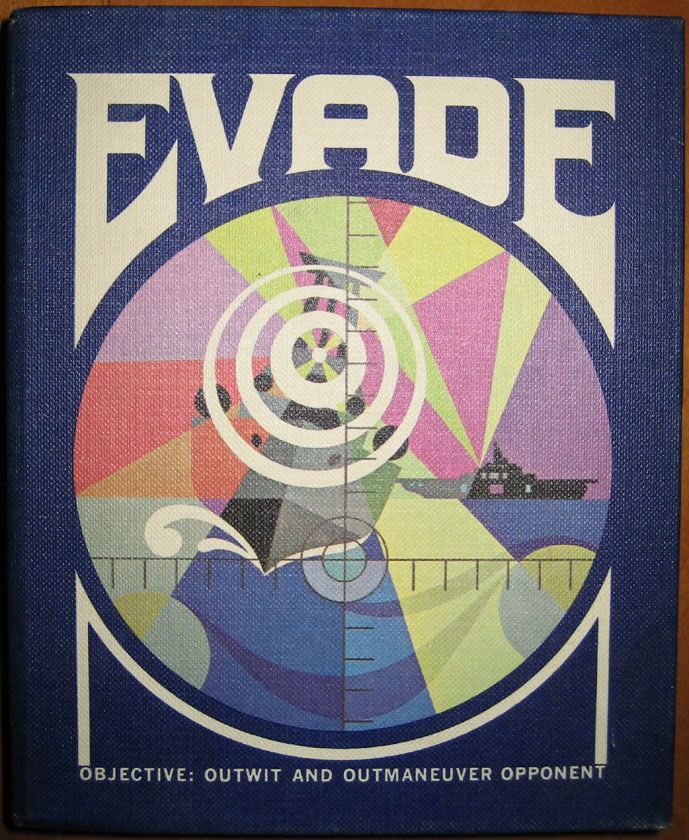
- 2 players
- 180 minutes
- Ages 14 and up
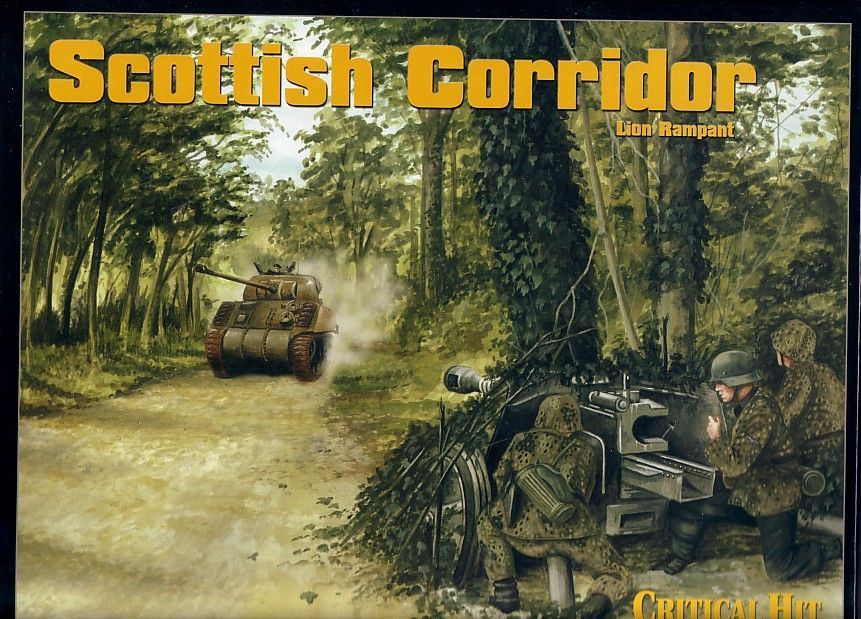
by David A. Powell, Dean Essig
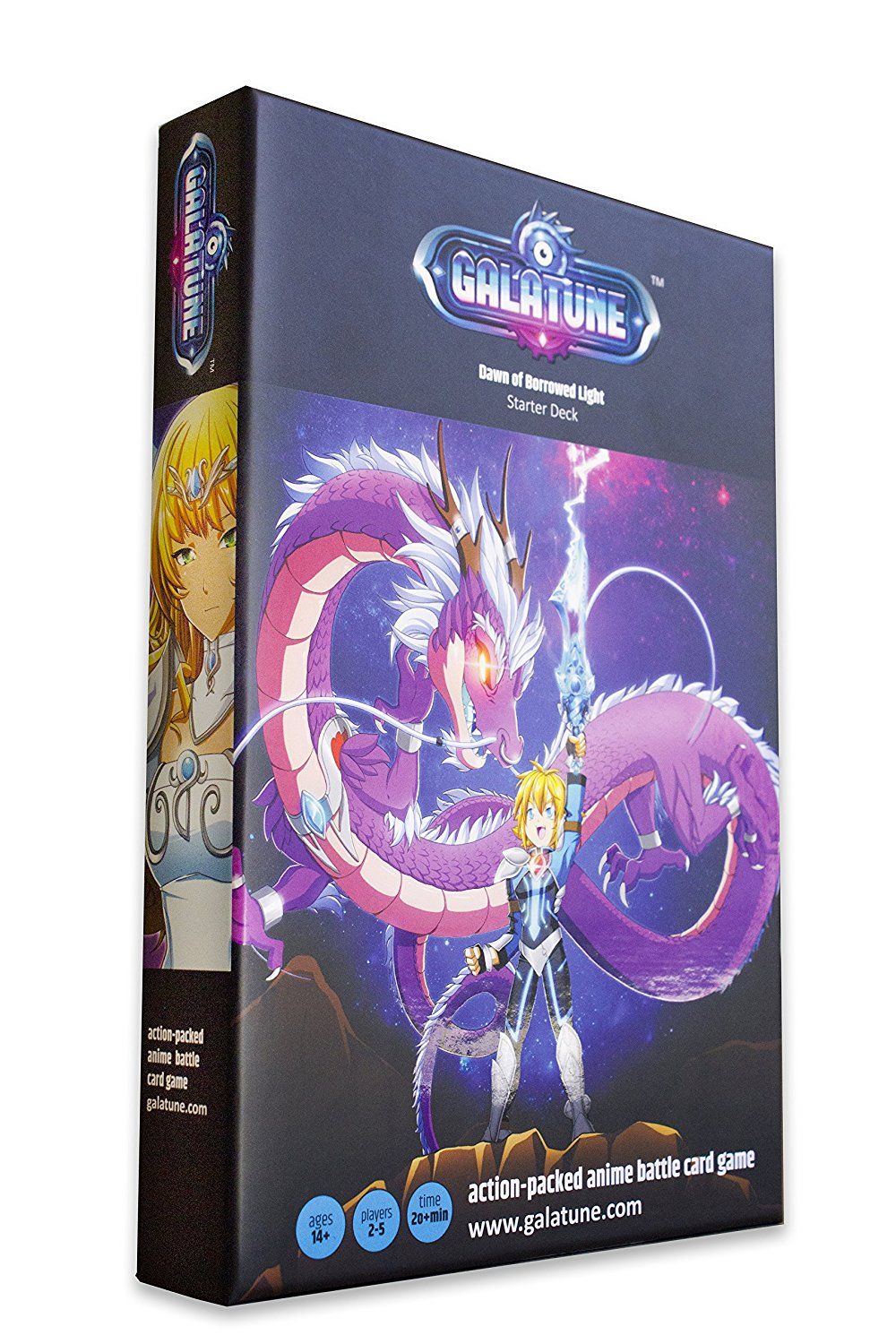
Galatune
2016- 2 to 5 players
- 20 minutes
- Ages 10 and up
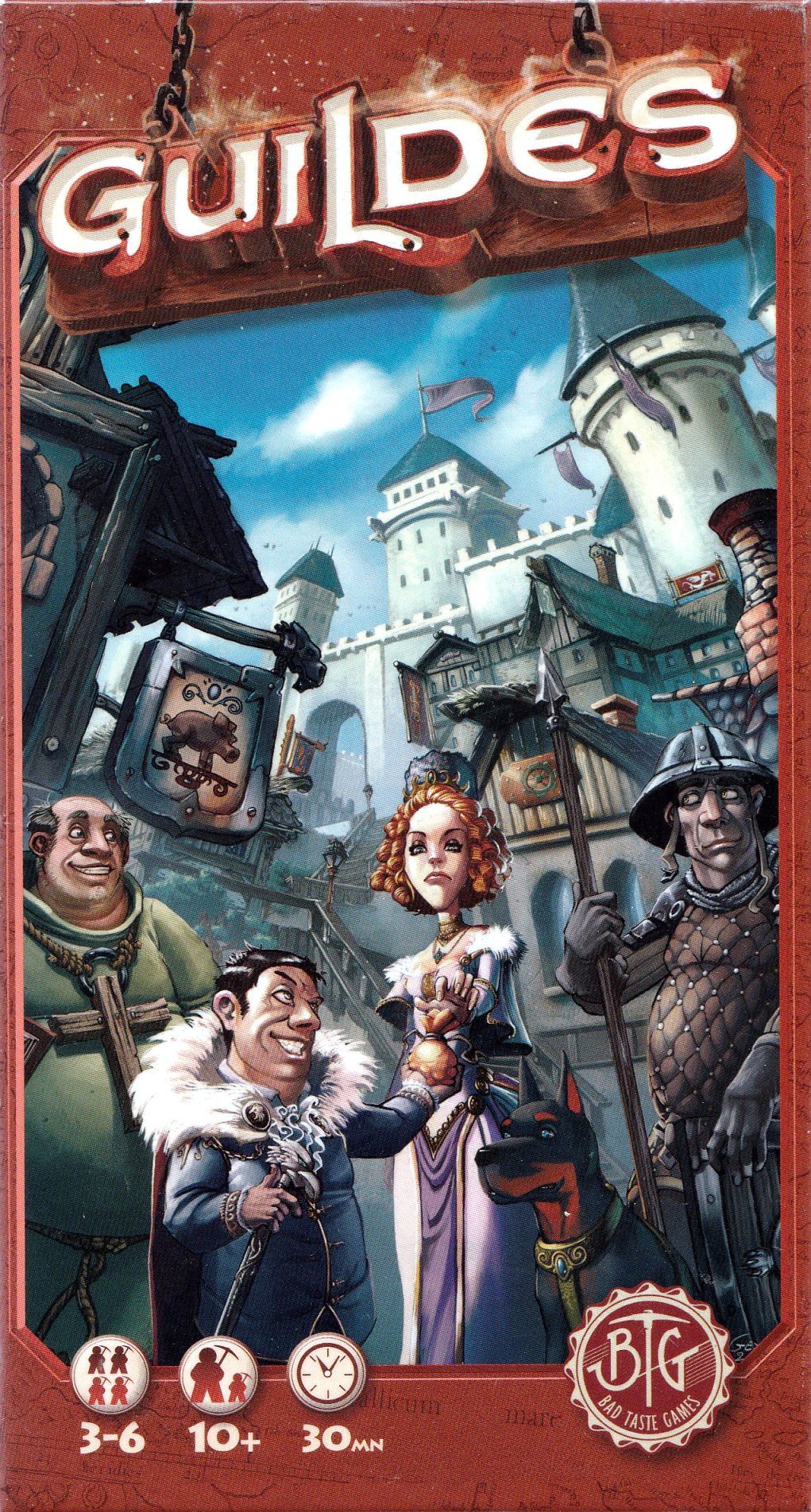
Guildes
2017- 2 to 6 players
- 20 to 35 minutes
- Ages 10 and up
- 2 to 6 players
- 15 to 45 minutes
- Ages 10 and up
by Forrest-Pruzan Creative
- 2 players
- 30 minutes
- Ages 13 and up
by Rob Bartel
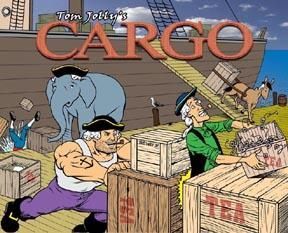
Cargo
2004Push crates around a grid to load crates onto your own ship while pushing rivals' crates into the sea.
- 2 to 4 players
- 45 minutes
- Ages 10 and up
Cargo, a 2004 game from designer Tom Jolly, suits two to four players aged 10 and up and runs about 45 minutes. Wingnut Games published it. Players shove crates across a grid toward matching ships, aiming to finish with more points than their rivals.
by Tom Jolly
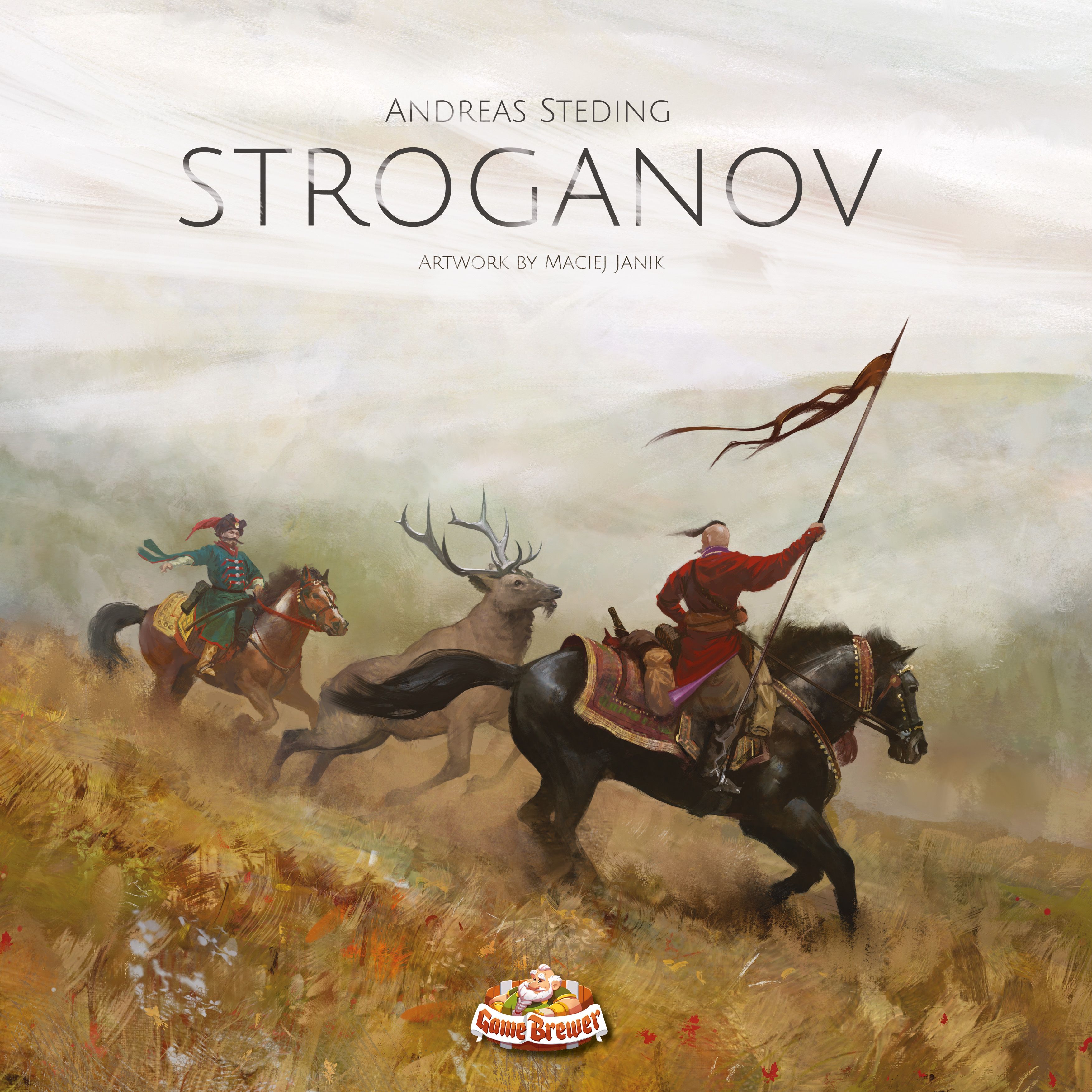
Stroganov
2021- 1 to 4 players
- 90 minutes
- Ages 12 and up
An exploration game in which players travel across Siberia collecting furs for victory points. Over four yearly rounds, spring, summer and autumn are for actions while winter is spent at home.
by Andreas Steding
- 2 to 5 players
- 45 to 60 minutes
- Ages 14 and up
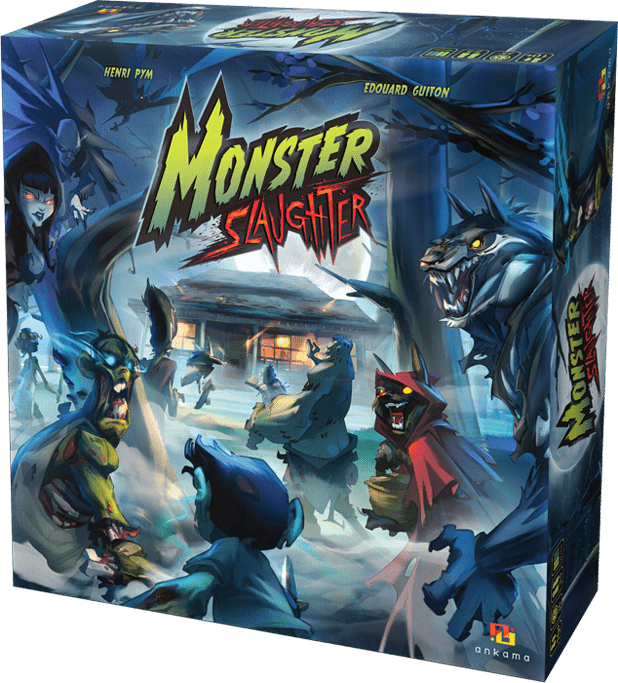
by Henri Pym
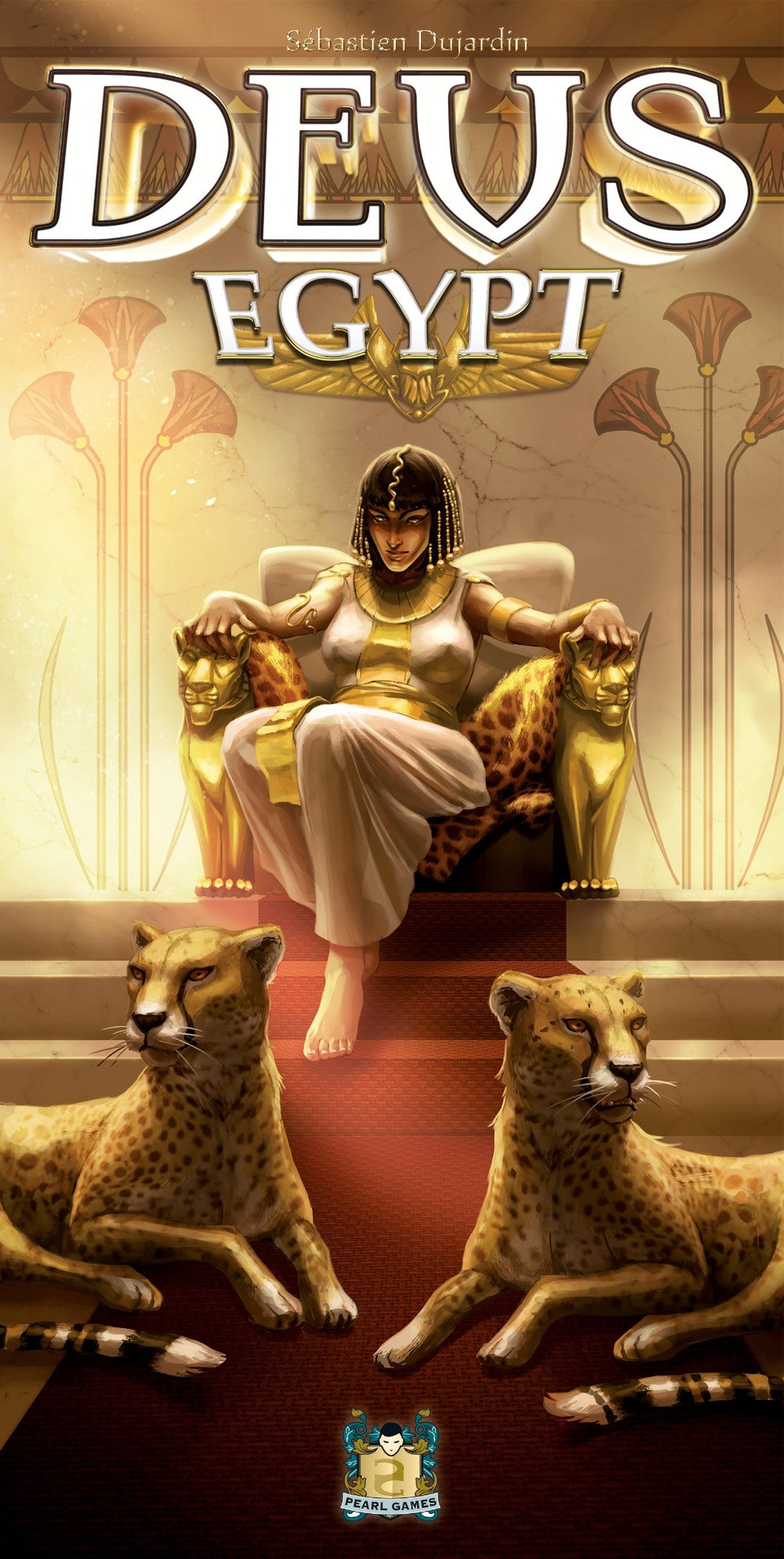
Deus Egypt
2016- 2 to 4 players
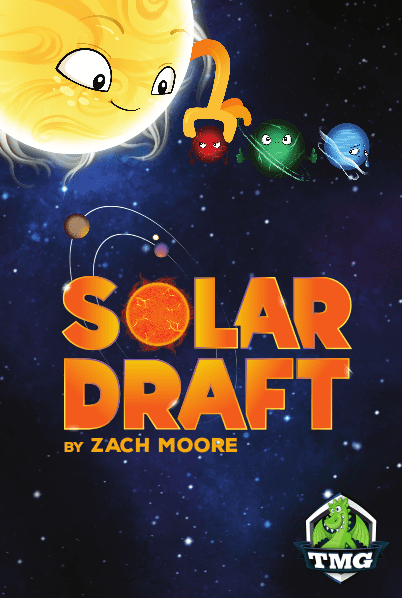
Solar Draft
2019- 2 to 5 players
- 20 to 30 minutes
- Ages 14 and up
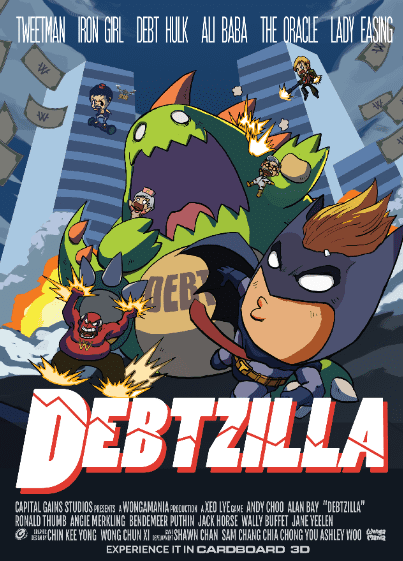
Debtzilla
2018- 2 to 4 players
- 60 to 90 minutes
- Ages 14 and up
- 2 players
- 90 minutes
by Frederick A. Herschler
A race through a haunted Swedish castle to unlock doors and rescue the princess before the Count.
- 2 to 4 players
- 45 to 60 minutes
Mysteriet på Greveholm is a family board game for two to four players, designed by Peter Nyrell and published by Alga in 1999. Darkness has fallen over Greveholm castle.
by Peter Nyrell · Alga
Dom Pierre
2022- 2 to 4 players
- 60 to 120 minutes
- Ages 12 and up
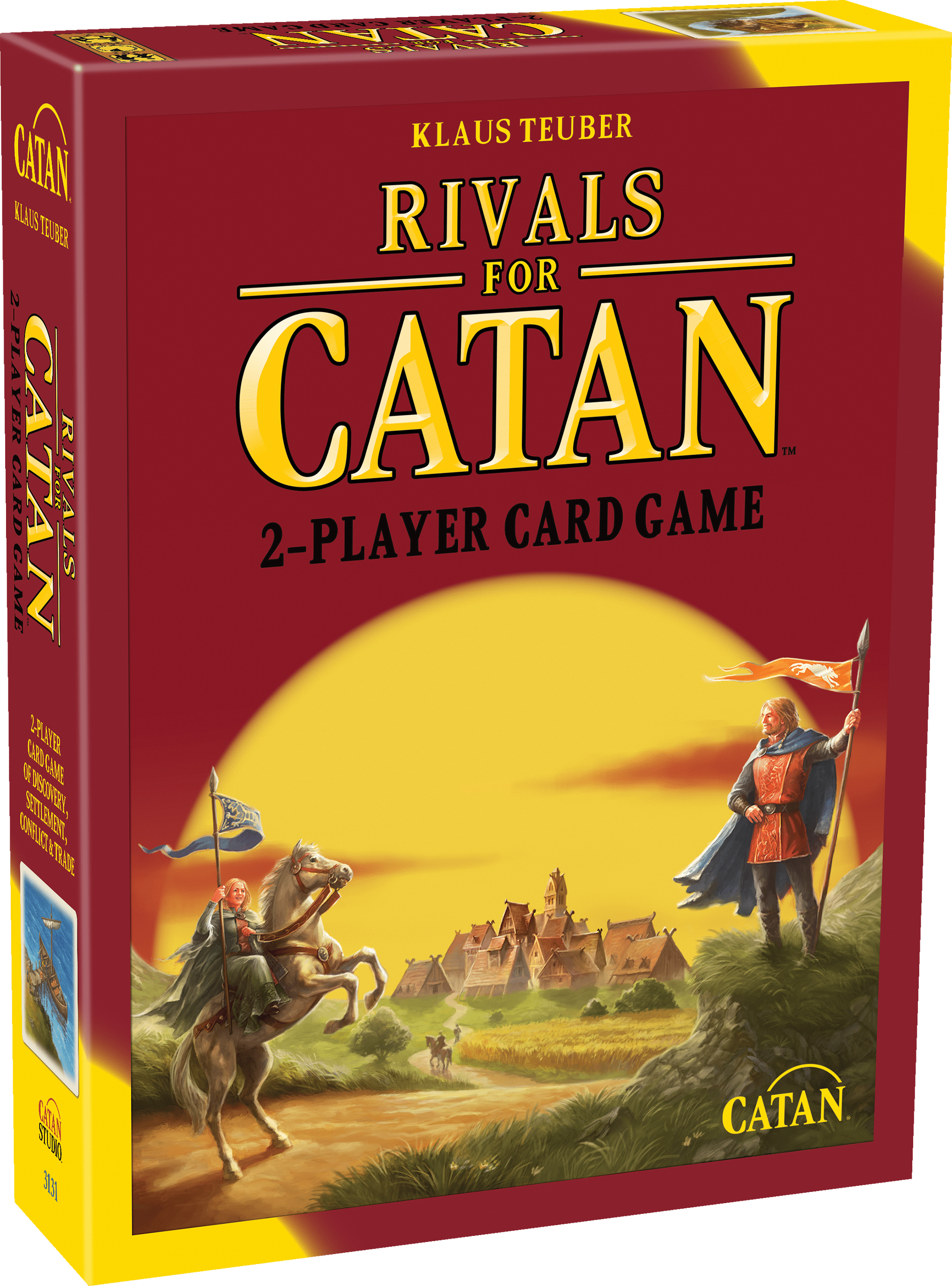
- 2 players
- 45 to 60 minutes
- Ages 10 and up
by Klaus Teuber
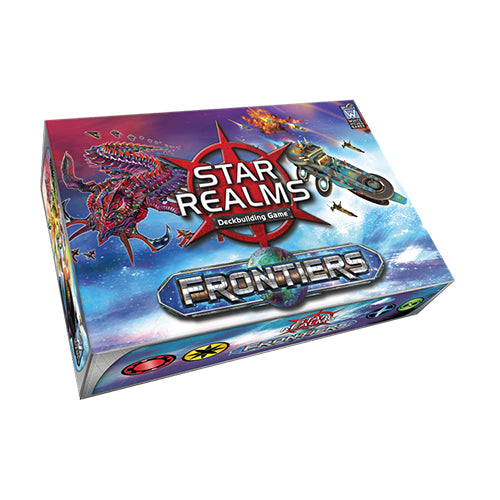
A standalone space-combat deckbuilder for one to four players, with solo and cooperative modes.
- 1 to 4 players
- 20 to 45 minutes
- Ages 12 and up
Star Realms: Frontiers is a deckbuilding game for one to four players aged 12 and up. Darwin Kastle and Robert Dougherty designed it, and Devir, Hobby World, IELLO and Wise Wizard Games published it. You command a fleet on a freshly opened warpgate frontier, racing rival commanders to claim the galaxy.
by Darwin Kastle, Robert Dougherty · Wise Wizard Games
- 2 players
- 30 to 45 minutes
- Ages 14 and up
by Adam Sadler, Brady Sadler
- 1 to 3 players
- 60 minutes
- Ages 10 and up
Sweepers
2026A quick squirrel dexterity race to rake up treats from a meadow before rivals grab them.
- 2 to 4 players
- 10 to 15 minutes
- Ages 4 and up
Sweepers is a short, light game for two to four players, designed by Oleg Meleshin and published by Red Cat Games in 2026. Its theme is a squirrel rush: each player is a quick squirrel racing to gather snacks scattered across a meadow before anyone else can get their paws on them.
by Oleg Meleshin · Red Cat Games
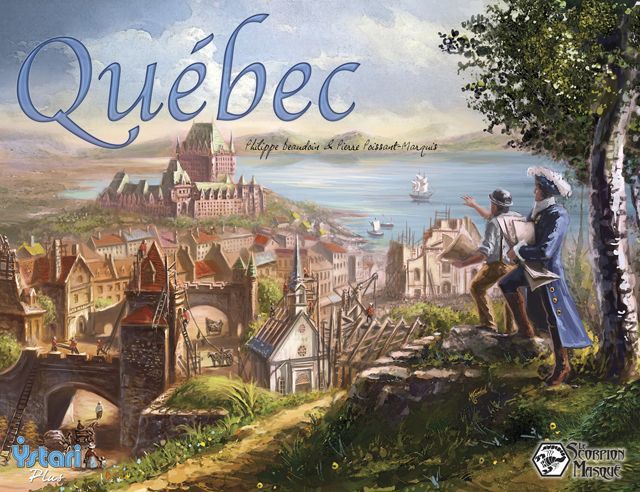
Québec
2011- 2 to 5 players
- 75 minutes
- Ages 13 and up
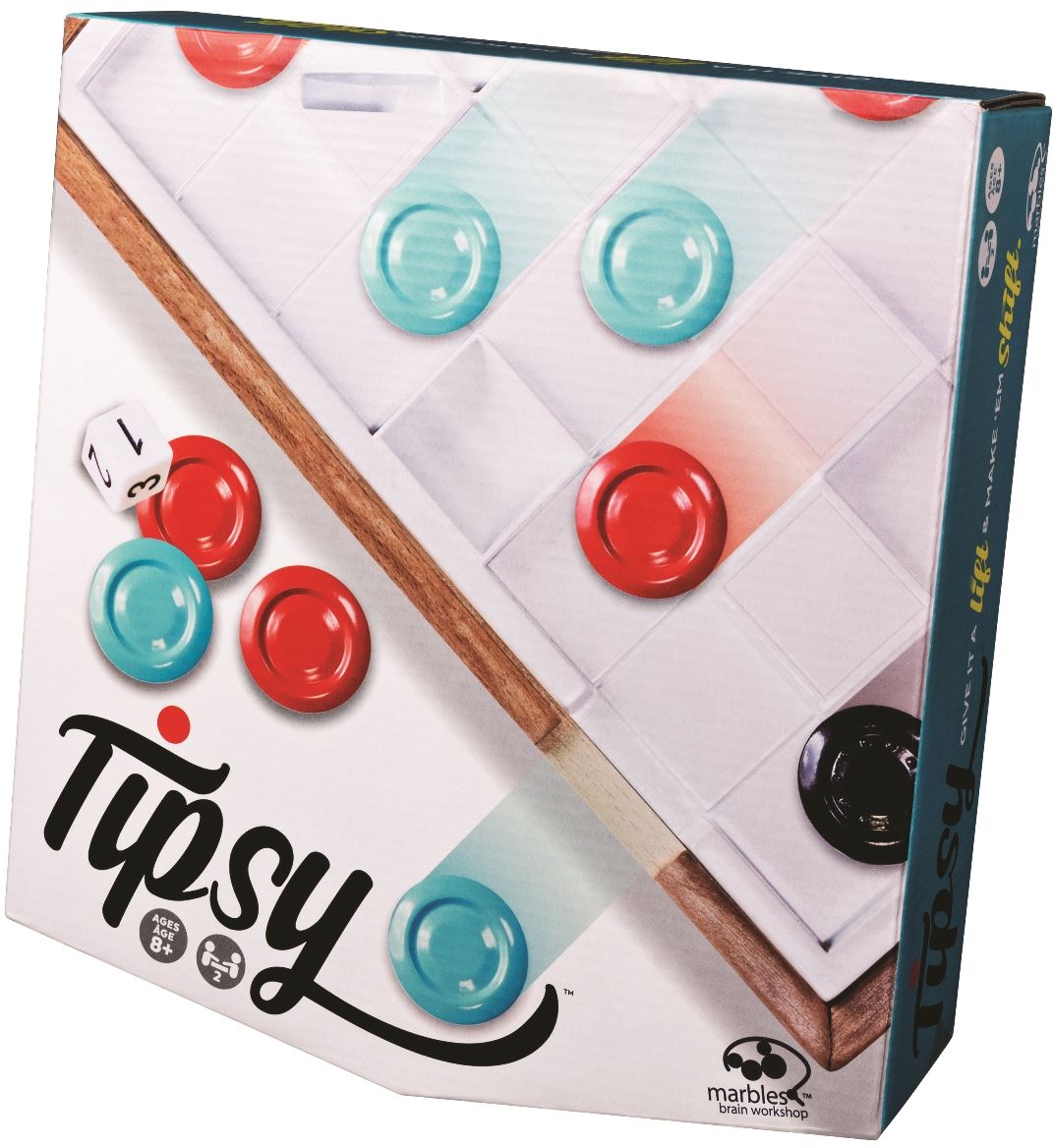
Tipsy
2019- 2 players
- Ages 8 and up
- 2 to 6 players
- 60 to 180 minutes
- Ages 12 and up
15x15 grid variant of Japanese chess
- 2 players
Dai shogi is a two-player board game from Japan, closely resembling standard shogi in its rules and play. It is also called Kamakura dai shogi and belongs to a family of large-board shogi variants. Its roots lie in Heian era shogi, and its earliest forms date to the Kamakura era, around 1230.
- 2 to 4 players
- 60 minutes
- Ages 10 and up
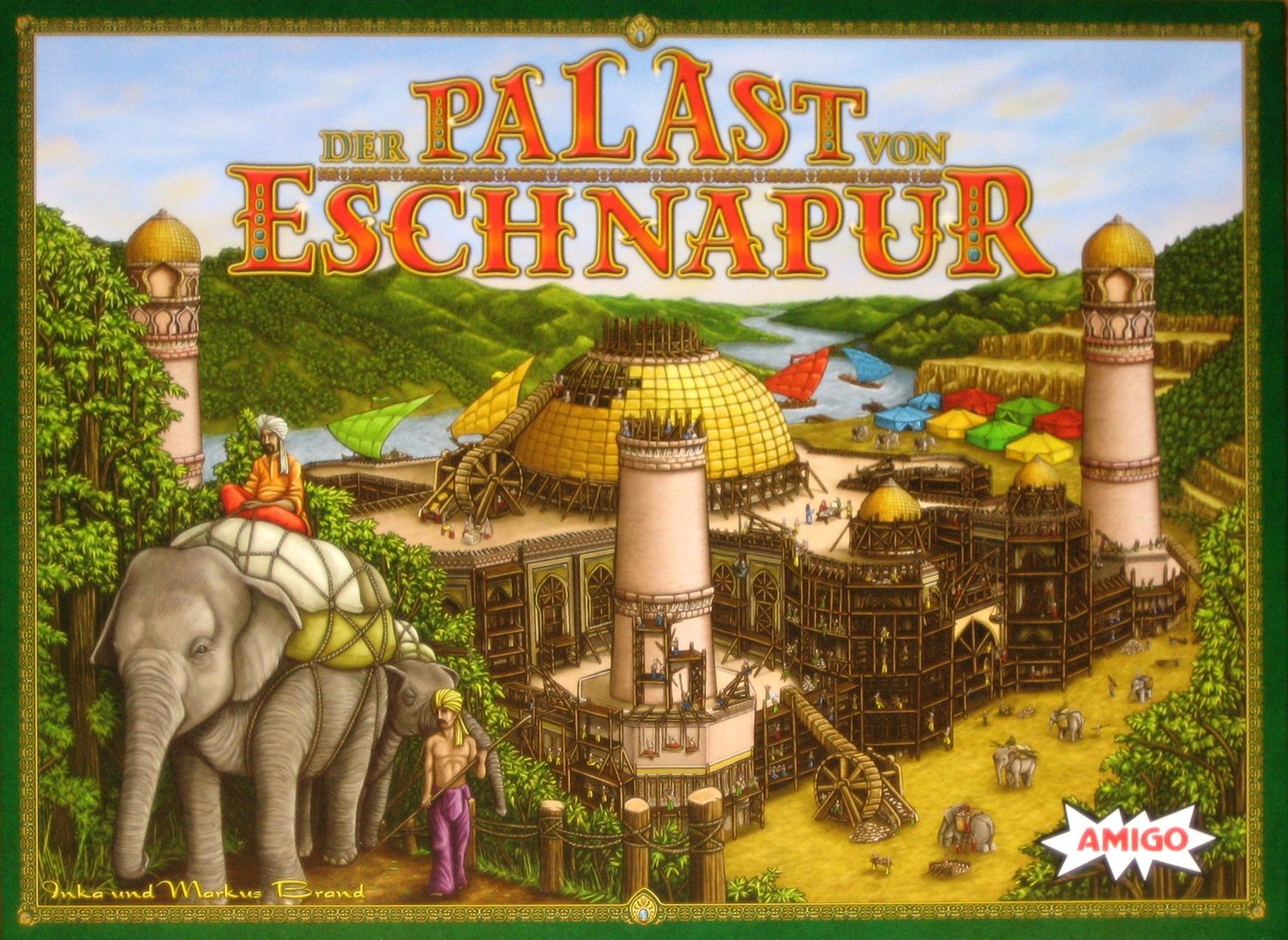
by Inka Brand, Markus Brand
- 2 players
- 120 minutes
- Ages 12 and up
by Ray Tapio
UNO Dice Game
2011- 2 players
- 15 minutes
- Ages 7 and up
Perspective
2016- 1 to 4 players
- 5 to 15 minutes
- Ages 9 and up
- 2 players
- 90 minutes
- Ages 12 and up
by Dan Campagna