Loading the page…
- 1 to 4 players
- 120 to 240 minutes
- Ages 13 and up
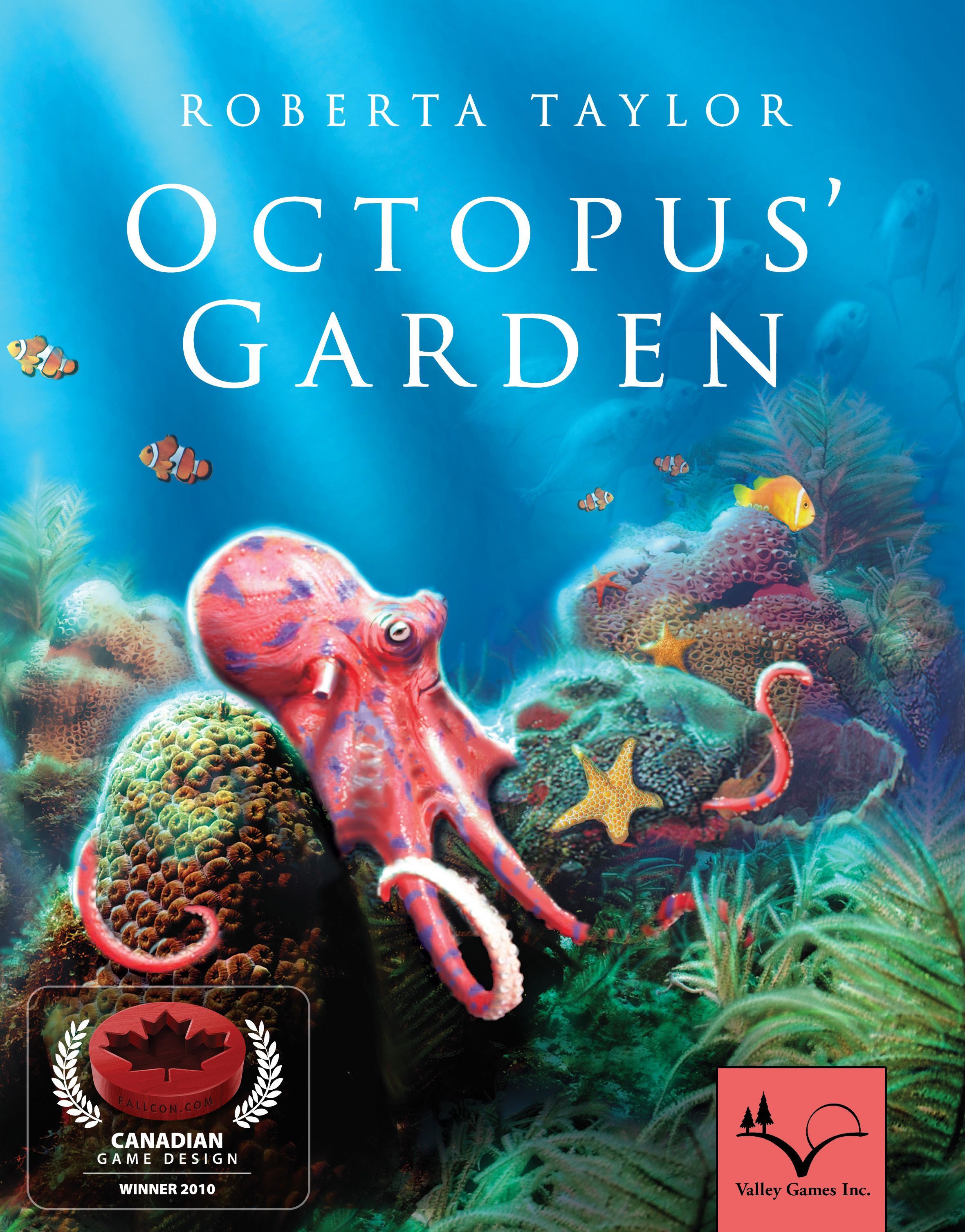
Octopus's Garden
2011- 2 to 4 players
- 45 minutes
- Ages 10 and up
- 2 to 4 players
- 45 to 60 minutes
- Ages 14 and up
by Michael Fox (II), Rory O'Connor
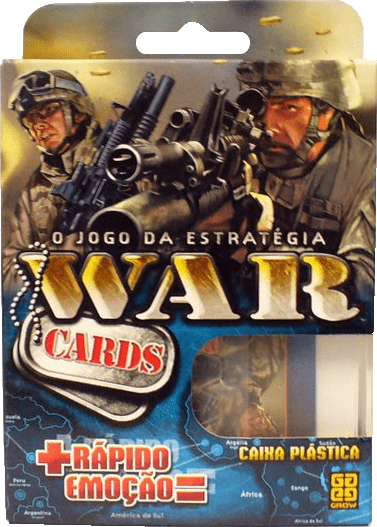
War Cards
2010- 3 to 4 players
- 45 minutes
- Ages 10 and up
- 2 to 4 players
- 60 to 120 minutes
- Ages 16 and up
by Dmitry Kibkalo
- 3 to 7 players
- 45 to 60 minutes
- Ages 8 and up
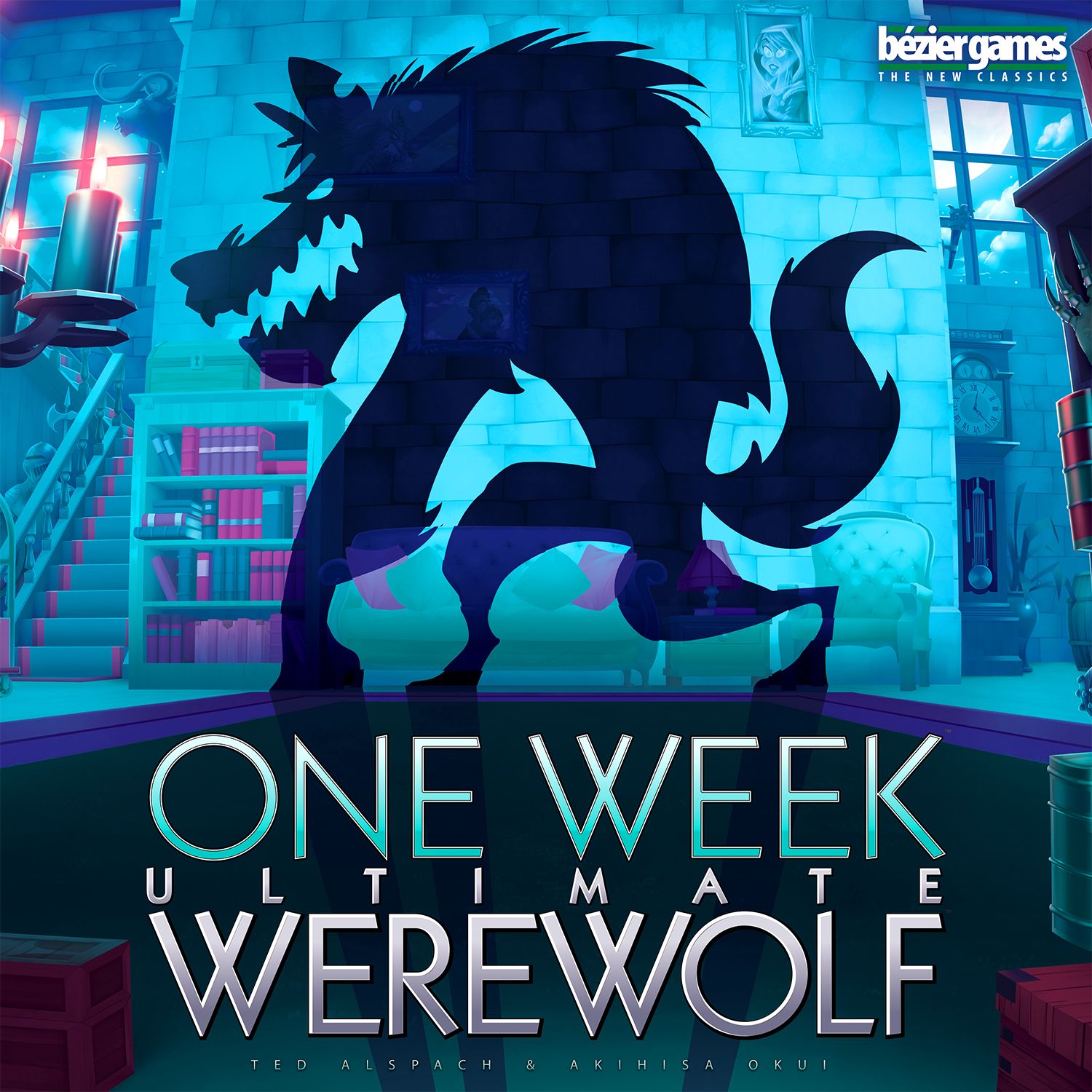
by Akihisa Okui, Ted Alspach
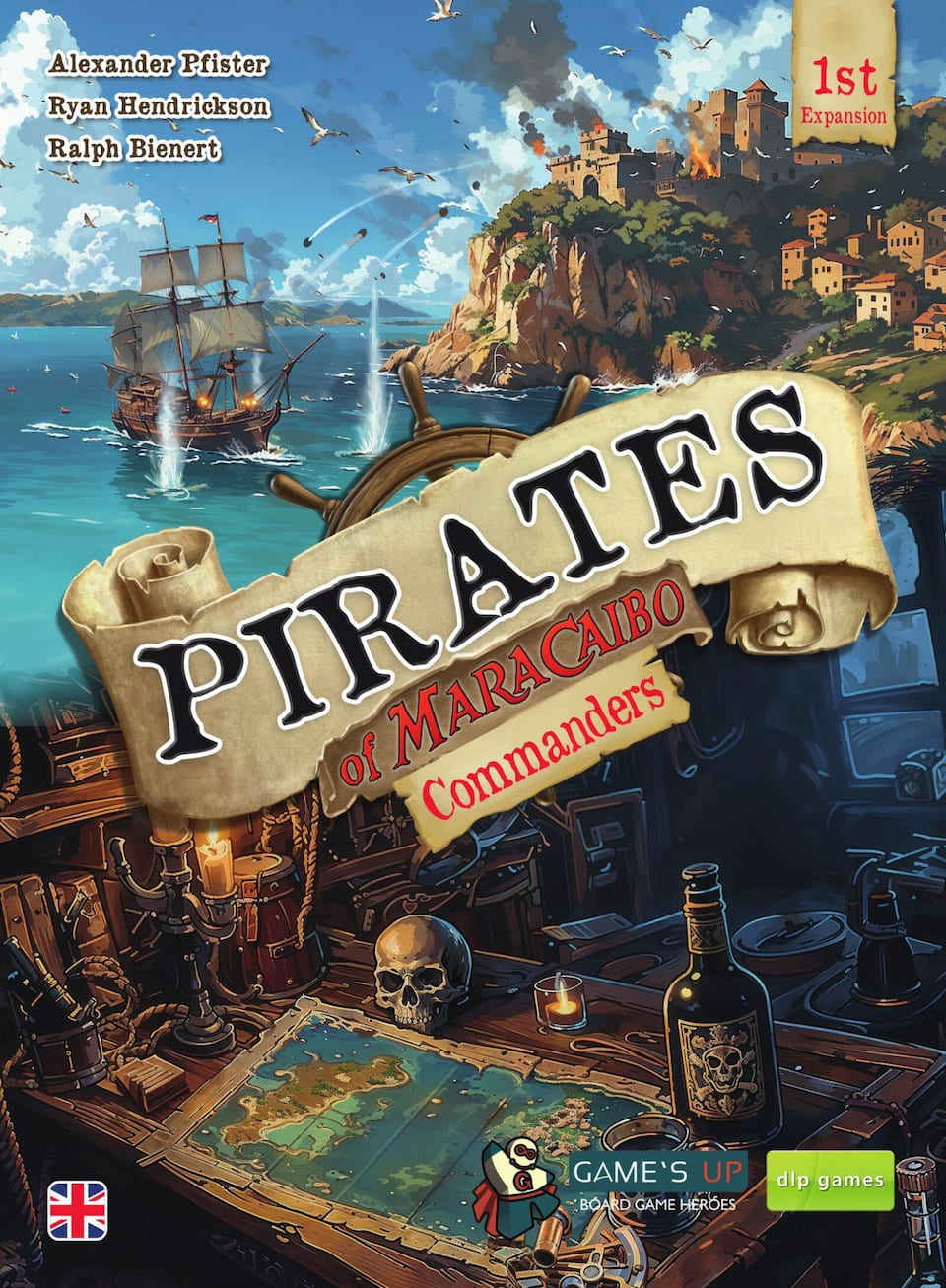
Expansion adding ship commanders, cannons and rum trading to the Pirates of Maracaibo privateer route game.
- 1 to 4 players
- 100 minutes
- Ages 12 and up
Commanders is an expansion for Pirates of Maracaibo, a game for 1 to 4 players lasting about 100 minutes and suited to ages 12 and up. It was designed by Alexander Pfister, Ralph Bienert and Ryan Hendrickson and published by Capstone Games and Game's Up.
by Alexander Pfister, Ralph Bienert · Capstone Games
Cooperative scenario game about the Dutch resistance in WWII's final years.
- 1 to 5 players
- 90 minutes
- Ages 14 and up
A cooperative, scenario-based game about the Dutch resistance in the final years of the Second World War, designed by Marcel Köhler and published by B-Rex Entertainment. It is 1943 and Nazi troops have made life dangerous in the Netherlands, searching homes and sending friends and family to Germany.
by Marcel Köhler · B-Rex Entertainment
A storytelling adventure of trekking across the American wilderness, recording your travels in a journal.
- 2 to 4 players
- 90 to 120 minutes
- Ages 10 and up
Trail Story: America is a storytelling adventure game for two to four players aged 10 and up, published by WizKids in 2024. Expect a session of 90 to 120 minutes.
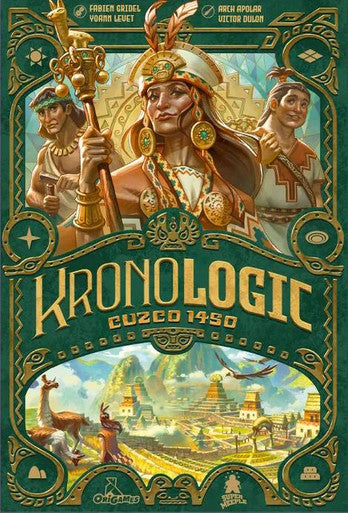
Deduction game where players share clues to solve Inca-era mysteries in 1450 Cuzco, racing rivals to the answer.
- 1 to 4 players
- 30 minutes
- Ages 10 and up
Set in 1450 Cuzco, the Inca capital, this deduction game asks investigators to untangle a series of unexplained events. Players pool partial clues from their own secret notes to pin down who, where and when.
by Fabien Gridel, Yoann Levet
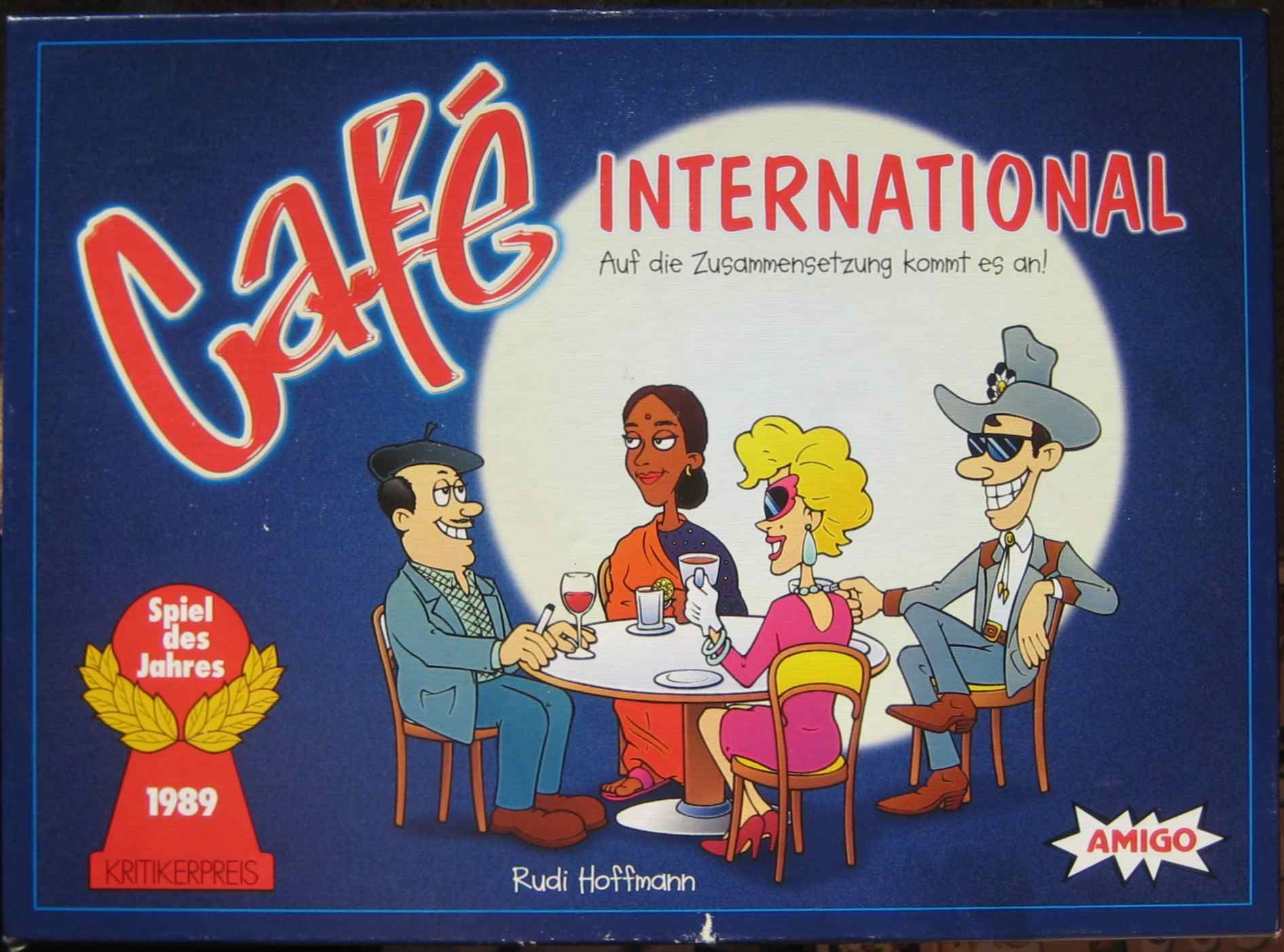
Seat customers by nationality and gender in a tile-laying cafe, a Spiel des Jahres 1989 winner.
- 2 to 4 players
- 45 to 60 minutes
- Ages 10 and up
Café International is a tile-laying board game for 2 to 4 players, aged 10 and up, designed by Rudi Hoffmann and published by AMIGO, Mattel, Rio Grande Games and others. It is a 1989 title that won the Spiel des Jahres. You run a busy cafe full of customers from many countries, and you must find each guest a seat.
by Rudi Hoffmann
Meteor
2014- 1 to 6 players
- 15 minutes
- Ages 12 and up
- 1 to 6 players
- 30 to 120 minutes
- Ages 10 and up
by Andrea Sfiligoi
An asymmetric card-based civilization builder where you steer one of history's great empires to dominance.
- 1 to 4 players
- 60 to 120 minutes
- Ages 14 and up
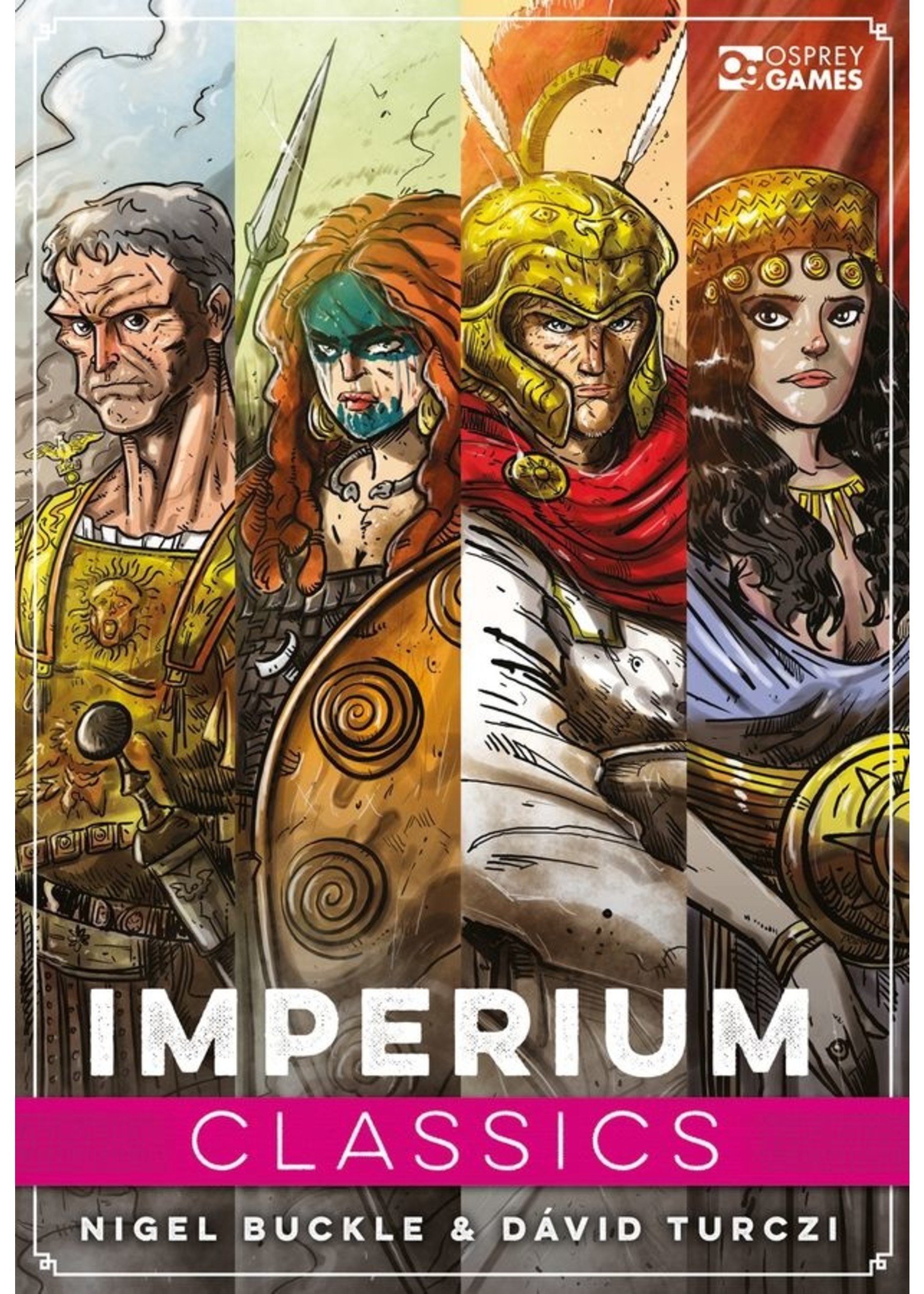
Imperium: Classics is an asymmetric, card-based civilisation building game for one to four players, taking 60 to 120 minutes and suited to ages 14 and up. Dávid Turczi and Nigel Buckle designed it, and Osprey Games published it. You steer one civilisation through conquest and cultural growth while enemies threaten it.
by Dávid Turczi, Nigel Buckle · Osprey Games
- 2 to 5 players
- 180 minutes
- 1 to 4 players
- 30 to 60 minutes
- Ages 13 and up
by Gregory Marques, Jim Lin
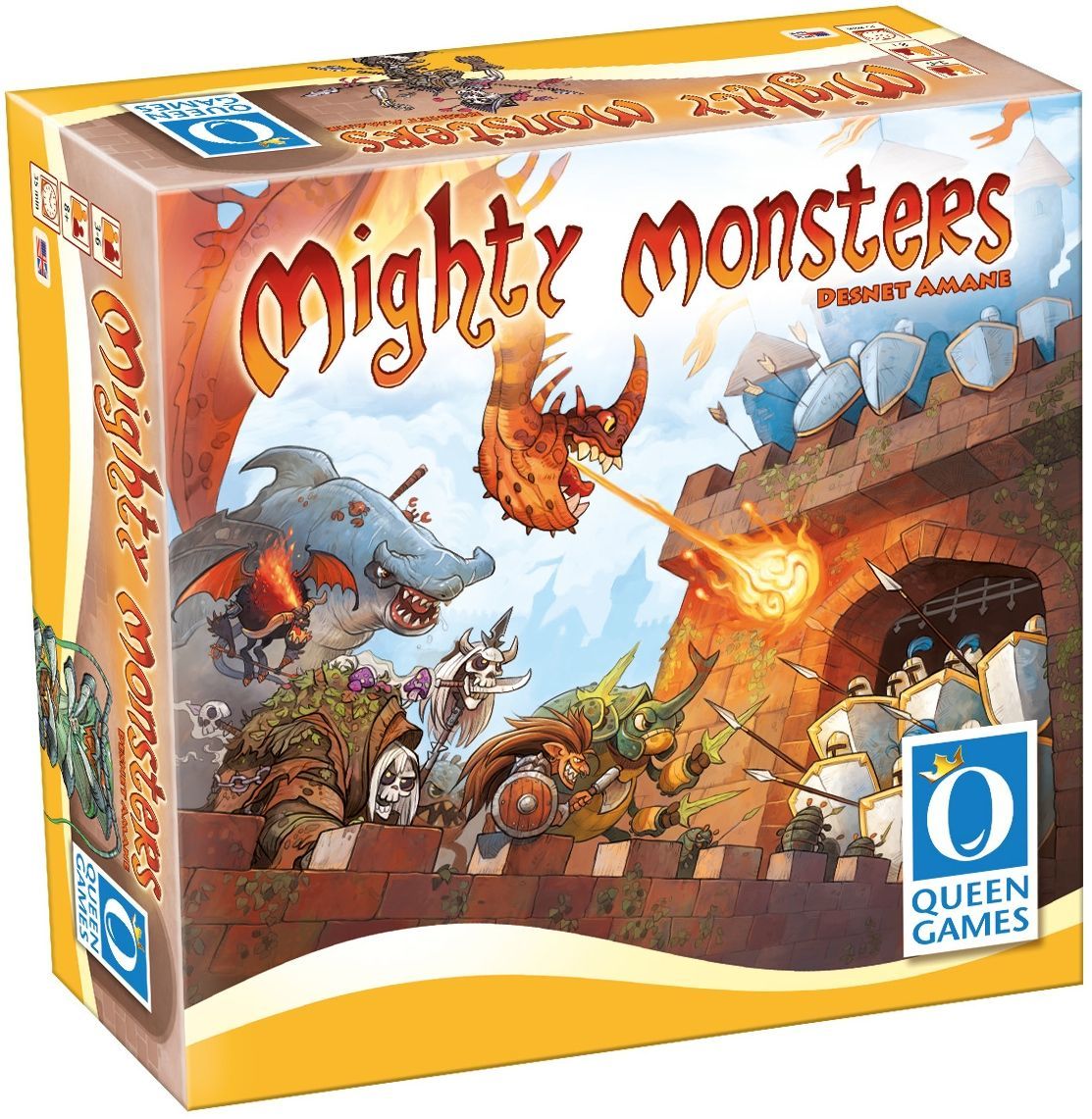
Mighty Monsters
2016- 3 to 6 players
- 20 to 35 minutes
- Ages 8 and up
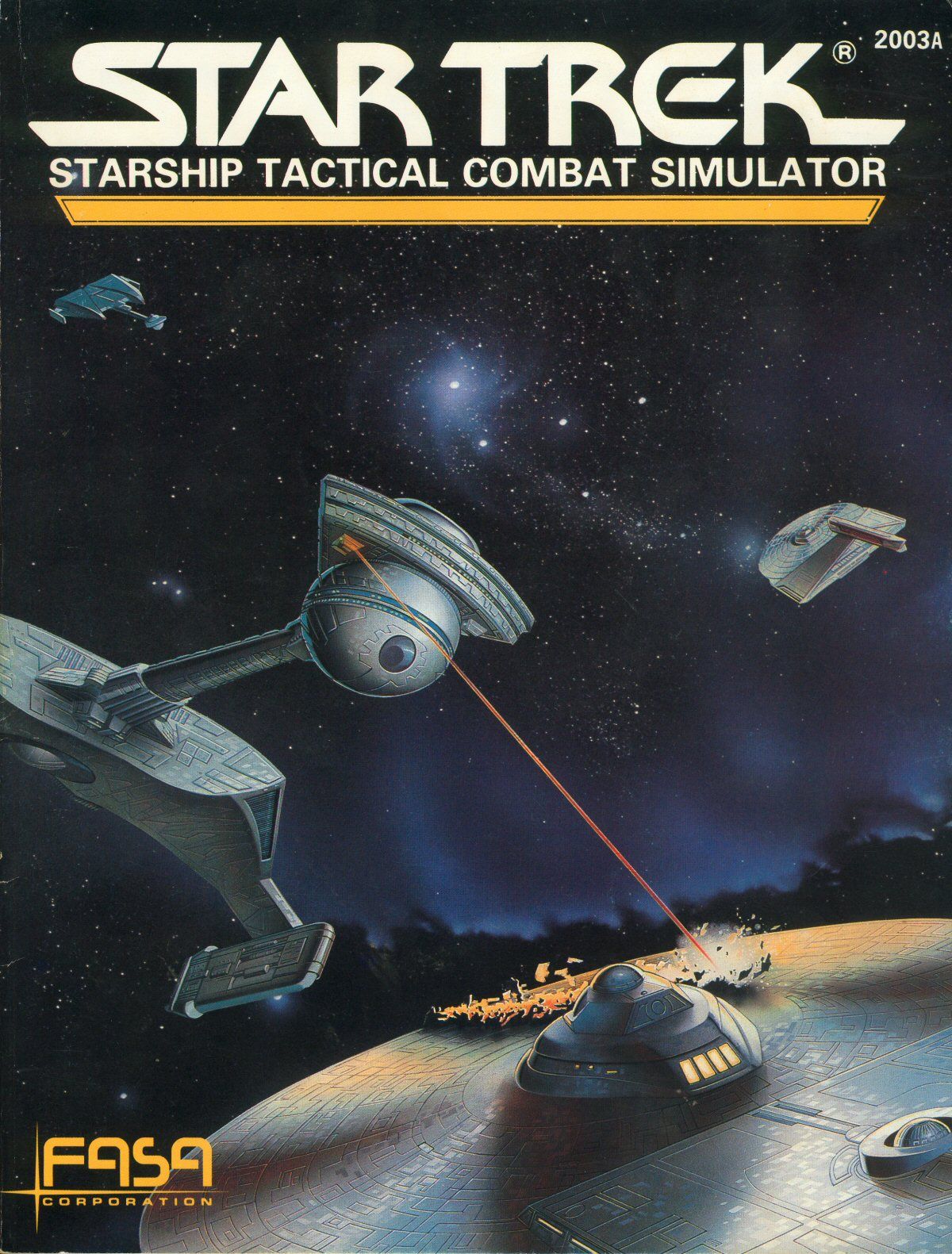
A 1983 Star Trek starship battle wargame using ten-sided dice and counters.
- 2 to 6 players
- 30 to 120 minutes
- Ages 10 and up
Star Trek: Starship Tactical Combat Simulator is a 1983 board wargame set in the Star Trek universe, for 2 to 6 players aged 10 and up. FASA Corporation and Games Workshop Ltd published it.
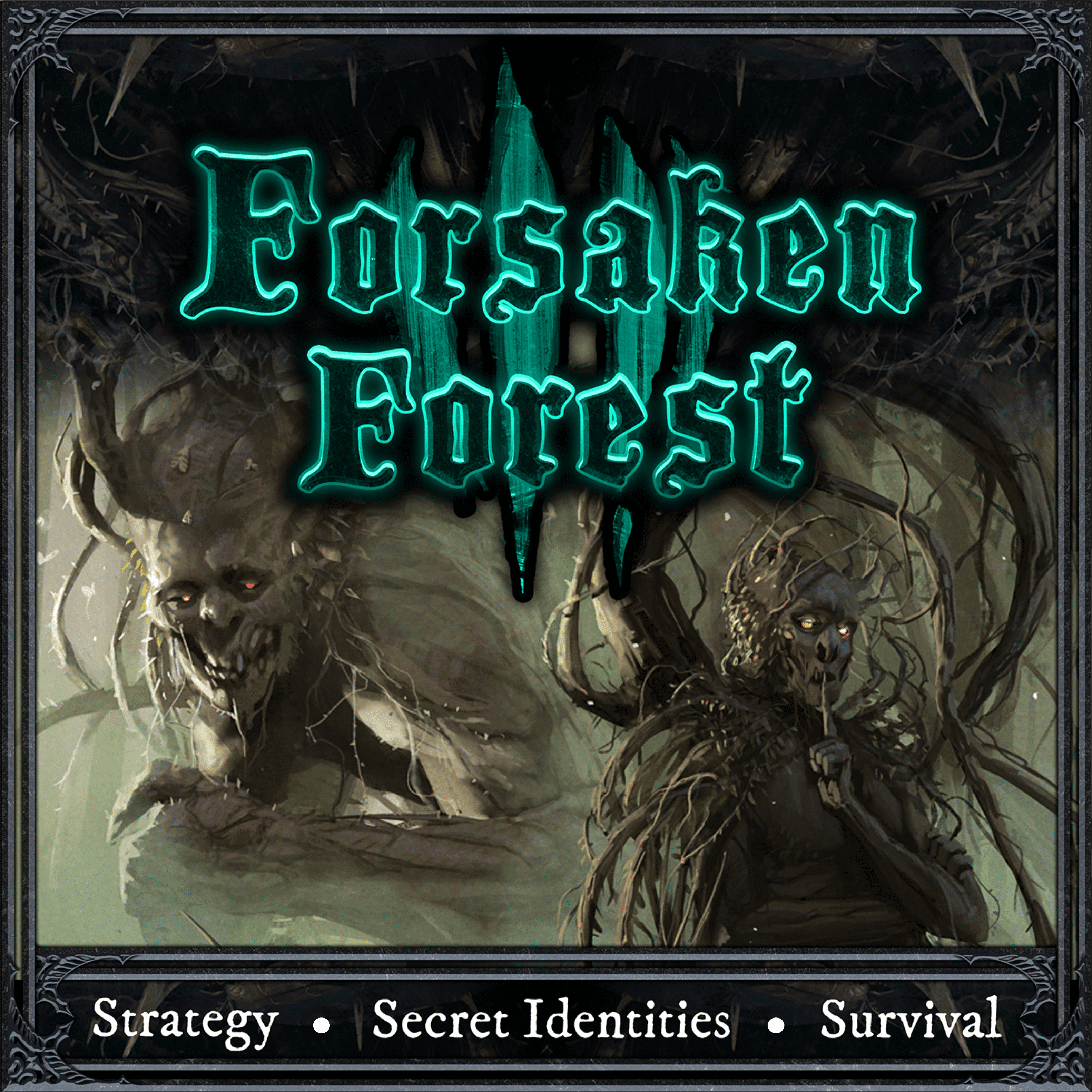
Forsaken Forest
2018- 4 to 12 players
- 20 to 60 minutes
- Ages 13 and up
- 1 to 4 players
- 30 to 70 minutes
- Ages 13 and up
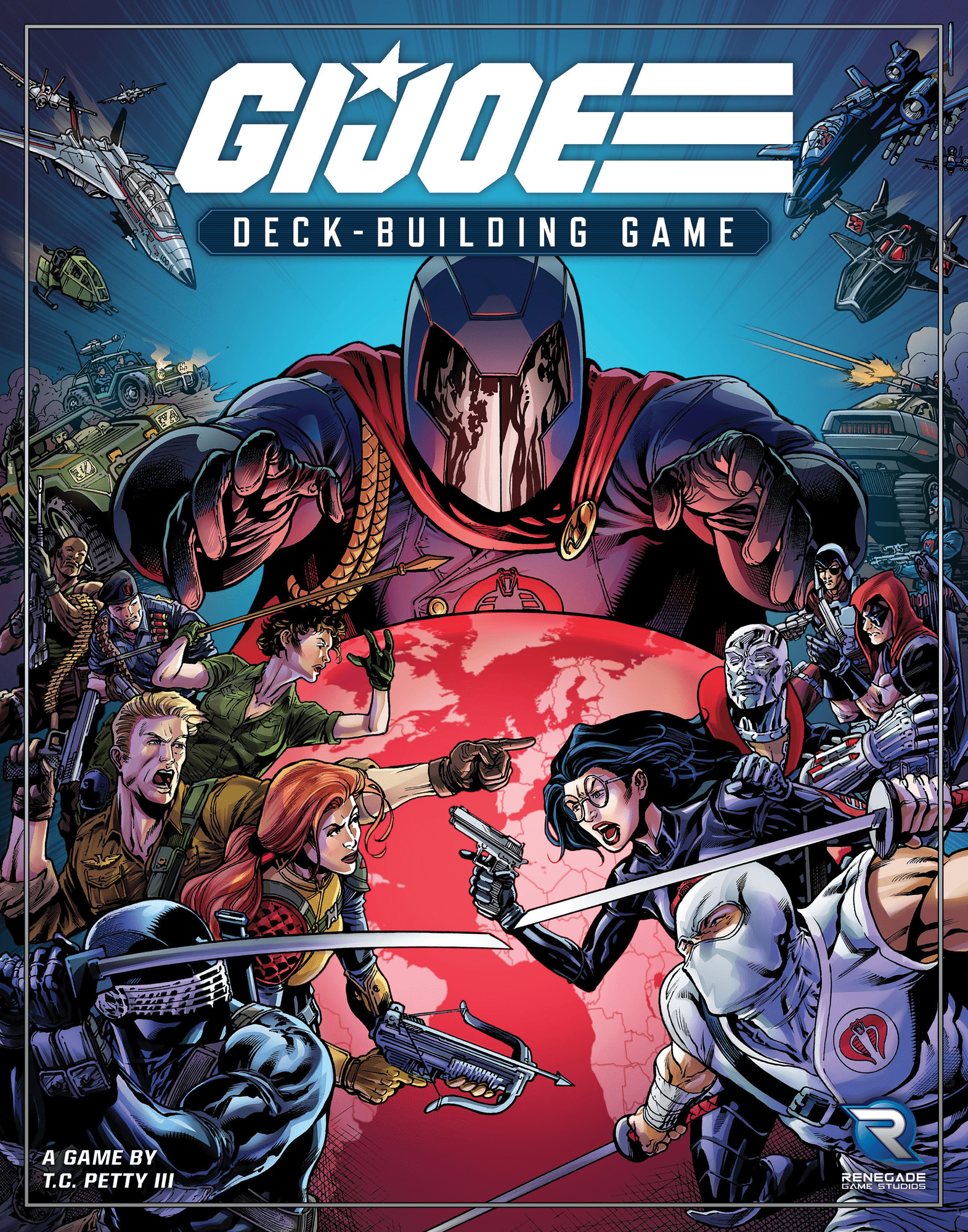
A cooperative deck-builder in which players lead teams of G.I. JOE heroes through missions to foil Cobra's plans. Each player grows a starting deck by recruiting veterans, requisitioning gear and fielding vehicles.
by T. C. Petty III
- 3 to 5 players
- 20 to 30 minutes
- Ages 10 and up
- 1 to 8 players
- 15 to 25 minutes
- Ages 10 and up
by Manu Palau
Feld's dice-placement point salad in a mystical forest of shrines, dolmens and standing stones.
- 2 to 4 players
- 60 to 90 minutes
- Ages 14 and up
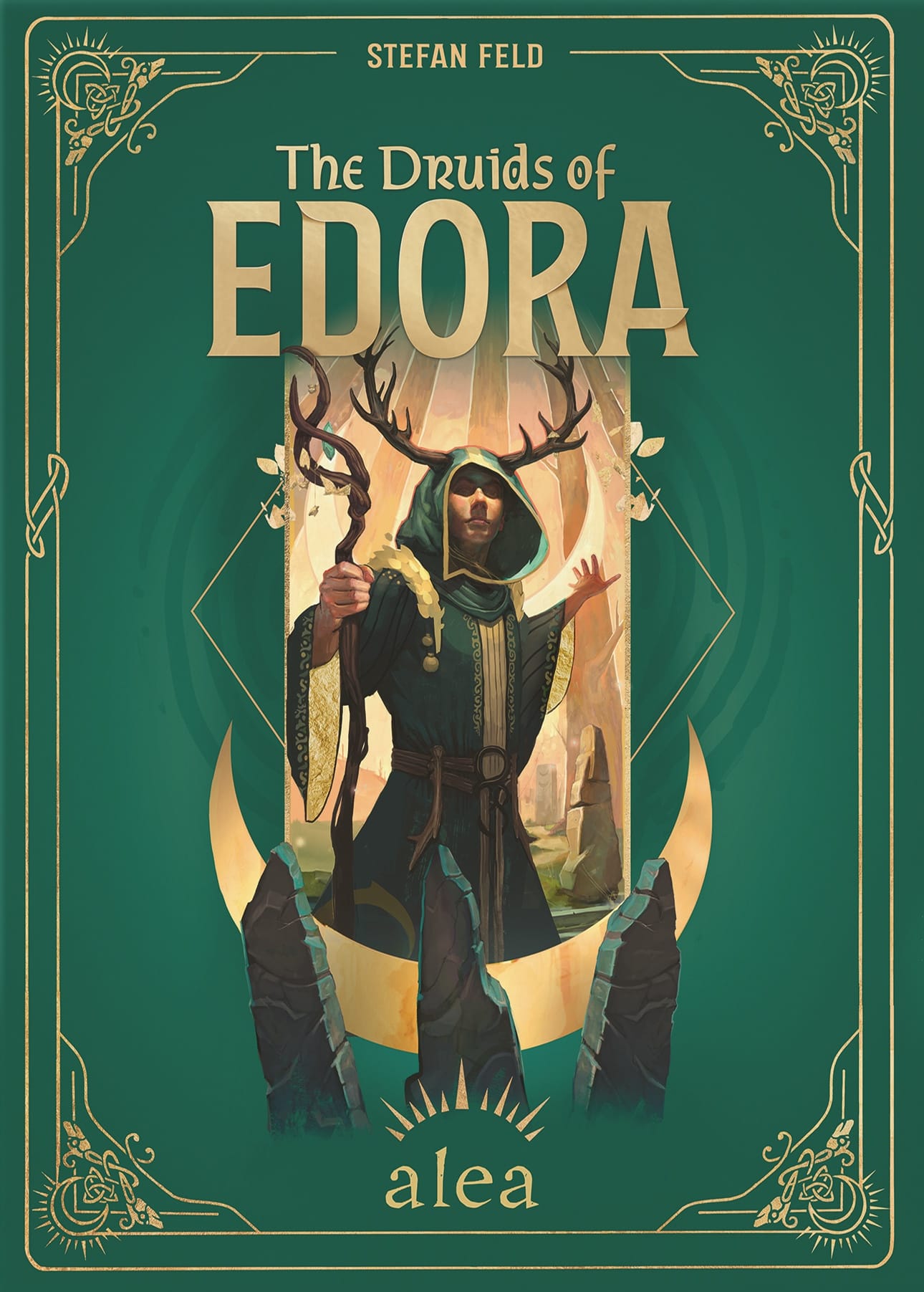
A dice-placement strategy game set in an enchanted forest, where rival druid clans move between shrines, gather provisions and raise stones to earn the most prestige. It suits strategy fans who enjoy point-scoring euros.
by Stefan Feld
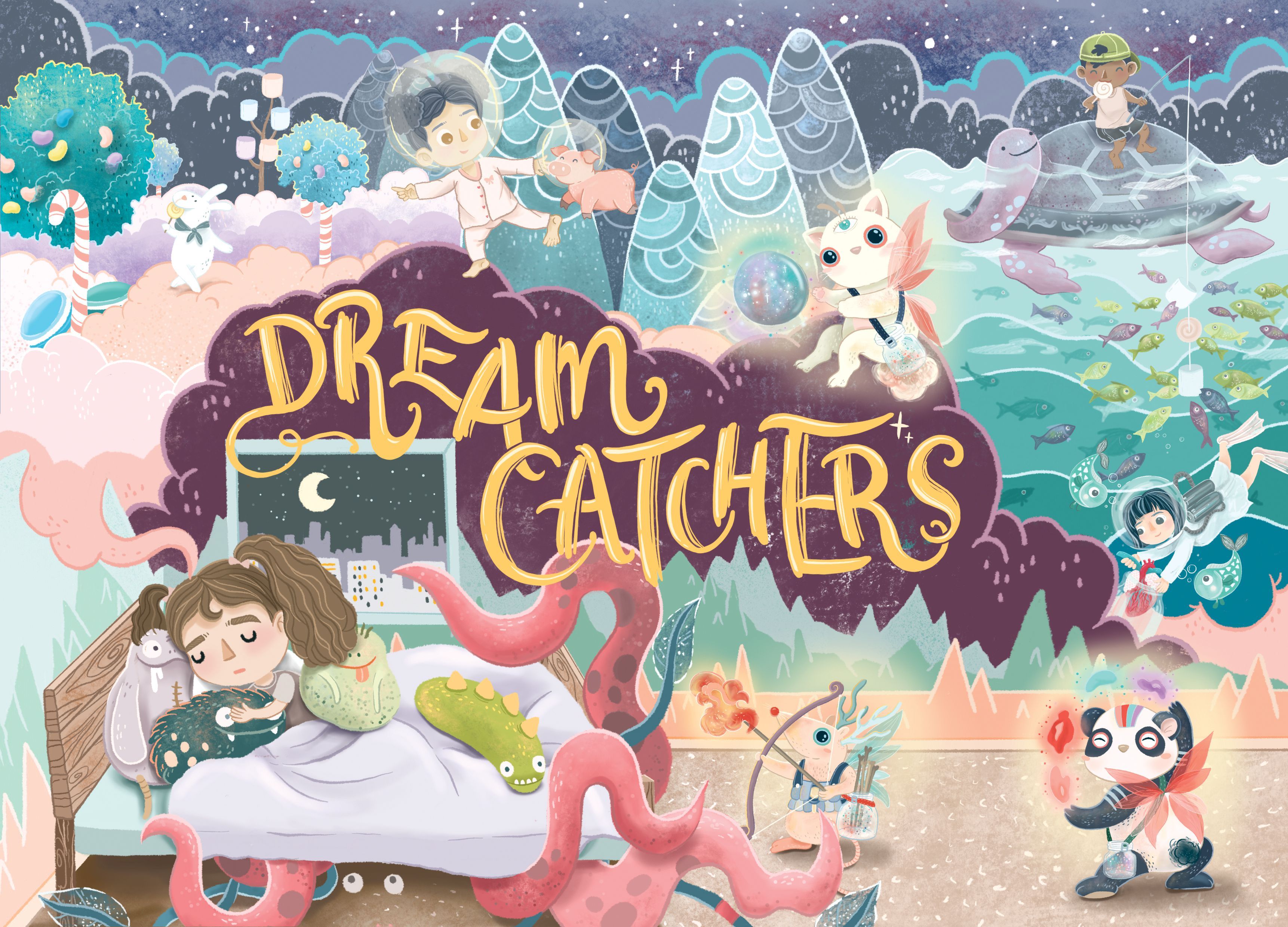
Dream Catchers
2019- 2 to 4 players
- 25 to 35 minutes
- Ages 13 and up
- 2 to 5 players
- 45 to 75 minutes
- Ages 10 and up
by Stefan Feld
- 2 to 6 players
- 60 minutes
- Ages 7 and up
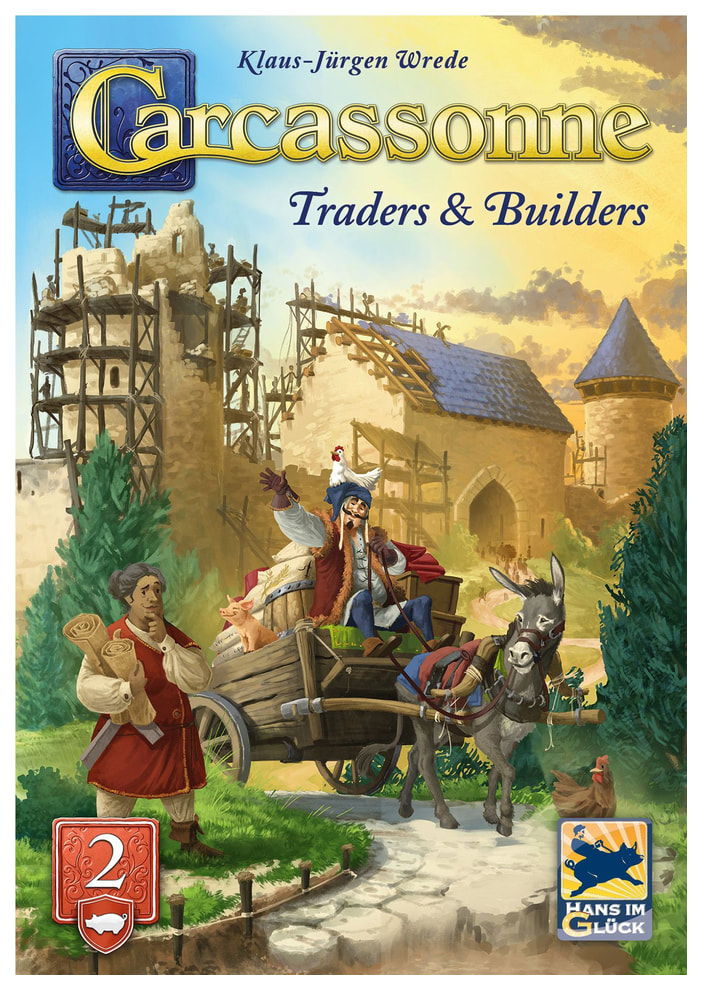
The second expansion for the tile-laying classic Carcassonne, set in the same medieval landscape. It brings merchants trading goods, builders who speed up construction, and pigs that boost farm yields. It suits fans who already know the base game and want more variety.
by Klaus-Jürgen Wrede
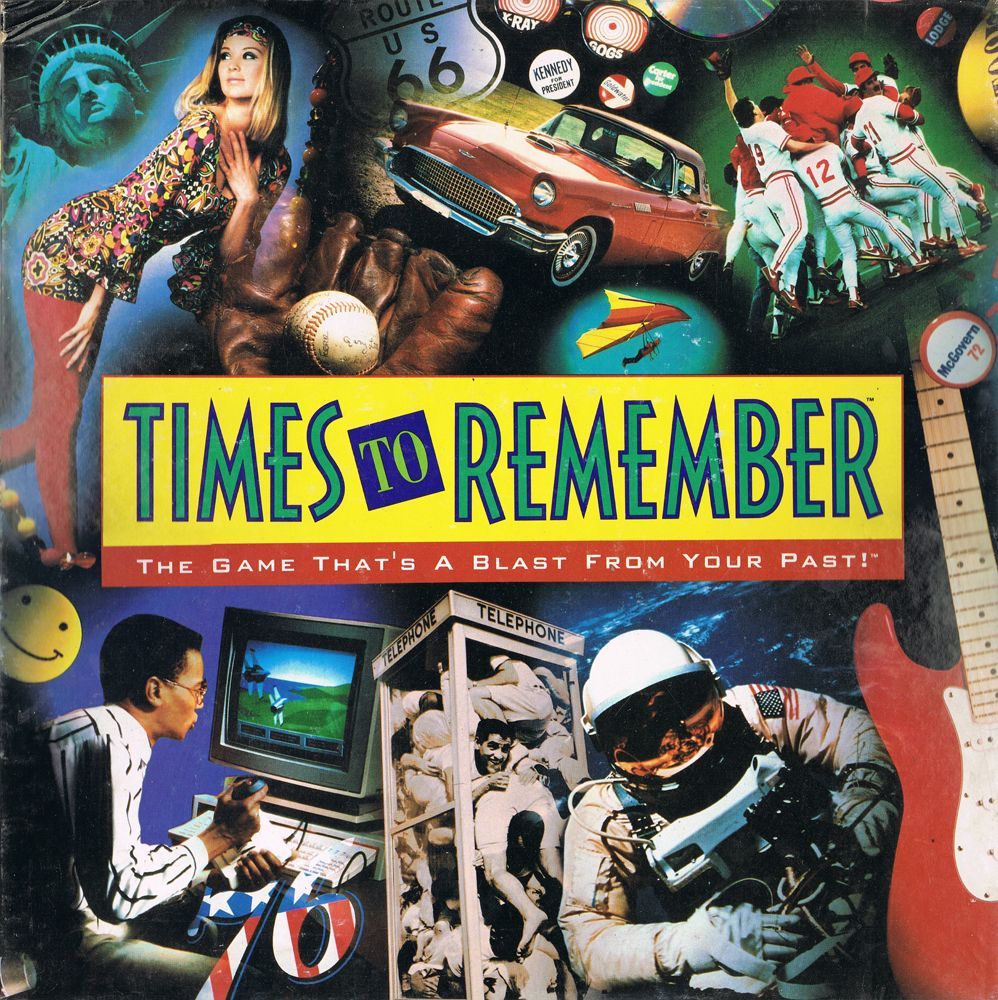
Narrow down the year, clip your window, and race your rival to discard all seven first.
- 2 to 10 players
- 45 minutes
- Ages 10 and up
Times to Remember is a 1992 trivia game for 2 to 10 players aged 10 and up, and a typical game runs about 45 minutes. Richard Borg designed it, and Hasbro is among the publishers that released it. Teams test how well they remember the years when famous events took place in film, television, music and the news.
by Richard Borg
- 1 to 4 players
- 30 to 90 minutes