Loading the page…
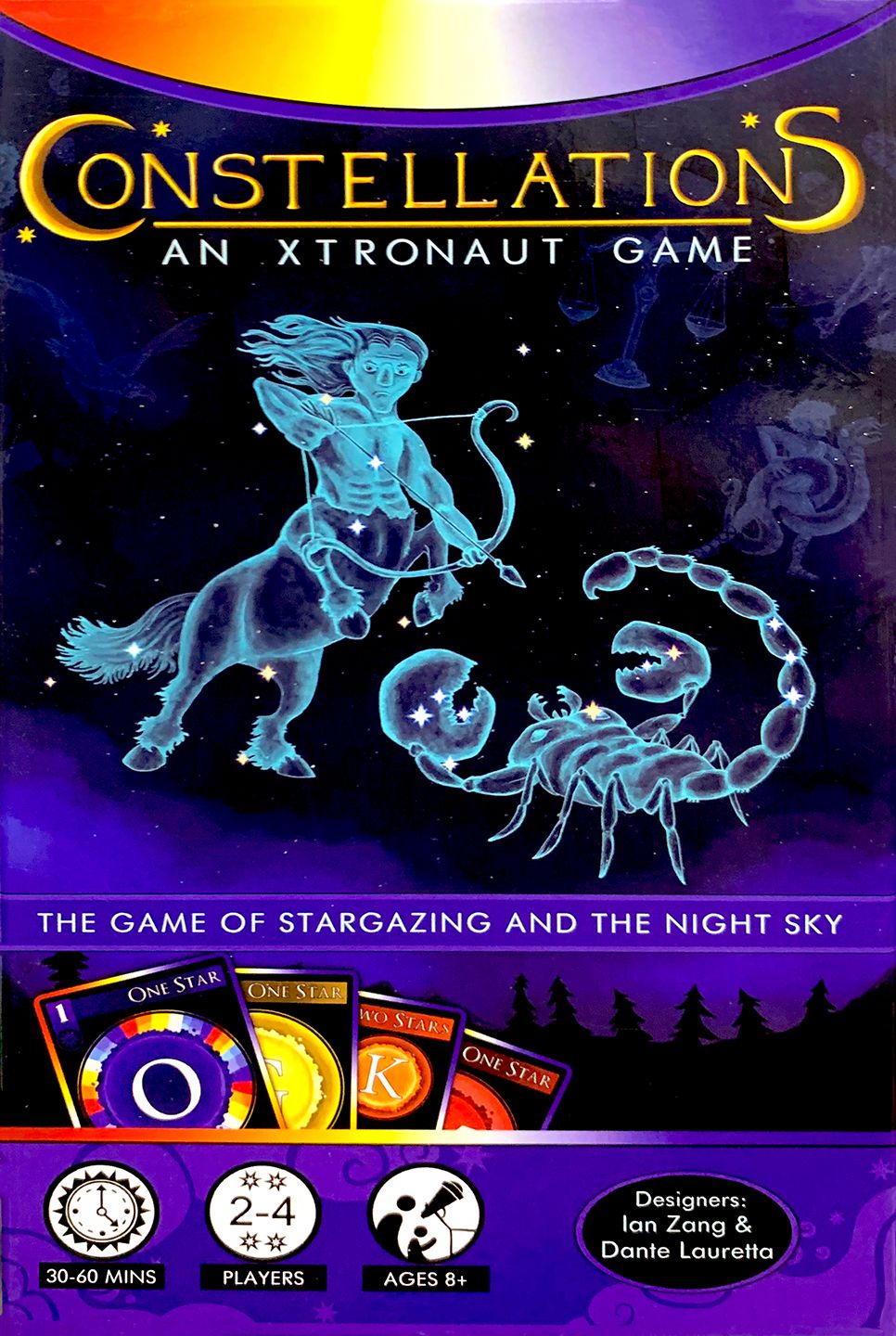
Constellations
2017- 2 to 4 players
- 30 to 60 minutes
- Ages 8 and up
- 1 to 4 players
- 60 to 90 minutes
- Ages 18 and up
A cooperative deduction game from Hobby World set in jazz-age Chicago. Players spend a limited number of actions questioning suspects and examining clues, then scan a QR code to answer questions about the case.
Hobby World
- 2 players
- 20 minutes
- Ages 8 and up
by James M. Ward
- 2 to 6 players
- 20 to 60 minutes
- Ages 14 and up
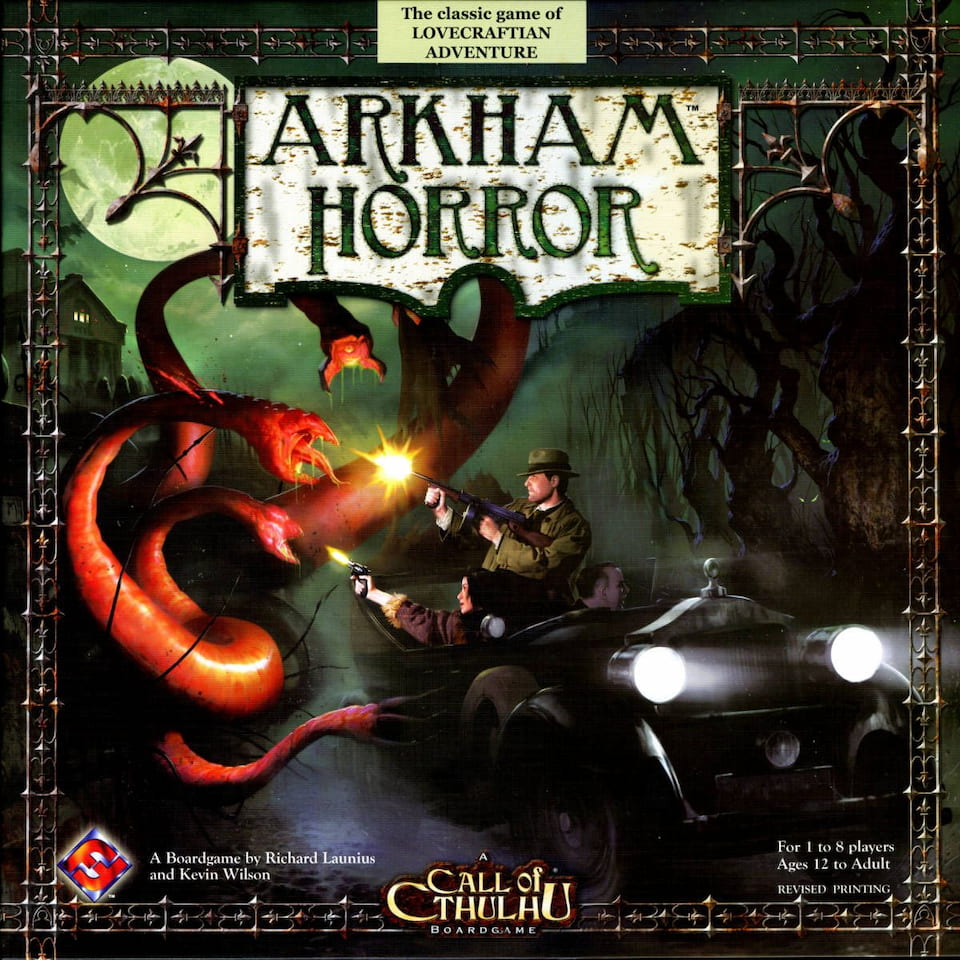
Arkham Horror
2005Co-op Lovecraftian adventure: seal the gates and fight monsters before the Ancient One arrives.
- 1 to 8 players
- 120 to 240 minutes
- Ages 14 and up
A cooperative adventure board game for one to eight players aged 14 and up, designed by Richard Launius with Kevin Wilson and Nikki Valens and published by Asmodee and Arclight.
by Kevin Wilson, Nikki Valens · Chaosium
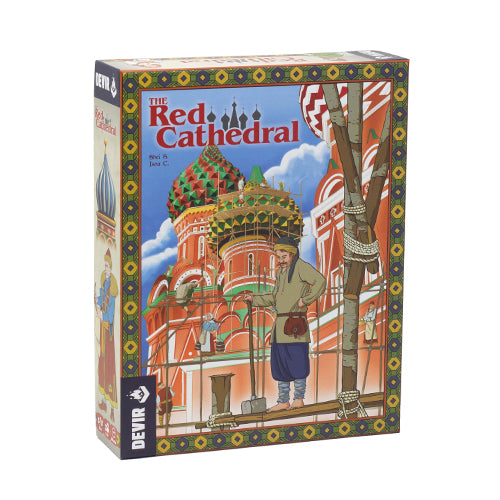
Medieval-style Moscow builders race to finish sections of St. Basil's cathedral for Tsar Ivan's favor.
- 1 to 4 players
- 30 to 120 minutes
- Ages 10 and up
The Red Cathedral is a strategic euro game for 1 to 4 players aged 10 and up, designed by Isra C. and Shei S. and published by Asmodee Korea, Banana Games, Devir, Hobby Game Mall and KOSMOS. Your crew works in Moscow during the reign of Tsar Ivan the Terrible, raising a famous cathedral.
by Isra C., Shei S.
4Mation
2021- 2 players
Two-player abstract strategy game from Piatnik where each player places cubes of their colour trying to make a row of four horizontally, vertically or diagonally.
- 2 to 4 players
- 60 minutes
- Ages 13 and up
by Cliff Bohm, Jeff Morrow
- 2 to 4 players
- 10 minutes
- Ages 4 and up
by Giansimone Migoni
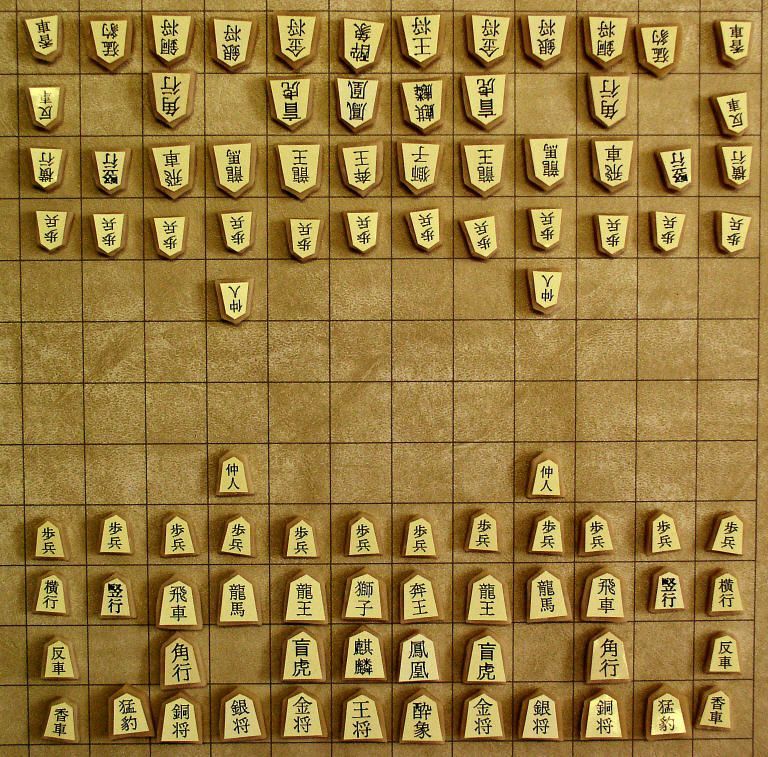
12×12 grid variant of Japanese chess
- 2 players
- 120 minutes
- Ages 8 and up
Chu Shogi is a two-player strategy board game from Japan, close to modern shogi in rules and feel, suited to players aged 8 and up. It seems to have grown out of dai shogi in the early 14th century, and a game takes about 120 minutes.
- 2 to 4 players
- 30 minutes
- Ages 14 and up
A cooperative children's game of rebuilding a storm-wrecked scarecrow from wooden blocks before the birds arrive.
- 2 to 4 players
- 15 minutes
- Ages 5 and up
Fritzi Vogelscheuche is a cooperative children's game for two to four players, designed by Marie Fort and Wilfried Fort and published by Space Cow. It is a light game with wooden components. A storm has scattered your farm's scarecrow into a thousand pieces overnight, and you must rebuild it before the birds arrive.
by Marie Fort, Wilfried Fort
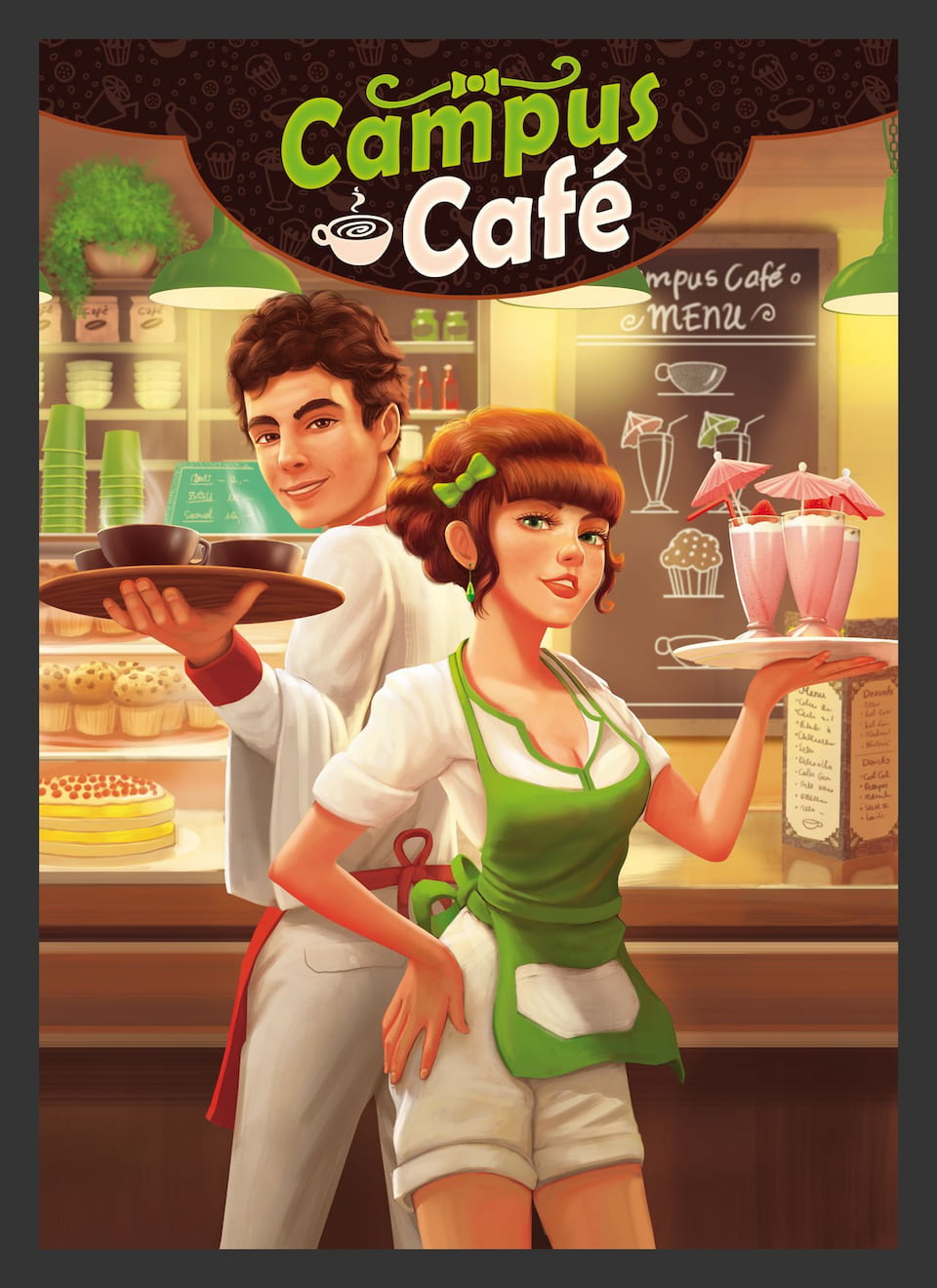
Campus Café
2018- 2 to 5 players
- 20 to 30 minutes
- Ages 8 and up
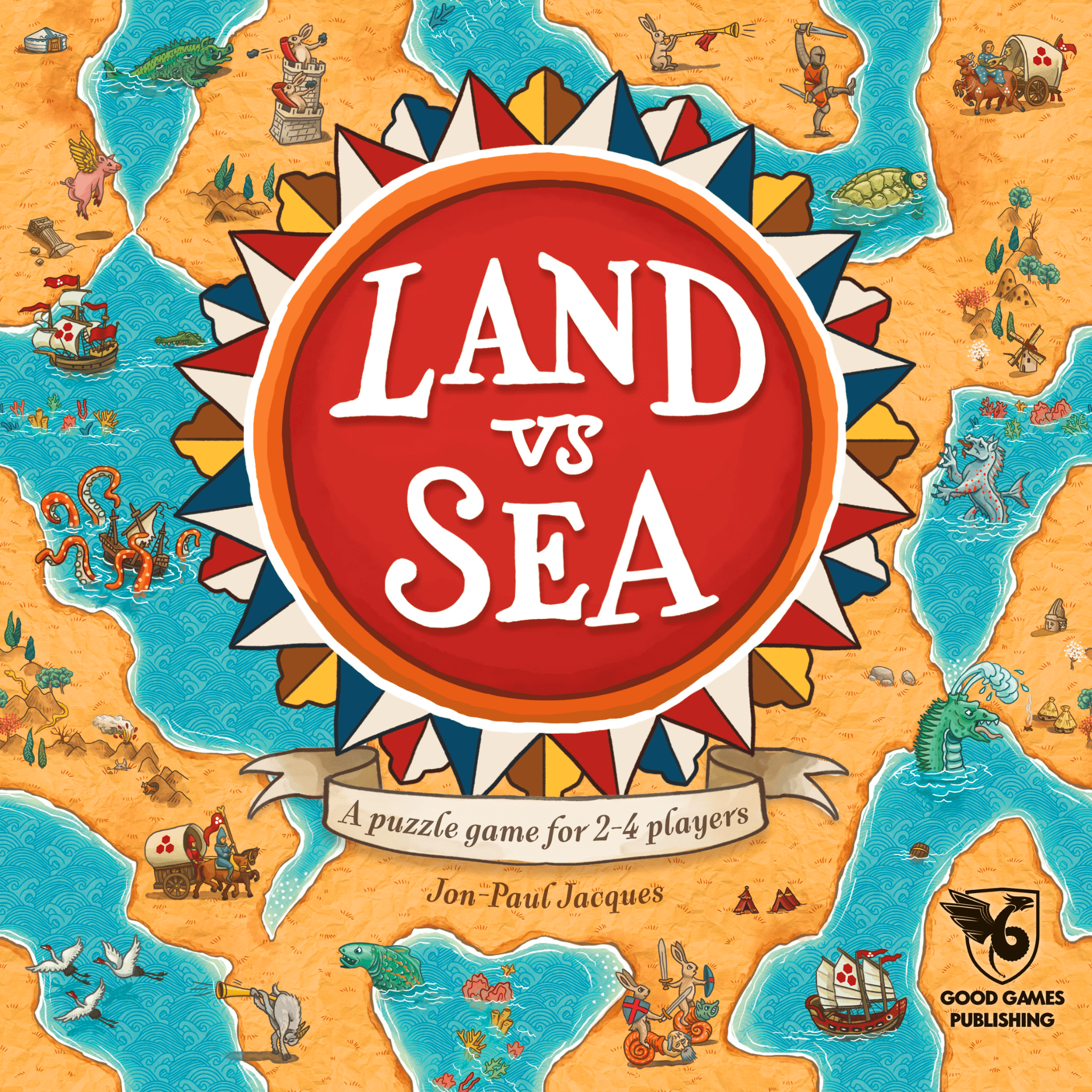
Land vs Sea
2021- 2 to 4 players
- 40 minutes
- Ages 14 and up
A two-sided tile-laying game where one player is Land and the other Sea, placing hex tiles to complete areas of their type and scoring a point per tile.
Trading card game tied to the City of Heroes online game, released 2006 and since discontinued.
- 2 players
- 30 minutes
- Ages 9 and up
City of Heroes CCG is a two-player trading card game for ages 9 and up, playing in about 30 minutes. Dave Williams (II) designed it and Alderac Entertainment Group published it. The card game draws its world from the online role-playing game City of Heroes, which NCSoft ran for players to explore together.
by Dave Williams (II)
- 2 to 8 players
- 600 minutes
- Ages 12 and up
by Peter Bertram
- 2 players
- 360 minutes
- Ages 12 and up
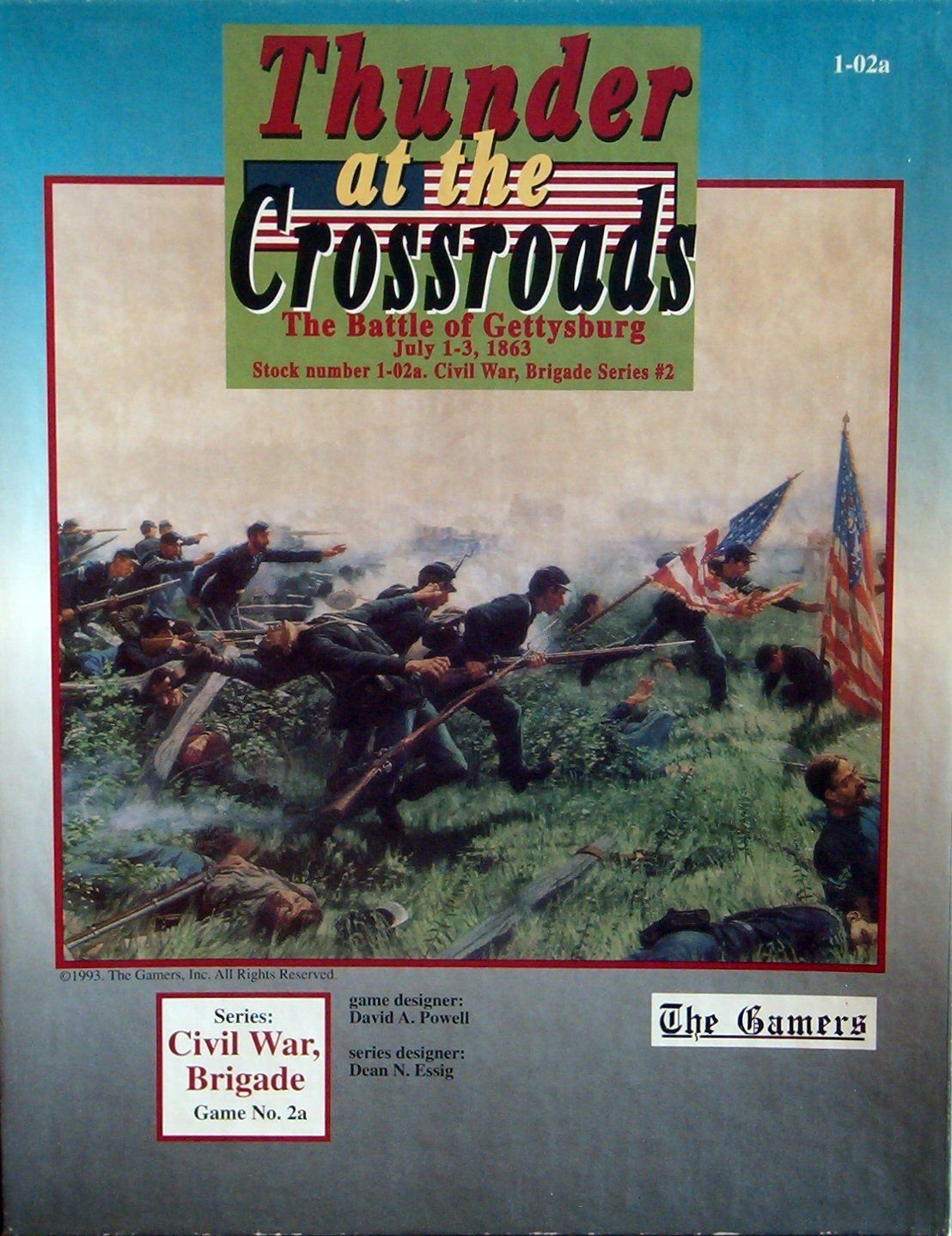
by David A. Powell, Dean Essig
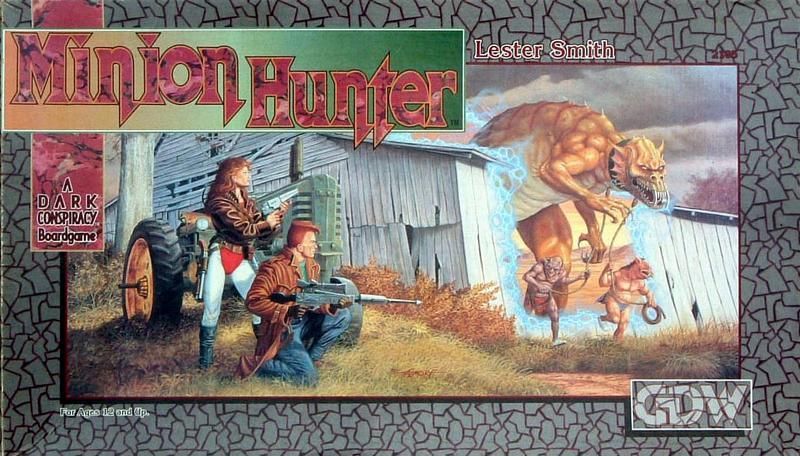
Minion Hunter
1992A 1992 cooperative-leaning hunt for dark minions where teamwork outranks personal glory.
- 1 to 6 players
- 60 minutes
- Ages 12 and up
A 1992 board game from Game Designers' Workshop, designed by Lester Smith for one to six players aged 12 and up, with a playing time of about 60 minutes. Players band together against four races of dark minions who are scheming to succeed, while each also pursues personal advancement as a lesser aim.
by Lester Smith
- 2 to 6 players
- 30 to 60 minutes
- Ages 8 and up
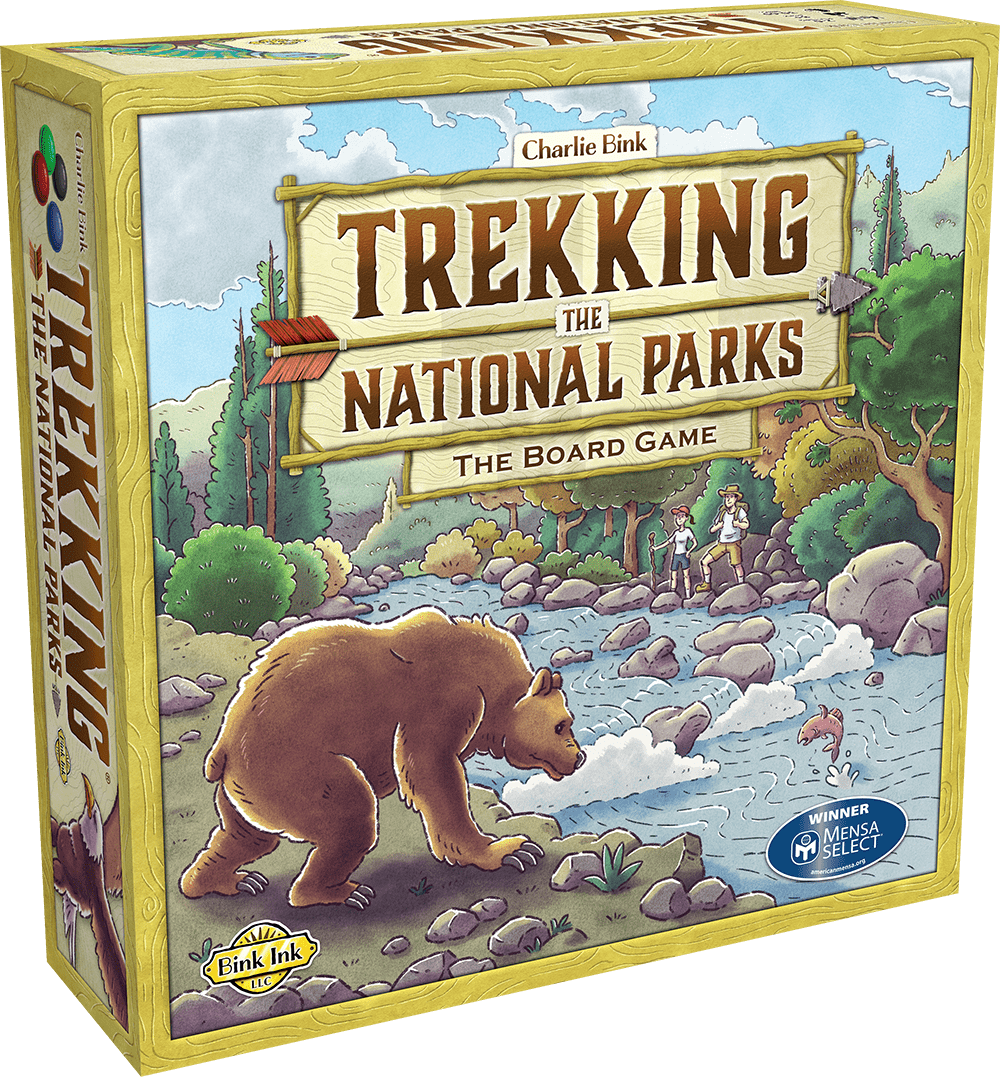
by Charlie Bink
A two-player expansion adding two new villains and a fate deck to the Villainous card-strategy system.
- 2 players
- 40 minutes
- Ages 10 and up
Disney Villainous: Tückische Fluten is a standalone strategy expansion for the Villainous board game system, published by Ravensburger. It can be played on its own or combined with other Disney Villainous games, and it adds two new villain characters to the line.
by Prospero Hall · Ravensburger Verlag GmbH
Faction-based deck-building card duels from The Witcher 3's minigame, for 1 to 5 players.
- 1 to 5 players
- 20 minutes
- Ages 14 and up
Gwent: The Legendary Card Game is a strategic, faction-based deck-building card game set in the world of The Witcher. It is published in physical form by No Loading Games and was released across retail from 15 September 2025.
by Damien Monnier, Rafał Jaki
- 2 to 4 players
- 20 to 30 minutes
- Ages 10 and up
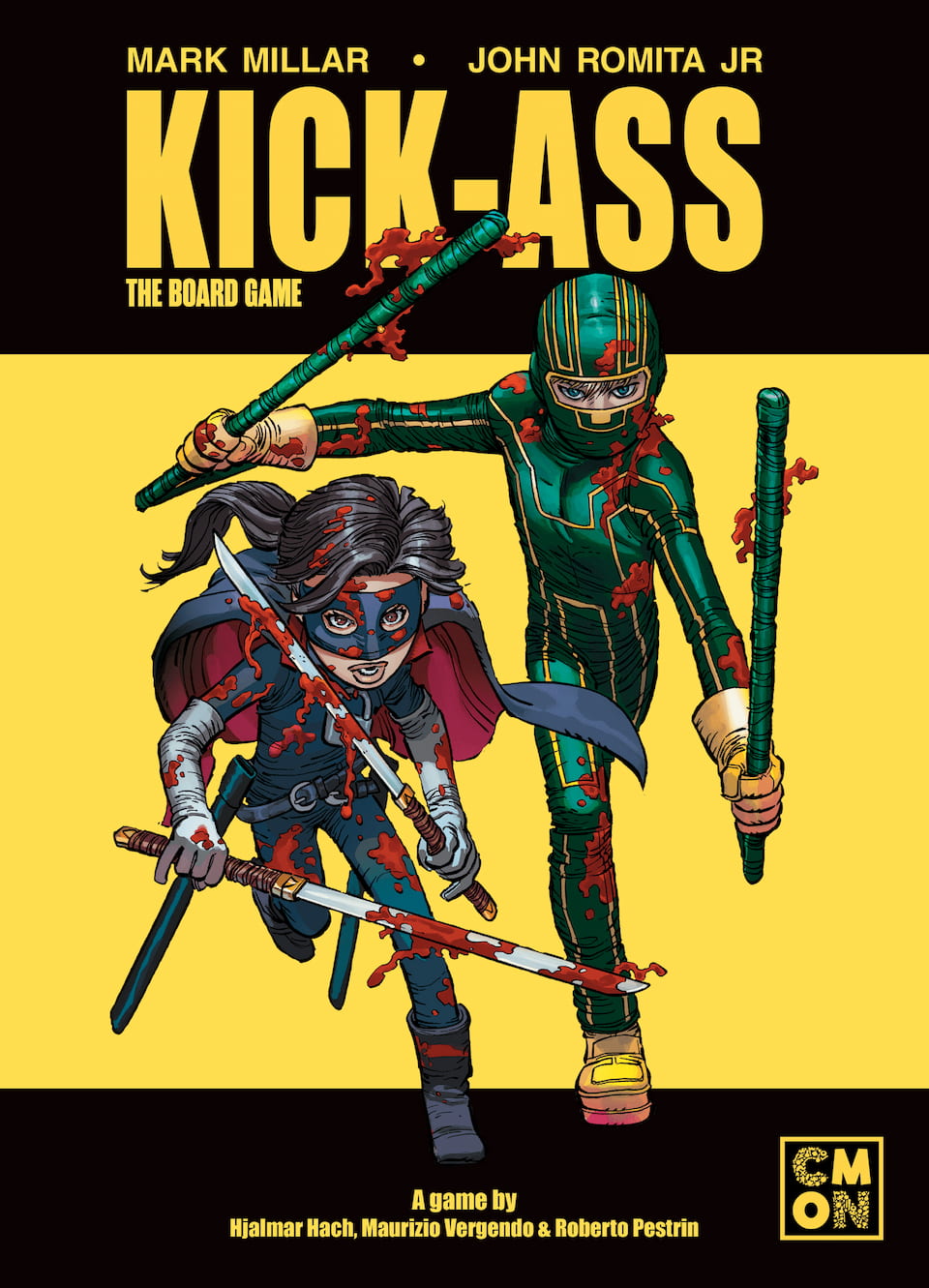
- 1 to 4 players
- 60 to 90 minutes
- Ages 18 and up
by Hjalmar Hach
- 2 to 8 players
- 30 minutes
- Ages 12 and up
by Nick Street
- 2 to 5 players
- 60 minutes
- Ages 21 and up
Pueblo
2002Build a village where your colored blocks stay out of the Chieftain's sight.
- 2 to 4 players
- 60 minutes
- Ages 10 and up
Pueblo is a two to four player abstract strategy game for ages 10 and up, designed by Michael Kiesling and Wolfgang Kramer and published by Ravensburger in 2002. Players compete to fill a confined space with their blocks, aiming to avoid points rather than gain them.
by Michael Kiesling, Wolfgang Kramer
- 2 to 8 players
- 30 minutes
- Ages 12 and up
by Nick Street
- 2 to 6 players
- Ages 10 and up
by Jeff Billings