Loading the page…
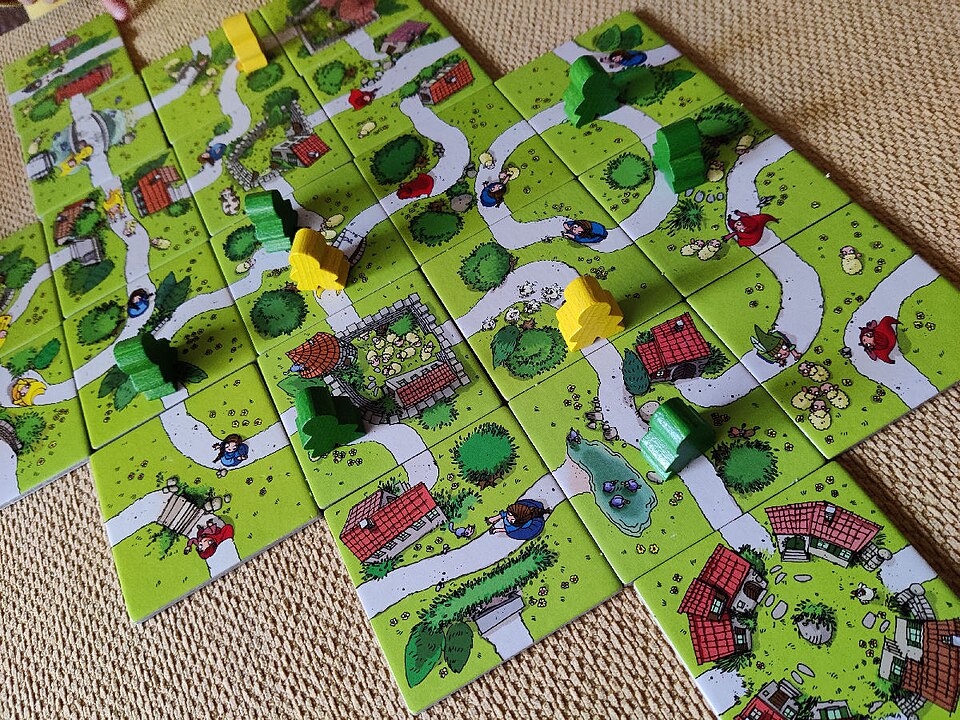
A kid-friendly Carcassonne spin-off where children chase livestock while laying tiles.
- 2 to 4 players
- 10 to 20 minutes
- Ages 4 and up
A tile-laying board game for two to four players aged 4 and up, designed by Marco Teubner and published by 999 Games, Devir and others. It plays in about 10 to 20 minutes. Children gather to mark a national holiday by catching livestock, so you help build a playful landscape of tiles while chasing your own goal.
by Marco Teubner
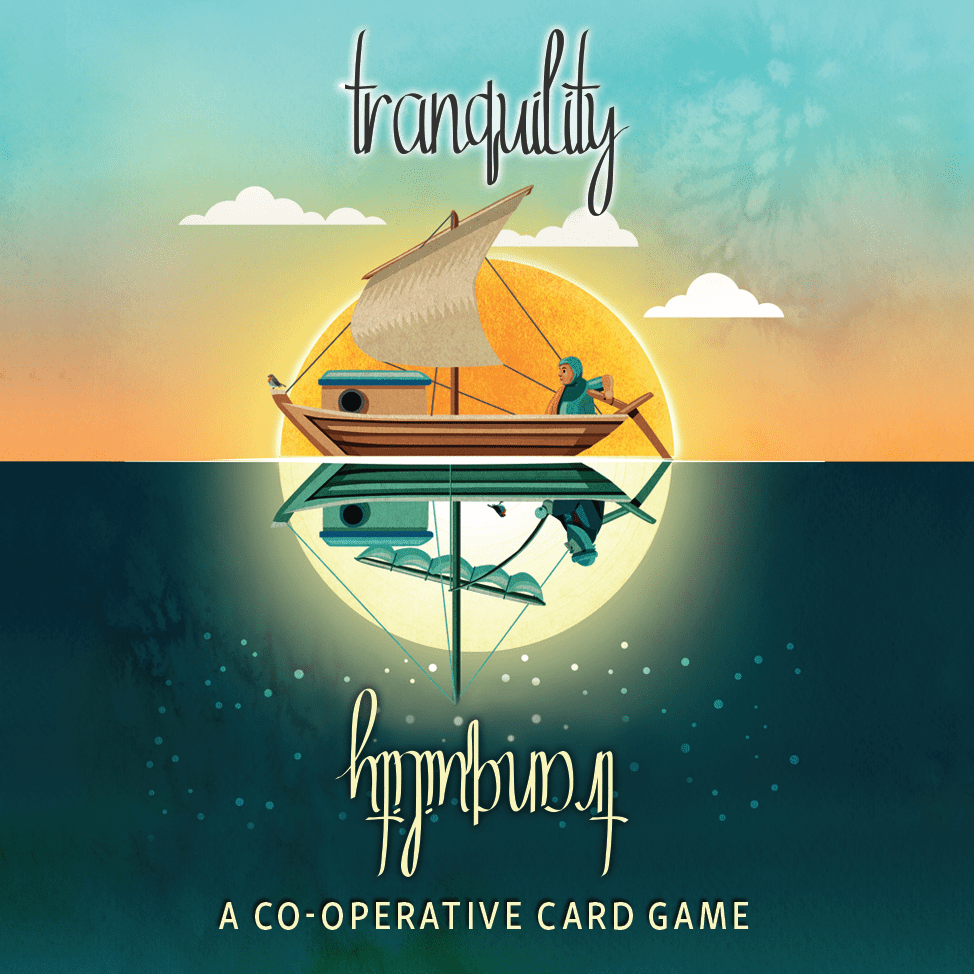
Tranquility
2020- 1 to 5 players
- 15 to 20 minutes
- Ages 8 and up
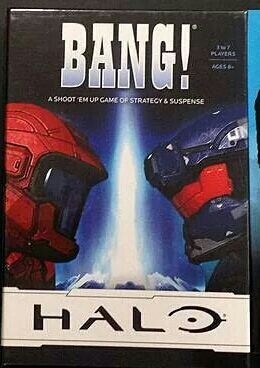
BANG!: Halo
2014- 3 to 7 players
- 30 minutes
- Ages 8 and up
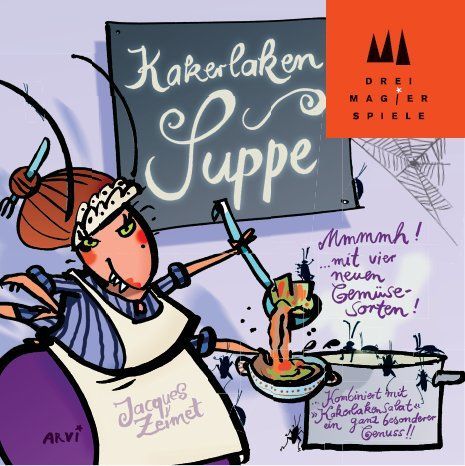
Kakerlakensuppe
2008A cooperative bluffing card game about secretly stirring vegetables into a shared soup.
- 2 to 6 players
- 10 to 20 minutes
- Ages 6 and up
Kakerlakensuppe is a light cooperative card game for two to six players aged 6 and up, lasting about 15 minutes. Jacques Zeimet designed it, and Devir, Gigamic, G3 and Drei Magier Spiele published it. Players work as a team to build a soup, yet they never have to say honestly which ingredient each card holds.
by Jacques Zeimet · Drei Magier Spiele
- 2 to 6 players
- 30 to 90 minutes
- Ages 12 and up
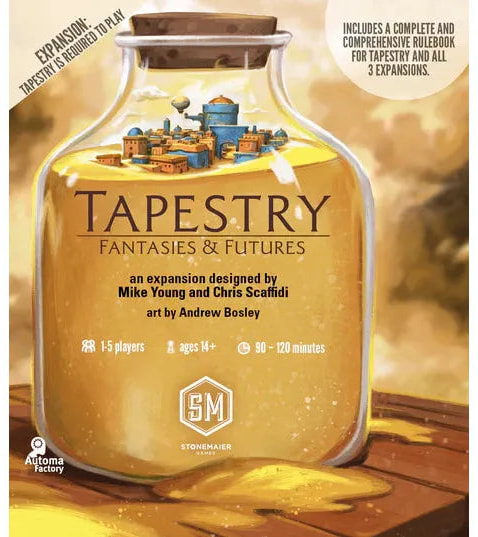
Parallel universes meet fantasy and sci-fi civilizations in the final Tapestry expansion
- 1 to 5 players
- 90 to 120 minutes
- Ages 14 and up
This is the third and final expansion for the civilization game Tapestry, for 1 to 5 players aged 14 and up. Mike Young and Chris Scaffidi designed it, and Stonemaier Games published it.
by Chris Scaffidi, Mike Young · Stonemaier Games
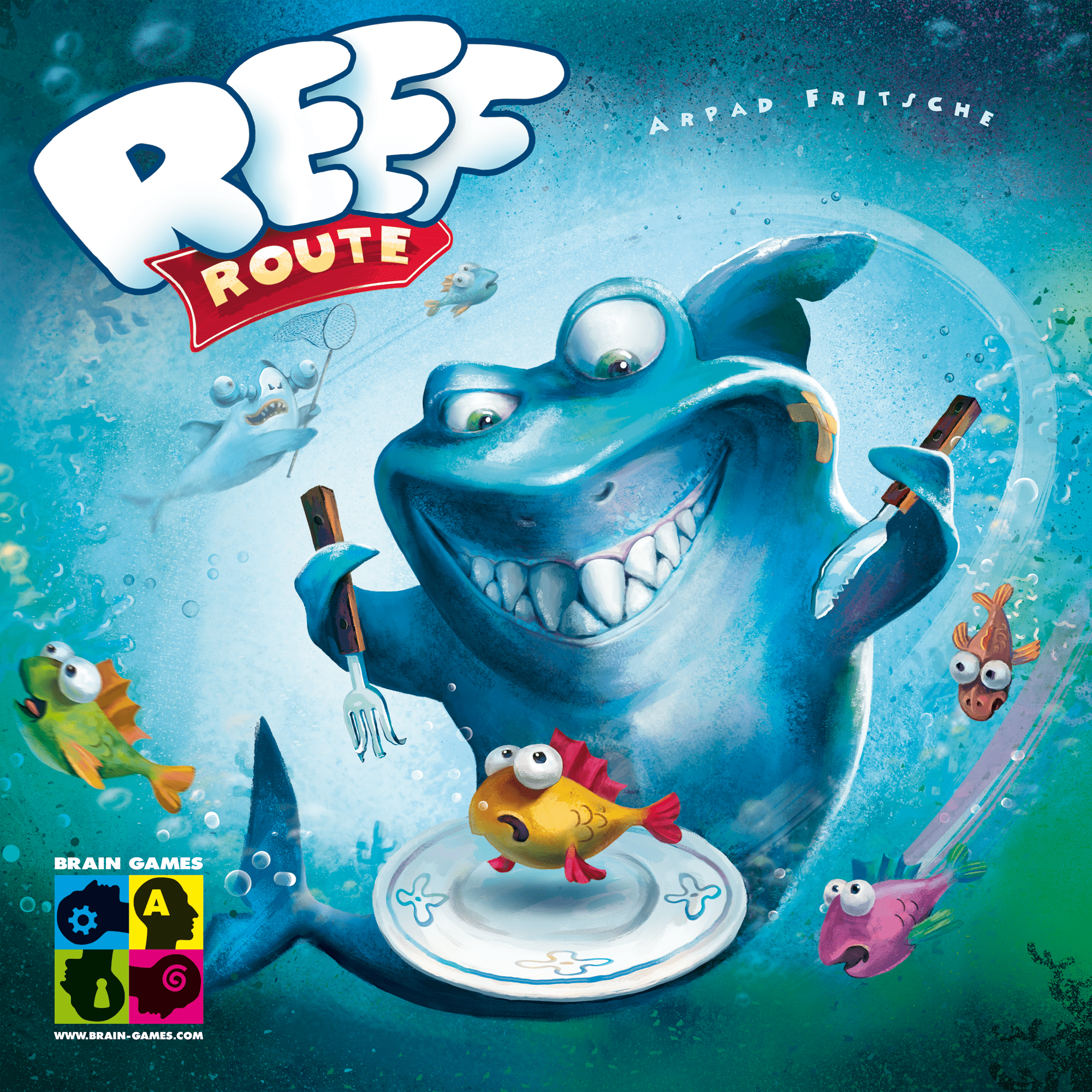
Reef Route
2016- 2 to 4 players
- 15 minutes
- Ages 5 and up
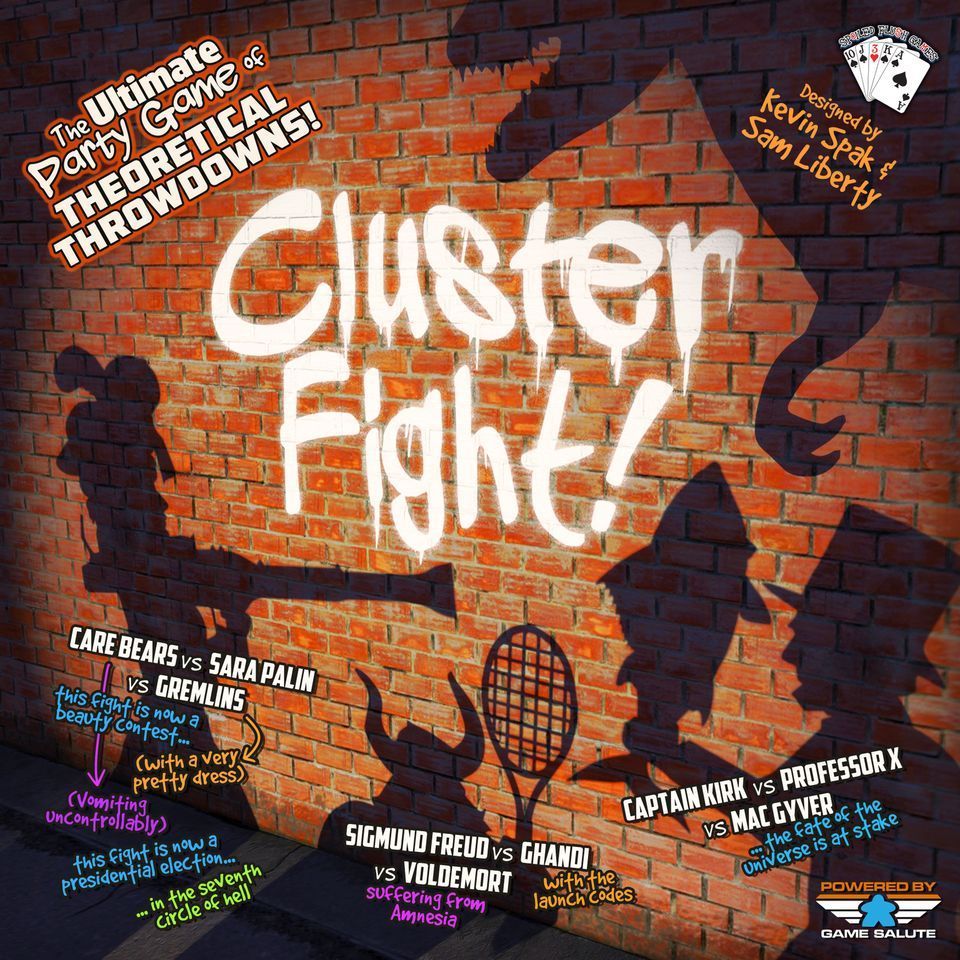
Clusterfight!
2014- 3 to 12 players
- 45 minutes
- Ages 8 and up
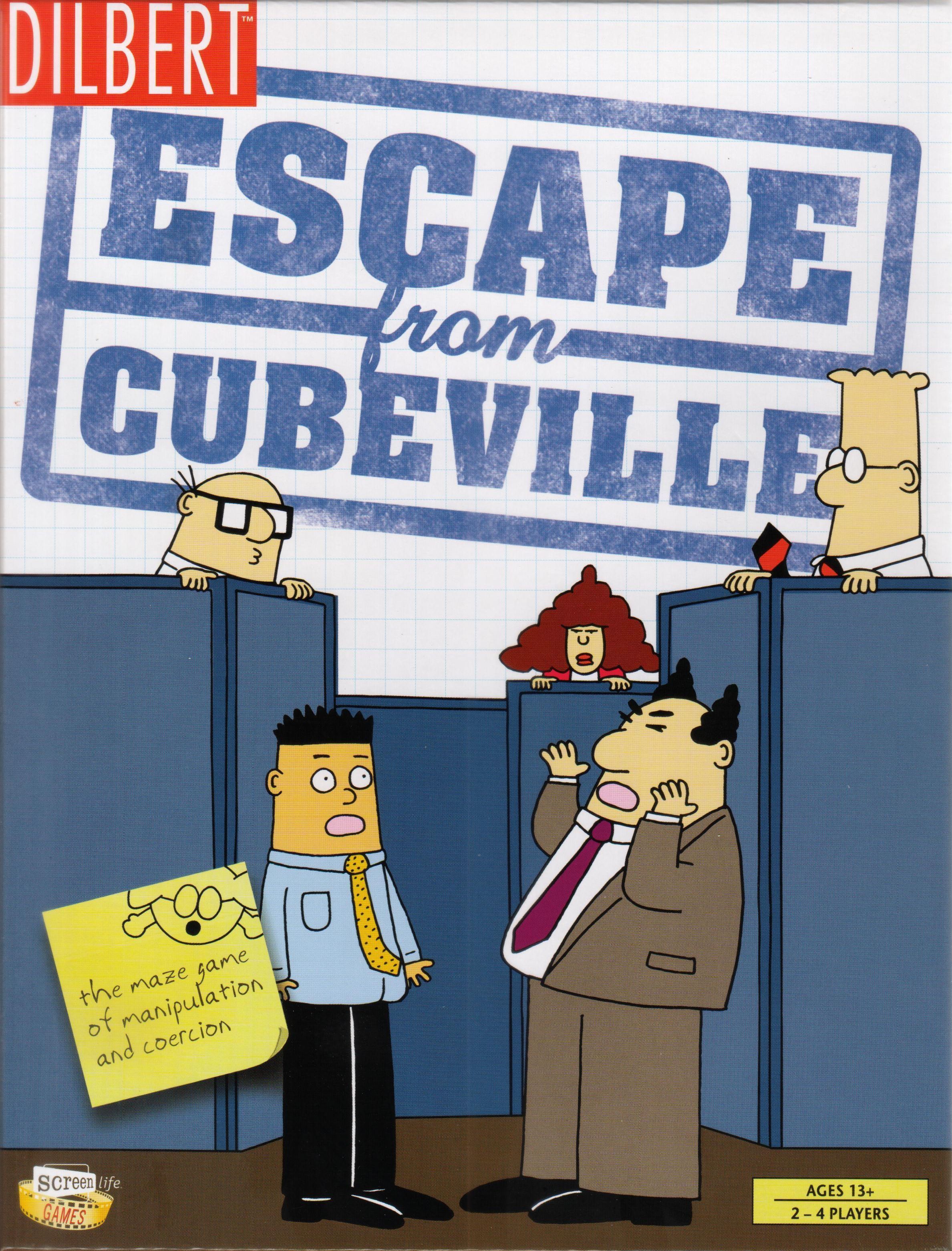
- 2 to 4 players
- 20 minutes
- Ages 13 and up
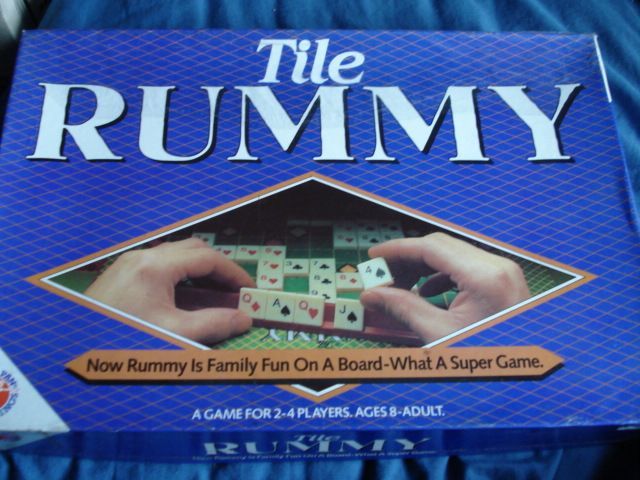
- 2 to 4 players
- 15 minutes
- Ages 5 and up
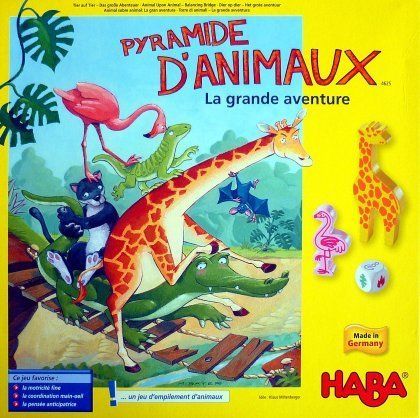
by Klaus Miltenberger
- 2 to 6 players
- 30 to 45 minutes
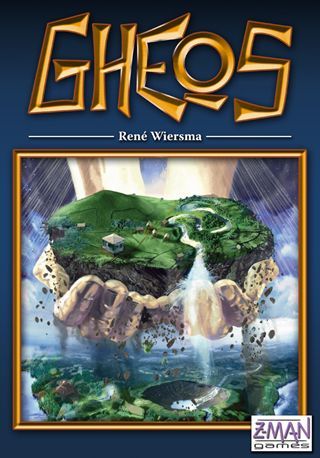
Gheos
2006Play gods shaping seas and continents, with tiles that migrate civilizations and spark wars.
- 2 to 4 players
- 45 to 60 minutes
- Ages 10 and up
A tile-placement game for two to four players aged ten and up, created by René Wiersma and released by Z-Man Games in 2006. You play a god shaping the earth and filling it with people. Your tiles form seas and continents, and the civilizations that settle there are your means of winning.
- 2 to 6 players
- 60 to 90 minutes
- Ages 12 and up
- 2 to 6 players
- 10 to 20 minutes
- Ages 10 and up
by Dominic Michael H.
- 2 to 6 players
- 45 to 60 minutes
- Ages 12 and up
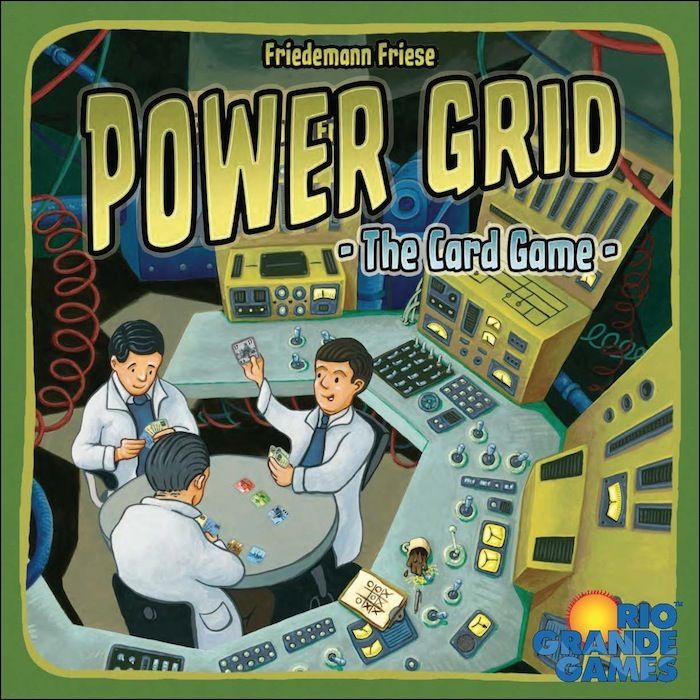
by Friedemann Friese
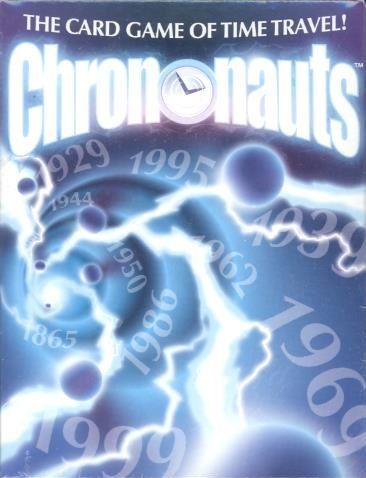
Chrononauts
2000Rewrite history at Linchpins, or collect rare artifacts, before paradoxes destroy the universe.
- 1 to 6 players
- 20 to 45 minutes
- Ages 11 and up
Chrononauts is a card game of time travel for one to six players, rated for ages 11 and up and played in about 30 minutes. Andrew Looney and Andy Looney designed it, and Looney Labs published it in 2000. You are a time traveler who alters key moments of the past to shape the present.
by Andrew Looney, Andy Looney · Looney Labs
- 2 to 3 players
- 30 to 45 minutes
- Ages 12 and up
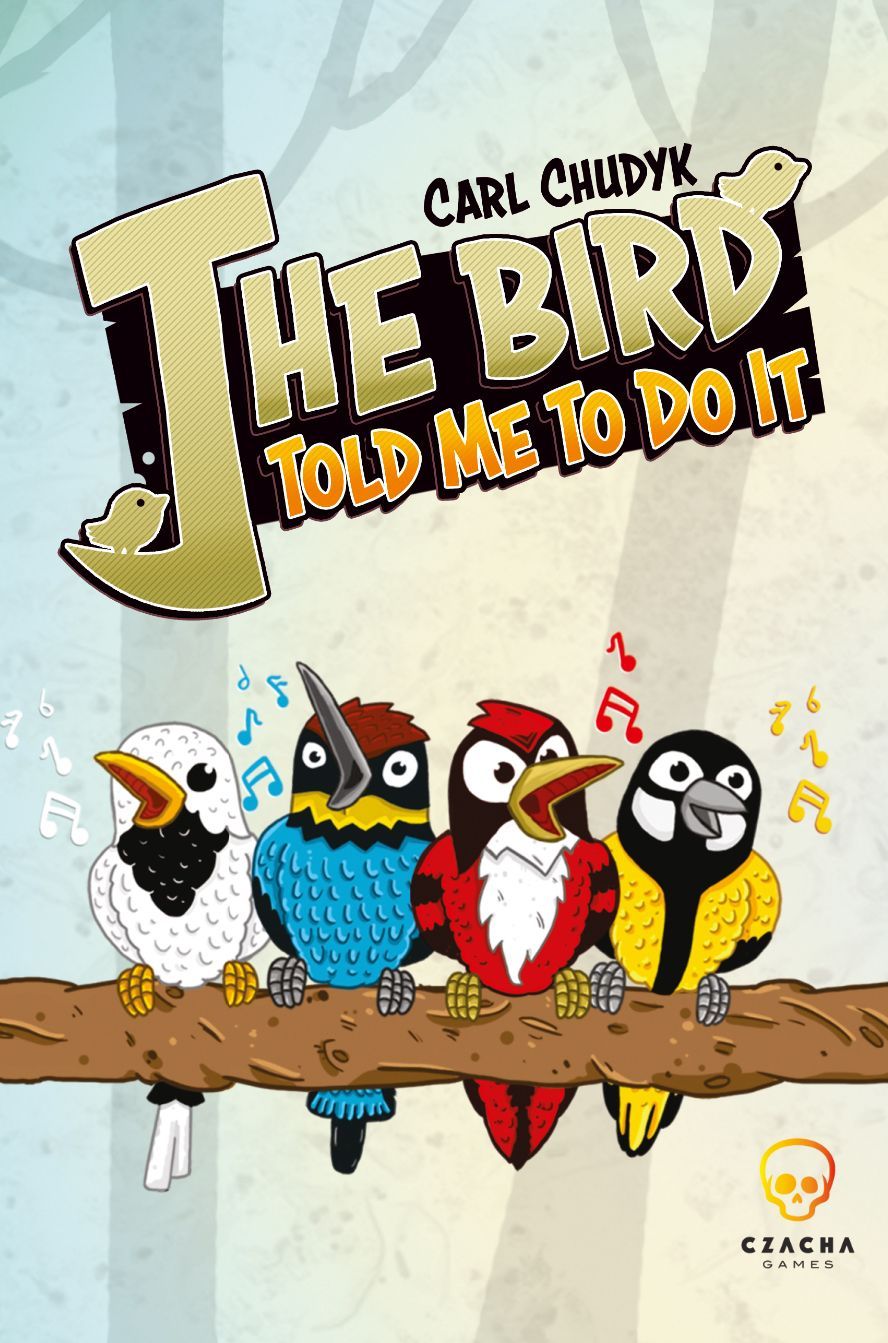
by Carl Chudyk
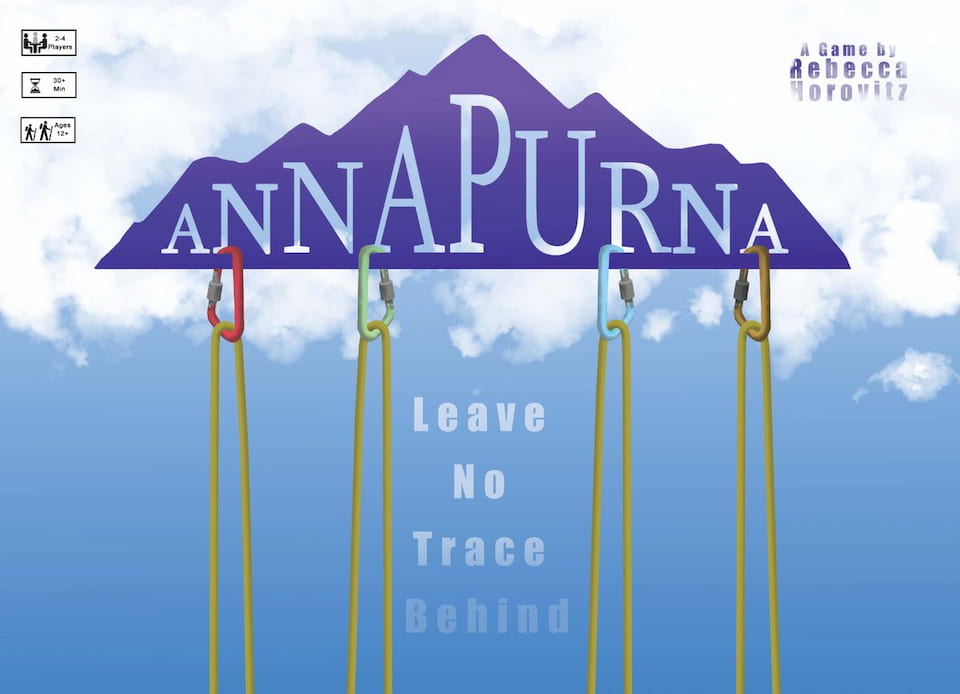
A strategy game of yin and yang cards, where players flip and climb a mountain of cards, balancing tactics and luck.
- 1 to 4 players
- 30 to 60 minutes
Annapurna is a strategy game for one to four players, which its publisher describes as a marriage of chess and poker. It is built around a mountain of cards, and the aim is always to balance the yin and yang symbols on them. Each player receives a suit of mountain cards, laid face down in a triangular mountain shape.
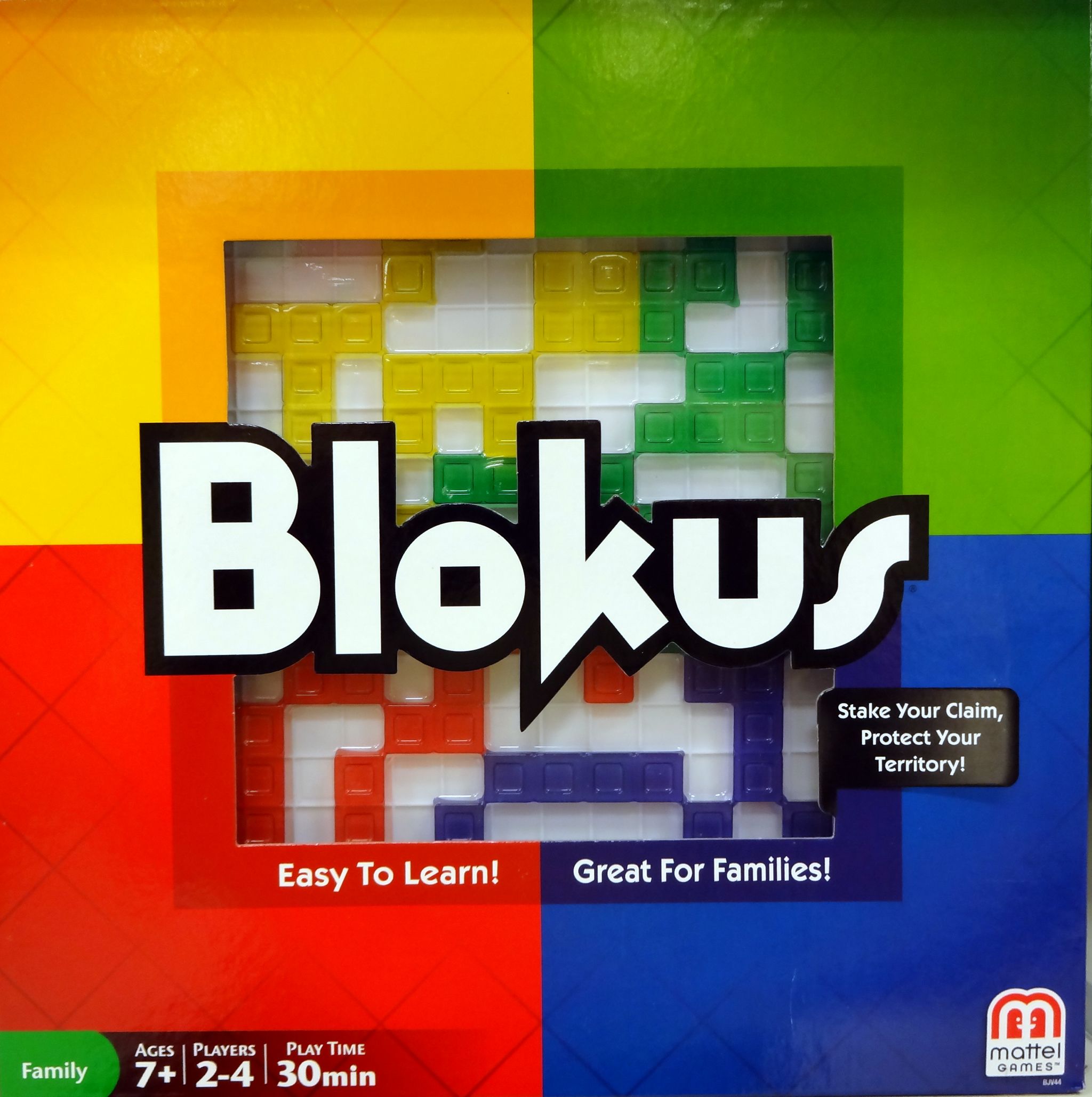
Abstract strategy where players fit colored polyomino pieces onto a square grid to claim territory.
- 2 to 4 players
- 20 minutes
- Ages 7 and up
Blokus is an abstract board game for two to four players aged 7 and up, lasting about 20 minutes. Bernard Tavitian designed it, and it first appeared in 2000. You and your rivals race to cover the most ground on a shared board. Each player uses only their own colored pieces to claim space and build up points.
by Bernard Tavitian
- 2 to 6 players
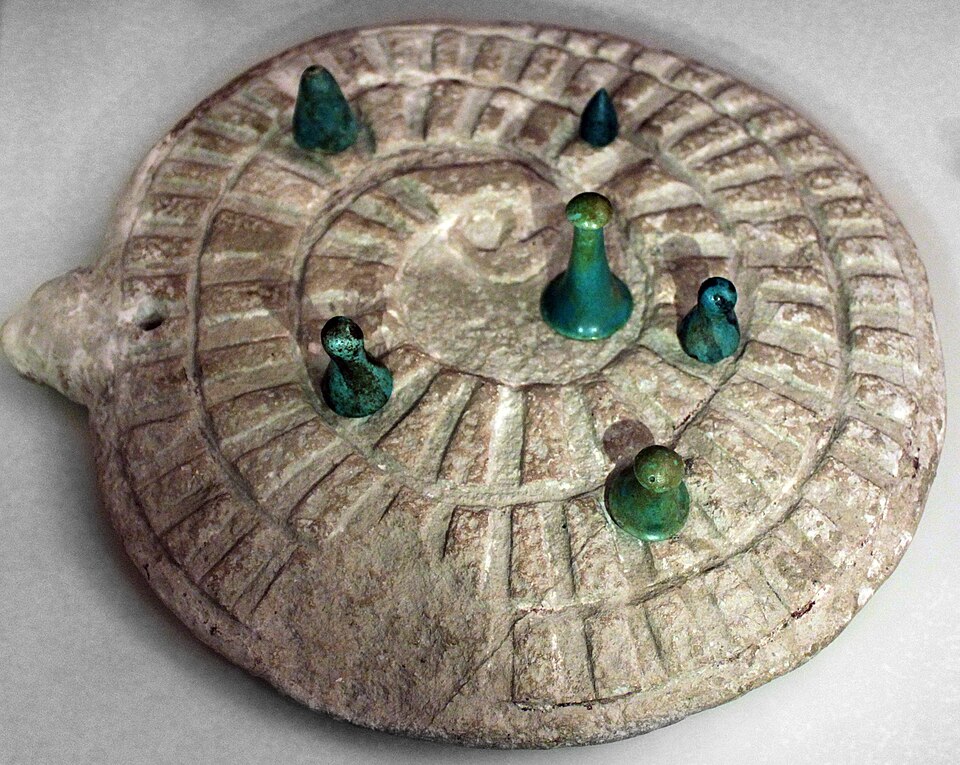
Mehen is an ancient Egyptian board game for two to six players, known from surviving evidence rather than written rules. Its designer and publisher are not recorded. The game takes its name from Mehen, a snake deity of Egyptian religion, and its track follows a serpent.
- 2 to 5 players
- 30 minutes
- Ages 7 and up
by Wolfgang Riedesser
- 2 to 4 players
- 45 to 75 minutes
- Ages 14 and up
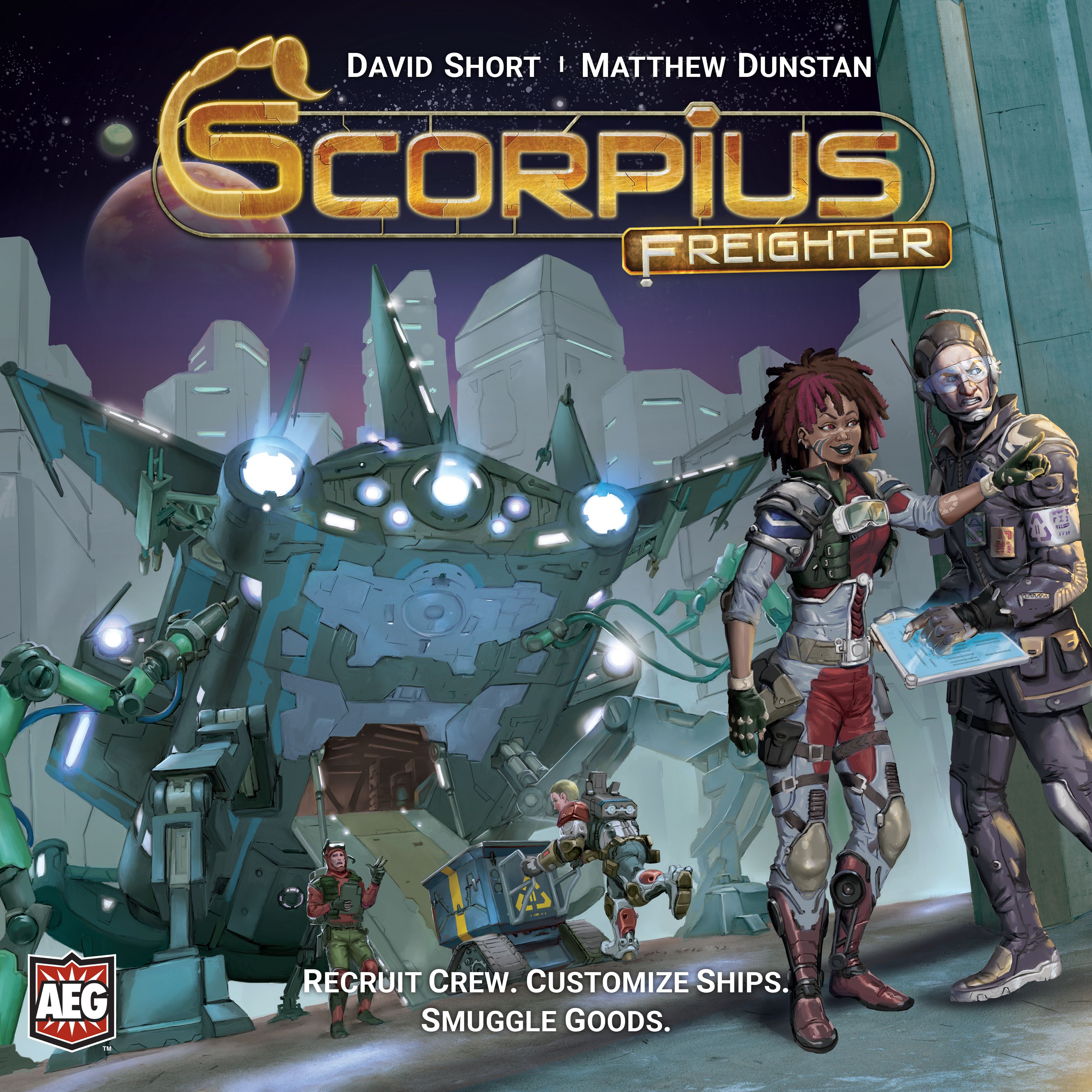
by David Short, Matthew Dunstan
- 2 to 4 players
- 90 to 180 minutes
- 1 to 4 players
- 30 to 45 minutes
- Ages 13 and up
by Joli Quentin Kansil
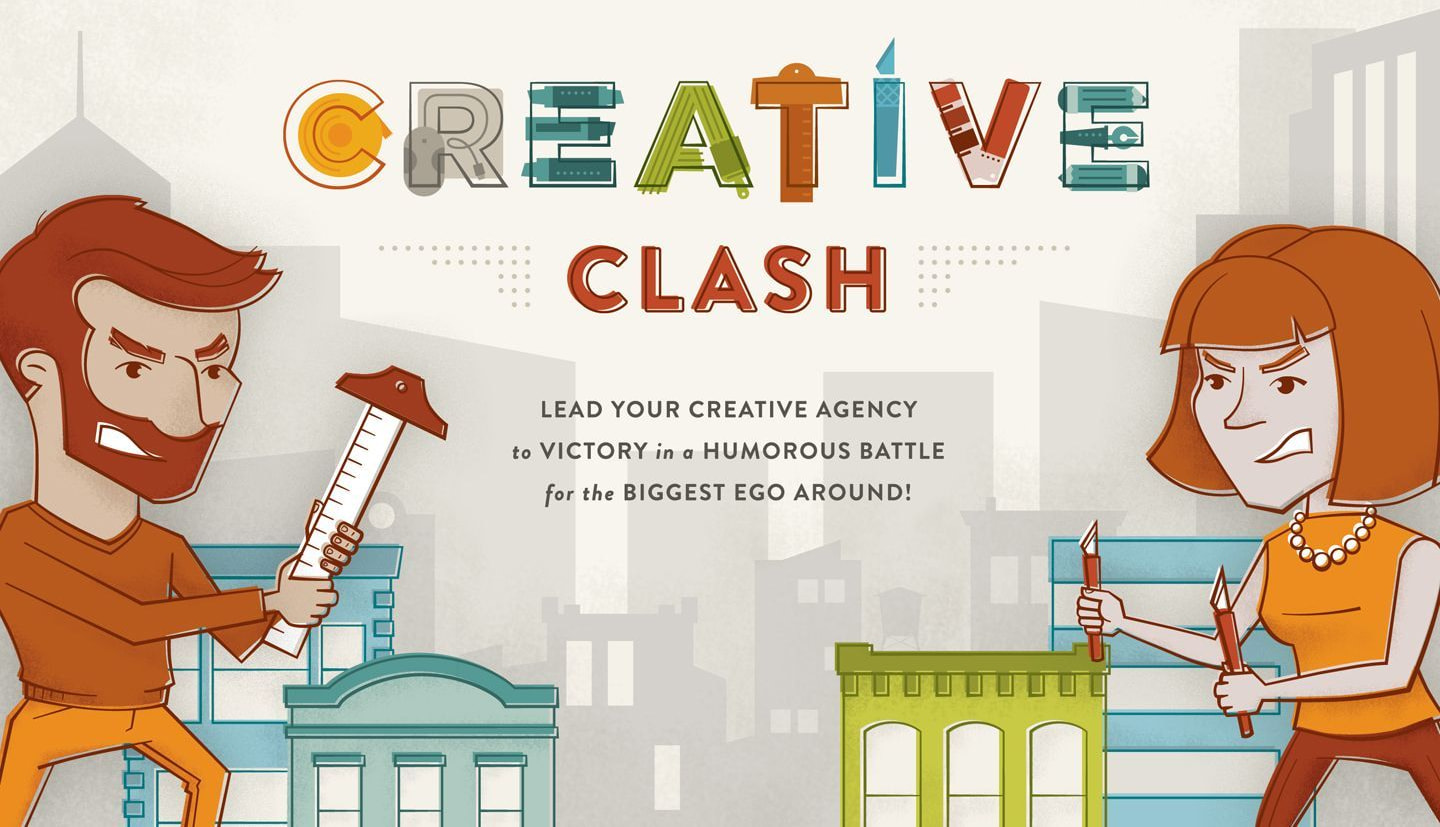
Creative Clash
2014- 2 to 4 players
- 30 minutes
- Ages 12 and up
- 1 to 4 players
- 60 minutes
- Ages 14 and up
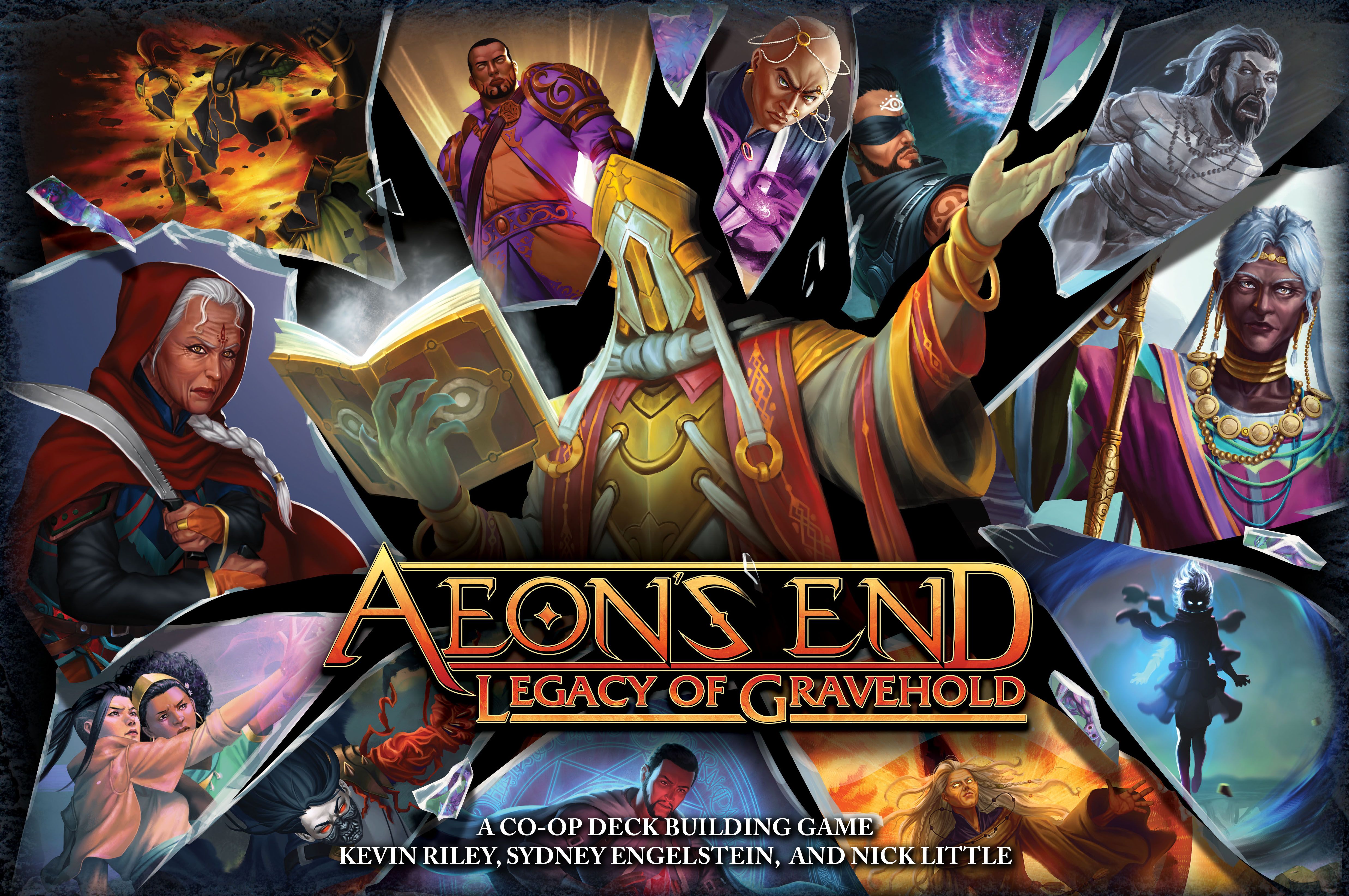
A cooperative deckbuilding campaign in which players build up their mages over several chapters, using stickers to alter cards and components as they defend the last human stronghold, Gravehold, against ever stronger nemeses. It can also be replayed as a standalone game after the campaign.
by Kevin Riley, Nick Little
- 2 to 5 players
- 15 to 25 minutes
- Ages 6 and up
- 2 to 4 players
- 20 minutes
- Ages 12 and up
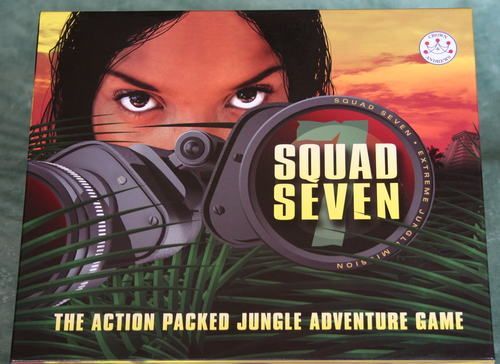
Squad Seven is a family-weight card game by designer Roberto Fraga, published by FoxMind Games with TF1 Games, for two to four players. It is loosely inspired by Indiana Jones adventure films.
by Roberto Fraga