Loading the page…
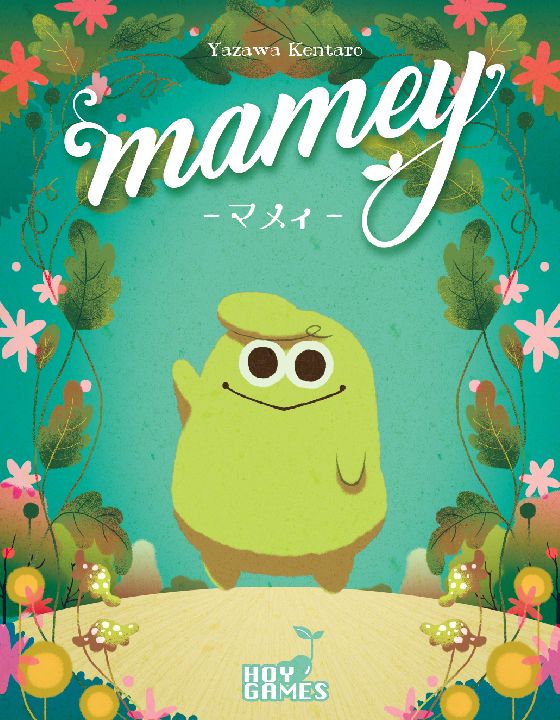
MAMEY
2018- 2 to 4 players
- 30 to 40 minutes
- Ages 10 and up
- 1 to 4 players
- 60 minutes
- Ages 10 and up
by David Pecorini Cancellario D' Alena, Sara Parsi di Landrone · NoctiLux Games
Die Fiesen 7
2026A chaotic counting party game where players shout numbers up and down a 1-to-7 ladder and must swap in silent or skipped turns.
- 2 to 6 players
- 15 to 25 minutes
- Ages 8 and up
Die Fiesen 7 is a light party and concentration card game for families, designed by Jacques Zeimet, with illustrations by Rolf Vogt and publication by HeidelBÄR Games. It is a German-language edition of a game by Drei Hasen in der Abendsonne.
by Jacques Zeimet
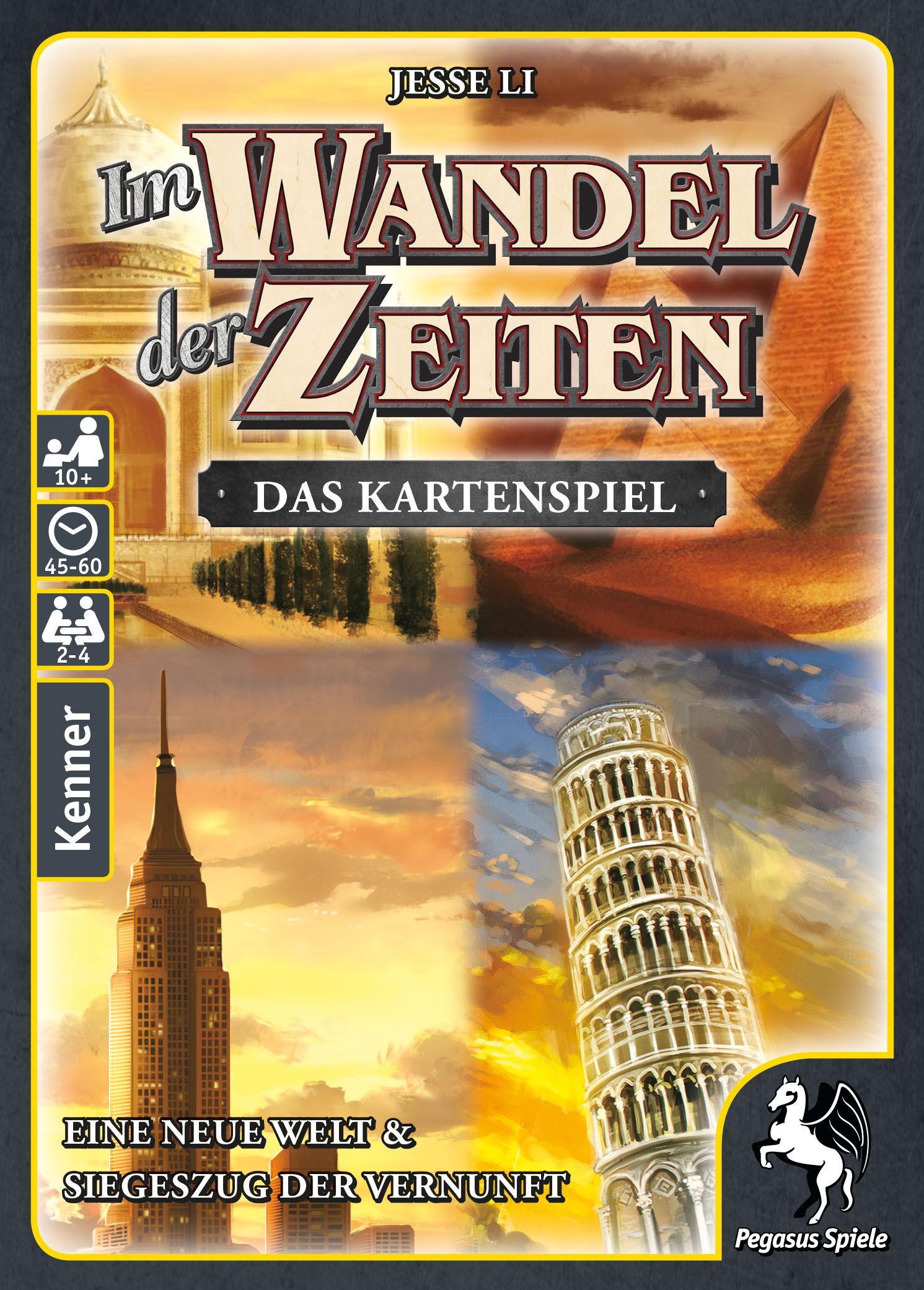
- 2 to 4 players
- 45 to 60 minutes
- Ages 10 and up
by Jesse Li
- 1 to 2 players
- 30 minutes
- Ages 12 and up
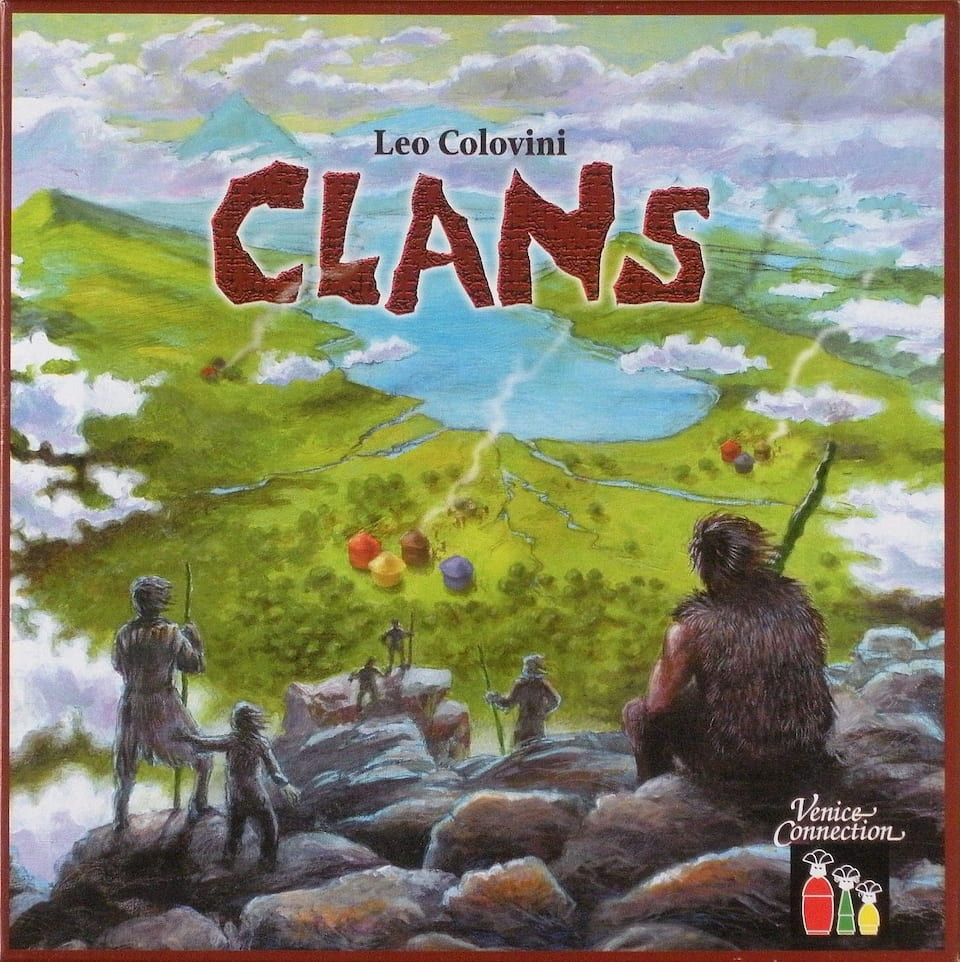
Clans
2002Hide your color and move huts to build villages scored by terrain.
- 2 to 4 players
- 30 minutes
- Ages 10 and up
Clans is a German-style game for 2 to 4 players aged 10 and up, designed by Leo Colovini in 2002 and published by Rio Grande Games and others. Players work to shape villages from scattered huts, aiming to score points for the color they secretly hold. Each player secretly holds a color card.
by Leo Colovini · Winning Moves
Black Market
2025A Swedish card game by Mikael Rosenqvist, with its cards documented in an online card book and a video rules guide.
- 2 to 12 players
- 15 minutes
- Ages 13 and up
by Mikael Rosenqvist
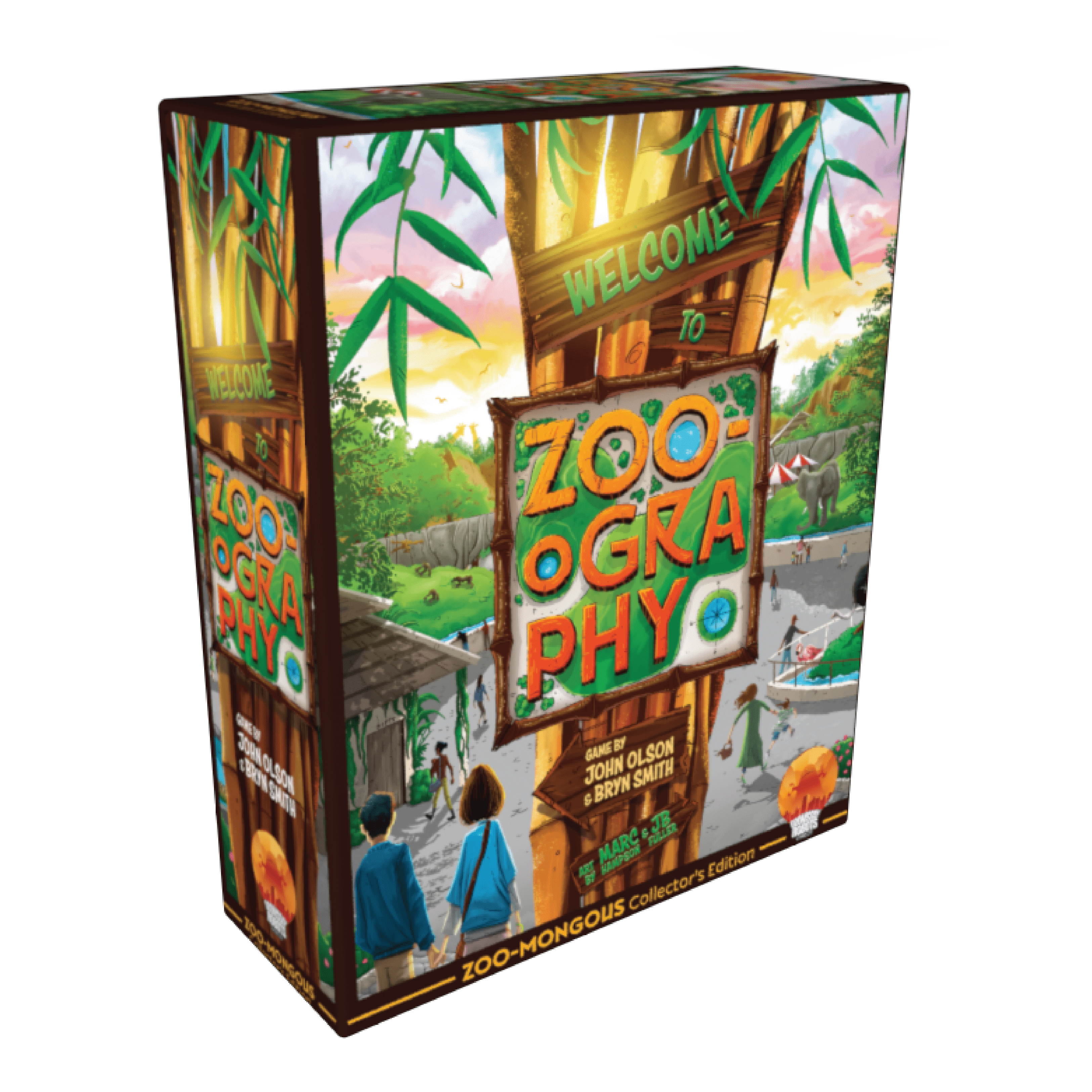
Zoo-ography
2021- 1 to 4 players
- 15 to 45 minutes
- Ages 12 and up
- 1 to 4 players
- 15 minutes
- Ages 4 and up
by Elodie Clément, Théo Rivière
- 1 to 2 players
- 60 to 360 minutes
- Ages 14 and up
- 1 to 4 players
- 60 to 120 minutes
- Ages 12 and up
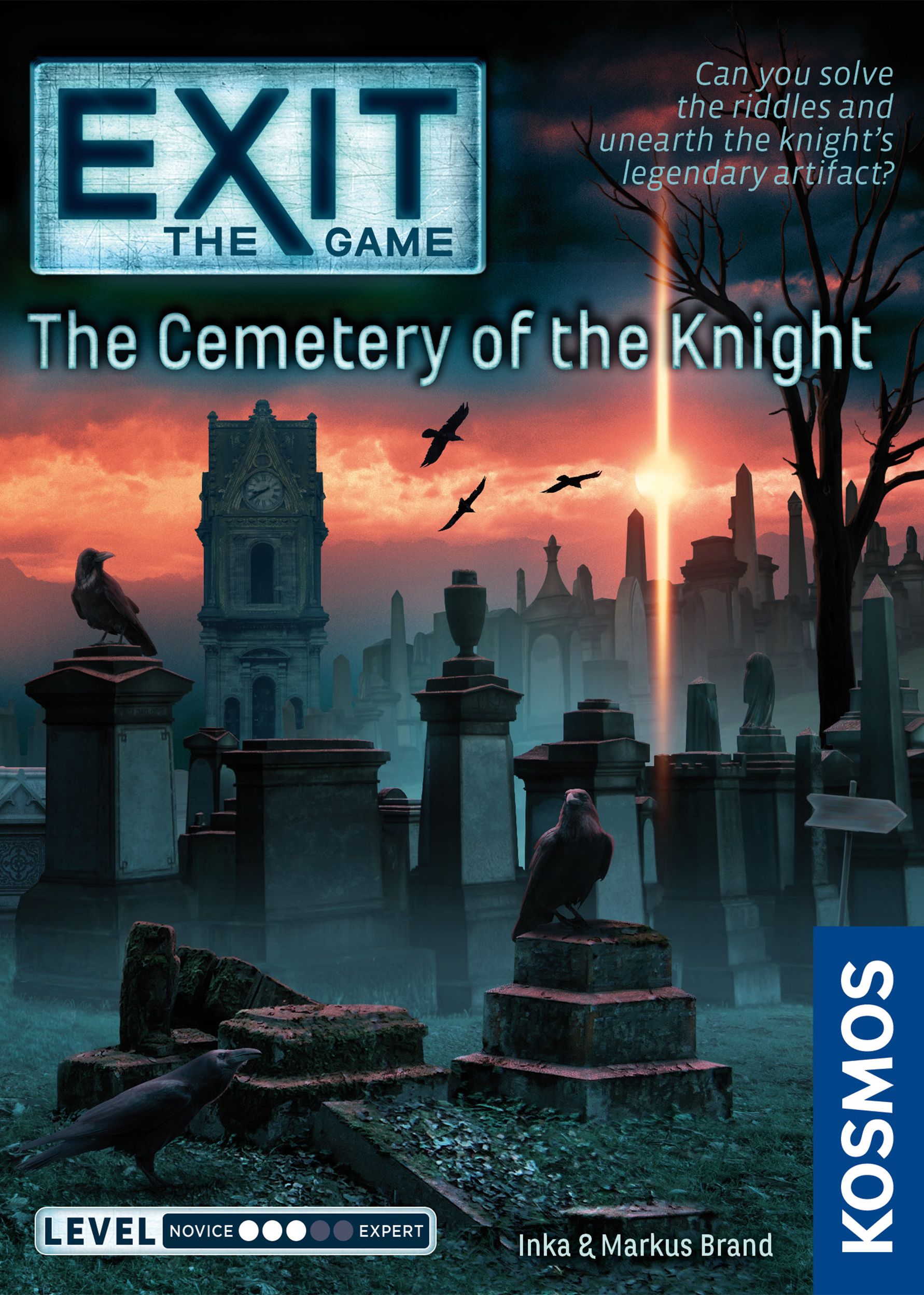
by Inka Brand, Markus Brand
- 1 to 6 players
- 70 to 160 minutes
- Ages 14 and up
by Richard Amann, Viktor Peter
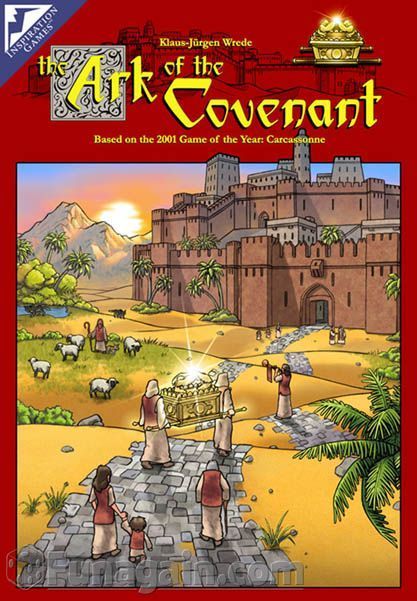
A 2003 Wrede game adding oases, prophets and a movable Ark to city and road competition.
- 2 to 5 players
- 30 minutes
- Ages 8 and up
A strategy board game for two to five players aged eight and up, designed by Klaus-Jürgen Wrede and first released in 2003. Rivals contest settlements, thoroughfares, farmland and sacred sites to collect points from each of them.
by Klaus-Jürgen Wrede · Inspiration Games
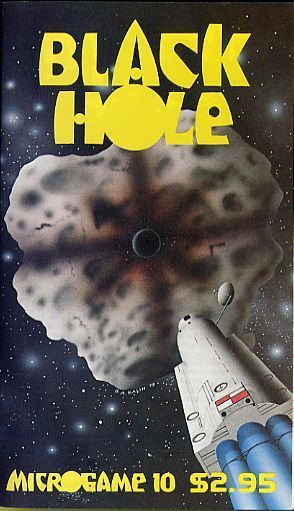
Black Hole
1978Corporate armies fight over a doughnut-shaped alien asteroid orbiting a black hole.
- 2 players
- 30 minutes
- Ages 10 and up
Black Hole is a two-player science fiction wargame from 1978, released by Metagaming as one of its compact MicroGames. It suits players who want a short, straightforward contest of space combat. The game is set around a doughnut-shaped asteroid built by aliens, with a black hole at its centre.
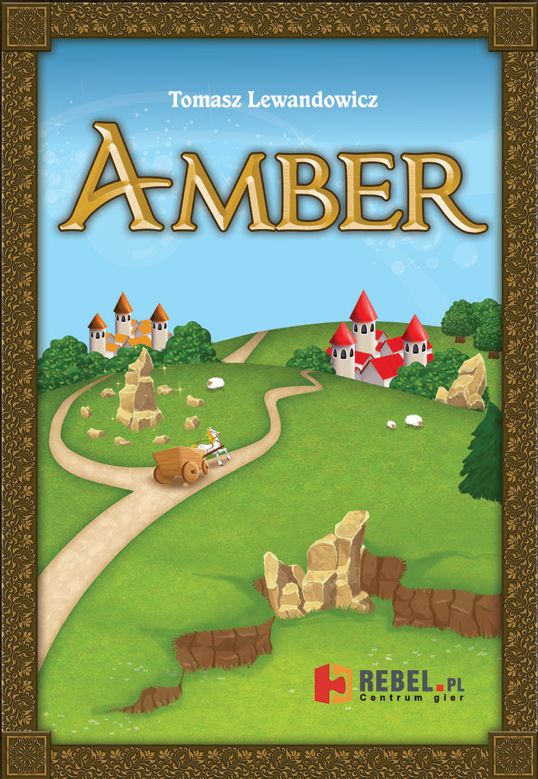
Amber
2012- 2 to 6 players
- 30 minutes
- Ages 10 and up
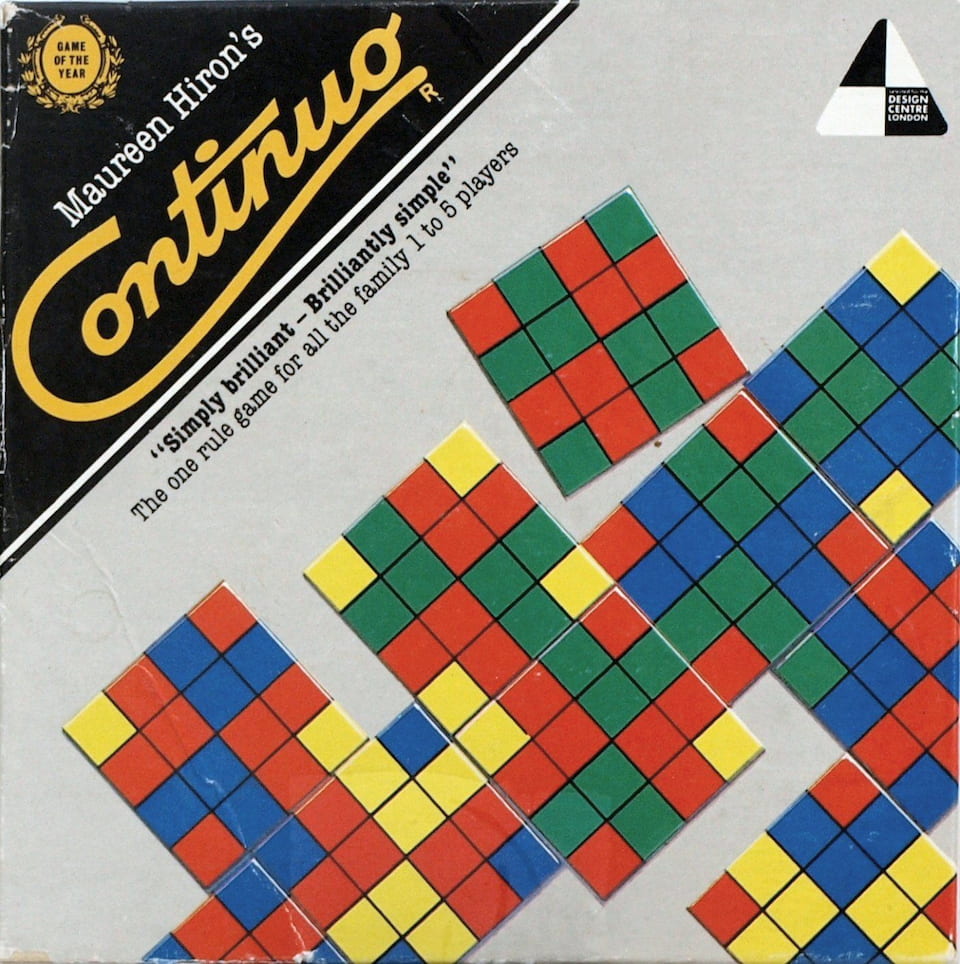
Continuo
1982A one-rule abstract game of colour chains that the whole family can play
- 1 to 5 players
- 20 minutes
- Ages 4 and up
Continuo is a light abstract title for 1 to 5 players aged 4 and up, lasting about 20 minutes. Maureen Hiron designed it, and several firms, including AMIGO and Casper, have published it. You lay out patterned cards with the aim of making matching colours link up across the table.
by Maureen Hiron
- 2 to 5 players
- 45 minutes
- Ages 12 and up
by Karol Madaj
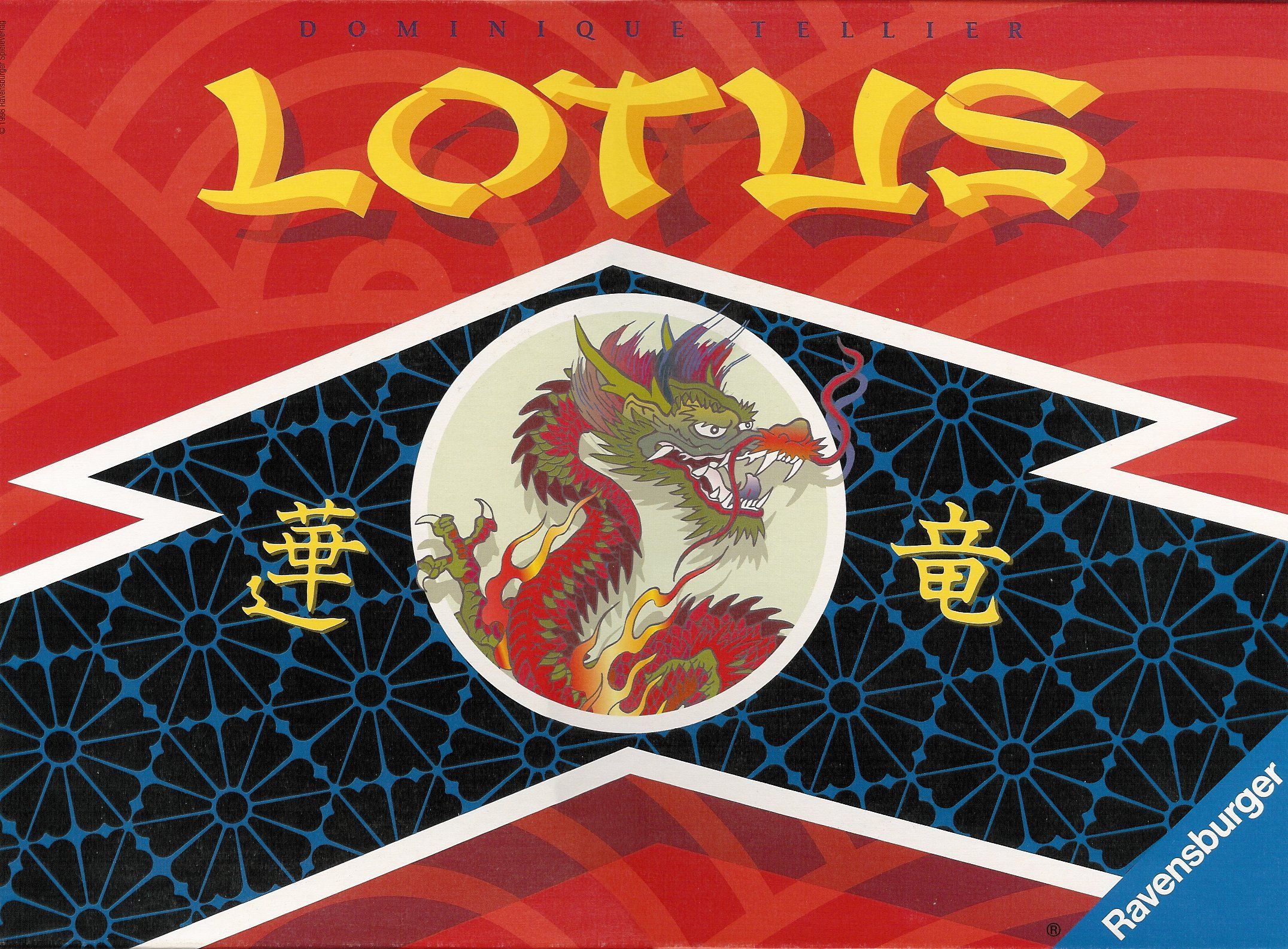
Lotus
1998A quick 1998 race of stacking pieces and trampolines on a hexagonal board marked with a dragon.
- 2 to 4 players
- 20 minutes
- Ages 10 and up
Lotus is a two-to-four-player race game for ages 10 and up, released in 1998 and designed by Dominique Tellier. It is a light abstract game built around stacking and moving pieces. The board is hexagonal, with a large dragon in the middle and a Chinese character on each space.
by Dominique Tellier · Ravensburger AG
- 2 to 4 players
- 45 to 70 minutes
- Ages 16 and up
by Óscar Arévalo
Expansion giving each of the 17 leviathans of Leviathan Wilds a mutation that can be combined with a foe.
- 1 to 4 players
- 45 to 90 minutes
- Ages 10 and up
by Justin Kemppainen · Frosted Games
A cooperative deckbuilder where the Red Dragon Inn heroes must hold off monsters attacking their city before the tavern falls.
- 2 to 5 players
- 40 to 100 minutes
- Ages 13 and up
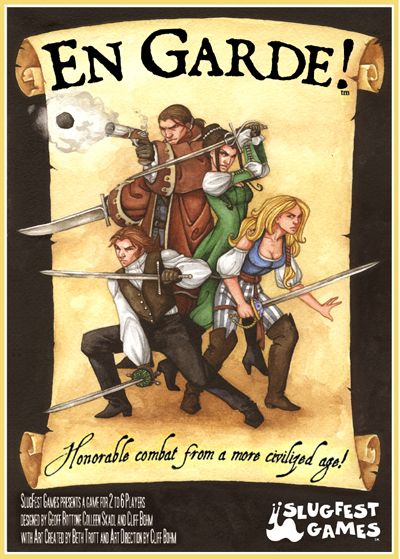
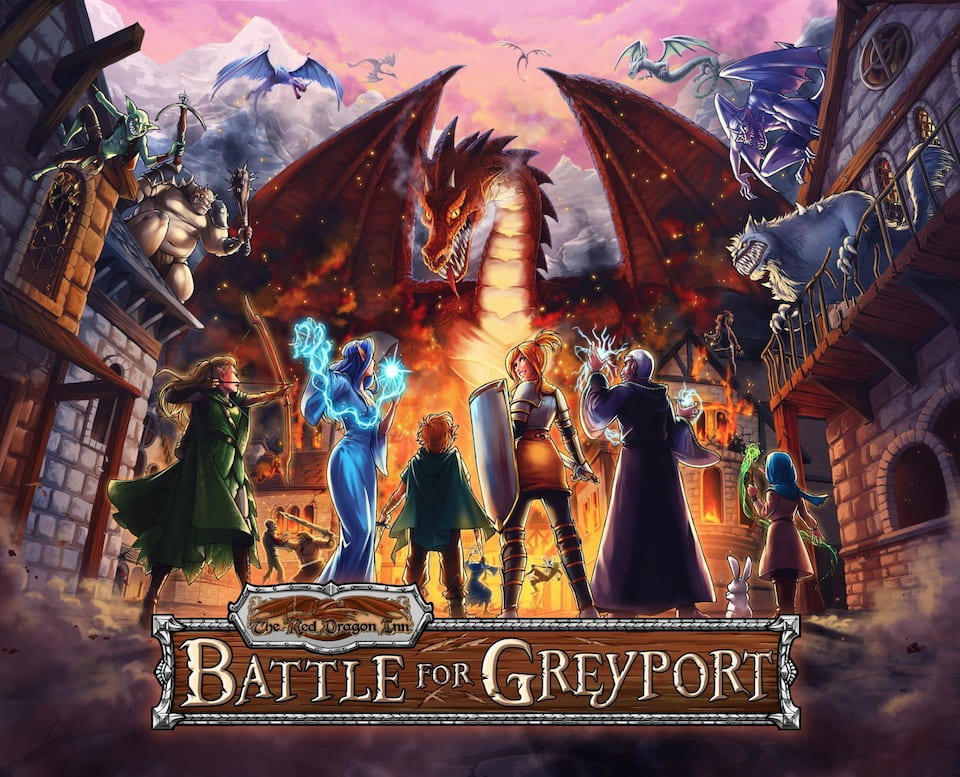
The city of Greyport is under attack by evil monsters, and the adventurers who have just returned from their latest quest must defend it before they can enjoy their loot at The Red Dragon Inn. Battle for Greyport is a cooperative deckbuilding game set in the world of The Red Dragon Inn, published by SlugFest Games.
by Jeff Morrow, Nate Heiss · SlugFest Games
- 2 to 4 players
- 60 minutes
- Ages 10 and up
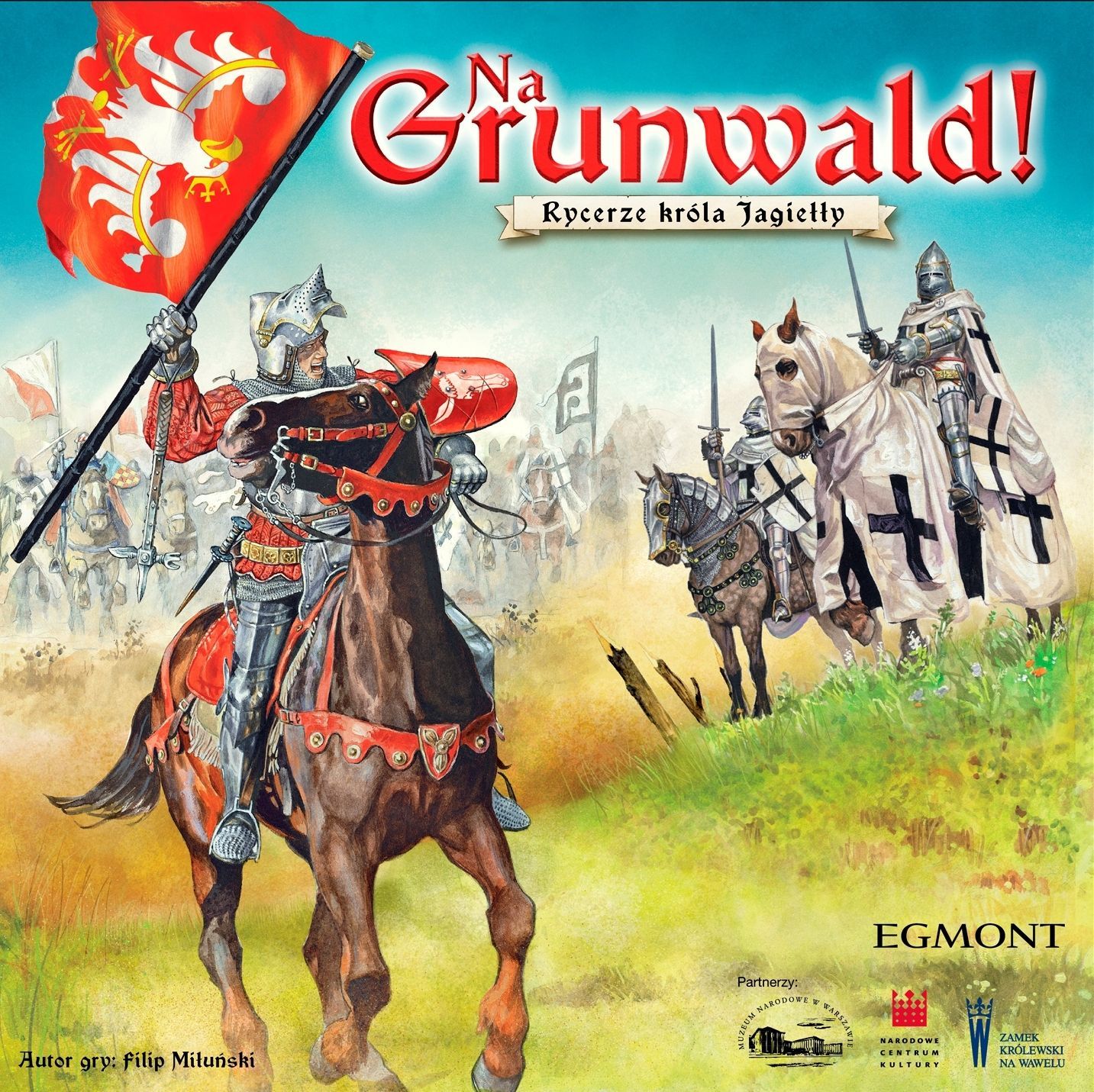
by Filip Miłuński
- 1 to 6 players
- 10 minutes
- Ages 8 and up
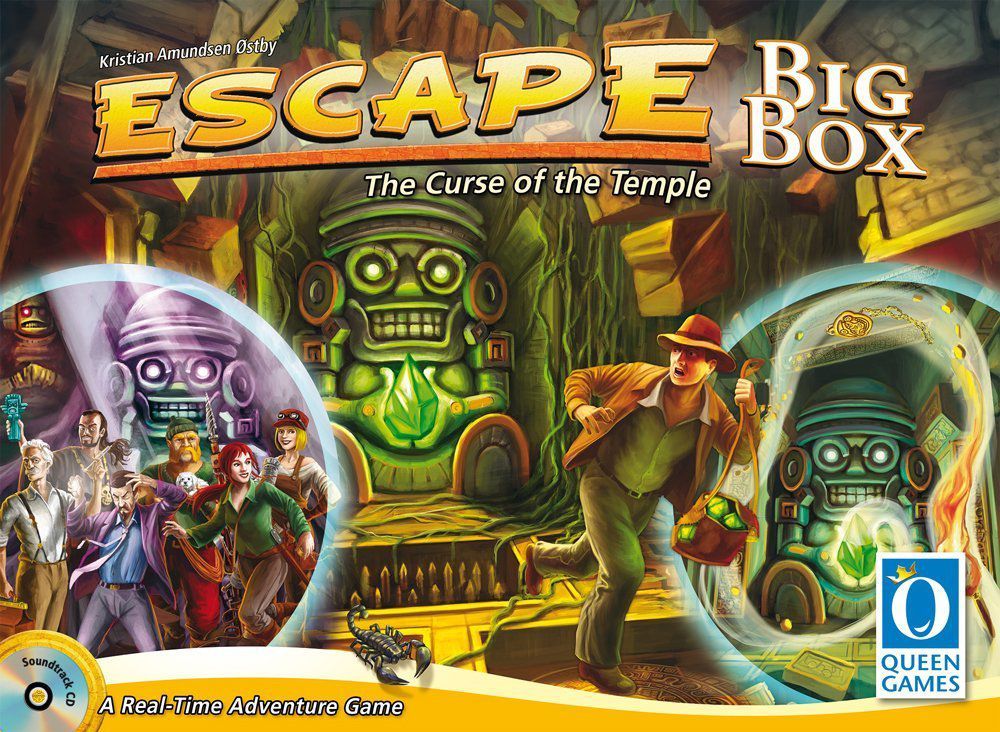
by Kristian Amundsen Østby
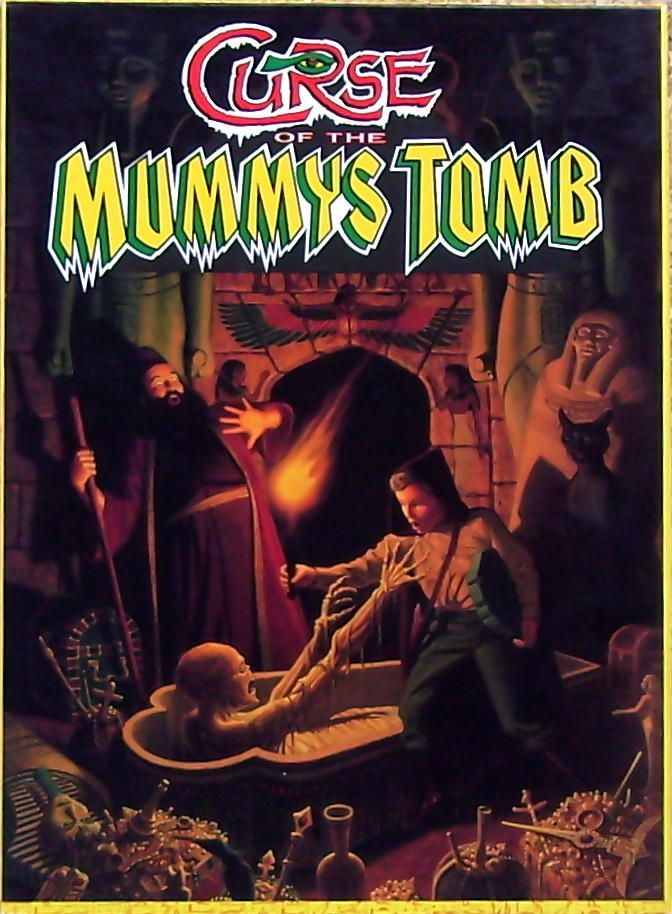
Climb a three-level Egyptian pyramid and race the deadly Mummy for the Elixir of Life.
- 1 to 4 players
- 120 minutes
- Ages 12 and up
Curse of the Mummy's Tomb is a pulp fiction board game from 1988 for one to four players, designed by Stephen Hand and published by Games Workshop Ltd. and Sfera. Players explore an Egyptian pyramid in a pulp adventure.
by Stephen Hand
Sparks
2024- 1 to 4 players
- 45 minutes
- Ages 12 and up
- 2 to 4 players
- 90 to 150 minutes
by Andy Chambers
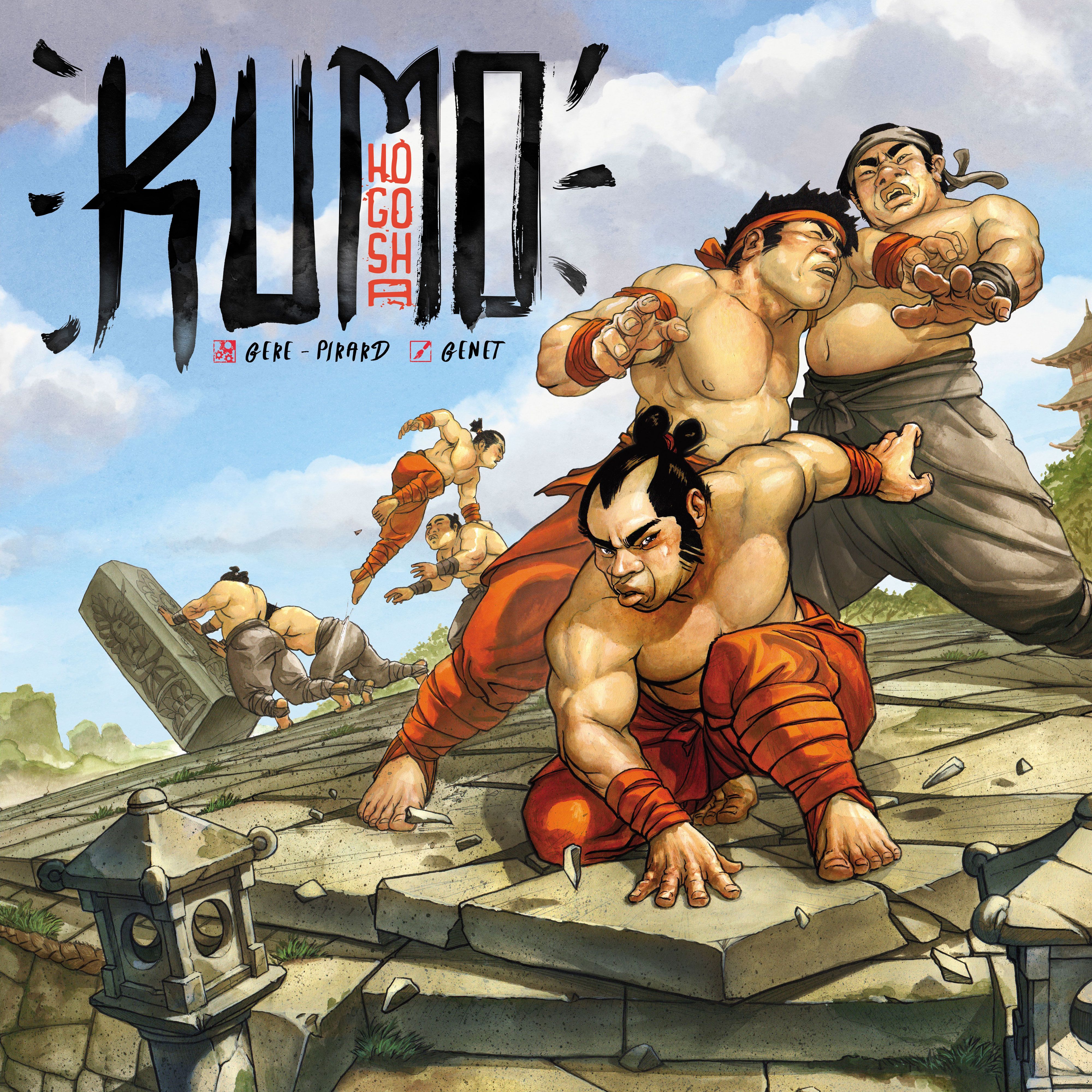
KUMO Hogosha
2015- 2 to 4 players
- 25 to 30 minutes
- Ages 8 and up
- 2 to 6 players
- 30 minutes
- Ages 15 and up
by Cory Jones, Rob Heinsoo
- 1 to 6 players
- 60 minutes
- Ages 10 and up
by Vincent Goyat
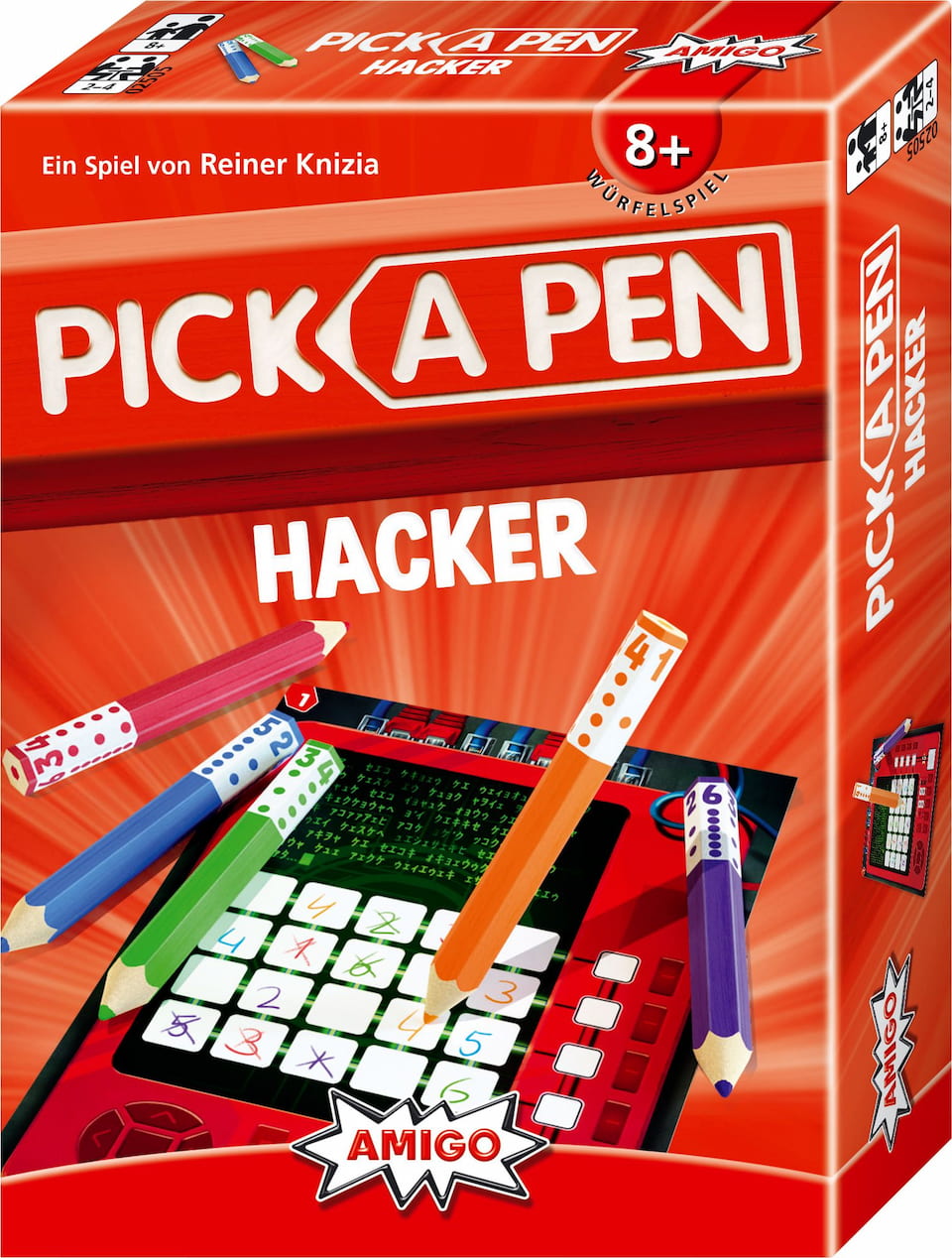
A Knizia roll-and-write dice game where pens act as dice and players fill a number matrix to write the best code.
- 2 to 4 players
- 30 minutes
- Ages 8 and up
Pick a Pen: Hacker is a family roll-and-write game designed by Reiner Knizia and published by AMIGO Spiel + Freizeit. It is the next part of a popular product series and is built around the idea of writing the most successful code in a grid of digits.
by Reiner Knizia
- 2 to 4 players
- Ages 7 and up
Star Viking
1981- 2 players
- 60 minutes
- Ages 10 and up
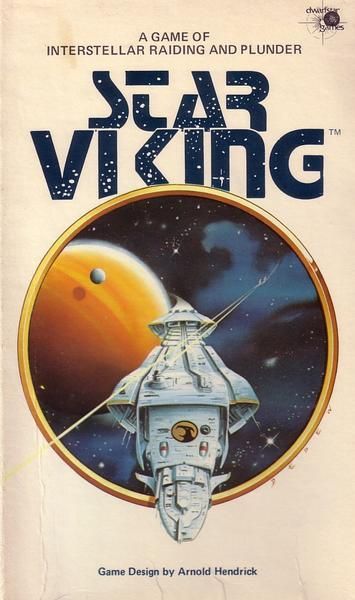
Star Viking is a 1981 board game published by Heritage Models.
by Arnold Hendrick
- 2 to 7 players
- 90 minutes
- Ages 14 and up