Loading the page…
Aquarius
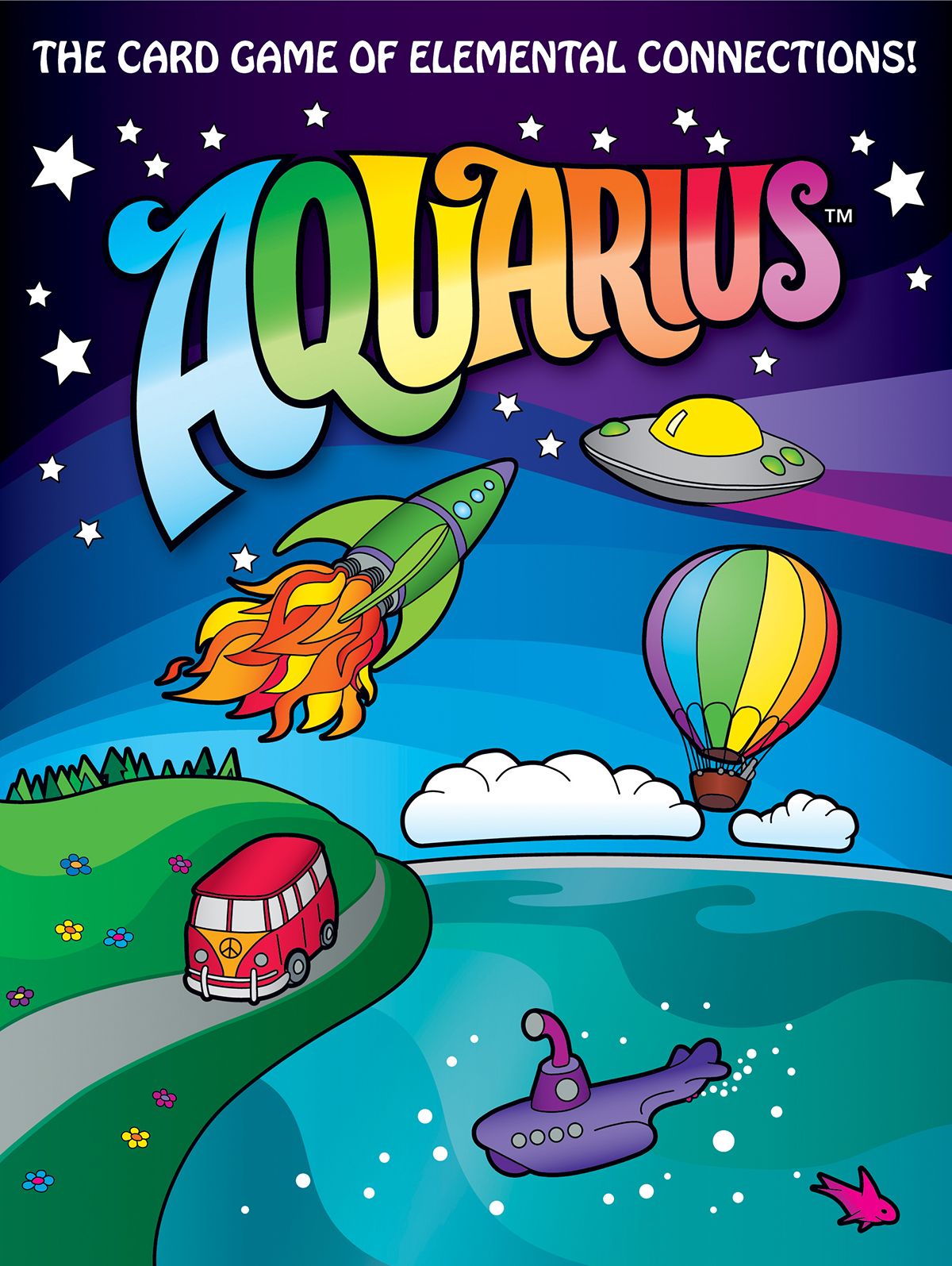
1998A dominoes-like card game with a Hippie-era look inspired by the art of Peter Max.
- 2 to 5 players
- 10 to 30 minutes
- Ages 6 and up
Aquarius is a two-to-five player card game for ages 6+, playing in about 10 to 30 minutes. It was designed by Andrew Looney and published in 1998. Each player secretly holds one of five elements as a goal and tries to link seven cards showing it on a shared grid.
by Andrew Looney
- 2 to 4 players
- 30 minutes
- Ages 12 and up
- 2 to 4 players
- 240 minutes
- Ages 10 and up
by Roger Nord
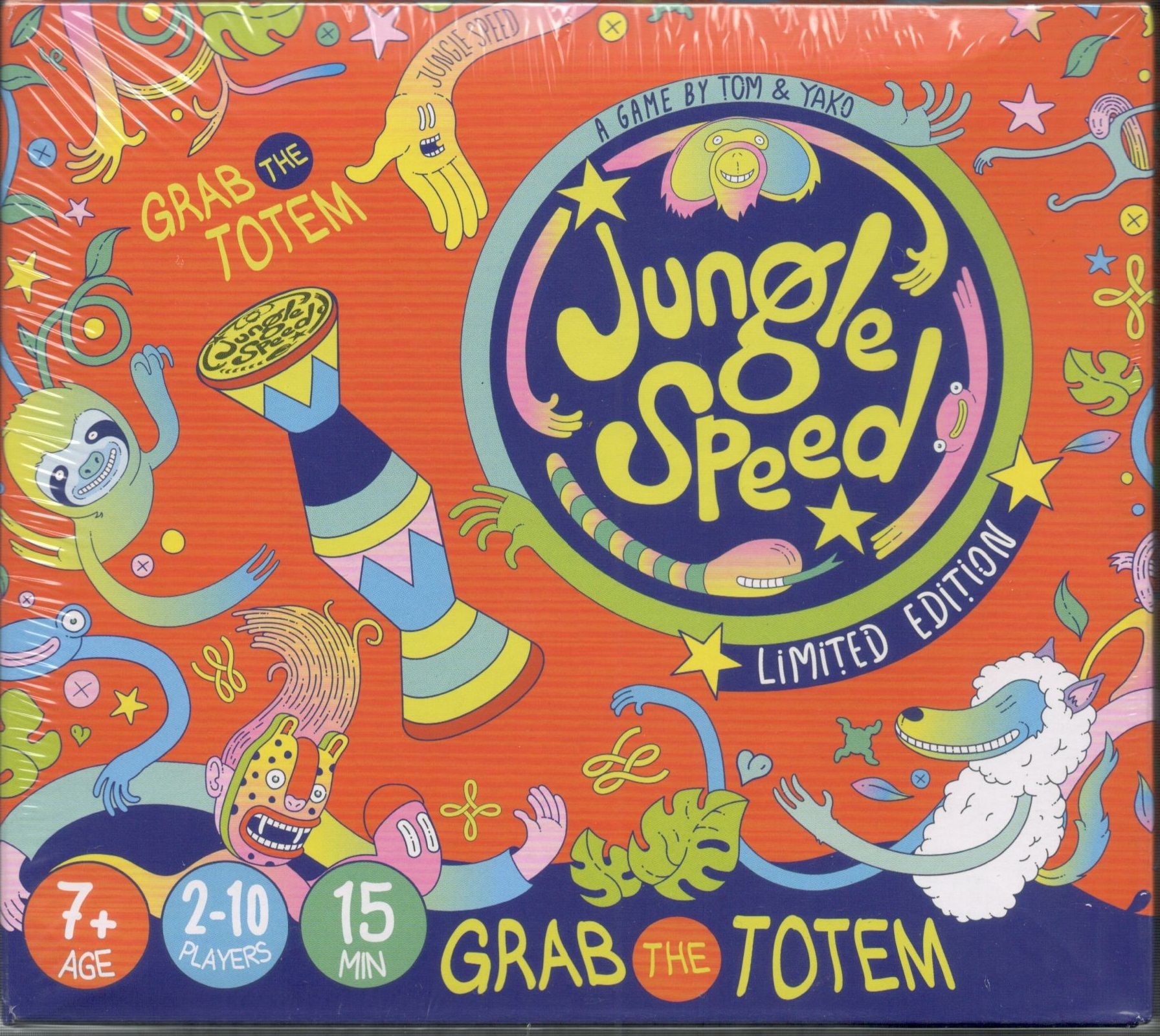
- 2 to 10 players
- 15 minutes
- Ages 7 and up
by Pierrick Yakovenko, Thomas Vuarchex
- 2 players
- 60 minutes
- Ages 8 and up
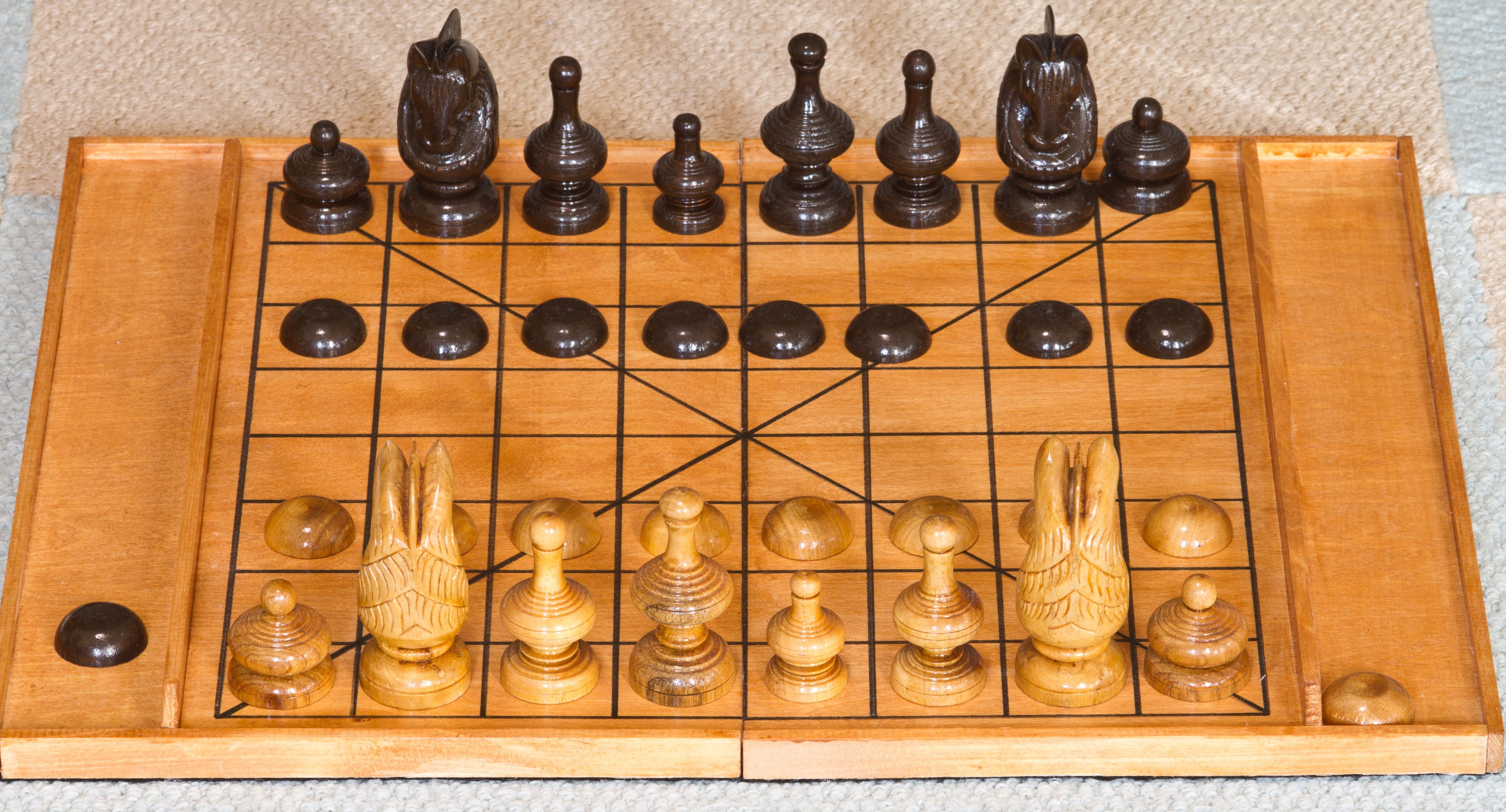
Makruk, also known as Thai chess, is a two-player strategy board game for ages 8 and up, with a playing time of about 60 minutes. Public Domain, Ancient Chess and Woodstock Spiele are listed as its publishers. Two armies of cowries, seeds, noblemen, horses, boats and a lord face each other across the board.
- 2 players
- 360 minutes
- Ages 12 and up
by A. E. Goodwin
- 2 players
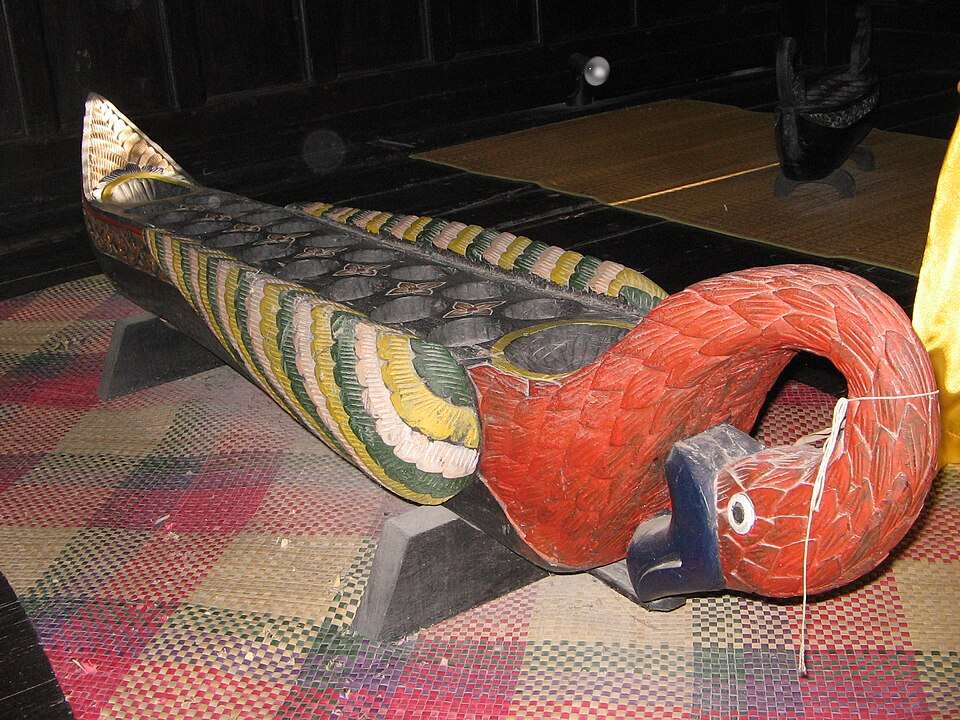
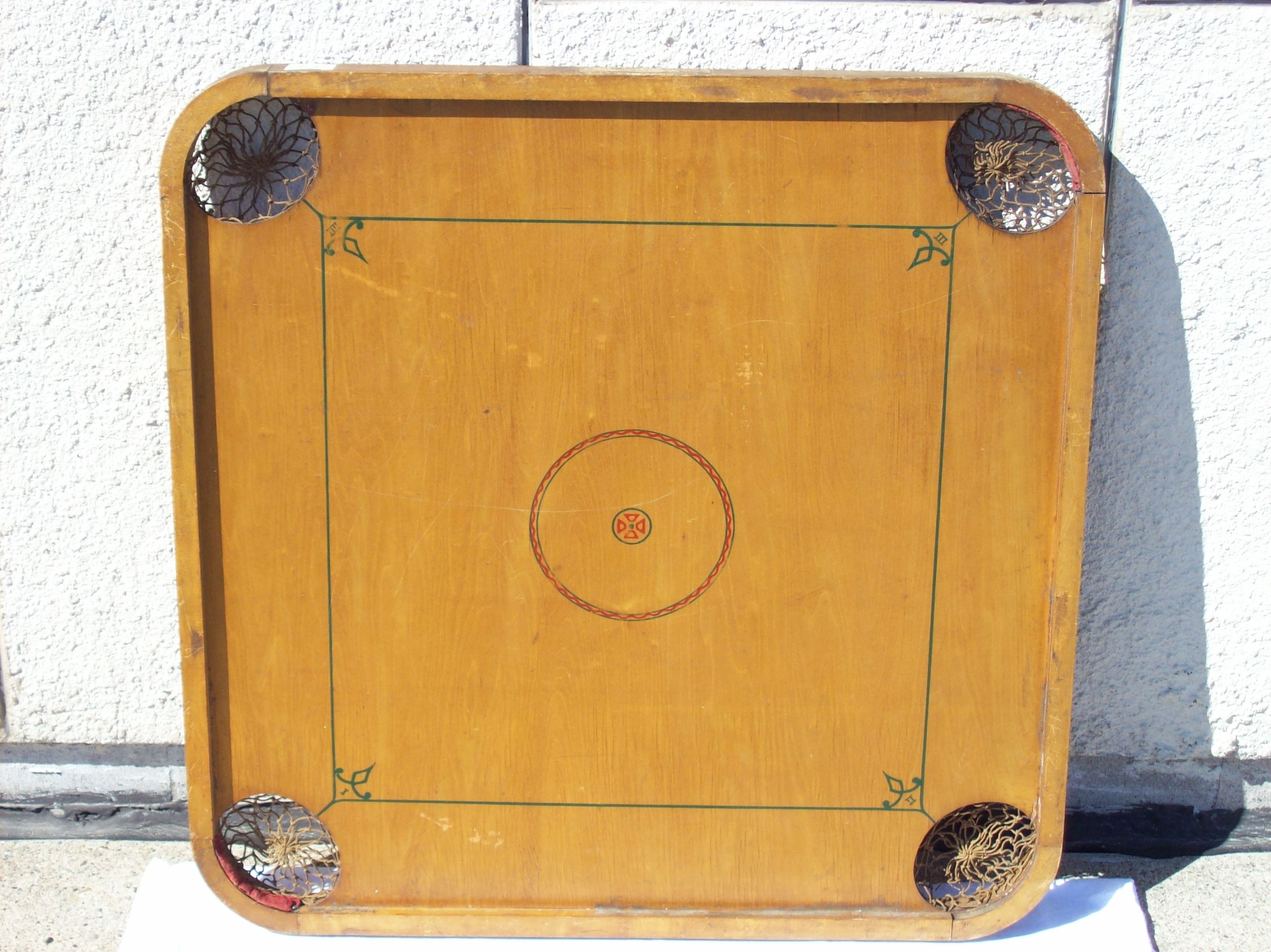
Congkak is a two-player board game from the Southeast Asian mancala family, played by sowing seeds around a board of holes and stores. Each player looks after the holes on their left side of the board, and the aim is to end with more seeds in your store than your rival.
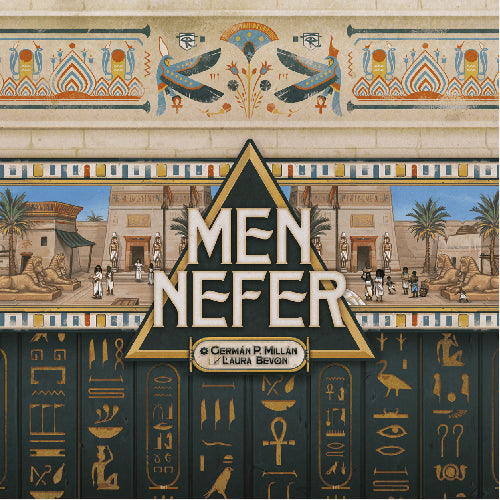
Men-Nefer
2024Worker-placement and tile-drafting game about building up ancient Memphis across three eras of Egyptian life.
- 1 to 4 players
- 60 to 120 minutes
- Ages 14 and up
A worker-placement and tile-drafting game set in ancient Egypt, where players choose which areas of society and culture to develop across three eras. It includes a solo mode.
by Germán P. Millán
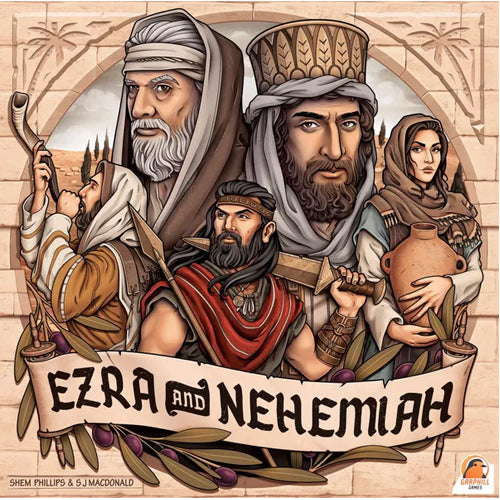
Rebuild Jerusalem's temple, walls and gates while teaching the Torah to win the most points.
- 1 to 4 players
- 90 to 120 minutes
- Ages 13 and up
A competitive game for one to four players aged 13 and up, designed by S J Macdonald and Shem Phillips and published by Garphill Games. You are one of the exiles returning to Jerusalem, racing rivals to rebuild the temple and walls and to teach the Torah.
by S J Macdonald, Shem Phillips
- 1 to 5 players
- 90 minutes
- Ages 16 and up
by Jeppe Norsker
Trap the Cap
1927A 1927 running-fight game that blends dice luck with strategy and is nominally aimed at children.
- 2 to 6 players
- 30 minutes
- Ages 6 and up
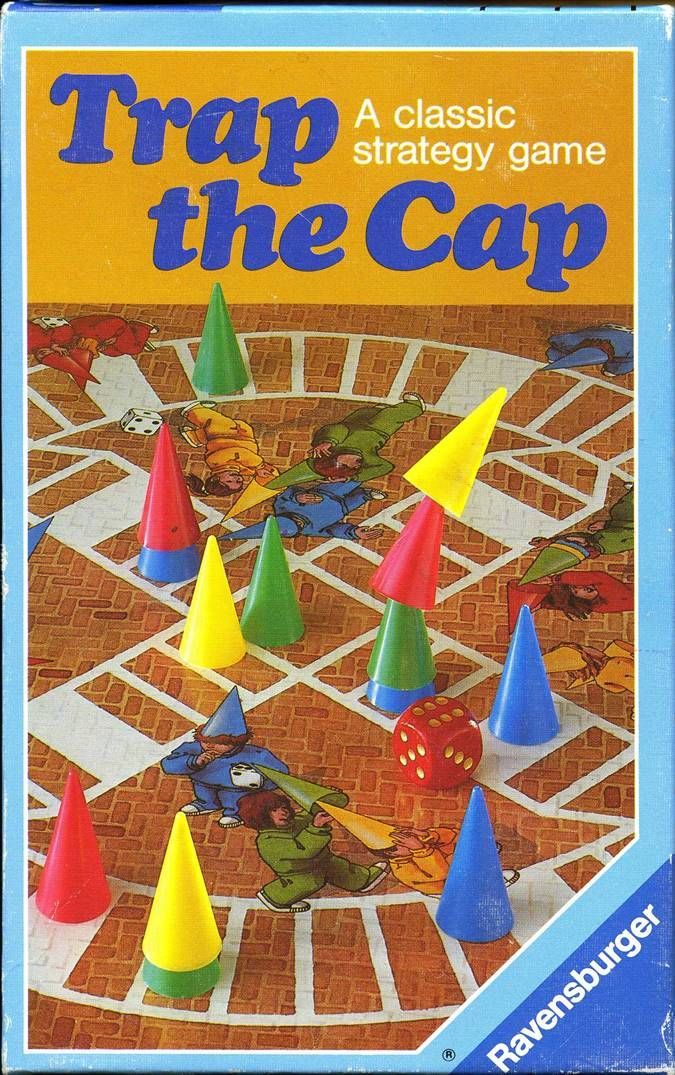
Trap the Cap is a pursuit-style board game for two to six players aged 6 and up. Otto Maier Verlag first released it in 1927. Its original German title, Fang den Hut, translates as capture the hat, and the game's board shows two of its characters.
The Truckers
2008- 3 to 5 players
- 40 minutes
- Ages 8 and up
- 2 players
- 20 minutes
- Ages 8 and up
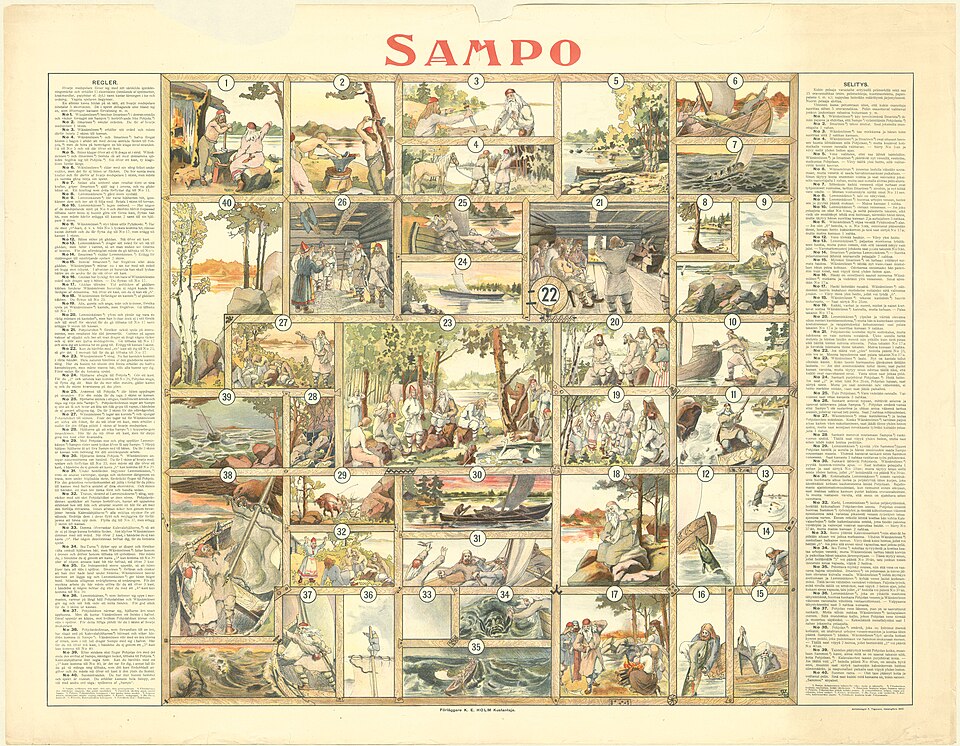
Sampo
1904- 2 to 6 players
- 30 to 45 minutes
- Ages 15 and up
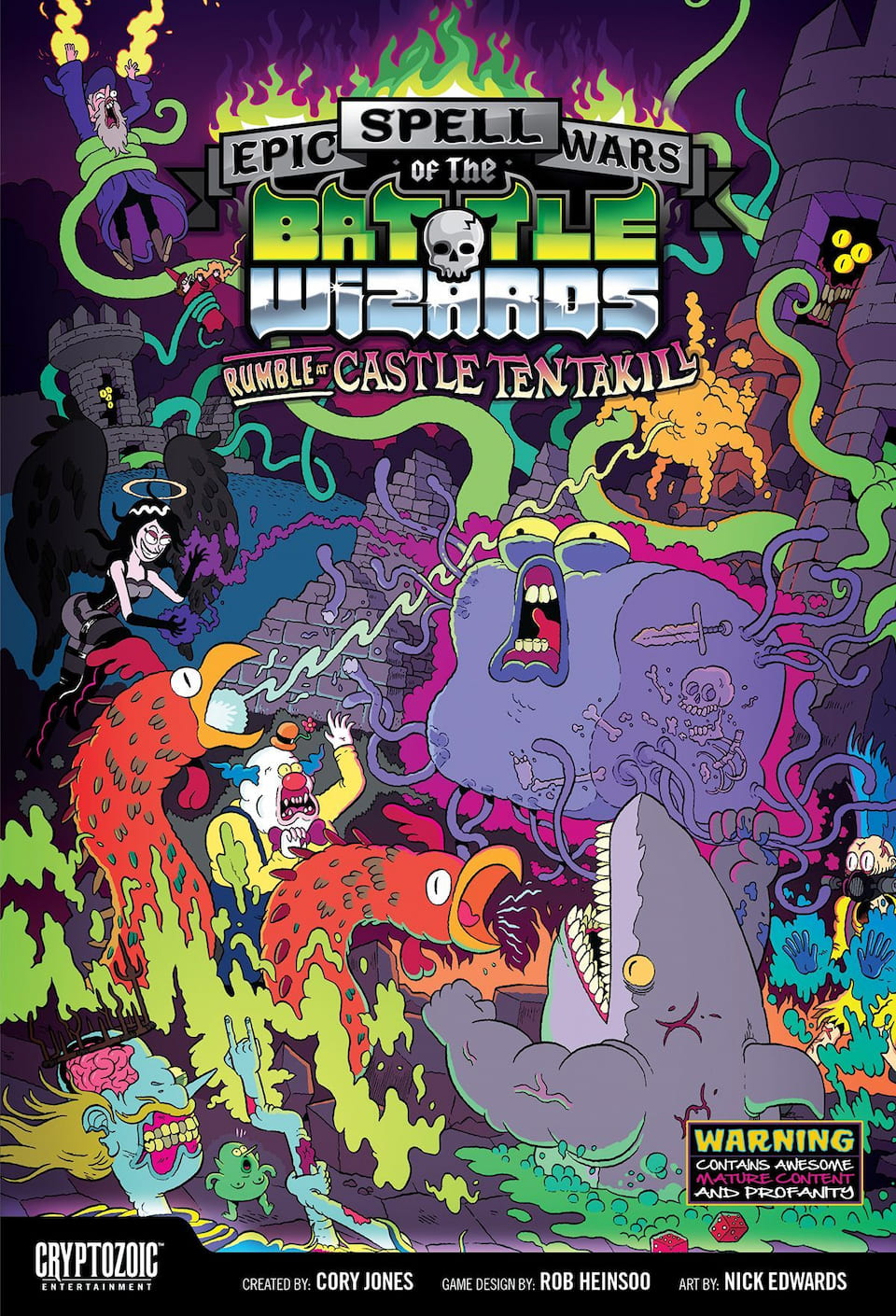
by Cory Jones, Rob Heinsoo
A collectible card game of rival clans in Rokugan, built for multiplayer battles
- 2 to 8 players
- 45 minutes
- Ages 12 and up
A collectible card game for two to eight players, aged 12 and up, first released in 1995 and designed by Brent Keith, Bryan Reese, Dave Williams (II) and Mark Wootton. Published by Alderac Entertainment Group, Five Rings Publishing Group and Wizards of the Coast.
by Brent Keith, Bryan Reese
- 1 to 6 players
- 30 to 60 minutes
- Ages 13 and up
by Corey Konieczka
two-player abstract strategy board game
Astar is an abstract strategy game for two players, originating in Kyrgyzstan, and it resembles draughts and Alquerque in its jumping captures. Pieces step one point at a time along a marked line in any of four directions, into an empty neighbouring intersection.
- 1 to 2 players
- 60 to 120 minutes
- Ages 13 and up
by Grant Wylie, Matt Burchfield
- 2 to 4 players
- 30 to 60 minutes
- Ages 10 and up
- 2 to 6 players
- 60 minutes
- Ages 12 and up
by Chris Haney, Scott Abbot
Take Off
1999- 2 to 4 players
- 30 minutes
- Ages 10 and up
108 Outlaws
2025A tableau-building card game where you recruit reformed outlaws from a Water Margin epic and run missions for honour points.
- 1 to 5 players
- 20 to 30 minutes
- Ages 10 and up
Relive one of Chinese history’s classic epics in 108 Outlaws! In this immersive and challenging tableau-building card game, put together a motley troop of reformed criminals with different abilities and effects, embark on game-changing missions and write your own history.
by Daryl Chow · Origame
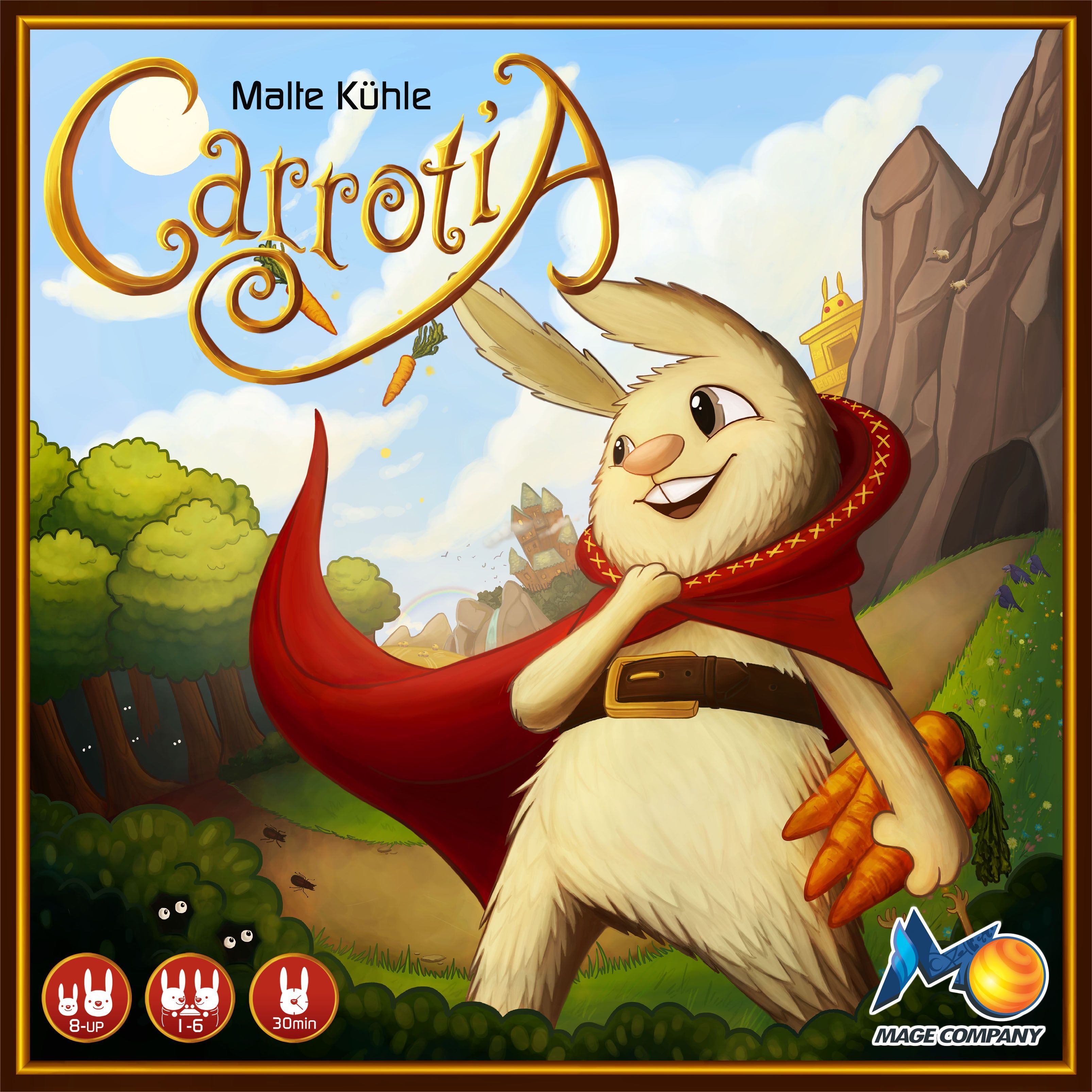
Carrotia
2016- 1 to 6 players
- 20 to 30 minutes
- Ages 8 and up
- 1 to 4 players
- 20 to 45 minutes
Compete as fungal Mushling colonies to grow a mycelium network and gather 10 Nutrients first.
- 2 to 4 players
- 60 to 105 minutes
- Ages 13 and up
by Eric Yadvish
- 2 to 8 players
- 15 minutes
- Ages 8 and up
by Frédéric Henry
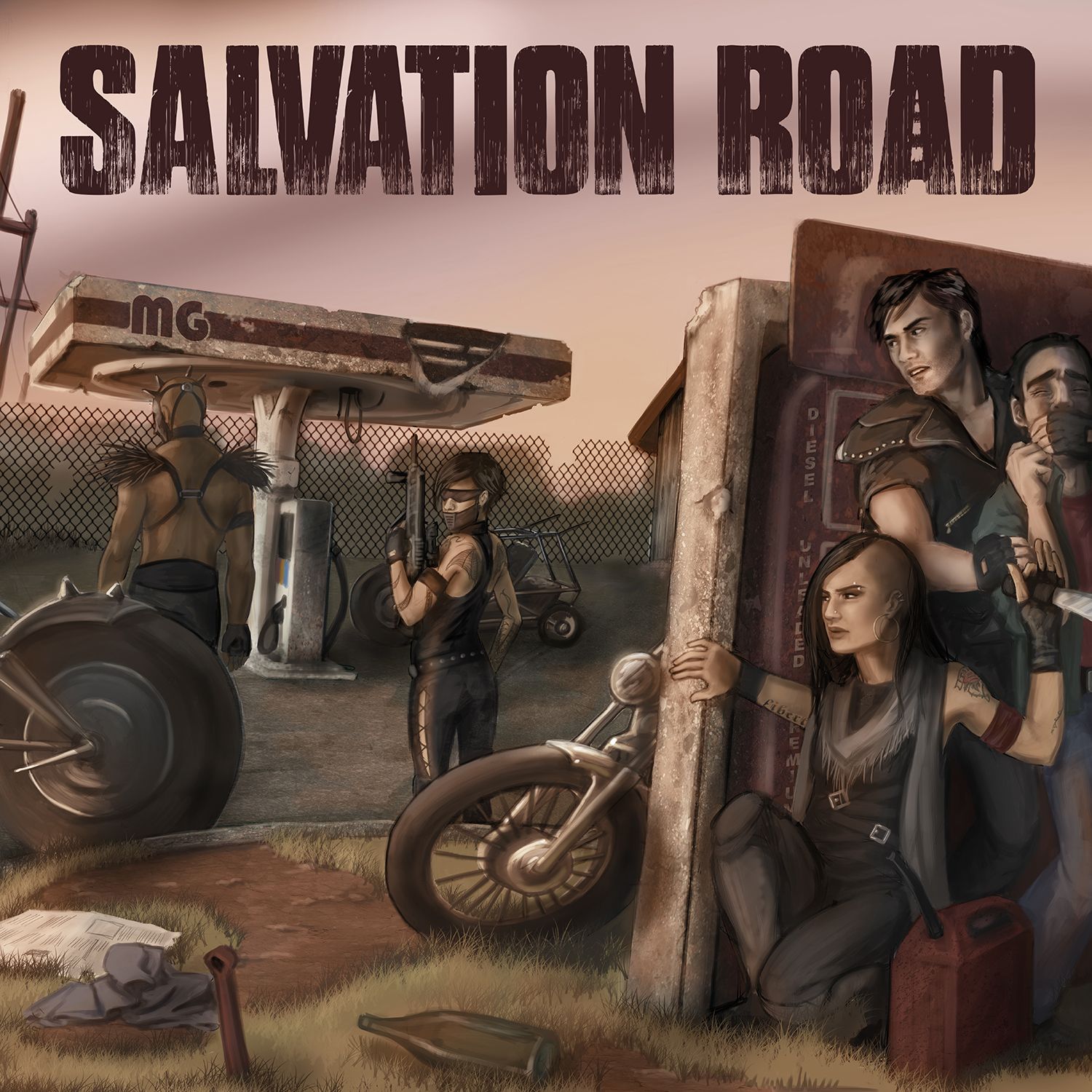
Salvation Road
2016- 1 to 8 players
- 45 to 75 minutes
- Ages 10 and up
- 1 to 8 players
- 180 minutes
- Ages 10 and up
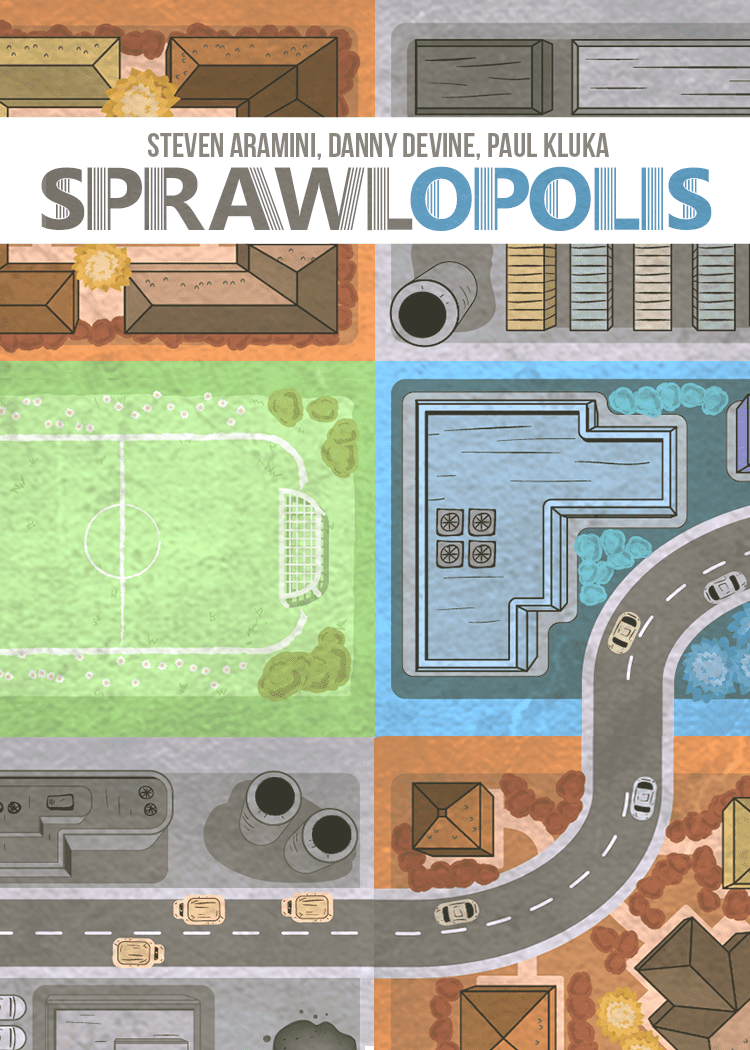
Sprawlopolis
2018A cooperative wallet-sized puzzle where players plan a growing city from a handful of shared cards.
- 1 to 4 players
- 15 to 20 minutes
- Ages 8 and up
A small cooperative city-planning puzzle for one to four players aged eight and up, designed by Danny Devine, Paul Kluka and Steven Aramini and published by Banana Games, Button Shy, Frosted Games, Funbox Editora and KOZAK Games.
by Danny Devine, Paul Kluka · Button Shy
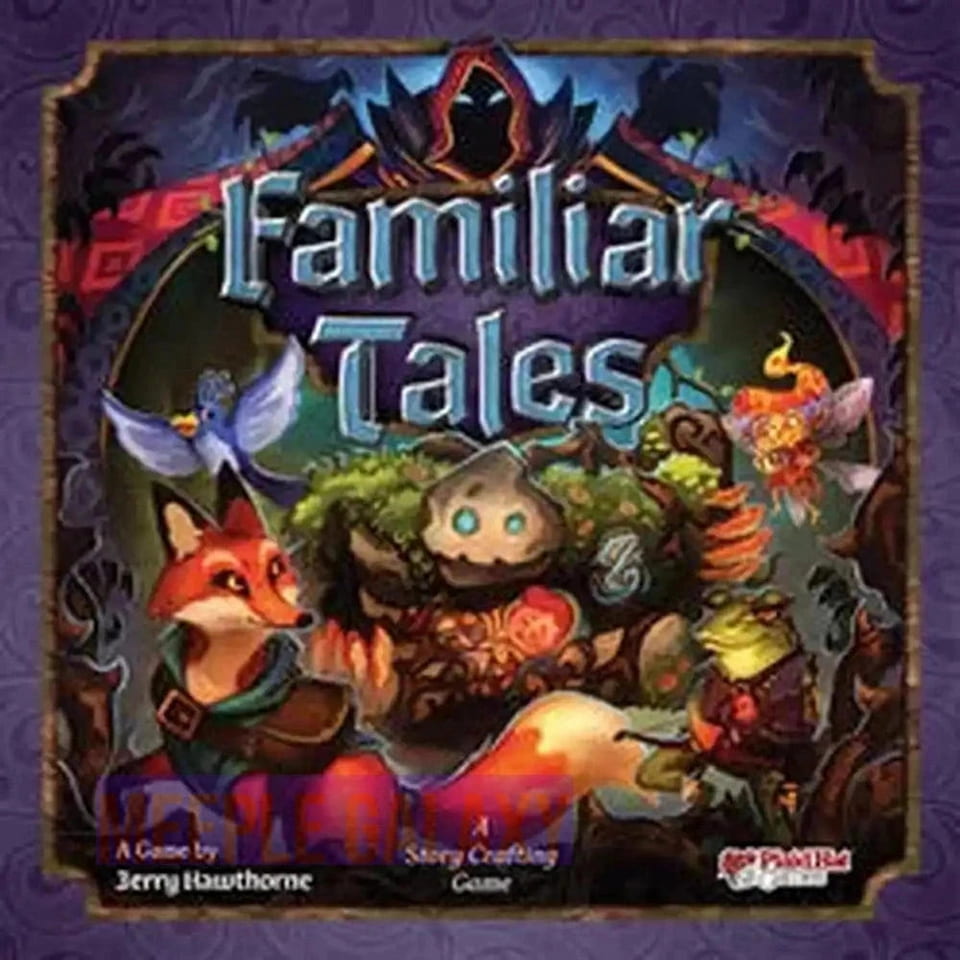
Familiar Tales
2022- 1 to 4 players
- 45 to 120 minutes
Let's Match
2026A party card game where teams pick the funny picture cards that best fit a topic, scoring more when their picks match.
- 3 to 8 players
- 30 minutes
- Ages 10 and up
by Craig Browne
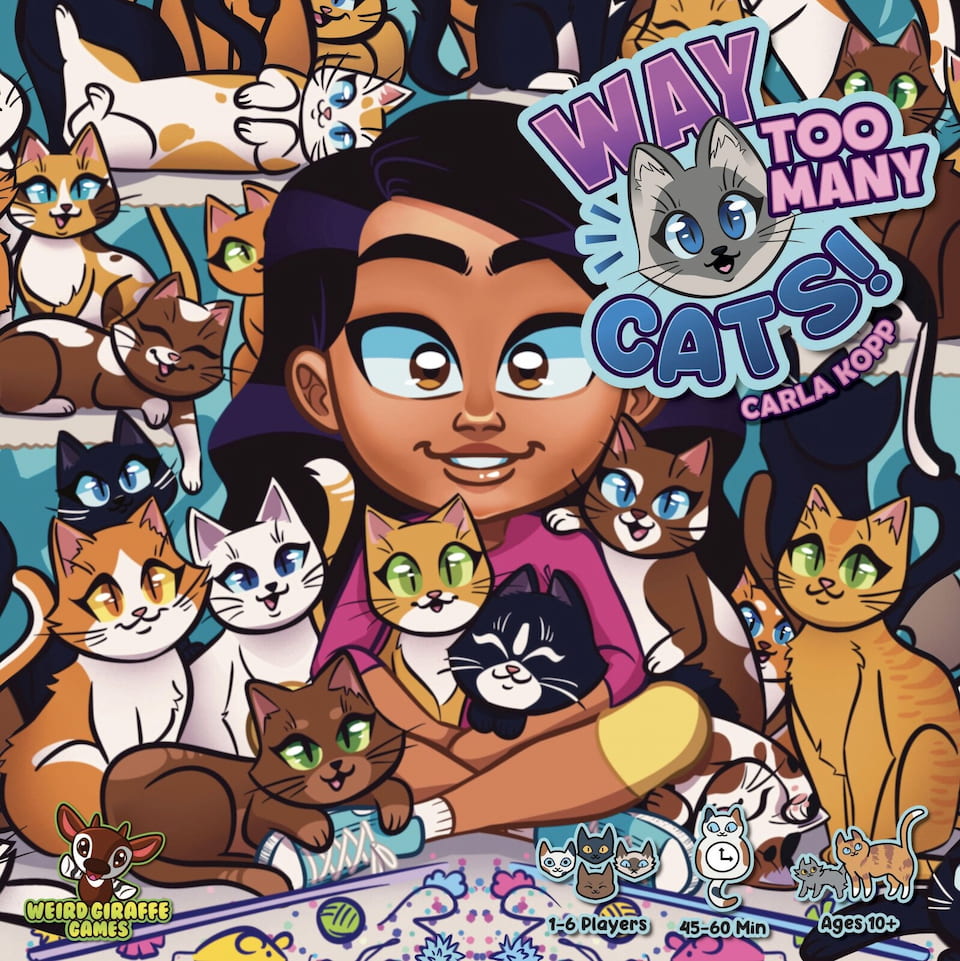
Drafting and spatial puzzle game where you run a cat adoption agency, placing cats on your board and managing kitten sets.
- 1 to 6 players
- 45 to 60 minutes
- Ages 10 and up
by Carla Kopp
- 2 to 4 players
- 30 to 60 minutes
- Ages 8 and up