Loading the page…
- 1 to 4 players
- 60 to 180 minutes
- Ages 13 and up
by Tristan Hall
- 2 players
- 60 minutes
- Ages 12 and up
by Brian L. Knipple, Michael Bennighof
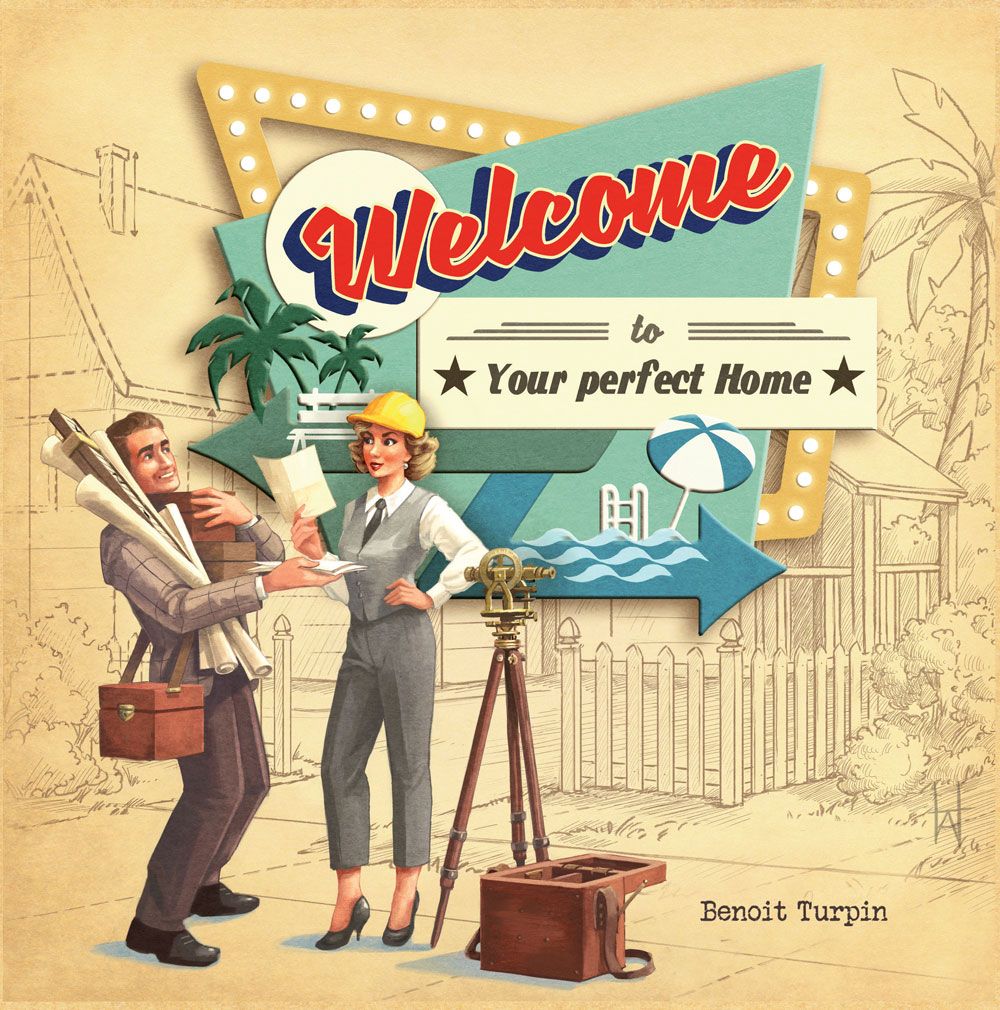
A simultaneous, card-flipping roll-and-write city-building game about designing 1950s suburban neighbourhoods.
- 1 to 100 players
- 25 minutes
- Ages 10 and up
A simultaneous-play game for 1 to 100 players, aged 10 and up, designed by Benoit Turpin and published by Blue Cocker Games, Broadway Toys LTD, Deep Water Games, Dude Games and Engames. It is a light planning game from 2018.
by Benoit Turpin
- 1 to 6 players
- 90 to 180 minutes
- Ages 10 and up
- 2 to 5 players
- 15 to 30 minutes
- Ages 10 and up
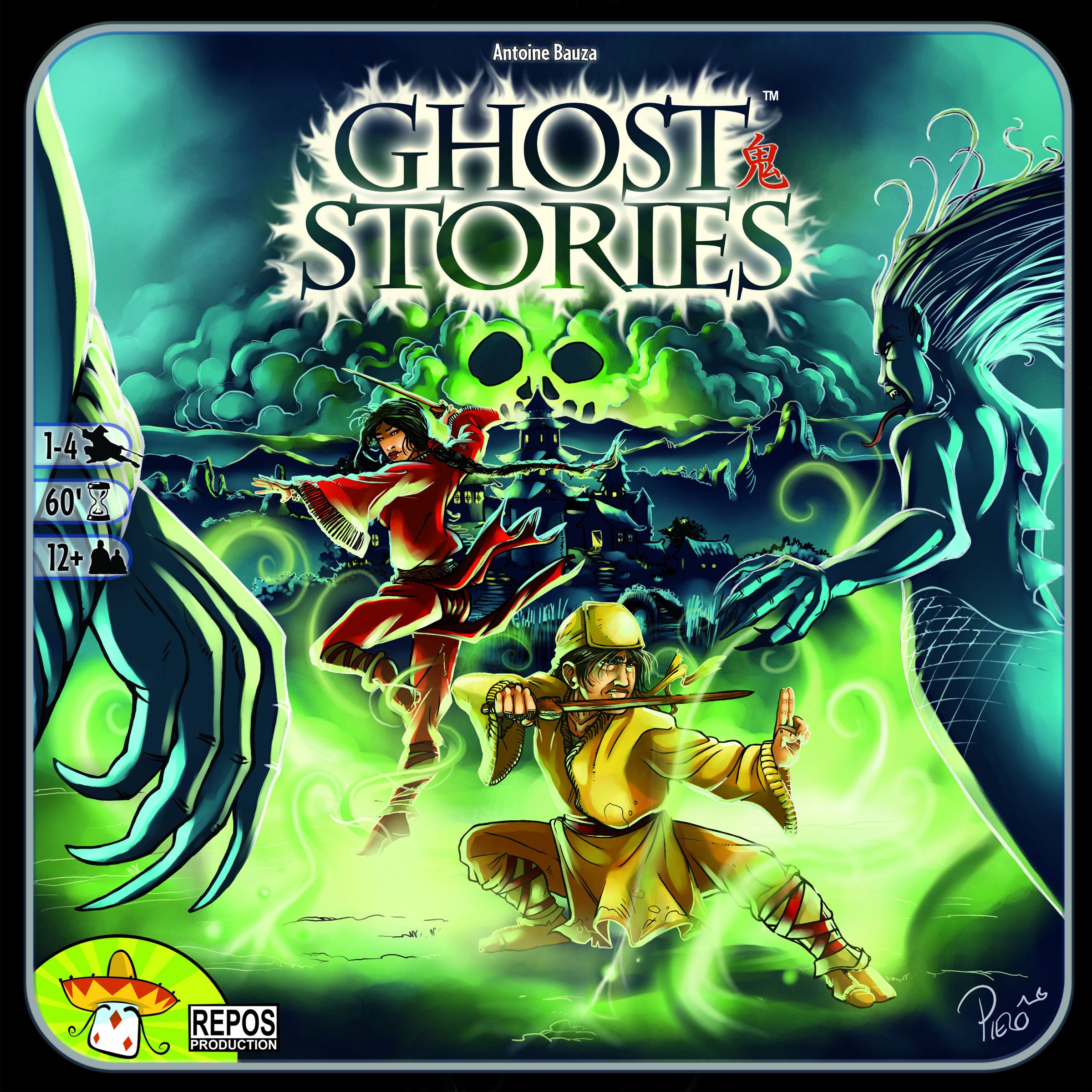
Ghost Stories
2008A cooperative fantasy game where Taoist monks defend a village from ghosts summoned by the lord of the Nine Hells, Wu-Feng.
- 1 to 4 players
- 60 minutes
- Ages 12 and up
This cooperative fantasy title for 1 to 4 players, ages 12+, was created by Antoine Bauza and released by Repos Production in 2008. A typical session runs about 60 minutes. You are Taoist priests protecting a village from spirits dispatched by Wu-Feng, and you must hold back the onslaught together as a team.
by Antoine Bauza · Repos Production
- 9 to 47 players
- 40 minutes
- Ages 10 and up
by Hervé Marly, Philippe des Pallières
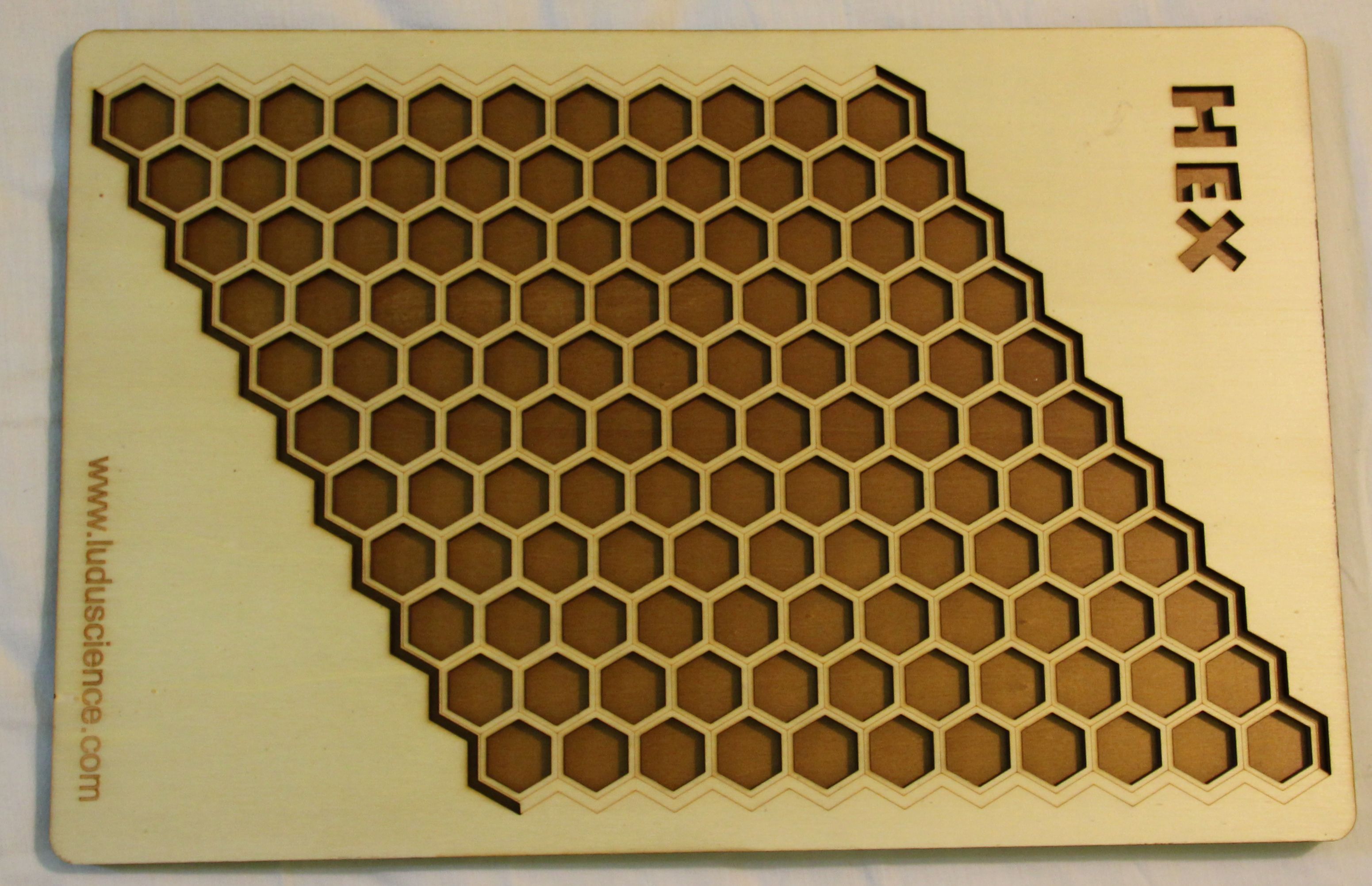
Hex
1942Connect your opposite sides on a hex board, where a draw is mathematically impossible.
- 2 players
- 20 minutes
- Ages 8 and up
A two-player abstract strategy game for ages eight and up, lasting about twenty minutes. Piet Hein devised it in 1942, and John Nash later revived and popularised it. Two rivals contest a rhombus-shaped grid of hexagonal cells.
Parker Brothers
- 2 to 5 players
- 45 minutes
- Ages 8 and up
A 32-card expansion adding small narrative Moments to the Earthborne Rangers path deck.
- 1 to 4 players
- 90 to 120 minutes
- Ages 12 and up
by Davi Paulino · Frosted Games
card game; Americanized version of Daihinmin/Daifugō
- 4 to 10 players
- 45 minutes
- Ages 12 and up
A shedding card game for four to ten players, rated for ages 12 and up and published by Kheper Games, with the Public Domain also listed as a publisher. It is a fast game of ranking and shedding cards from 1996. You are racing to empty your hand before the other players do.
- 2 to 6 players
- 45 minutes
- Ages 12 and up
- 2 players
- 30 to 45 minutes
- Ages 12 and up
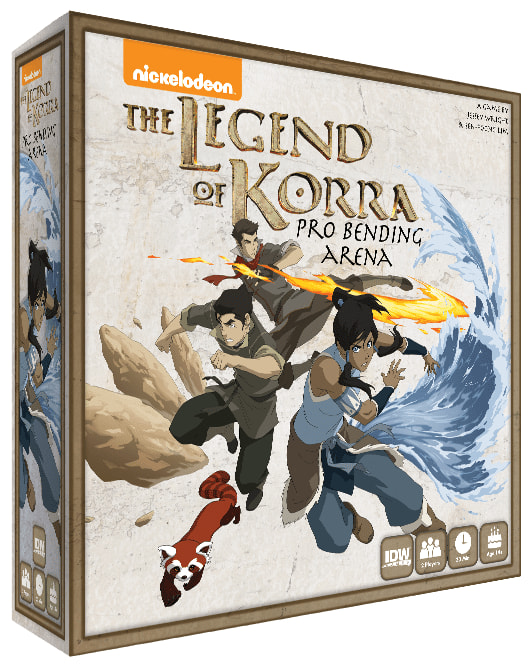
by Alara Cameron, Sen-Foong Lim
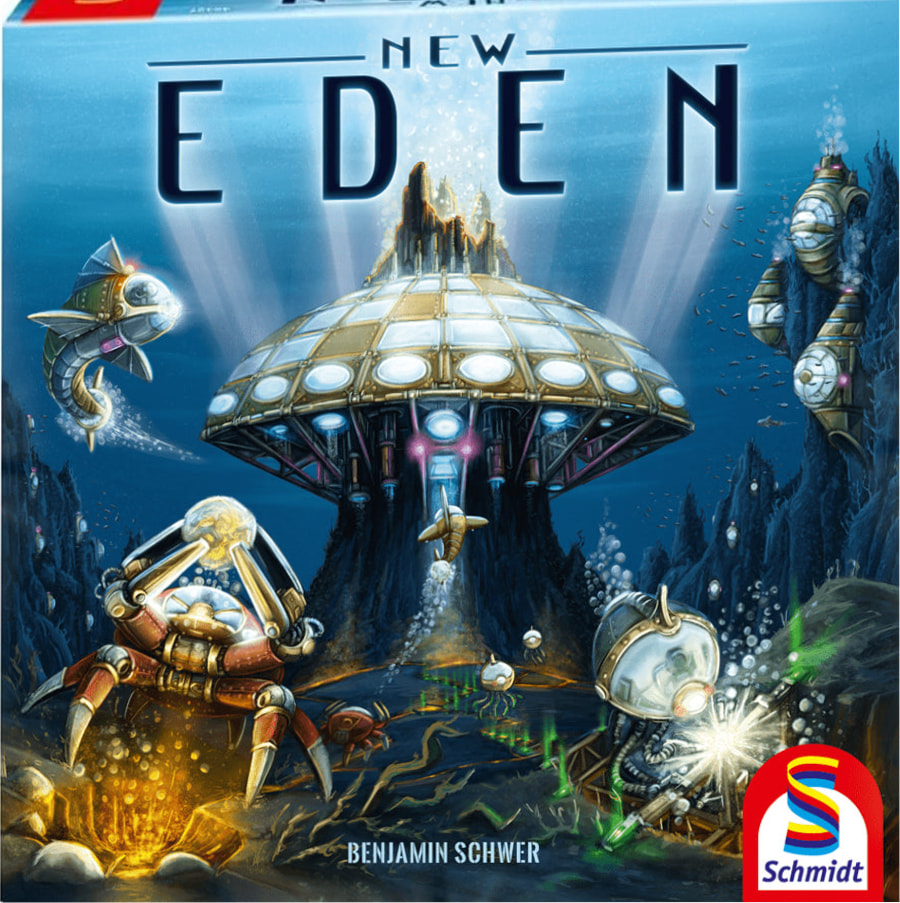
New Eden
2023- 1 to 4 players
- 45 to 60 minutes
- Ages 10 and up
Space Pioneers
2016- 1 to 5 players
- 20 to 60 minutes
- Ages 8 and up
- 3 to 9 players
- 20 to 30 minutes
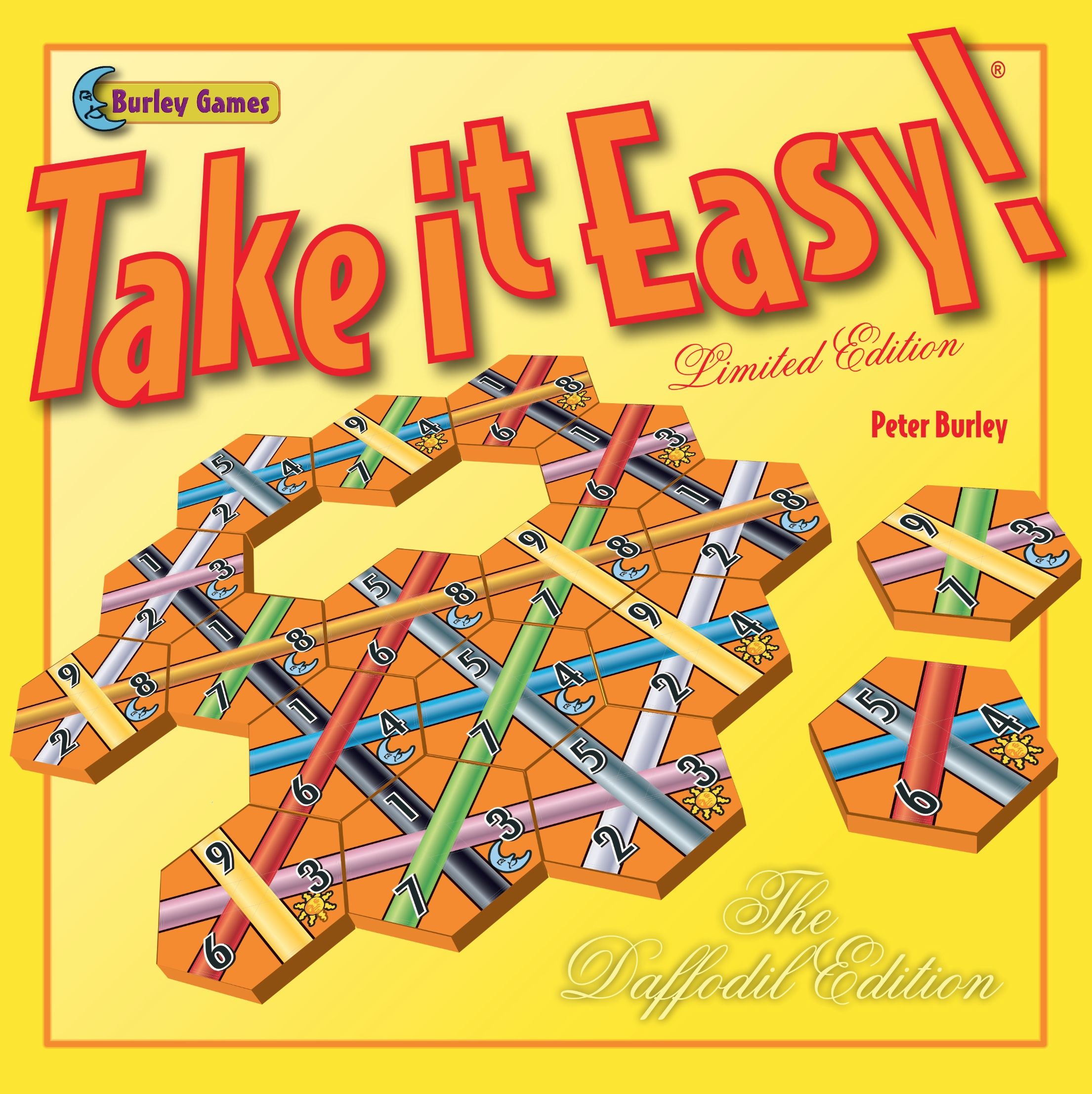
Take it Easy!
1983Random draws meet careful placement in a hexagonal bingo-style game of colored, numbered lines.
- 1 to 8 players
- 20 minutes
- Ages 10 and up
Take it Easy! is an abstract, bingo-like strategy board game for 1 to 8 players aged 10 and up, lasting about 20 minutes. Peter Burley designed it in 1983, and Arclight, Burley Games, Cappelen, Cranio Creations and DiceTree Games are among its publishers.
by Peter Burley
- 2 to 4 players
- 45 minutes
- Ages 10 and up
by Vlaada Chvátil
- 2 players
- 30 minutes
- Ages 14 and up
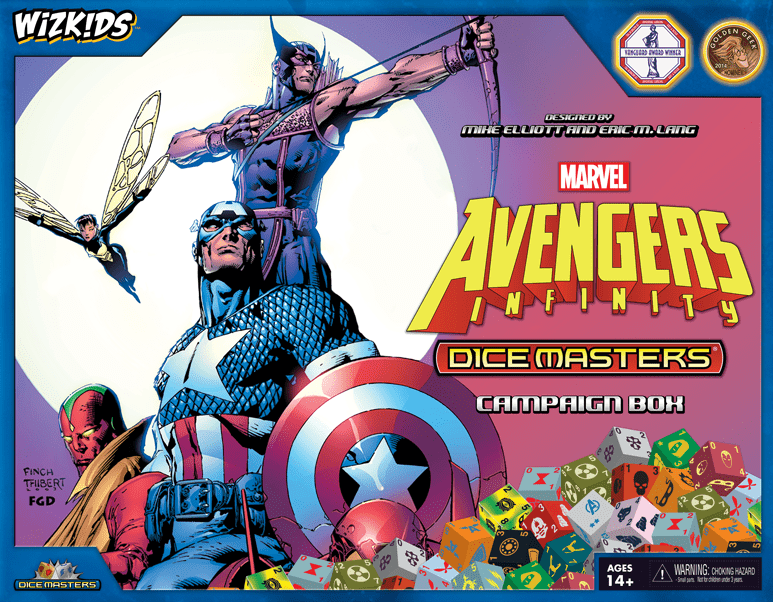
by Eric M. Lang, Mike Elliott
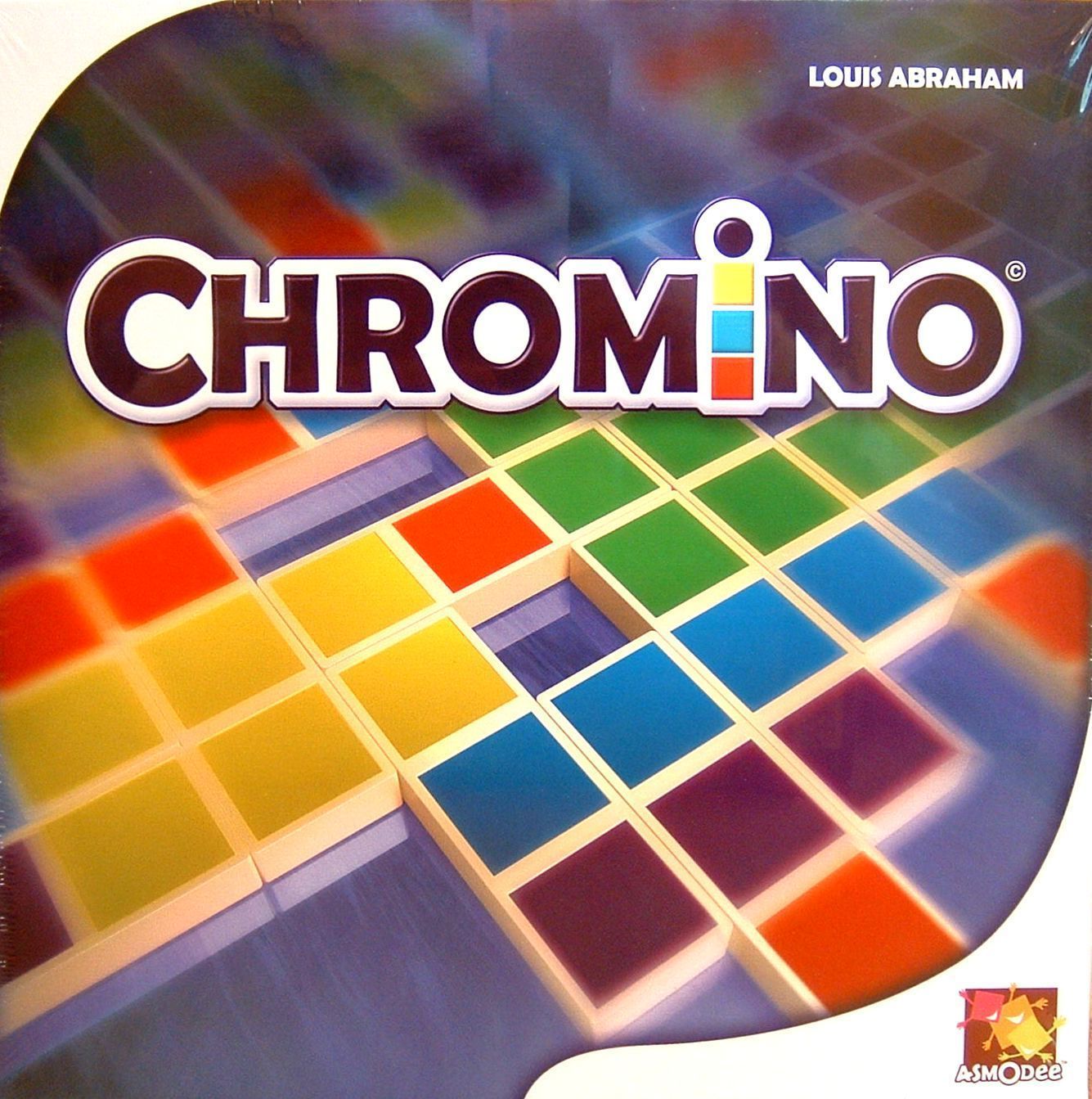
Chromino
2001A domino-style game where colours replace numbers on the tiles.
- 1 to 8 players
- 30 minutes
- Ages 6 and up
Chromino is a colour-matching tile-placement game for 1 to 8 players aged 6 and up, published by Asmodee, Kaissa Chess & Games, Lautapelit.fi, Piatnik and Ravensburger AG. Louis Abraham designed it. Think of dominoes where colours replace numbers.
- 2 to 4 players
- 60 minutes
- Ages 10 and up
by Marc Neidlinger · Schwerkraft-Verlag
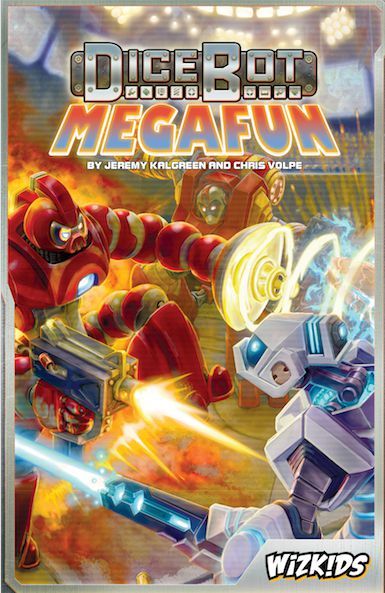
DiceBot MegaFun
2017- 2 to 4 players
- 30 minutes
- Ages 14 and up
- 2 players
- Ages 12 and up
by Richard H. Berg
Root
2018Decide the fate of the woodland as asymmetric factions fight for contrasting goals.
- 2 to 4 players
- 60 to 90 minutes
- Ages 14 and up
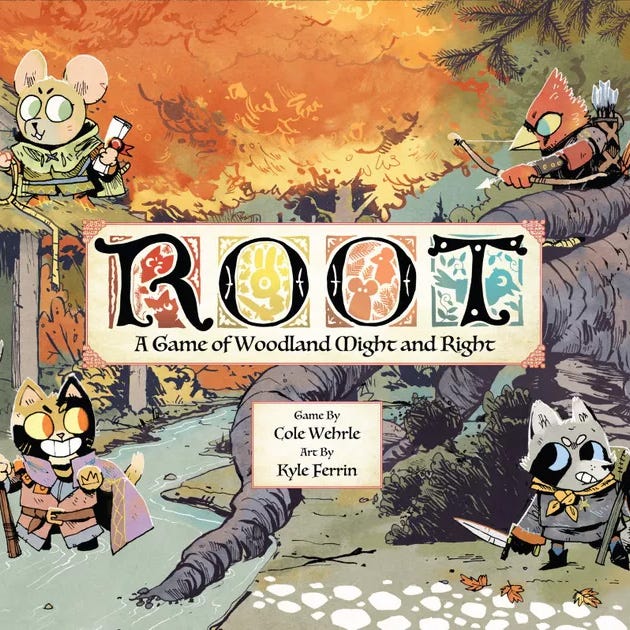
Root is a 2018 asymmetric wargame for two to four players aged 14 and up, designed by Cole Wehrle and published by Leder Games. Rival woodland factions contest a forest made of clearings, each marked with a suit. Each player commands a different faction with its own rules and aims to gather the most victory points.
by Cole Wehrle · Leder Games
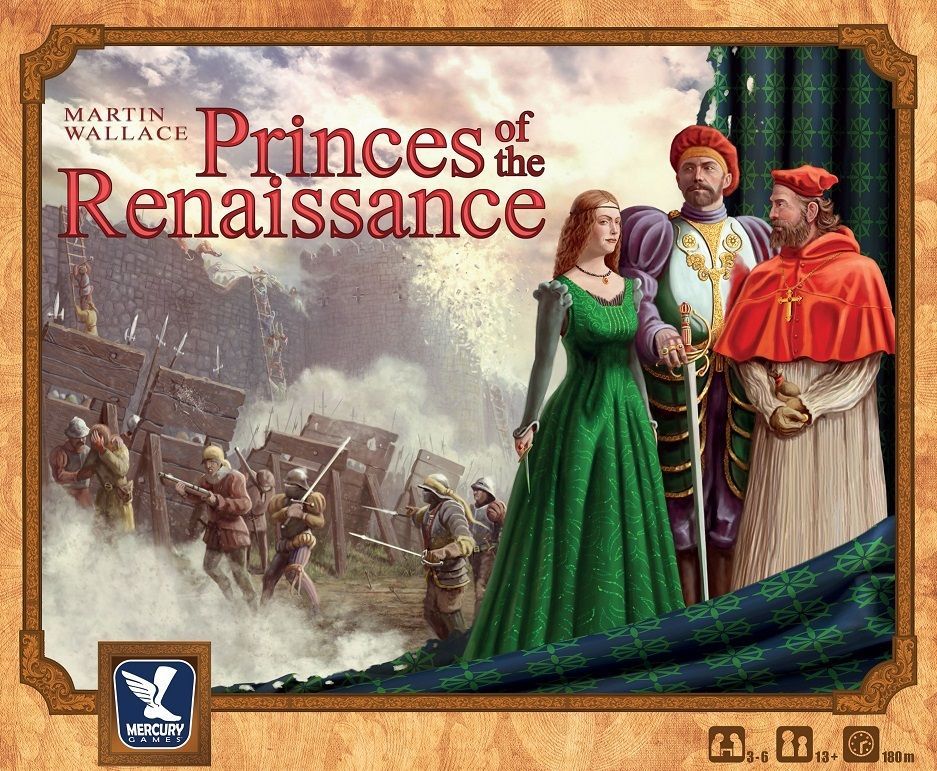
Condottiere princes bid, fight and scheme over five Italian cities in a Renaissance strategy game of influence and treachery.
- 3 to 6 players
- 180 minutes
- Ages 12 and up
by Martin Wallace
Stratego Compact
2023- 2 players
- 30 minutes
- Ages 8 and up
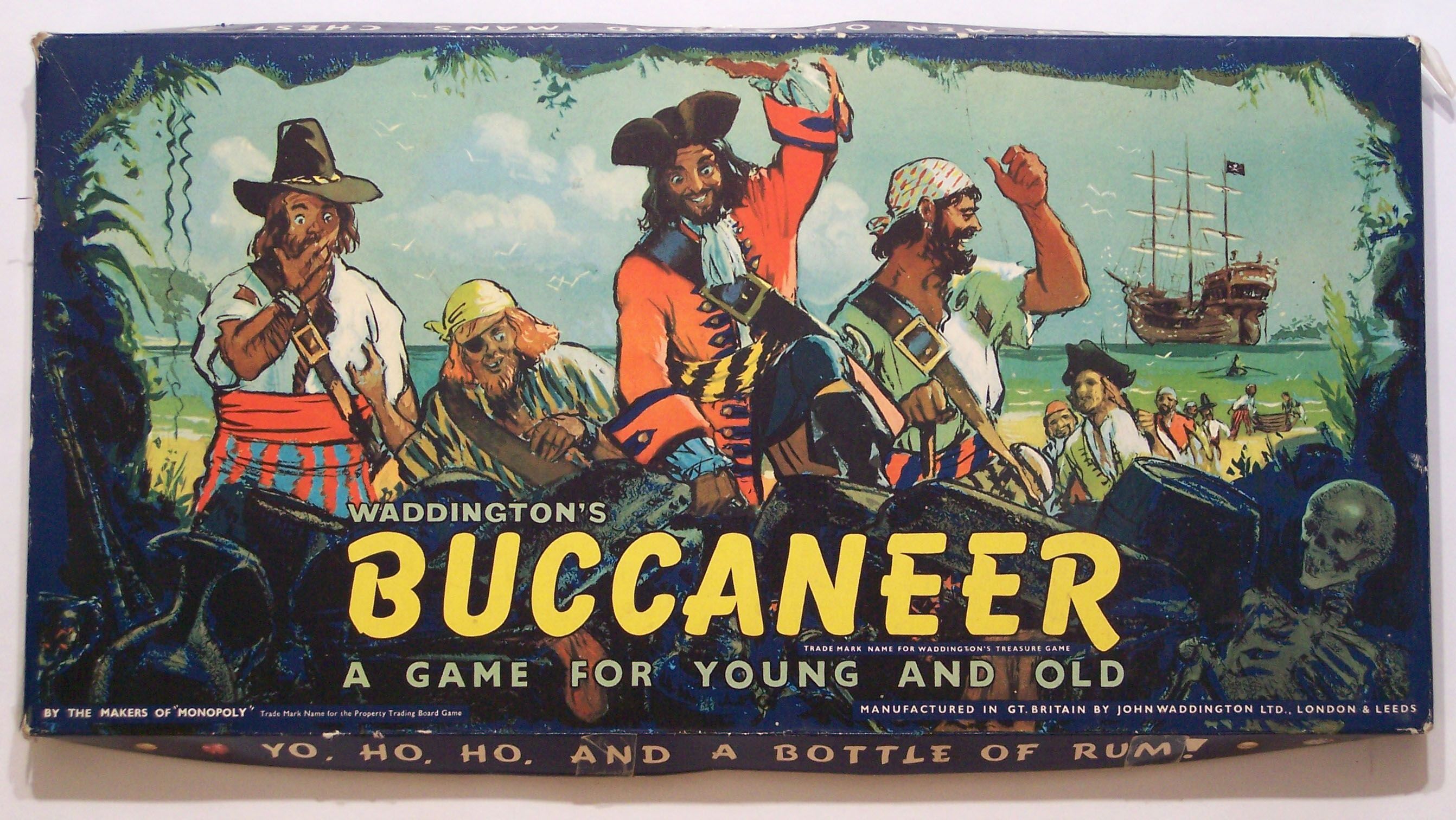
Buccaneer
1938A 1938 pirate race where ships raid rivals and haul treasure home.
- 2 to 6 players
- 90 minutes
- Ages 8 and up
A British board game from 1938 for two to six players aged eight and up. Geoffrey Bull designed it, and Waddingtons published it. Pirate captains steer plastic ships toward a treasure-laden island, hoping to load gold before rivals beat them to it.
- 1 to 5 players
- 120 to 180 minutes
- Ages 16 and up
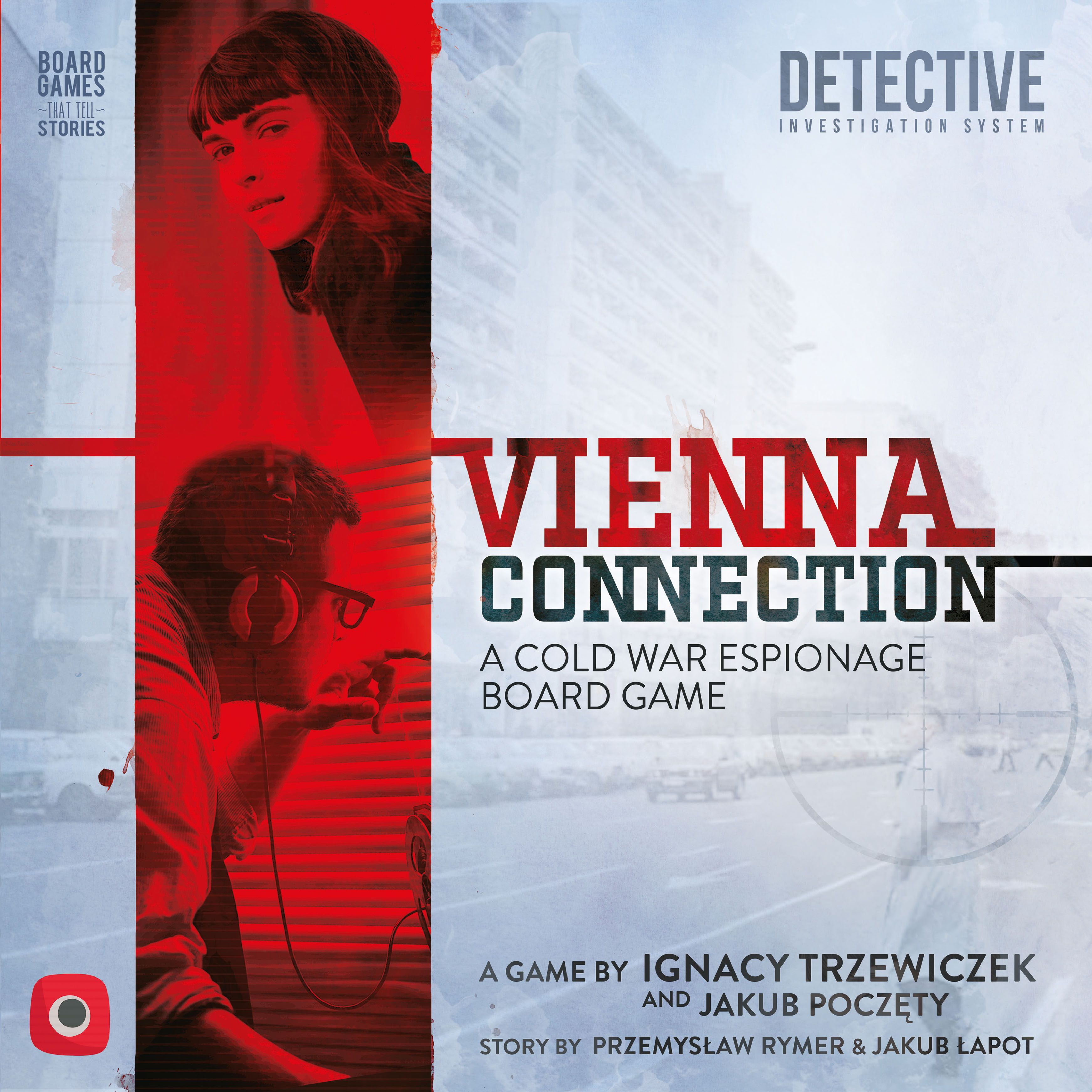
by Ignacy Trzewiczek
- 1 to 10 players
- 120 to 1200 minutes
by John Gorkowski
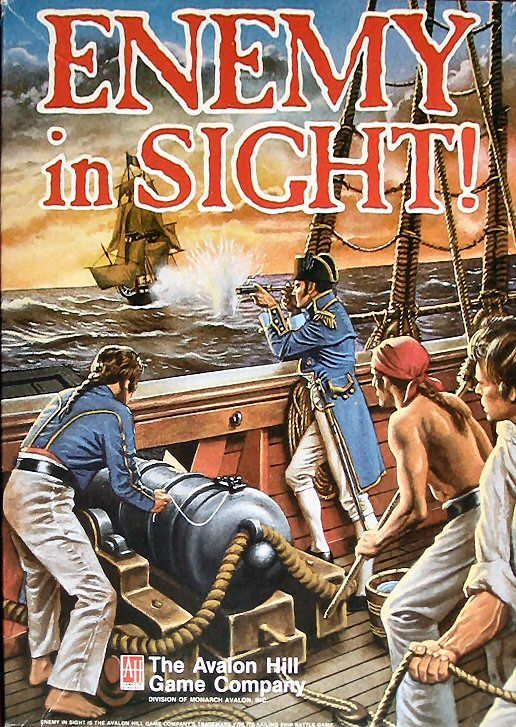
Enemy in Sight
1988- 2 to 8 players
- 120 minutes
- Ages 10 and up
Enemy in Sight is a card game for 2–8 players published by Avalon Hill in 1988 that simulates naval warfare in the Age of Sail.
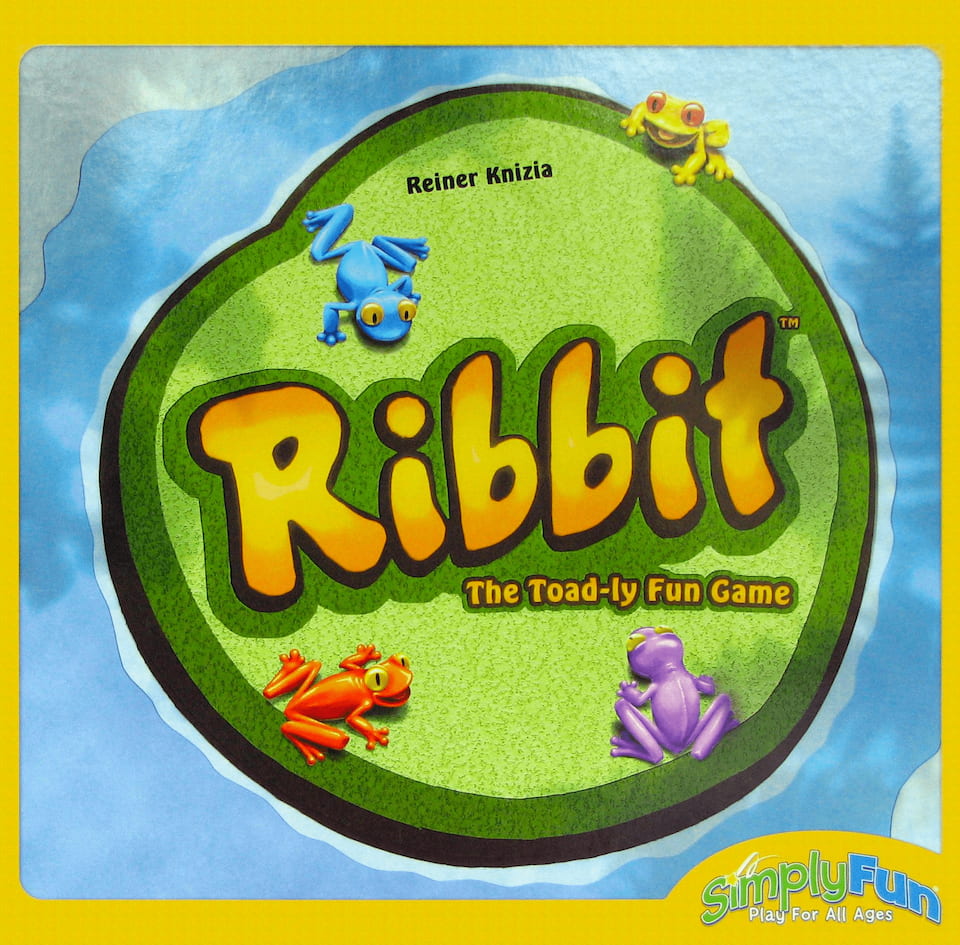
Ribbit
2004- 2 to 5 players
- 20 minutes
- Ages 4 and up
Ribbit is a children race board game for 2-5 players designed by Reiner Knizia and published in 2004. The original German name of the game is Schildkrötenrennen .
by Reiner Knizia · Hobby World
- 2 to 99 players
- 300 minutes
- Ages 12 and up
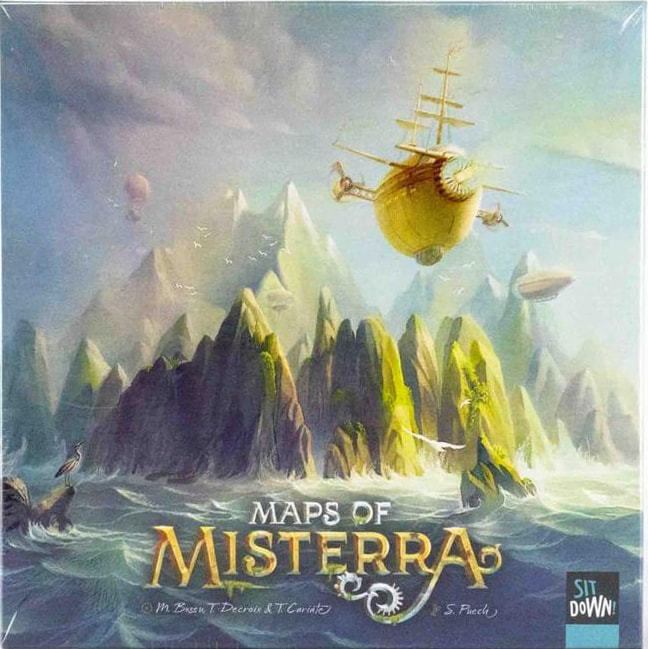
Maps of Misterra
2023- 1 to 4 players
- 45 minutes
- Ages 10 and up
- 2 players
- 60 to 120 minutes
- Ages 12 and up
by Andy Chambers, Rick Priestley
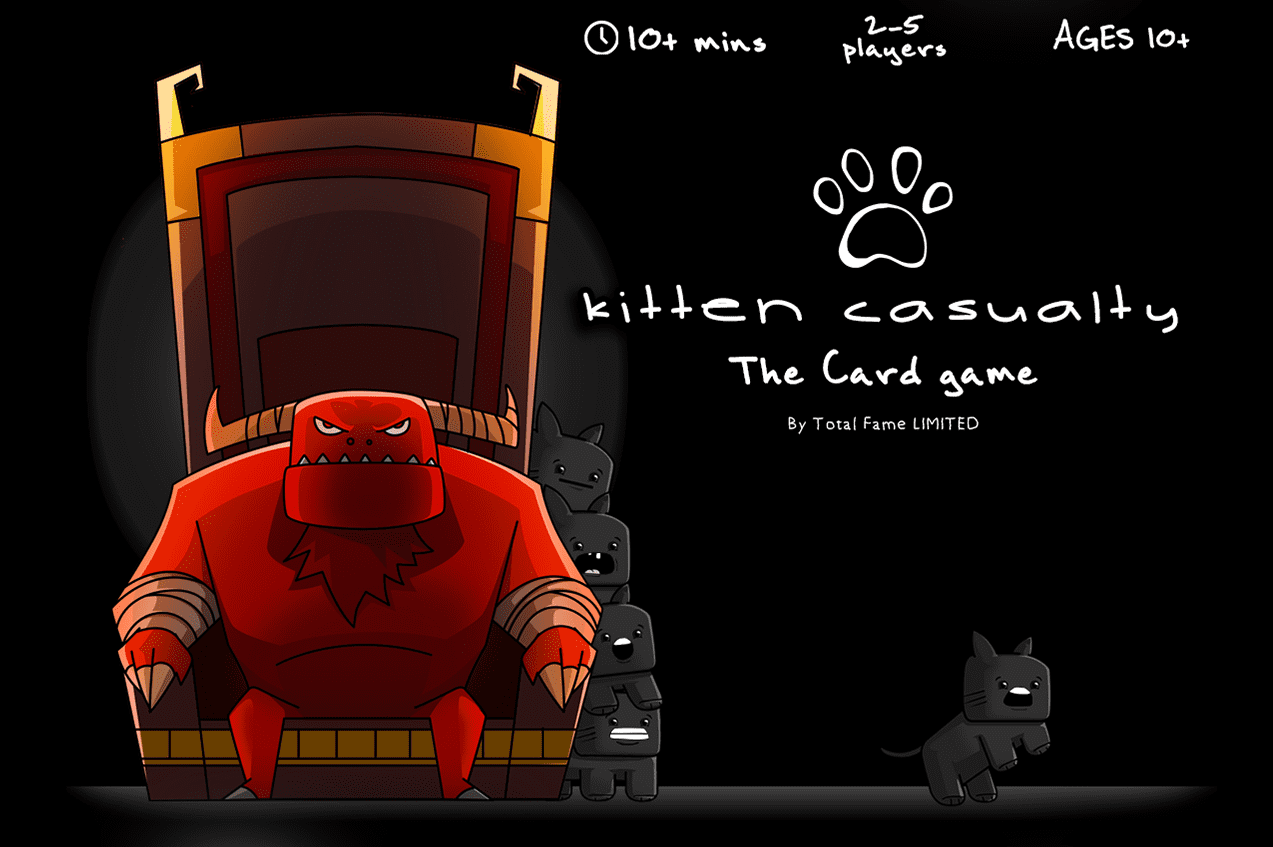
Kitten Casualty
2018- 2 to 5 players
- 10 to 30 minutes
- Ages 8 and up
- 2 players
- 120 to 480 minutes
- Ages 12 and up
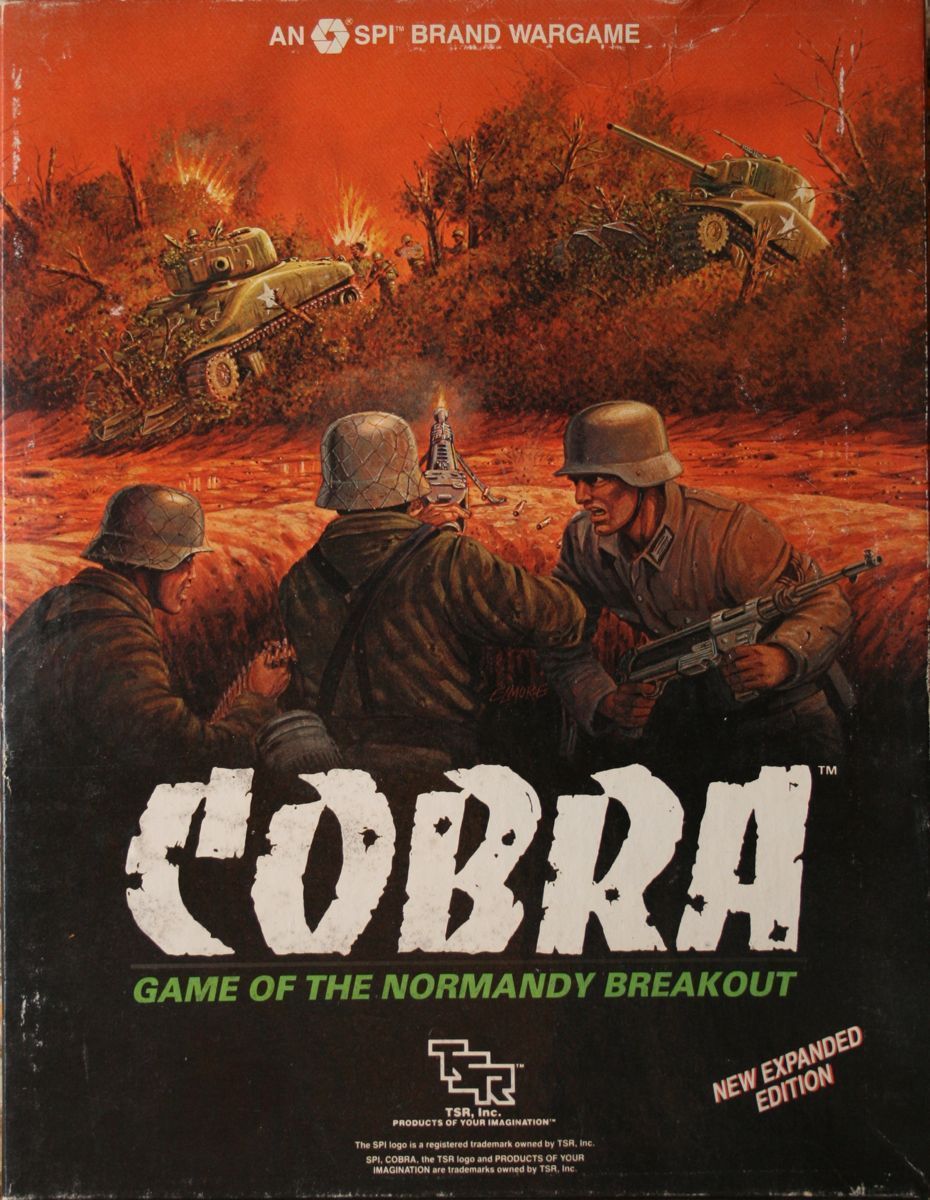
Cobra is a two-player board wargame for players aged 12 and up, first released in 1977. Brad Hessel and David James Ritchie designed it, and SPI published it. Set in the summer of 1944, the game recreates the push out of Normandy after the landings.
by Brad Hessel, David James Ritchie