Loading the page…
Lines of Action
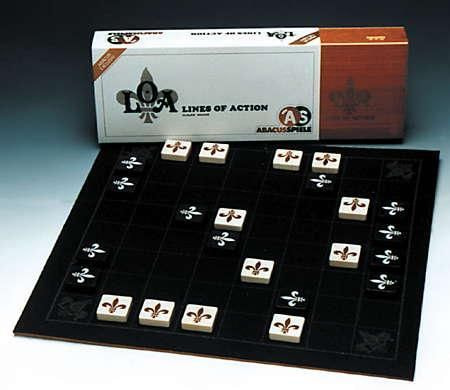
1969Connect every piece into one group, moving as far as the total piece count on each line.
- 2 players
- 20 minutes
- Ages 10 and up
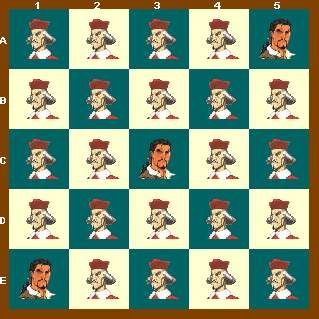
A two-player abstract strategy game devised by Claude Soucie, suited to players aged 10 and up and lasting about 20 minutes. Abacus, Hexagames and W. Nostheide Verlag have published it. Your aim is to unite your scattered pieces into one connected body, while your opponent works to do the same with theirs.
Abacus
- 1 player
- 30 minutes
- Ages 8 and up
by Sid Sackson
- 3 to 5 players
- 60 minutes
- Ages 12 and up
by Jim Dunnigan
- 2 to 4 players
- 60 minutes
- Ages 6 and up
Anzio Beachhead
1969A compact seven-turn Anzio wargame, meant as a lighter companion to Avalon Hill's larger game.
- 2 players
- 60 minutes
- Ages 12 and up
Anzio Beachhead is a two-player board wargame for players aged 12 and up, with play lasting about 60 minutes. David Williams and Vance von Borries designed it, and SPI published it in 1969.
by David Williams (I), Vance von Borries
Lensman
19691969 space wargame pitting Arisians against Eddorians, the first commercial science fiction wargame.
Lensman is a science fiction wargame from 1969, designed by Philip N. Pritchard. It is a strategy game of exploration, development and combat. Set in a space setting drawn from the Lensman series, the game pits Arisians against Eddorians in a struggle across the stars.
- 2 players
- Ages 12 and up
by Jim Dunnigan
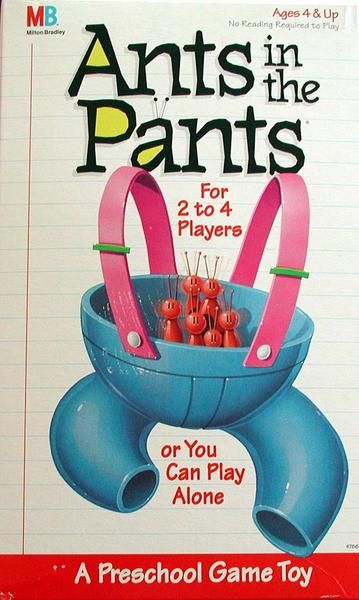
Named after an English idiom about fidgety people, and the source of the word antsy.
- 2 to 4 players
- 10 minutes
- Ages 4 and up
Ants in the Pants is a quick game for 2 to 4 players aged 4 and up, first released in 1969 by Schaper Toys. It was designed by Marvin Glass and Associates, which sold the rights to William H. Schaper. You and your rivals try to launch your own colored ants into a pair of pants.
by Marvin Glass
Anzio
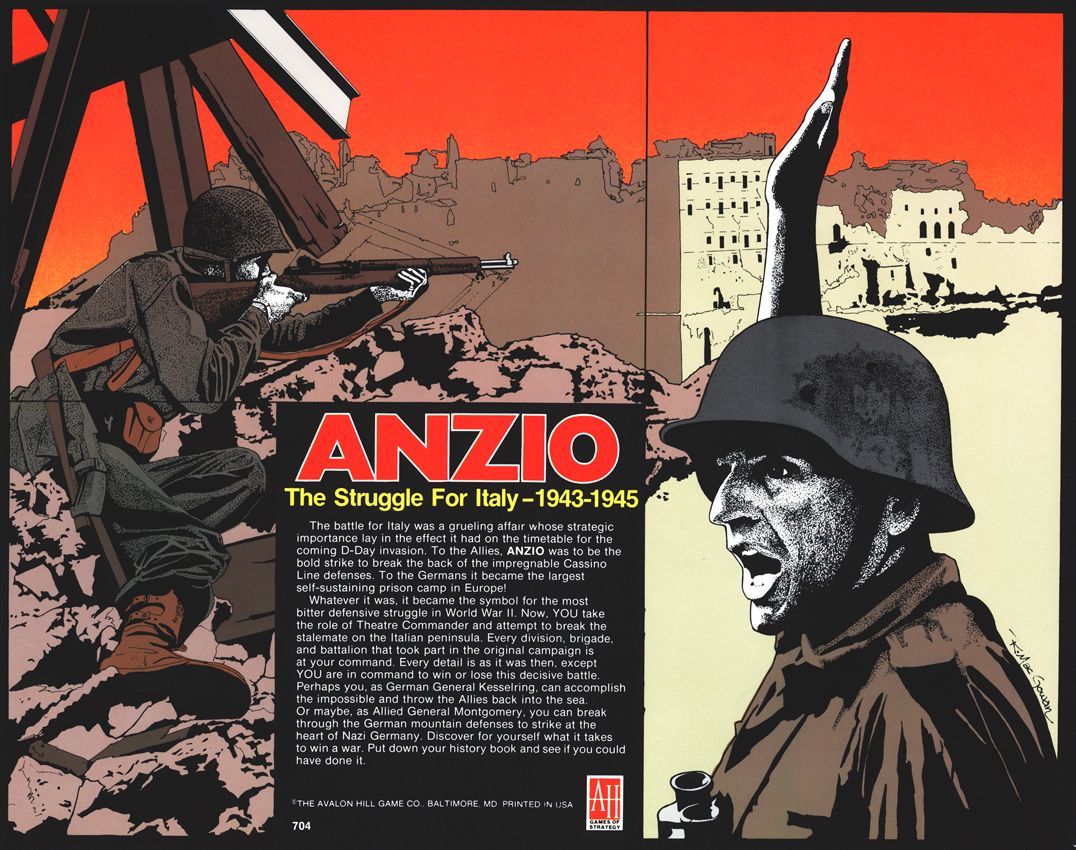
1969A strategic wargame spanning the whole Italian theatre, despite its Anzio title.
- 2 players
- 120 minutes
- Ages 12 and up
Anzio is a two-player board wargame designed by David Williams and published by The Avalon Hill Game Co. It is aimed at players aged 12 and up and runs about 120 minutes. Despite its name, the game does not portray the Battle of Anzio at the operational scale.
by David Williams (I)
Playboss
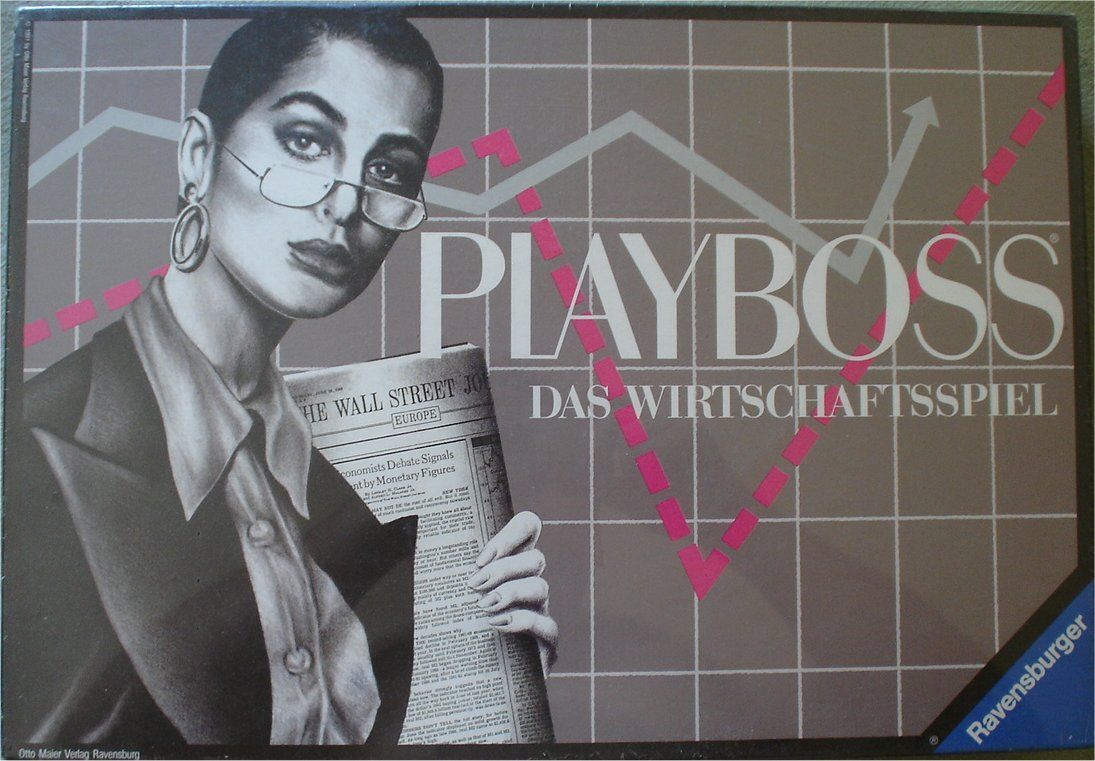
1969- 3 to 9 players
- 180 minutes
- Ages 16 and up
Space Lines
1969board game published by Invicta Games in 1969
- 1 to 4 players
Space Lines is a board game published by Invicta Games in 1969.
Cups
1969A two-rank, single-lap Mancala-family game devised by a father and son in New York City in 1965.
- 2 players
- 20 minutes
- Ages 8 and up
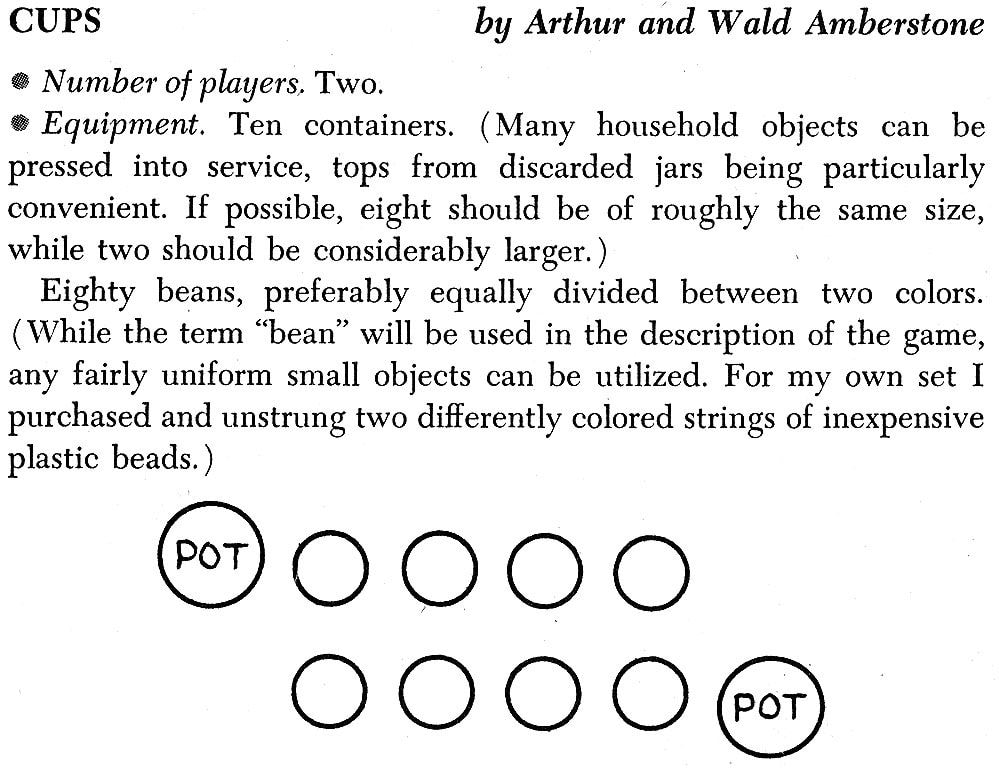
Cups is a two-player mancala-family game for ages 8 and up, lasting about 20 minutes, invented by Arthur and Wald Amberstone. It was first published in 1969. Two rivals sit across from each other, each guarding a row of four cups and a pot. The aim is to finish with more beans in your pot than your opponent.
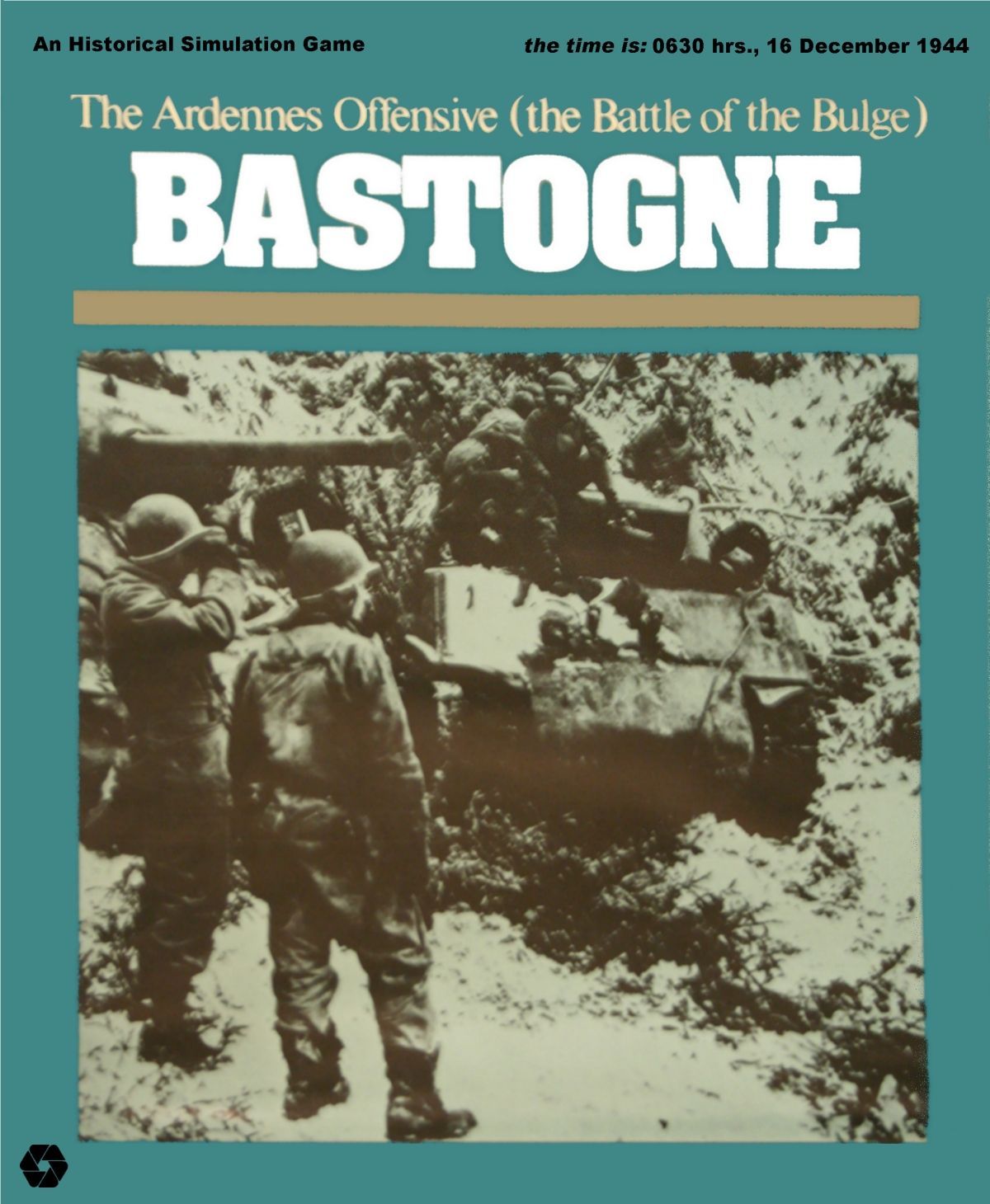
SPI's most popular Test Series wargame, covering the entire Eastern Front from 1941 to 1945.
- 2 players
- 360 minutes
- Ages 14 and up
Barbarossa: The Russo-German War 1941-45 is a two-player board wargame designed by Jim Dunnigan and published by SPI in 1969, suited to players aged 14 and up. The game recreates the struggle between Germany and the Soviet Union on the Eastern Front of the Second World War.
by Jim Dunnigan · Simulations Publications, Inc.
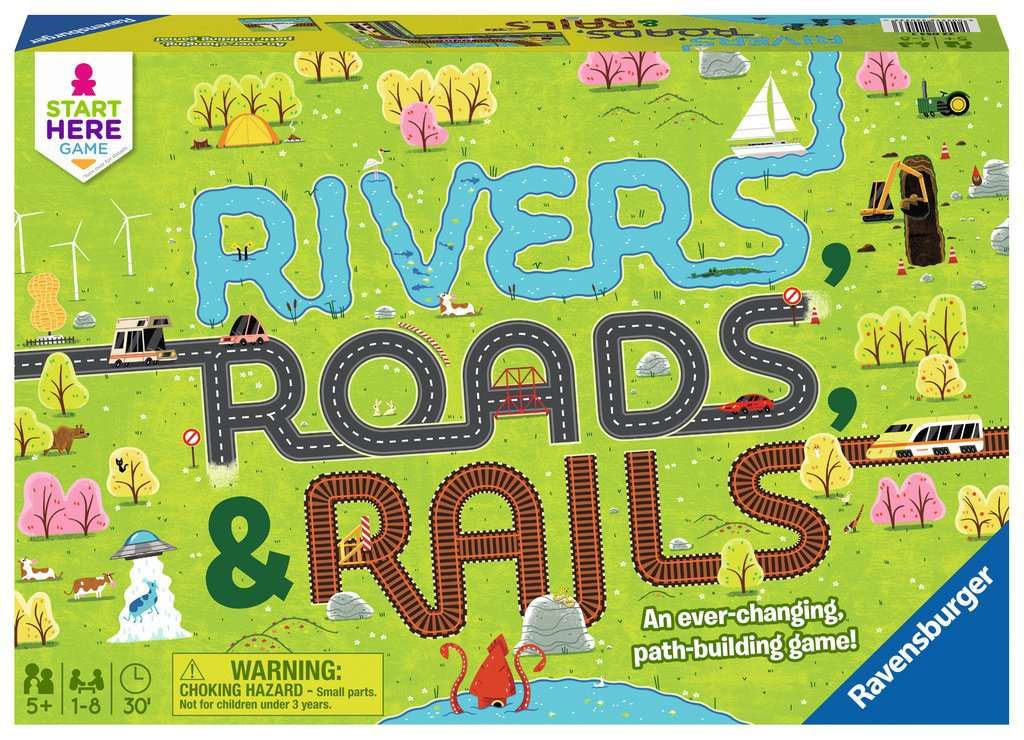
A domino-like tile game where coloured tracks are joined together across 140 square tiles.
- 2 to 10 players
- 30 minutes
- Ages 5 and up
Rivers, Roads & Rails is a tile-matching game for 2 to 10 players, aged 5 and up, lasting about 30 minutes. Ken Garland designed it, and Ravensburger, Alga, Galt Toys and Discovery Toys published it.
by Ken Garland · Ravensburger AG
Lingua
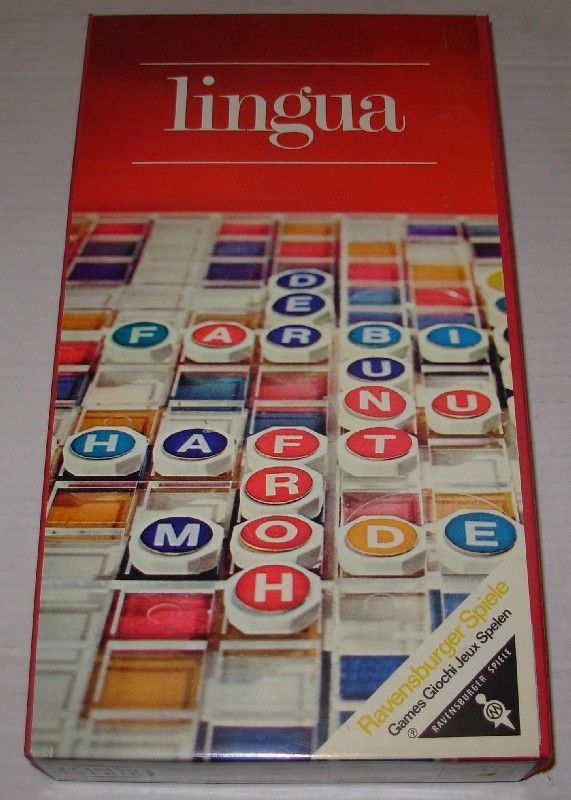
1969A colour-coded Scrabble-style word game where letter tiles are placed crossword-fashion on a 17-by-17 board.
- 2 to 4 players
- 30 to 120 minutes
- Ages 9 and up
Lingua is a letter-placing board game for two to four players aged 9 and up. Simon Braude designed it, and Ravensburger first published it in 1969. Players take turns laying lettered tiles on a grid in crossword style, building words that connect to what is already there.
by Simon Braude · Ravensburger AG
A two-player Zuni game of jumping captures on a long, narrow line-based board.
- 2 players
Kolowis Awithlaknannai, also called fighting serpents, is a game for two players rooted in Zuni tradition. Stewart Culin described it in 1907. The name may come from the opening setup, in which black and white pieces seem to form two serpents locked in combat.
Blast-Off!
1969- 1 to 4 players
- 240 minutes
- Ages 12 and up