Caricamento della pagina…
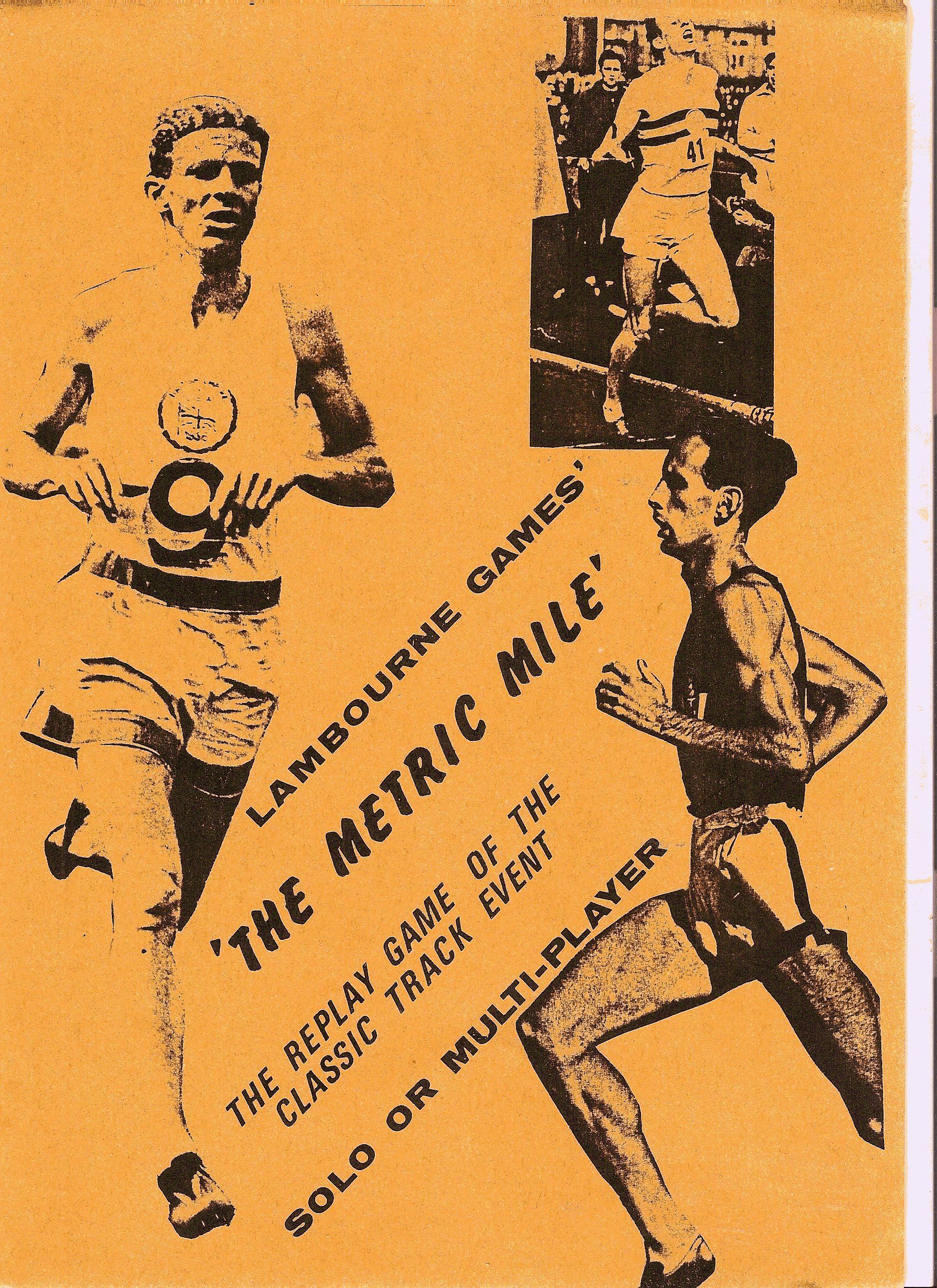
Metric Mile
1986- 1-10 giocatori
- Da 10 anni in su
The Metric Mile is a board game published in 1986 by Lambourne Games.
di Terry Goodchild
Outburst!
1986- 2-8 giocatori
- 60 minuti
- Da 18 anni in su
Outburst is a quick-thinking party game for two to eight players, aimed at ages 18 and up. Brian Hersch created it, and it first appeared in 1986. Teams earn points by naming the hidden entries on a card, and each side tries to reach a total of 60 before its rival does.
di Brian Hersch
- 2-12 giocatori
- Da 5 anni in su
- UNO
Uno
1971A shedding card game with its own dedicated deck, descended from crazy eights and mau-mau.
- 2-10 giocatori
- 30 minuti
- Da 7 anni in su
UNO is a shedding-style card game for two to ten players aged seven and up, designed by Merle Robbins and published by several firms, including AMIGO and Clipper. Players use a dedicated deck of cards whose family of shedding games traces back to crazy eights.
di Merle Robbins · Mattel
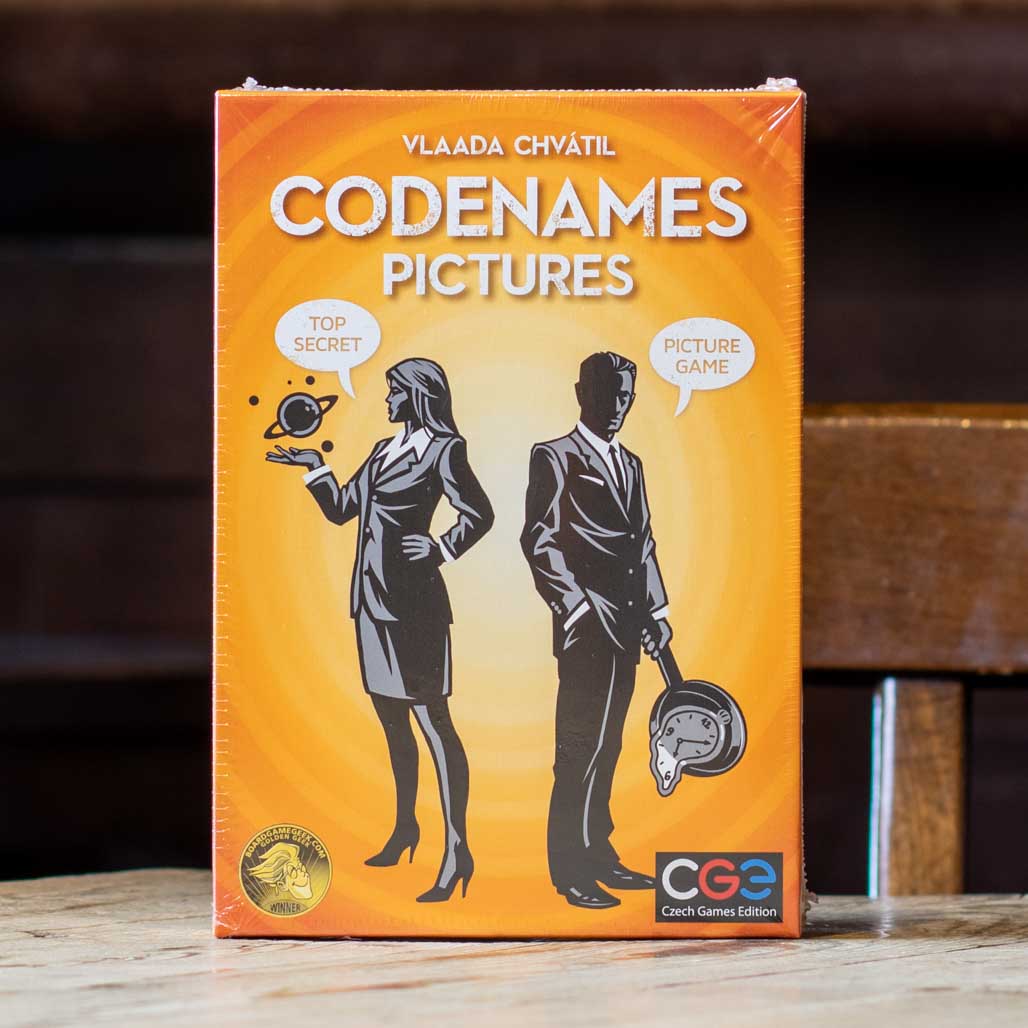
Decode spy images with clever clues that link abstract pictures and dodge the assassin.
- 2-8 giocatori
- 15 minuti
- Da 10 anni in su
Codenames: Pictures is a social party game for 2 to 8 players aged 10 and up, lasting about 15 minutes. Vlaada Chvátil designed it, and it was published in 2016 by several companies. Two rival spymasters know which agent hides at each location on a map and send coded hints to their field operatives.
di Vlaada Chvátil · Czech Games Edition
- 2-8 giocatori
- 20-30 minuti
Pictionary
1985- 3-16 giocatori
- 90 minuti
- Da 12 anni in su
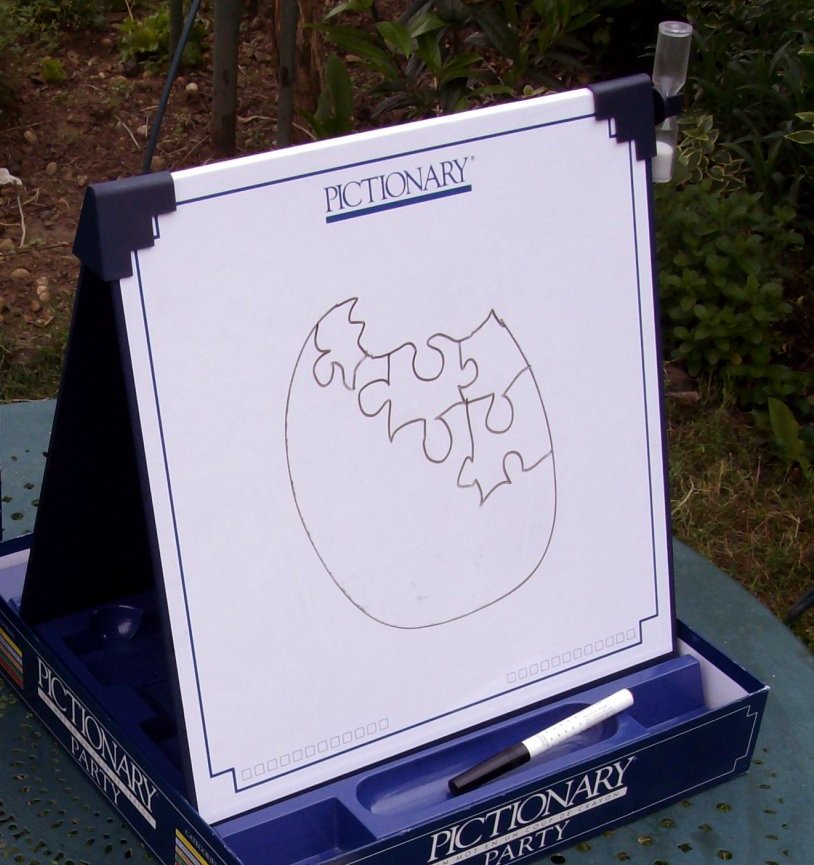
Pictionary is a word-guessing game inspired by charades, for 3 to 16 players aged 12 and up. Robert Angel designed it, and it was first published in 1985. Players split into teams, and each team tries to name the words its own members sketch. The aim is to win the race to the board's Finish square.
di Robert Angel
- 3-9 giocatori
- 30-60 minuti
- Da 10 anni in su
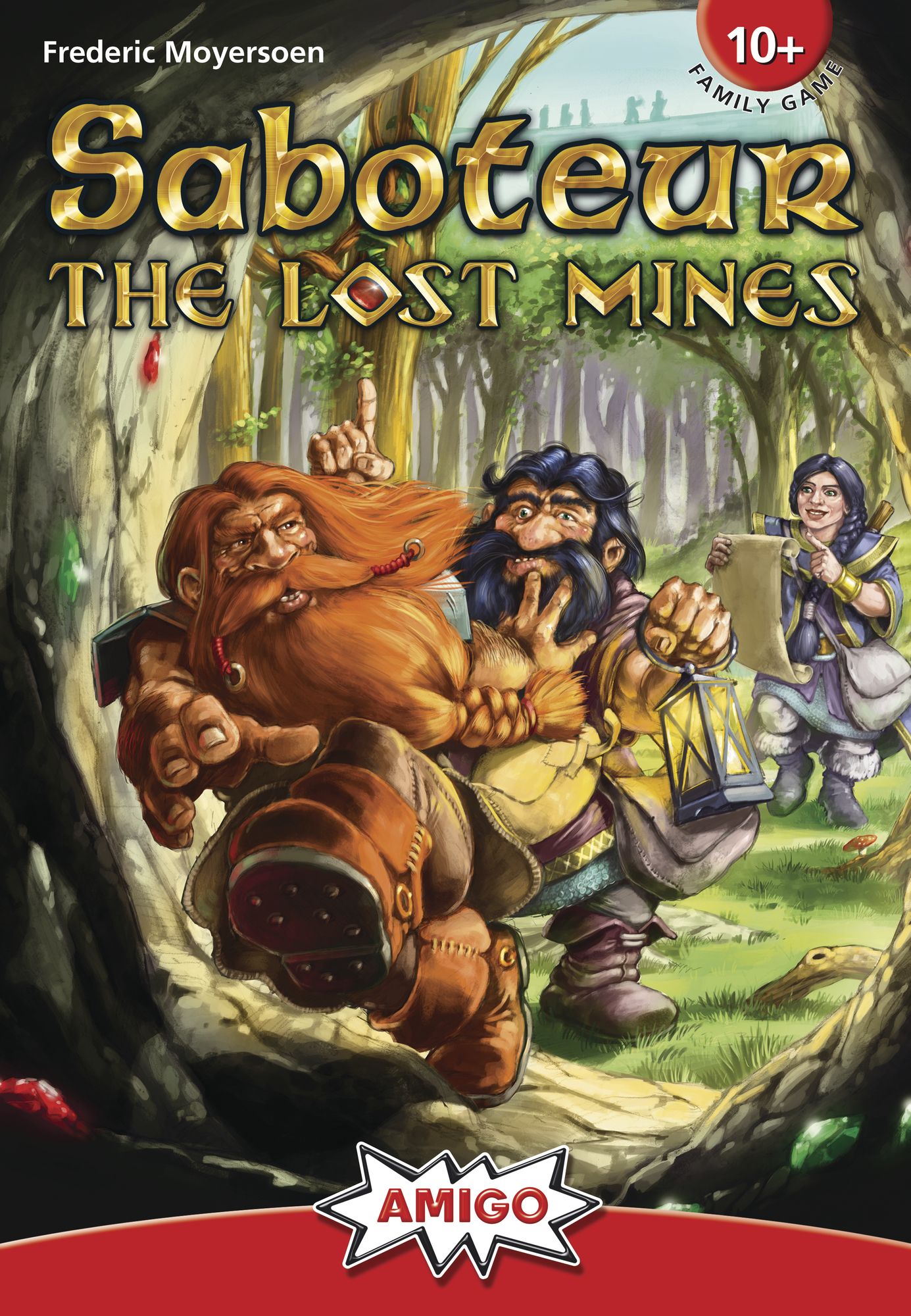
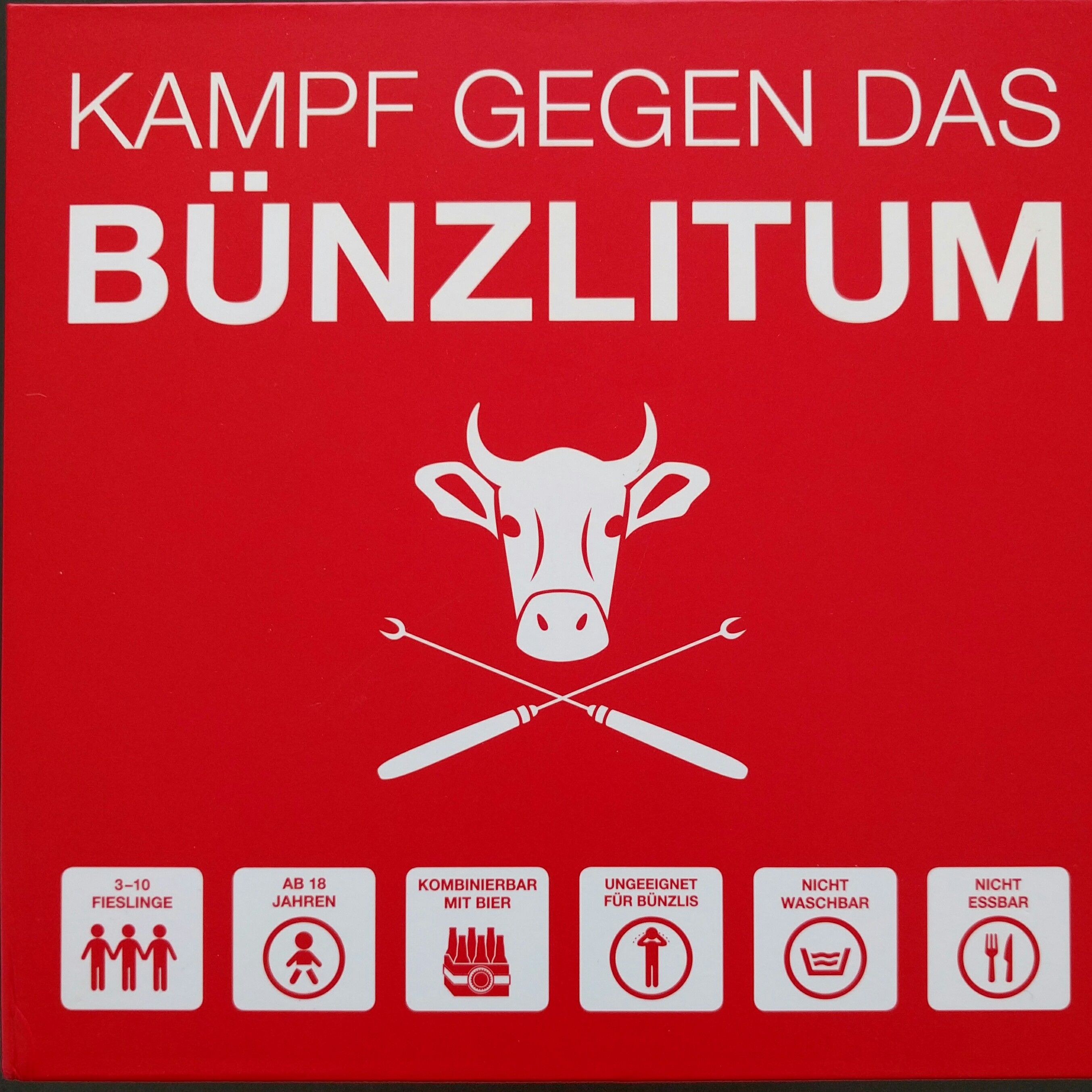
di Fréderic Moyersoen
- 3-10 giocatori
- 30 minuti
- Da 18 anni in su
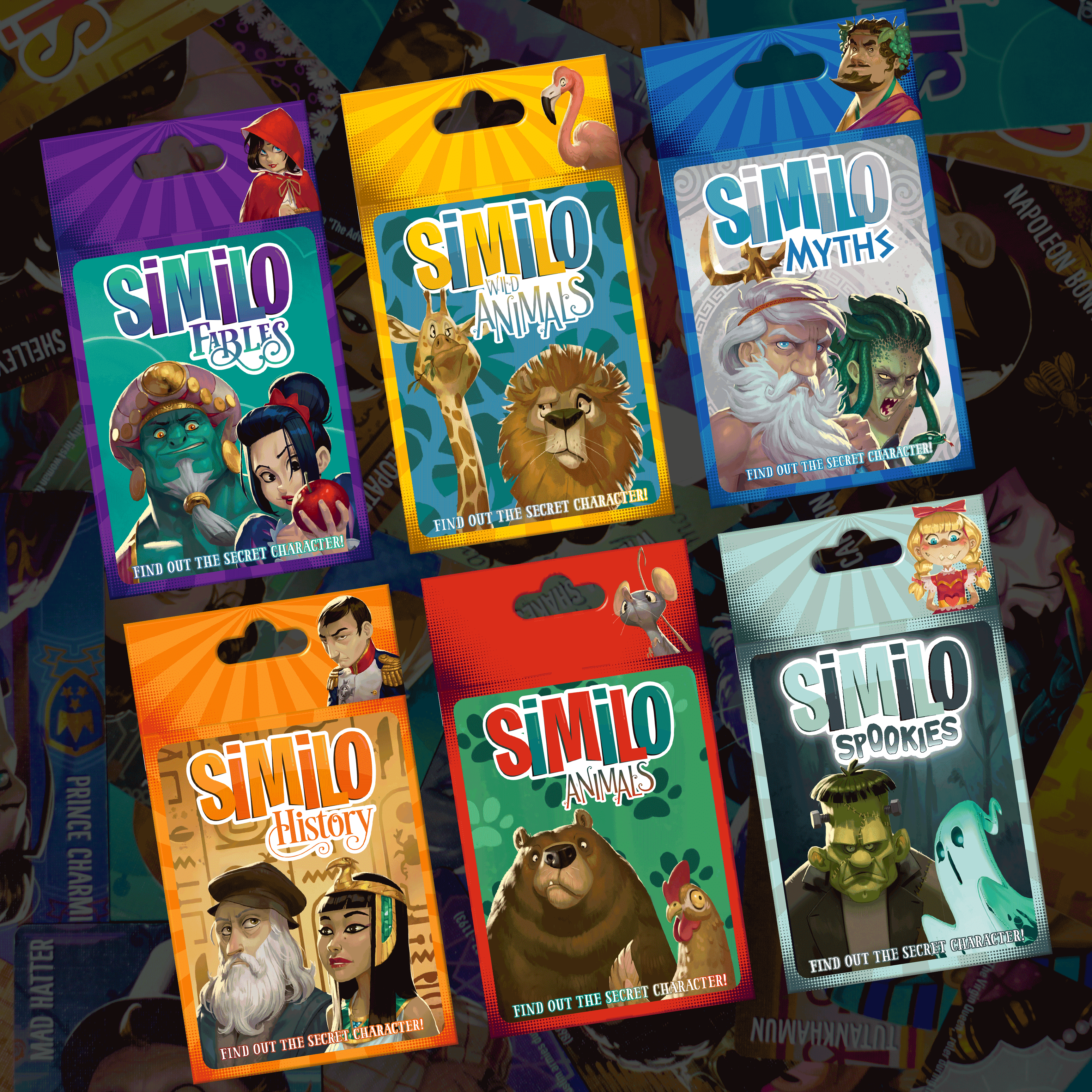
Similo
2019A quick cooperative clue game where one player's card orientation guides everyone to the secret character.
- 2-8 giocatori
- 10-15 minuti
- Da 7 anni in su
Similo is a light cooperative deduction game for two to eight players, aimed at ages 7 and up, first released in 2019. It was designed by Hjalmar Hach, Martino Chiacchiera and Pierluca Zizzi and published by 999 Games, Albi, Broadway Toys, FoxGames and Ghenos Games. Everyone wins or loses together.
di Hjalmar Hach, Martino Chiacchiera
Corona
1974A 1974 race for chips where a risky number prediction decides who pays the round.
- 2-10 giocatori
- 45 minuti
- Da 12 anni in su
Corona is a puzzle-style game for 2 to 10 players, lasting about 45 minutes and suited to ages 12 and up. Alex Randolph designed it, and KOSMOS and Otto Maier Verlag published it. You race the other players to collect chips in a light contest where prediction and the dice matter as much as luck.
di Alex Randolph
- 3-8 giocatori
- 60 minuti
- Da 10 anni in su
di Roger Heyworth
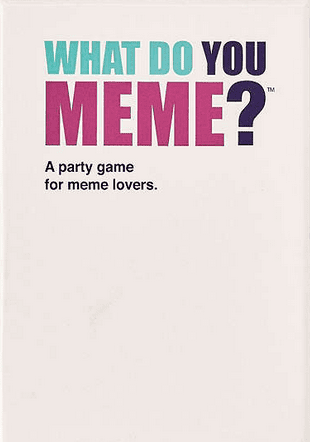
Match funny caption cards to internet memes in a lighthearted party game.
- 3-20 giocatori
- 30-90 minuti
- Da 17 anni in su
What Do You Meme? is a humorous party card game for groups of three to twenty players, aged 17 and up, lasting about 30 to 90 minutes. It was designed by Elliot Tebele, Elie Ballas and Ben Kaplan and published by HUCH!, Megableu and ToyCo.
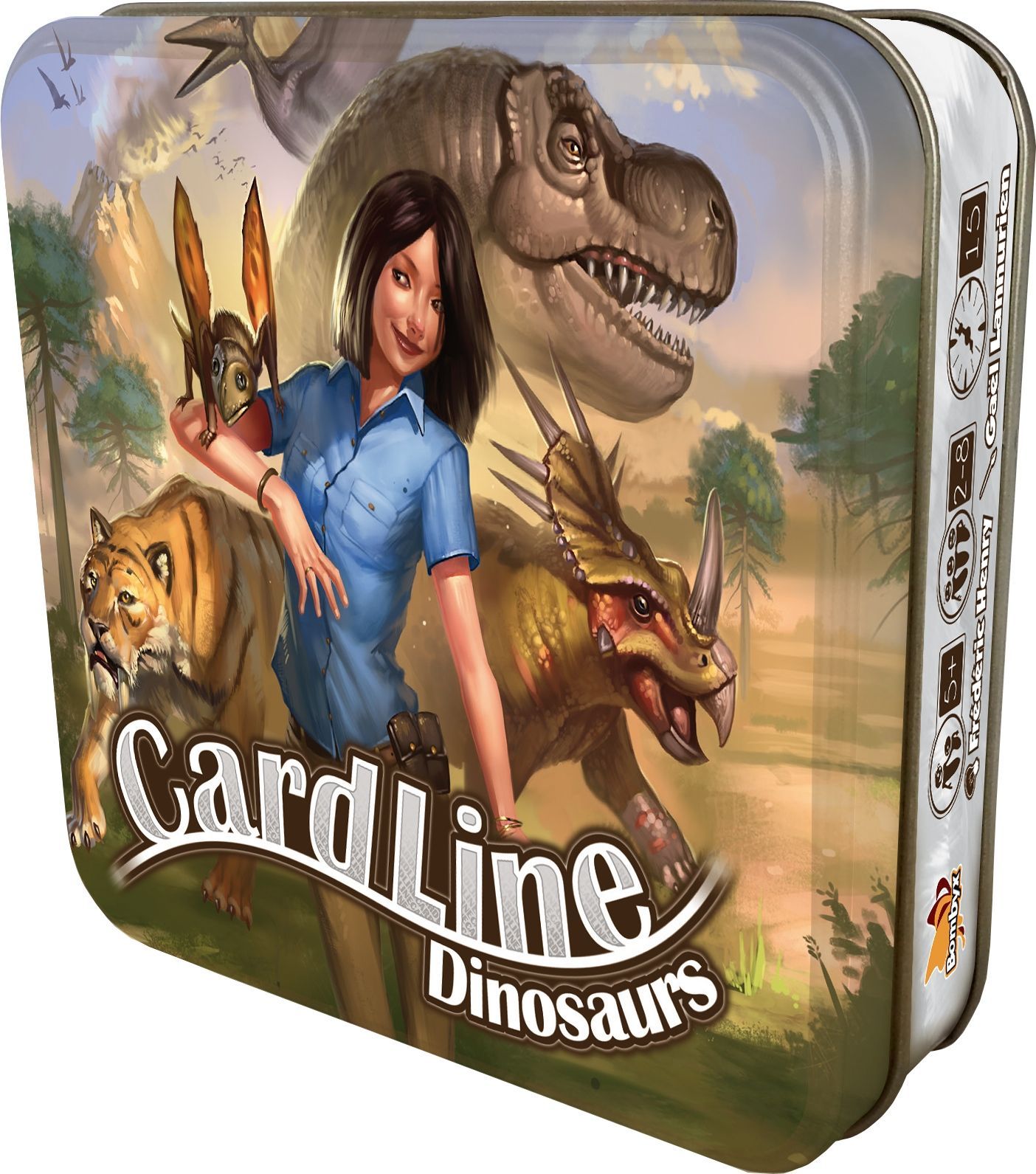
- 2-8 giocatori
- 15 minuti
- Da 7 anni in su
di Frédéric Henry
- 2-8 giocatori
- 60 minuti
- Da 10 anni in su
di Jonathan Bjork
- 1-8 giocatori
- 40-60 minuti
- Da 10 anni in su
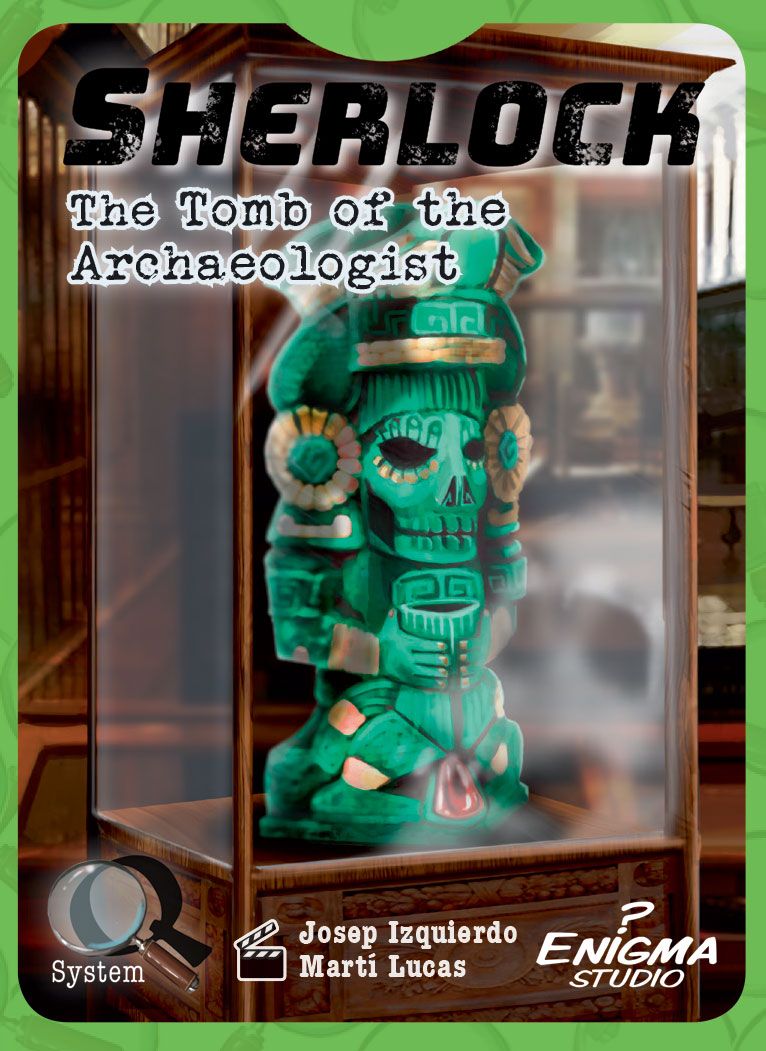
di Francisco Gallego Arredondo, Josep Izquierdo Sánchez
- Poker
poker
1810- 2-10 giocatori
- 60 minuti
- Da 12 anni in su
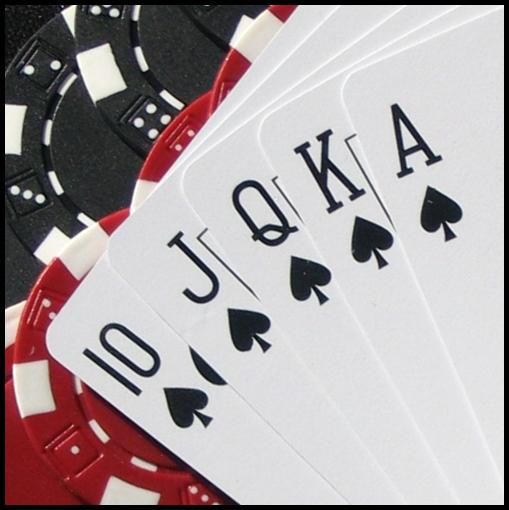
Poker is a family of card games in which players wager on which hand is best under each game's own rules, and it is played in many variations worldwide. Its long-run results depend on skill, probability, psychology and bluffing as well as chance.
- 2-8 giocatori
- 120 minuti
- Da 14 anni in su
di Kevin Barrett
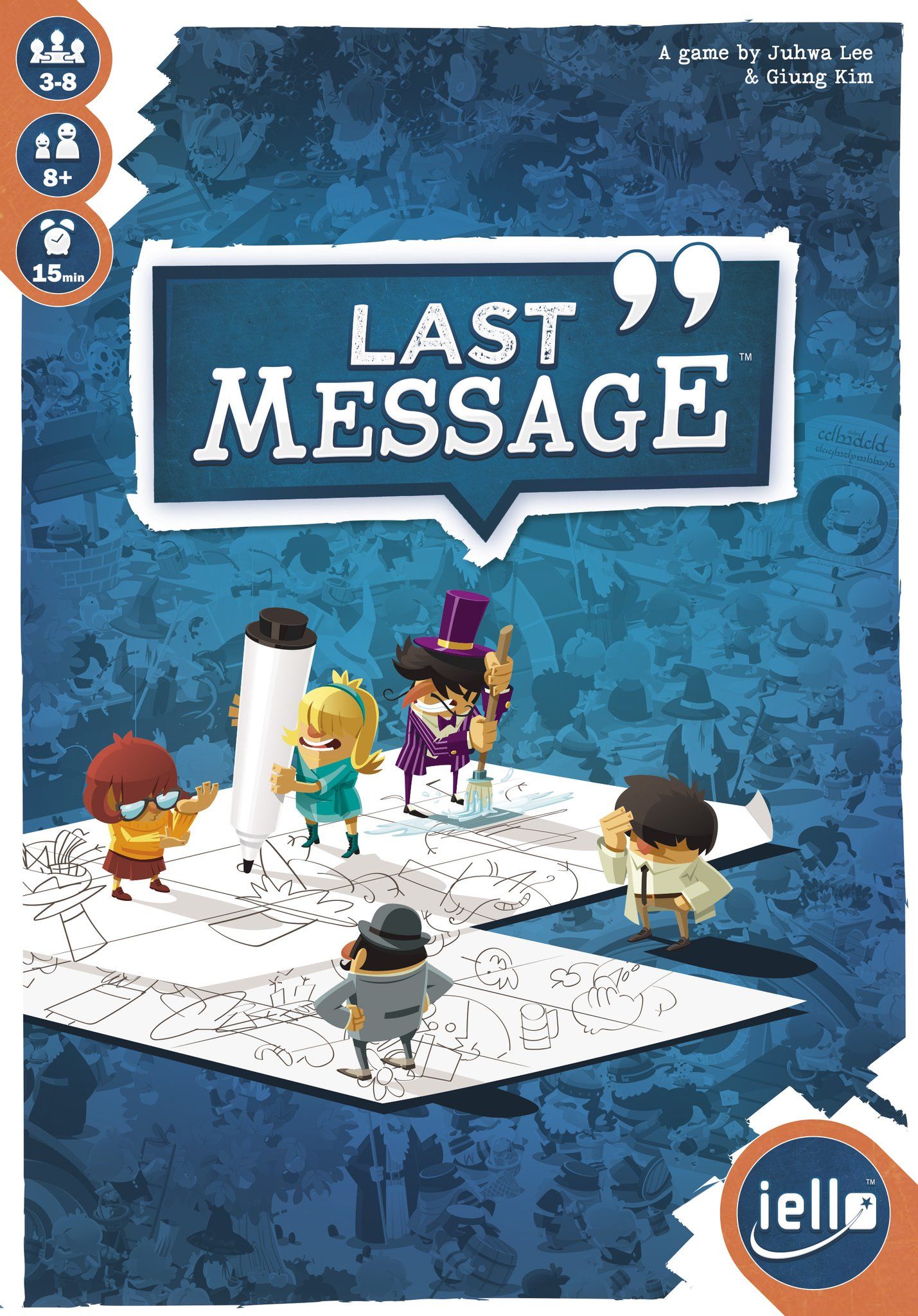
Last Message
2021- 3-8 giocatori
- 15 minuti
- Da 8 anni in su
A quick murder-mystery deduction game from IELLO. A victim who cannot speak draws clues so the detectives can find the criminal hidden in a crowded scene before four rounds pass.
di Giung Kim, Lee Ju-Hwa
One Word Away
2026A party word-guessing game where teams write three clues and must beat a rival's sabotage to find the secret word.
- 2-8 giocatori
- 20 minuti
- Da 8 anni in su
One Word Away is a word game for parties and couples, designed by Markus Slawitscheck and published by 1 More Time Games. It is a light, social game for two to eight players. You play either in teams or cooperatively. In team mode, two teams try to guess as many secret words as they can.
di Markus Slawitscheck
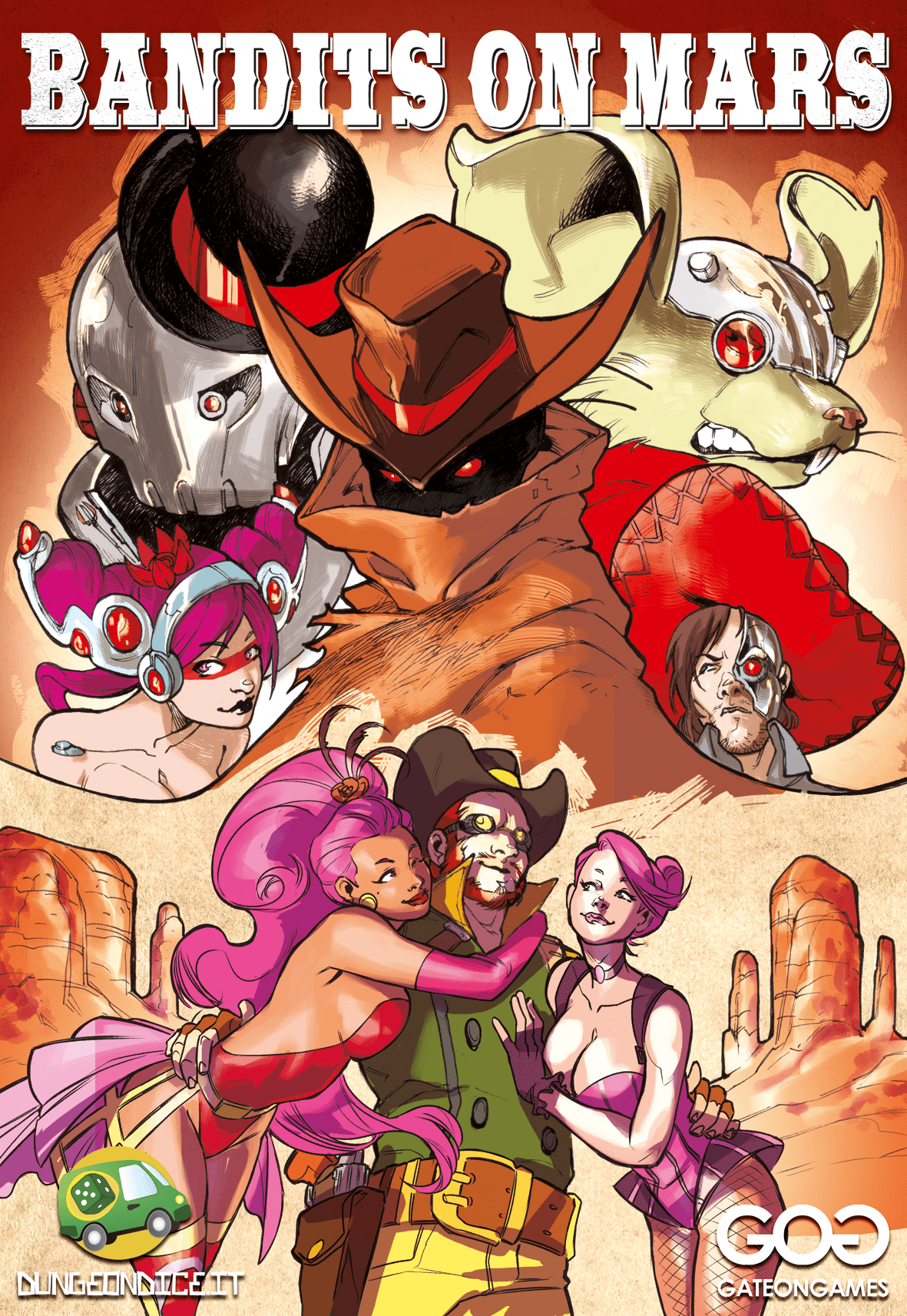
Bandits on Mars
2016- 2-8 giocatori
- 15 minuti
- Da 14 anni in su
A collectible card game of rival clans in Rokugan, built for multiplayer battles
- 2-8 giocatori
- 45 minuti
- Da 12 anni in su
A collectible card game for two to eight players, aged 12 and up, first released in 1995 and designed by Brent Keith, Bryan Reese, Dave Williams (II) and Mark Wootton. Published by Alderac Entertainment Group, Five Rings Publishing Group and Wizards of the Coast.
di Brent Keith, Bryan Reese
- Pai Gow
Pai gow
XII secolopopular Chinese domino game, using tiles traditionally made of ox bone or ebony, in Northern Song dynasty, China (1120)
- 2-8 giocatori
- 10 minuti
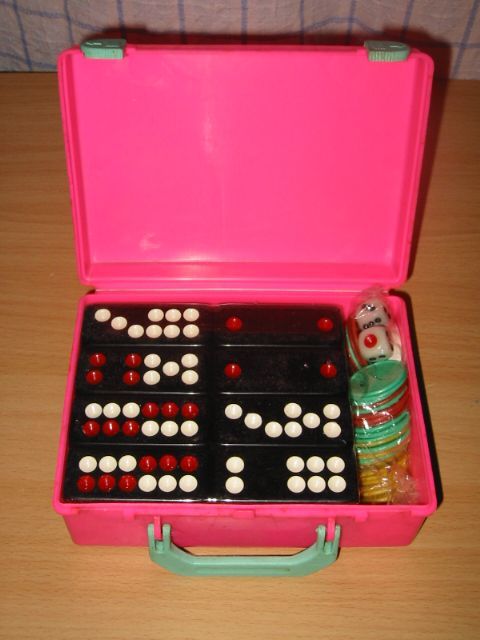
Pai gow is a gambling pastime from China, played with 32 Chinese dominoes for two to eight players. It is a betting game found in major casinos and in many Chinatown clubs around the world. You are a player betting against the dealer, and every participant, the dealer included, works from the same tiles.
Kobayakawa
2026A quick betting card game where the Kobayakawa card can turn the highest hand into a loser.
- 3-8 giocatori
- 20 minuti
- Da 8 anni in su
Kobayakawa is a betting card game designed by Jun Sasaki and published by Oink Games. It is a light, quick game aimed at casual play. You bet chips on whose card shows the highest number, hoping to win the round. The tricky Kobayakawa card can change who wins, so a high number alone does not guarantee victory.
di Jun Sasaki · Oink Games
- 2-10 giocatori
- 10 minuti
- Da 12 anni in su
di Chris Cieslik
Moral Dilemma
2014- 5-20 giocatori
- 15 minuti
- Da 18 anni in su
- 2-8 giocatori
- 45 minuti
- Da 8 anni in su