Caricamento della pagina…
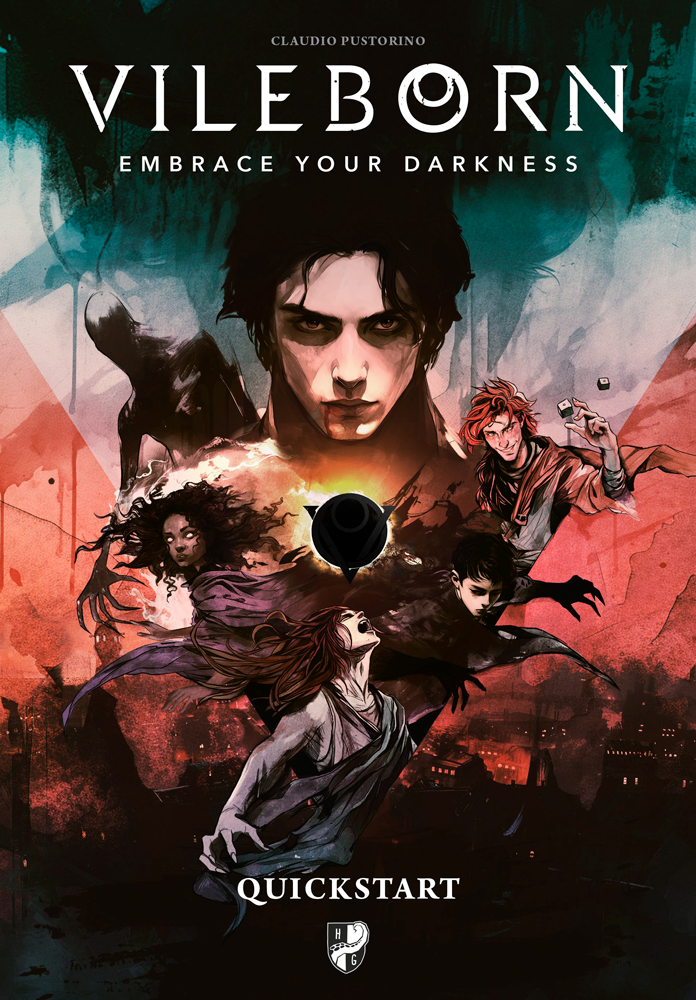
Vileborn
2025A dark fantasy coming-of-age tabletop RPG where half-human young heroes face a world overtaken by darkness.
- 1-99 giocatori
- 120 minuti
- Da 13 anni in su
Designers: Claudio Pustorino Vileborn is a nobledark TTRPG that evokes a coming-of-age fantasy story, biting and adventurous. Players assume the role of Vileborn, young half-blood heroes forced to face the darkness of the world and brave enough to embrace their own.
di Claudio Pustorino · Horrible Guild
- 4-24 giocatori
- 30 minuti
di Todd Kurtzer
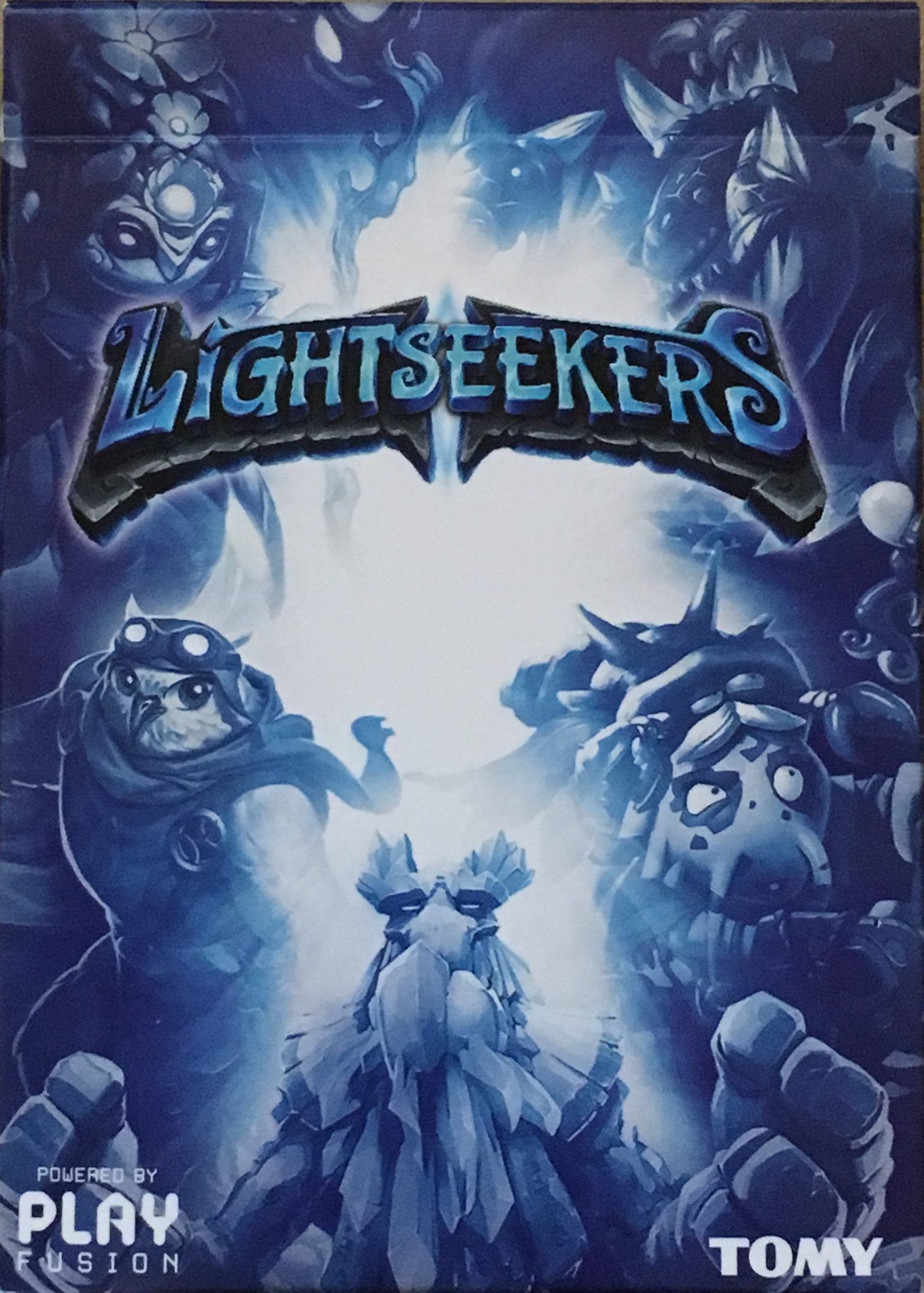
Lightseekers
2017- 2-99 giocatori
- 10-20 minuti
- Da 8 anni in su
- 8-28 giocatori
- 30 minuti
- Da 14 anni in su
di Hervé Marly, Philippe des Pallières
- 3-18 giocatori
- 45 minuti
- Da 10 anni in su
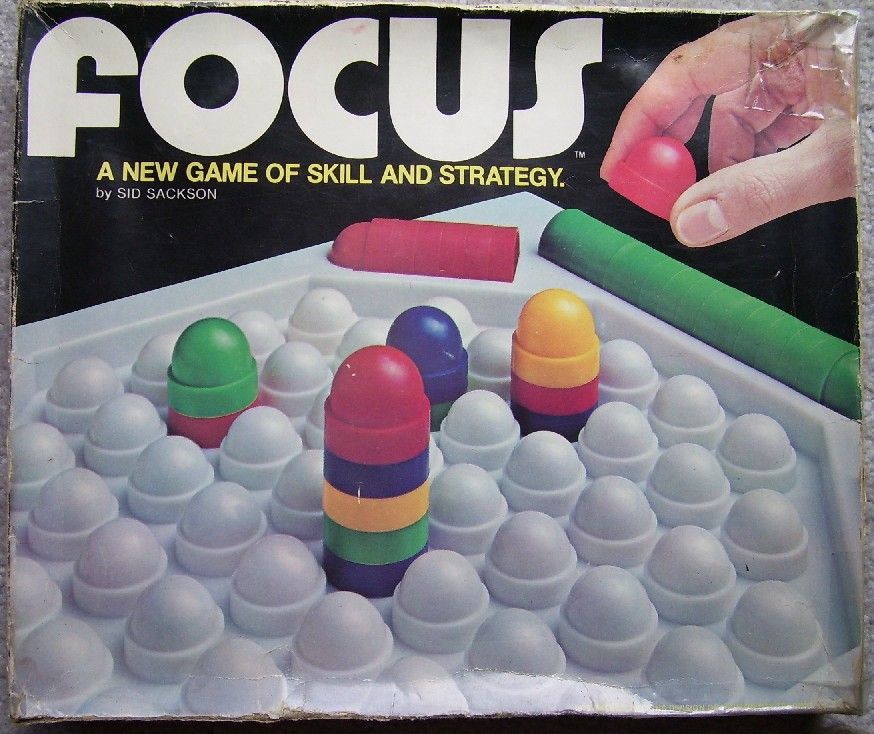
An abstract strategy game for ages 10 and up, devised by Sid Sackson and first released by Kosmos in 1963. Players compete for control of a shared board by sending stacks of their pieces across it. Your aim is to remain in the contest longer than your rivals.
di Sid Sackson
Expanded social deduction card game of mafia and townspeople with extra roles, for 6 to 32 players.
- 6-32 giocatori
- 45 minuti
- Da 12 anni in su
Mafia is a card game of deception and strategy designed by Amanda Bikse and published by Hecate.lv. It is an expanded party version of the classic Mafia game, in which players try to uncover who among them is the culprit. The publisher presents it as a option for parties and group entertainment.
di Amanda Bikse
A German office-themed bingo game: mark five squares in a line to win, alone, together, or against others.
- 1-50 giocatori
- 30 minuti
- Da 6 anni in su
Bullshit Bingo – Büro is a bingo game for office life, designed by Jana Bender, who also made the artwork, and published by Skellig Games in Germany. It is a light, social game for the whole office. The premise is that no matter how tiresome a workday becomes, it is more bearable with a game of bingo.
di Jana Bender · Skellig Games
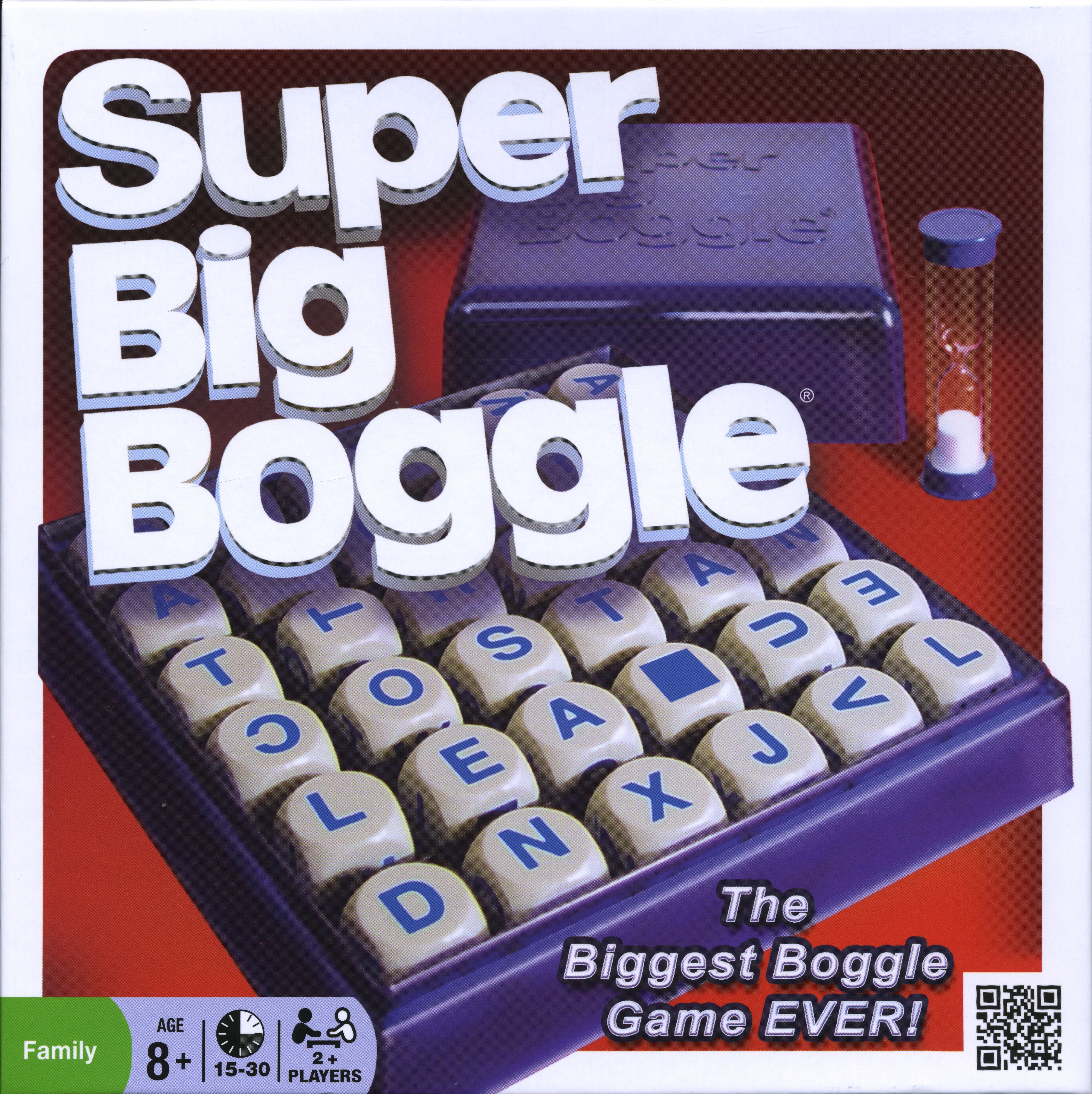
Super Big Boggle
2012- 1-20 giocatori
- 60 minuti
- Da 8 anni in su
- 5-30 giocatori
- 30 minuti
- Da 12 anni in su
Deduce who the Demon is through logic and bluffing. Dead players still play.
- 5-20 giocatori
- 30-120 minuti
- Da 14 anni in su
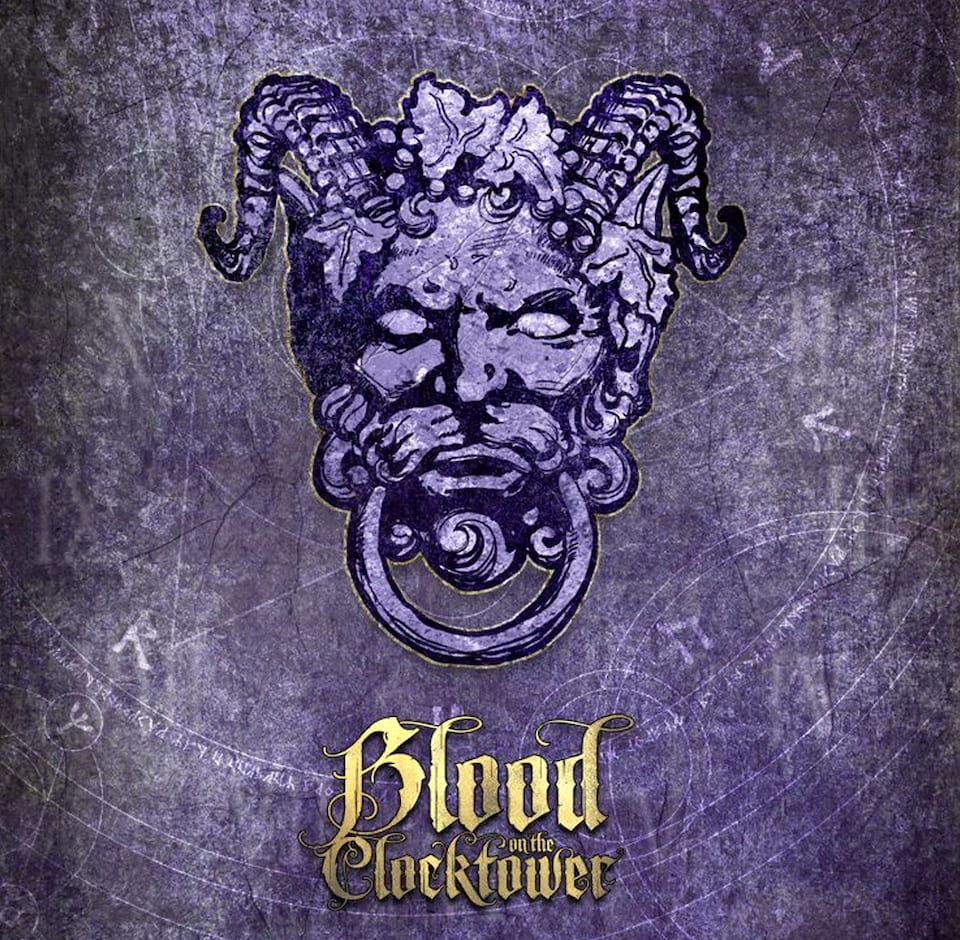
Blood on the Clocktower is a social deduction game for 5 to 20 players aged 15 and up, with core mechanics shared with Mafia. Steven Medway designed it, and The Pandemonium Institute published it. Players are secretly split into a good majority and an evil team made of a demon and its minions.
di Steven Medway · The Pandemonium Institute
- 2-24 giocatori
- 20 minuti
- Da 18 anni in su
di Yves Hirschfeld
- 4-99 giocatori
- 10 minuti
- Da 8 anni in su
di Howard J. Morrison, Jeffrey Breslow
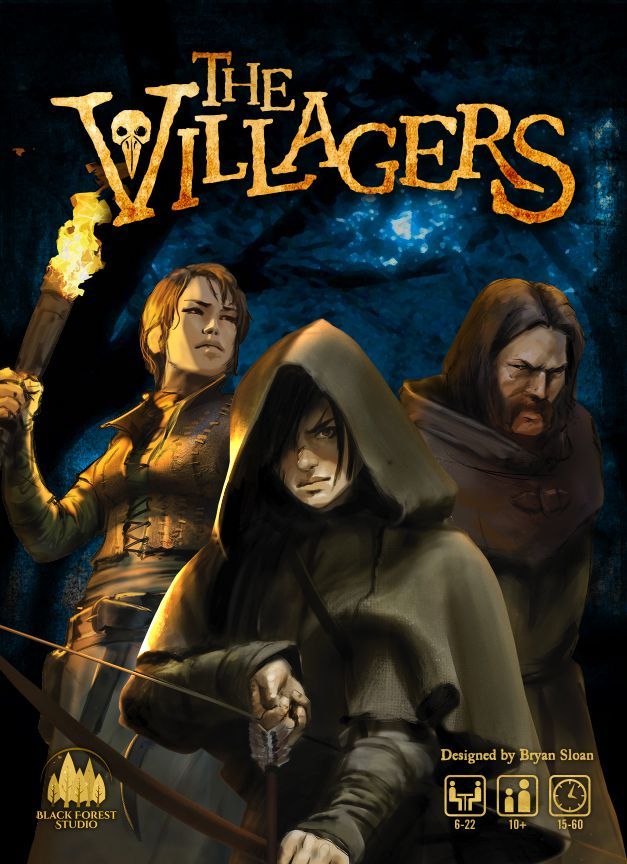
The Villagers
2018- 7-23 giocatori
- 15-90 minuti
- Da 10 anni in su
Spyworld
2026A family-friendly game of building secret hideouts, setting traps and raiding rivals' bases for large groups.
- 2-99 giocatori
- 30 minuti
- Da 8 anni in su
Spyworld is a family and large-group game by designer Frédéric Morard, published by HeidelBÄR Games. You are a wealthy would-be world ruler whose rivals want to steal the spotlight. After years of piling up riches, you dream of ruling the world, and your rivals see things differently.
di Frédéric Morard
- 8-26 giocatori
- 20 minuti
- Da 15 anni in su
di Michel Fischman
- 2-52 giocatori
- 60 minuti
- Da 12 anni in su
- 4-18 giocatori
- 60 minuti
- Da 13 anni in su
di Peter Sarrett
- 4-20 giocatori
- 30-60 minuti
- Da 18 anni in su
di Alex Hague, Justin Vickers
A dexterity skill toy: flip a ring-funnel ball on your finger and perform catching tricks, alone or together.
- 1-99 giocatori
- 10 minuti
- Da 8 anni in su
FLIPPY is a dexterity game in the form of a skill toy, designed by Ronny Lehmann and published by Ronny Lehmann GmbH from Voerde, Germany. It is presented as a ring with a funnel-shaped catcher that is worn on the middle finger, and it is played with juggling balls or footbags rather than with cards or a board.
di Ronny Lehmann
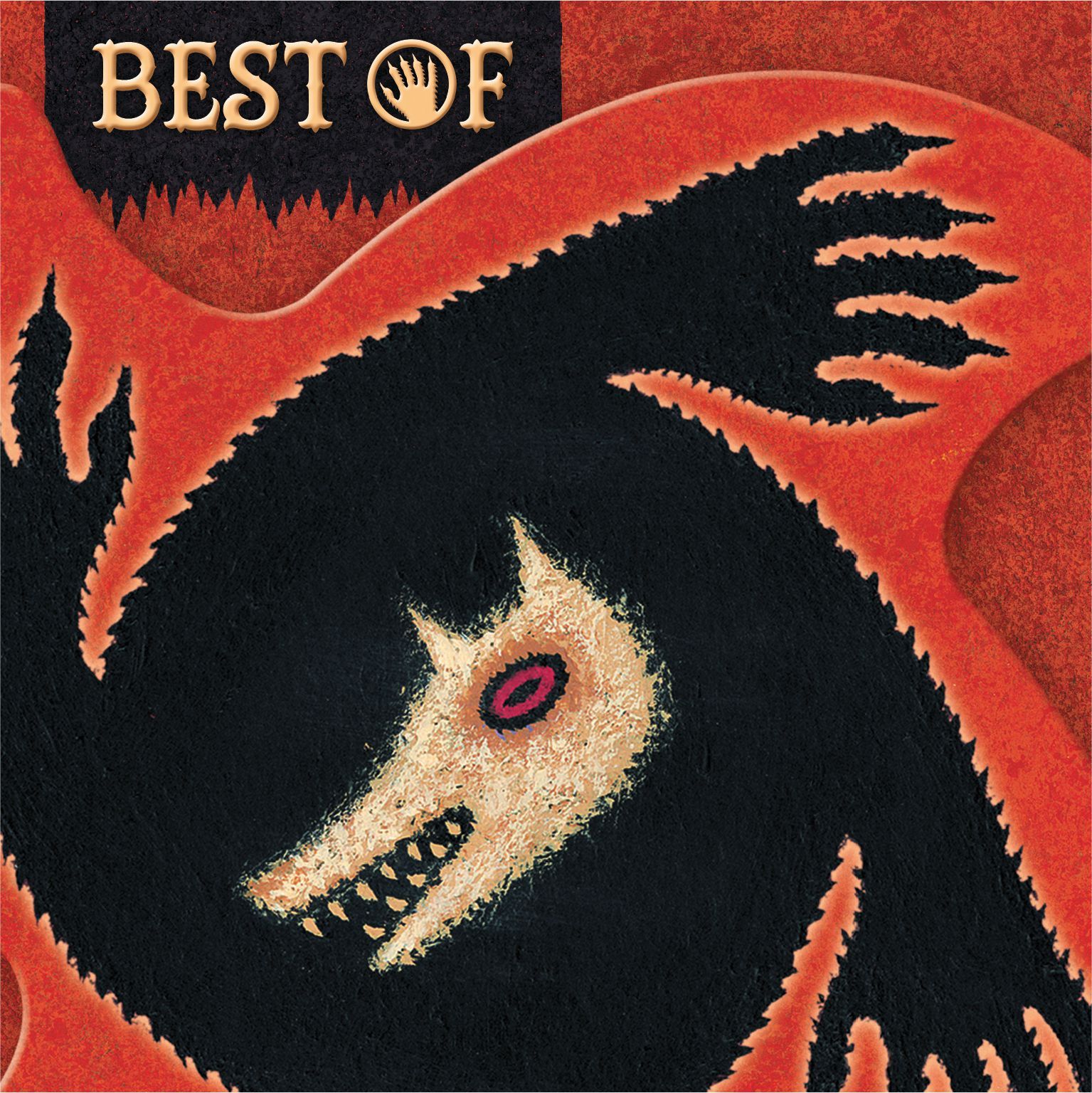
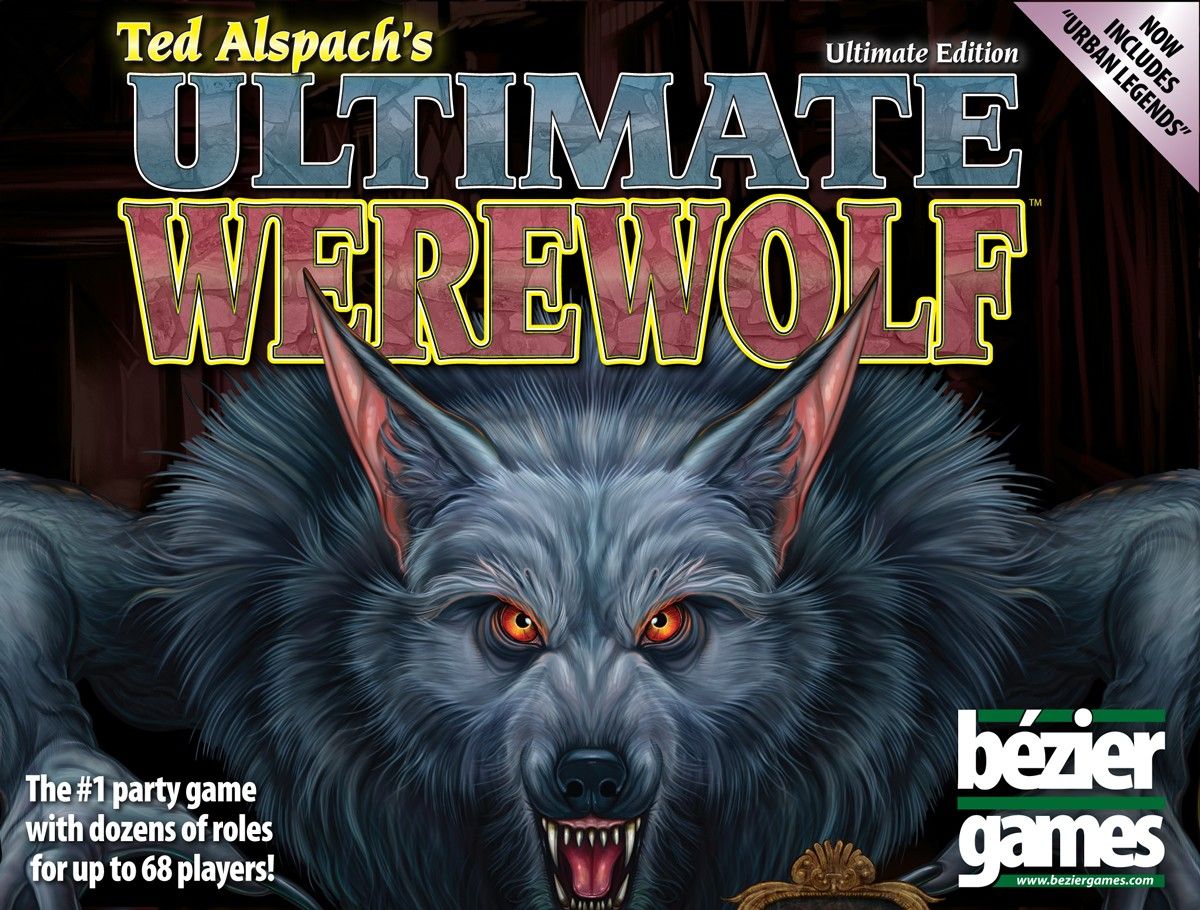
A village party game of bluffing and hidden werewolves for 5 to 68 players.
- 5-68 giocatori
- 30-90 minuti
- Da 8 anni in su
Ultimate Werewolf: Ultimate Edition is a party game for 5 to 68 players aged 8 and up, playing in 30 to 90 minutes. Ted Alspach designed it in 2008, and several publishers, including Arclight and Hobby World, have released it.
di Ted Alspach
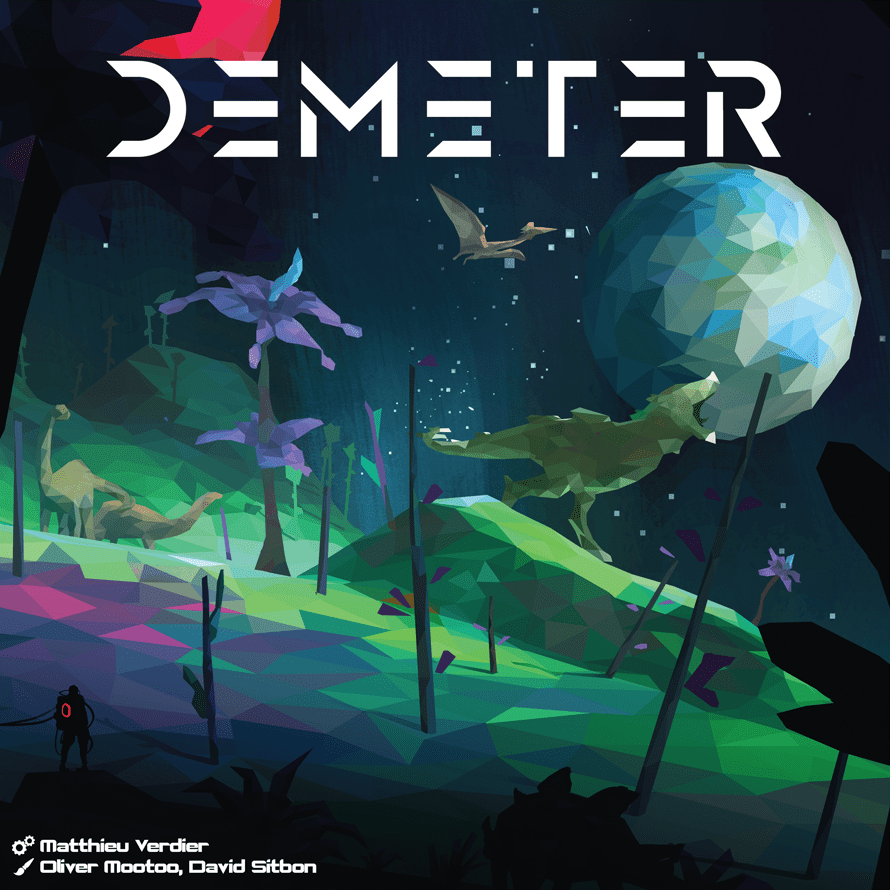
Demeter
2020Card-based roll and write game: match dinosaur footprints on your scoresheet across 12 rounds.
- 1-100 giocatori
- 15 minuti
- Da 14 anni in su
A card-based roll and write game for 1 to 100 players aged 14 and up, published by Sorry We Are French in 2020. It is a flip-and-fill style game with a light to medium feel. You are a scientist travelling from Ganymede to Demeter 1, a planet orbiting a red dwarf star, where a first flight has spotted dinosaurs.
di Matthieu Verdier
A question game where knowing your partners matters more than knowing the answers.
- 2-42 giocatori
- 45 minuti
- Da 14 anni in su
Chiche ou Pois chiche ? is a 2022 question-and-answer game for 4 to 20 players aged 14 and up, lasting about 30 minutes. It was designed by Charles Babinet, Thomas Quélin and Tristan Quélin and published by Gigamic. Players score points by asking well-chosen questions to their partners in the game.
di Charles Babinet, Thomas Quélin