Caricamento della pagina…
- 2-6 giocatori
- 10-15 minuti
- Da 6 anni in su
di Amanda Bikshe
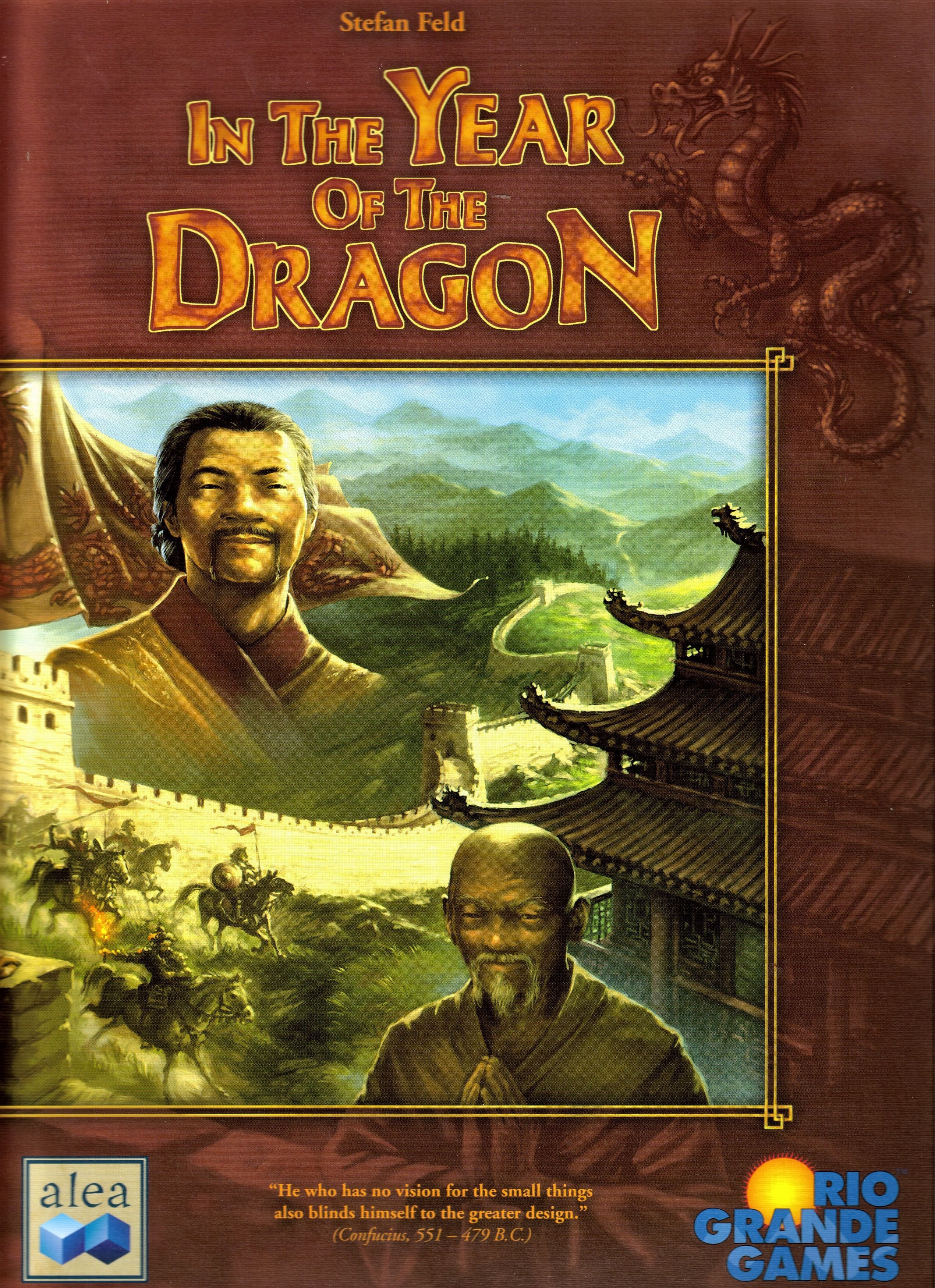
Chinese province ruler in 1000 AD juggling twelve monthly disasters by recruiting courtiers and scoring prestige.
- 2-5 giocatori
- 75-100 minuti
- Da 12 anni in su
A strategic resource management game for 2 to 5 players aged 12 and up, lasting 75 to 100 minutes. Stefan Feld designed it, and several publishers, including Rio Grande Games, released it in 2007.
di Stefan Feld
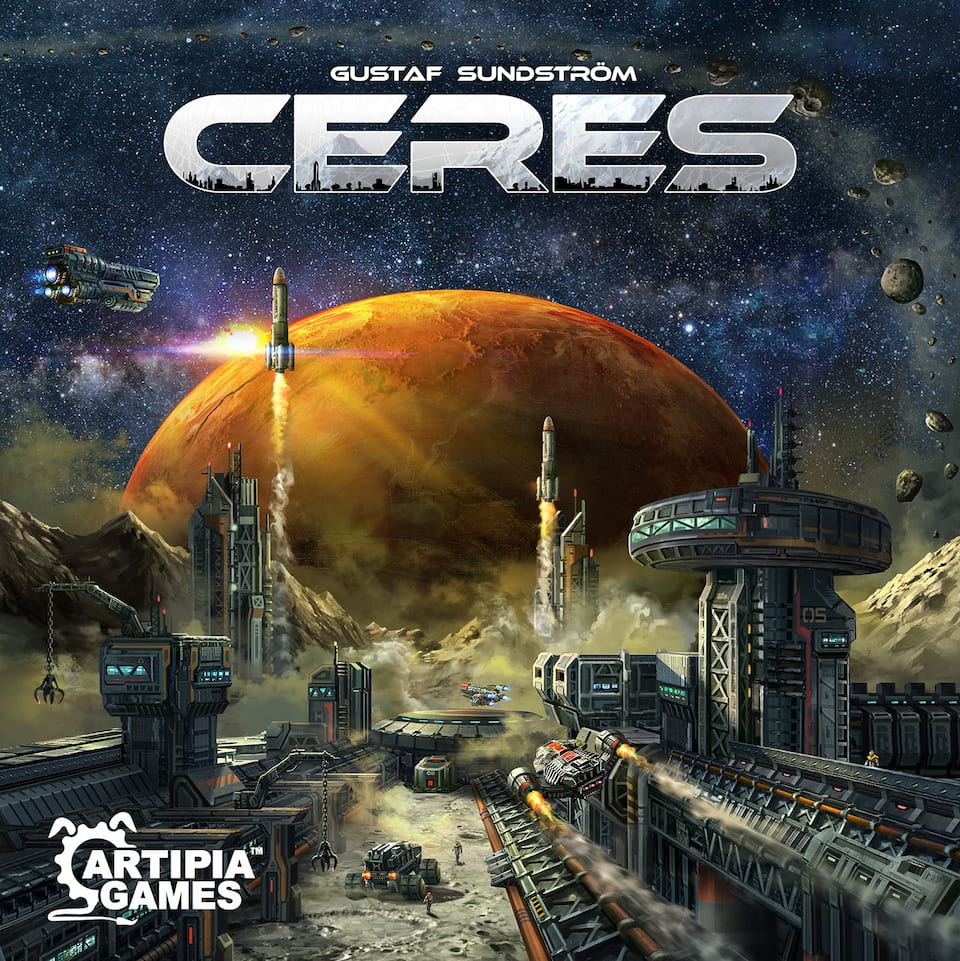
Ceres
2023- 1-4 giocatori
- 90-120 minuti
- Da 12 anni in su
- 3-6 giocatori
- 10 minuti
- Da 6 anni in su
Airways
1972- 2-4 giocatori
- 120 minuti
- Da 10 anni in su
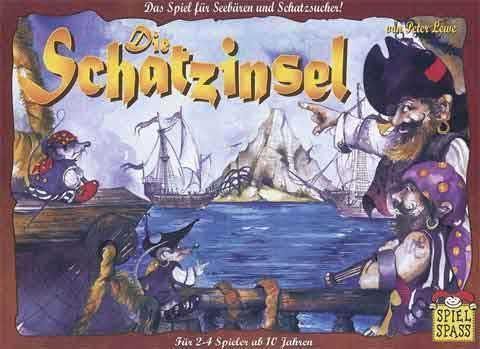
Die Schatzinsel
2002- 2-4 giocatori
- 30 minuti
- Da 10 anni in su
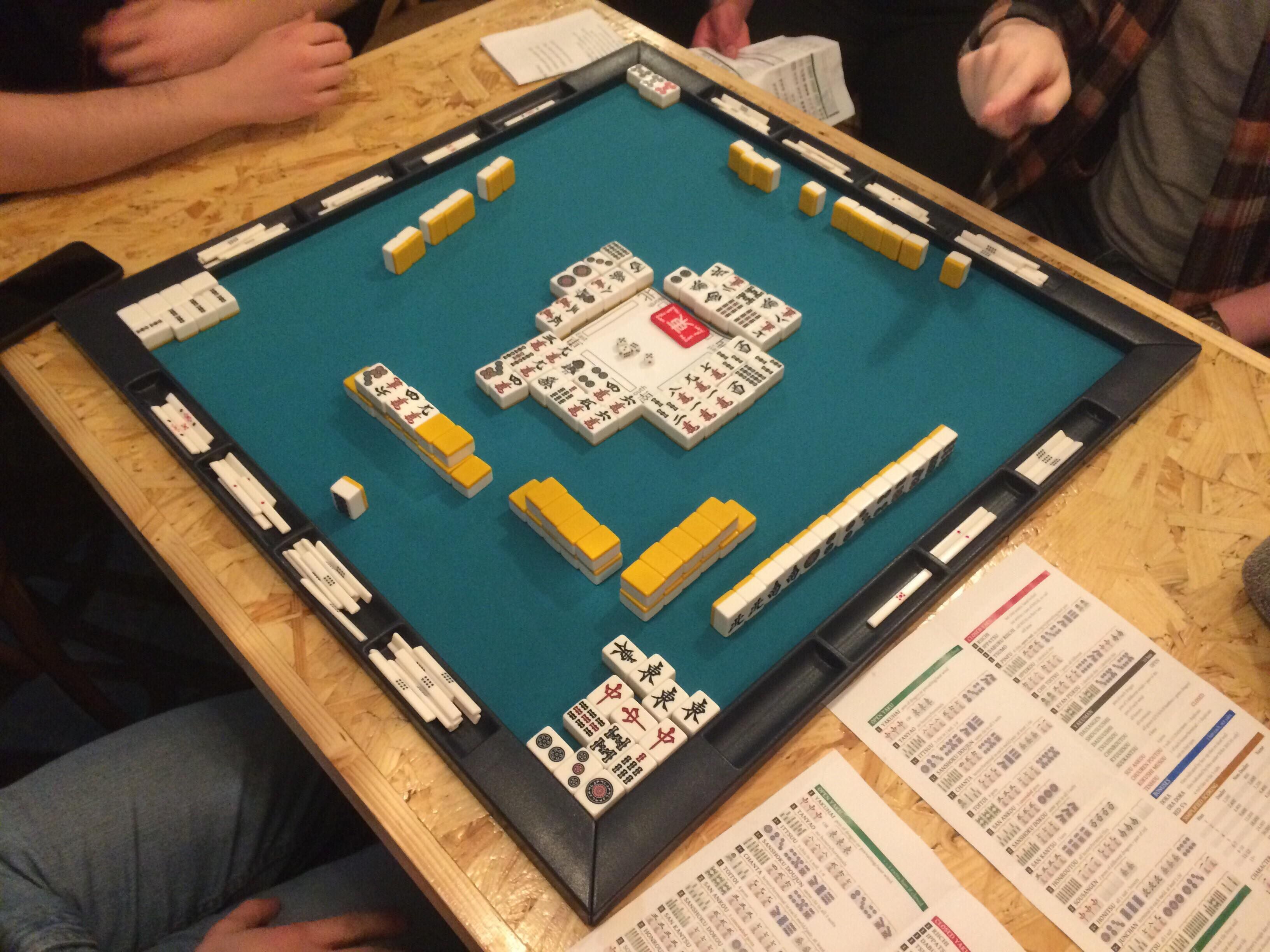
- Riichi Mahjong
- 4 giocatori
- 60-120 minuti
- Da 8 anni in su
Riichi mahjong is a four-player variant of mahjong for ages 8 and up, taking 60 to 120 minutes to play. It is also known as Japanese mahjong. Japanese mahjong keeps the basic rules shared by other mahjong variants and adds its own distinctive rules. Its main features are these.
Made for Trade
1984- 2-6 giocatori
- 60 minuti
- Da 8 anni in su
Gamebook, board game and app in one: a swordfighter's quest to become the chosen bearer of the Wonder Sword.
- 1-4 giocatori
- 30 minuti
- Da 8 anni in su
Kampf um das Wunderschwert is a gamebook, board game and interactive app combined into one package. It is a 2026 release from the publisher Peasoup, with Kristian Dreino credited as designer, and is presented as a three-in-one adventure.
di Kristian Dreino · Peasoup
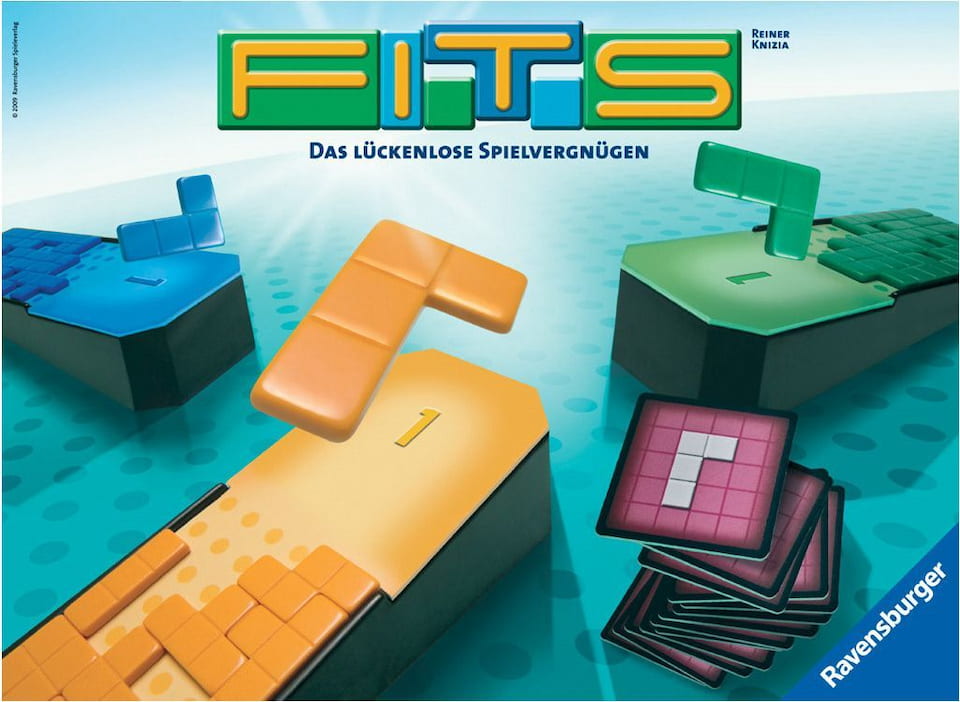
A Tetris-like placement puzzle whose rounds add new scoring twists to the same dotted board.
- 1-4 giocatori
- 45 minuti
- Da 8 anni in su
A tile-placement puzzle for 1 to 4 players aged 8 and up, lasting about 45 minutes. Reiner Knizia designed it, and Ravensburger and other publishers released it. Across four rounds, you drop shapes onto a dotted board, trying to cover the dots and complete rows.
di Reiner Knizia
The Spill
2022- 1-4 giocatori
- 50-60 minuti
Space Lines
1969board game published by Invicta Games in 1969
- 1-4 giocatori
Space Lines is a board game published by Invicta Games in 1969.
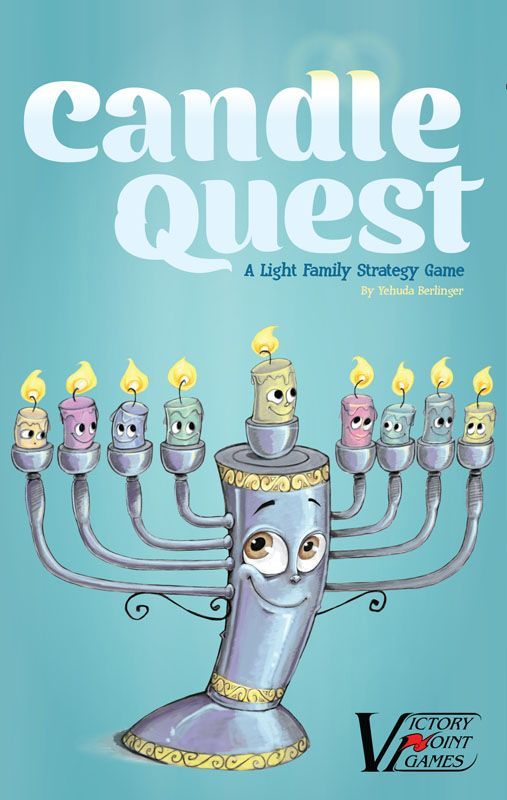
Candle Quest
2005- 2-5 giocatori
- 30 minuti
- Da 5 anni in su
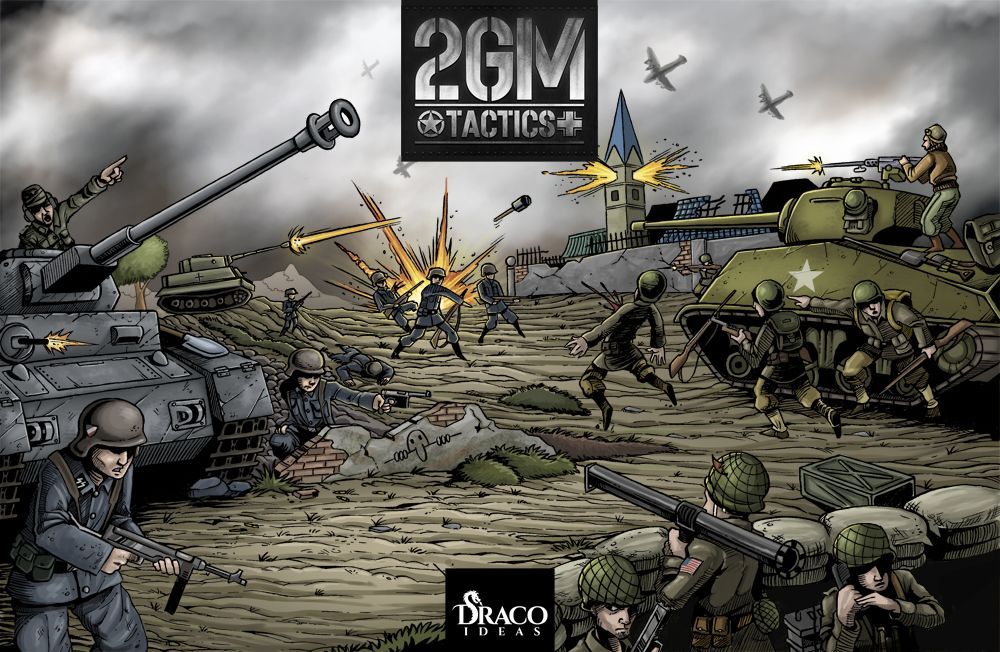
2GM Tactics
2015- 1-4 giocatori
- 30-120 minuti
- Da 12 anni in su
- 1-4 giocatori
- 60-120 minuti
- Da 14 anni in su
- 2-4 giocatori
- 30 minuti
- Da 12 anni in su
di James Ernest
- 2-8 giocatori
- 45 minuti
- Da 15 anni in su
di Michael Mørkboe, Morten Baun Møller
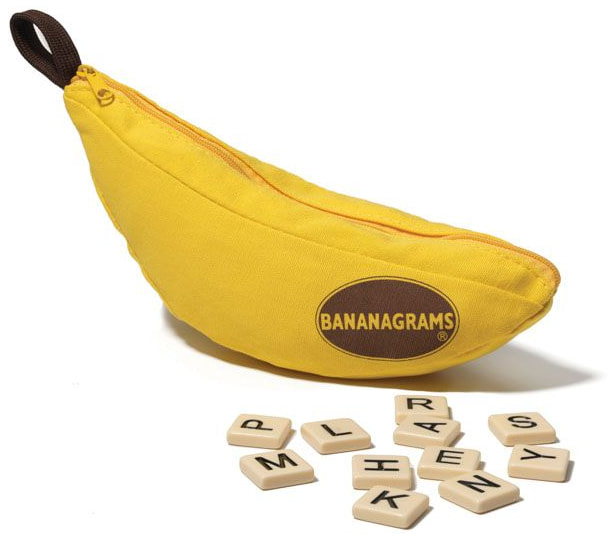
Bananagrams
2006- 1-8 giocatori
- 15-30 minuti
- Da 7 anni in su
A word-building tile game for 1 to 8 players, age 7+, invented by Abraham and Rena Nathanson and released through several publishers. Players race to build interlocking grids of words from lettered tiles, aiming to be the first to use up every tile in their hand.
di Abe Nathanson, Abraham Nathanson
- 2-4 giocatori
- 30-45 minuti
- Da 15 anni in su
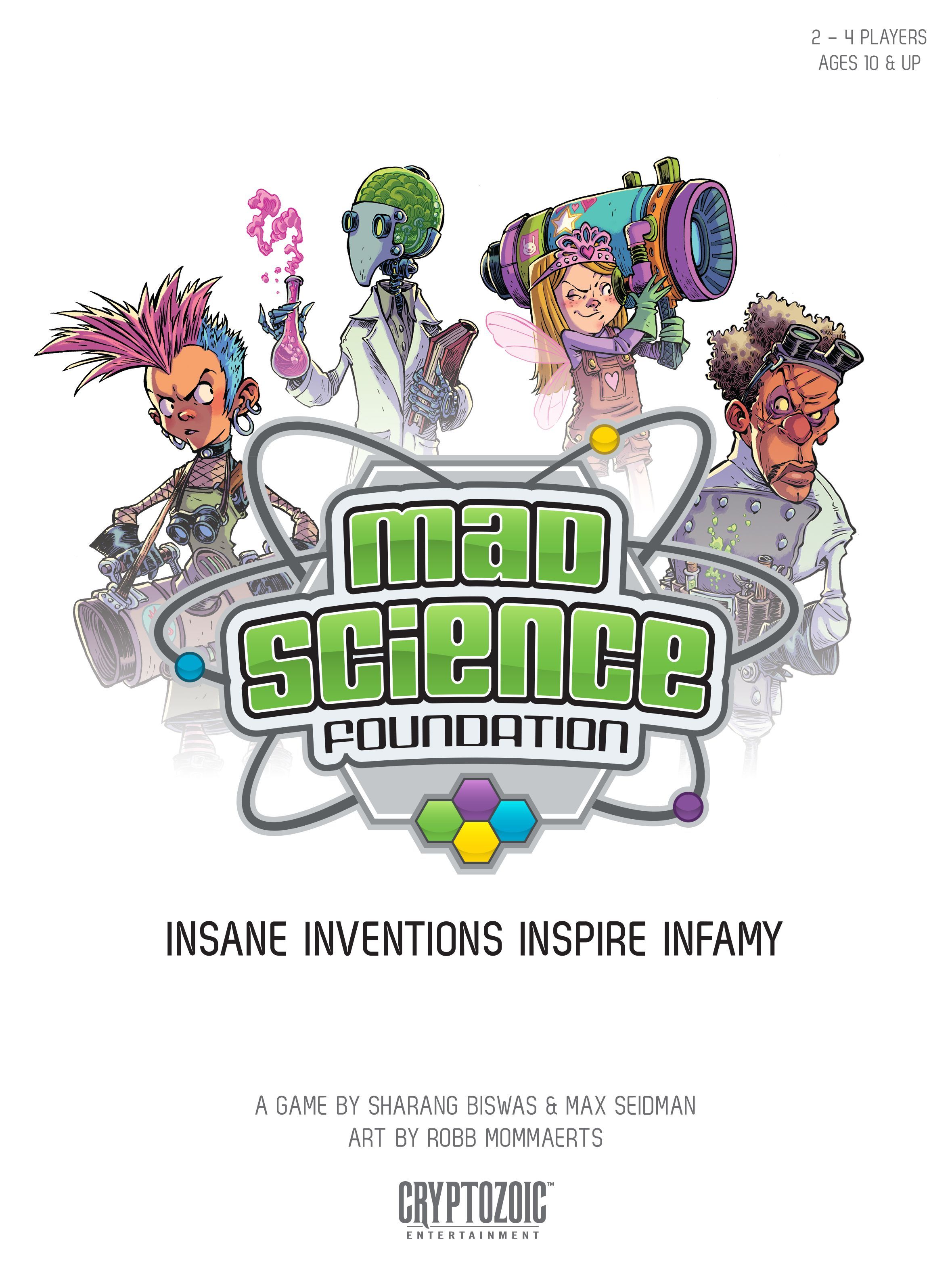
di Max Seidman
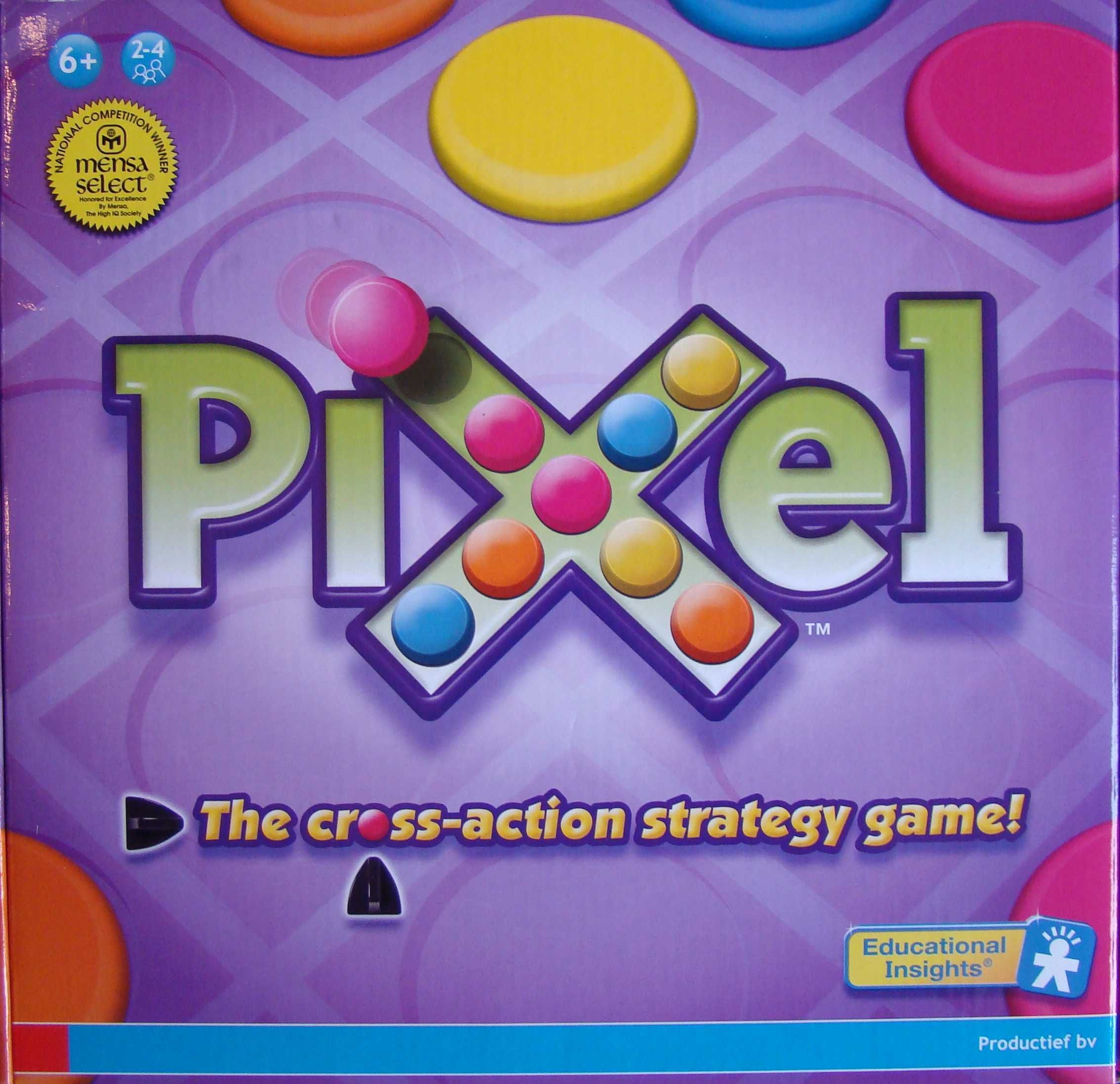
Pixel
2007Two sliders decide where your stones land on a grid with cut-off corners.
- 2-4 giocatori
- 30 minuti
- Da 7 anni in su
Pixel is an abstract strategy game for two to four players, played on an 8-by-8 grid with its four corners removed. Players aim to connect their stones in a horizontal, vertical or diagonal line.
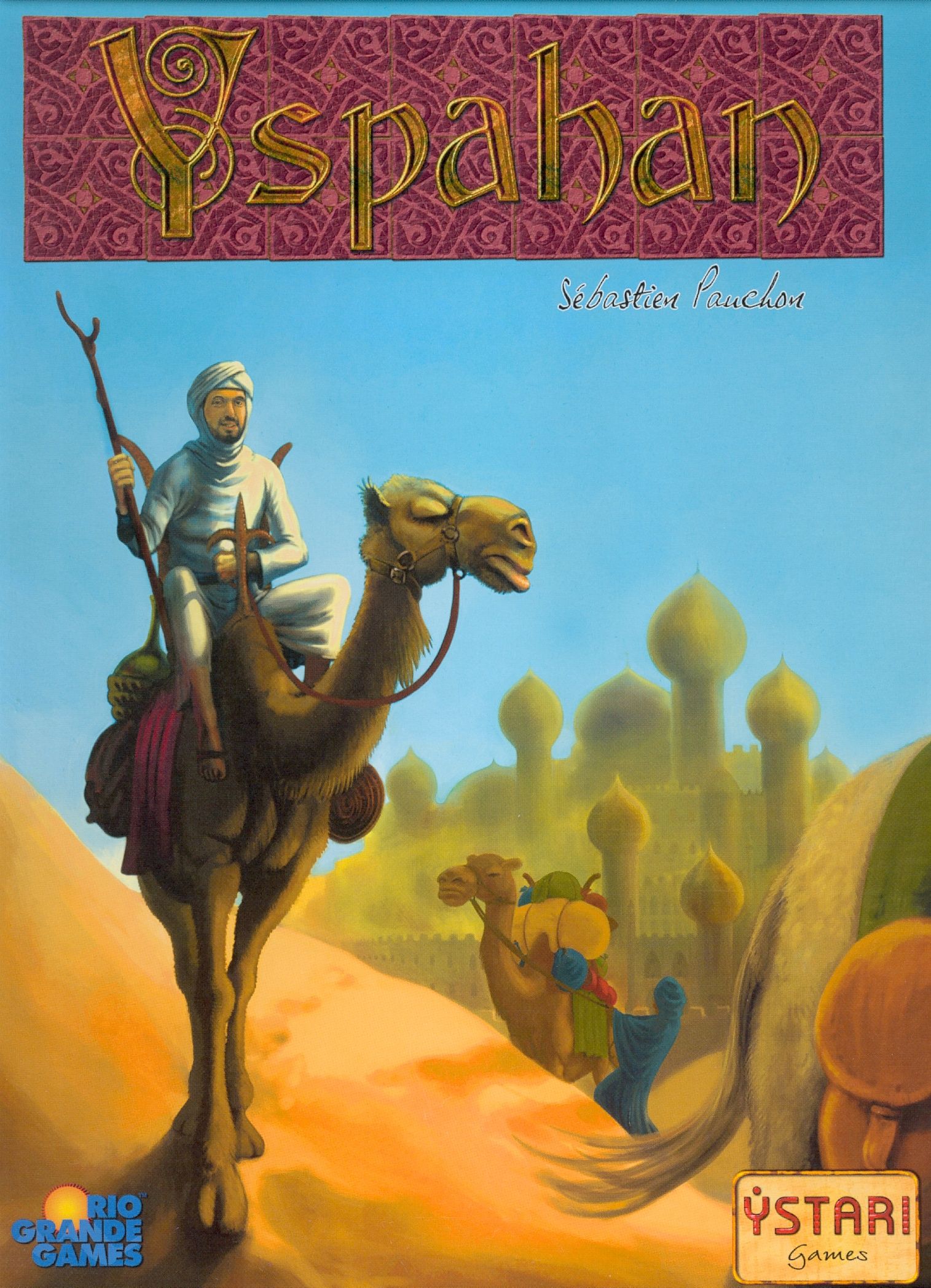
Yspahan
2006Named after Isfahan, a 2006 German-style game set when the city became Safavid capital in 1598.
- 2-4 giocatori
- 45-60 minuti
- Da 8 anni in su
Yspahan, from 2006, is a German-style game designed by Sébastien Pauchon for 2 to 4 players aged 8 and up, with publishers including Ystari Games and Rio Grande Games. The title refers to Isfahan, and the game is set in 1598, when that city became the Safavid imperial seat.
di Sébastien Pauchon
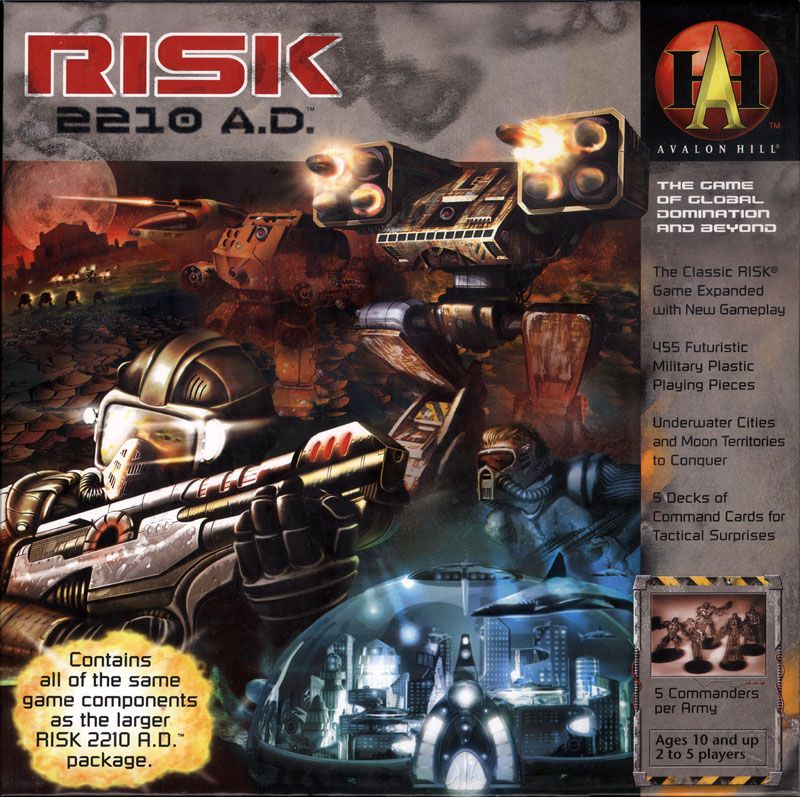
Risk 2210 A.D.
2001Risk goes to the future: devastated lands, energy-bid turn order, and lunar colonies.
- 2-5 giocatori
- 240 minuti
- Da 10 anni in su
Risk 2210 A.D. is a futuristic take on the classic Risk, suited to two to five players aged 10 and up. Rob Daviau and Craig Van Ness designed it, and Avalon Hill released it in 2001 alongside Hasbro and Wizards of the Coast.
di Craig Van Ness, Rob Daviau
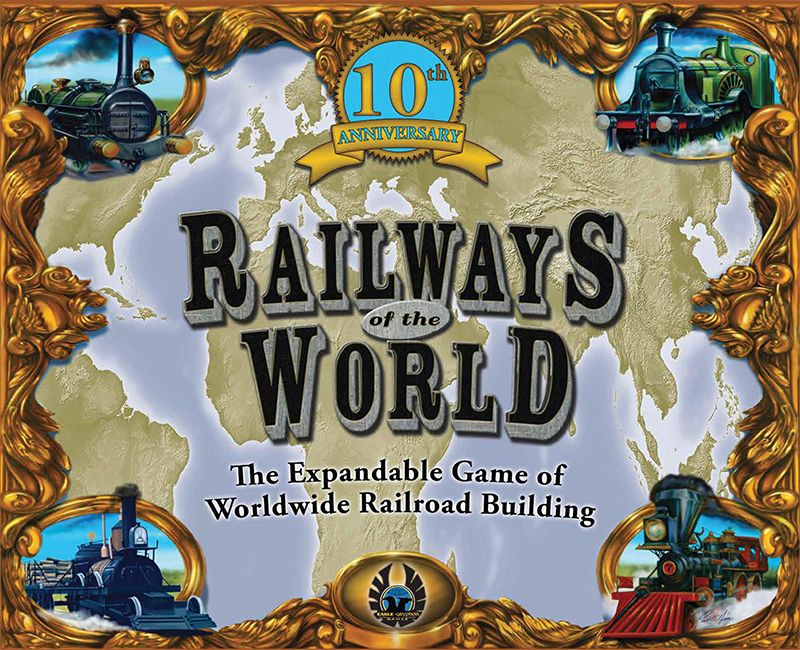
2005 board game of Martin Wallace and Glenn Drover
- 2-6 giocatori
- 120 minuti
- Da 10 anni in su
A railway game for two to six players, aged 10 and up, from Martin Wallace and Glenn Drover, first released in 2005. Set in the eastern United States in 1830, each player founds a new railway firm and aims to earn victory points by moving goods.
di Glenn Drover, Martin Wallace · Eagle Games
- 2-4 giocatori
- 120 minuti
- Da 12 anni in su
Abaku
2026abstract number board game and browser game
- 1-4 giocatori
- 30 minuti
- Da 8 anni in su
Abaku is a Czech numerical board game with a browser version, used in mathematics education. Players set digit tiles on a board, building valid calculations without writing any mathematical symbols. Digits are laid in rows or columns so that each run of them forms correct arithmetic.
di Vladimír Tesař · Albi
Black Vienna
1987- 3-6 giocatori
- 60 minuti
- Da 10 anni in su
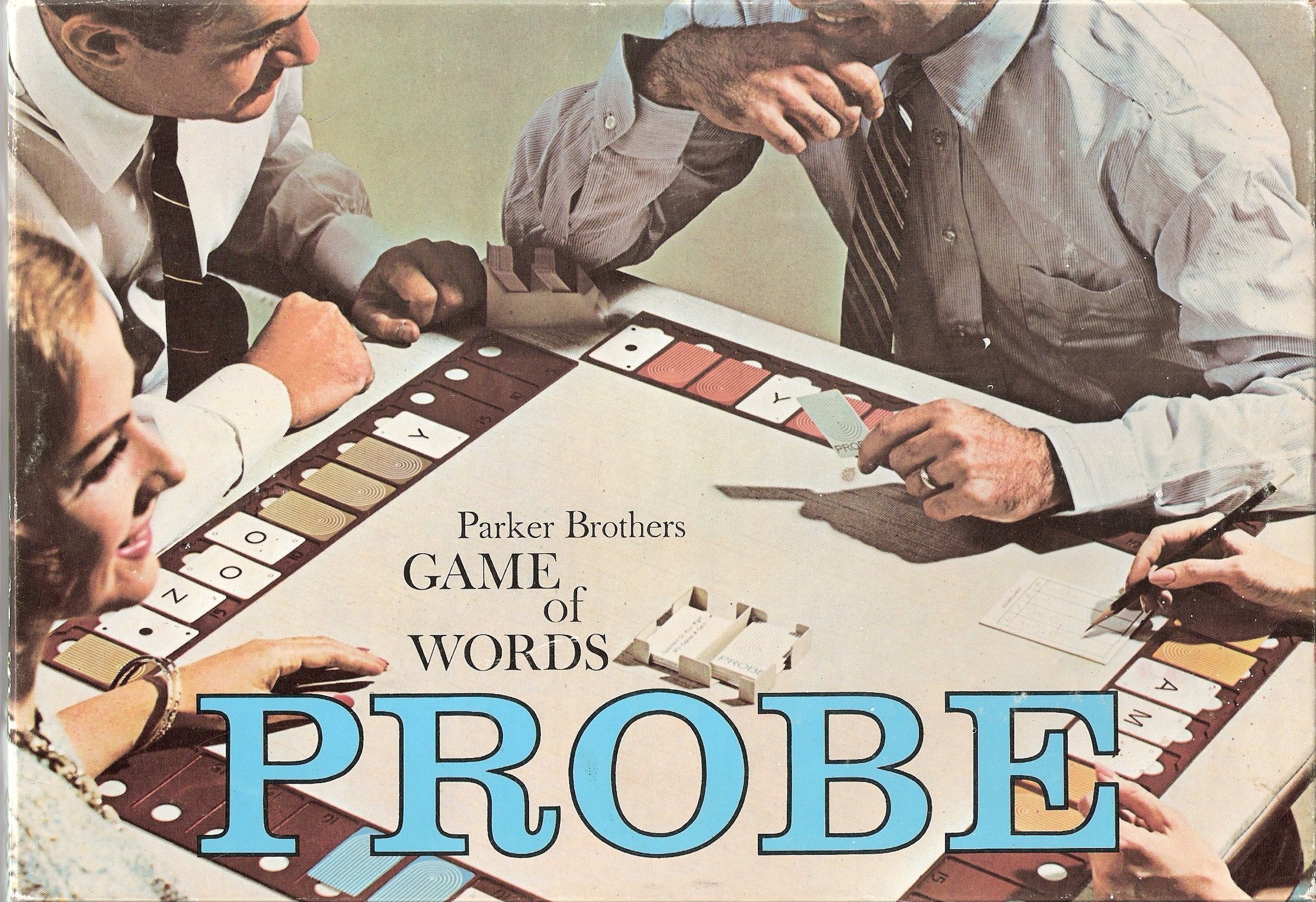
Probe
1964Hangman extended for up to four players, ending only when the last secret word is revealed.
- 2-4 giocatori
- 60 minuti
- Da 8 anni in su
A parlor or board game for two to four players, ages 8 and up, first released in 1964. Ted Leavitt created it and licensed it to Parker Brothers, who published it. Like Hangman, every player holds a secret word that the others try to uncover by revealing letters.
Secretly tip a tarot-driven balance of Light, Shadow and Harmony with up to seven players.
- 3-7 giocatori
- 45-90 minuti
- Da 14 anni in su
Scales of Influence is a hidden-role tarot game of social deduction. It was designed by Angelica Belo and published by Unphazed Games. The energy of the universe has been thrown off course by rival sages of Light and Shadow. Each player holds a secret alignment and wants the Scale to settle where it favours them.
di Angelica Belo · Unphazed Games
- 2-10 giocatori
- 10 minuti
- Da 12 anni in su
di Chris Cieslik
- 2-6 giocatori
- 10-40 minuti
- Da 8 anni in su
di Andrew Looney