ページを読み込んでいます…
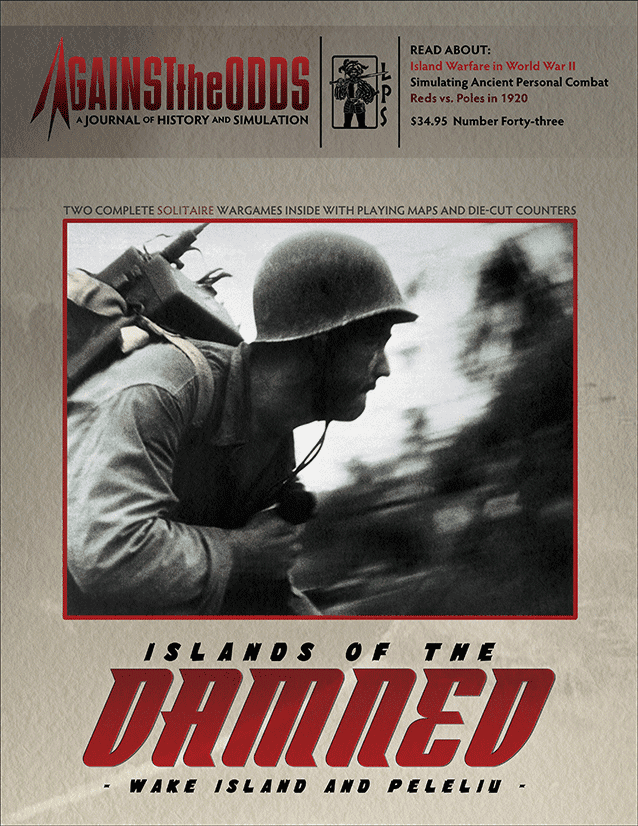
The One World is a board wargame set in the Aztec era, released by Simulations Canada in 1984. The setting is an internal struggle in the Mexican Basin under the Aztecs. You command a faction and aim to drive every rival out until you alone remain.
Simulations Canada
Race rivals through a dangerous realm, outmaneuver robber gangs and use runes to win 20 gold.
Treos is a strategy game of moderate complexity with a touch of luck. Arne aus dem Siepen designed it and Lookout Games published it. You are a traveller who sets out from your city into dark forests and dangerous roads to buy a luck potion on the black market. Rival travellers race you for the same gold.
- Pictionary
ピクショナリー
1985- 3〜16人
- 90分
- 12歳以上
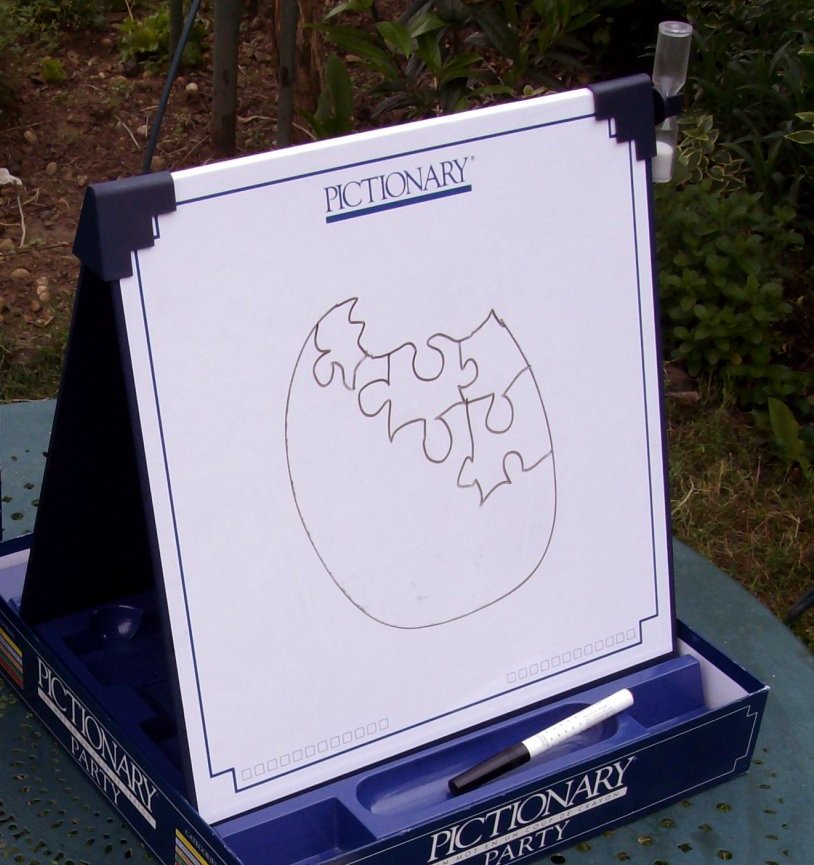
Pictionary is a word-guessing game inspired by charades, for 3 to 16 players aged 12 and up. Robert Angel designed it, and it was first published in 1985. Players split into teams, and each team tries to name the words its own members sketch. The aim is to win the race to the board's Finish square.
Robert Angel
Rest In Peace
2021- 2人
- 15分
- 8歳以上
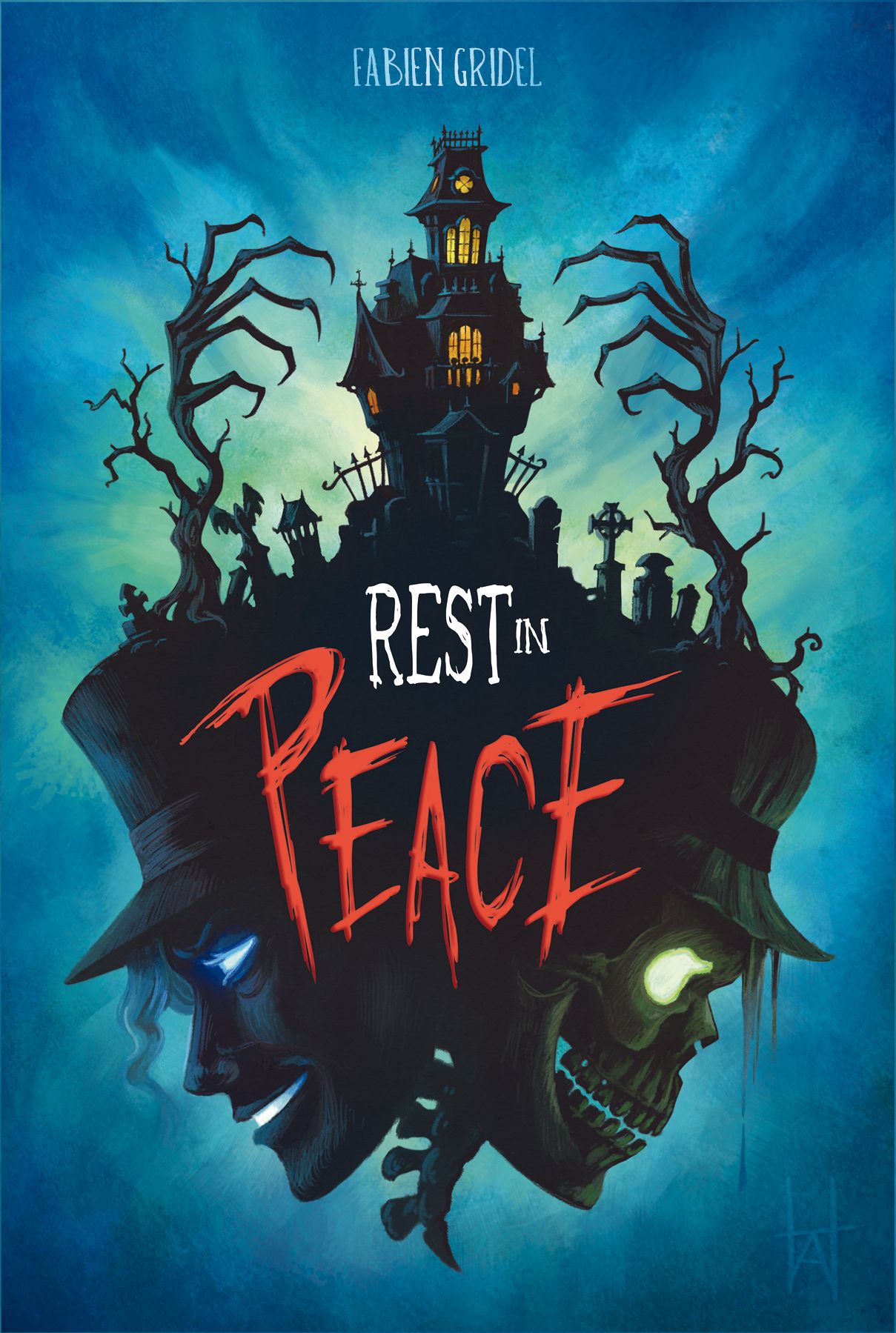
A two-player tactical card game in which each player commands a family of ghost cards numbered 1 to 6 and bids for control of mansions. Losing a mansion earns a psychic card with a helpful power, and the first to control enough castles or manors wins.
- 1〜6人
- 2人
- 1〜5分
- 5歳以上
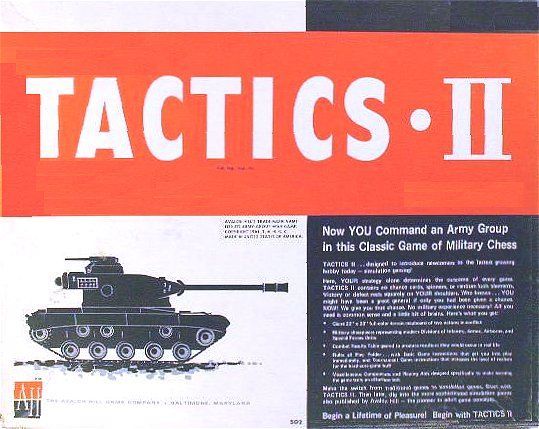
Tactics II
1958Roberts's follow-up to Tactics, with a revised map and more detailed unit counters.
- 2人
- 120分
- 12歳以上
Tactics II is a two-player wargame by Charles S. Roberts, released by Avalon Hill in 1958 and suited to players aged 12 and up. The game is a wargame played on a map with unit counters, and its design closely follows its predecessor.
Charles S. Roberts
- 2〜4人
- 90〜120分
- 12歳以上
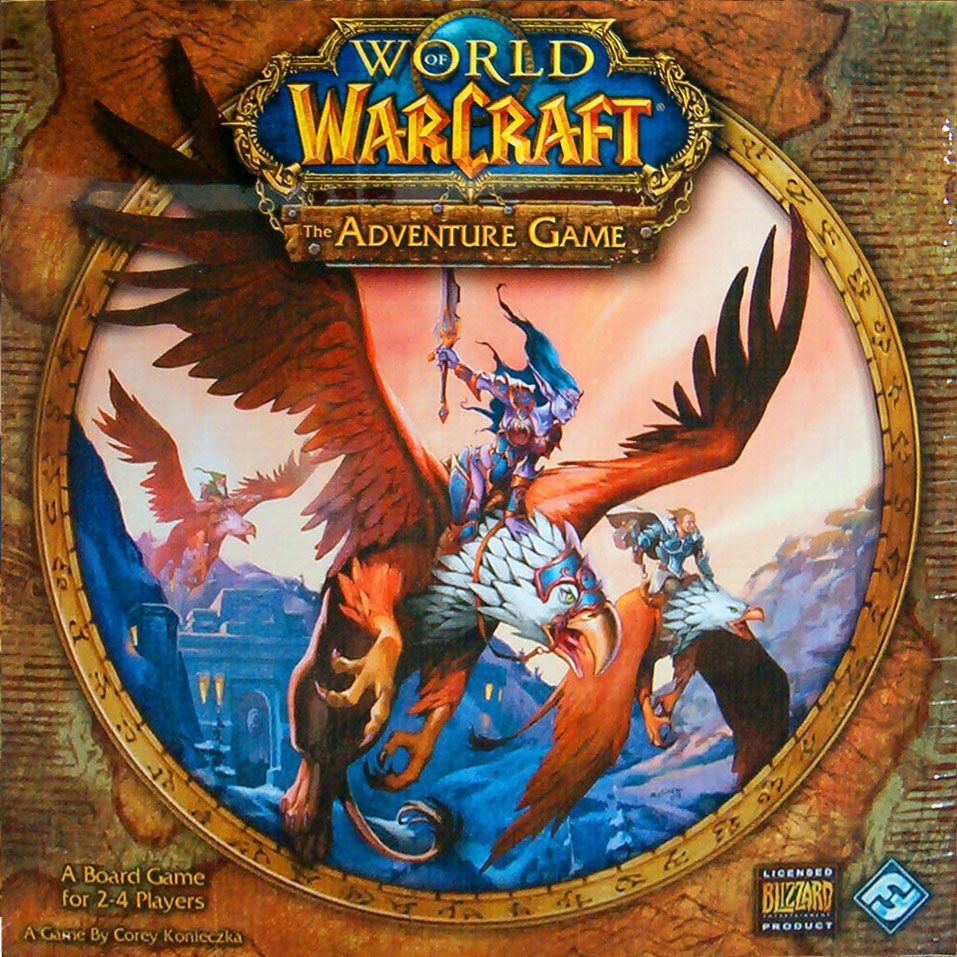
Corey Konieczka, Daniel Clark (I)
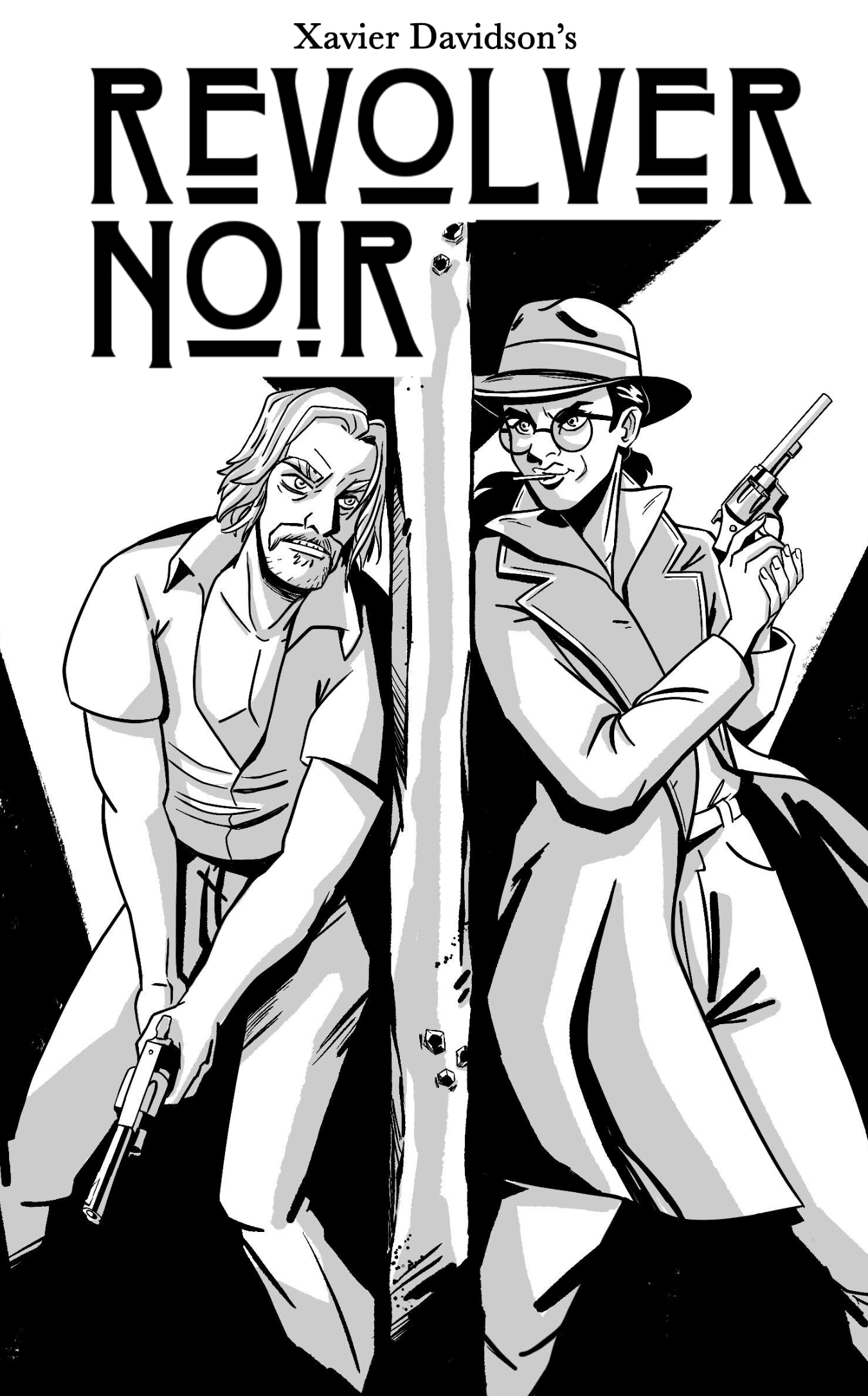
Revolver Noir
2021- 2人
- 15分
- 10歳以上
A two-player deduction card game in which each player is a detective hunting a hostile unknown opponent in a dark mansion, trying to land two hits before being hit twice.
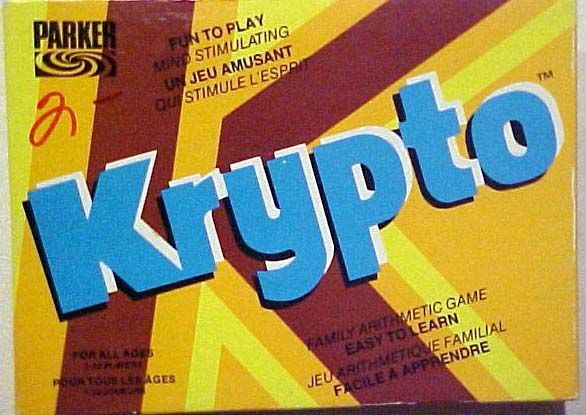
- Krypto
クリプト (カードゲーム)
1963A fast arithmetic race in which everyone combines the same five cards to hit a target number.
- 1〜10人
- 10分
- 8歳以上
Krypto is an arithmetic card game from 1963, created by Daniel Yovich and aimed at players aged 8 and up. It is a short game that can be played by anywhere from one to ten people. Everyone sees the same five face-up cards and a sixth card that holds a target number.
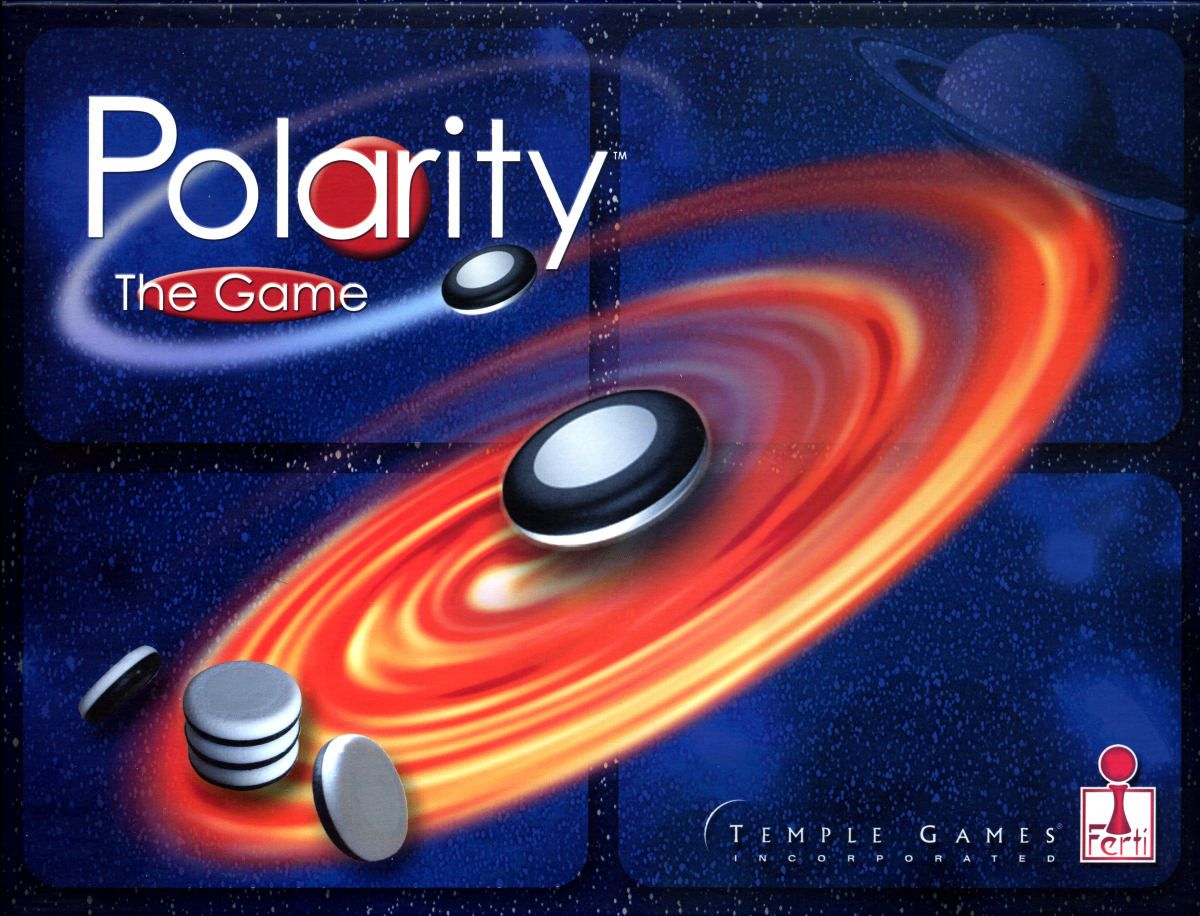
Polarity
1986board game that requires strategic thinking and dexterity to control hovering magnetic discs
- 2〜4人
- 20分
- 8歳以上
Polarity is a two to four player strategy and dexterity game for ages eight and up, playing in about twenty minutes. It was published in 1986 by Blue Opal, Ferti, IRWIN Games and Temple Games, Inc. You stack magnetic discs to score points, trying to build towers in your own colour while keeping them from toppling.
Flying Fortress I and Flying Fortress II are different versions of the same board wargame published by Poultron Press in 1969 that simulates the American bombing campaign over Europe during World War II.
- 1人
- 180分
- 14歳以上
Lembit Tohver, Steven Cunliffe
- 2〜5人
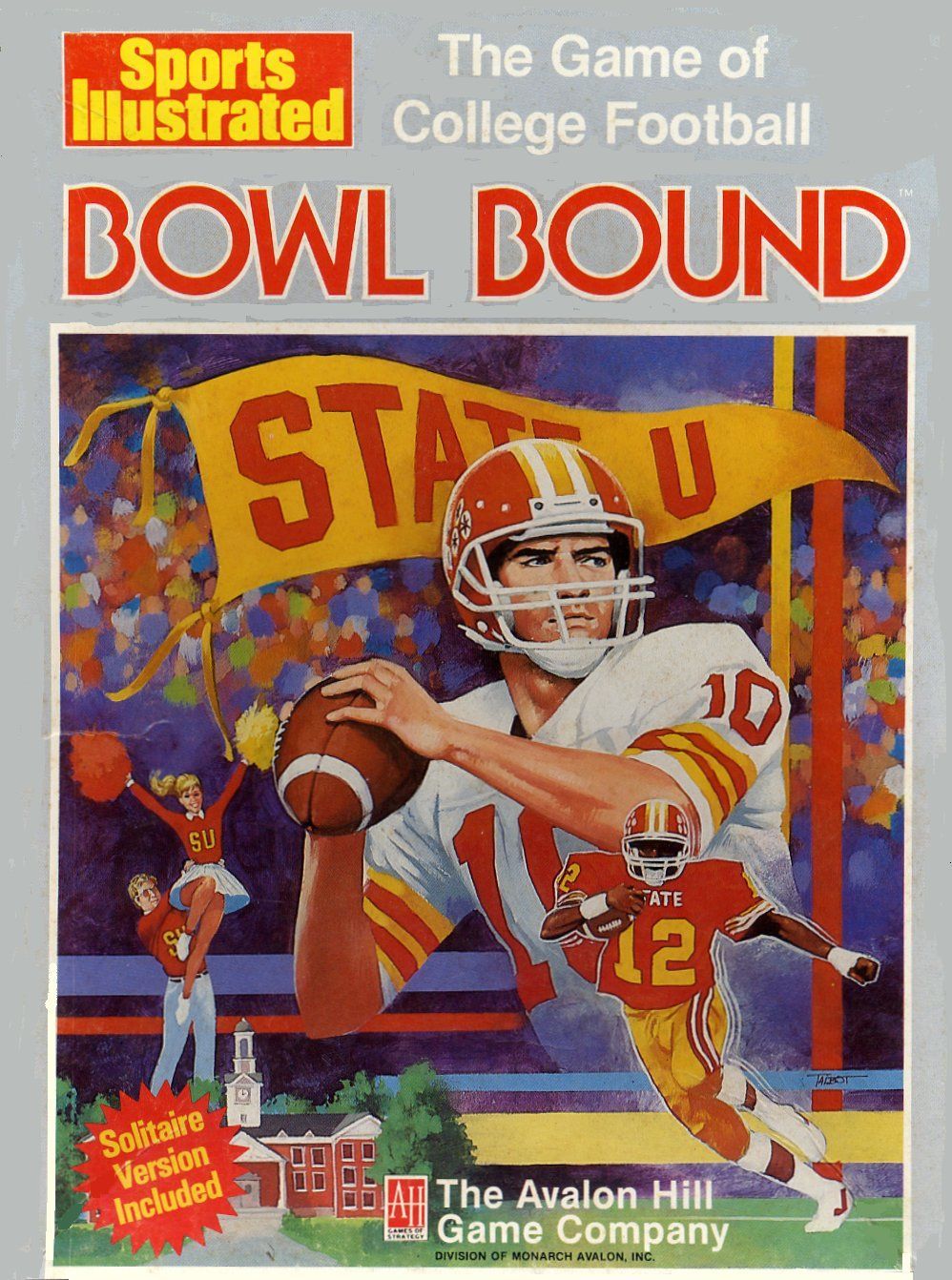
Bowl Bound
1973College football from 1960 to 1970 with real team grids and weighted dice rolls.
- 1〜4人
- 60分
- 12歳以上
Bowl Bound is a 1973 college football board game for 1 to 4 players, aged 12 and up, with a playing time of about 60 minutes. It was published by Sports Illustrated and The Avalon Hill Game Co.
- 2人
- 60分
- 14歳以上
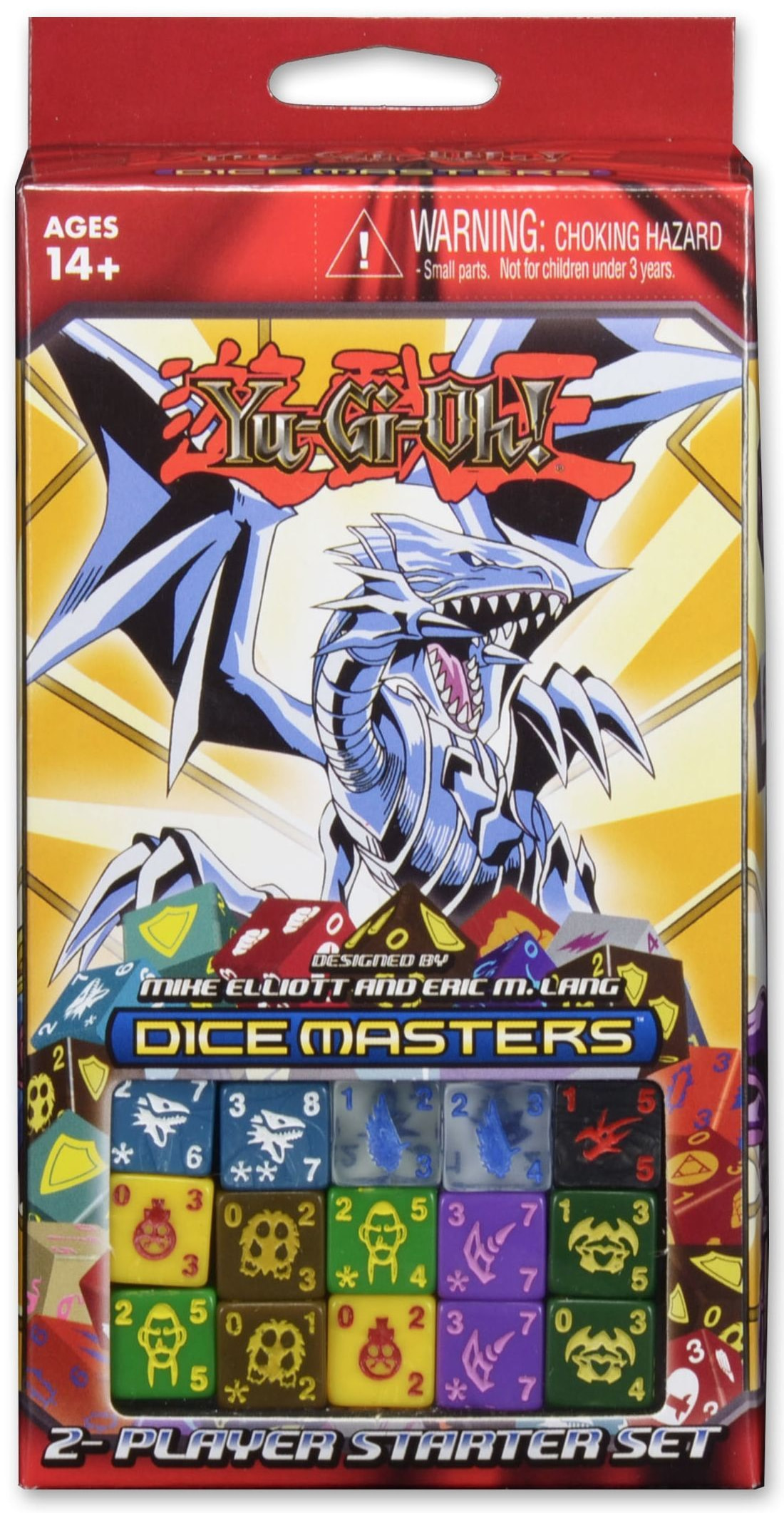
Eric M. Lang, Mike Elliott
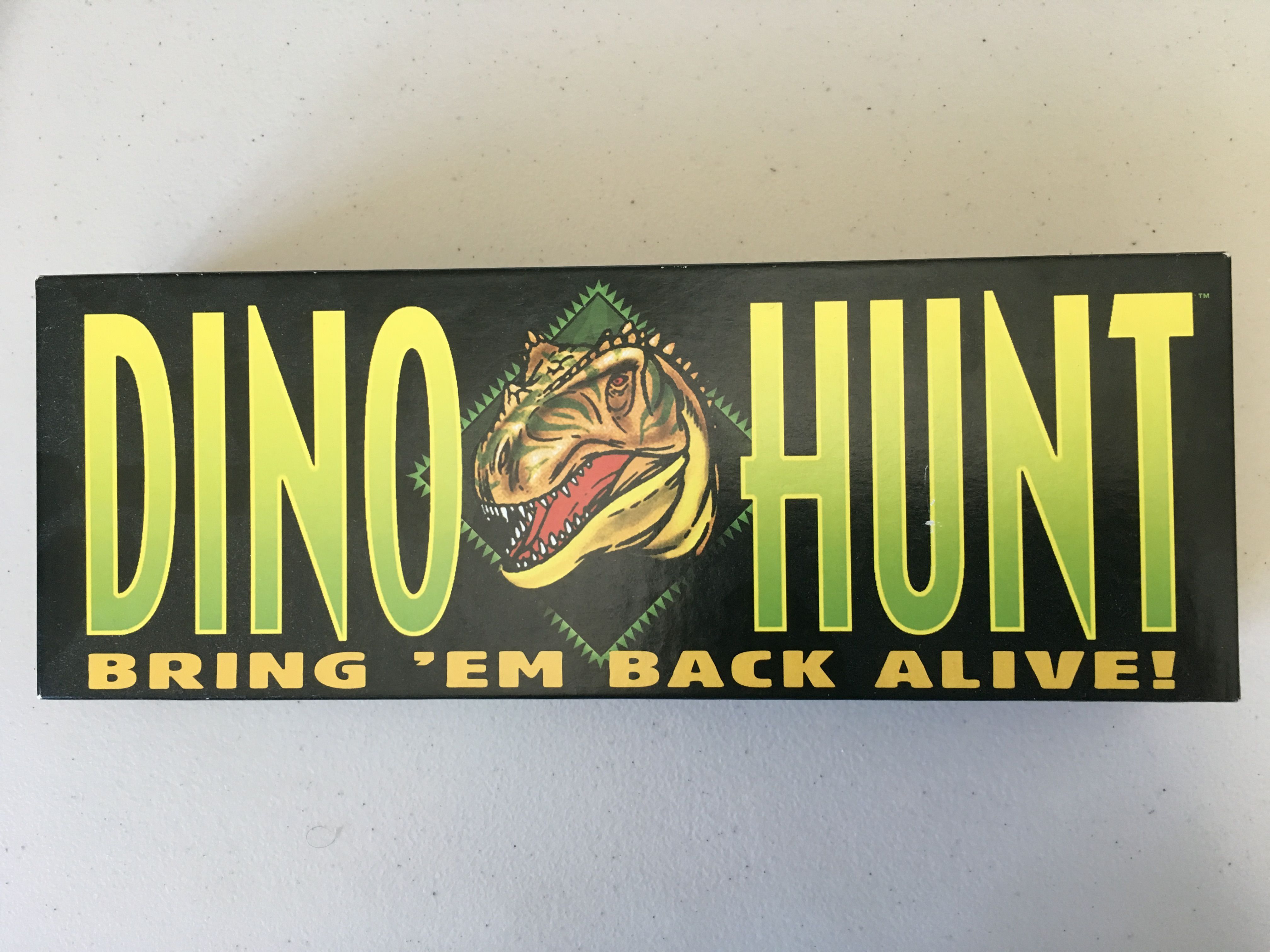
Dino Hunt
1996Time-travel card hunt where teams trap dinosaurs for science and theme parks, scored by value.
- 2〜4人
- 60分
- 8歳以上
A 1996 card game for 2 to 4 players, age 8+, designed by Steve Jackson and published by Steve Jackson Games and Pegasus Spiele. It is an educational game with a playing time of about 60 minutes.
Steve Jackson · Steve Jackson Games
- 2〜4人
- 45〜60分
- 10歳以上
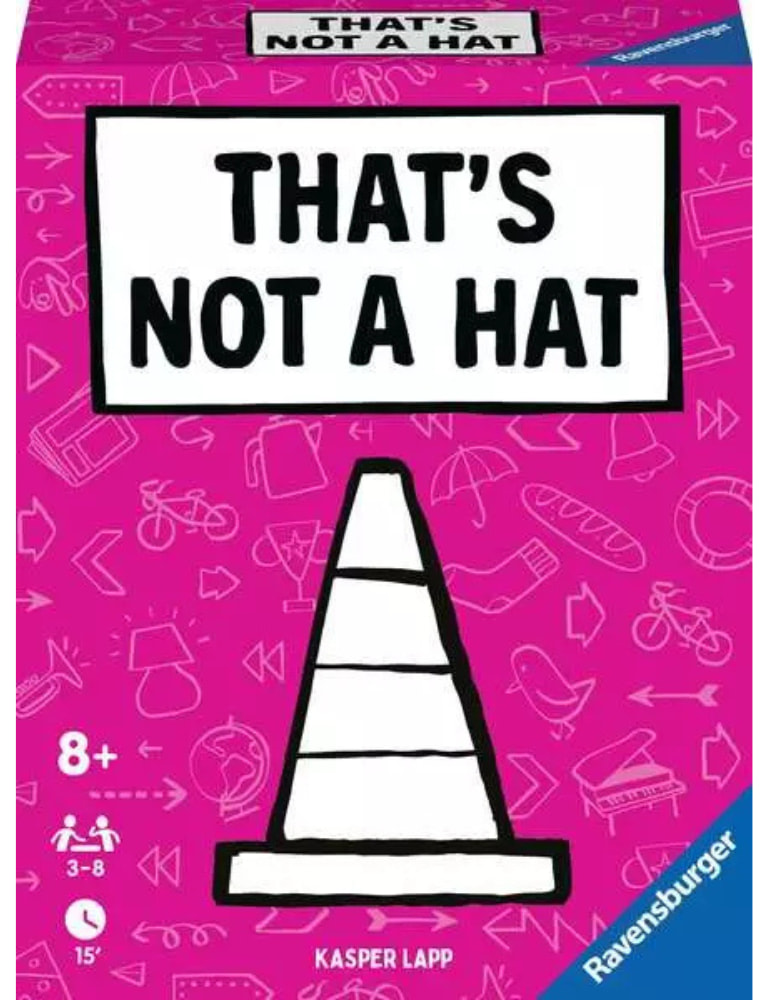
That's not a Hat
2023- 3〜8人
- 15分
- 8歳以上
A Ravensburger memory and bluffing card game where players pass face-down gift cards and must name what they are handing over, or convince others they remember.
Kasper Lapp
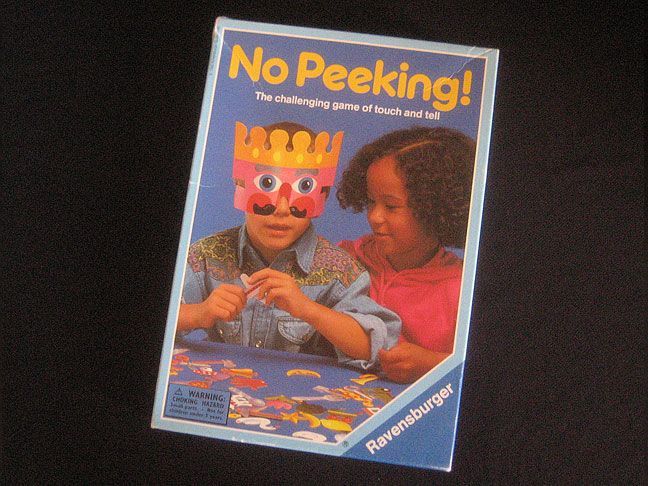
A party game where you draw a secret word without looking at your sketch while others race to guess it.
- 2〜6人
- 15分
- 8歳以上
Ben Kepner
- 2〜6人
- 20分
- 6歳以上
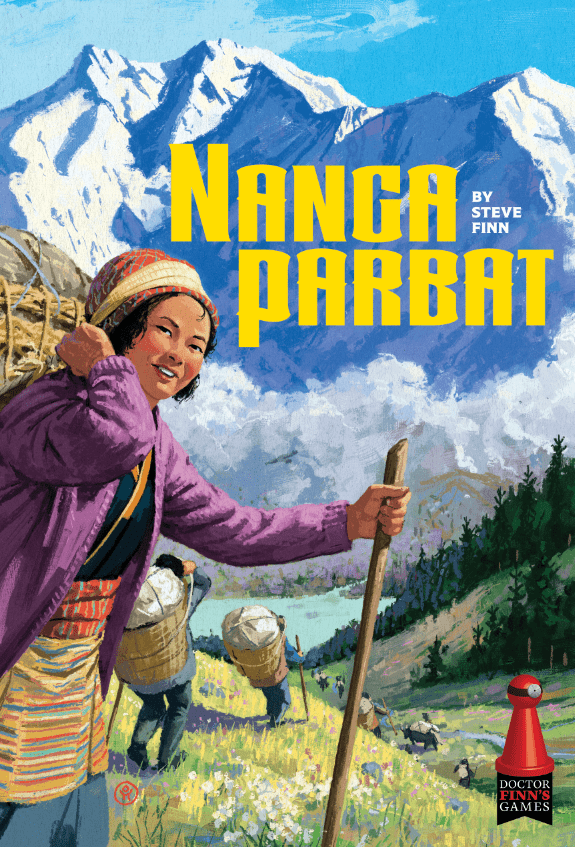
Nanga Parbat
2021- 2人
- 30分
- 14歳以上
A two-player abstract game in which each side plays a Sherpa guide, alternately placing fifteen hikers to set up camps and trap animals on the mountain for the most points.
Steve Finn
- 1〜6人
- 60分
- 10歳以上
Sébastien Pauchon, Vincent Goyat