ページを読み込んでいます…
- 2〜6人
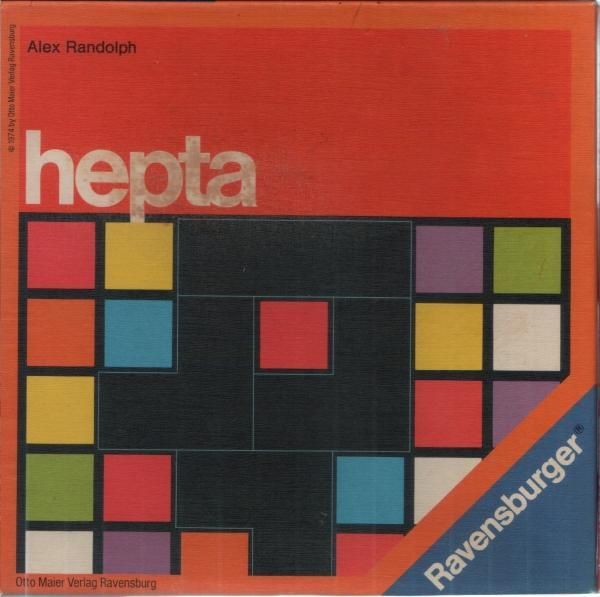
Hepta
1974A two-player shape-placing game where only concentration and tactics decide, with no luck involved.
- 1〜2人
- 20分
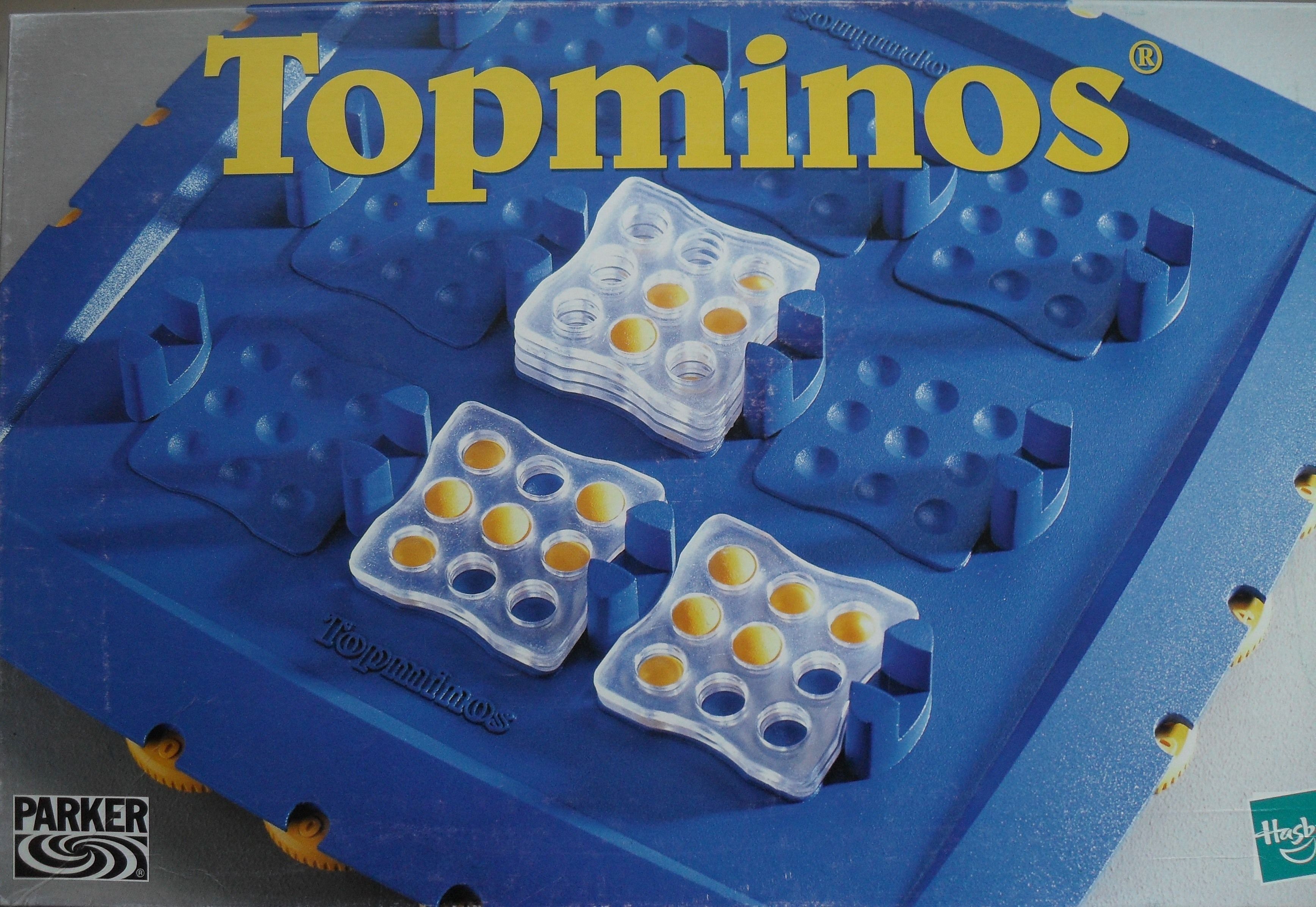
Hepta is a two-player strategy game of placing shapes, suited to 1 to 2 players and lasting about 20 minutes. It was published in 1974, designed by Alex Randolph and issued by Arxon, Ideal, Otto Maier Verlag and Ravensburger. Each player works to lay all of their own shapes on the shared board.
Alex Randolph · Ravensburger AG
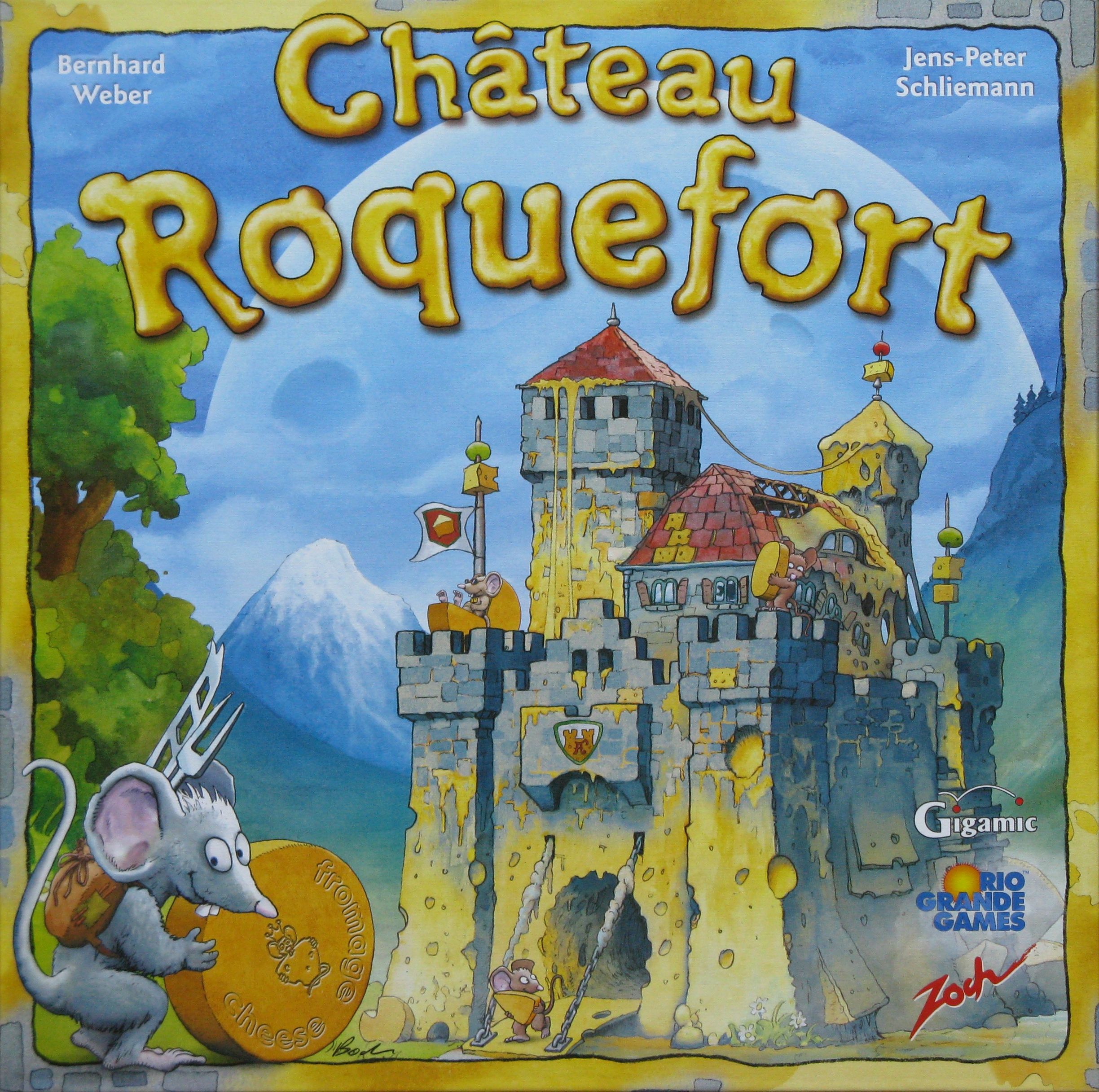
Hidden mice race through a shifting castle, grabbing cheese and dodging traps.
- 2〜4人
- 30分
- 8歳以上
A children's board game for two to four players aged 6 and up, released in 2007 and designed by Bernhard Weber and Jens-Peter Schliemann. It has been published by 999 Games, Enigma and others.
Bernhard Weber, Jens-Peter Schliemann
- 2人
- 120分
- 12歳以上
Irad B. Hardy
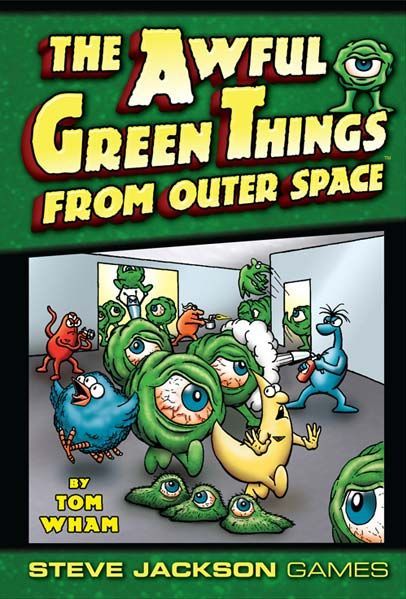
- The Awful Green Things From Outer Space
Outnumbered crew battle regenerating green aliens across their own ship in this two-player duel.
- 2人
- 60〜90分
- 12歳以上
A two-player space combat board game for ages 12 and up, playing in 60 to 90 minutes. Tom Wham designed it, and Steve Jackson Games, TSR and Grow Jogos e Brinquedos published it. Aboard a ship, a crew of 22 defends itself against a green alien infestation that begins with eleven or twelve creatures.
Tom Wham
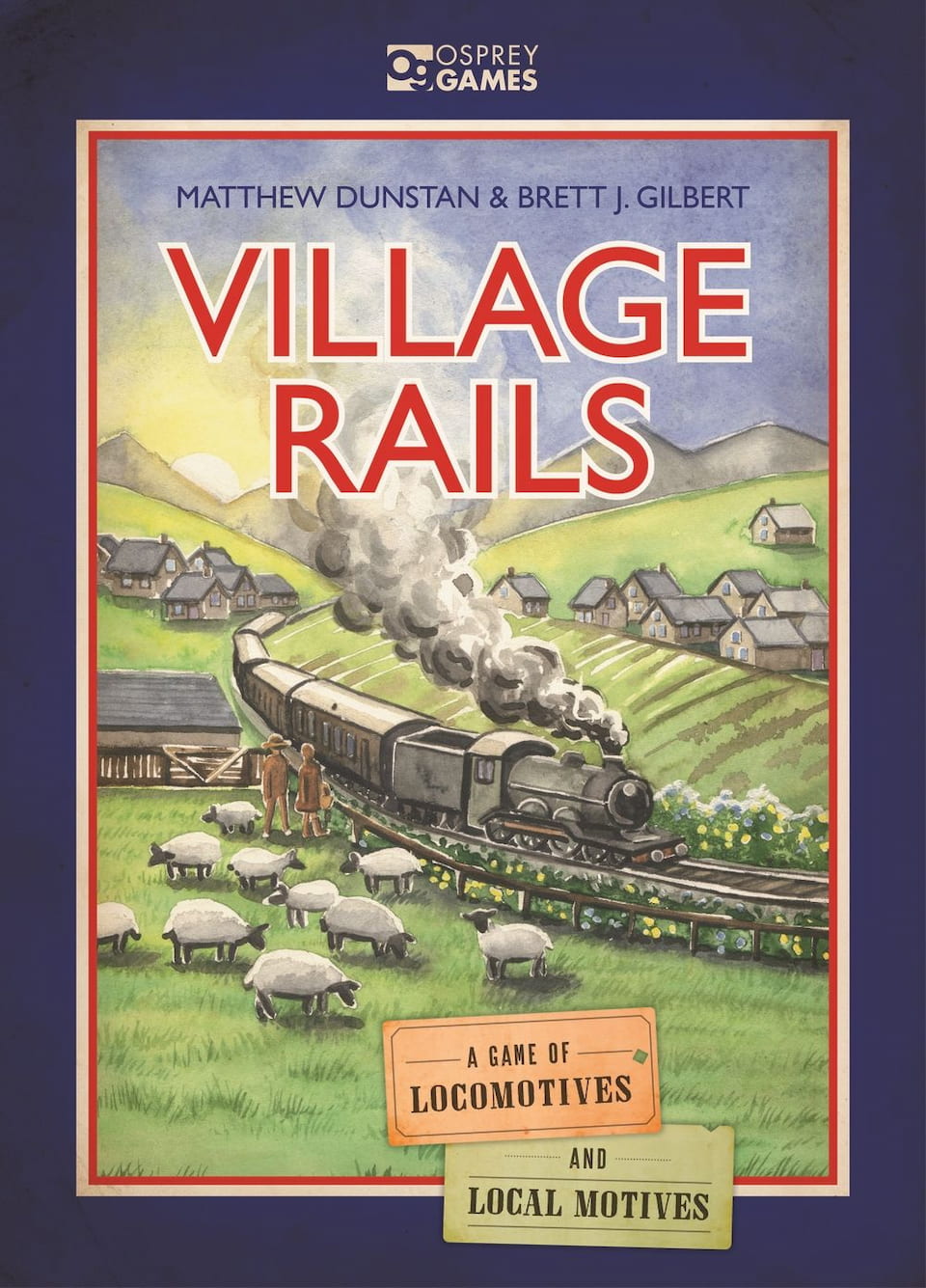
Village Rails
2022- 2〜4人
- 45分
- 14歳以上
- 2〜4人
- 45〜60分
- 8歳以上
Joe Bradford
- 2〜6人
- 240分
- 12歳以上
Jim Dunnigan
- 2〜5人
- 75〜100分
- 18歳以上
Fel Barros, Renato Silva Sasdelli
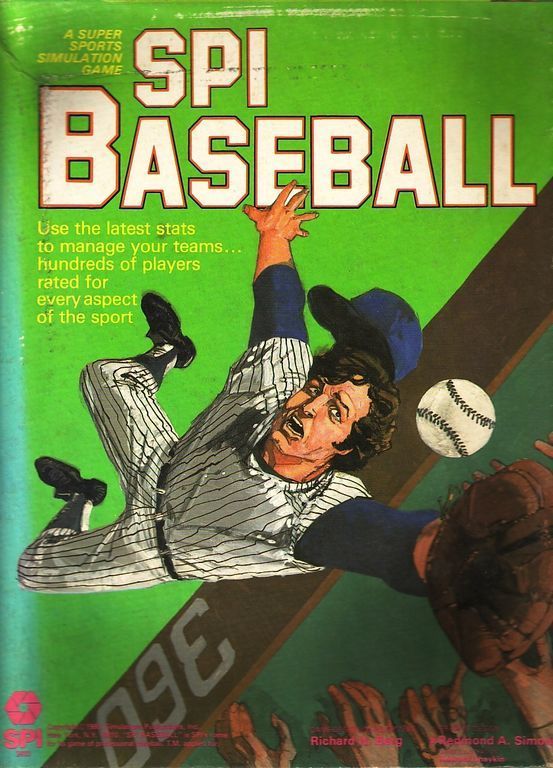
SPI Baseball
1980A dice-and-hit-chart baseball game focused on individual player performance.
- 2人
- 30分
- 10歳以上
Released in 1980, this two-player baseball title for ages 10 and up was devised by Richard H. Berg and issued by SPI (Simulations Publications, Inc.). The game centres on baseball teams such as the Braves, Padres, Giants, Orioles and Angels, with the spotlight on how individual players perform.
Richard H. Berg
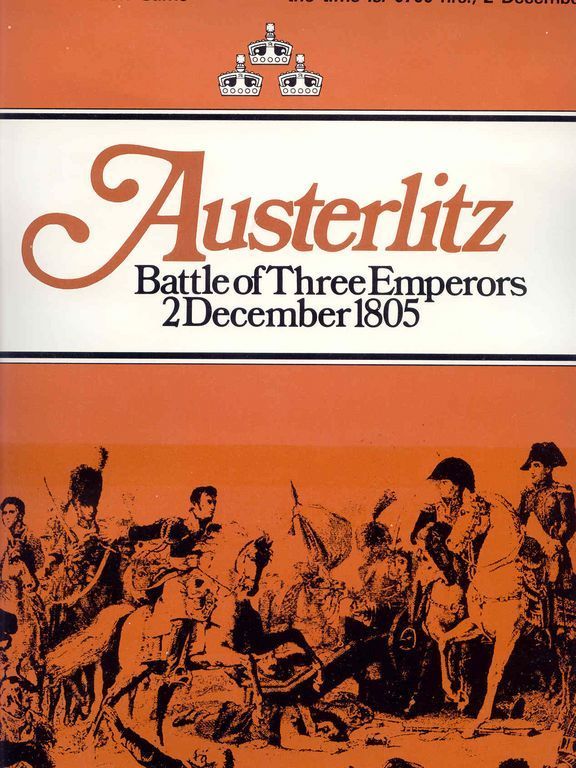
Two-player wargame of Austerlitz where each hour-long turn alternates between the two opposing sides.
- 2人
- 180分
- 12歳以上
A two-player board wargame for ages 12 and up, designed by John Young and published by Simulations Publications, Inc. in 1972, with a playing time of 180 minutes. The game recreates the Battle of Austerlitz, pitting Napoleon's French army against the Austro-Russian armies of the Third Coalition.
John Young · Simulations Publications, Inc.
- 3〜5人
- 30〜60分
- 18歳以上
Bill Eberle, Greg Olotka
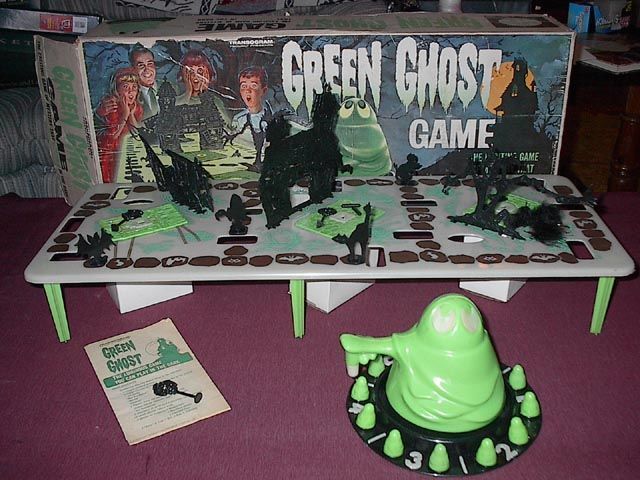
Green Ghost
1965A 1965 board game meant to be played in the dark, with hidden pits and ghost kids to collect.
- 2〜4人
- 30分
A 1965 board game for two to four people, with a playing time of about thirty minutes, originally issued by Transogram. Ghost kids lie hidden in three pits, and each player tries to gather them by unlocking the pits with keys they hold.
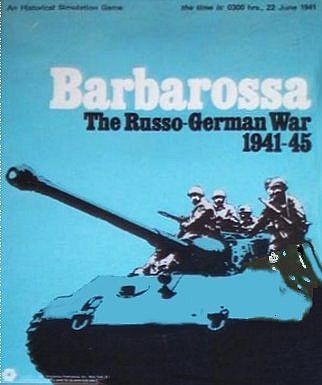
SPI's most popular Test Series wargame, covering the entire Eastern Front from 1941 to 1945.
- 2人
- 360分
- 14歳以上
Barbarossa: The Russo-German War 1941-45 is a two-player board wargame designed by Jim Dunnigan and published by SPI in 1969, suited to players aged 14 and up. The game recreates the struggle between Germany and the Soviet Union on the Eastern Front of the Second World War.
Jim Dunnigan · Simulations Publications, Inc.
- 2〜4人
- 30分
- 8歳以上
Asger Harding Granerud, Daniel Skjold Pedersen
RAILWAY PORTERS
2026Push your luck with luggage dice: keep rolling, or pass your leftover dice to rivals at the station.
- 2〜4人
- 30分
- 10歳以上
Railway Porters is a dice game of pushing your luck, aimed at families and at people new to dice, designed by Saashi and published by Saashi & Saashi. Set in the early twentieth century, you run luggage from station entrances to the waiting trains.
Saashi · Saashi & Saashi
- What the Heck?
ハゲタカのえじき
1988A bluffing bid game where the winning number is the one nobody else picks.
- 2〜5人
- 20分
- 8歳以上
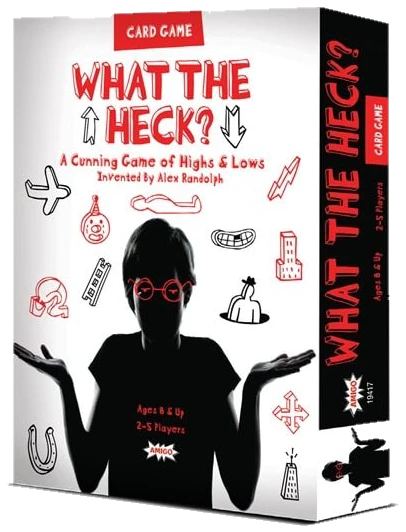
What the Heck? is a card game for 2 to 5 players aged 8 and up, playing in about 20 minutes. Alex Randolph designed it, and Amigo, Asmodee, Corfix, Dal Negro and F.X. Schmid published it. Each round a Mouse or a Vulture is up for grabs, and players compete through secret bids made with numbered cards.
Alex Randolph
- 2〜4人
- 60〜90分
- 12歳以上
James M. Day
- 2〜3人
- 120分
- 12歳以上
Kerry Anderson