ページを読み込んでいます…
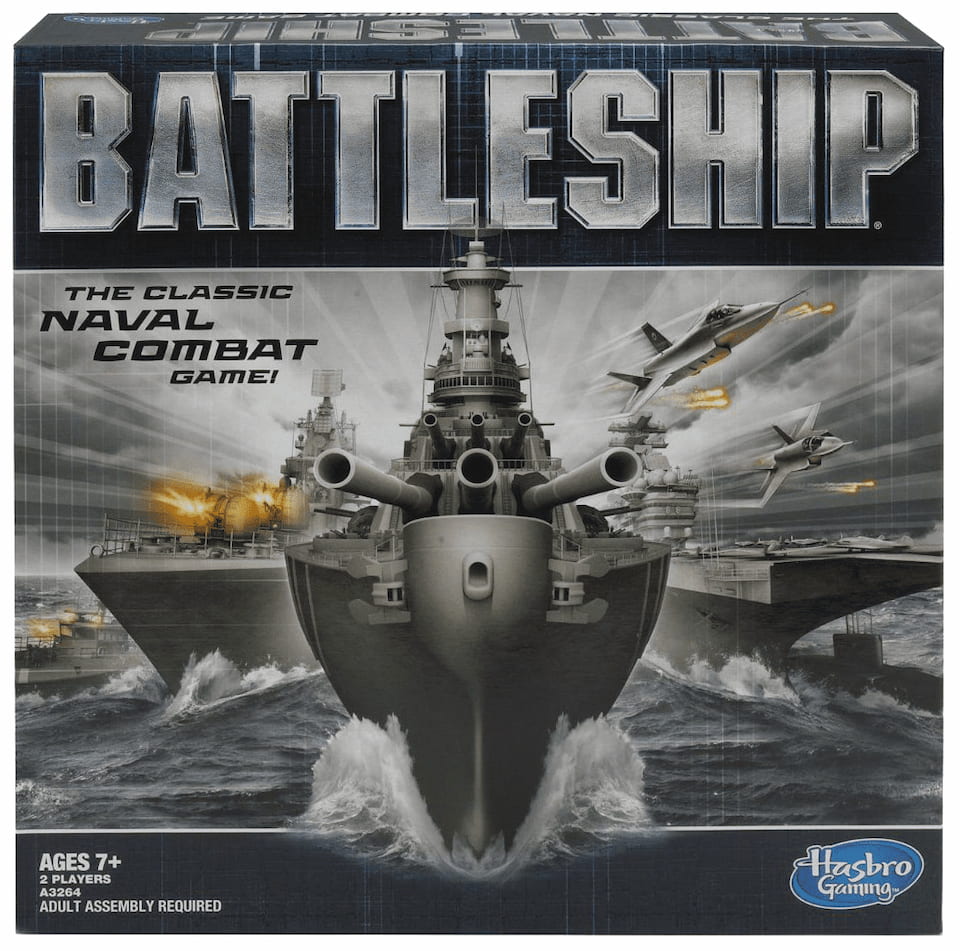
- Battleship
海戦ゲーム
1931- 2人
- 30分
- 8歳以上
Battleship is a two-player strategy guessing game for ages 8 and up, first published in 1931 by companies including 3M and AG Müller. It is a quick game, with a typical playing time of about 30 minutes. Each player keeps a fleet of warships hidden from the rival.
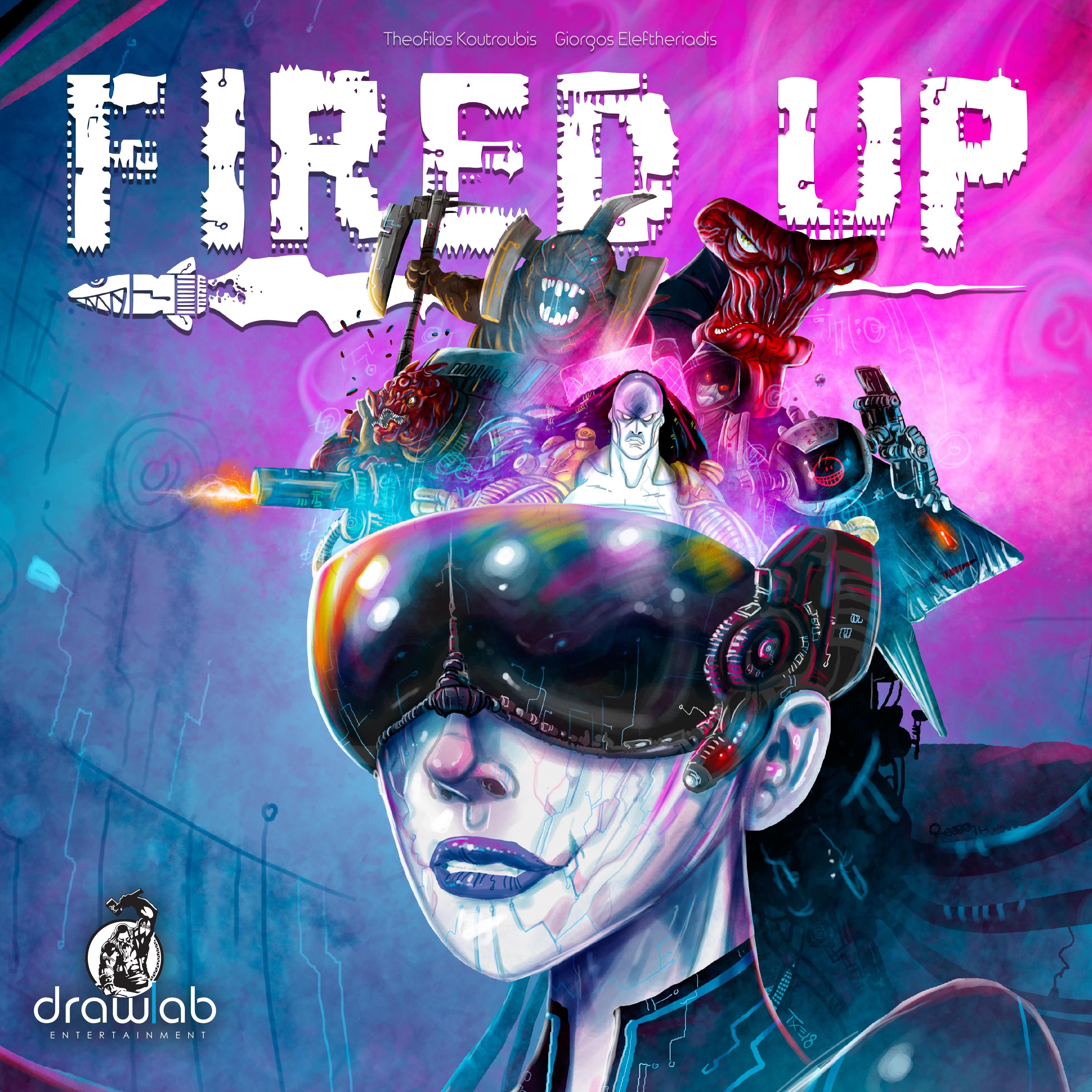
Fired Up
2021- 2〜5人
- 45〜90分
- 12歳以上
Players are spectators of a futuristic arena battle who secretly bet on fighters' highlights and use dice to sway the fights, until at most one fighter remains.
- 2人
- 120〜1440分
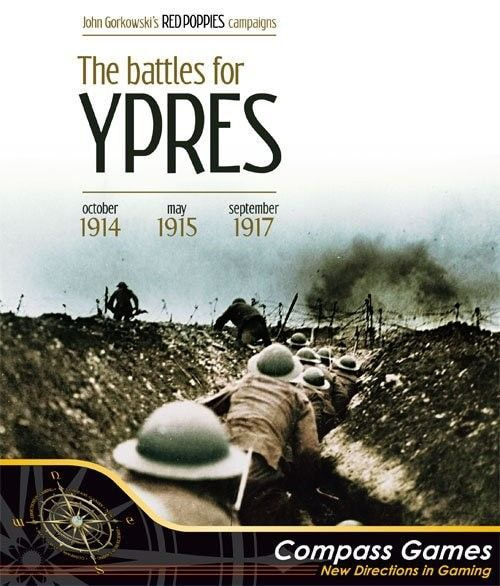
John Gorkowski
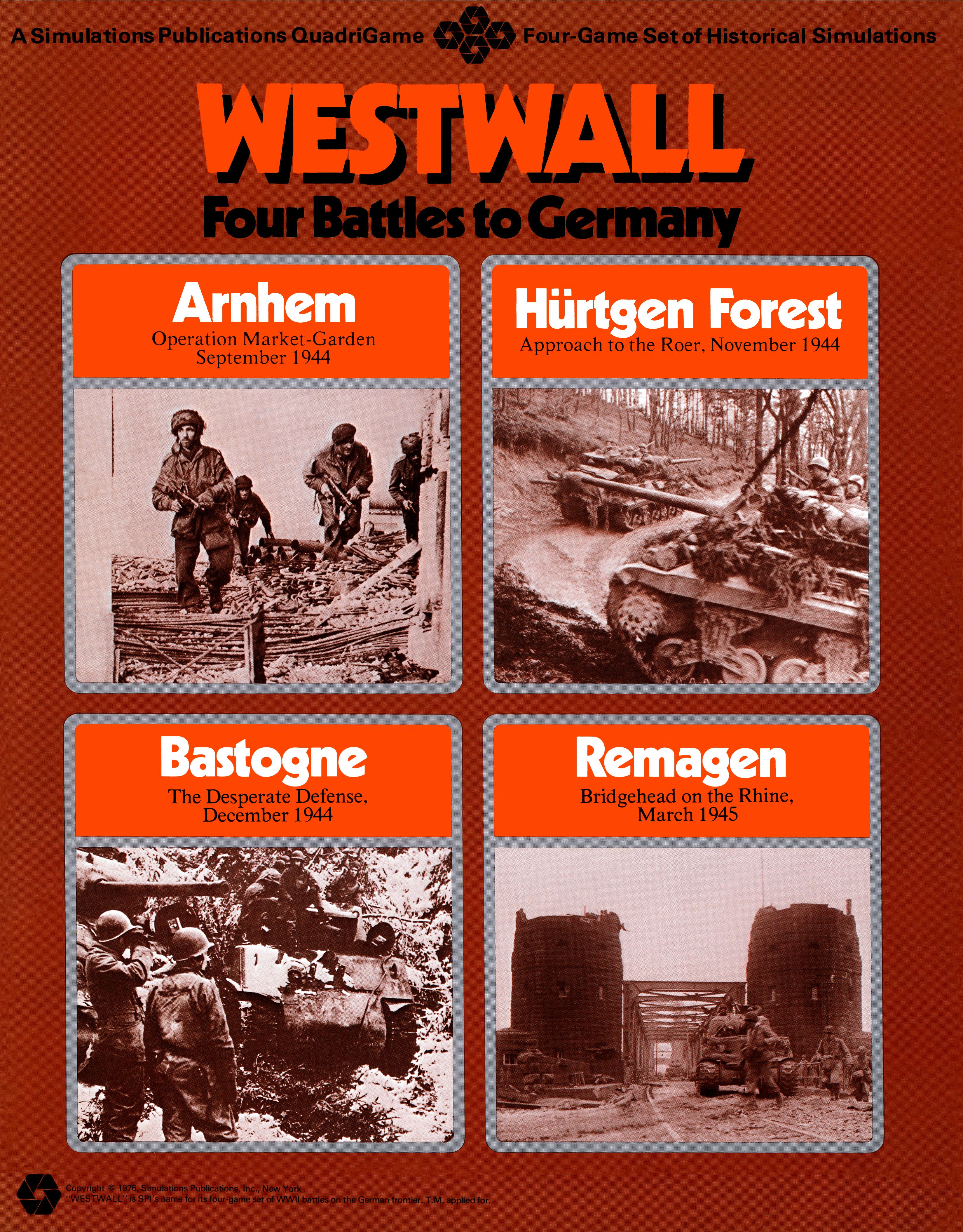
Four WWII battle wargames from late 1944 and early 1945, built on one revised turn system.
- 2人
- 120分
- 12歳以上
WestWall: Four Battles to Germany is a two-player wargame collection for players aged 12 and up, designed by Kip Allen and published by SPI and Six Angles. It bundles four separate board wargames into one package, with a playing time of about 120 minutes.
Kip Allen
The March on India, 1944 is a board wargame published by JagdPanther Publications in 1975 that simulates the two-pronged Japanese assault against Indian border towns Kohima and Imphal during World War II.
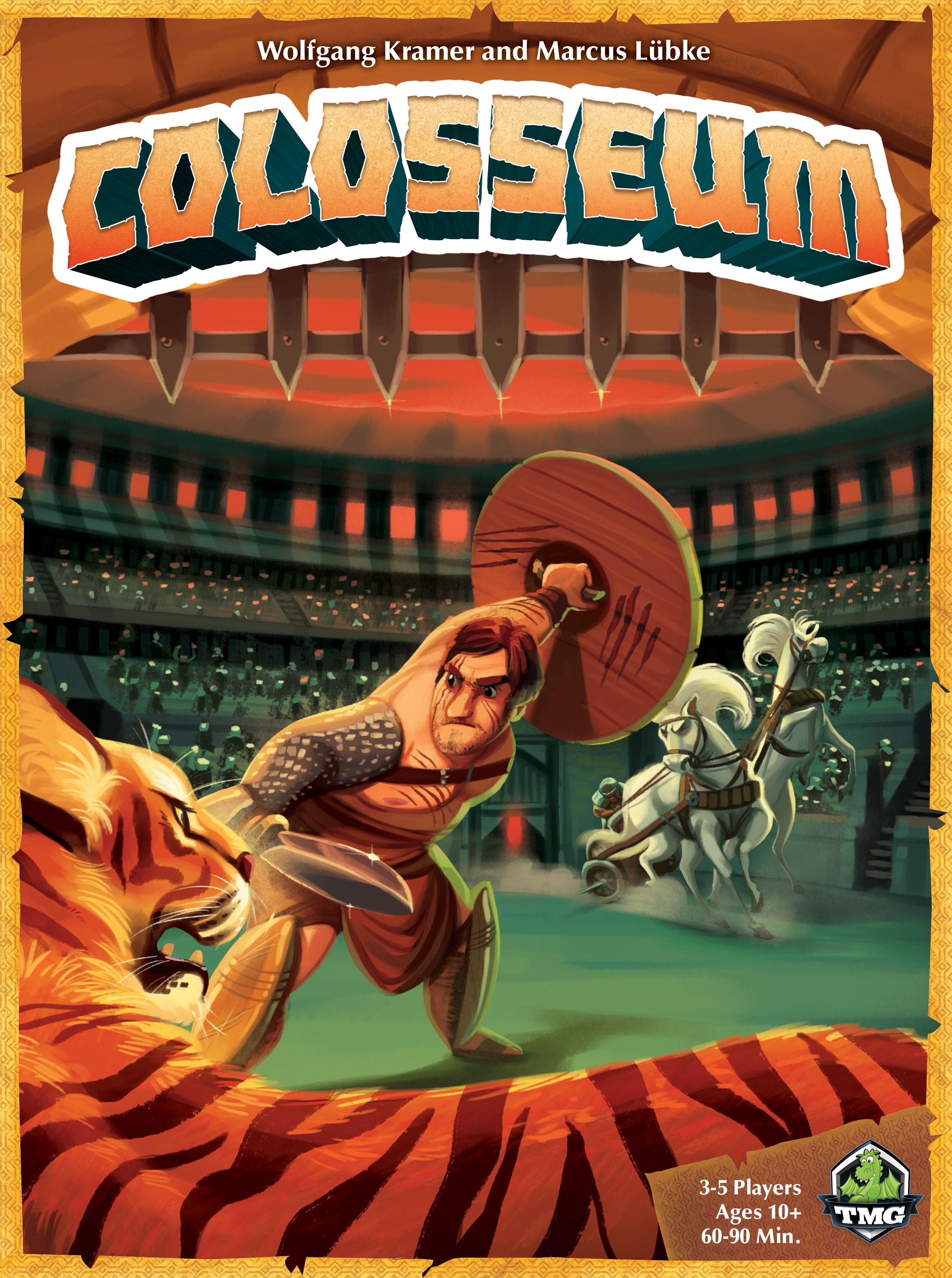
Colosseum
2007Expand your arena, stage events and draw crowds with nobles and emperor medals.
- 3〜5人
- 60〜90分
- 10歳以上
Colosseum is a board game for three to five players aged 10 and up, lasting about 60 to 90 minutes. Wolfgang Kramer and Markus Lübke designed it, and Days of Wonder published it in 2007. Each player runs an arena where staged events draw crowds. Your aim is to attract more spectators to your events than your rivals do.
Wolfgang Kramer · Days of Wonder
- 1〜2人
- 5〜20分
- 13歳以上
Darrell Louder, Mike Mullins
Indian Ocean Adventure: The Japanese Raids on Ceylon is a board wargame published by Game Designers' Workshop (GDW) in 1978 that simulates the Indian Ocean raid by a Japanese aircraft carrier fleet during World War II.
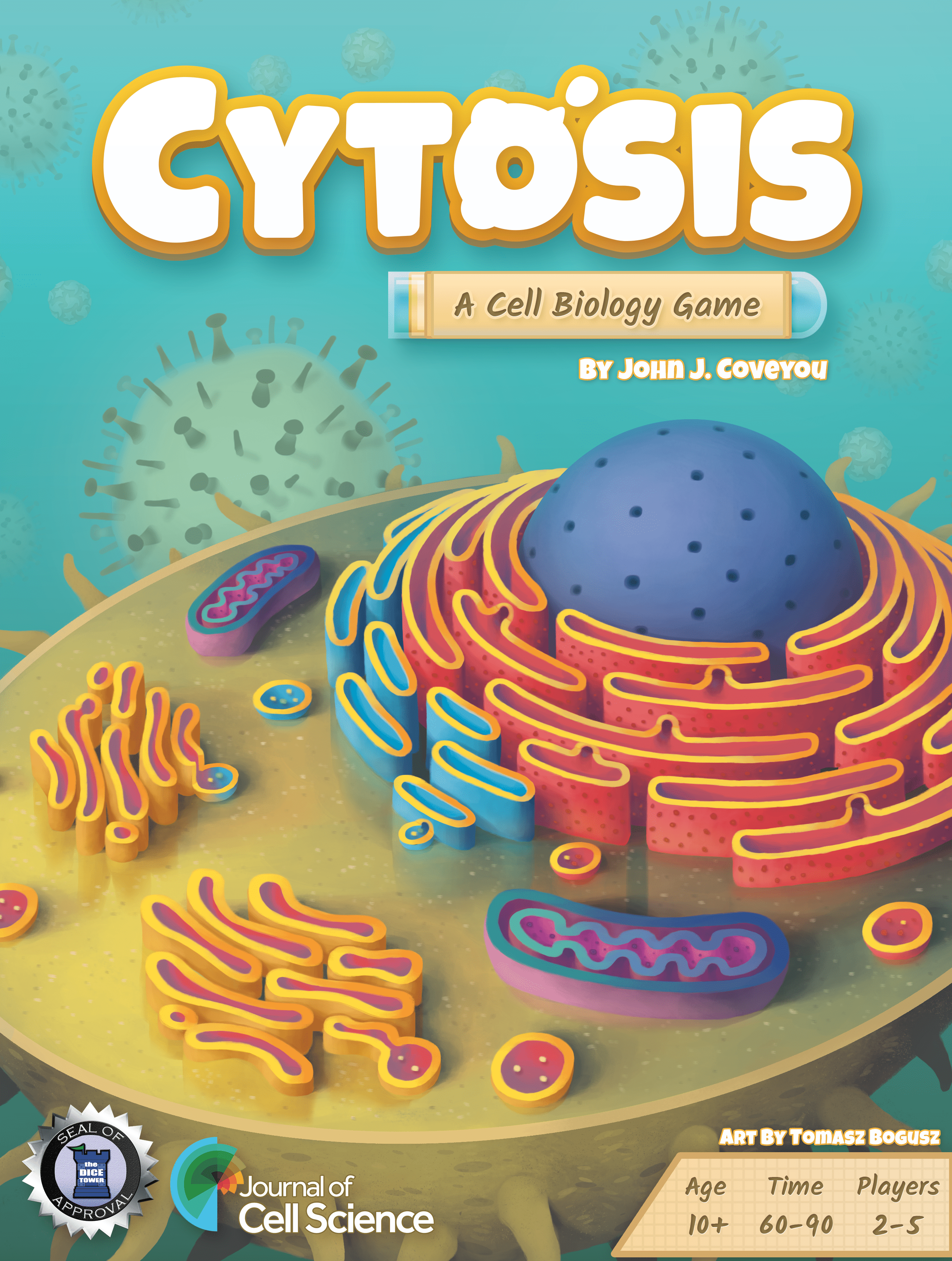
Keep a human cell healthy in this worker placement game of cell biology.
- 2〜5人
- 60〜90分
- 10歳以上
This two- to five-player worker placement title, suited to ages 10 and up, comes from designer John Coveyou and the publisher Genius Games. Your goal is to keep a human cell healthy by running its day-to-day operations. Every choice you make should support the cell's overall wellbeing.
John Coveyou · Genius Games
- 2〜10人
- 15分
- 10歳以上
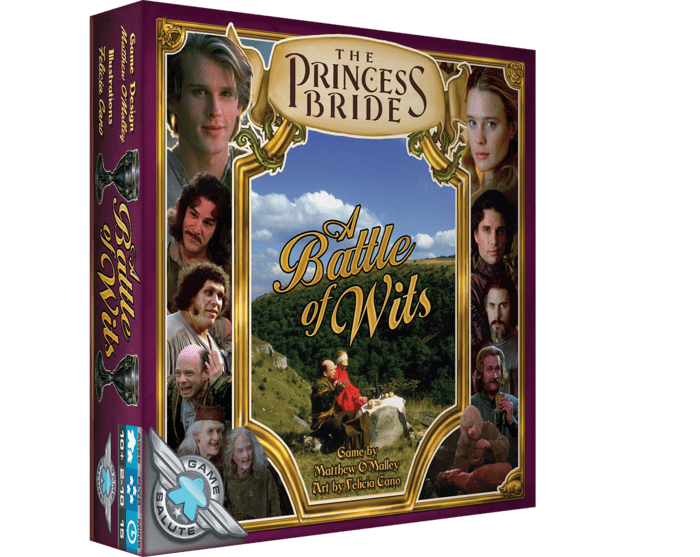
Matthew O'Malley
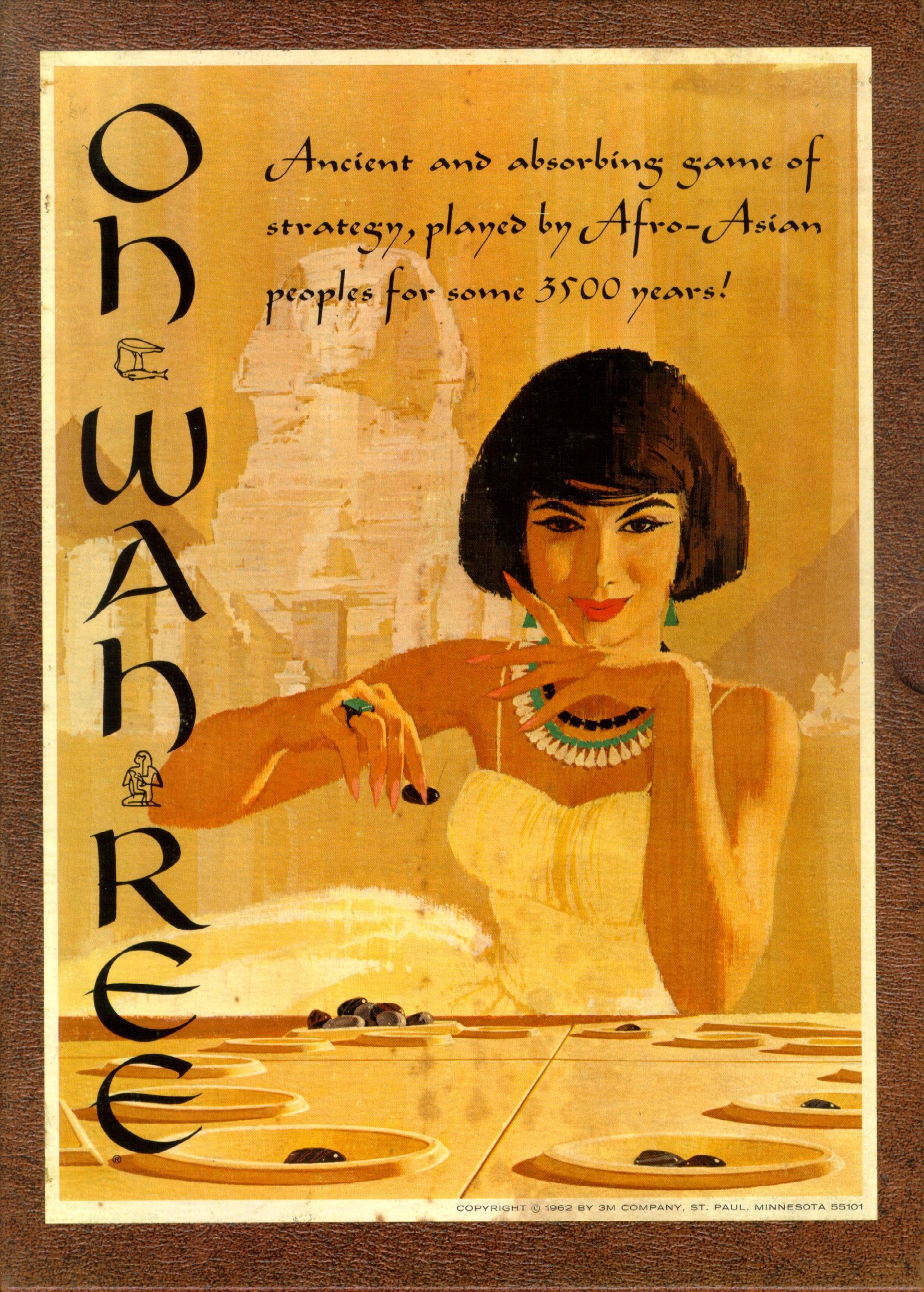
Oh-Wah-Ree
1964A mancala variant that adds an ownership ring so more than two players can play at once.
- 2〜4人
- 30分
- 8歳以上
Oh-Wah-Ree is a mancala-style game for two to four players, suited to ages 8 and up, with a playing time of about 30 minutes. Alex Randolph designed it, and 3M published it. Players work to capture their rivals' stones, sowing pebbles around the board to set up captures.
Alex Randolph
Fast-shifting Antietam battle game of leader-driven area activations and the Advantage mechanic.
Released in 1995, Bloodiest Day covers the Battle of Antietam and was issued by Spearhead Games. Combat runs on leader-led area activations, and the action types are bombardments, volleys and assaults.
Occhio!
1997- 2人
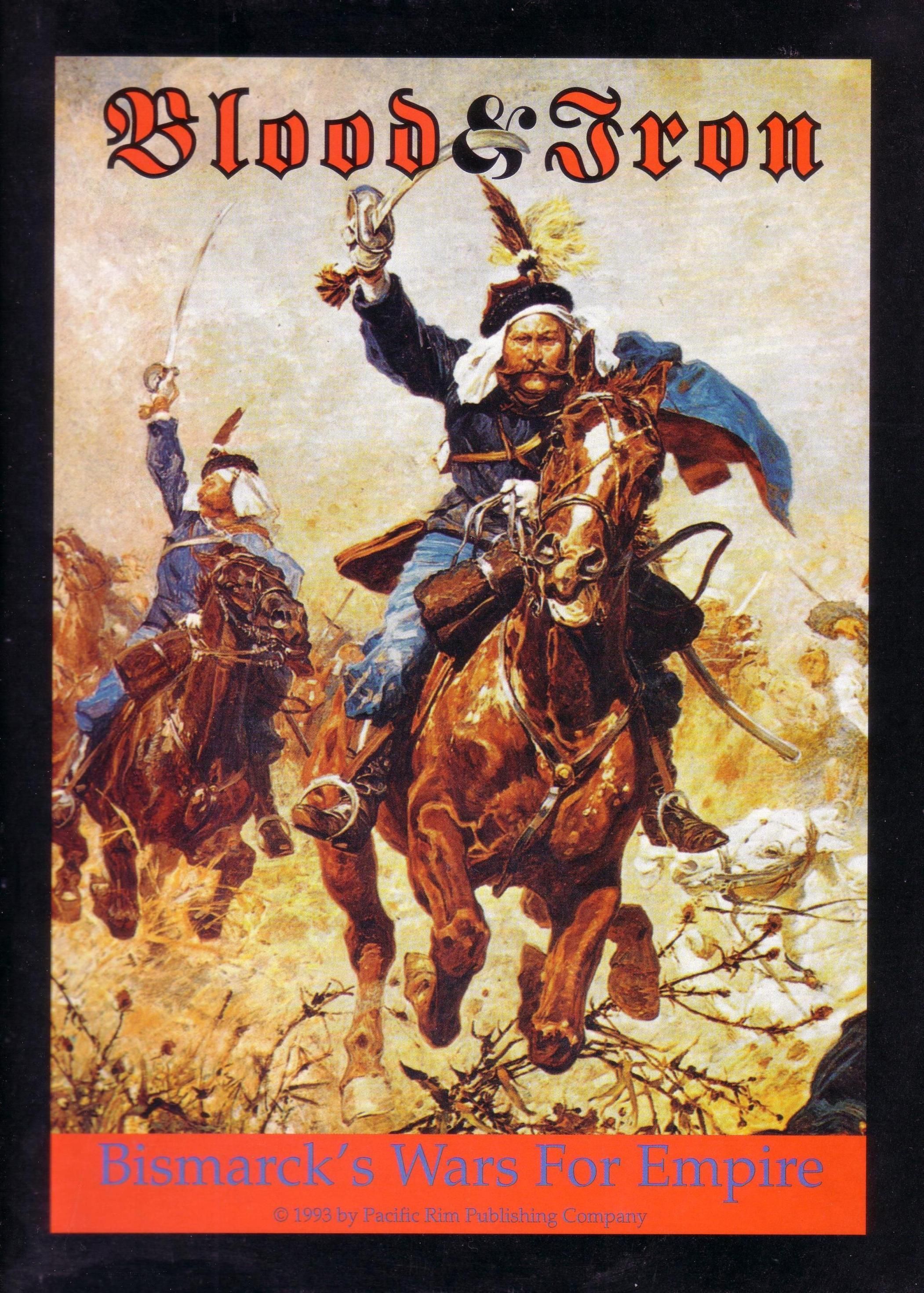
A 1993 corps-level campaign wargame of maneuver, morale and national intervention.
- 2人
- 60分
- 12歳以上
A corps-level wargame for two players, designed by Michael Bennighof and released in 1993 by Pacific Rim Publishing. It suits ages 12 and up and plays in about 60 minutes. You direct nineteenth-century armies across a zoned map in a campaign built around Bismarck's wars, working toward the goals set by each scenario.
Michael Bennighof
- 2〜6人
- 15〜25分
- 10歳以上
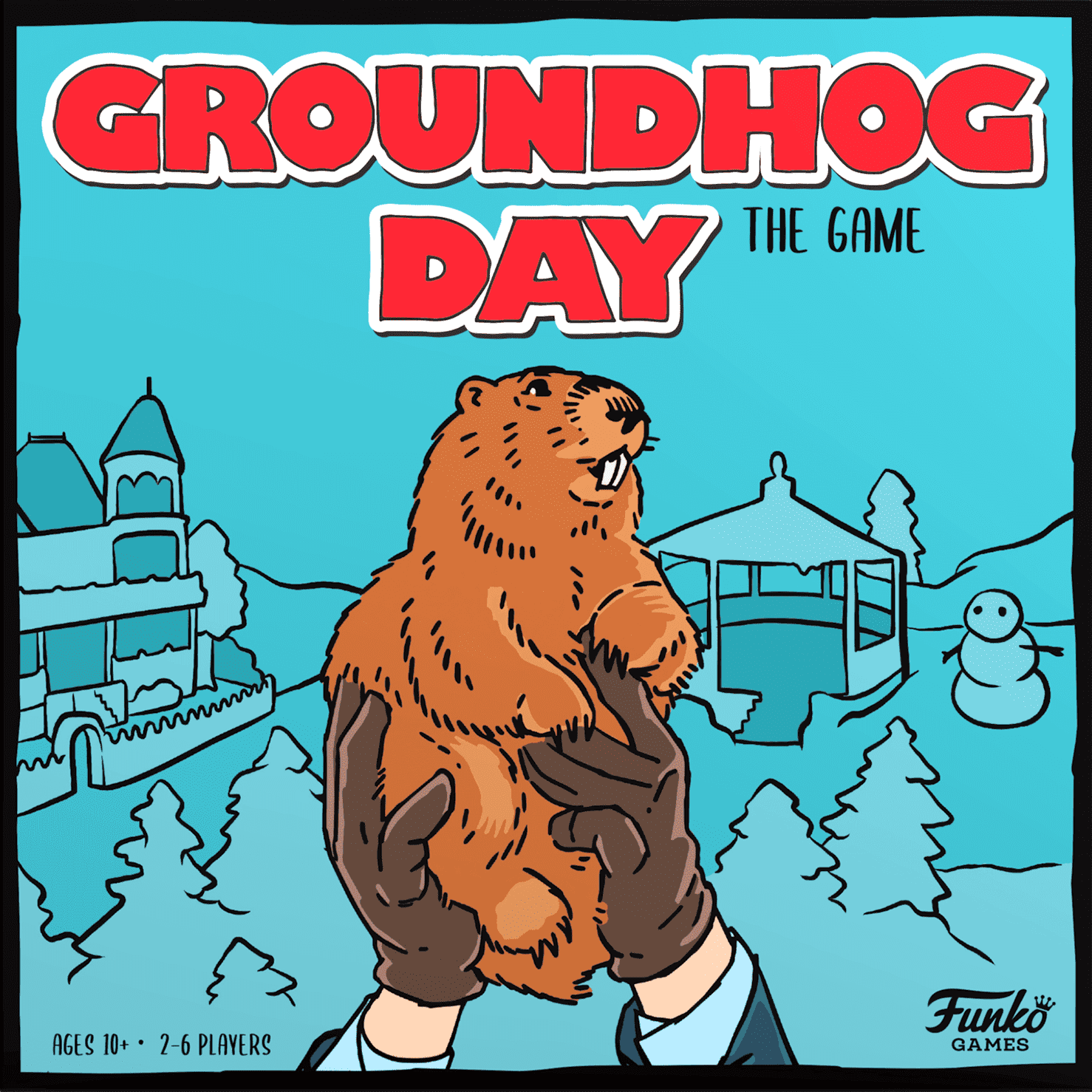
A cooperative, communication-limited card game where players have one minute to arrange seven cards into a timeline so Phil can live a perfect day and break the time loop.
Prospero Hall
The Pacific War companion to Advanced Third Reich, with refined naval warfare rules.
- 2〜6人
- 180〜1200分
- 18歳以上
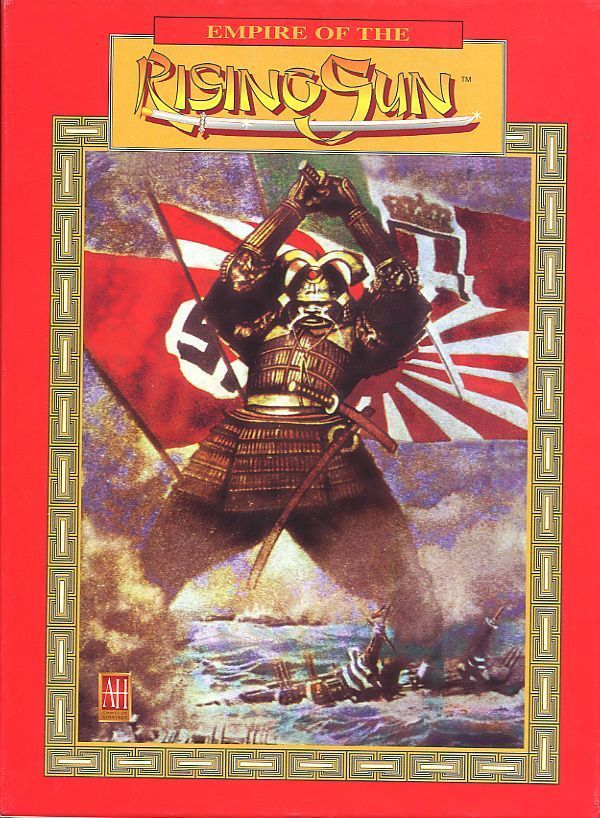
A Pacific War board wargame for 2 to 6 players aged 18 and up, designed by Bruce Harper and published by Avalon Hill in 1995. You take the role of the United States or Japan in a sweeping conflict across the Pacific. Japan seeks to seize territory, while the Allies try to force its surrender faster than history did.
Bruce Harper
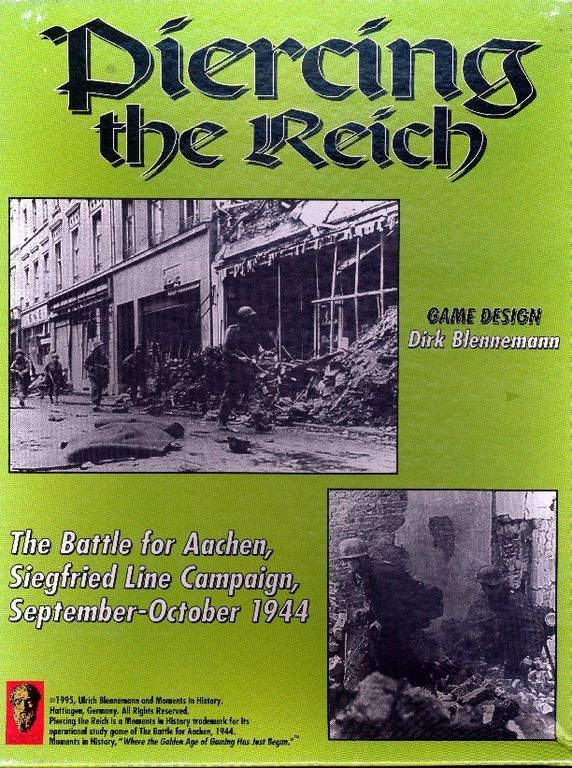
Two-player wargame of the 1944 Battle of Aachen, with lopsided forces and a hidden objective.
- 2人
- 180分
- 12歳以上
Piercing the Reich is a two-player wargame for players aged 12 and up, lasting about 180 minutes. Dirk Blennemann designed it, and Moments in History released it in 1995.
Dirk Blennemann