ページを読み込んでいます…
- 2〜4人
- 10〜15分
- 4歳以上
Kai Haferkamp, Markus Nikisch
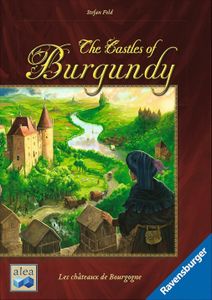
- The Castles of Burgundy
ブルゴーニュ
201115th century Burgundian princes build and trade to lead their estates to prominence.
- 2〜4人
- 30〜90分
- 12歳以上
A tabletop title for two to four people, aged 12 and up, created by Stefan Feld and released in 2011. It is regarded as a classic of the Eurogame genre. Set in medieval Burgundy, you gather hexagonal tiles to complete your own player board. Your aim is to earn more points than your rivals by the end of the game.
Stefan Feld
- 1〜6人
- 30〜60分
- 2〜6人
- 6歳以上
- 1〜4人
- 90〜180分
- 14歳以上
Two-player or team tug-of-war over five solar-system planets, with a ten-card booster of new Agent effects.
- 2〜4人
- 25〜35分
- 12歳以上
Grégory Grard, Mathieu Roussel
- 2〜4人
- 30分
- 10歳以上
Reiner Knizia
Haggis
2010A climbing, trick-taking card game built from the start for two or three players.
- 2〜4人
- 45分
- 13歳以上
A shedding card game for two to four players, aged 13 and up, designed by Sean Ross and published by Bambus Spieleverlag and Indie Boards & Cards in 2010. The name nods to designer Sean Ross's Scottish heritage, and to the many climbing games whose mechanisms the game brings together.
Lisboa
2017Compete to reconstruct the city of Lisboa after the great earthquake of 1755.
- 1〜4人
- 120分
- 14歳以上
Lisboa is set in Lisbon after the devastating earthquake of 1755, when nobles help rebuild the city under the Marquis of Pombal. Players compete to collect the most wigs, a symbol of status in that era. The board is a map of downtown Lisbon, and the kind of business allowed on each street is set in advance.
Vital Lacerda · Eagle-Gryphon Games
A compact, real-time cooperative heist game where players silently coordinate four heroes to escape a mall before time runs out.
- 1〜4人
- 15分
- 8歳以上
Kasper Lapp · Sit Down!
- 2〜4人
- 20〜60分
- 7歳以上
Deke Stella, John Cadice
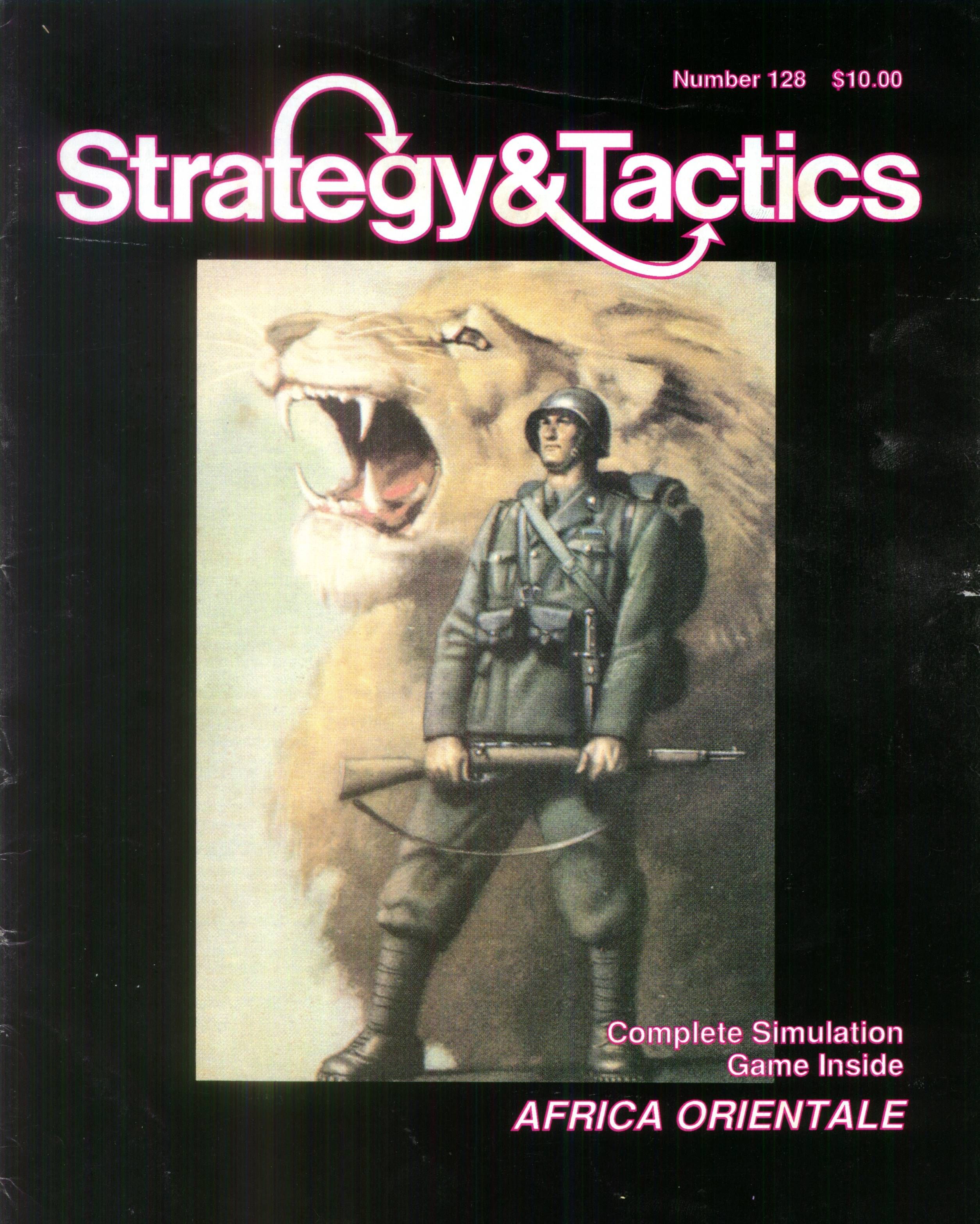
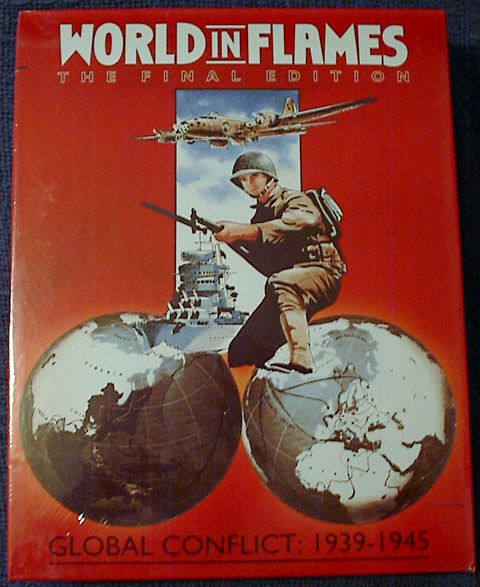
A huge strategic recreation of both World War II theatres, long billed as the largest commercial board game.
- 2〜7人
- 120〜6000分
- 12歳以上
World in Flames is a grand strategy game set in the Second World War, recreating both the European and Pacific theatres at the strategic level. It is described as the world's largest commercially available board game.
Greg Pinder, Harry Rowland · Australian Design Group
- 1〜5人
- 8歳以上
- 2〜8人
- 120分
- 14歳以上
Kevin Barrett
- 2〜4人
- 45〜60分
- 14歳以上
Paul Peterson
- 2人
- 10分
- 14歳以上
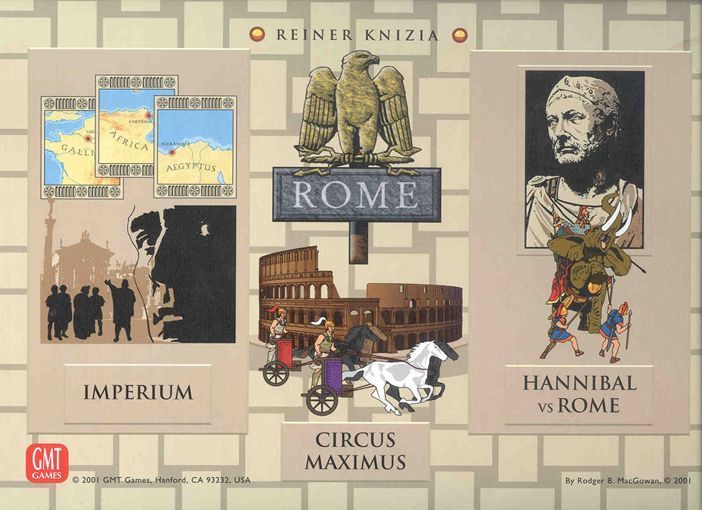
Three Knizia games in one box, each tackling a different side of ancient Rome.
- 2〜5人
- 60分
- 8歳以上
A 2001 collection of three games by Reiner Knizia, published by GMT Games for 2 to 5 players in about 60 minutes, suited to ages 8 and up. The box brings together three contests that each explore a different side of ancient Rome: its military campaigns, its growth as an empire, and its chariot races.
Reiner Knizia
- Elfenland
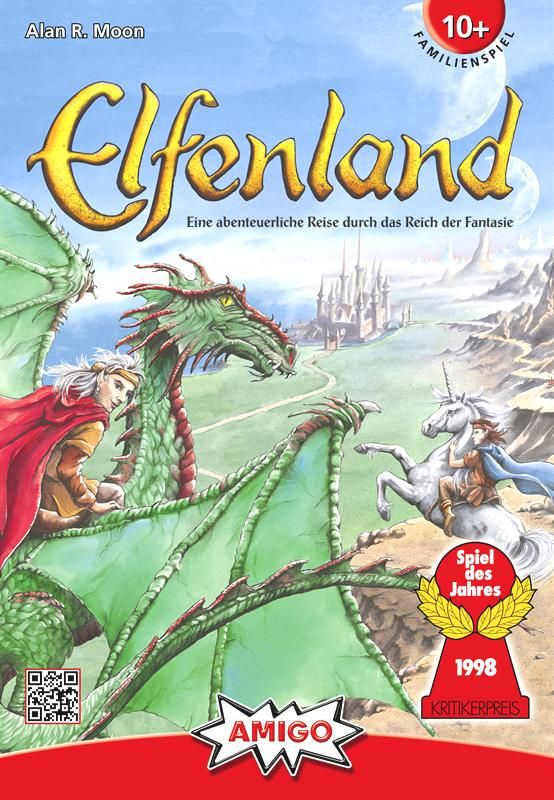
Hidden home cities and tile-laid roads turn fantasy travel into a clever route-planning puzzle.
- 2〜6人
- 60分
- 10歳以上
Elfenland is a German-style board game for 2 to 6 players aged 10 and up, created by Alan R. Moon and released in 1998. Players are travellers in a fantasy land who each try to visit as many cities as possible before returning to a hidden home city.
Alan R. Moon
1953 Everest
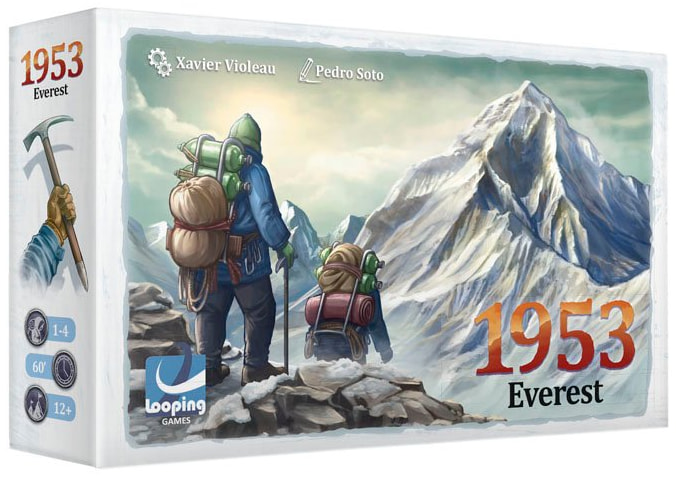
2026Lead a 1953 British expedition up Everest: raise funds, adopt new technologies, hire sherpas and survive the mountain.
- 1〜4人
- 60分
- 12歳以上
1953 Everest is a family-weight expedition game designed by Xavier Violeau and published by Looping Games as part of its Serie 1900 line. It is set in 1953, when a British expedition attempted the last great challenge of the Himalaya: reaching the summit of Mount Everest for the first time.
Xavier Violeau · Looping Games
- 1〜6人
- 30分
- 10歳以上
Cyril Demaegd, Vincent Goyat
- 2〜5人
- 8歳以上
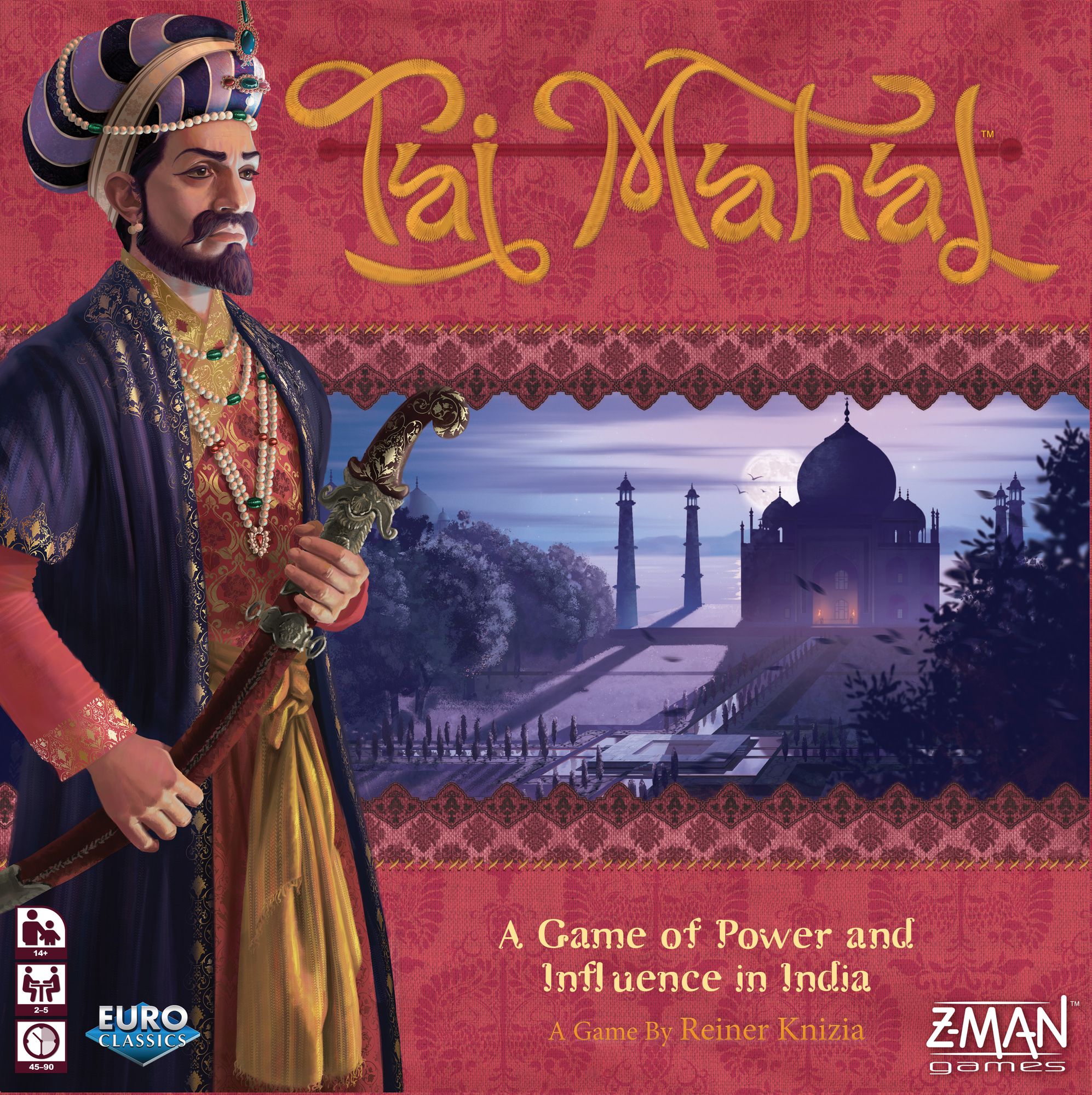
- Taj Mahal
A German-style design from Reiner Knizia, released by Alea
- 2〜5人
- 45〜90分
- 12歳以上
Taj Mahal is a German-style board game by Reiner Knizia for two to five players aged 12 and up, first released in 2000 by Alea. Over twelve rounds, you and the other players bid cards on up to six prizes each turn, racing for the highest score.
Reiner Knizia