ページを読み込んでいます…
Premium collector display of 12 Carbonite booster packs with rare and visually striking Star Wars: Unlimited cards.
- 2人
- 20分
- 12歳以上
Star Wars: Unlimited – Homeworlds Carbonite Booster Display is a collectible trading card product from Fantasy Flight Games, aimed at fans and collectors rather than casual table play. It is the display box for the Homeworlds set, which spans several eras of the Star Wars saga.
Daniel Schaefer, Jeremy Zwirn
Little Kingdoms
2025Four elemental kingdoms, a two-player duel of creatures and mana drain, from designer David Ausloos.
- 2人
- 30分
- 10歳以上
Little Kingdoms is a two-player strategy game designed and illustrated by David Ausloos and published by Ludolux S.à.r.l. It is aimed at players aged 10 and up and plays in about 20 to 30 minutes. You are a strategist in a realm where four kingdoms, Earth, Water, Fire and Air, fight for supremacy.
David Ausloos
- 1人
- 60分
- 13歳以上
Hermann Luttmann
- 2人
- 12歳以上
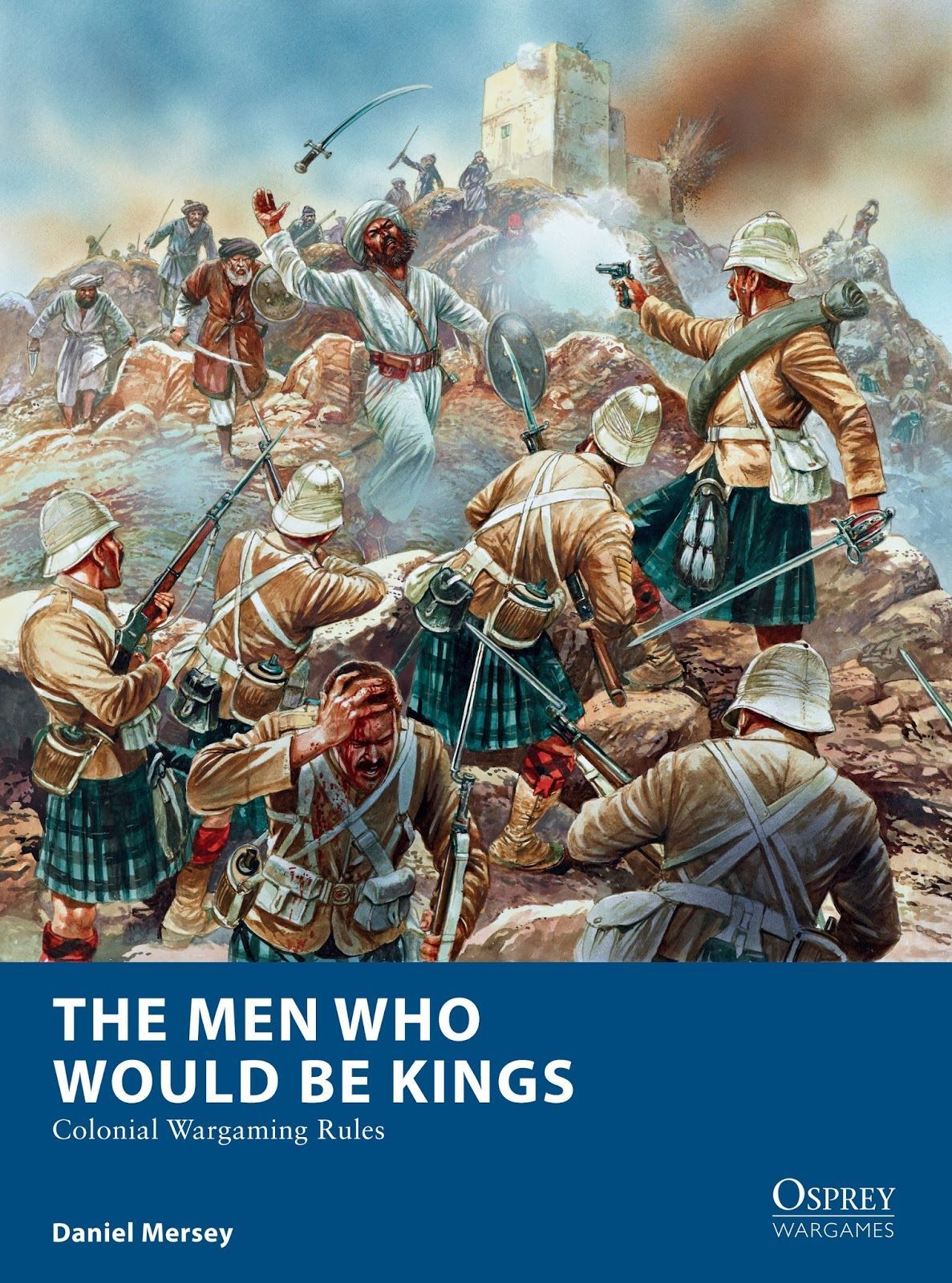
Daniel Mersey
Gold Country
2026Manipulate rival stocks in a California gold rush where shared fortunes and sabotage collide.
- 2〜4人
- 45分
- 8歳以上
Gold Country is a 2026 strategy game about stock manipulation, created by Reiner Knizia and published by Bitewing Games. You are a prospector drawn to the California gold rush, exploring rich hills and forests to stake a claim. Your aim is to back the most promising mines and finish with more gold than your rivals.
Reiner Knizia
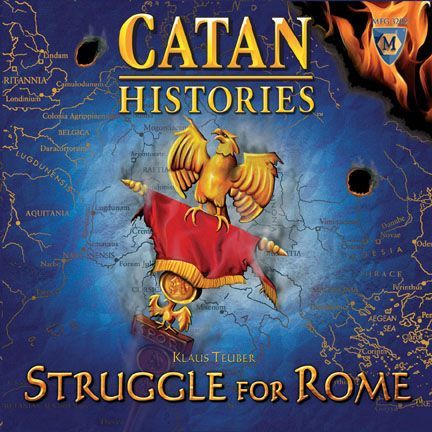
Catan's mechanics applied to the fall of the Western Roman Empire.
- 3〜4人
- 120分
- 10歳以上
Struggle for Rome is a German-style board game for three to four players aged 10 and up, designed by Klaus Teuber, creator of Settlers of Catan. Set as the Western Roman Empire declines, you lead a barbarian tribe that begins outside its borders.
Klaus Teuber
Series of four booklets each containing four stories and accompanying games.
- 2〜4人
Kellanova Canada
- 2〜6人
- 20〜40分
- 8歳以上
Manny Trembley, Nate Chatellier
Cloud Control
2020- 3〜10人
- 15〜30分
- 8歳以上
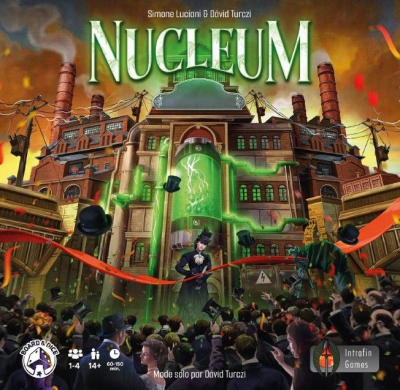
Nucleum
2023Build atomic nuclei and power 19th-century Saxony's industrial boom in this heavy euro strategy game.
- 1〜4人
- 60〜150分
- 14歳以上
Nucleum is a heavy euro for one to four players aged 14 and up, released in 2023 by Board&Dice. Dávid Turczi and Simone Luciani designed it. You run an industrial network in 19th-century Saxony, where a nuclear reactor powers your factories and cities.
Dávid Turczi, Simone Luciani · Board&Dice
- 2〜4人
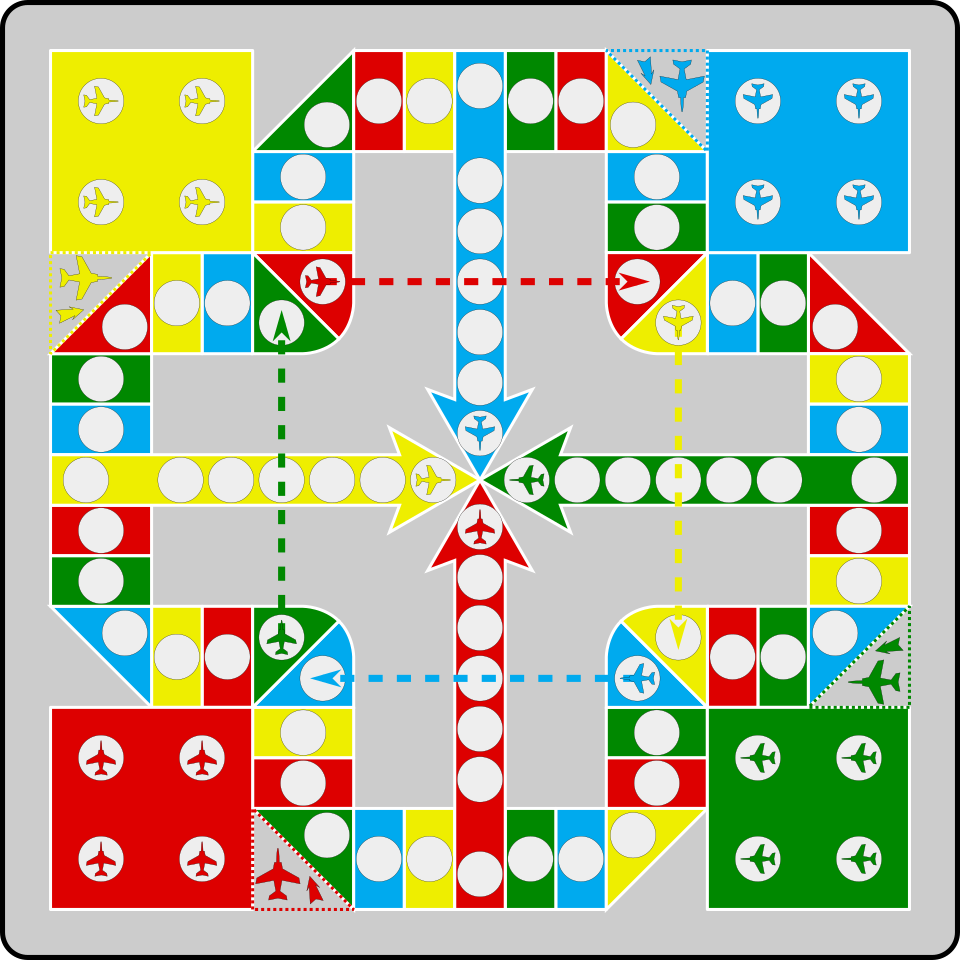
Aeroplane chess is a board game from China for two to four players, closely related to Ludo and Pachisi. Its pieces are airplanes rather than the plain abstract tokens used in the games it grew out of. The game was created during the 20th century and is derived from older cross-and-circle board games.
- 2人
- 120分
- 12歳以上
Irad B. Hardy, Kip Allen
- 1〜2人
- 120分
- 12歳以上
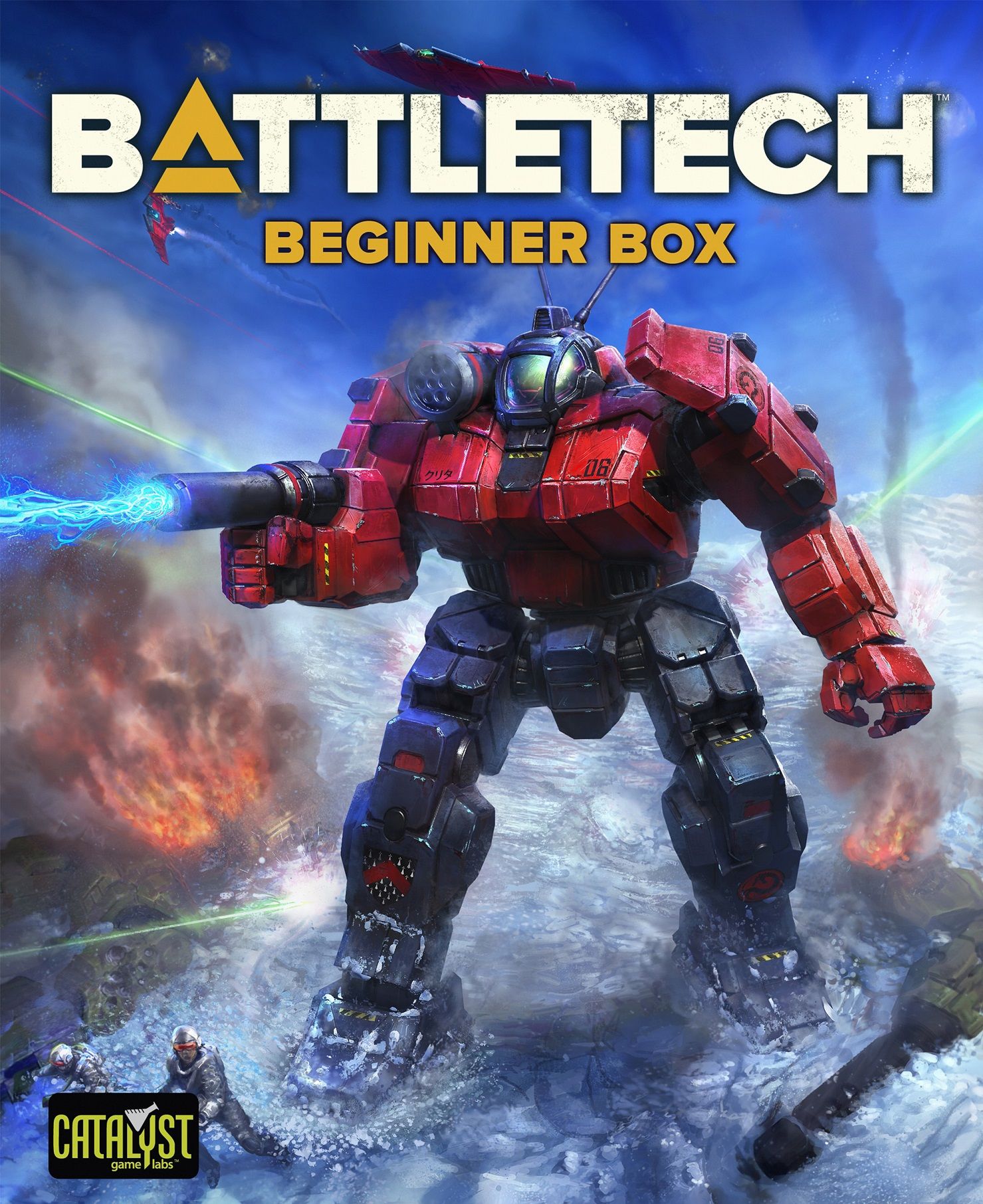
Randall N. Bills
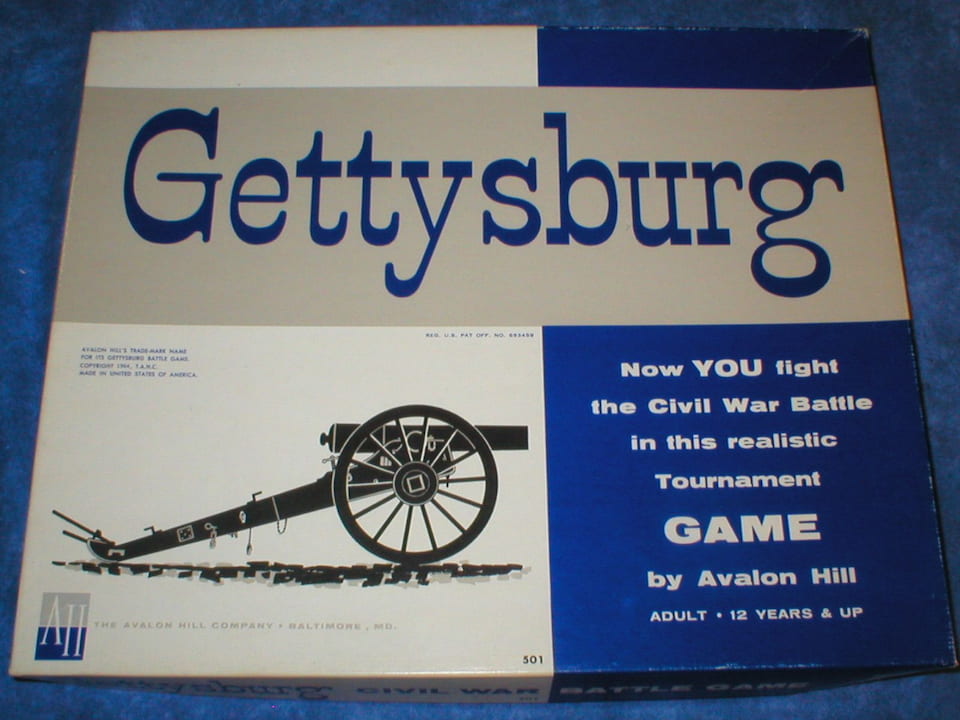
- Gettysburg
ゲティスバーグ
1958- 2人
- 60〜360分
- 12歳以上
Gettysburg (also known as Gettysburg: Badges of Courage) is a block wargame. It was designed in 2004 by Tom Dalgliesh and his son, Grant Dalgliesh and produced by their game company, Columbia Games.
Charles S. Roberts · Avalon Hill
Expansion for Boss Fighters QR adding five bosses, two heroes, two classes, new items and a harder jungle campaign.
- 2〜4人
- 50分
- 10歳以上
Lukas Zach, Michael Palm · Pegasus Spiele
A lost 16th-century French tables game whose name survives in the English phrase 'left in the lurch'.
Lourche is a historical French board game from the 16th and 17th centuries, played on a tables board in a style similar to backgammon. The game is remembered mainly through the English expression 'left in the lurch', which echoes a French phrase for a hopeless losing position a player could end up in.
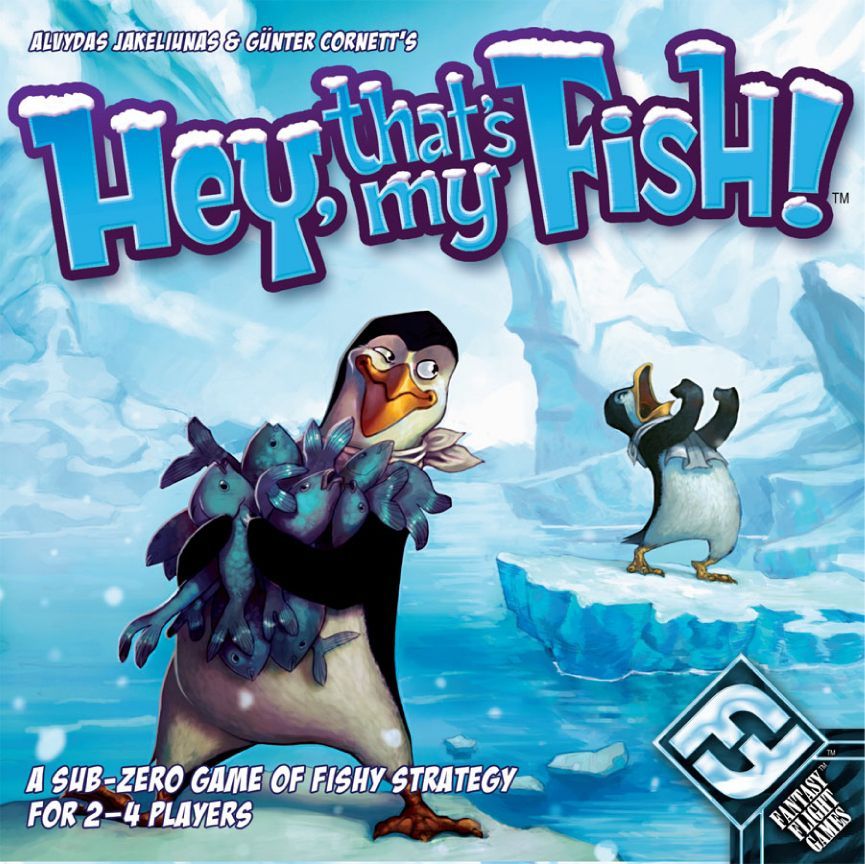
- Hey, That's My Fish!
それはオレの魚だ!
2003Penguins slide across hexagonal ice fields, claiming fish as they go in a quick game for two to four.
- 2〜4人
- 20分
- 8歳以上
Hey, That's My Fish! is a board game for 2 to 4 players aged 8 and up, first released in 2003 and designed by Günter Cornett. It is played in about 20 minutes. You guide penguins hunting for fish across an icy Antarctic setting. Your goal is to gather more fish onto your claimed hexagons than your rivals do.
Günter Cornett
- 2〜4人
- 60分
- 10歳以上
Kevin Zucker
- 2〜4人
- 30分
- 8歳以上
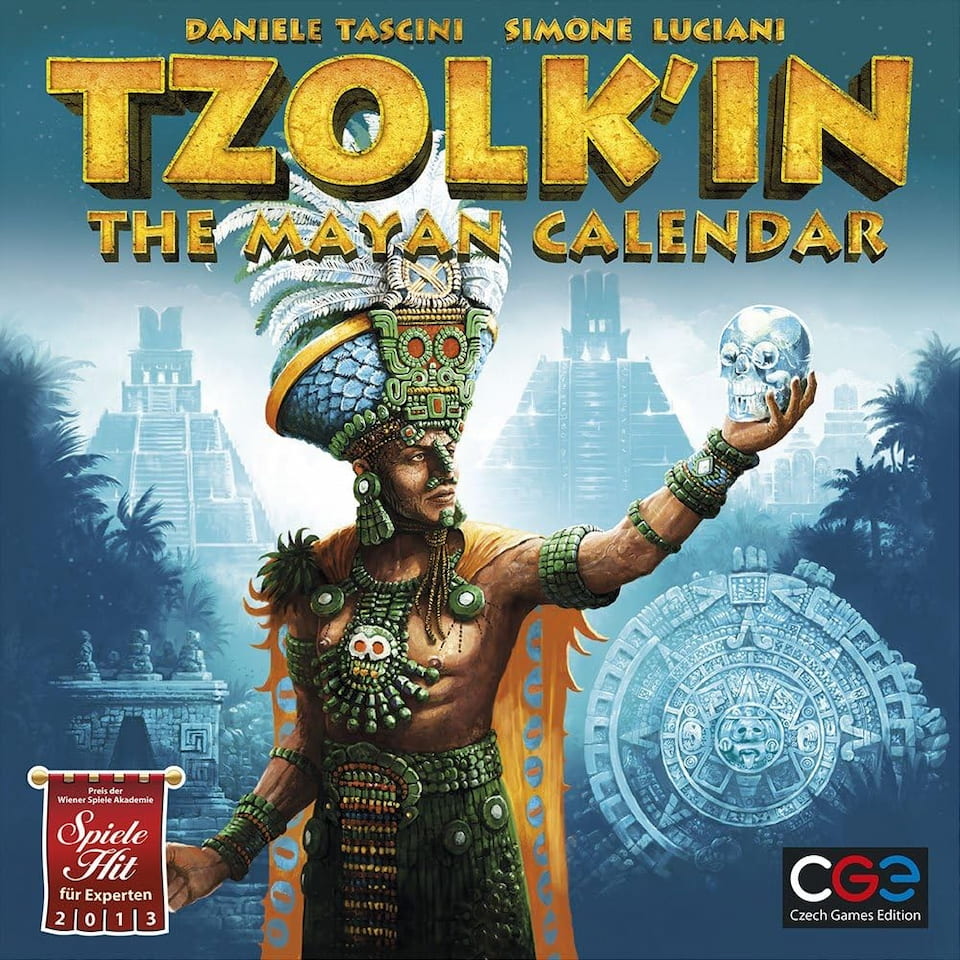
- Tzolk'in: The Mayan Calendar
ツォルキン
2012Lead your people, build monuments and make offerings to earn the favour of the gods.
- 2〜4人
- 60〜90分
- 12歳以上
Tzolk'in is a strategy worker placement game for two to four players aged 12 and up, taking 60 to 90 minutes. Daniele Tascini and Simone Luciani designed it, and Czech Games Edition published it. You guide a Mayan tribe through the cycles of time in the ancient Mayan civilization.
Daniele Tascini, Simone Luciani · Czech Games Edition