ページを読み込んでいます…
- 1〜4人
- 60〜90分
- 14歳以上
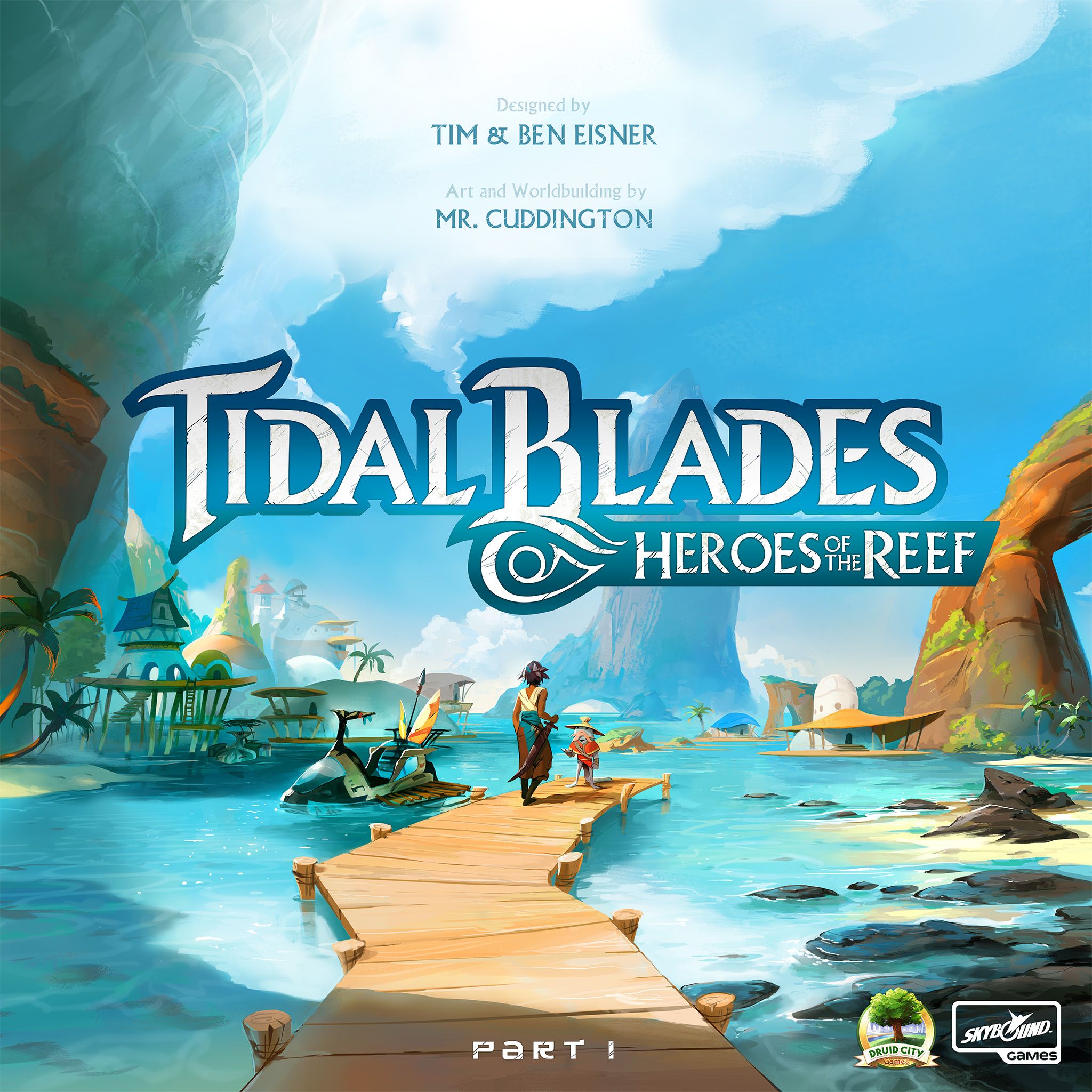
Ben Eisner, Tim Eisner
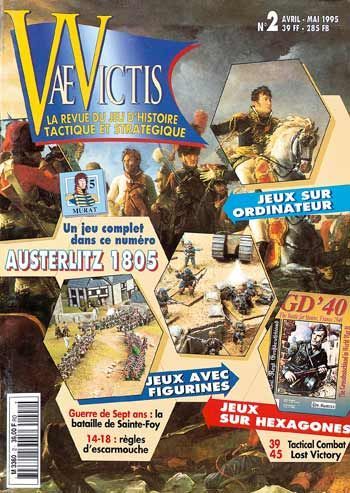
Two-player board game of maneuver, fire and morale across dense terrain at Austerlitz.
- 2人
- 180〜240分
- 12歳以上
Austerlitz 1805: Le choc des cavaleries is a two-player board game from 1995, for ages 12 and up, designed by Marc Brandsma and Nicolas Pilartz and published by Vae Victis. It evokes the shifting fortunes of the battle of Austerlitz, where the fighting surges back and forth across the field.
Marc Brandsma, Nicolas Pilartz
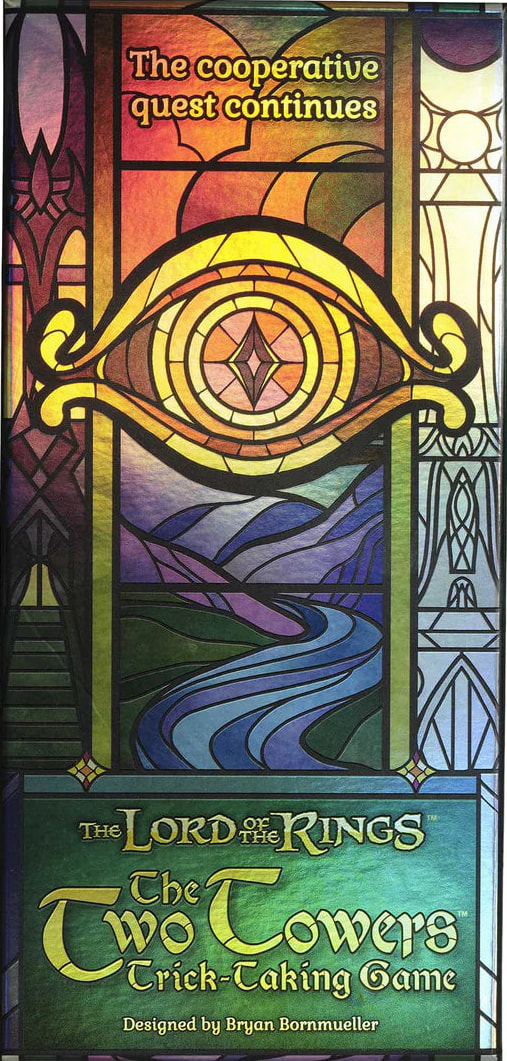
A cooperative trick-taking card adventure through the second part of The Lord of the Rings, sequel to the Fellowship game.
- 1〜4人
- 20分
- 10歳以上
A standalone follow-up to the Fellowship trick-taking card game, retelling events of The Two Towers through cooperative card play. It supports solo, two-player and group modes and is easy to learn.
Office Dog Games
Hunt the Goeben across the Mediterranean in SPI's 1970 wargame, where coal decides every route.
This board wargame from Simulations Publications Inc. appeared in 1970, depicting a World War I sea campaign across the Mediterranean. The Allies aim to locate the German ships, which in turn try to slip away unseen across the sea. Each side moves its ships in turn while the Allies search for the Germans.
- 1〜4人
- 20分
- 10歳以上
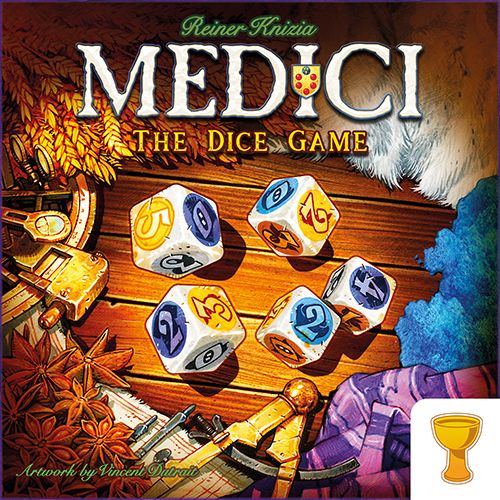
Reiner Knizia
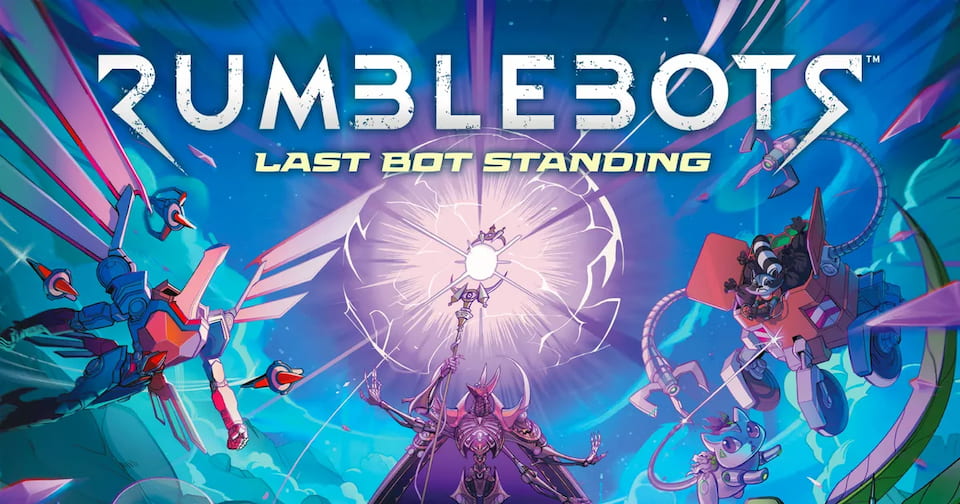
Rumblebots
2024- 2〜4人
- 60分
- 12歳以上
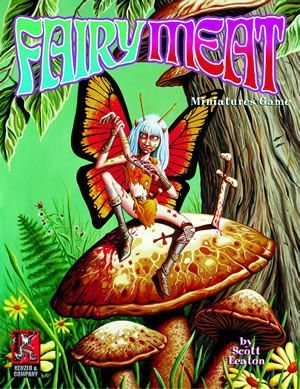
Fairy Meat
2000Cannibal fairy packs clash in a warband battle game played with miniatures and cards.
- 2〜100人
- 60分
- 12歳以上
Fairy Meat is a warband-based tabletop game for 2 to 100 players, lasting about 60 minutes and suited to ages 12 and up. Sky Leaton wrote and designed it, and Kenzer and Company first published it in 2000. The theme centres on a Circle, a pack of savage cannibal fairies, and the battles that pack fights.
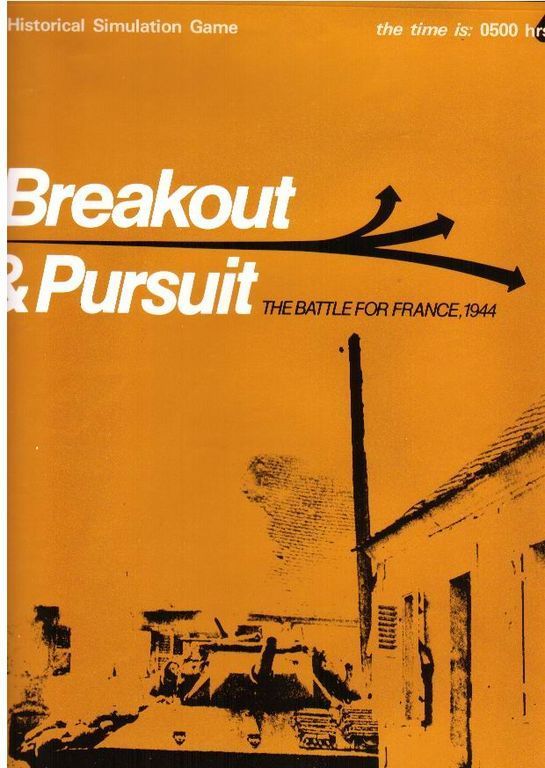
A 1972 two-player wargame on the Allied breakout from Normandy and the pursuit across France.
- 2人
- 180分
- 12歳以上
Breakout & Pursuit: The Battle for France, 1944 is a two-player board wargame for ages 12 and up, designed by Jim Dunnigan and Redmond A. Simonsen and published by SPI in 1972. The game recreates the Allied breakout from Normandy in 1944 and the chase of the German forces retreating across France.
Jim Dunnigan, Redmond A. Simonsen
Splitter
2021- 1〜12人
- 15分
- 8歳以上
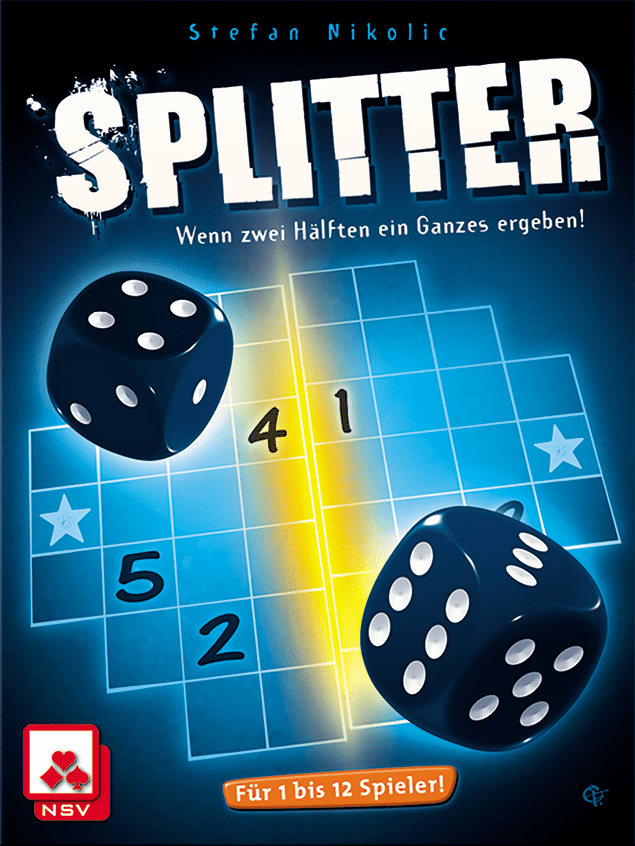
A roll-and-write game where players place two numbers at a time on a sheet split into mirrored halves, forming groups of matching numbers to score points. Star spaces double a group's score.
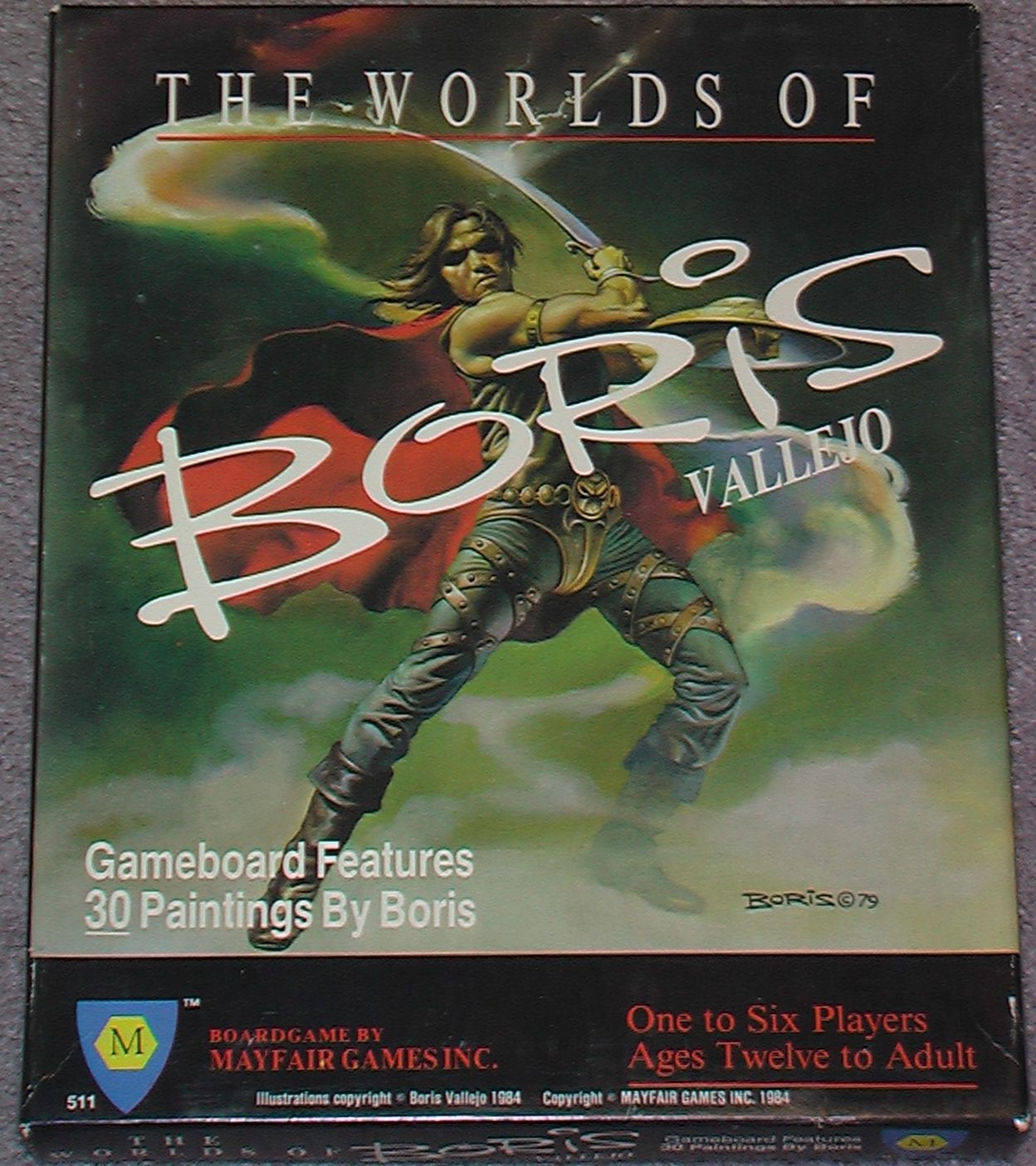
A board game built around the fantasy paintings of artist Boris Vallejo.
- 1〜6人
- 60分
- 12歳以上
A strategy board game for 1 to 6 players, suited to ages 12 and up and lasting about 60 minutes. Mayfair Games released it in 1984, built around paintings by Boris Vallejo. Players claim worlds one by one from a map made of Vallejo paintings, each starting from a home world of their own.
- 1〜4人
- 150分
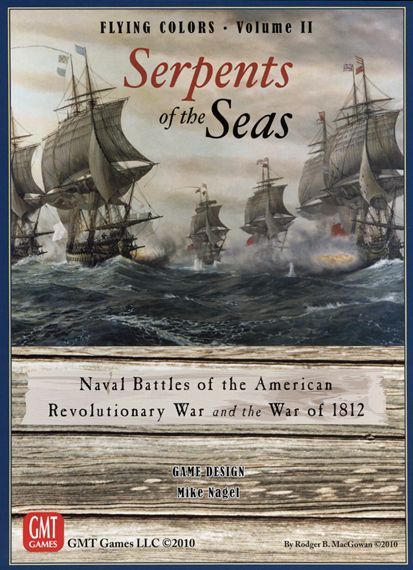
Mike Nagel
- 2〜6人
- 30分
- 12歳以上
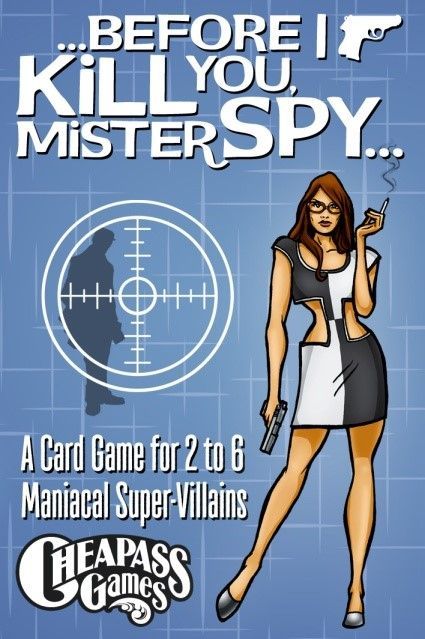
James Ernest
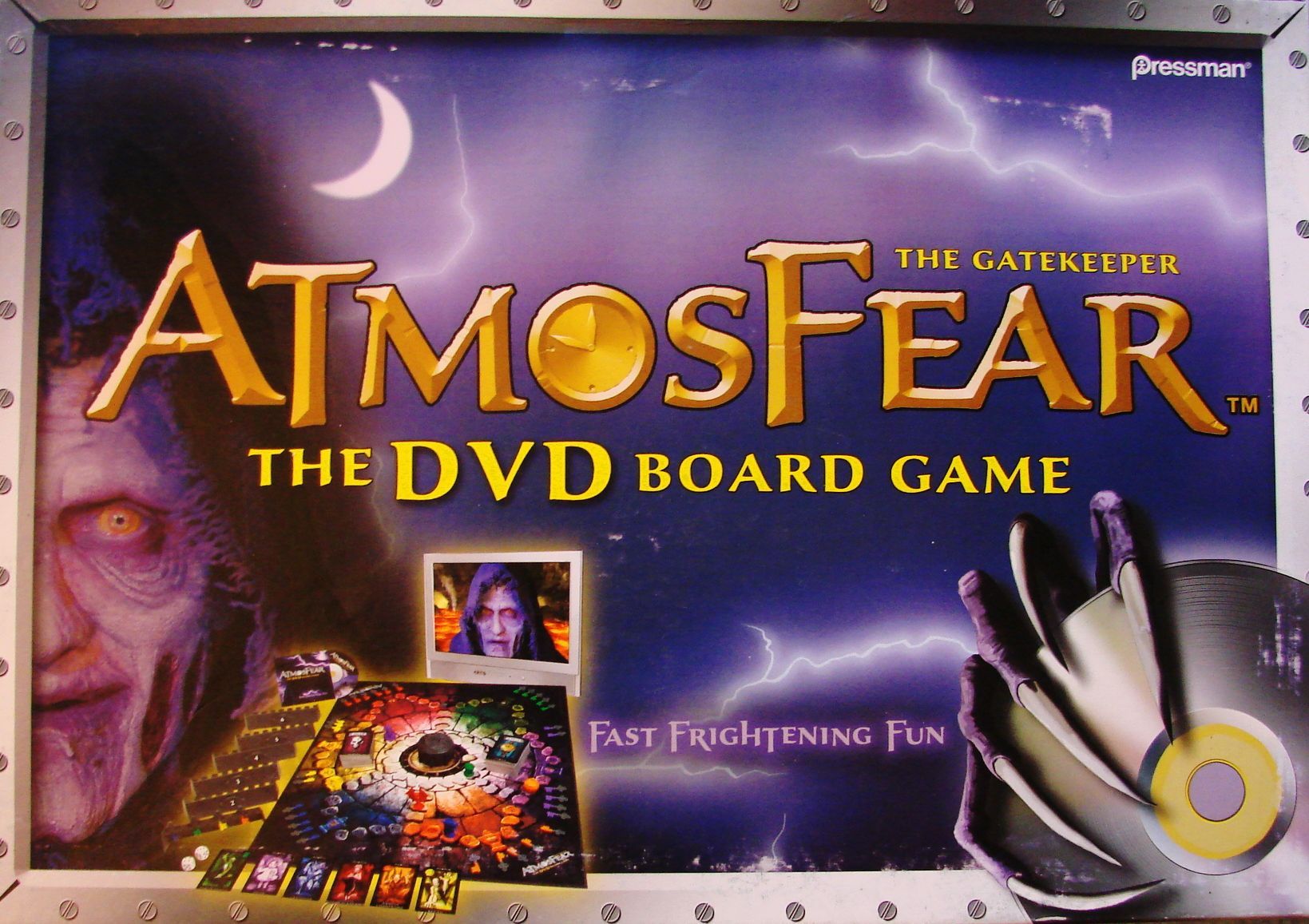
A horror board game where a random fear decides whether you can beat the host.
- 3〜6人
- 60分
- 12歳以上
Atmosfear is a horror board game for 3 to 6 players aged 12 and up, with play taking about 60 minutes. Educa Borras, Parker Brothers, Paul Lamond Games and Pressman Toy have all published it. You race to gather six coloured Keystones so you can overcome the host, who is usually the Gatekeeper.
Expansion for The Dawn of Pangaea that adds a height layer to the game with wooden pieces.
- 1〜4人
- 60分
- 10歳以上
Thomas Franken
Elixirus
2025A competitive game of brewing magical potions, played for Piatnik.
- 2〜5人
- 30分
- 10歳以上
Dickie Chapin · Piatnik
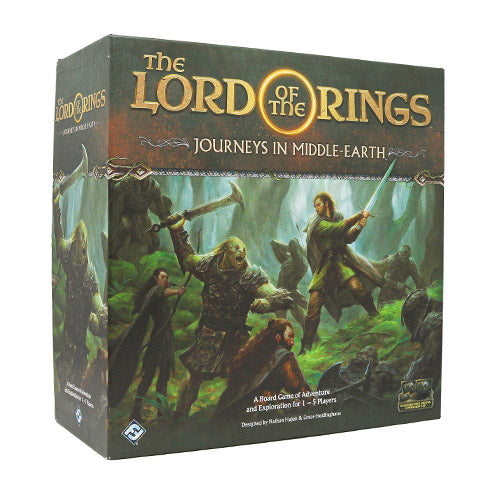
Heroes band together in a co-operative, app-driven campaign across Tolkien's Middle-earth, with the app controlling the enemies.
- 1〜5人
- 60〜120分
- 14歳以上
A cooperative adventure game for one to five players aged 14 and up, supported by a companion app. Designed by Grace Holdinghaus and Nathan I. Hajek and published by Fantasy Flight Games, it is set in Tolkien's Middle-earth.
Grace Holdinghaus, Nathan I. Hajek
- 2〜5人
The First Galaxy G1 is a board game with a science fiction theme published by Hungry Owl Publications in 1985.
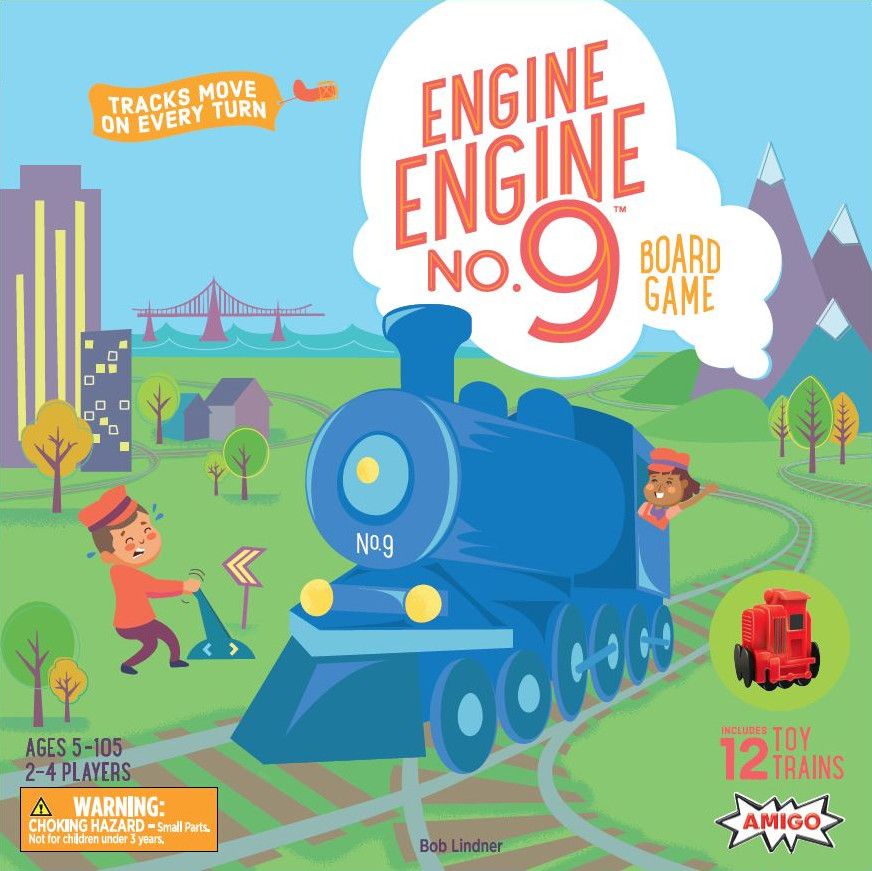
A children's roll-and-move race where shifting tracks and bumping trains reshape every turn.
- 2〜4人
- 30〜45分
- 6歳以上
A roll-and-move race for children, playable by two to four people in about 45 minutes and suited to ages 6 and up. It is published by AMIGO, Gigamic, Asmodee, G3 and Amo Oy. Each player is a train conductor racing to bring all three of their locomotives into the depot before the others. The first to do so wins.
Bob Lindner
- 2〜6人
- 360分
- 12歳以上
Marco Donadoni
- 2〜5人
- 7歳以上
- 2人
- 120分
- 12歳以上
Richard H. Berg