ページを読み込んでいます…
Raas
2026Dice-drafting game of running a dance school and training students in traditional Raas folk dance styles.
- 1〜6人
- 30〜90分
- 10歳以上
Raas is a dice-drafting game for one to six players about running your own dance school. Designed by Shaleen Harlalka and Mihir Shah and published by Pegasus Spiele, it is set around a traditional folk dance from western India, performed in intricate circular formations.
Mihir Shah, Shaleen Harlalka · Pegasus Spiele
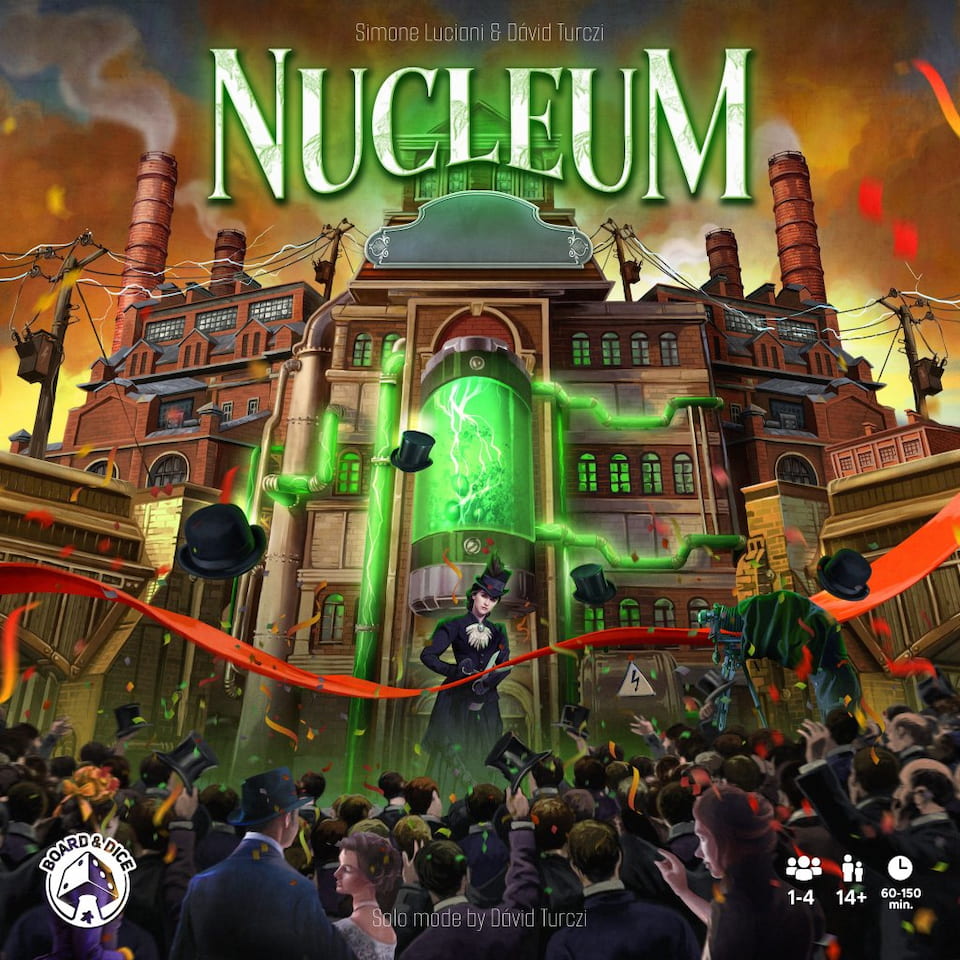
- Nukleum
ニュークレウム
2023- 1〜4人
- 60〜150分
- 14歳以上
A heavy euro game set in 19th-century Saxony where industrialists build networks, buildings and contracts around a nuclear reactor to score victory points.
Simone Luciani
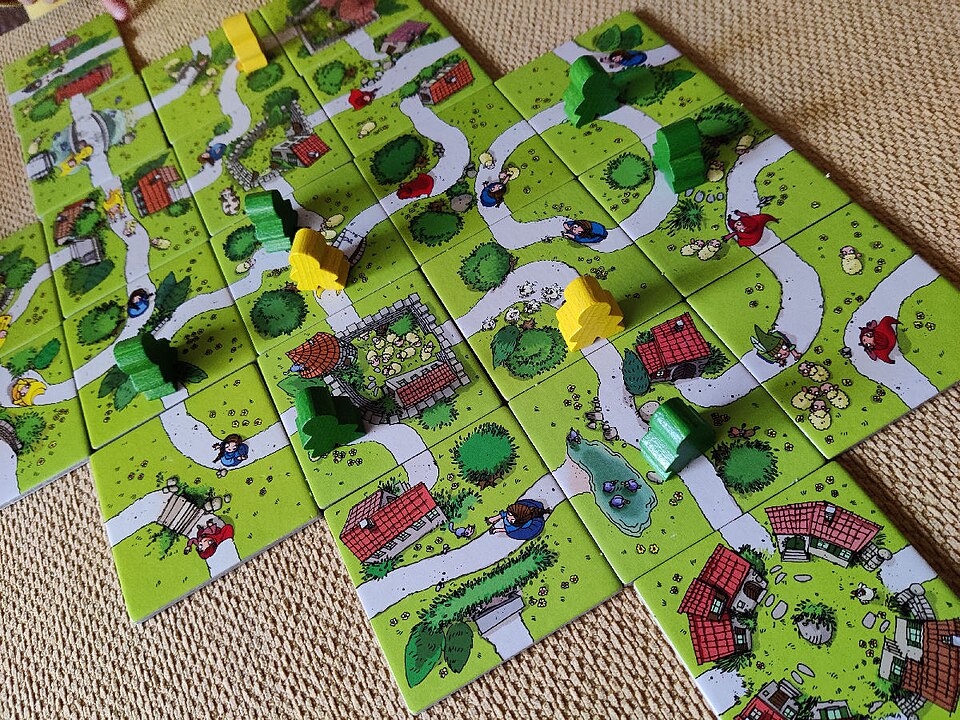
A kid-friendly Carcassonne spin-off where children chase livestock while laying tiles.
- 2〜4人
- 10〜20分
- 4歳以上
A tile-laying board game for two to four players aged 4 and up, designed by Marco Teubner and published by 999 Games, Devir and others. It plays in about 10 to 20 minutes. Children gather to mark a national holiday by catching livestock, so you help build a playful landscape of tiles while chasing your own goal.
Marco Teubner
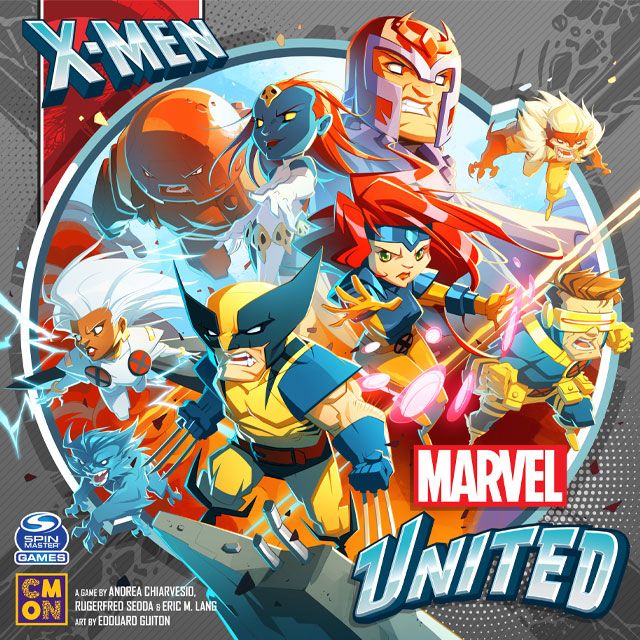
Mutant heroes team up to stop a villain's master plan in a cooperative hand-management game.
- 1〜5人
- 40分
- 14歳以上
A cooperative superhero card game for one to five players aged 14 and up, lasting about 40 minutes. Designed by Andrea Chiarvesio and Eric M. Lang and published by CMON Global Limited and Spin Master Ltd.
Andrea Chiarvesio, Eric M. Lang
Gardeners
2023- 1〜4人
- 15分
- 10歳以上
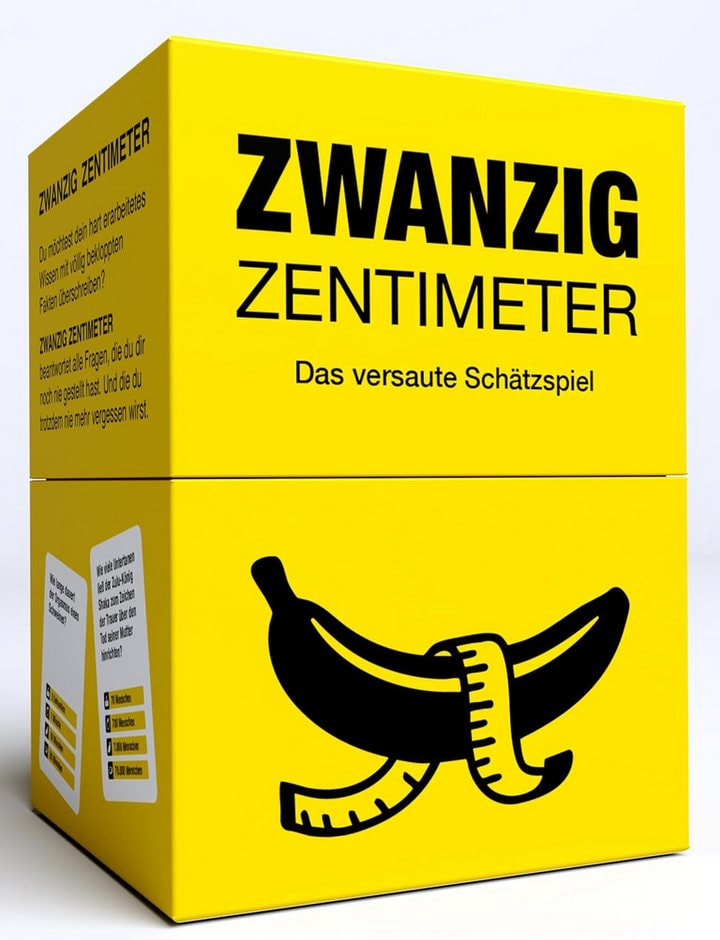
A crude guessing game of absurd facts: answer questions with estimates and lose a sip when you're off.
- 2〜6人
- 30〜60分
- 16歳以上
Zwanzig Zentimeter is a rude estimation game for 2 to 6 players, designed by Angela Voegtli and published by Kampfhummel Spiele GmbH from Lucerne, Switzerland. It is a light party-style game about learning absurd, useless facts that you will never forget.
Angela Vögtli
Bureaucracy
1981- 2〜8人
- 90分
- 12歳以上
Star Fighter
1994- 3人
- 20〜40分
- 10歳以上
Star Fighter is a 1978 board game published by Heritage Models under the name of Gametime Games.
Wonky Doodles
2026A wobbly, silly party drawing game where you sketch against the clock and your team guesses.
- 2人
- 15分
- 8歳以上
Lucky Egg
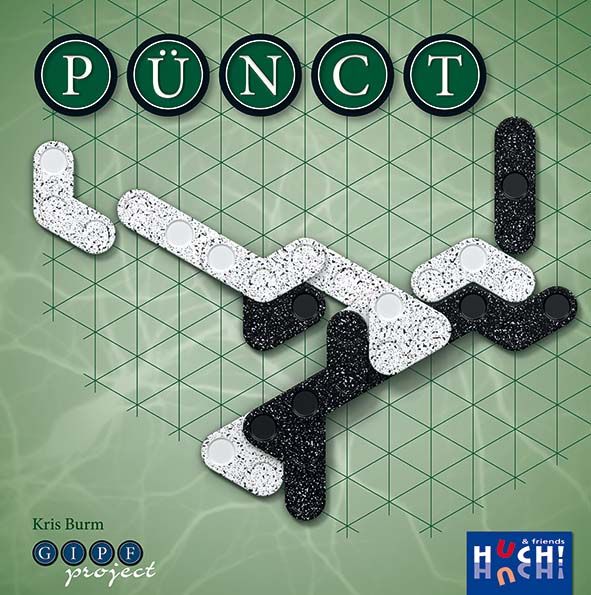
PÜNCT
2005A two-player connection game of hexagonal stacking pieces, gravity and deliberate misdirection.
- 2人
- 30分
- 10歳以上
PÜNCT is a two-player abstract strategy game for ages 10 and up, first released in 2005 and designed by Kris Burm. Several publishers have carried it, including Rio Grande Games and Rebel. Played on a hexagonal board, PÜNCT resembles connection games such as Hex and Y.
Kris Burm
Pax Illuminaten
2024Secret-society card game set in 1776 Bavaria: build networks of Enlightenment sympathizers and outmaneuver rival Areopagites.
- 1〜4人
- 45分
- 14歳以上
Oliver Kiley
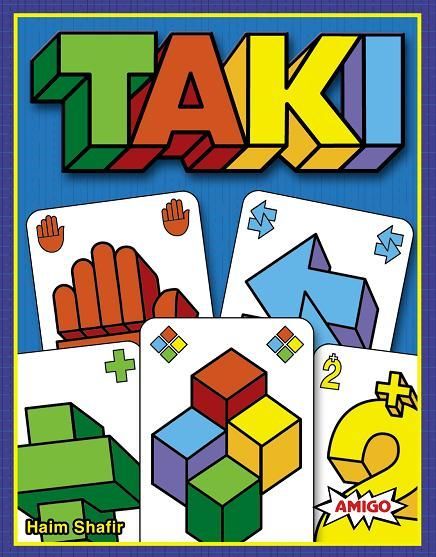
Taki
1985Israeli card game similar to Uno
- 2〜10人
- 30分
- 6歳以上
Taki is a card game for two to ten players aged six and up, designed by Haim Shafir and published by several companies including 999 Games and AMIGO. Taki is a more elaborate relative of Crazy Eights, with its own special deck and extra options. Each player works to be the first to shed every card in hand.
Haim Shafir · Shafir Games (המשחקים של חיים שפיר)
Mixmath is a Canadian board game that blends crossword-style tile placement with arithmetic. Wrebbit developed it and published it in 1987. Players lay numbered tiles on a grid much as they would lay letters in Scrabble, but every tile must complete a true sum or product.
- 2〜8人
- 10〜30分
- 8歳以上
A quick shedding card game for two to eight players aged 8 and up, lasting roughly 10 to 30 minutes. Dolphin Hat Games designed it, and Albi, Blue Orange Games and other publishers have released it. Everyone begins holding a set of cards and races to be the first to get rid of every one of them.
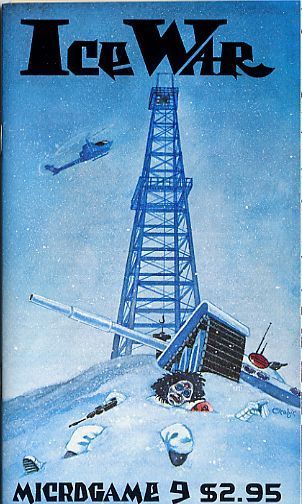
Ice War
1978A 1978 two-player wargame of Eurasian raids on Alaskan oil fields where combat reshapes terrain.
- 2人
- 60分
- 12歳以上
Ice War is a two-player board wargame from 1978, designed by Keith Gross and published by Metagaming Concepts. It takes around 60 minutes and suits ages 12 and up. You lead the Eurasian Socialist Alliance in a strike on Alaska's Prudhoe Bay oilfields, or defend them as the American side.
Keith Gross · Metagaming Concepts
- 2人
- 90分
- 12歳以上
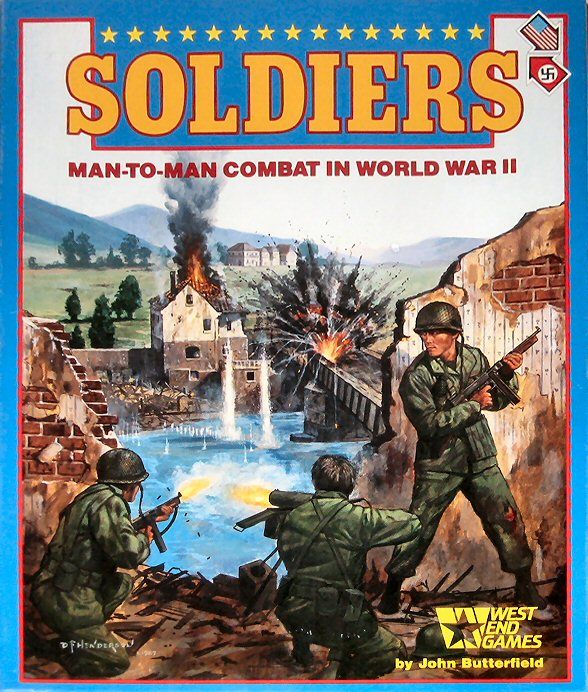
John H. Butterfield
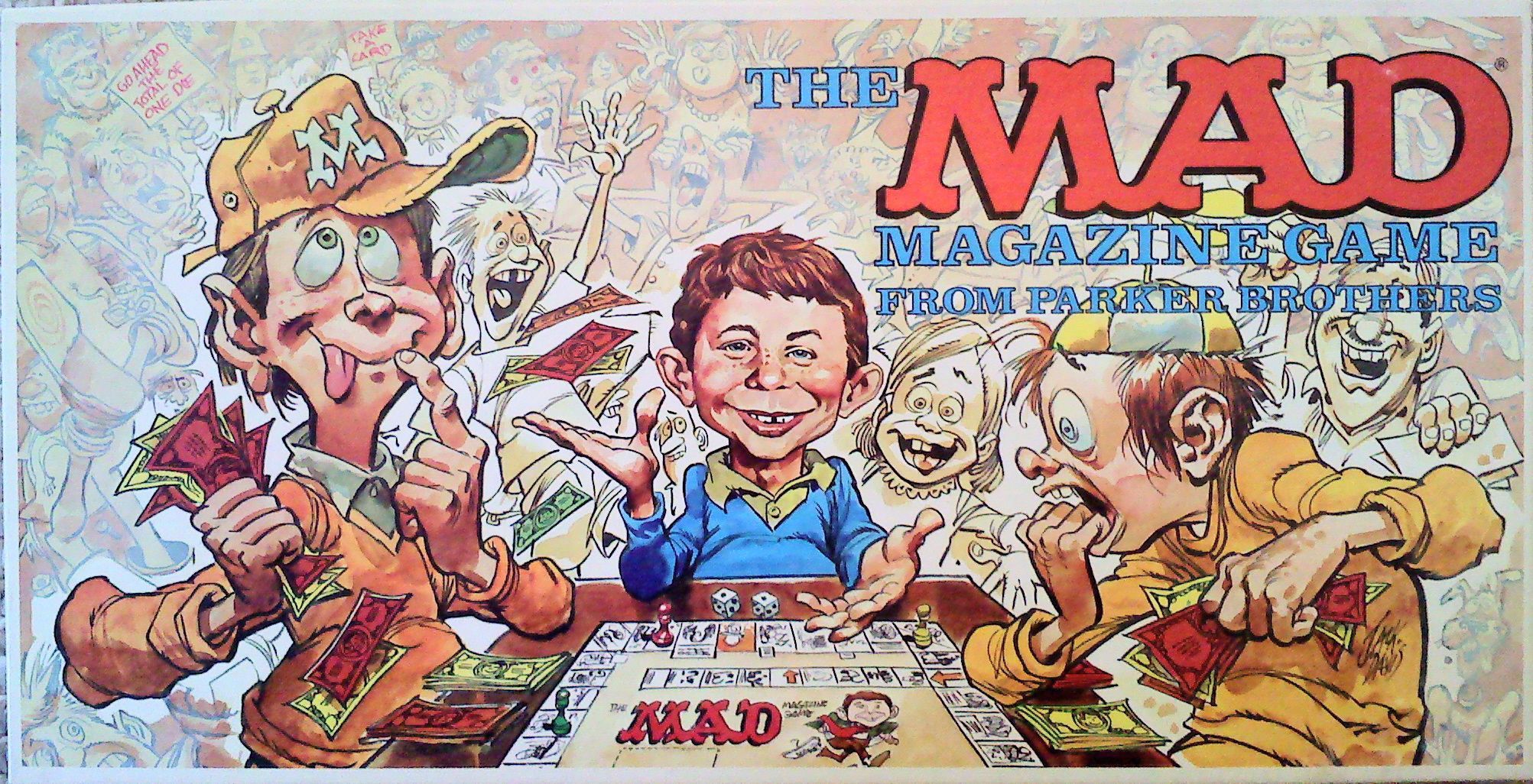
A Monopoly spoof where the goal is to go broke, and swapped money and chairs keep every lead fragile.
- 2〜4人
- 60分
- 8歳以上
A 1979 board game for two to four players aged 8 and up, lasting about an hour. It was produced by Parker Brothers and its play resembles Monopoly, with reversed goals. Play resembles Monopoly, but the aim is reversed: you win by losing every dollar you own.
- 1〜12人
- 15分
- 8歳以上
Rory O'Connor