ページを読み込んでいます…
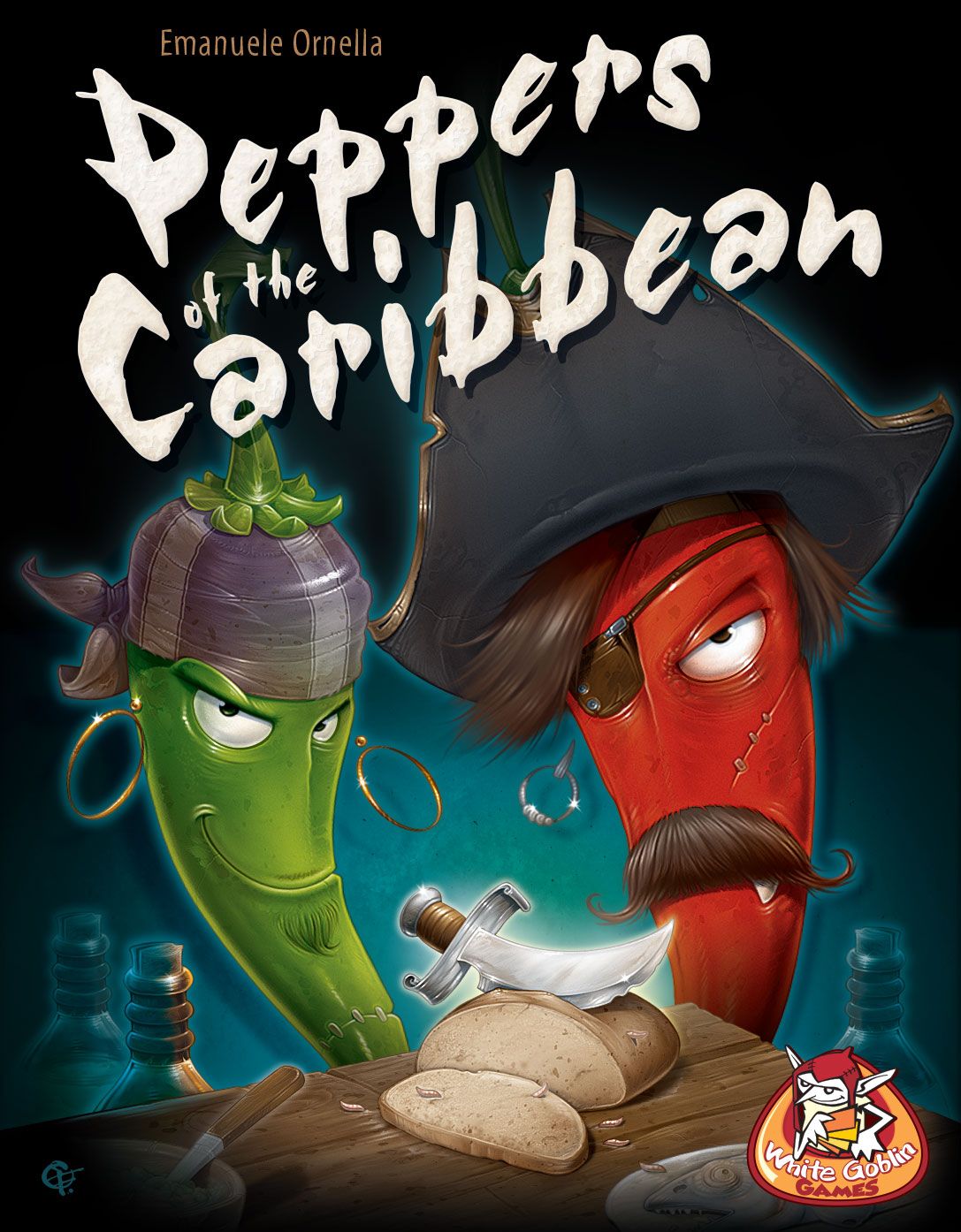
- 2〜4人
- 30分
- 8歳以上
Emanuele Ornella
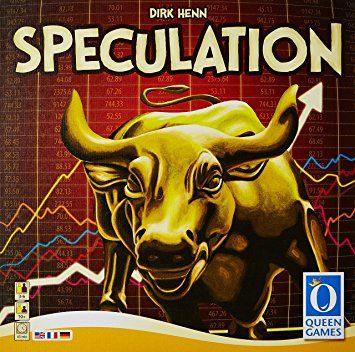
Speculation
1992A historic betting game where you buy, sell and reveal cards to chase the top trump.
- 3〜12人
- 45分
- 10歳以上
Speculation is a 1992 gambling-style card game designed by Dirk Henn and published by Queen Games and db-Spiele. It suits 3 to 12 players aged 10 and up. Players ante chips into a pot and try to end up holding the strongest trump once every card in play has been turned over.
Dirk Henn
- 2人
- 20分
- 10歳以上
Steve Finn
Draft and place penguins to save as many as possible before their island melts.
- 1〜4人
- 60〜90分
- 8歳以上
Set in the icy north, you lead a rescue mission to save as many penguins as you can before the ice melts. The aim is to fit your rescued penguins onto your oddly shaped raft. Players search the ice at once, visiting floes, collecting fish, and learning ancient teachings, with drafting done at your own pace.
Frank West
Echelon is a board game published in 1989 by The Great Games Company.
- 1〜6人
- 30〜60分
- 13歳以上
Brian David-Marshall, Keith Tralins
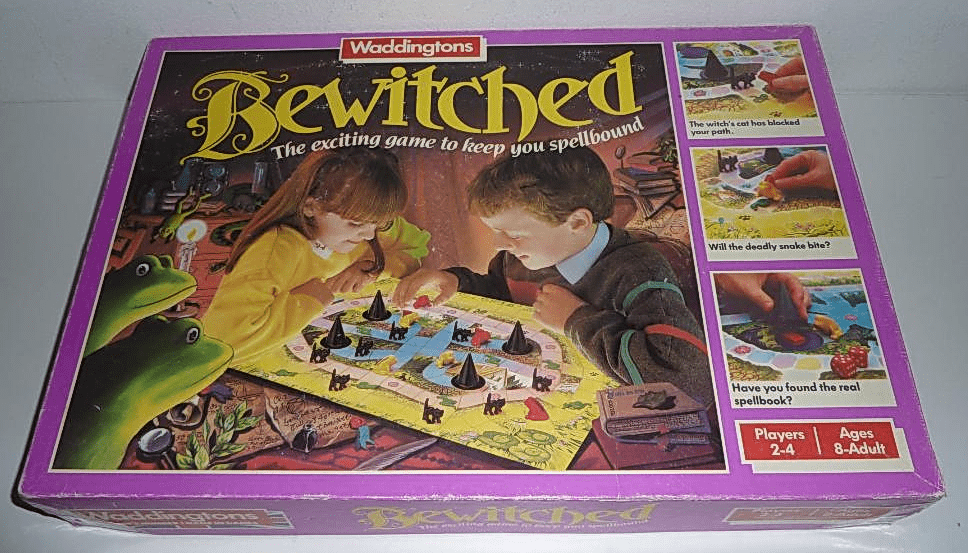
Bewitched
1988- 2〜4人
- 45分
- 8歳以上
Bewitched is a board game published in 1988 by Waddingtons.
Malcolm Goldsmith, Michael Kindred
- 2〜4人
- 20分
- 6歳以上
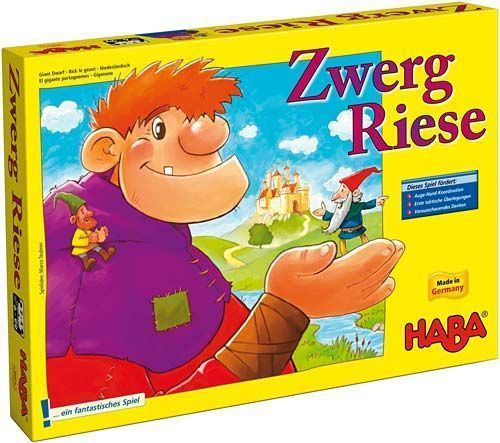
Marco Teubner
A two-player Zuni game of jumping captures on a long, narrow line-based board.
- 2人
Kolowis Awithlaknannai, also called fighting serpents, is a game for two players rooted in Zuni tradition. Stewart Culin described it in 1907. The name may come from the opening setup, in which black and white pieces seem to form two serpents locked in combat.
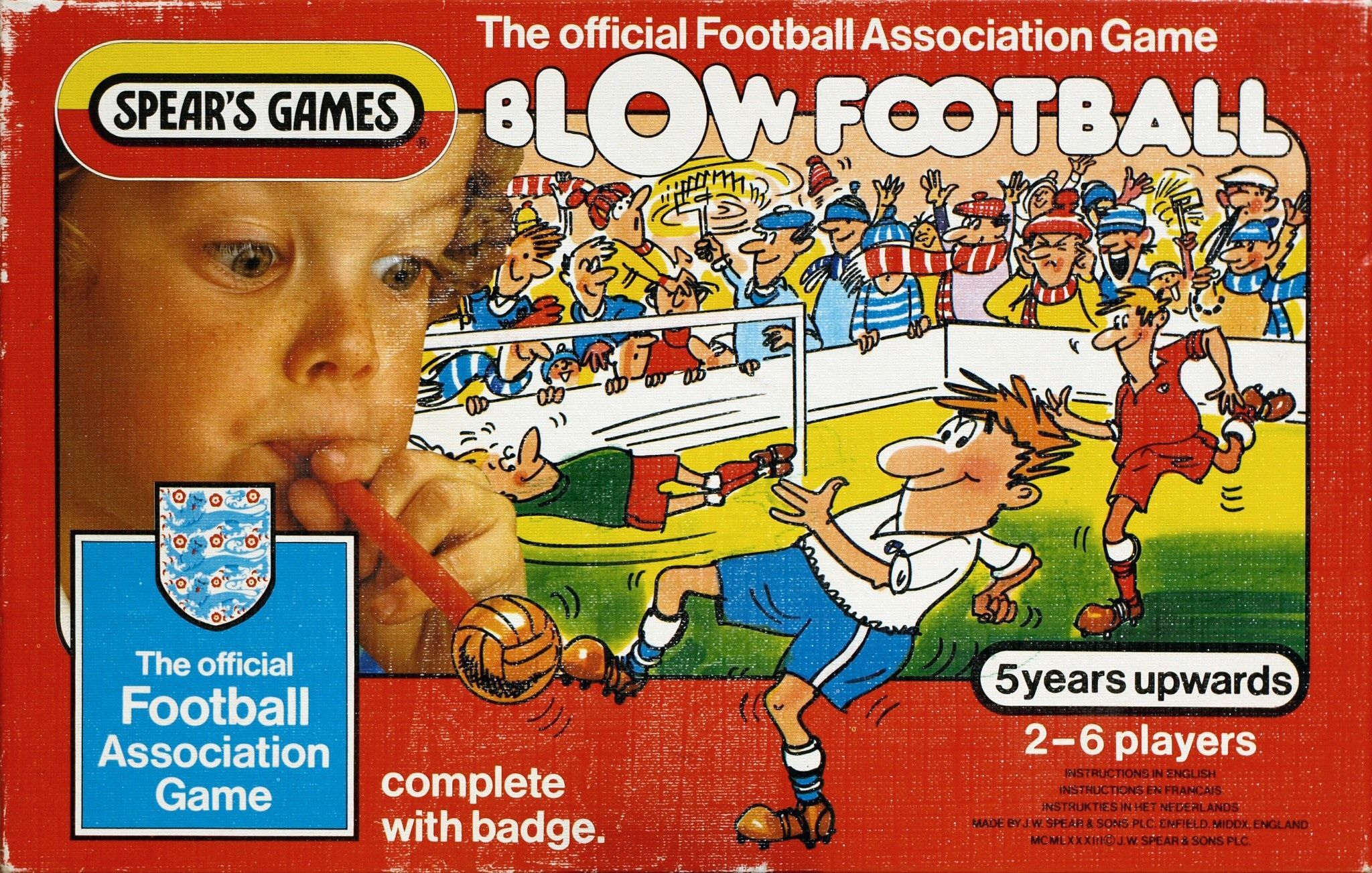
Blow Football
1910Blow the ball into the goal through a pipe: a table football game played with breath alone.
- 2〜8人
- 5歳以上
A light table-top game for two to eight players aged five and up, dated 1910 and issued by firms including Aristospel, Bell, Chad Valley Co Ltd., Glevum Games and Harlesden Games. Players blow through pipes to drive a light ball across the table and try to send it into the opposing goal, just as in football.
- 3〜10人
- 30〜45分
- 17歳以上
French board game based on Pachisi
- 2〜4人
- 20〜50分
- 4歳以上
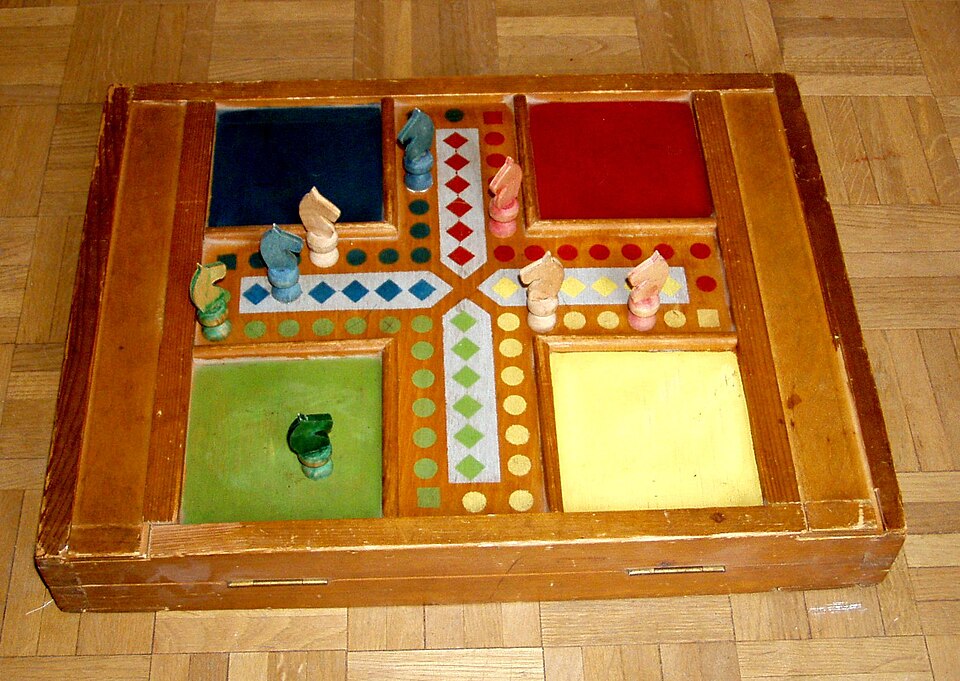
Jeu des petits chevaux is a French cross and circle game closely related to ludo, for two to four players aged four and up, usually lasting 20 to 50 minutes. Each player races between one and four horses around the board toward the center, guiding every pawn back to its own colored home.
Dash-guti is a two-player abstract strategy game from India, related to draughts and alquerque. Locally it goes by Kowwu Dunki, a name it shares with a similar game, and H.J.R. Murray described it in 1952.
Compile: Main 1
2024Rival AIs race to compile three abstract protocols by stacking command cards into matching lines.
- 2人
- 20分
- 14歳以上
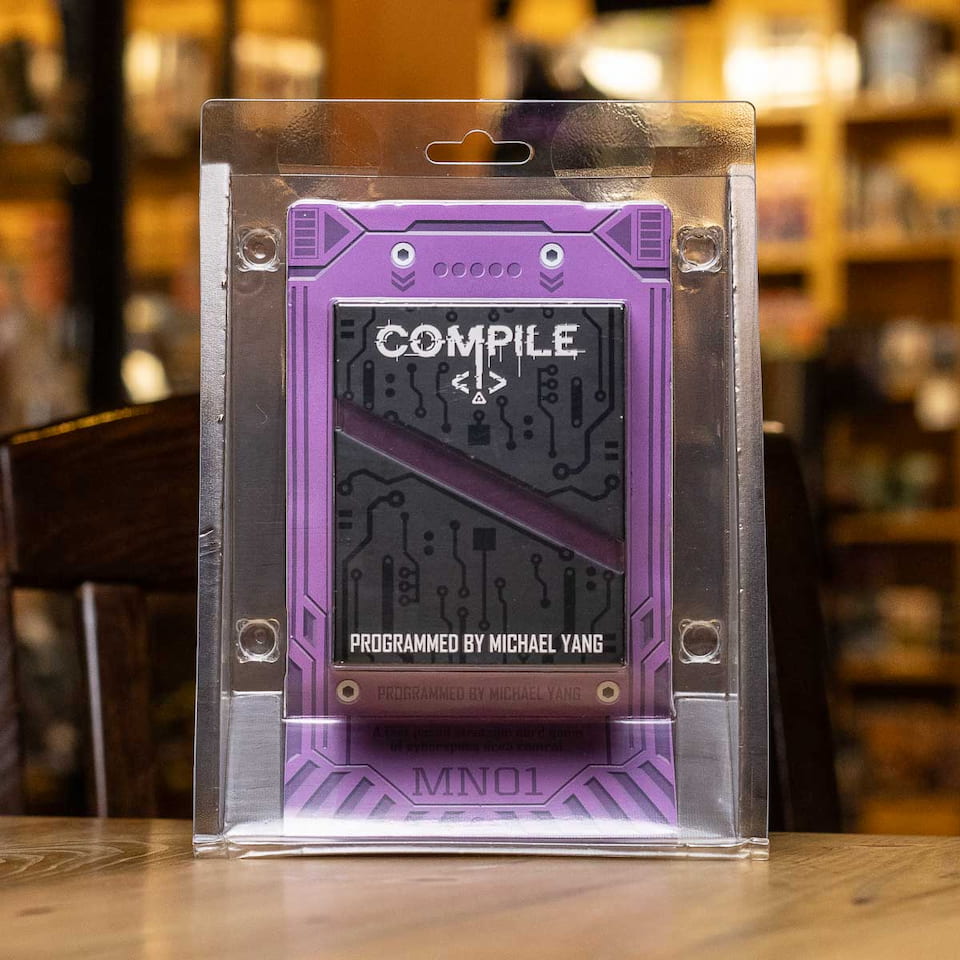
Compile: Main 1 is a two-player card game from 2024 for ages 14 and up, designed by Michael Yang and published by Greater Than Games, LLC. You command one of two rival artificial intelligences racing to compile three Protocols before the other AI does. Three contested lines face off between the two players' Protocols.
Michael Yang · Greater Than Games, LLC
Two players compete to fill a ship with cats in a polyomino tile placement game.
- 2人
- 30分
- 8歳以上
This is a two-player tile placement game built on polyomino shapes, designed by Frank West and published by The City of Games, with play time of about 30 minutes for ages 8+. You are salvaging felines off an island and loading your vessel, scoring more when same-colored cats cluster into families.
Frank West
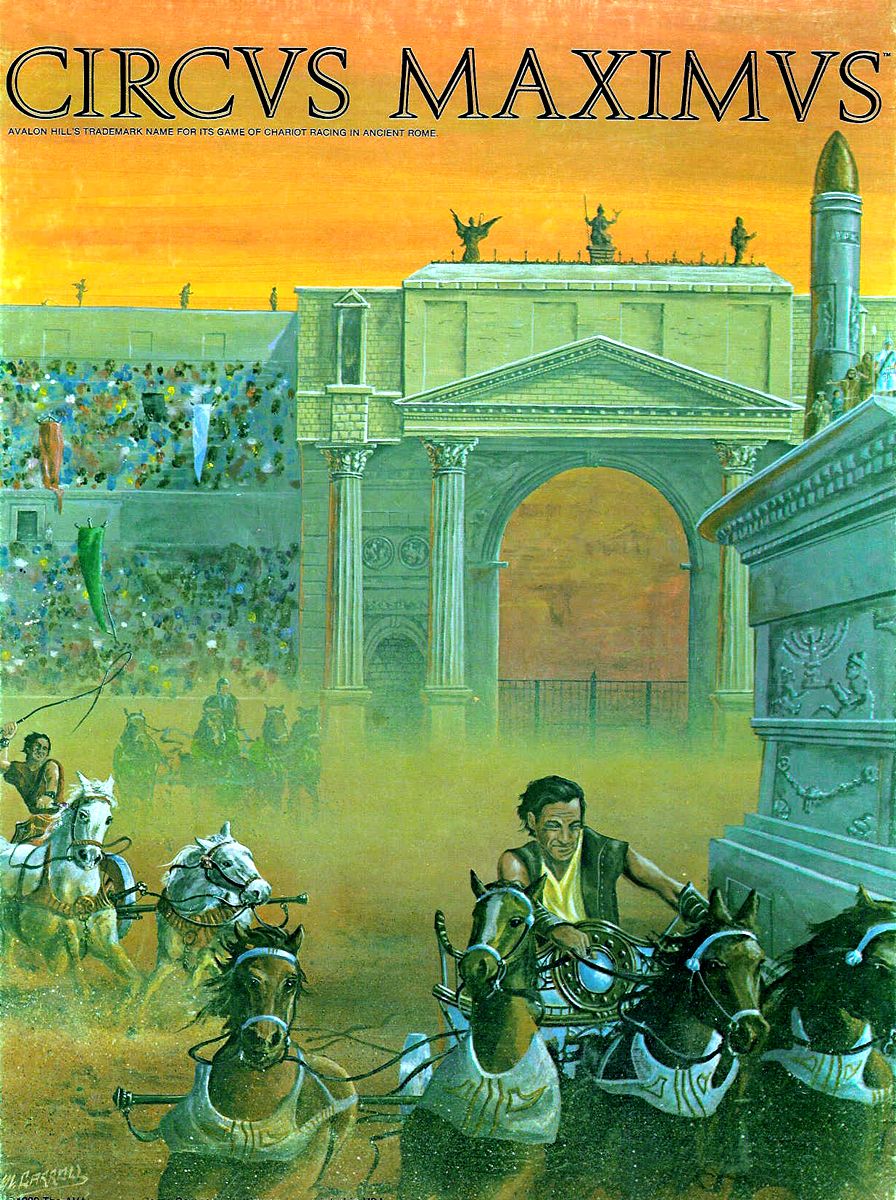
Circus Maximus
1979Chariot racing board game, famed at conventions in an oversized form with giant boards.
- 2〜10人
- 120分
- 12歳以上
Circus Maximus is a chariot racing board game designed by Don Greenwood and Michael S. Matheny. It is best remembered in the Avalon Hill version. The game's theme is chariot racing, and its setting is the racetrack. An oversized version has boards about ten feet long and chariots the size of baseballs.
Don Greenwood, Michael S. Matheny
1971 World War II board wargame
- 2〜3人
- 360分
- 14歳以上
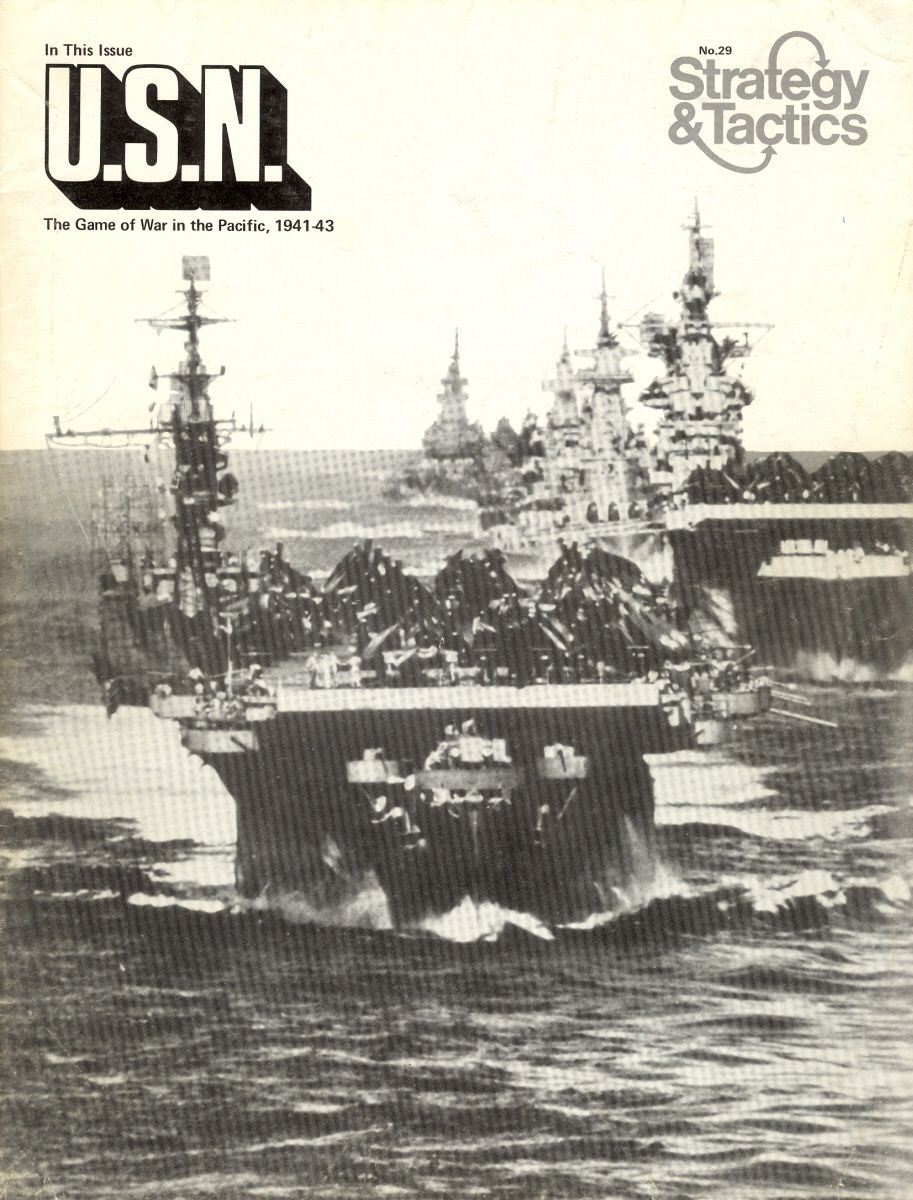
A wargame for 2 to 3 players, age 14+, designed by Jim Dunnigan and released by SPI in 1971. It is a board game of historical simulation about the Second World War. The game recreates two years of the Pacific fighting of the Second World War, with Japanese and Allied forces contesting the theatre across its turns.
Jim Dunnigan · Simulations Publications, Inc.
Lusitania XXI
2022- 2〜4人
- 15〜30分
- 8歳以上
Lusitania XXI is a card game for two to four players, designed by João Quintela Martins and published by Pythagoras, with artwork by Olivier Fagnère. It is set in ancient Iberia. Rome has lost another battle in the remote land of Lusitania, and Julius Caesar wants it brought to heel.
João Quintela Martins