A carregar a página…
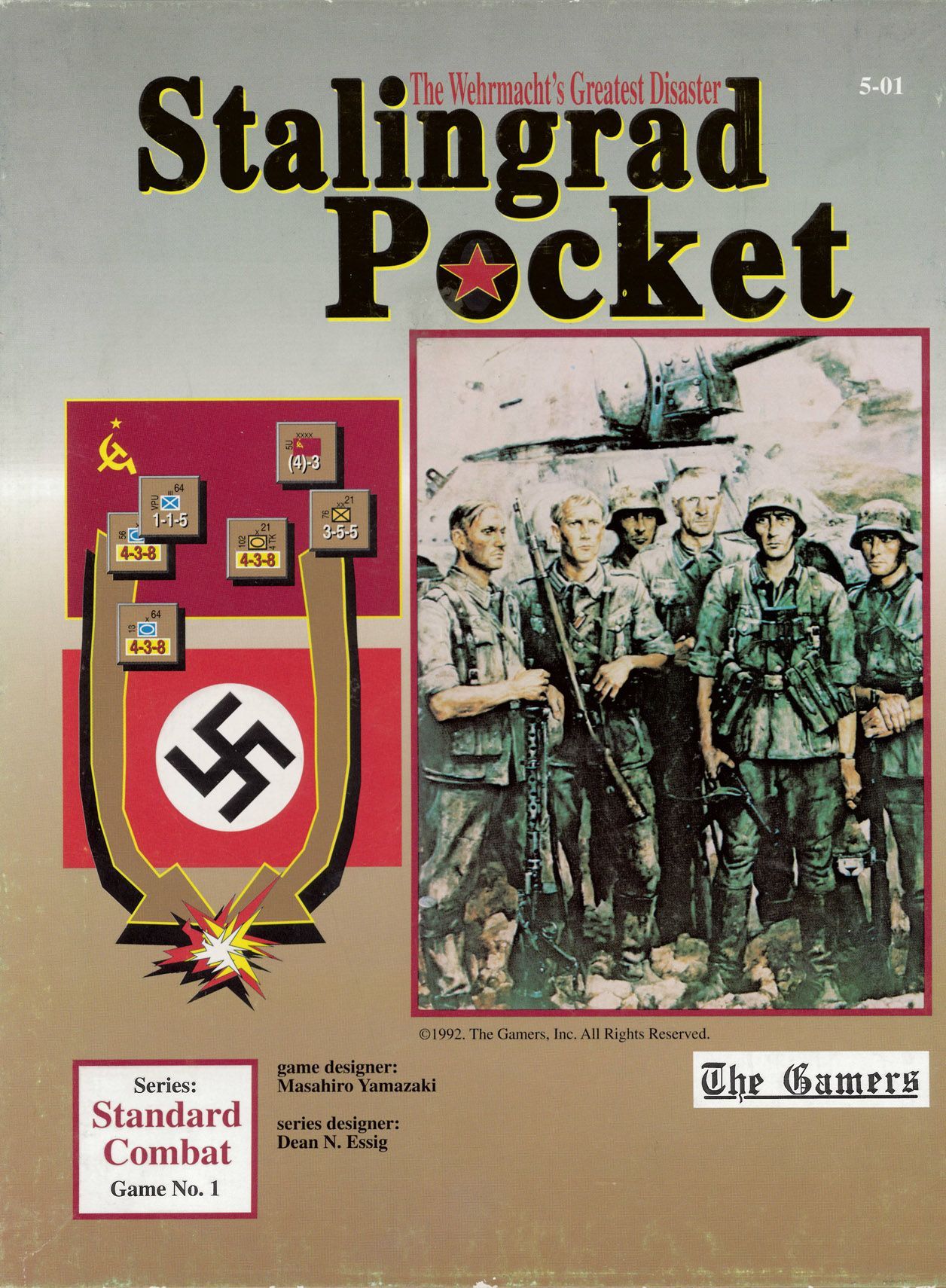
Two players contest the encircled German army at Stalingrad, with solo play too.
- 2 jogadores
- 120 minutos
- A partir dos 15 anos
Stalingrad Pocket is a two-player game about the battle of Stalingrad, for players aged 15 and up. Dean Essig and Masahiro Yamazaki designed it, and Kokusai-Tsushin, Multi-Man Publishing, Oriflam and The Gamers published it.
por Dean Essig, Masahiro Yamazaki
- 2 jogadores
- 10 minutos
- A partir dos 10 anos
por Krzysztof Matusik
- 2 a 5 jogadores
- 45 minutos
- A partir dos 8 anos
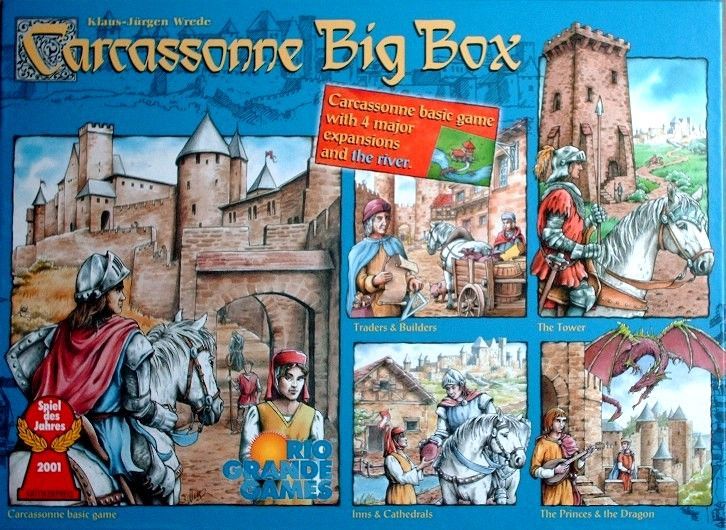
por Klaus-Jürgen Wrede
- 1 a 2 jogadores
- 180 minutos
- A partir dos 12 anos
por Ben Knight
- 2 a 12 jogadores
- A partir dos 5 anos
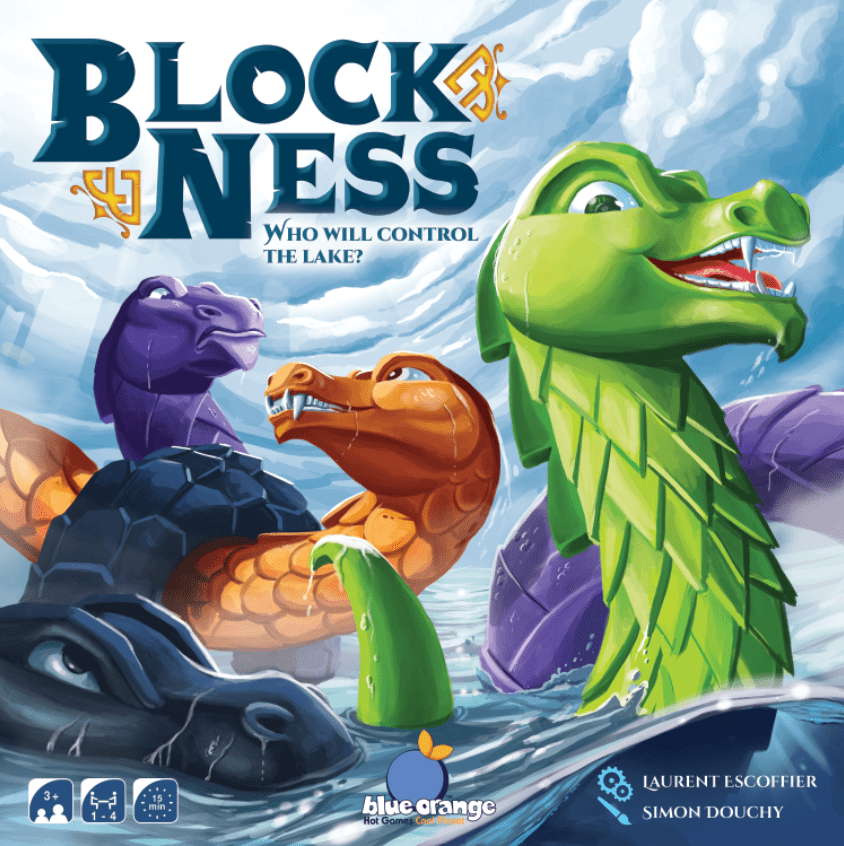
Block Ness
2021- 2 a 4 jogadores
- 15 a 20 minutos
- A partir dos 8 anos
Each player grows a monster across a perforated board by adding one segment per turn to its head or tail. Play ends when everyone is blocked or out of pieces, and the fewest leftover segments wins.
por Laurent Escoffier
- 2 jogadores
- 15 a 30 minutos
- A partir dos 10 anos
por Cory Jones, Matt Hyra
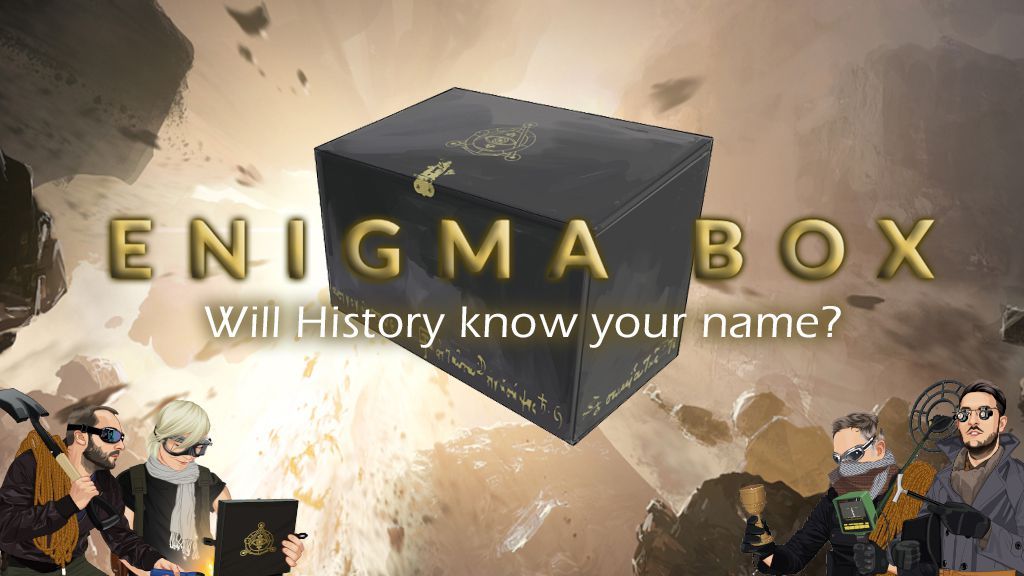
The Enigma Box
2017- 1 a 4 jogadores
- 6000 a 10000 minutos
- A partir dos 12 anos
- 2 a 4 jogadores
- 15 minutos
- A partir dos 10 anos
por ぬるぴょ, アートワーク
- 1 a 2 jogadores
- 60 minutos
- A partir dos 8 anos
Command points and dice-driven initiative shape a two-player Civil War across three theaters.
- 1 a 2 jogadores
- 120 a 1200 minutos
- A partir dos 12 anos
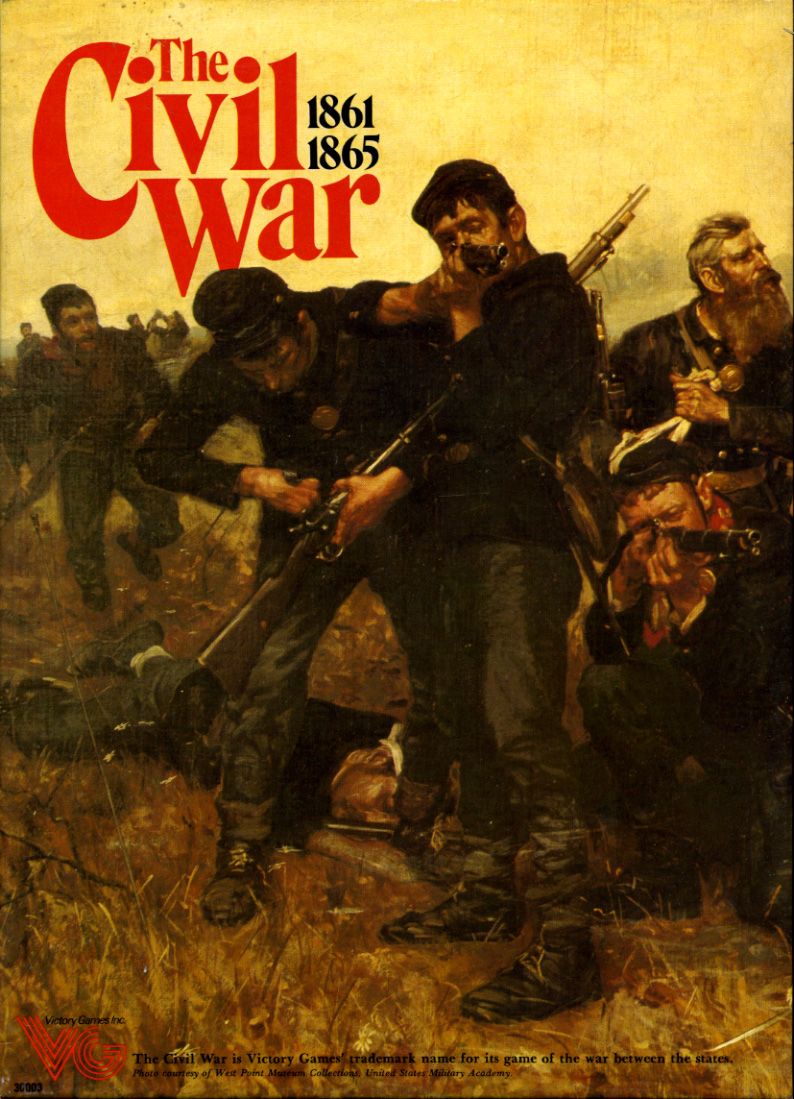
The Civil War 1861-1865 is a board wargame for one or two players aged 12 and up, designed by Eric Lee Smith and published by Victory Games in 1983. It is a heavy, long-form strategy game.
por Eric Lee Smith · Victory Games
- 2 jogadores
- 35 a 60 minutos
- A partir dos 8 anos
One Piece Card Game is a two-player collectible card game published by Bandai in 2022, aimed at players aged 8 and up and taking about 35 to 60 minutes per match. Each player picks a Leader and assembles a crew of characters from the series to battle an opponent.
Bandai
- 2 a 5 jogadores
- 60 a 150 minutos
- A partir dos 14 anos
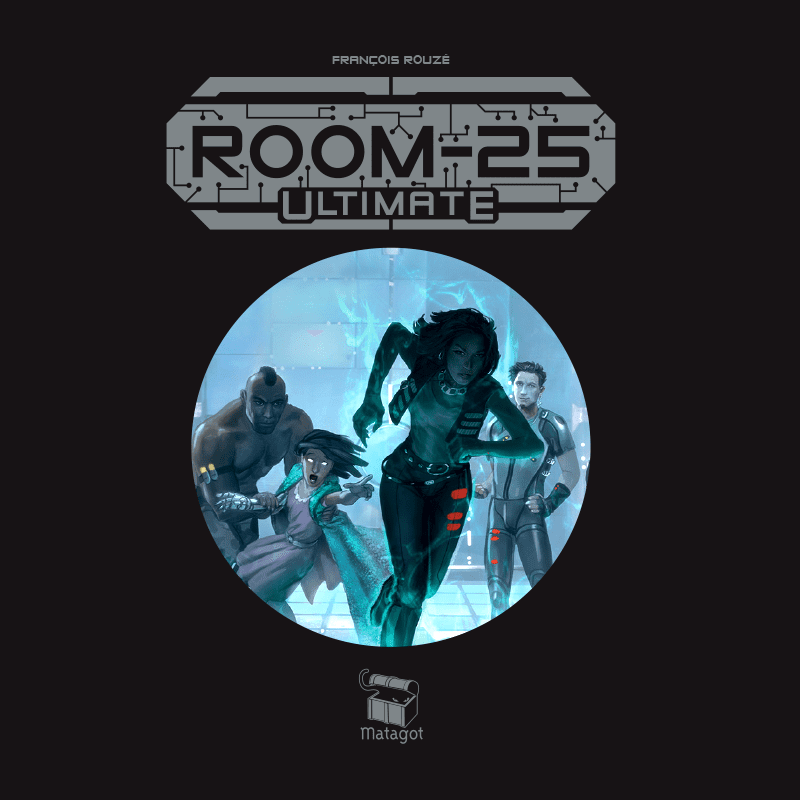
Room 25 Ultimate
2016- 1 a 8 jogadores
- 30 a 60 minutos
- A partir dos 10 anos
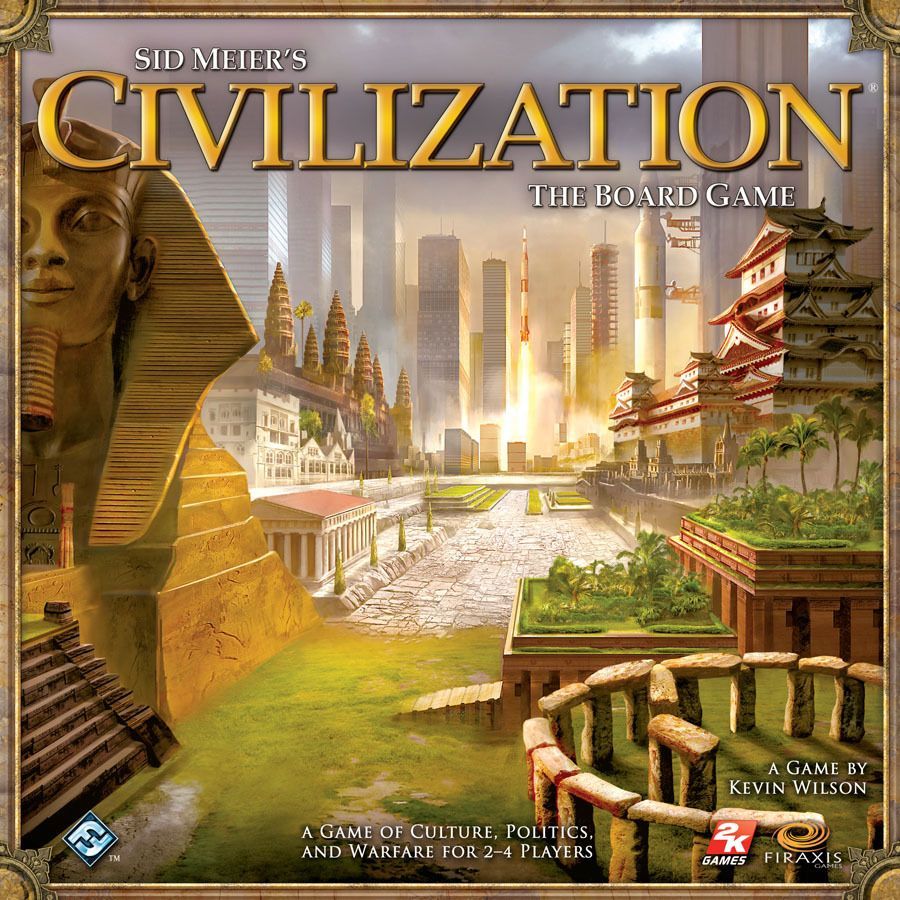
- Sid Meier's Civilization: The Board Game
Civilization's video game series on the tabletop, drawing mainly on Civilization IV.
- 2 a 4 jogadores
- 120 a 240 minutos
- A partir dos 13 anos
This 2010 title for two to four players, aimed at ages 13 and up, was designed by Kevin Wilson and Fantasy Flight Games published it. You take on one of six civilizations, the Americans, Chinese, Egyptians, Germans, Romans or Russians, and build cities alongside rival players.
por Kevin Wilson
- 2 a 20 jogadores
- 20 minutos
- A partir dos 16 anos
por Thomas Hüllmayer · ANZEN
- 2 a 6 jogadores
- 90 minutos
- A partir dos 12 anos
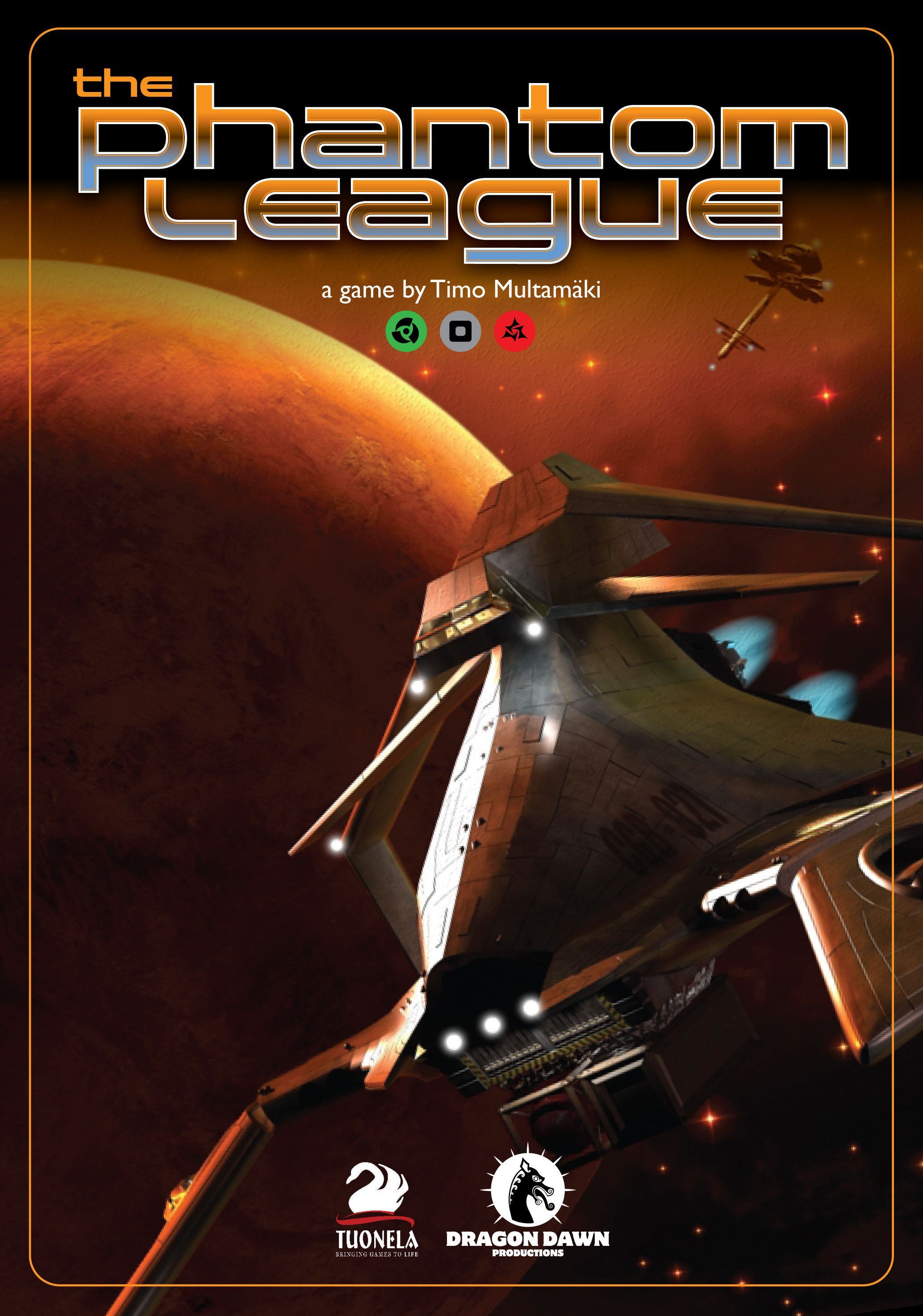
por Timo Multamäki
- 1 a 6 jogadores
- 20 a 40 minutos
- A partir dos 12 anos
- 2 jogadores
- 15 minutos
- A partir dos 8 anos
por Devin Low
- 1 a 4 jogadores
- 30 minutos
- A partir dos 8 anos
por Eduardo Baraf, Keith Matejka
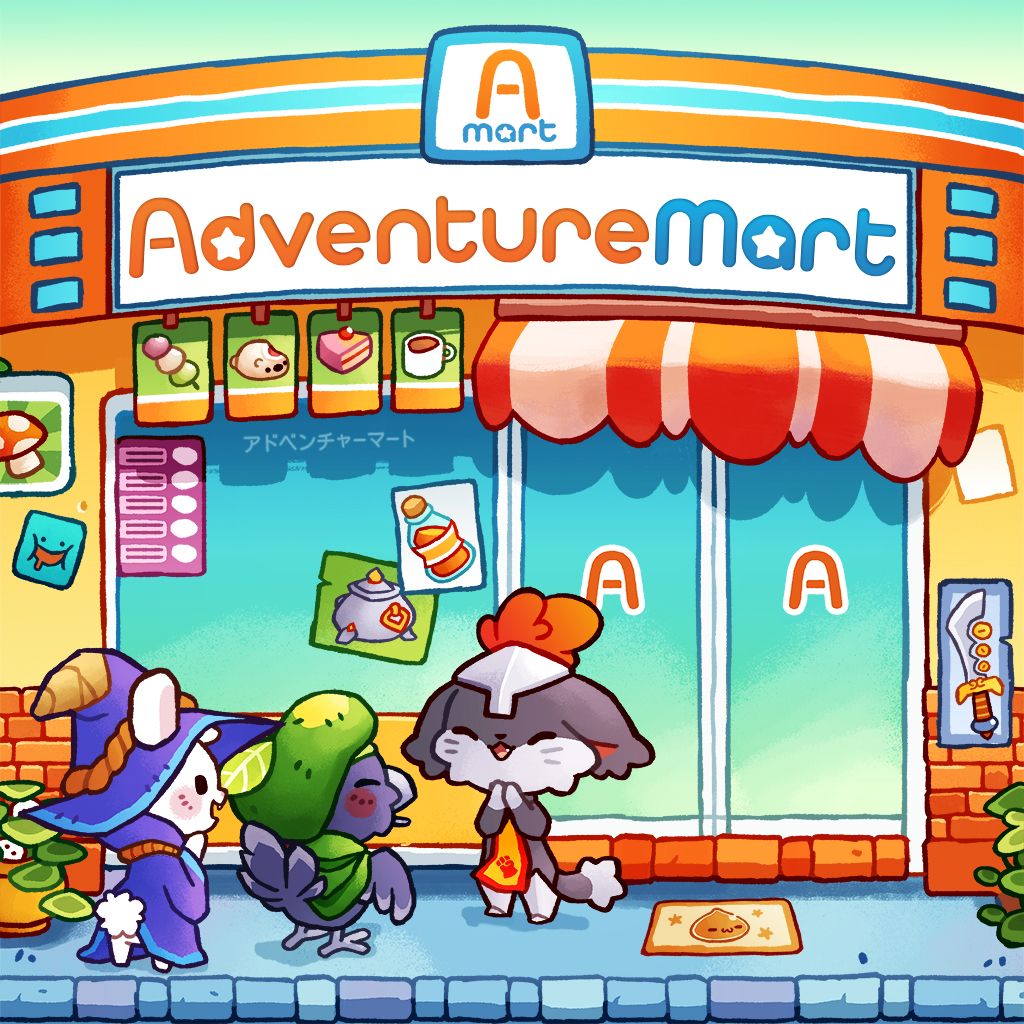
Adventure Mart
2020- 2 a 4 jogadores
- 45 a 60 minutos
- A partir dos 10 anos
Potions Class
2018- 2 jogadores
- 10 a 15 minutos
- A partir dos 6 anos
- 1 a 2 jogadores
- 360 minutos
- A partir dos 12 anos
por Joseph Miranda
- 2 a 5 jogadores
- 10 a 20 minutos
- A partir dos 18 anos
por Elan Lee, Matthew Inman
- 2 a 3 jogadores
- 120 minutos
- A partir dos 10 anos
A 32-card expansion adding small narrative Moments to the Earthborne Rangers path deck.
- 1 a 4 jogadores
- 90 a 120 minutos
- A partir dos 12 anos
por Davi Paulino · Frosted Games
Space Bowl
2019- 2 a 8 jogadores
- 25 a 35 minutos
- A partir dos 8 anos
- 2 a 12 jogadores
- 120 minutos
- A partir dos 8 anos
- 2 a 4 jogadores
- 30 a 45 minutos
- A partir dos 8 anos
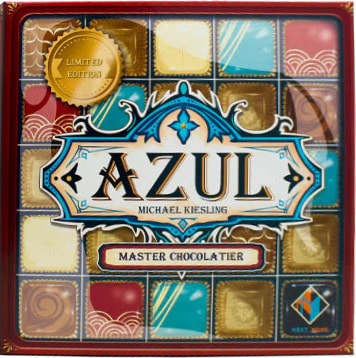
A tile-drafting game in the Azul family where players collect chocolate-themed tiles from suppliers and place them on their boards to build patterns and complete sets for points, while wasted tiles cost points.
por Michael Kiesling