A carregar a página…
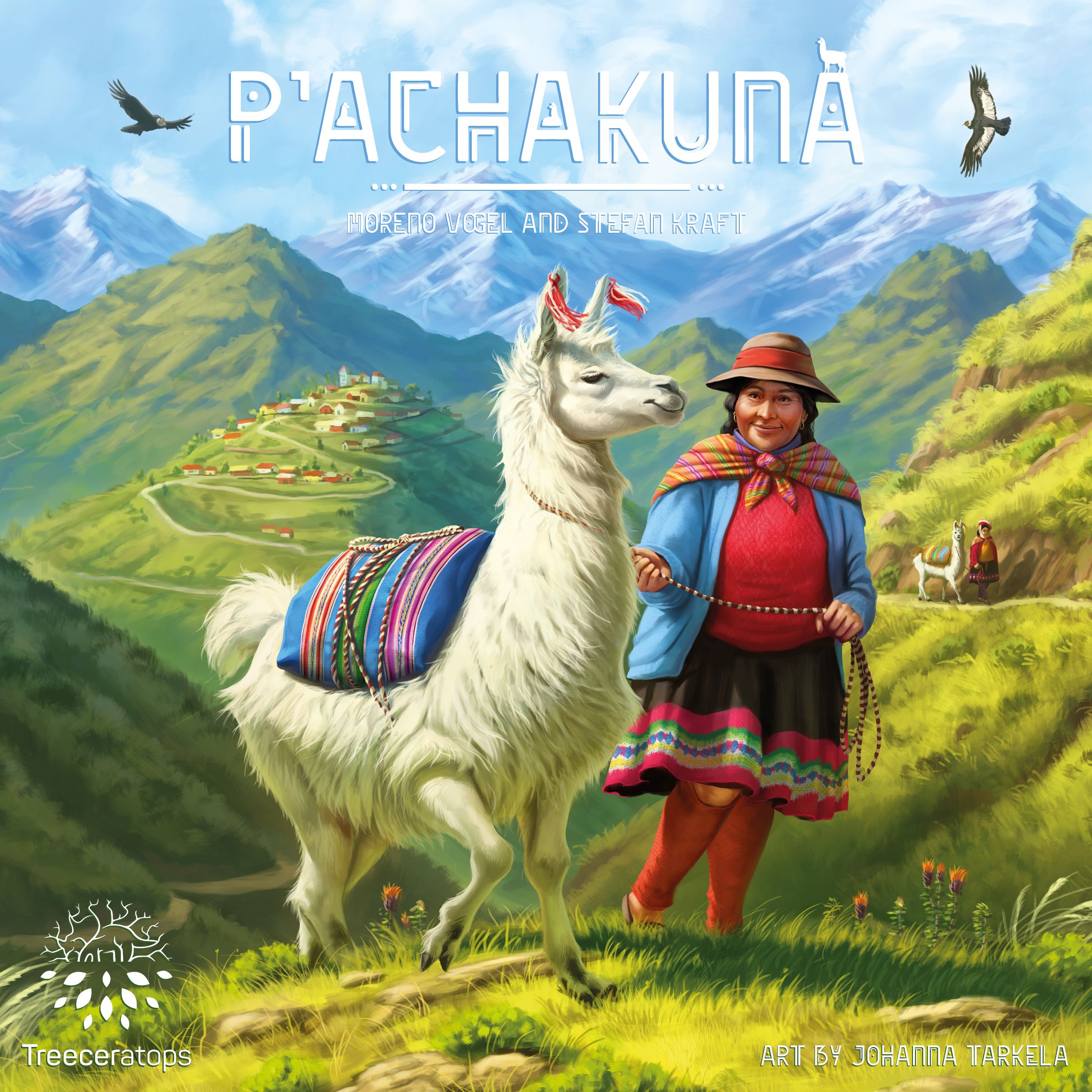
P'achakuna
2021- 2 jogadores
- 30 a 60 minutos
- A partir dos 8 anos
A two-player pickup-and-delivery game in the Andes where players move llamas to trade natural dyes and white wool.
- 2 jogadores
- 3 a 6 jogadores
- 60 minutos
- A partir dos 8 anos
por Reinhold Wittig
- 2 a 6 jogadores
- 30 minutos
- A partir dos 8 anos
por Jun Sasaki · Oink Games
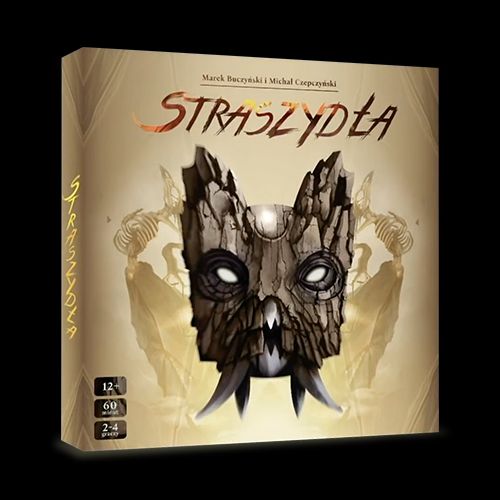
Straszydła
2019- 2 a 4 jogadores
- 45 a 120 minutos
- A partir dos 13 anos
- 1 a 2 jogadores
- 30 a 60 minutos
- A partir dos 12 anos
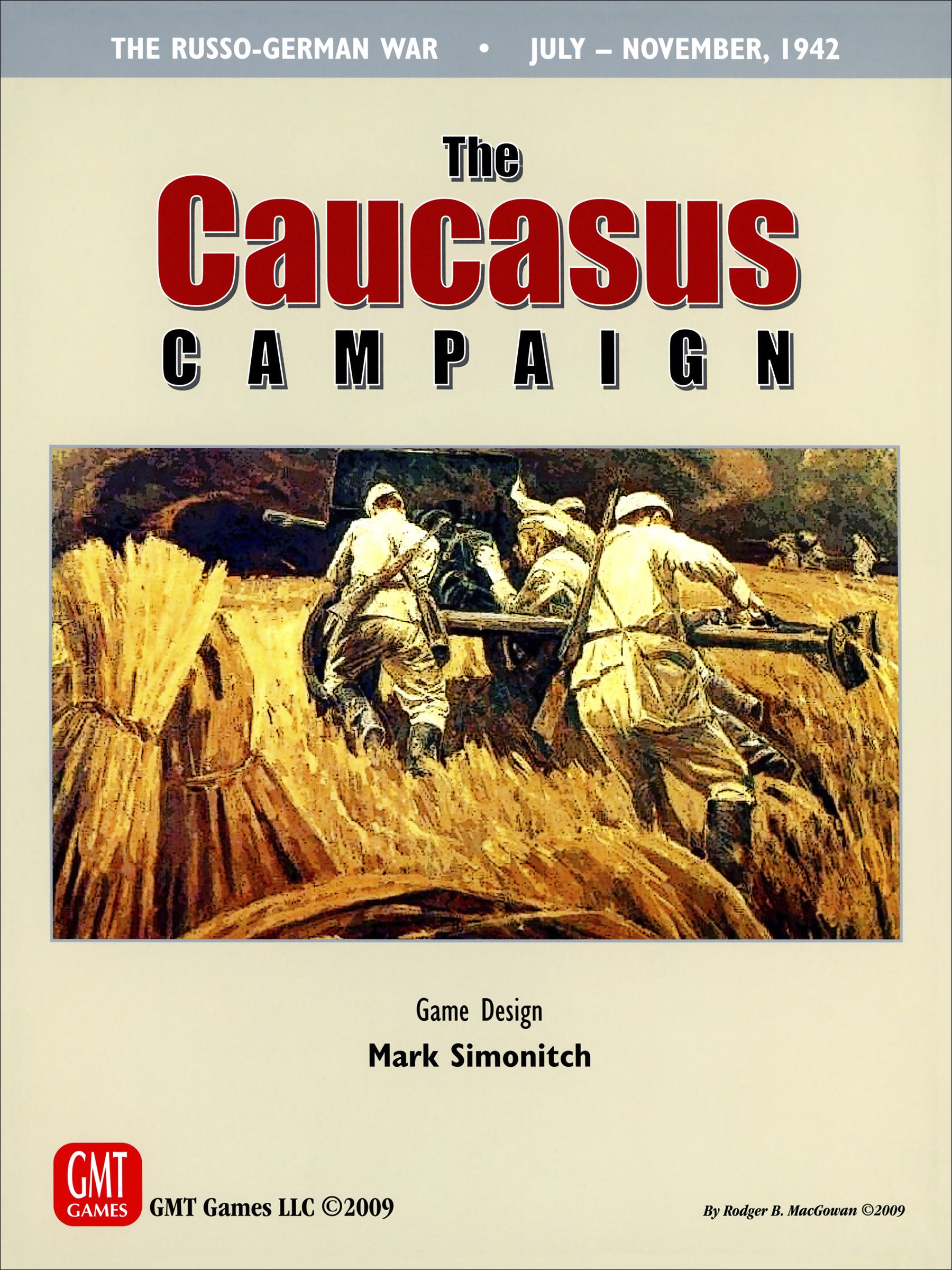
- 2 jogadores
- 360 minutos
por Mark Simonitch
Nuancen
2026A Piatnik strategy game for thinking players about shades and colour, published in 2026 and designed by Scott Brady.
- 3 a 10 jogadores
- 30 minutos
- A partir dos 8 anos
por Scott Brady · Piatnik
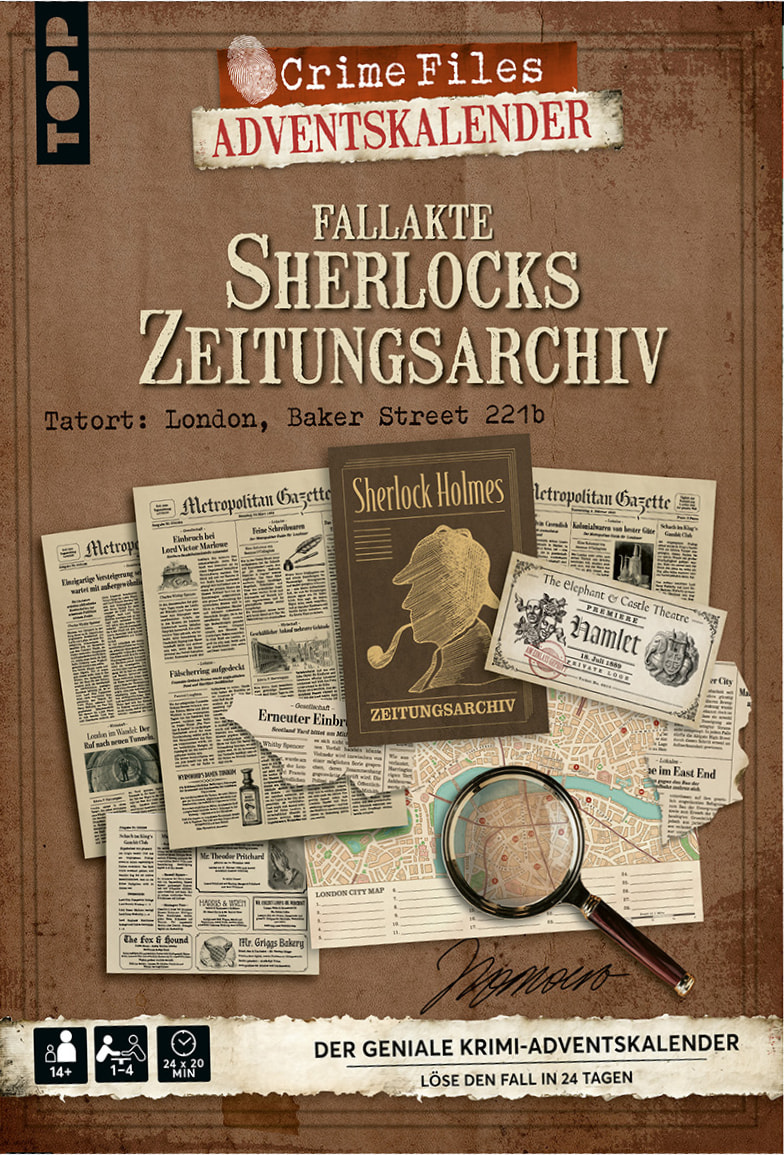
A 24-day Sherlock Holmes crime-solving Advent calendar built around historical newspapers and clues to crack a cold case.
- 1 a 4 jogadores
- 30 minutos
- A partir dos 14 anos
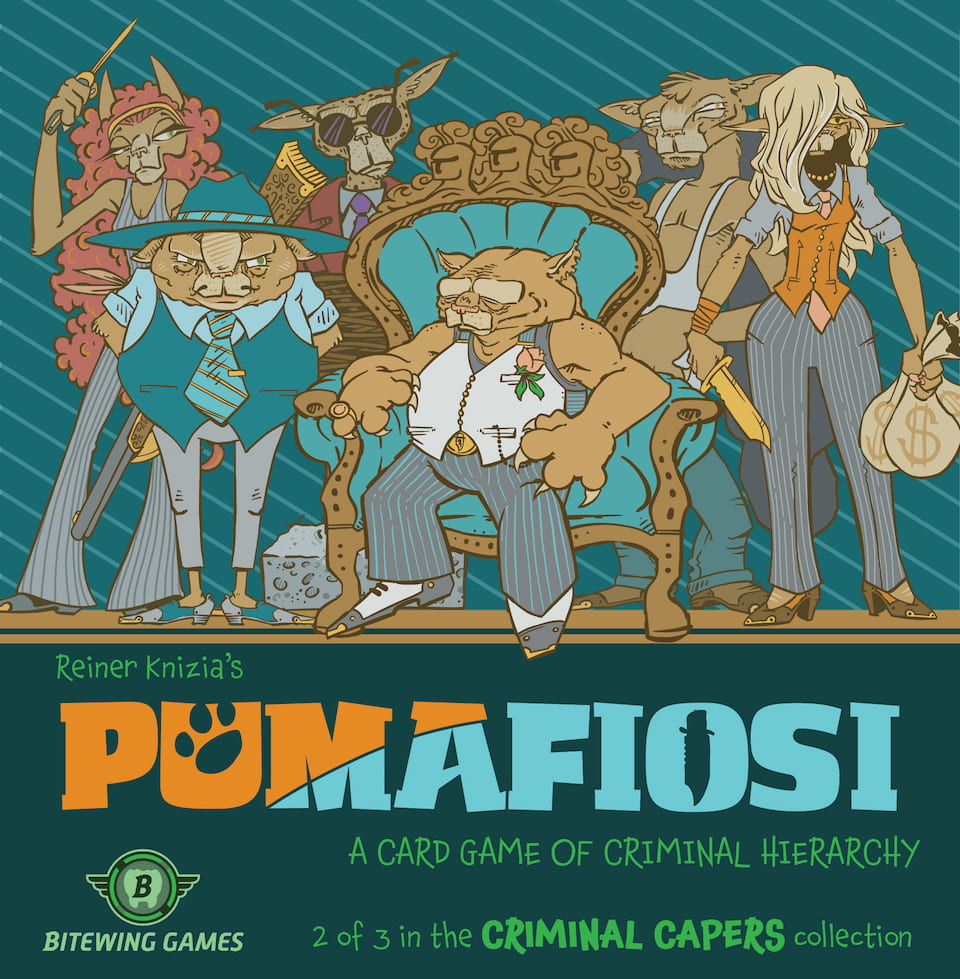
Pumafiosi
2022- 2 a 5 jogadores
- 10 a 30 minutos
- A partir dos 8 anos
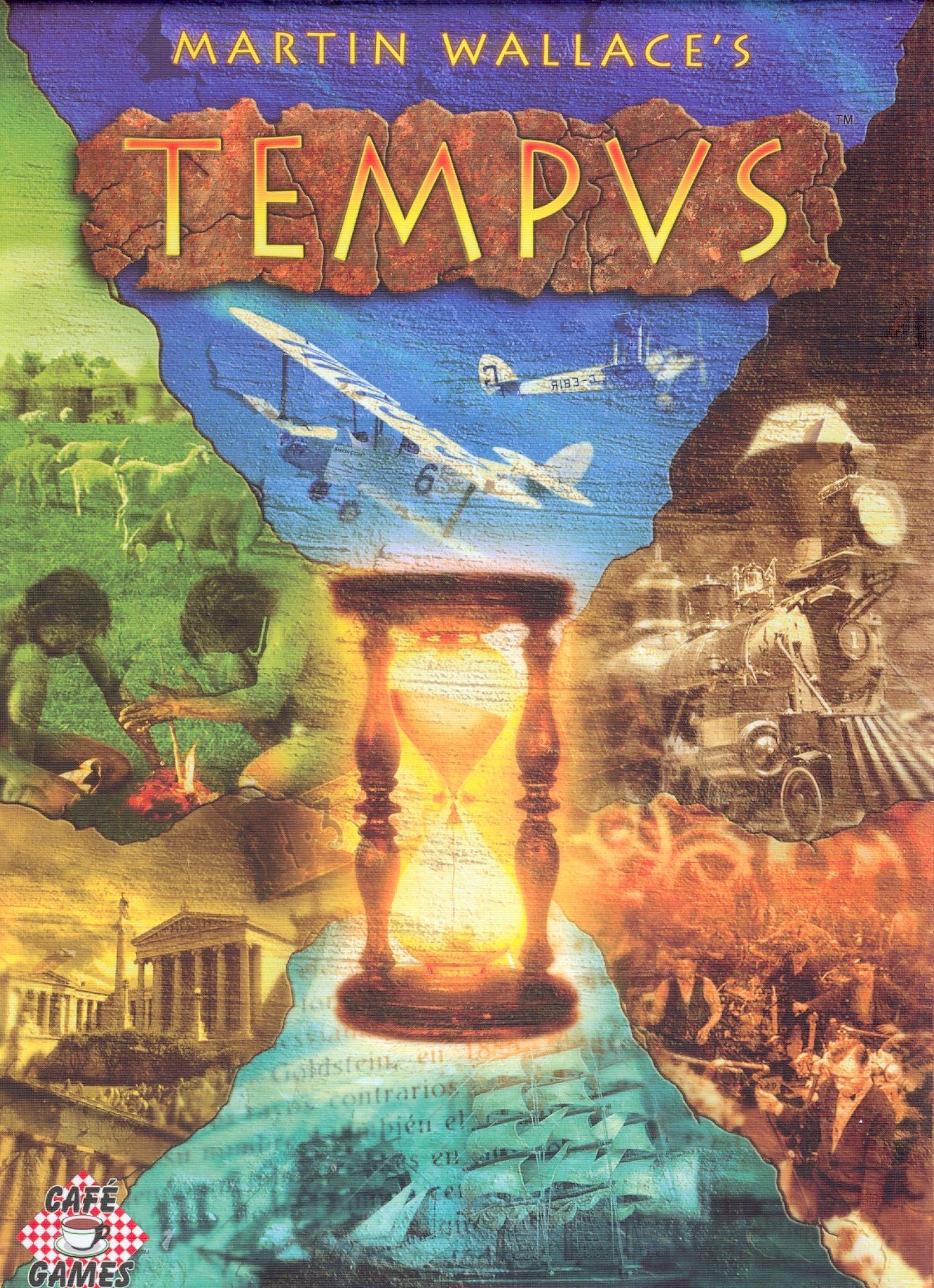
Tempus
2006Advance through ten eras by settling land, raising cities and fighting diceless battles.
- 3 a 5 jogadores
- 60 a 120 minutos
- A partir dos 14 anos
Tempus is a territory-building civilization game designed by Martin Wallace and first released in 2006. It suits three to five players aged 14 and up and runs about 60 to 120 minutes. Several publishers released it, including Warfrog Games, Ubik and Cafe Games.
por Martin Wallace
- 2 jogadores
- A partir dos 12 anos
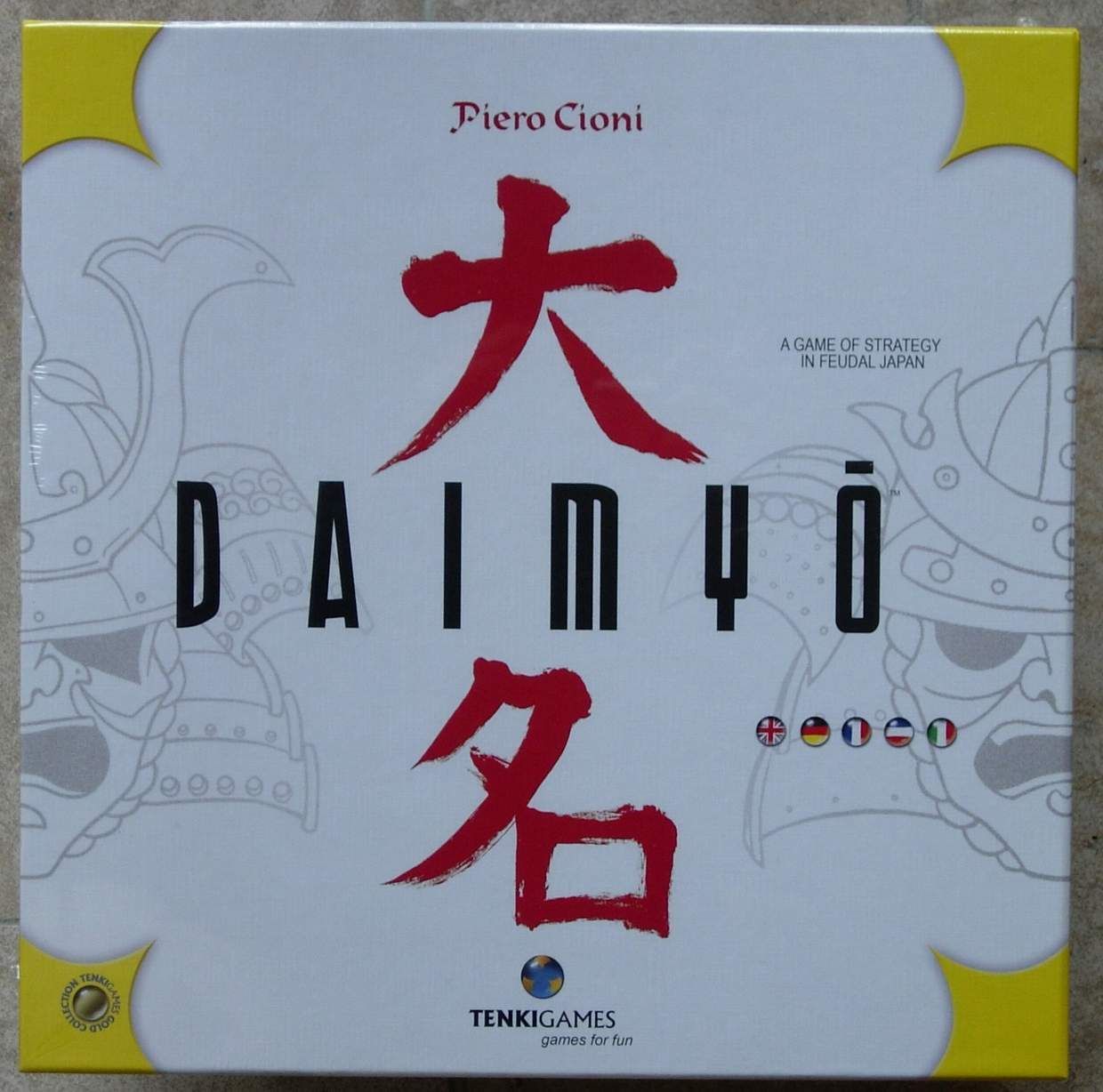
15x15 grid variant of Japanese chess
- 2 jogadores
Dai shogi is a two-player board game from Japan, closely resembling standard shogi in its rules and play. It is also called Kamakura dai shogi and belongs to a family of large-board shogi variants. Its roots lie in Heian era shogi, and its earliest forms date to the Kamakura era, around 1230.
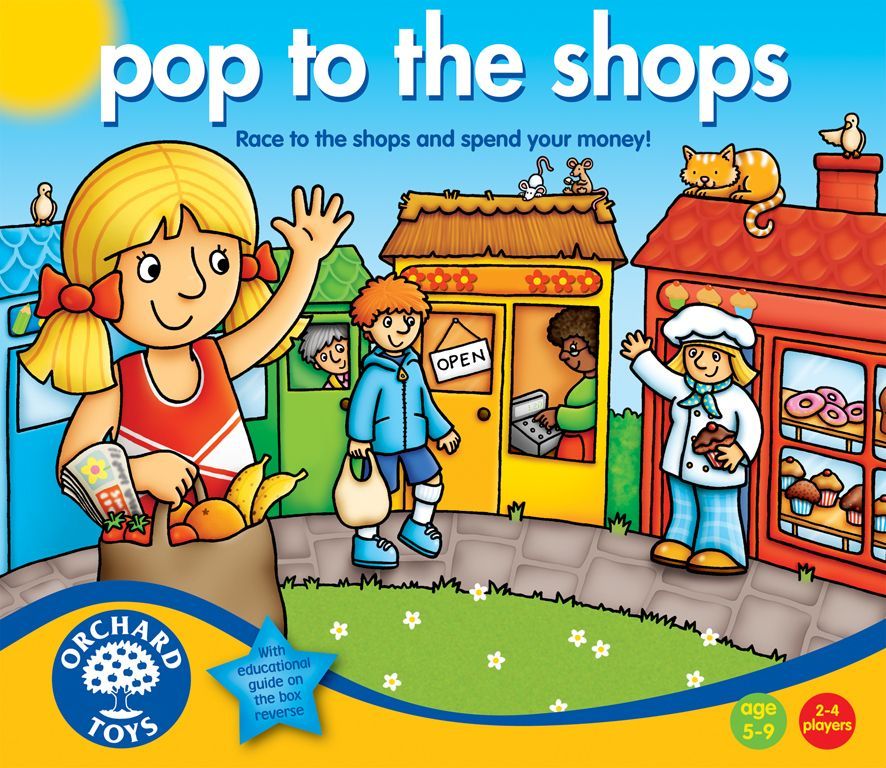
A shopping race where young players learn to handle play money and give change.
- 2 a 4 jogadores
- A partir dos 5 anos
Pop to the Shops is a board game for two to four players aged 5 and up, published by Orchard Toys. It is a shopping race for young players that offers longer, more varied play than the publisher's traditional matching games. You are a shopper racing around a set of shops with your own 3D character.
- 2 a 4 jogadores
- 30 a 60 minutos
- A partir dos 8 anos
por Dávid Jablonovský, Vlaada Chvátil · Czech Games Edition
- 2 a 4 jogadores
- 10 minutos
- A partir dos 5 anos
A 1978 SPI wargame where Crusaders storm Acre while Saladin's forces defend the city in 1191.
A board wargame from 1978 that recreates a medieval siege, released by Simulations Publications. Players command the Crusaders assaulting the city and the Muslim defenders under Saladin, with the historic siege of Acre as the battleground. Each two-day turn is split into named phases, which the game lists as follows.
- 2 a 6 jogadores
- 30 minutos
- A partir dos 10 anos
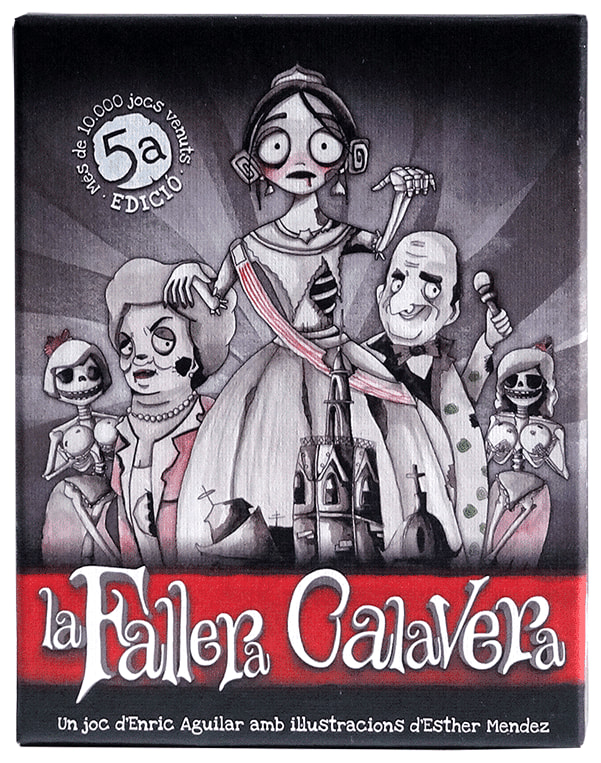
por Enric Aguilar Almodóvar
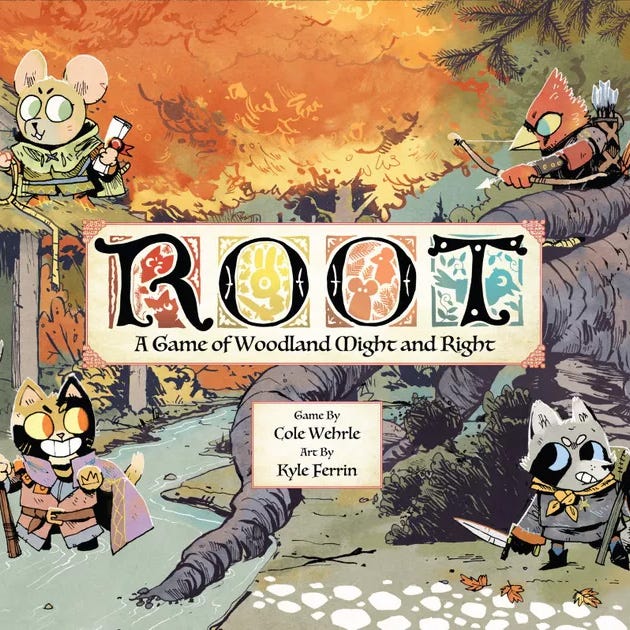
Root
2018Decide the fate of the woodland as asymmetric factions fight for contrasting goals.
- 2 a 4 jogadores
- 60 a 90 minutos
- A partir dos 14 anos
Root is a 2018 asymmetric wargame for two to four players aged 14 and up, designed by Cole Wehrle and published by Leder Games. Rival woodland factions contest a forest made of clearings, each marked with a suit. Each player commands a different faction with its own rules and aims to gather the most victory points.
por Cole Wehrle · Leder Games
Burger Up
2016- 2 a 4 jogadores
- 15 a 30 minutos
- A partir dos 9 anos
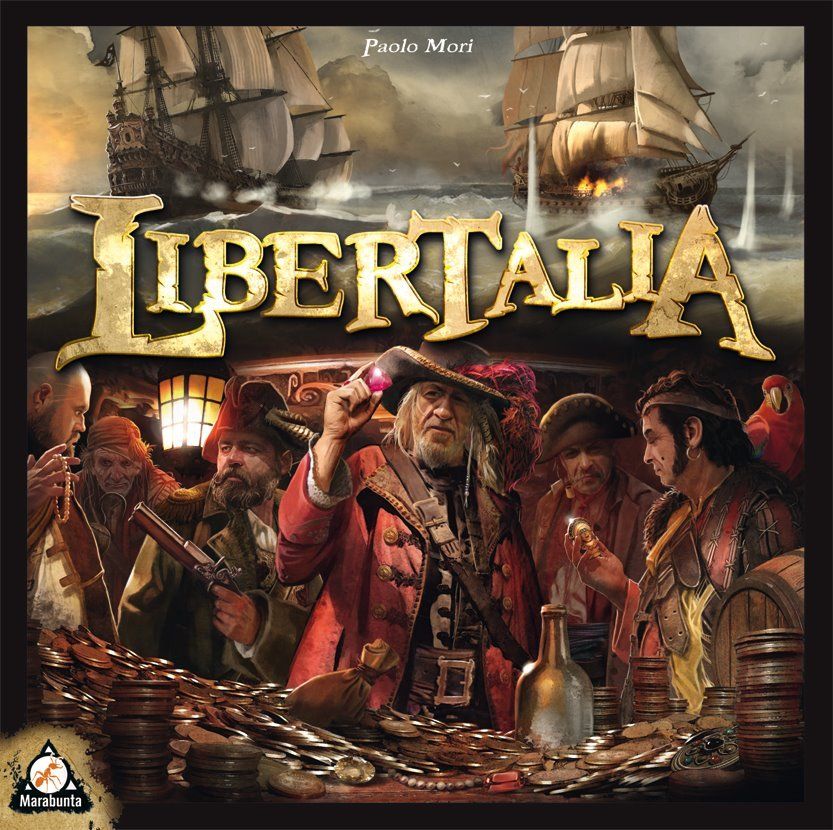
Libertalia
2012(2012) 7.084 7.27 8926 [ Shop ]
- 2 a 6 jogadores
- 45 minutos
- A partir dos 14 anos
Libertalia is a pirate-themed board game for 2 to 6 players aged 14 and up, lasting 40 to 60 minutes. It was designed by Paolo Mori and published by Asmodee, Asterion Press and Marabunta. You lead a band of cut-throats sailing the high seas, racing rival captains to grab the most valuable booty.
por Paolo Mori
- 2 a 8 jogadores
- 60 a 90 minutos
- 2 a 5 jogadores
1971 World War II board wargame
- 1 a 2 jogadores
- 120 minutos
- A partir dos 12 anos
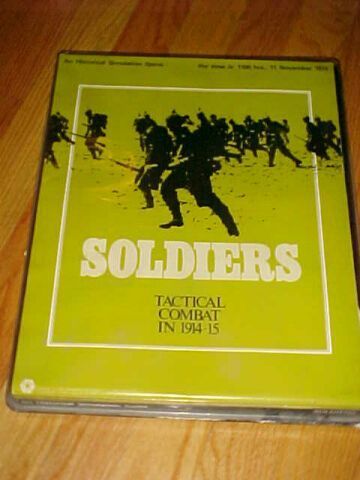
Soldiers: Tactical Combat in 1914-15 is a board wargame for one or two players, aged 12 and up, designed by David C. Isby and published by SPI in 1972. Set in the opening phase of World War I, the game recreates a time when armies could still maneuver before the front hardened into trenches.
por David C. Isby
- 2 jogadores
- 10 a 20 minutos
- A partir dos 13 anos
por Christopher Badell
- 1 a 4 jogadores
- 120 minutos
- A partir dos 14 anos
por Christian Schäfer-Scheidtweiler, Stefan Scheidtweiler
Rapier & Dagger
1978This 1978 release from Fantasy Games Unlimited offers a ruleset for fencing with blades, usable with paper or miniatures. It is a generic combat system rather than a finished game with a fixed setting.
Fantasy Games Unlimited
Hitstory
Vencedor As d'Or 2002A one-versus-many hidden-movement game where a secret Recruiter roams a city while rogue agents hunt them down.
- 1 a 5 jogadores
- 45 a 75 minutos
- A partir dos 13 anos
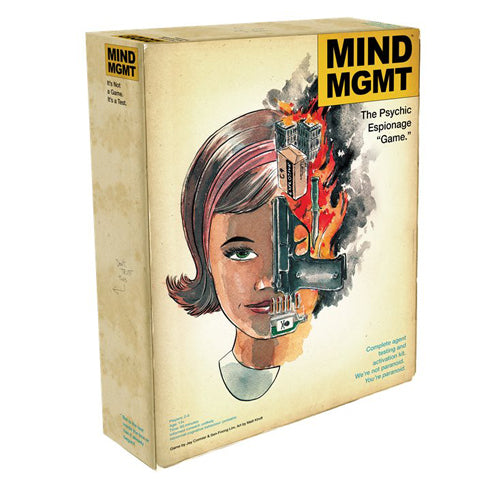
A deduction and bluffing game for one to five players aged 13 and up, lasting 45 to 75 minutes. It was designed by Jay Cormier and Sen-Foong Lim and published by Maldito Games in 2021. A secret psychic syndicate faces off against defecting rogue agents.
por Jay Cormier, Sen-Foong Lim
- 2 a 4 jogadores
- A partir dos 13 anos
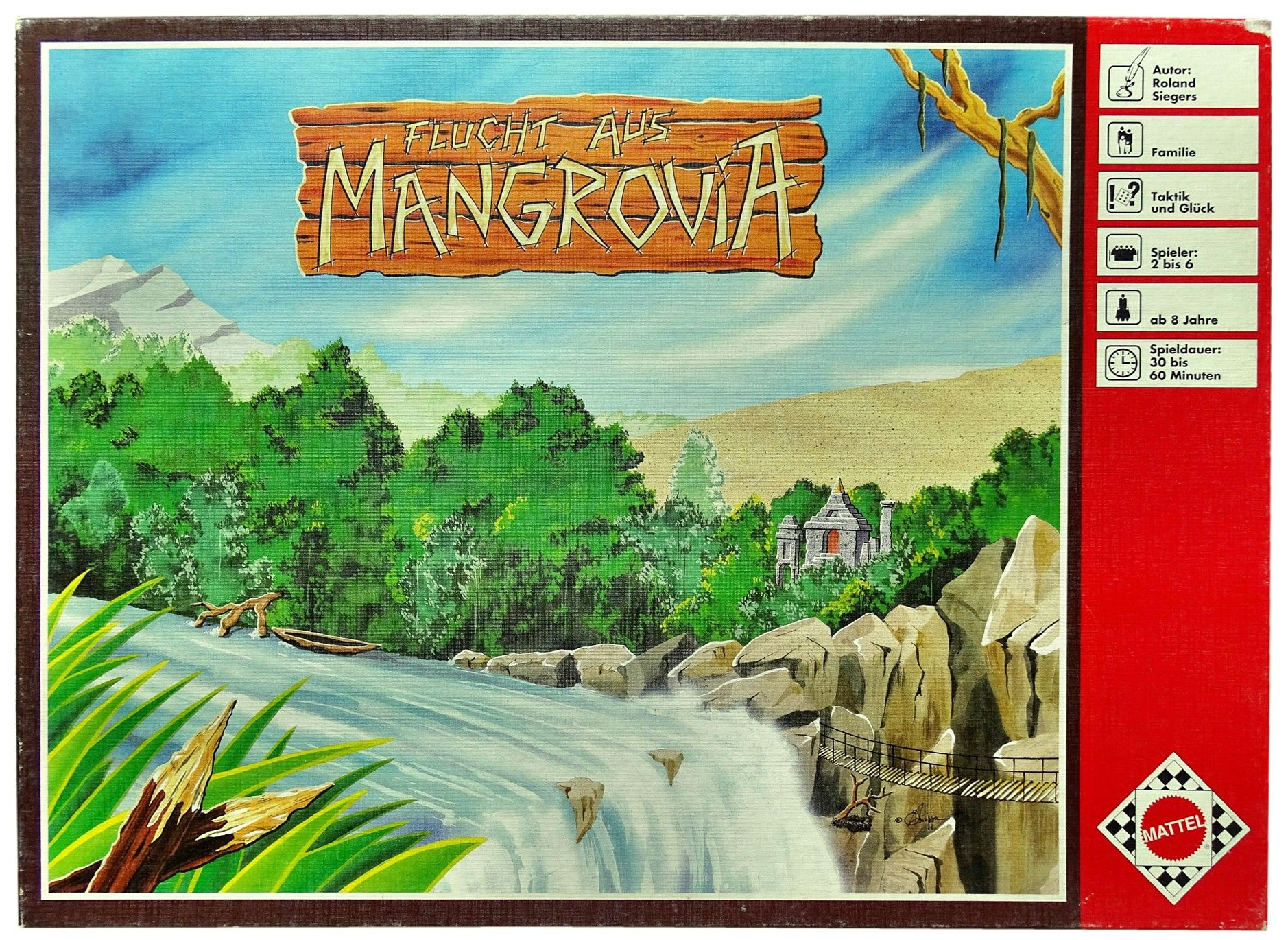
- 2 a 6 jogadores
- 30 minutos
- A partir dos 8 anos
por Roland Siegers
Boo Party
2025- 2 a 6 jogadores
- 10 minutos
- A partir dos 5 anos
A quick, light party game set at a costume ball where monsters pick disguises to stay hidden. One player plays the seer and has to remember which costumes have already appeared to unmask them.
por Benoit Turpin, Florian Sirieix