A carregar a página…
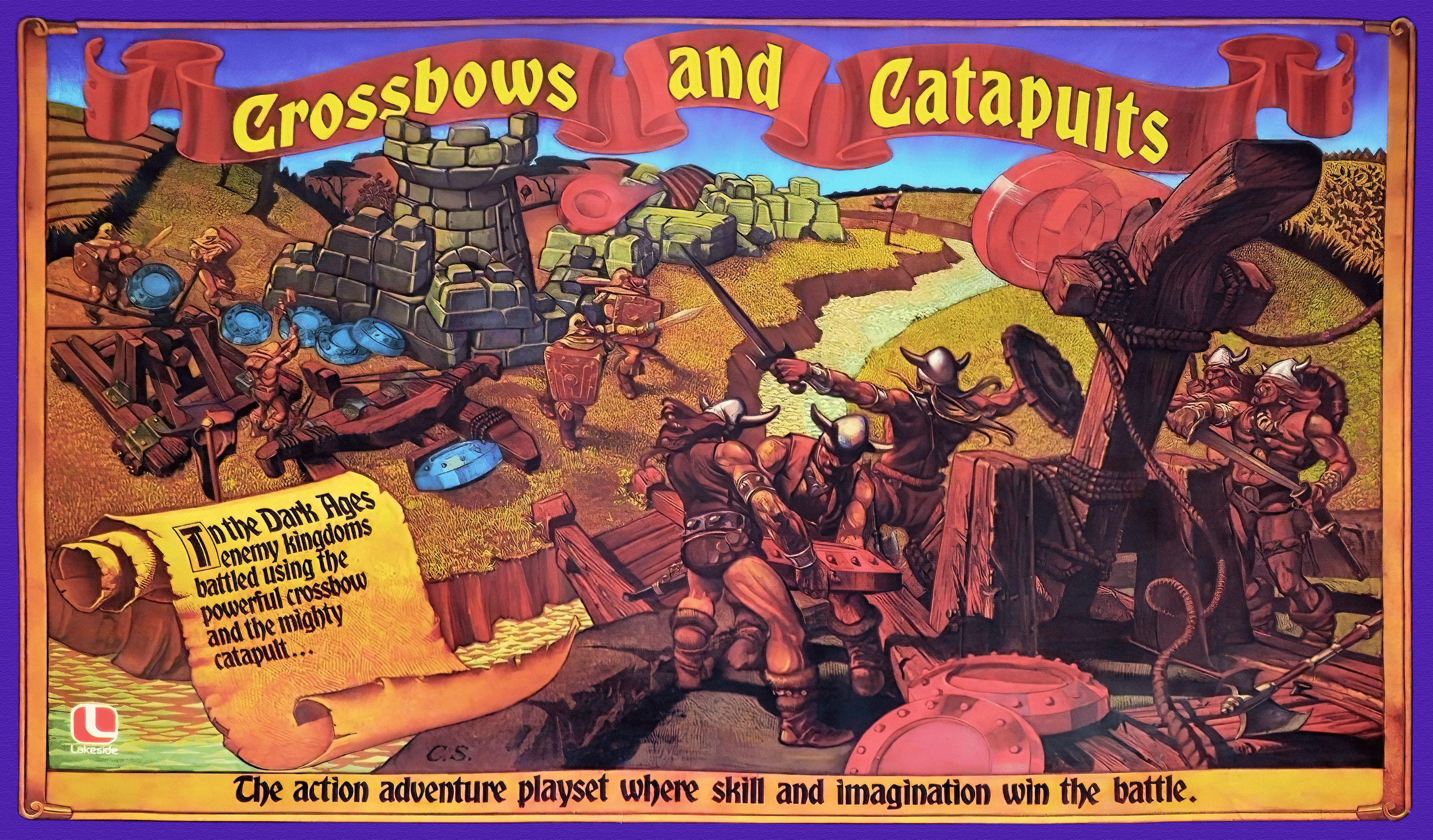
Build brick fortresses, then fling rubber-band crossbows and disk catapults at your rival's castle.
- 2 jogadores
- 30 minutos
- A partir dos 6 anos
Crossbows and Catapults is a two-player game of physical skill for children aged 6 and up, designed by Henri Sala. It was first released in 1983. Two armies, originally Vikings and Barbarians though later versions used other names, each raise a castle from plastic bricks.
por Henri Sala
- 2 a 6 jogadores
- 45 minutos
- A partir dos 8 anos
- 2 a 12 jogadores
- 150 minutos
- A partir dos 12 anos
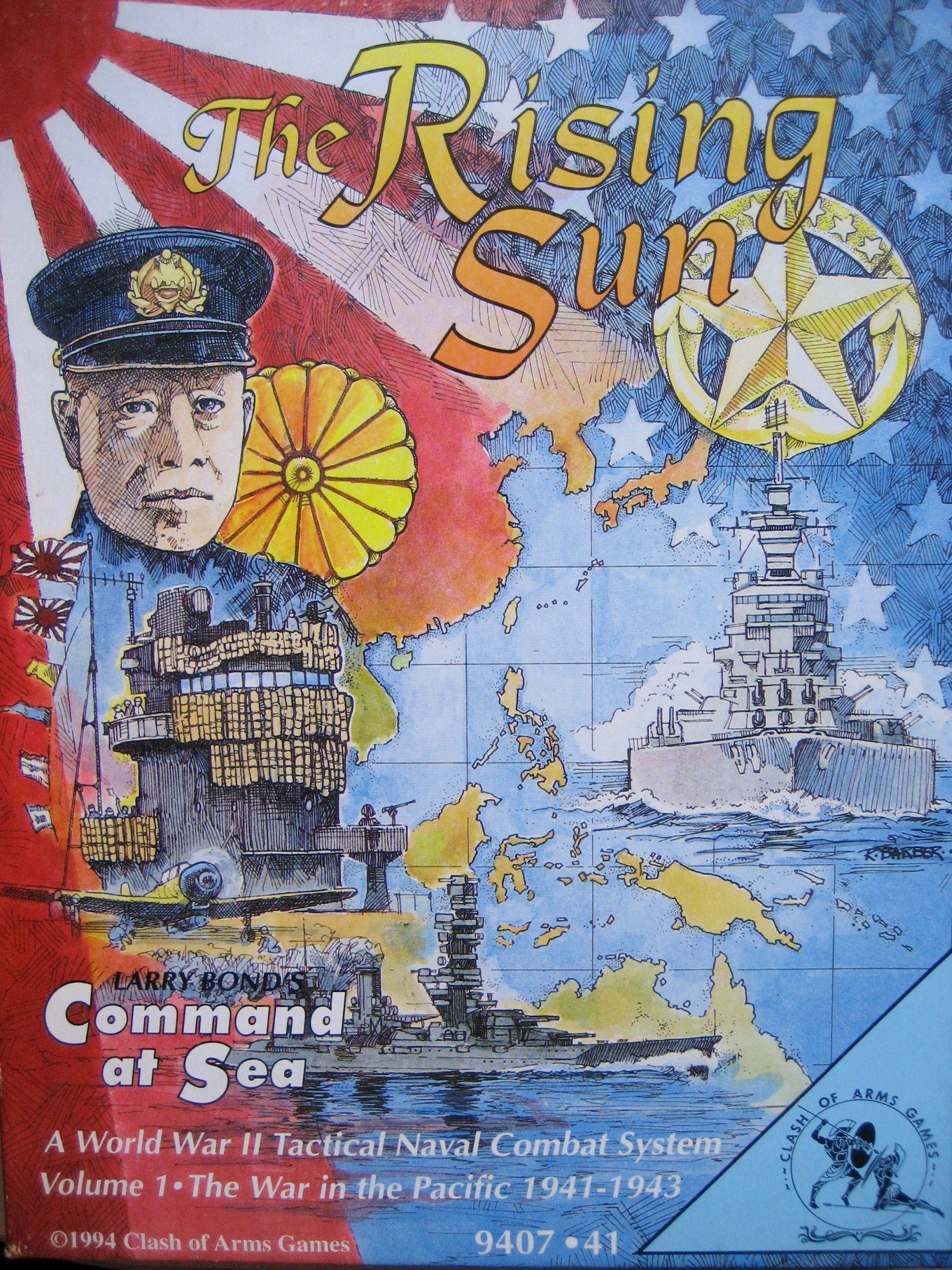
por Larry Bond
- 2 a 4 jogadores
- 1 minuto
- A partir dos 6 anos
- 1 a 5 jogadores
- 90 a 120 minutos
- A partir dos 12 anos
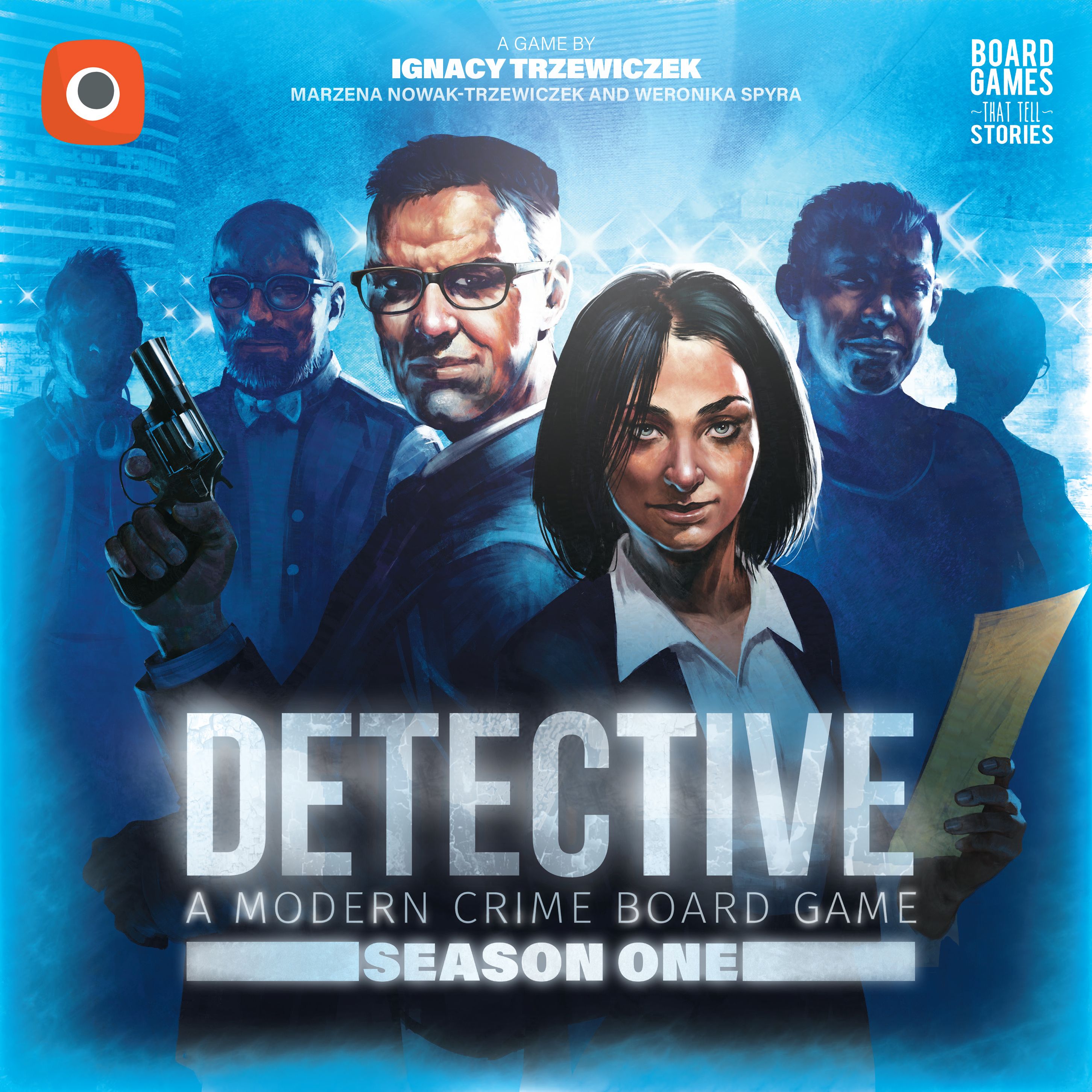
por Ignacy Trzewiczek
- 1 a 2 jogadores
- 180 minutos
- A partir dos 12 anos
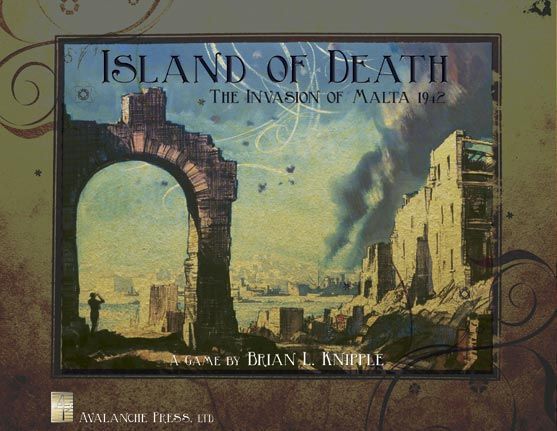
por Brian L. Knipple
- 2 jogadores
- 20 a 40 minutos
- A partir dos 8 anos
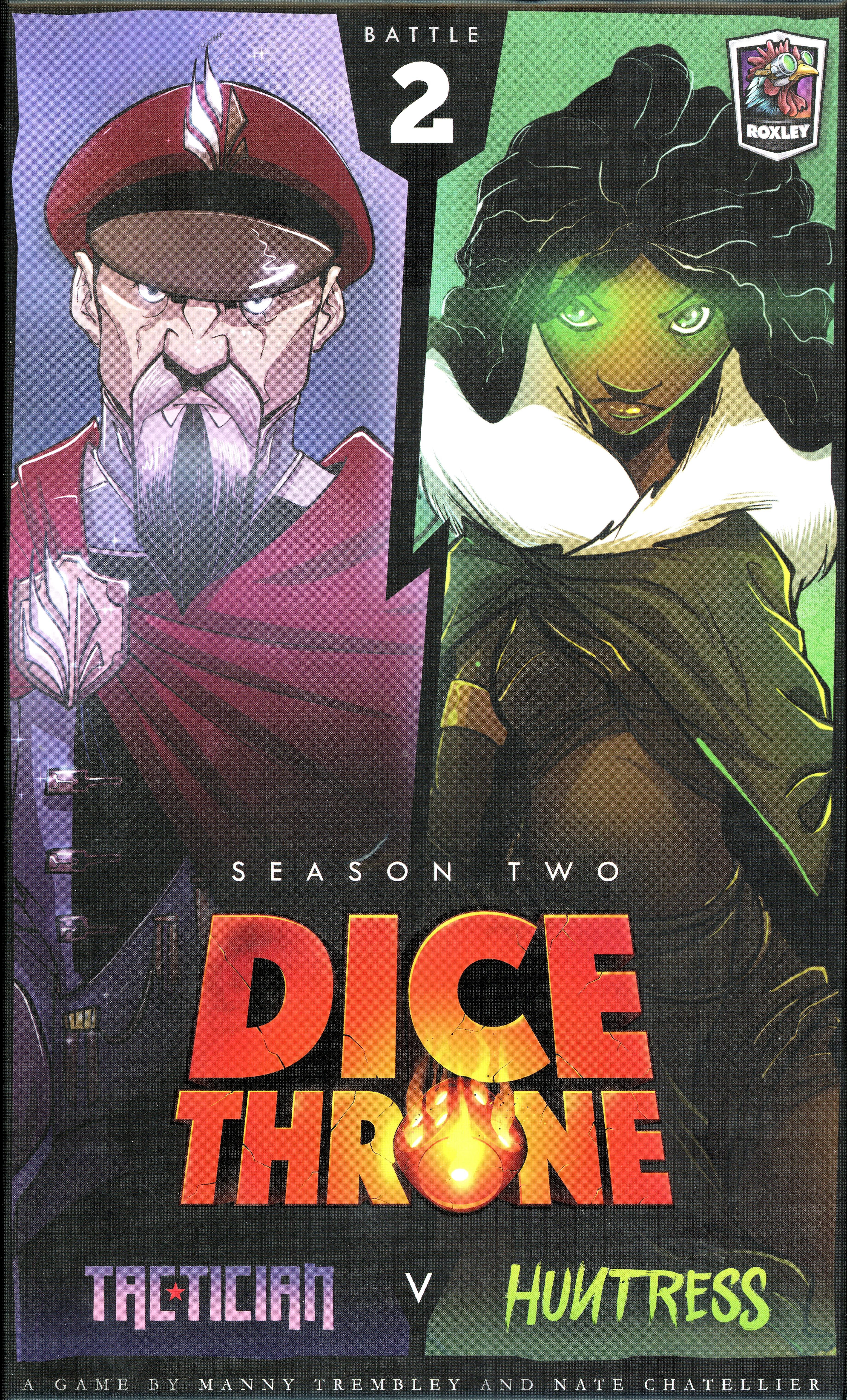
por Manny Trembley, Nate Chatellier
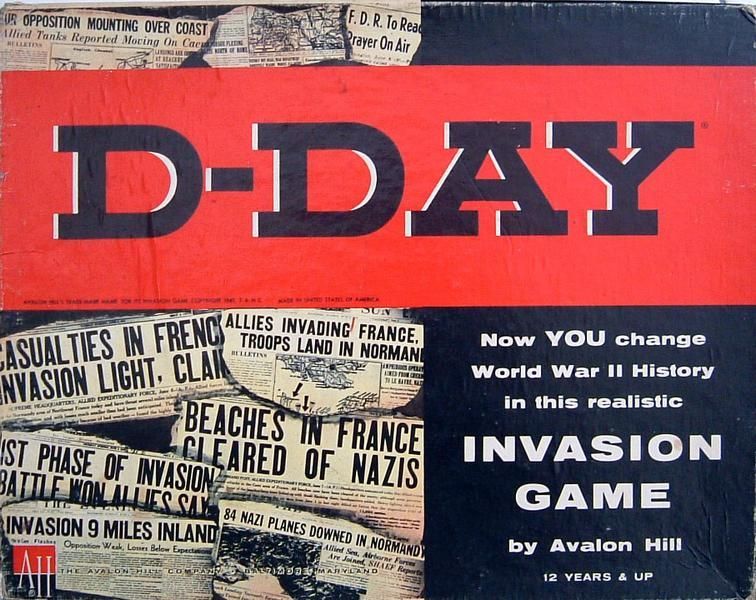
D-Day
1961The 1961 wargame that introduced the hex grid map and cardboard counters to the genre.
- 2 jogadores
- 120 minutos
- A partir dos 12 anos
A two-player historical wargame for ages 12 and up, designed by Charles S. Roberts and published by The Avalon Hill Game Co. in 1961. The game recreates half a year of the European Campaign, running from the Normandy landings through to the Rhine.
por Charles S. Roberts
- 2 a 4 jogadores
- 30 minutos
- A partir dos 12 anos
por James Ernest
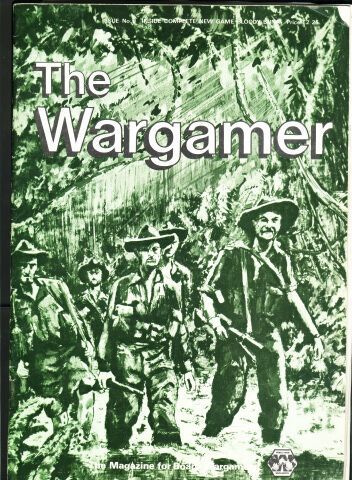
Bloody Buna
1979A rare two-player wargame on the New Guinea campaign of World War II.
- 2 jogadores
- 120 minutos
- A partir dos 12 anos
This two-player board wargame from 3W (World Wide Wargames) is aimed at players aged 12 and up. It is a fairly substantial game that takes around two hours to play. You command either the Japanese or the Allied forces in a recreation of the New Guinea Campaign of World War II.
- 3 a 8 jogadores
- 30 minutos
- A partir dos 14 anos
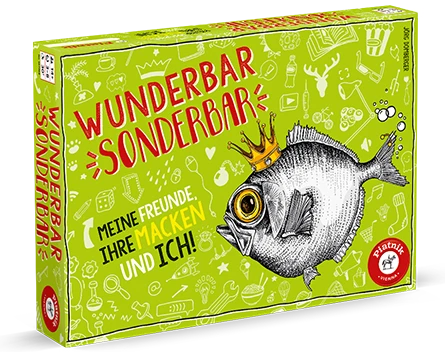
Wunderbar Sonderbar is a group party game for three to eight players aged 14 and up, designed by Jörg Domberger and published by Piatnik. It runs about 30 minutes and is built around getting to know your friends better. The premise is simple: everyone has odd habits they usually keep to themselves.
por Jörg Domberger
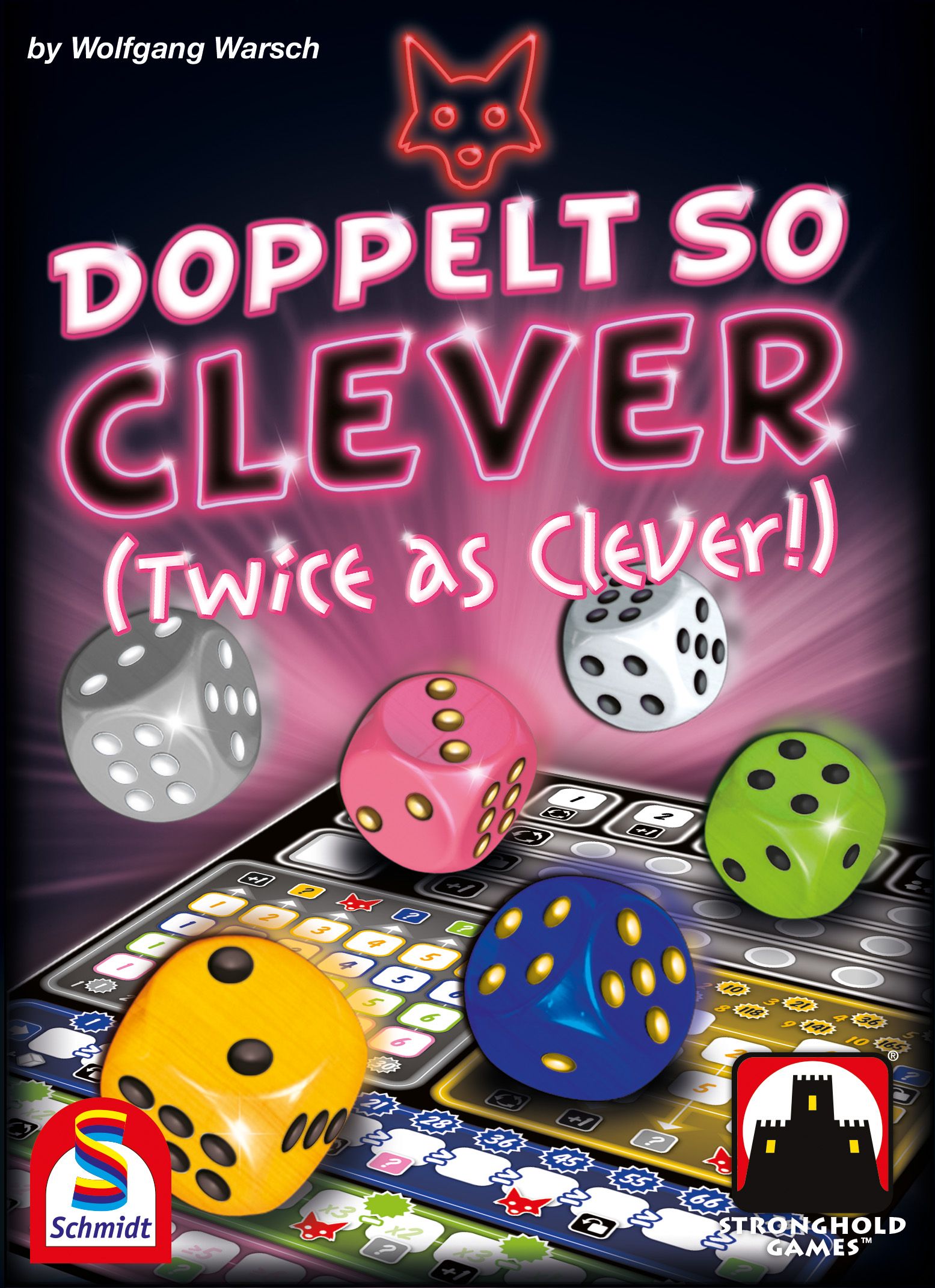
Twice as Clever!
2019Roll six dice, claim one for your colored boxes, and hope the rest fall to your rivals in this roll-and-write sequel to That's Pretty Clever.
- 1 a 4 jogadores
- 30 minutos
- A partir dos 8 anos
Twice as Clever is a dice-marking game for one to four players aged eight and up, lasting about 30 minutes. Wolfgang Warsch designed it, and 999 Games, Brädspel.se, Devir, G3 and Schmidt Spiele published it. Dice drive every turn: the active player rolls, and the rest of the table picks from the leftovers.
por Wolfgang Warsch · Schmidt Spiele
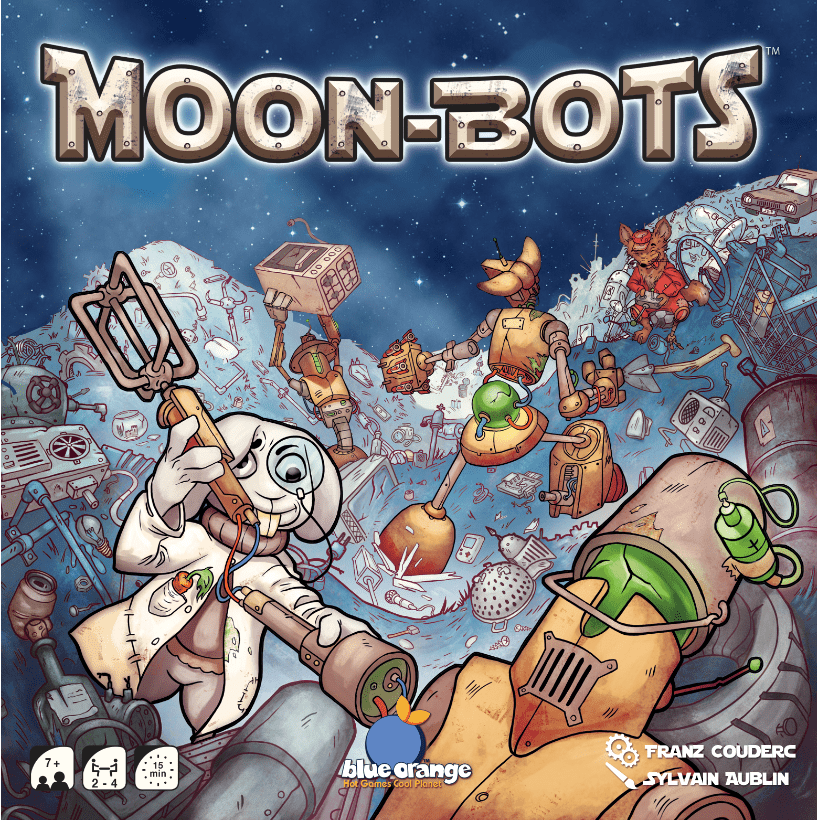
Moon-Bots
2019- 2 a 4 jogadores
- 15 minutos
- A partir dos 7 anos
Populi Turolii
2014- 3 a 8 jogadores
- 20 minutos
- A partir dos 8 anos
- 2 jogadores
- 10 minutos
- A partir dos 12 anos
por Frank Chadwick
- 2 jogadores
- 30 a 180 minutos
- A partir dos 12 anos
por Matthew Sprange
- 2 a 4 jogadores
- 15 minutos
- A partir dos 4 anos
por Kai Haferkamp
En Gehé is a traditional mancala game from northern Tanzania, first described in 1904 by a German soldier. It is a team game for large groups of players. Traditionally played by men and warriors, the game is said to have been devised by Sindillo, son of the first man Maitoumbe.
5 Towers
2023- 2 a 5 jogadores
- 15 a 30 minutos
- 2 a 4 jogadores
- 20 minutos
- A partir dos 8 anos
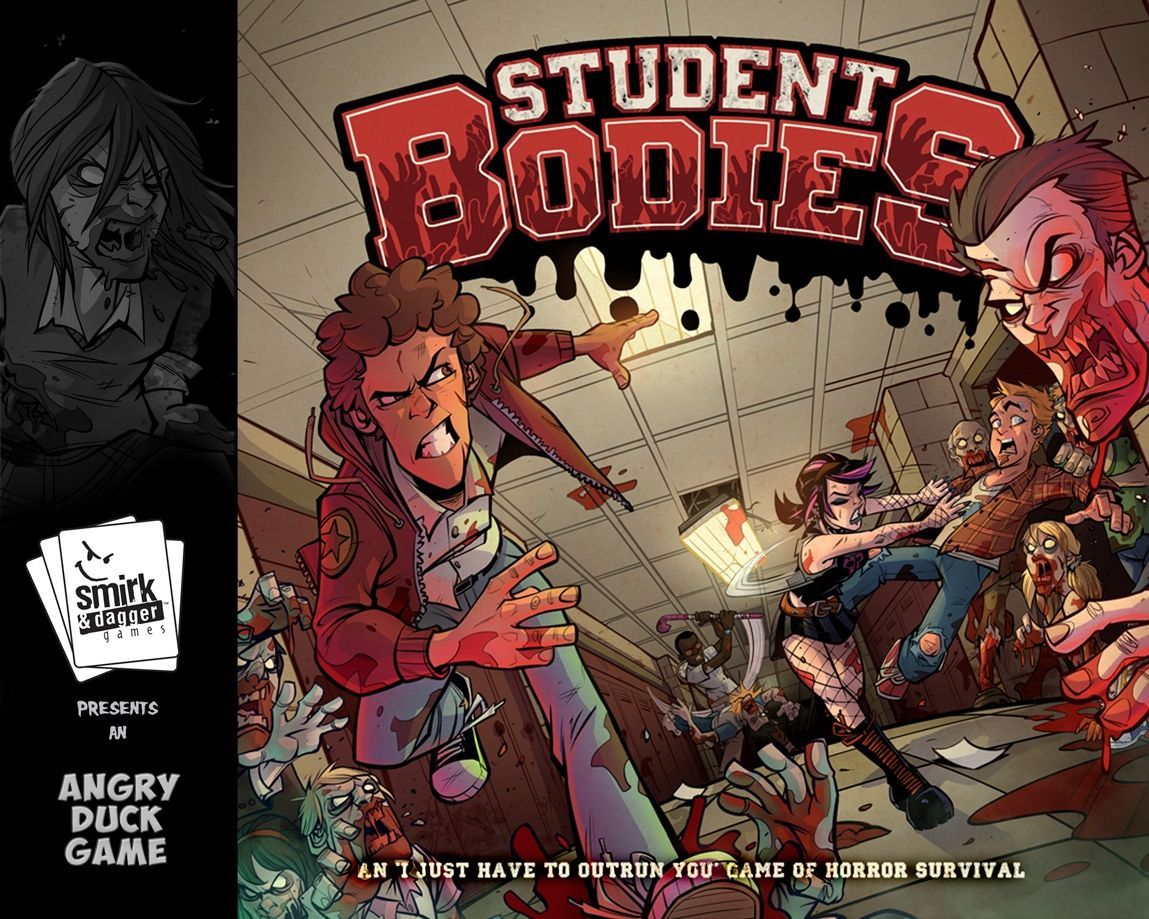
Student Bodies
2014- 2 a 5 jogadores
- 90 minutos
- A partir dos 14 anos
Sorry What?!
2025A party game of lip reading: wear headphones, read your teammates' lips, and guess absurd, suggestive phrases.
- 2 a 99 jogadores
- 20 minutos
- A partir dos 18 anos
por Lucky Egg
- 2 a 4 jogadores
- 45 minutos
- A partir dos 10 anos
por Martin Schlegel
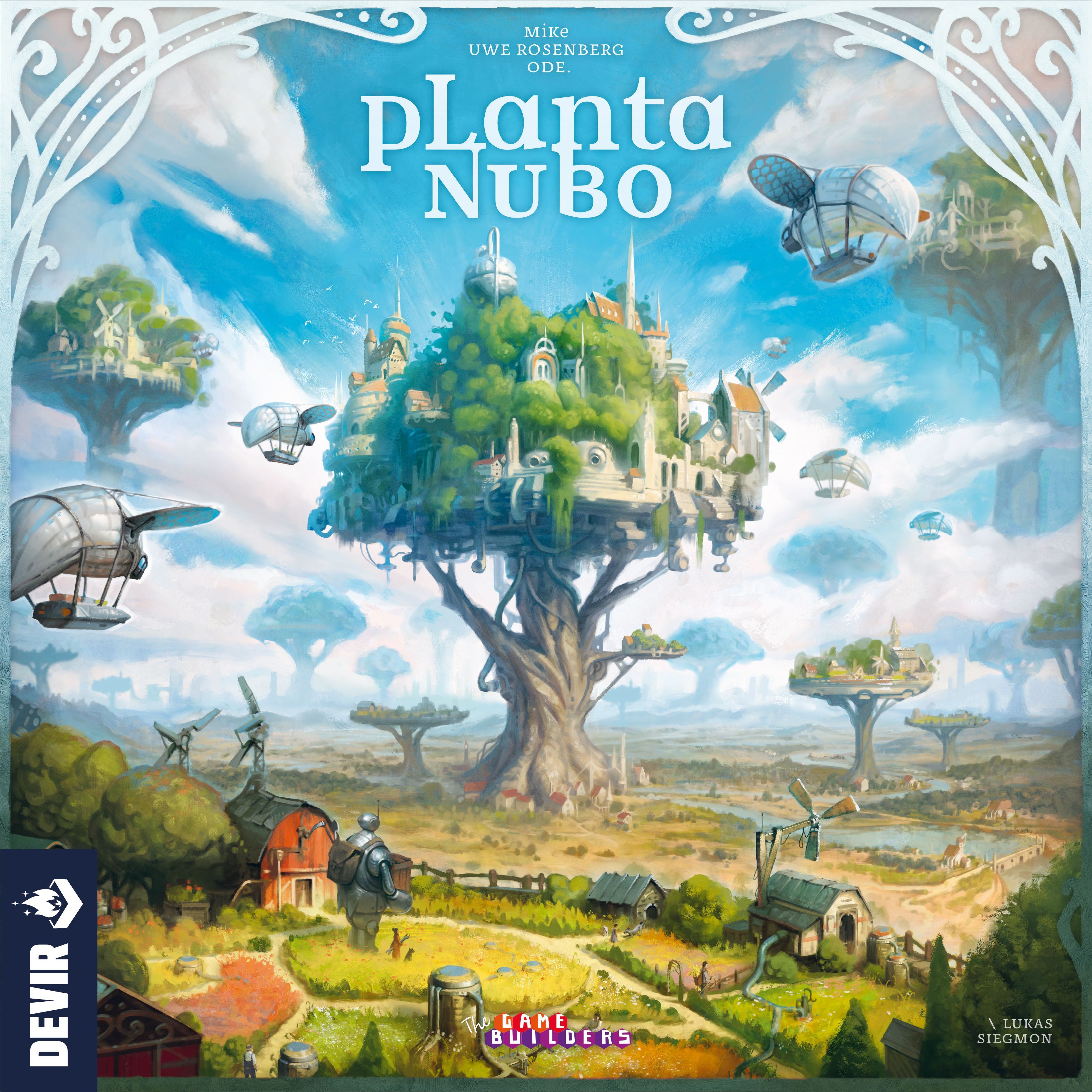
Planta Nubo
2023- 1 a 4 jogadores
- 30 a 120 minutos
- A partir dos 12 anos
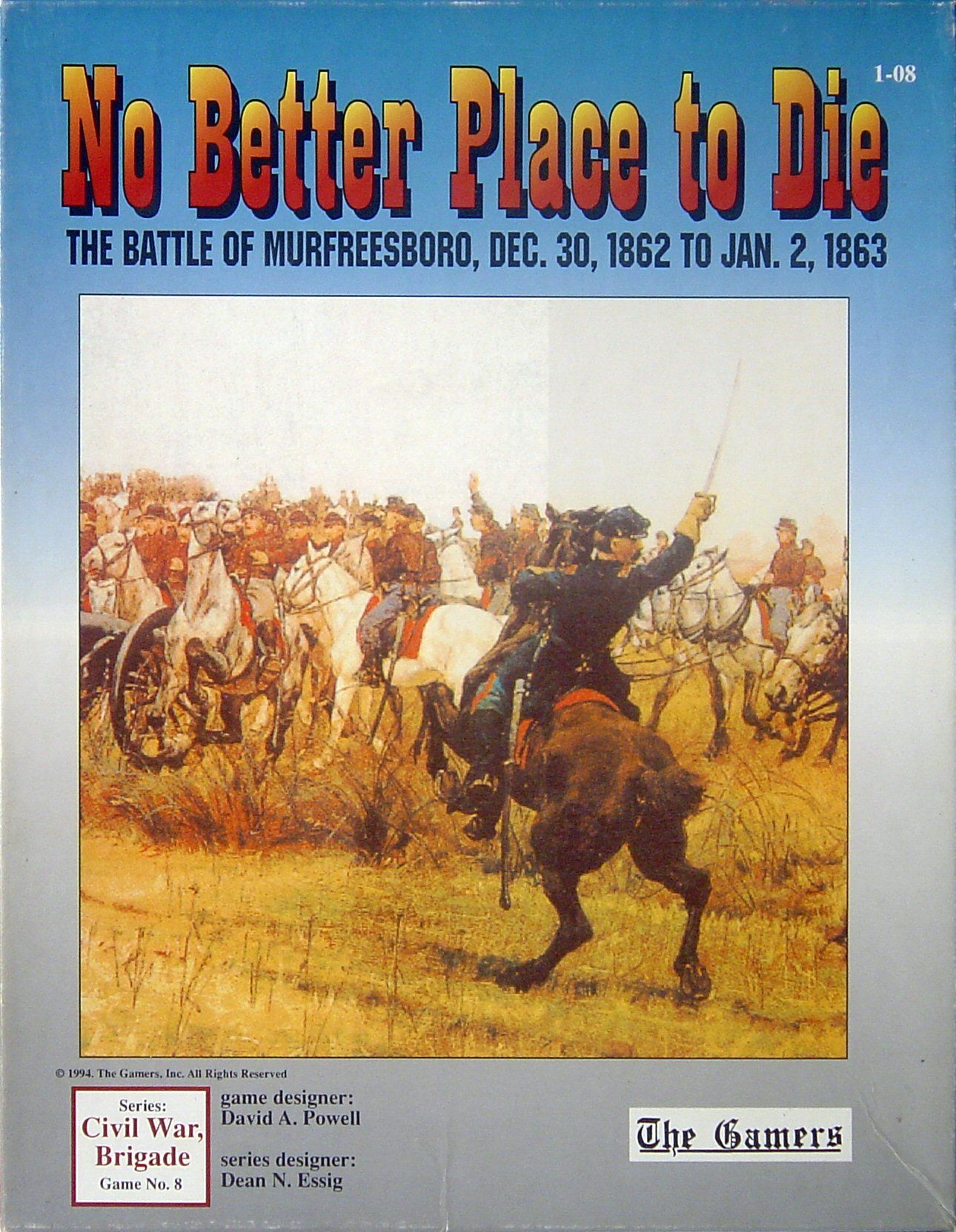
- 2 jogadores
- 360 minutos
por David A. Powell, Dean Essig
- 2 a 6 jogadores
- 150 minutos
- A partir dos 14 anos
por Stephanie Friedl, Timothy Friedl
Echelon is a board game published in 1989 by The Great Games Company.
Swing the tides of "The Great Game" as countries vie for control of Afghanistan.
- 5 jogadores
- 45 a 120 minutos
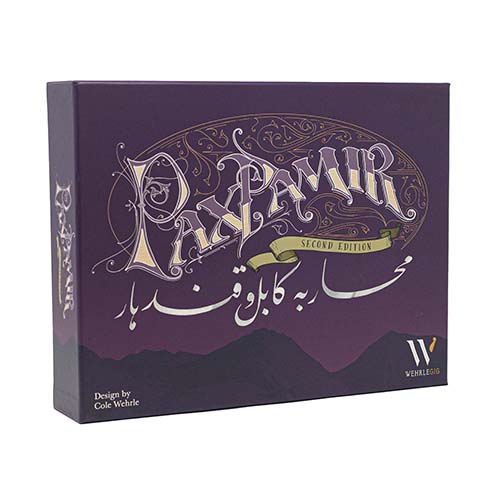
Set in Afghanistan, the game has the Russian, British, and Durrani empires competing for dominance while players take on the roles of local leaders. It suits between 1 and 5 players. Players take on nineteenth-century Afghan leaders trying to build a new state after the Durrani Empire falls apart.
por Cole Wehrle
- 3 a 6 jogadores
- 10 a 30 minutos
- A partir dos 5 anos
- 2 jogadores
- 120 a 180 minutos
- A partir dos 12 anos
por Philip C. Barker
- 2 jogadores
- 150 minutos
- A partir dos 12 anos
por Jim Dunnigan
Mid-century combat engagements played out in alternating turns, each split into five phases.
- 2 a 4 jogadores
- 120 minutos
- A partir dos 12 anos
A board wargame for 2 to 4 players aged 12 and up, with a playing time of about 120 minutes. The game recreates a range of combat engagements from the middle of the twentieth century, with players commanding forces through each battle.
- 1 a 10 jogadores
- 120 minutos
- A partir dos 12 anos
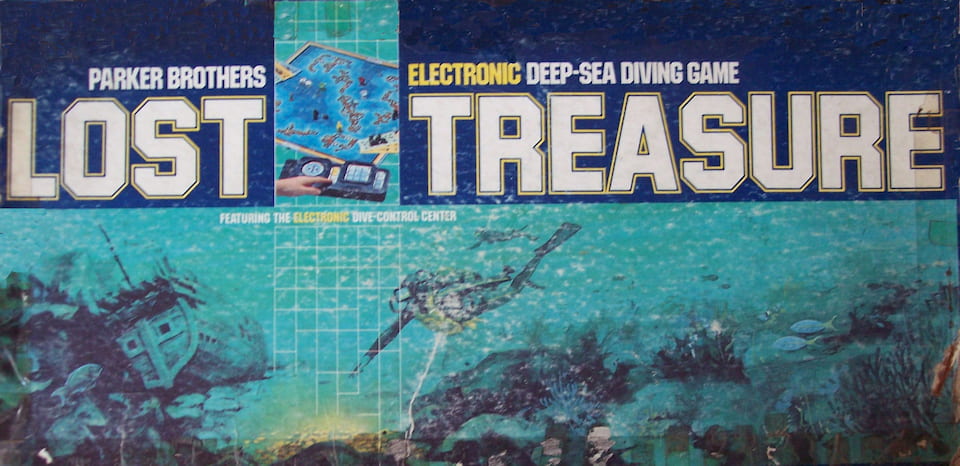
Lost Treasure
1982Electronic deep-sea diving game: hunt sunken treasure chests, sell loot in port, and raid rivals.
- 2 a 4 jogadores
- 60 minutos
- A partir dos 8 anos
Lost Treasure is a 1982 electronic board game for two to four players aged 8 and up, playing in about 60 minutes. Parker Brothers released it. You captain a boat hunting sunken chests of precious metal beneath the waves. The goal is to become the first to collect one million dollars from the treasure you recover.
Parker Brothers