A carregar a página…
- Credo!: the Game of Dueling Dogmas
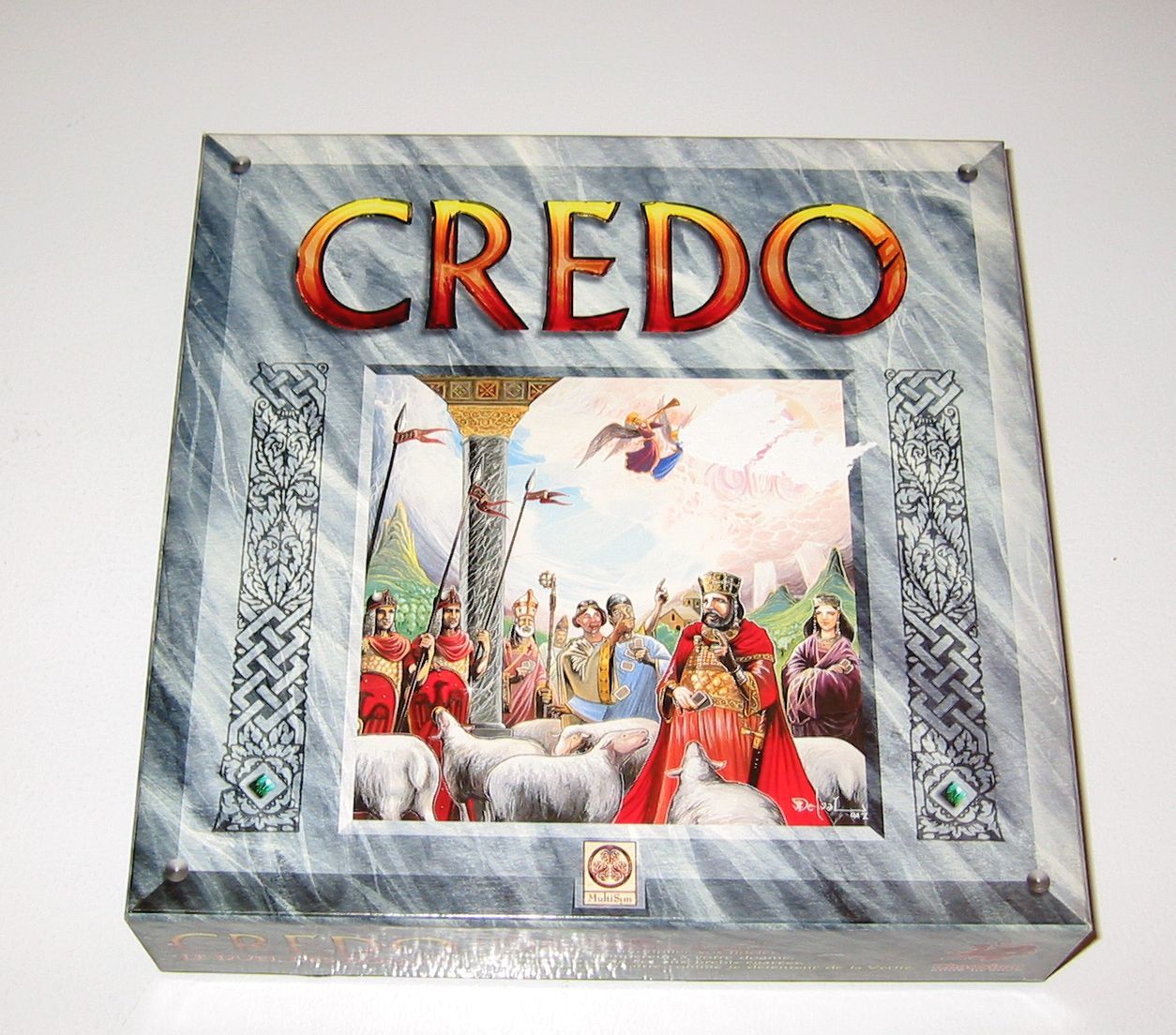
Credo
1993strategy card game for 2–5 players designed by Chris V. Gidlow; first published by Chaosium in 1993
- 2 a 5 jogadores
- 60 minutos
- A partir dos 12 anos
Credo is a strategy card game for two to five players, designed by Chris V. Gidlow, first published by Chaosium in 1993, and re-released in an updated edition in 2026.
Chaosium
- 2 a 10 jogadores
- 30 minutos
- A partir dos 10 anos
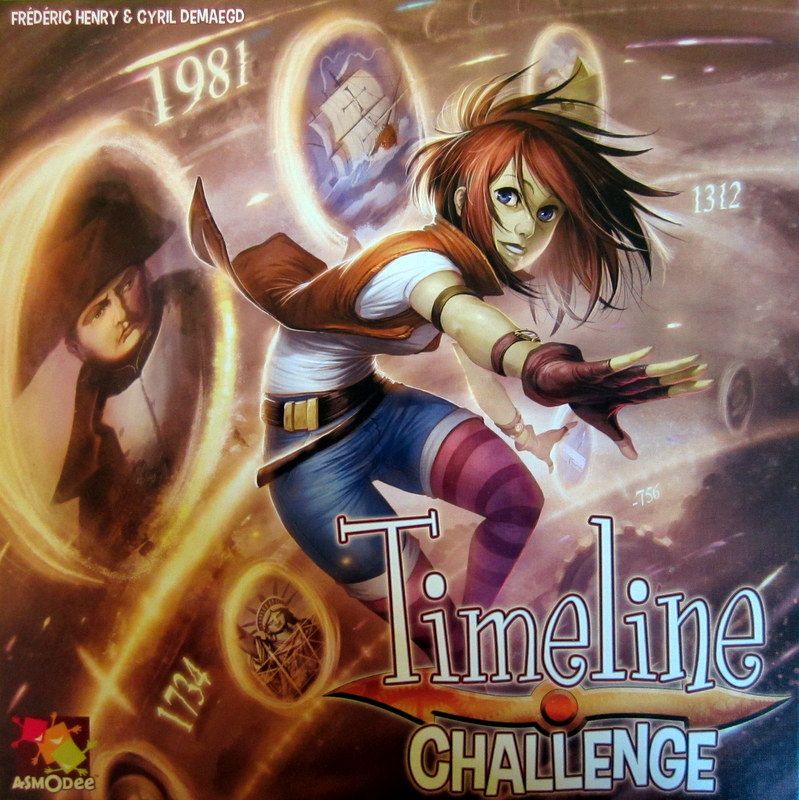
por Cyril Demaegd, Frédéric Henry
Fragrances
Vencedor As d'Or 1990- 2 a 6 jogadores
- 60 minutos
- A partir dos 8 anos
por Véronique Debroise · Sentosphère
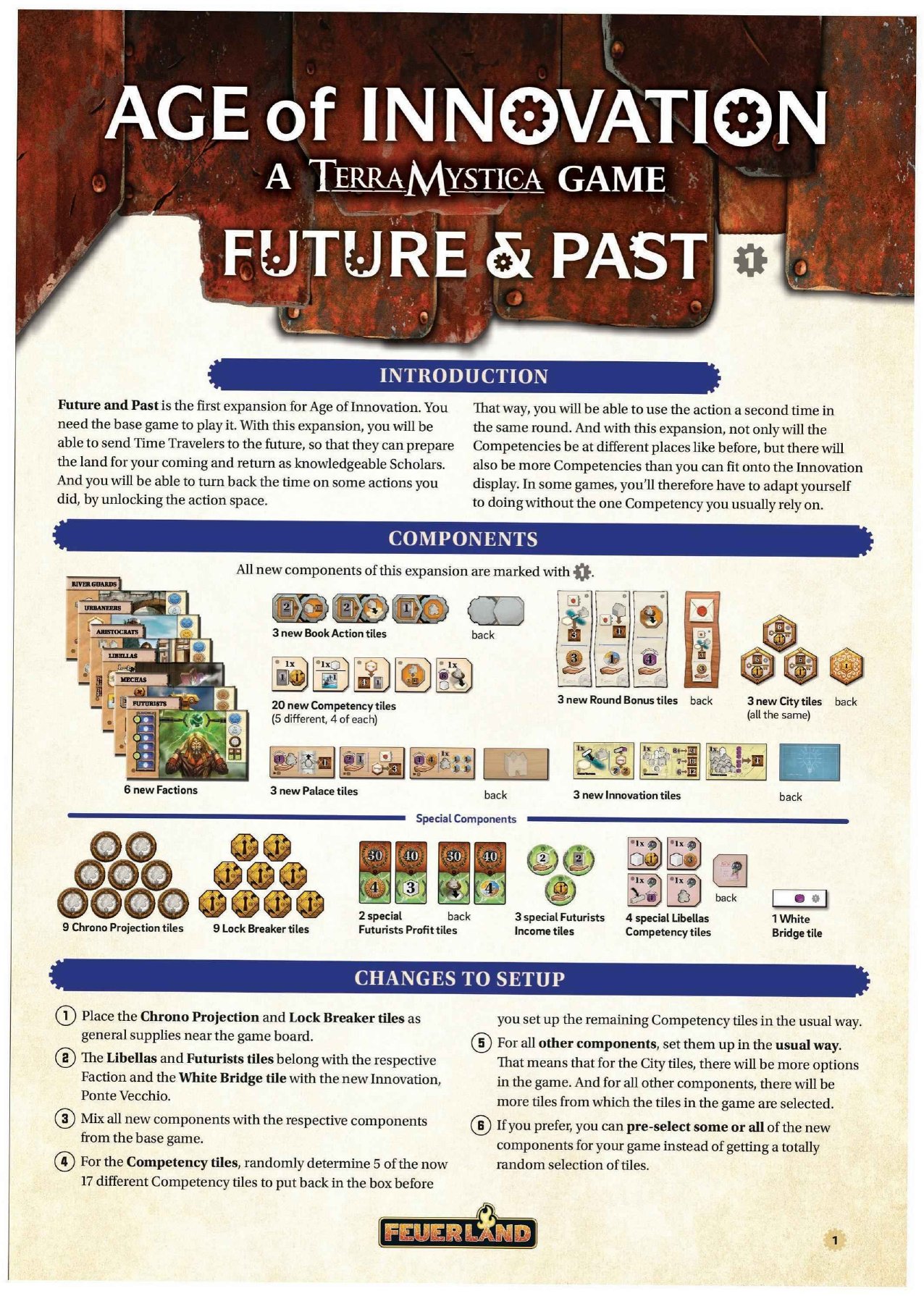
Expansion for Age of Innovation that adds time travellers to the future, six new communities and actions that can be reused in the same round.
- 1 a 5 jogadores
- 120 minutos
- A partir dos 14 anos
Age of Innovation: Future & Past is the first expansion for the game Age of Innovation, designed by Helge Ostertag and published by Feuerland Spiele as a boxed expansion with a suggested retail price of 15.90 euros. It is for one to five players and is aimed at ages 14 and up.
por Helge Ostertag · Feuerland Spiele
- 2 a 8 jogadores
- 45 a 60 minutos
- 2 a 8 jogadores
- 15 minutos
- A partir dos 8 anos
por Frédéric Henry
- 4 a 8 jogadores
- 60 a 90 minutos
- A partir dos 11 anos
First Contact
2018- 2 a 7 jogadores
- 15 a 40 minutos
- A partir dos 12 anos
Tropichaos
2025Buy and sell fruit as the seasons swing unpredictably; time your sales for each fruit's peak season to win.
- 2 a 5 jogadores
- 20 minutos
- A partir dos 7 anos
Spring that lasts too long. Summer that's too short. And winter has disappeared. Fruit sellers battle it out in these strange seasons. The price of fruit fluctuates depending on the season. Will you play it safe and frequently sell, or stock up and then sell it all?
por Goro Sasaki · Oink Games
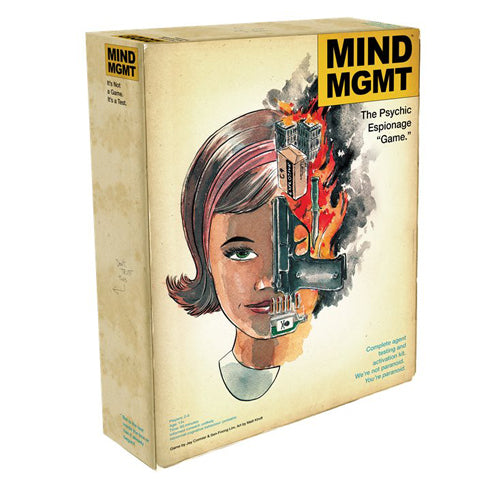
A one-versus-many hidden-movement game where a secret Recruiter roams a city while rogue agents hunt them down.
- 1 a 5 jogadores
- 45 a 75 minutos
- A partir dos 13 anos
A deduction and bluffing game for one to five players aged 13 and up, lasting 45 to 75 minutes. It was designed by Jay Cormier and Sen-Foong Lim and published by Maldito Games in 2021. A secret psychic syndicate faces off against defecting rogue agents.
por Jay Cormier, Sen-Foong Lim
A light, lively Chinese party game where otherworld heroes level up by luck or by emptying their hands, first to level 7 wins.
- 2 a 5 jogadores
- 30 minutos
- A partir dos 8 anos
por Foreza Zhang
- 4 a 6 jogadores
- 90 minutos
- A partir dos 14 anos
- 2 a 6 jogadores
- 45 minutos
- A partir dos 9 anos
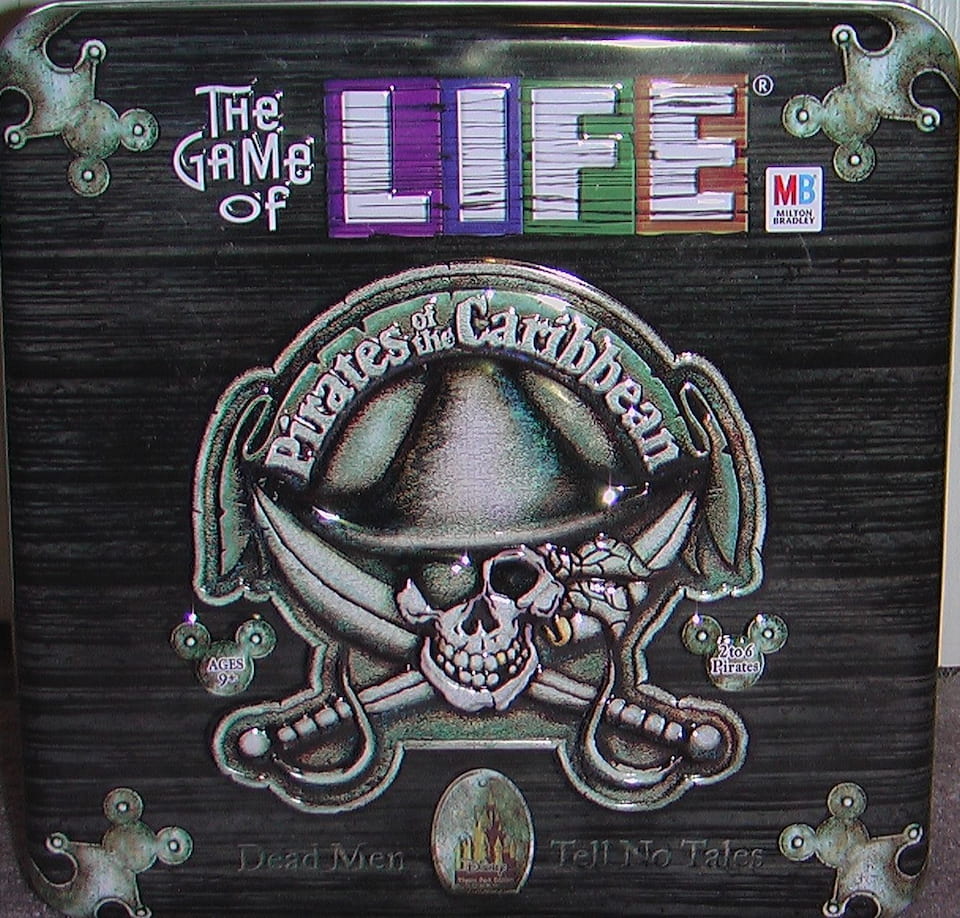
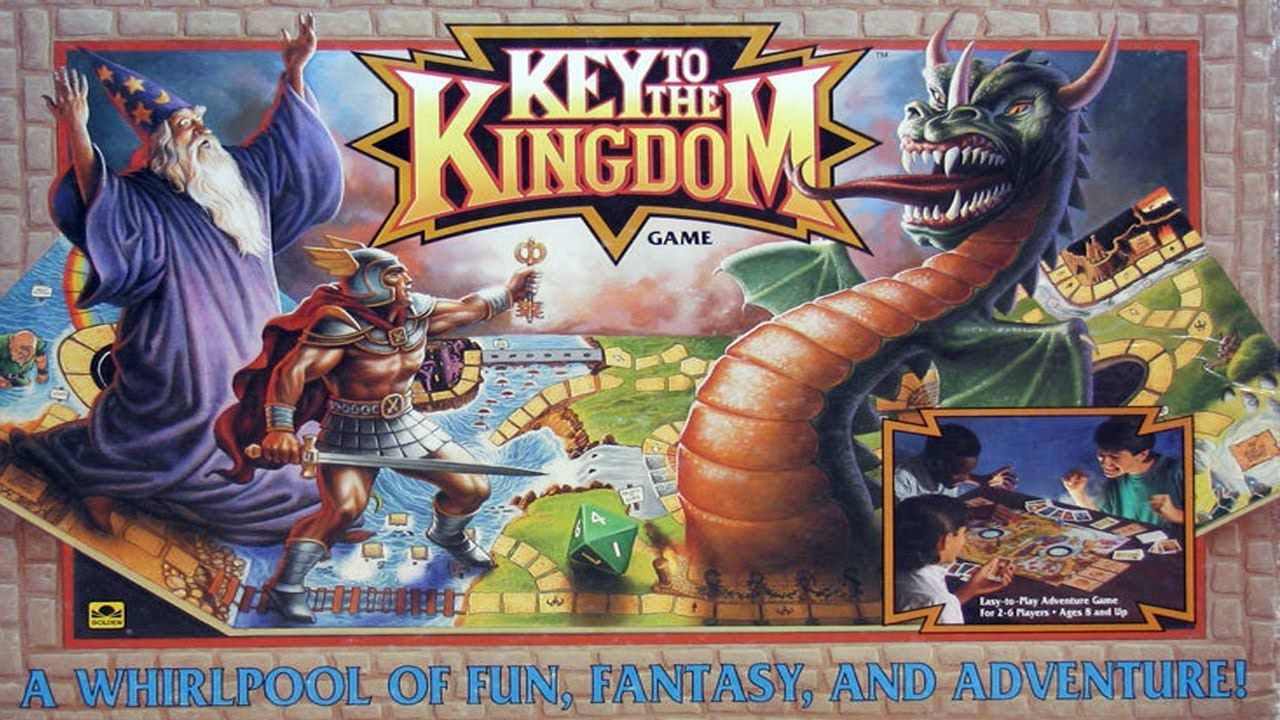
por Reuben Klamer
- 1 a 5 jogadores
- 60 a 120 minutos
- A partir dos 13 anos
por Patrick Leder
- 3 a 5 jogadores
- 30 minutos
- A partir dos 10 anos
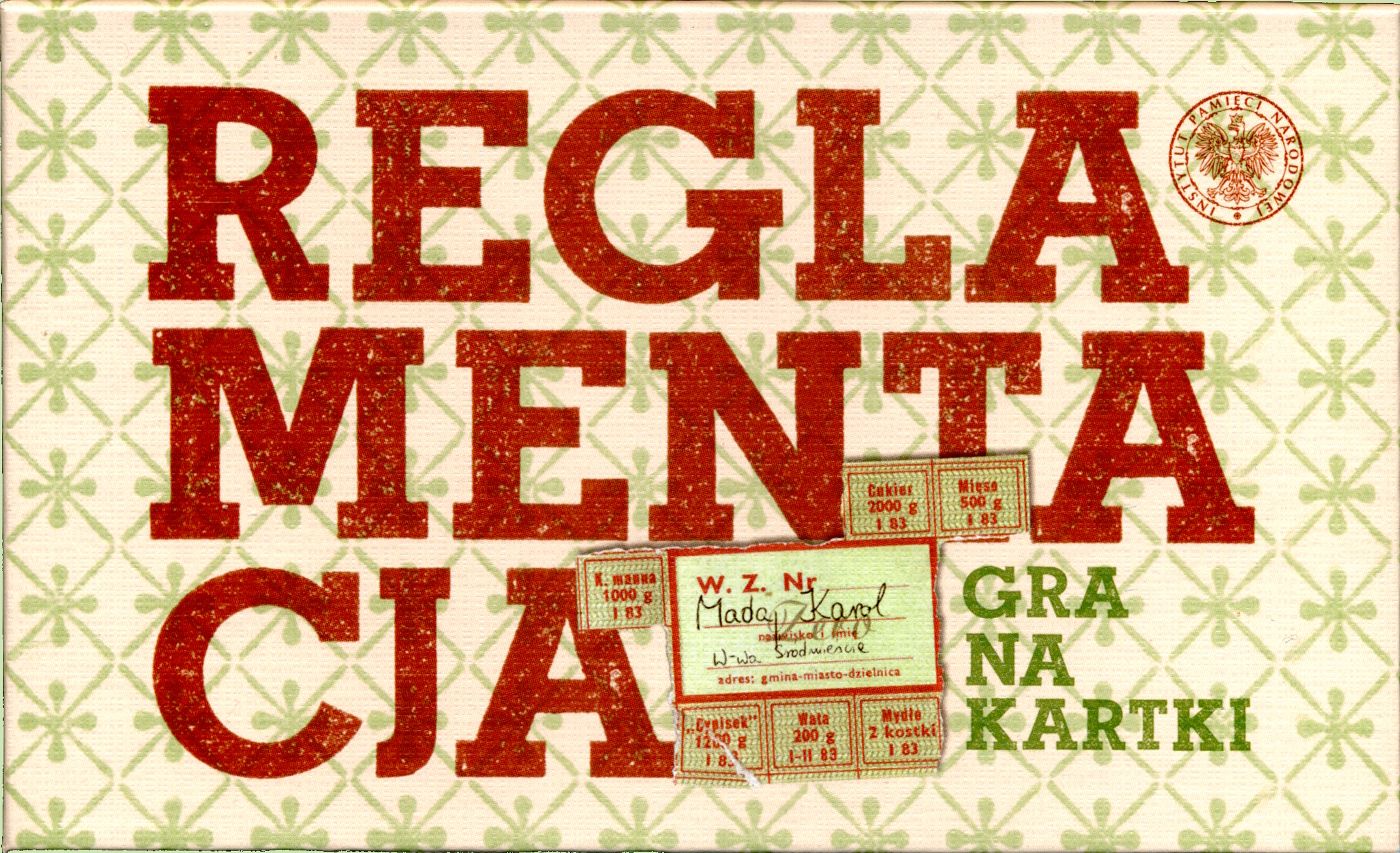
por Karol Madaj
- 2 a 5 jogadores
- 45 minutos
- A partir dos 7 anos
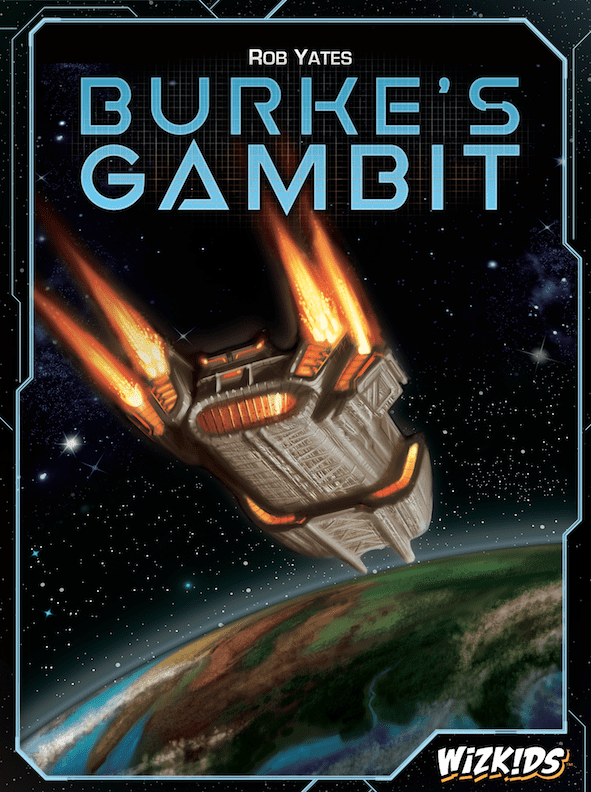
Burke's Gambit
2016- 4 a 8 jogadores
- 20 minutos
- A partir dos 14 anos
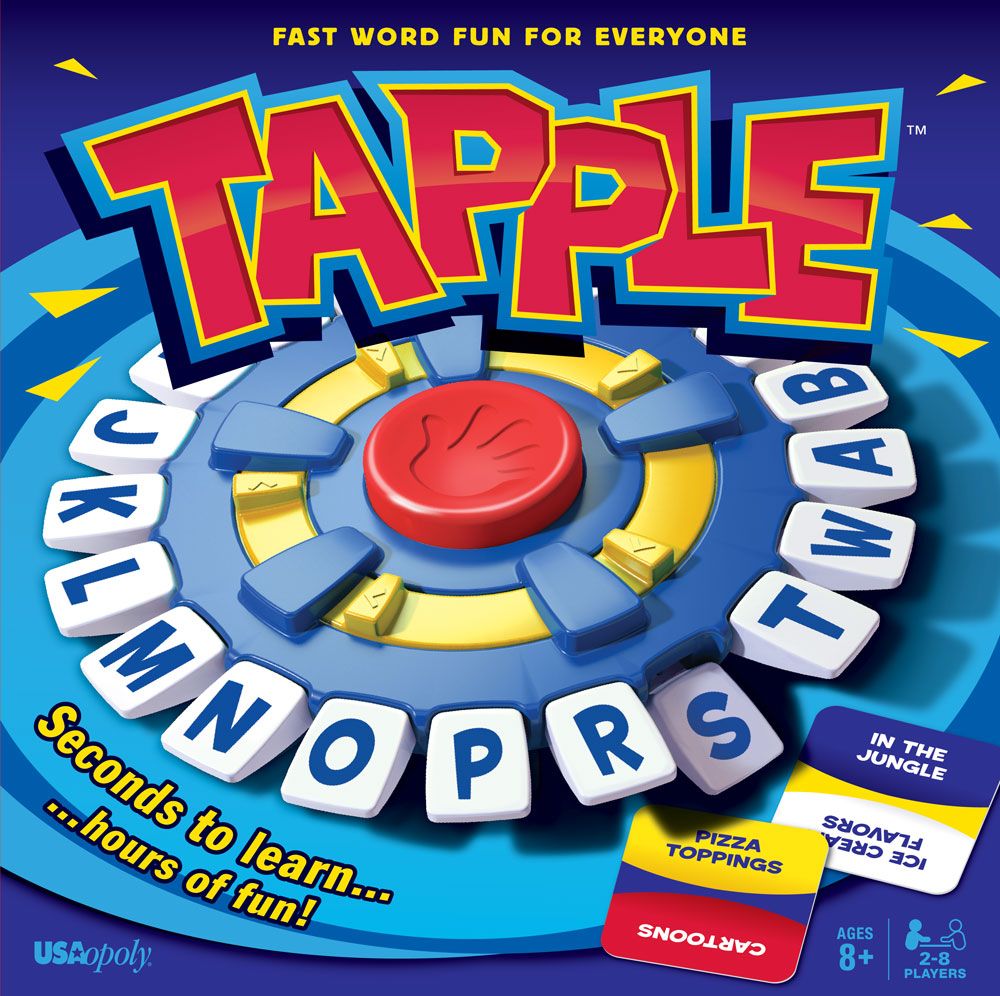
Tapple
2012Beat a ten-second clock by tapping out topic words on an electronic device.
- 2 a 10 jogadores
- 30 minutos
- A partir dos 8 anos
Tapple is a fast party game for 2 to 10 players, aged 8 and up, lasting about 30 minutes. The Op Games released it as a 2012 title. Everyone races to name fitting words for a shared topic while a short clock runs down. Whoever keeps their answers going and collects category cards wins.
- 4 a 20 jogadores
- 60 minutos
- A partir dos 18 anos
por Alex Hague, Justin Vickers
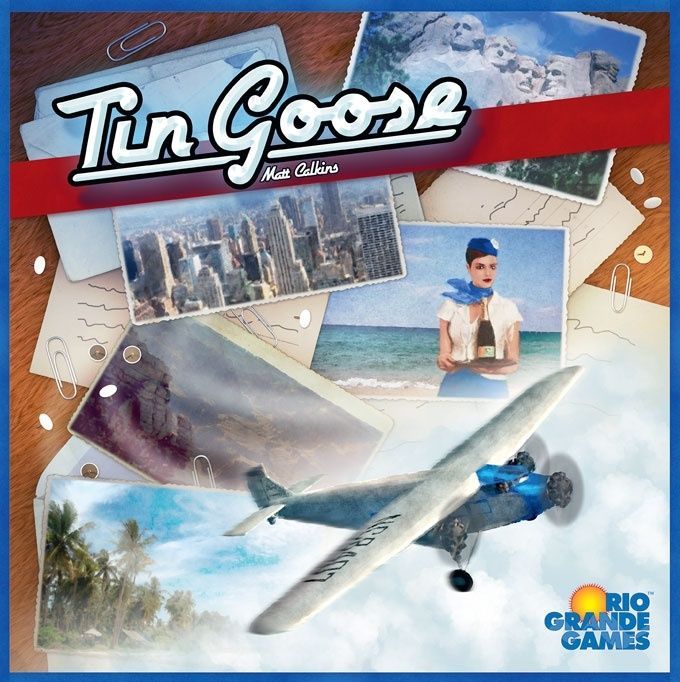
Tin Goose
2016- 3 a 5 jogadores
- 90 a 150 minutos
- A partir dos 14 anos
A quick, simple game of drawing tokens from a shared river and building points on your board.
- 1 a 5 jogadores
- 25 a 45 minutos
- A partir dos 8 anos
River Valley Glassworks is a light game for 1 to 5 players aged 8 and up, from 2024. You gather colored tokens from a shared river and sort them into your own player board, where they build toward points. Completed rows and tall columns decide your score.
por Adam Hill, Ben Pinchback
- 2 a 6 jogadores
- 30 a 45 minutos
- A partir dos 8 anos
por Franz-Benno Delonge
- 2 a 5 jogadores
- 90 minutos
- A partir dos 10 anos
Concilium Urbis
2024- 1 a 6 jogadores
- 40 a 60 minutos
- A partir dos 10 anos
Each player builds a mining city over seven rounds while sitting on a council that votes on laws. Those laws determine how the tiles in your city score at game end, so alliances and voting matter as much as tile placement and resource production.
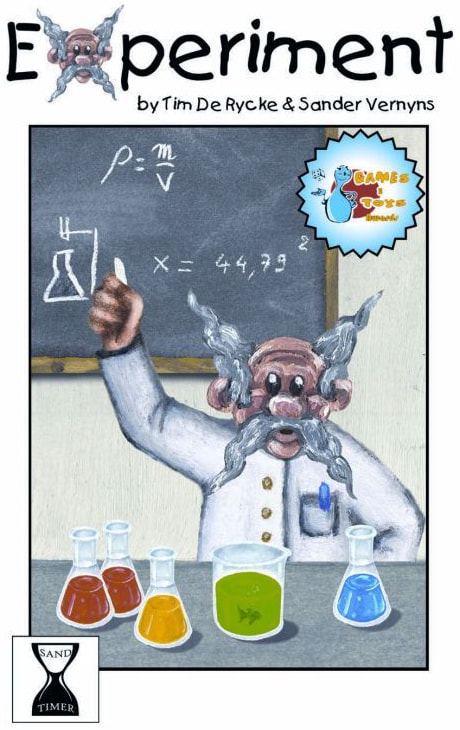
Experiment
2006Mix coloured fluids in a lab to finish the professor's tasks in this card game for 3 to 6.
- 3 a 6 jogadores
- 30 minutos
- A partir dos 8 anos
Experiment is a card game for 3 to 6 players, age 8+. Vernyns and De Rycke designed it, and Magellan and SandTimer published it. You and the others are lab workers collecting fluids of set colours, mixing them to complete the tasks the professor assigns. Every round is split into three phases, as follows.
por Sander Vernyns, Tim De Rycke
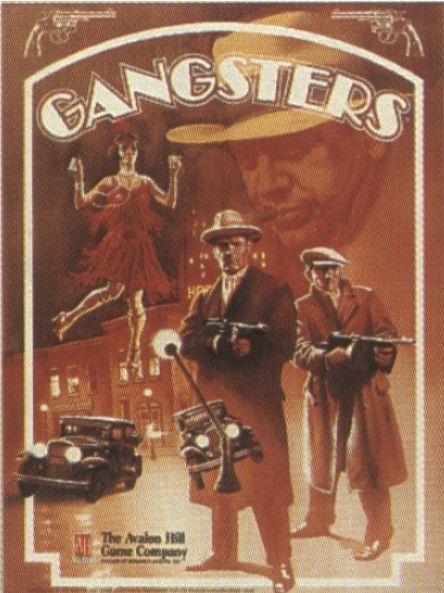
Gangsters
1992gangsters is a board game about American organized crime syndicates
- 2 a 5 jogadores
- 120 minutos
- A partir dos 12 anos
Designed by Don Greenwood, this game for 2 to 5 players aged 12 and up runs about 120 minutes. Avalon Hill released it in 1992. The game depicts syndicates of organized crime in America during the 1920s. On a turn, the active player picks from the following actions.
por Don Greenwood
- 1 a 6 jogadores
- 45 a 120 minutos
- A partir dos 14 anos
por Philip Loyer
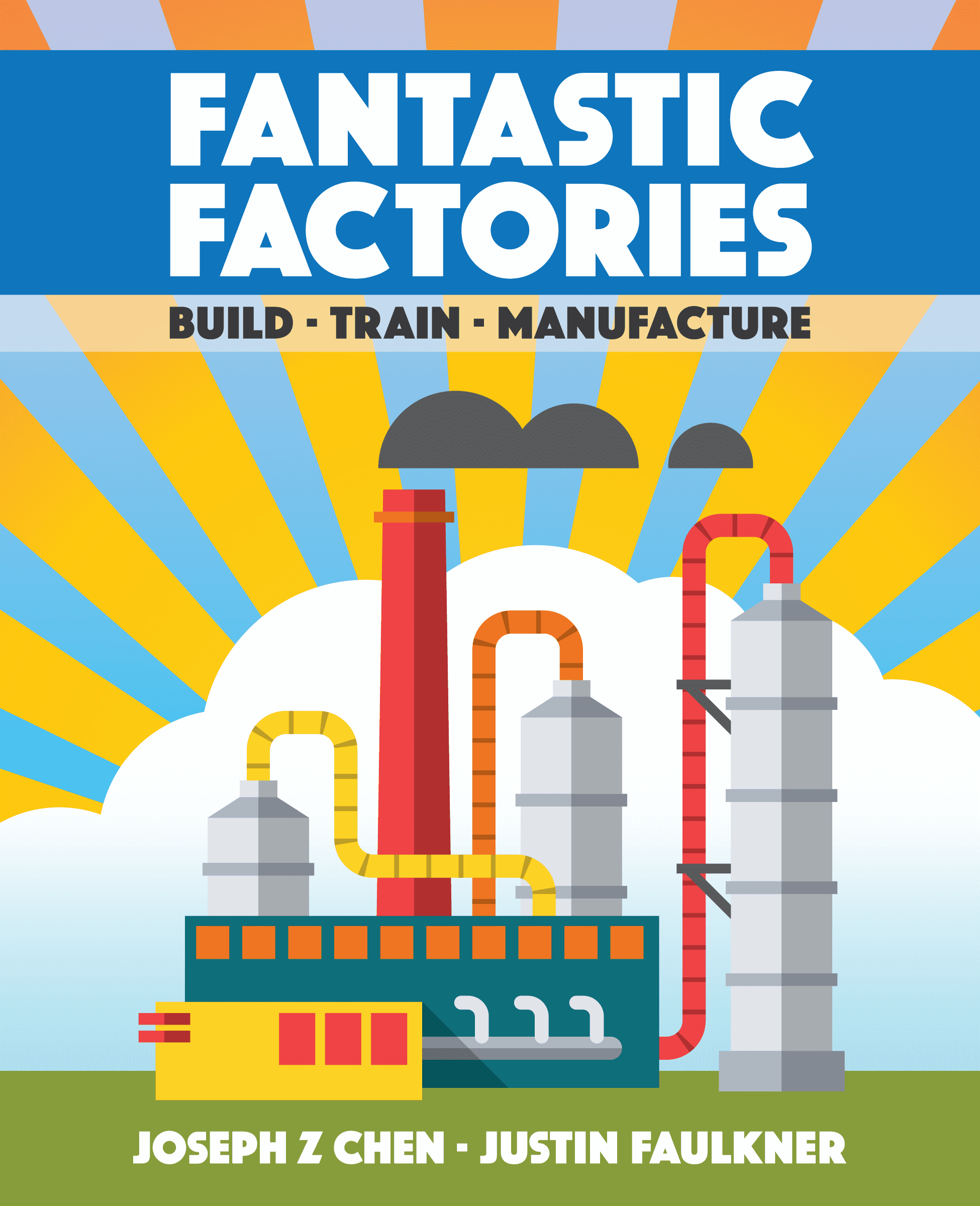
Build a network of factories, train dice workers and out-produce rivals in a manufacturing arms race.
- 1 a 5 jogadores
- 45 a 60 minutos
- A partir dos 14 anos
A manufacturing-themed engine-building game for 1 to 5 players aged 14+, designed by Joseph Z Chen and Justin Faulkner. Several companies published it, including BoardM Factory and Lucky Duck Games. You are a rival industrialist building a network of production sites as efficiently as you can.
por Joseph Z Chen, Justin Faulkner
- 2 a 8 jogadores
- 15 a 60 minutos
- A partir dos 10 anos
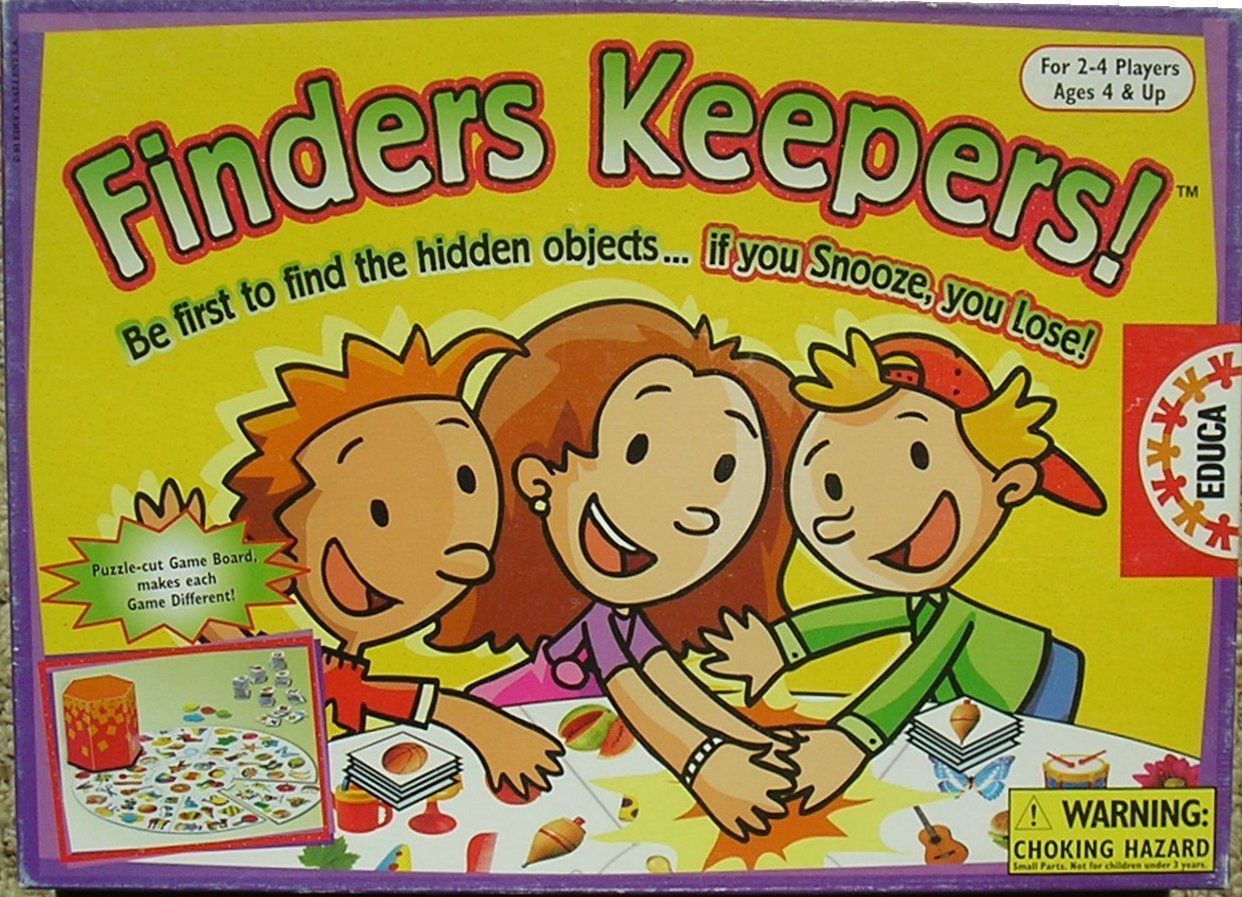
Finders keepers!
1993- 2 a 6 jogadores
- 20 minutos
- A partir dos 5 anos
- 1 a 5 jogadores
- 120 a 160 minutos
- A partir dos 12 anos