A carregar a página…
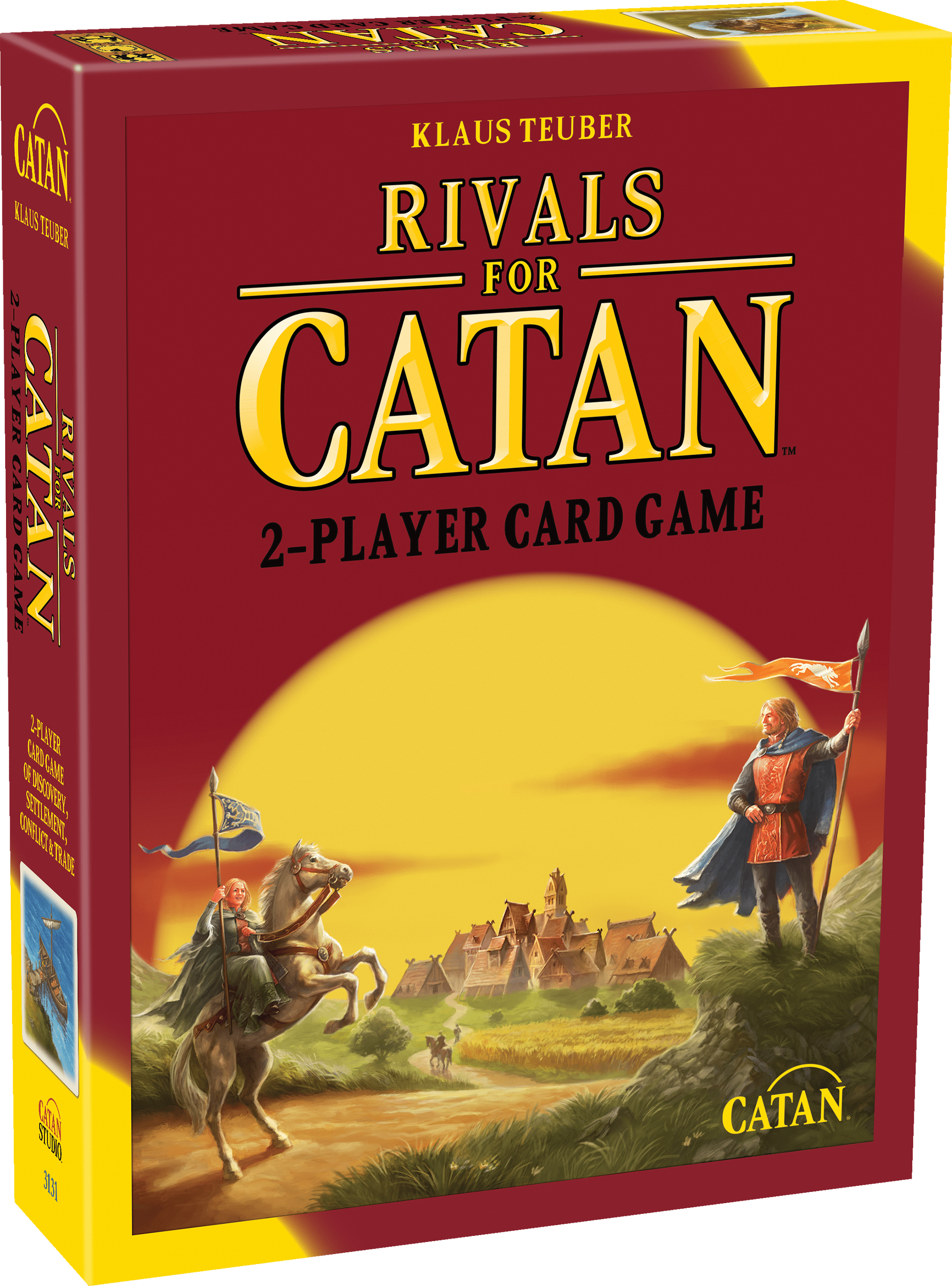
- 2 jogadores
- 45 a 60 minutos
- A partir dos 10 anos
por Klaus Teuber
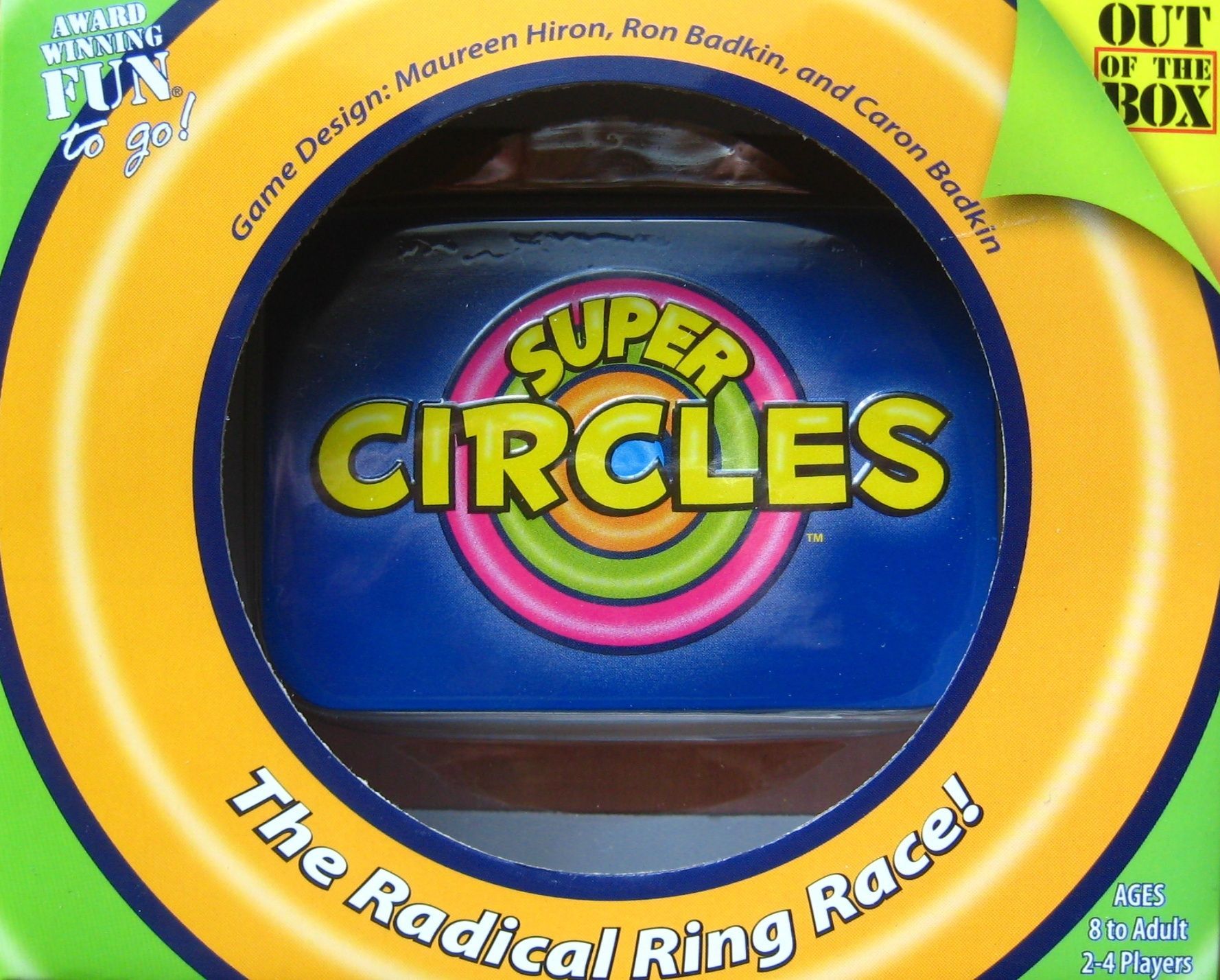
- 2 a 4 jogadores
- 30 minutos
- A partir dos 6 anos
- 2 a 6 jogadores
- 30 a 90 minutos
- A partir dos 14 anos
por Alessio Cavatore, Rob Stoddard
- 2 a 4 jogadores
- 30 minutos
- A partir dos 14 anos
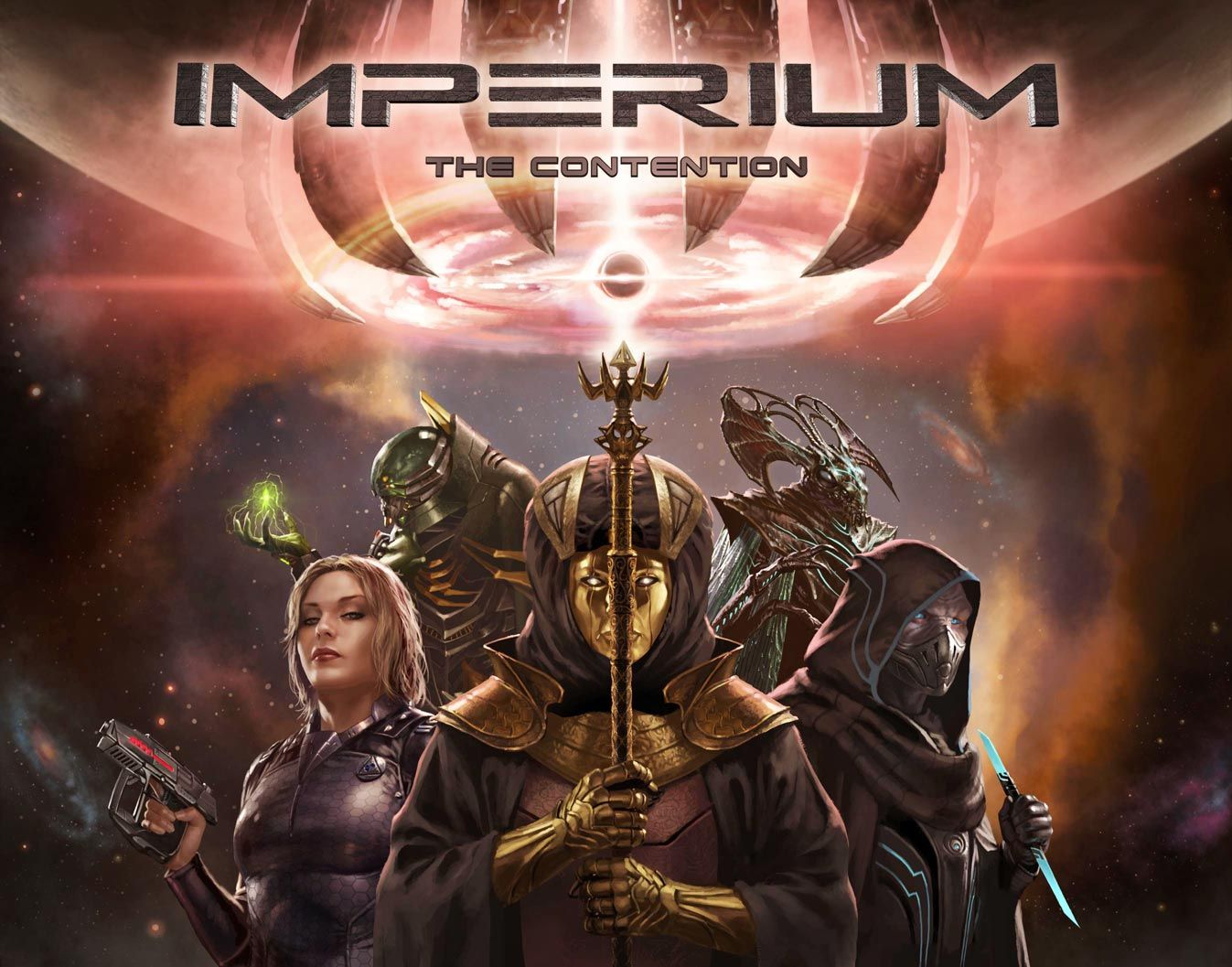
por Love Martinsson · Ion Game Design
- 1 a 6 jogadores
- 30 a 120 minutos
- A partir dos 14 anos
A 4X-style card game with area control in which two to six civilizations compete for control of the Void Scepter.
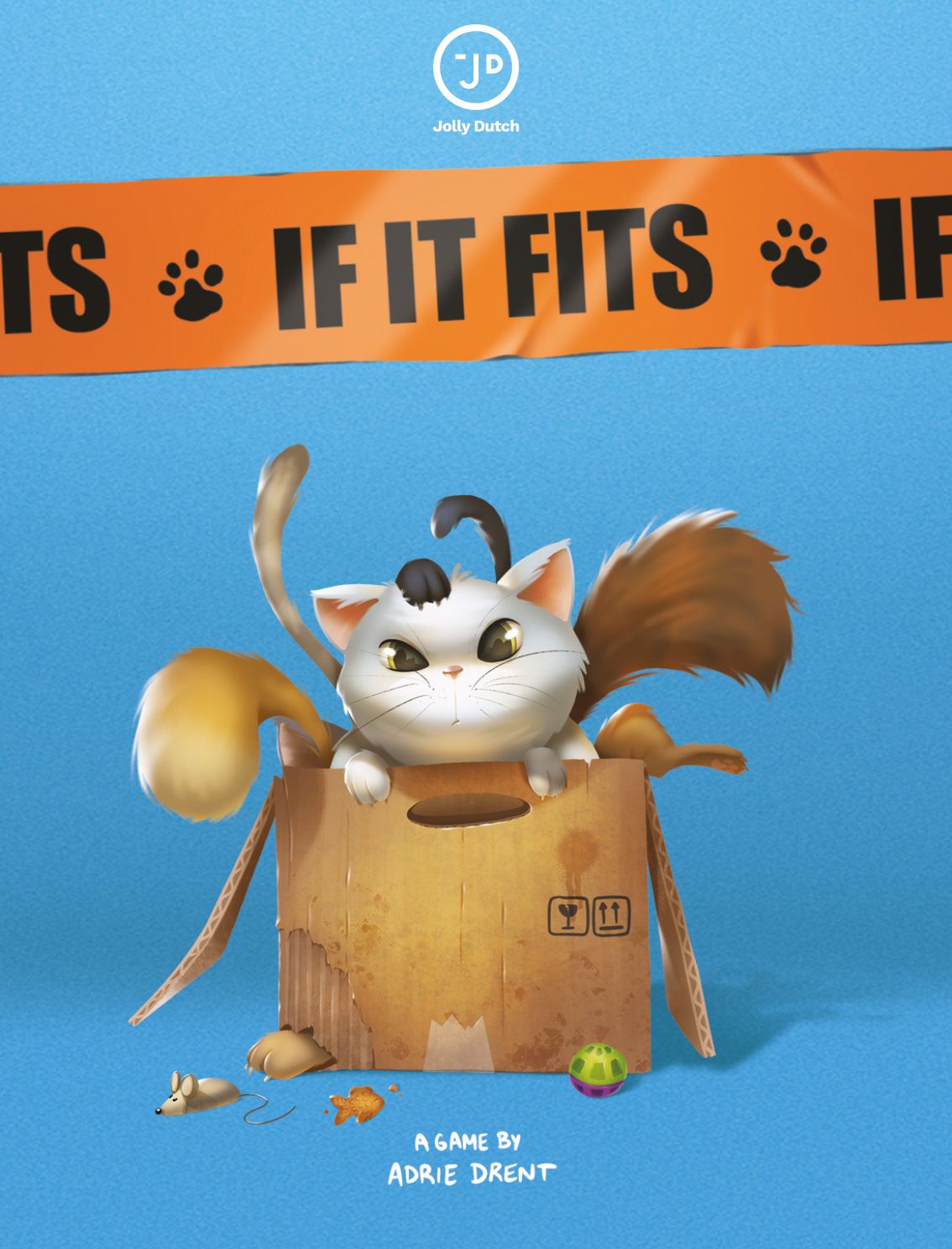
If It Fits
2021- 2 a 5 jogadores
- 30 minutos
- A partir dos 10 anos
A 2021 Jolly Dutch Productions game in which players build boxes for cats and try to fill them with toys while avoiding water sprayers.
Klaus Teuber's territory-claiming sibling to Catan and Entdecker, drawn from the same core idea.
- 2 a 4 jogadores
- 90 minutos
- A partir dos 12 anos
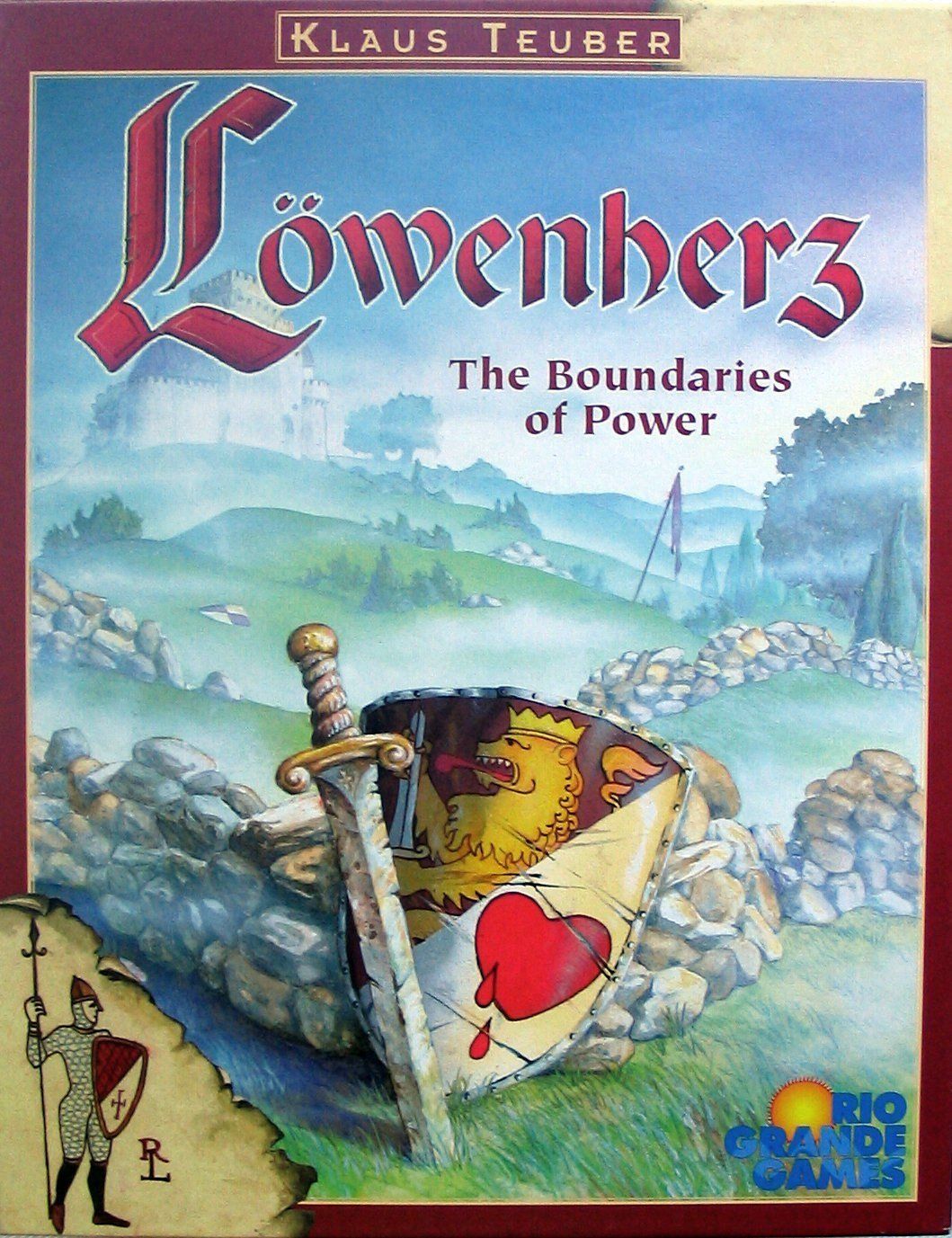
Löwenherz is a German-style game for 2 to 4 players, lasting about 90 minutes and suited to ages 12 and up. Klaus Teuber designed it, and Goldsieber and Rio Grande Games published it. You are one of several regents in a troubled kingdom, aiming to win territory and hold it under your control.
por Klaus Teuber · Goldsieber
Mission: Combat!
2013- 2 jogadores
- 15 minutos
- A partir dos 12 anos
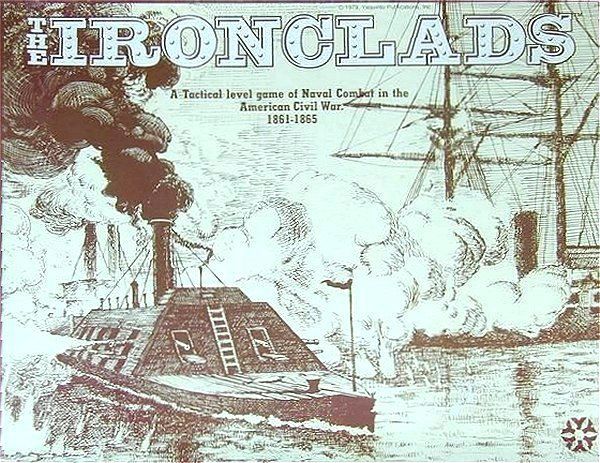
The Ironclads: A Tactical Level Game of Naval Combat in the American Civil War 1861-1865
1979Vencedor Charles S. Roberts AwardTactical naval combat with Civil War ironclads, from two-ship duels to multiplayer fleet battles.
- 1 a 8 jogadores
- 120 minutos
- A partir dos 12 anos
The Ironclads is a tactical board wargame for 1 to 8 players aged 12 and up, with a playing time of 120 minutes. It was published by Yaquinto Publications in 1979.
Yaquinto Publications
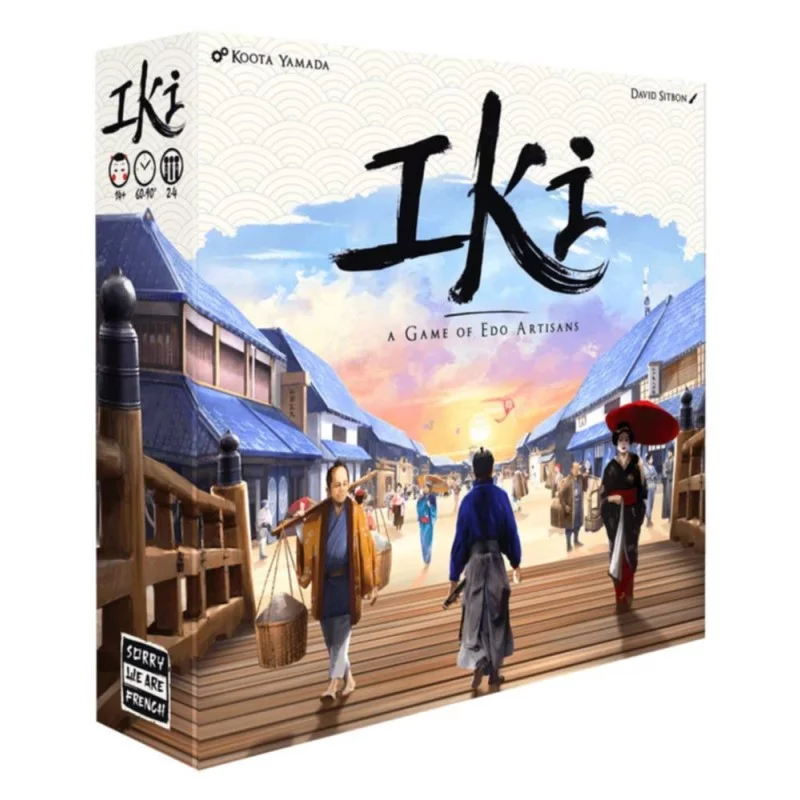
IKI
2015Edo-era card and worker-placement game where you recruit artisans and vendors on Nihonbashi's main street to win by earning the most IKI.
- 2 a 4 jogadores
- 60 a 90 minutos
- A partir dos 14 anos
Set in Edo-period Nihonbashi, the market district of old Tokyo, players run a year of trade by hiring artisans and street vendors. The aim is to earn the most IKI, a philosophical ideal of the good life. Suited to strategy fans for 2 to 4 players.
por Koota Yamada
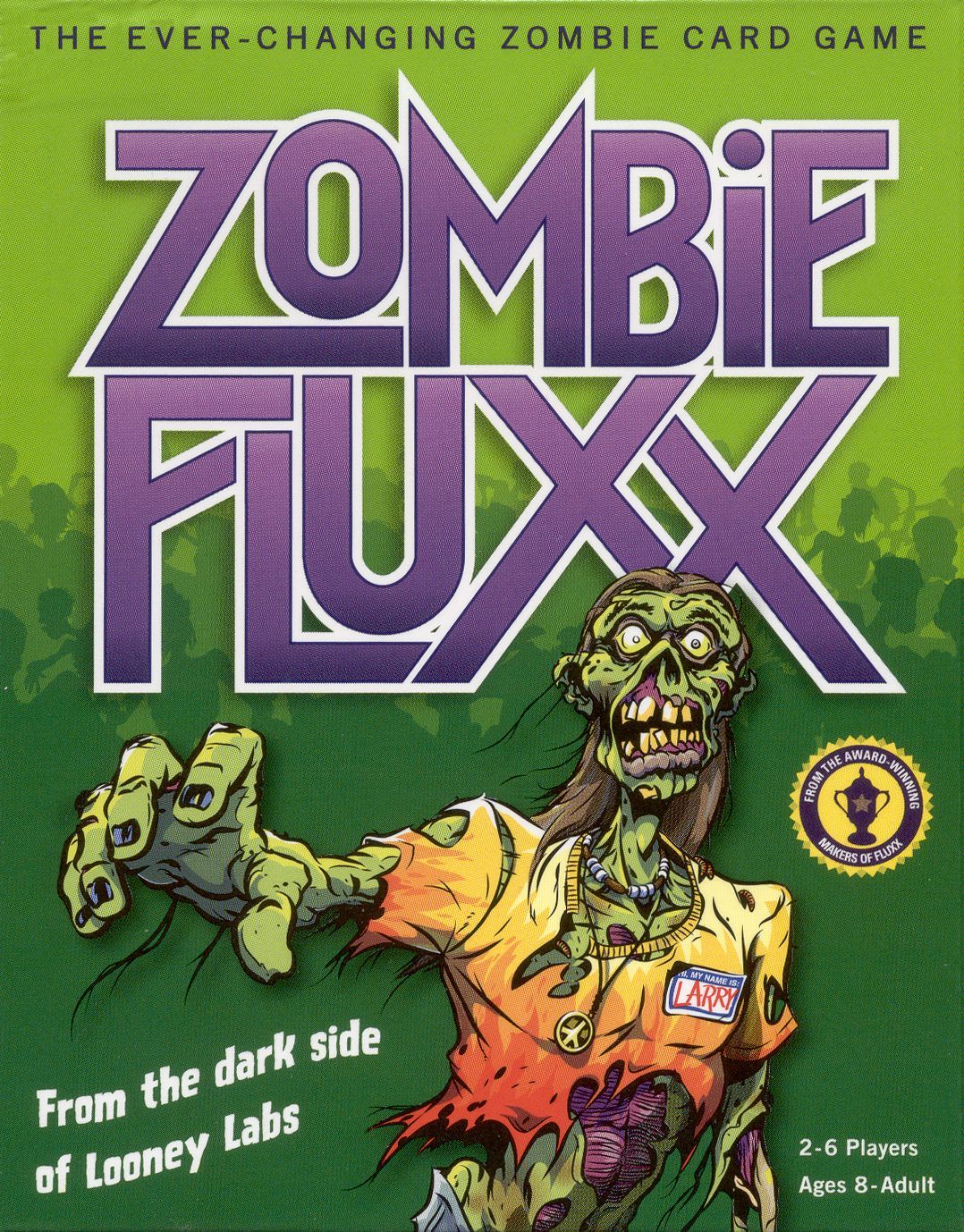
Zombie Fluxx
2007- 2 a 6 jogadores
- 10 a 40 minutos
- A partir dos 8 anos
Zombie Fluxx is a 2007 card game published by Looney Labs.
por Andrew Looney
- 3 a 8 jogadores
- A partir dos 14 anos
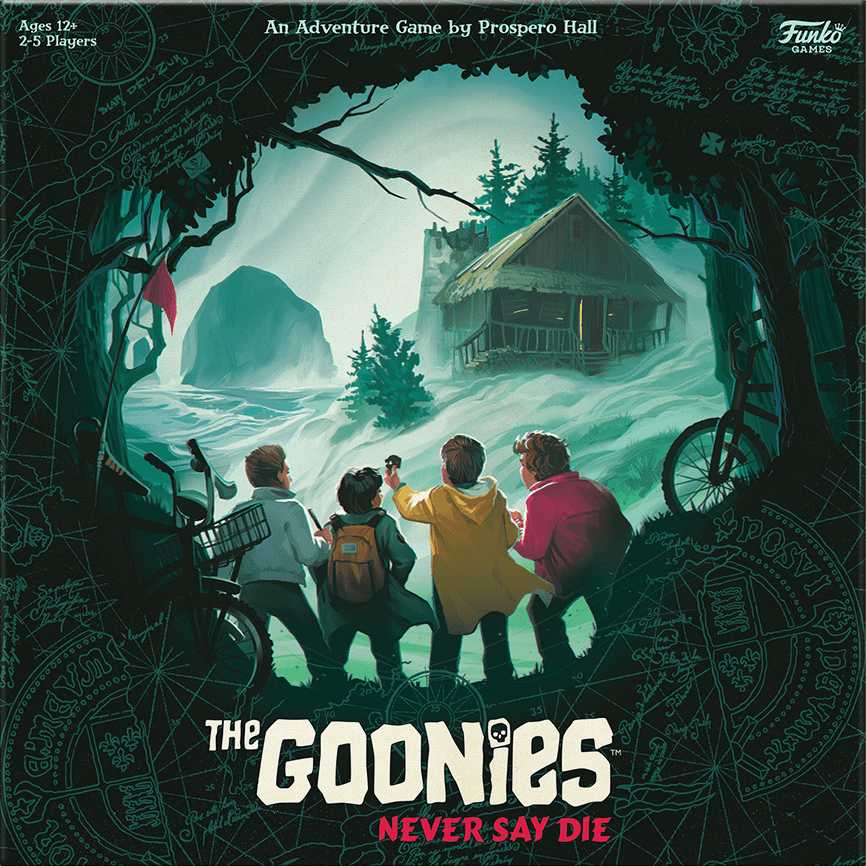
- 2 a 5 jogadores
- 50 minutos
- A partir dos 12 anos
por Prospero Hall
- 2 jogadores
- 30 minutos
- A partir dos 13 anos
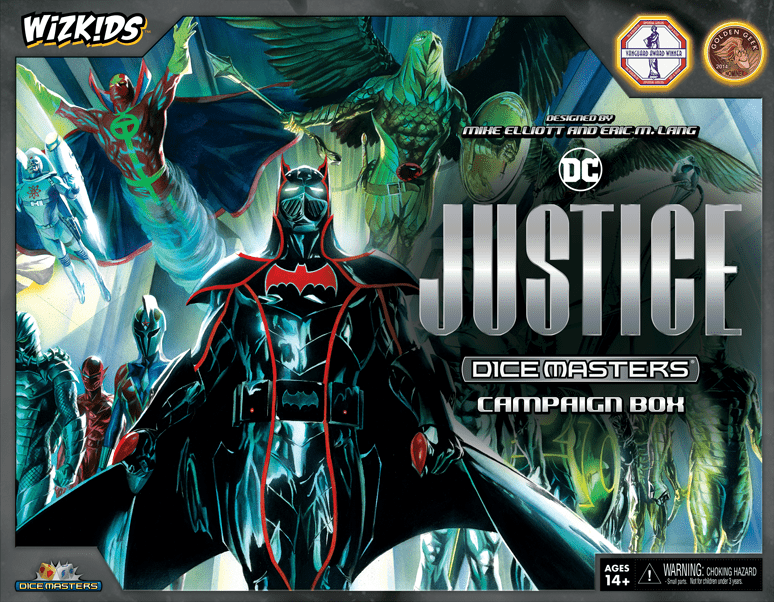
por Eric M. Lang, Mike Elliott
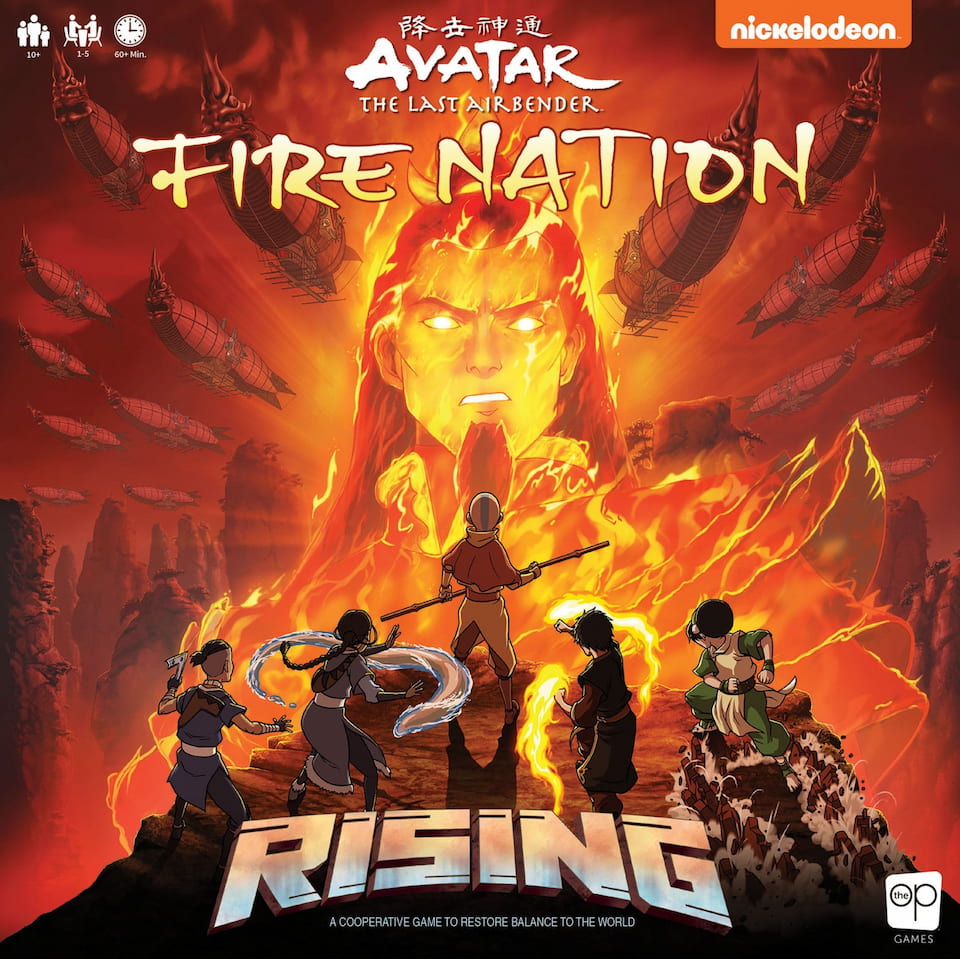
- 1 a 5 jogadores
- 60 minutos
- A partir dos 10 anos
A cooperative board game where players win or lose together, built for groups of three to six.
- 3 a 6 jogadores
- 60 minutos
Co-opoly is a cooperative board game for three to six players that takes about an hour, published by TESA Collective. It asks the whole table to pull together rather than compete against each other. Instead of racing for a single winner, the group builds an imagined cooperative business together.
TESA Collective
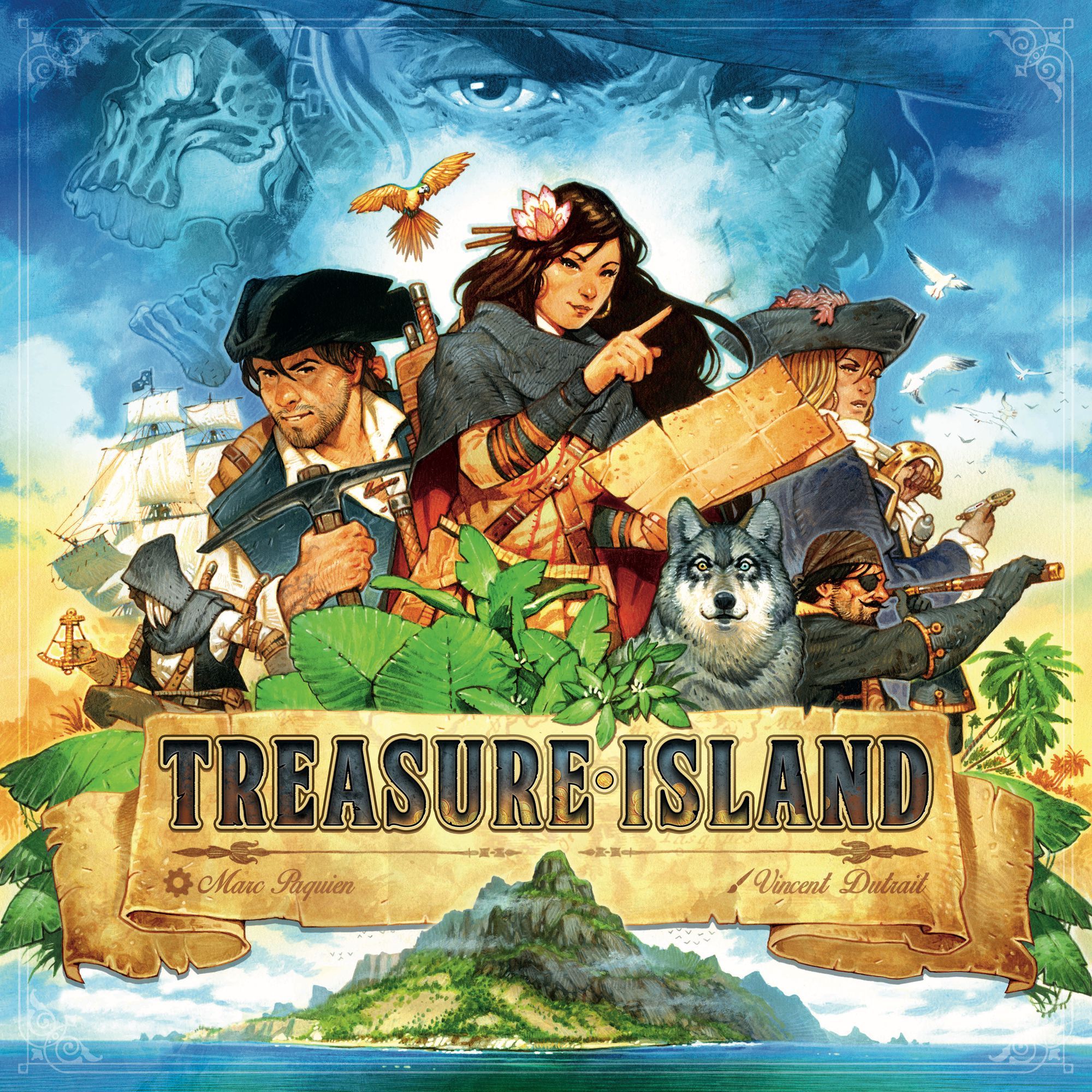
Treasure Island
2018Hidden-clue pirate deduction: one player as Long John Silver feeds lies and truths while the others hunt his treasure on a wipe-clean map.
- 2 a 5 jogadores
- 45 minutos
- A partir dos 10 anos
You are either Long John Silver, held captive by his own mutinous crew, or one of the pirates hunting the treasure he hid on a large island map. Silver is the only one who knows where the treasure lies, so he must answer questions with clues, some true and some deliberately false, while the pirates search the island…
por Marc Paquien
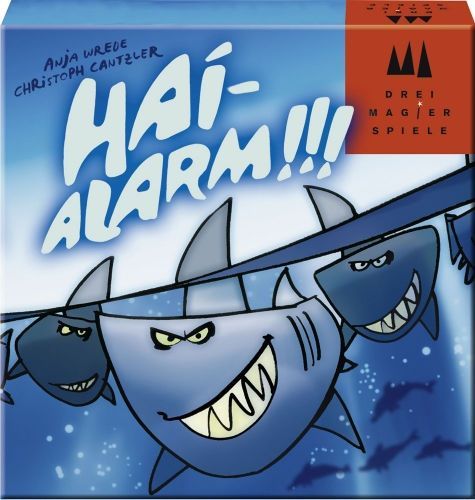
Shark Alarm!!!
2008- 2 a 5 jogadores
- 10 a 15 minutos
- A partir dos 8 anos
por Anja Wrede, Christoph Cantzler
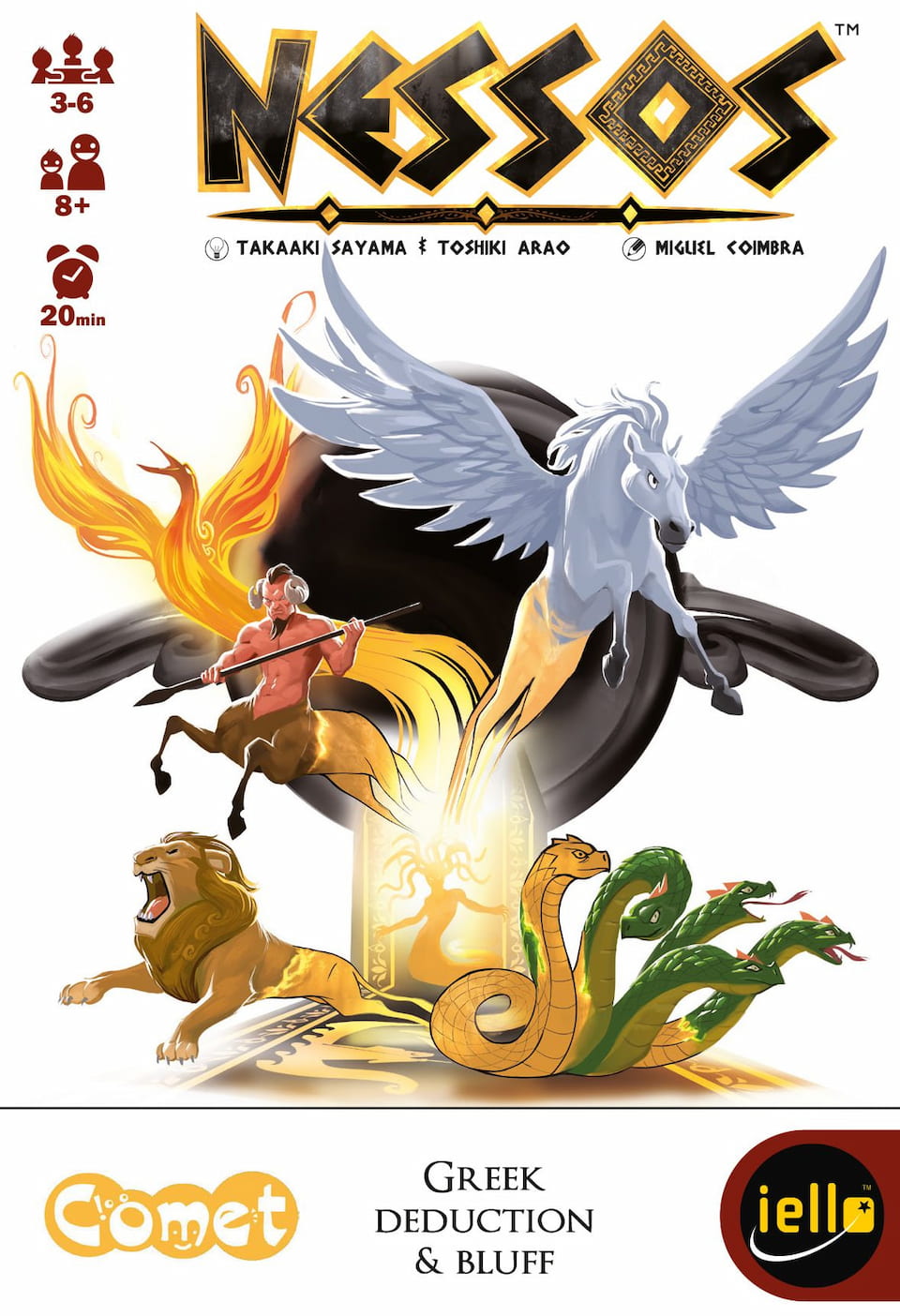
Nessos
2018- 3 a 6 jogadores
- 20 minutos
- A partir dos 8 anos
- 2 jogadores
- 30 a 45 minutos
- A partir dos 12 anos
por Paul Peterson
- 3 a 6 jogadores
- 50 a 70 minutos
- A partir dos 10 anos
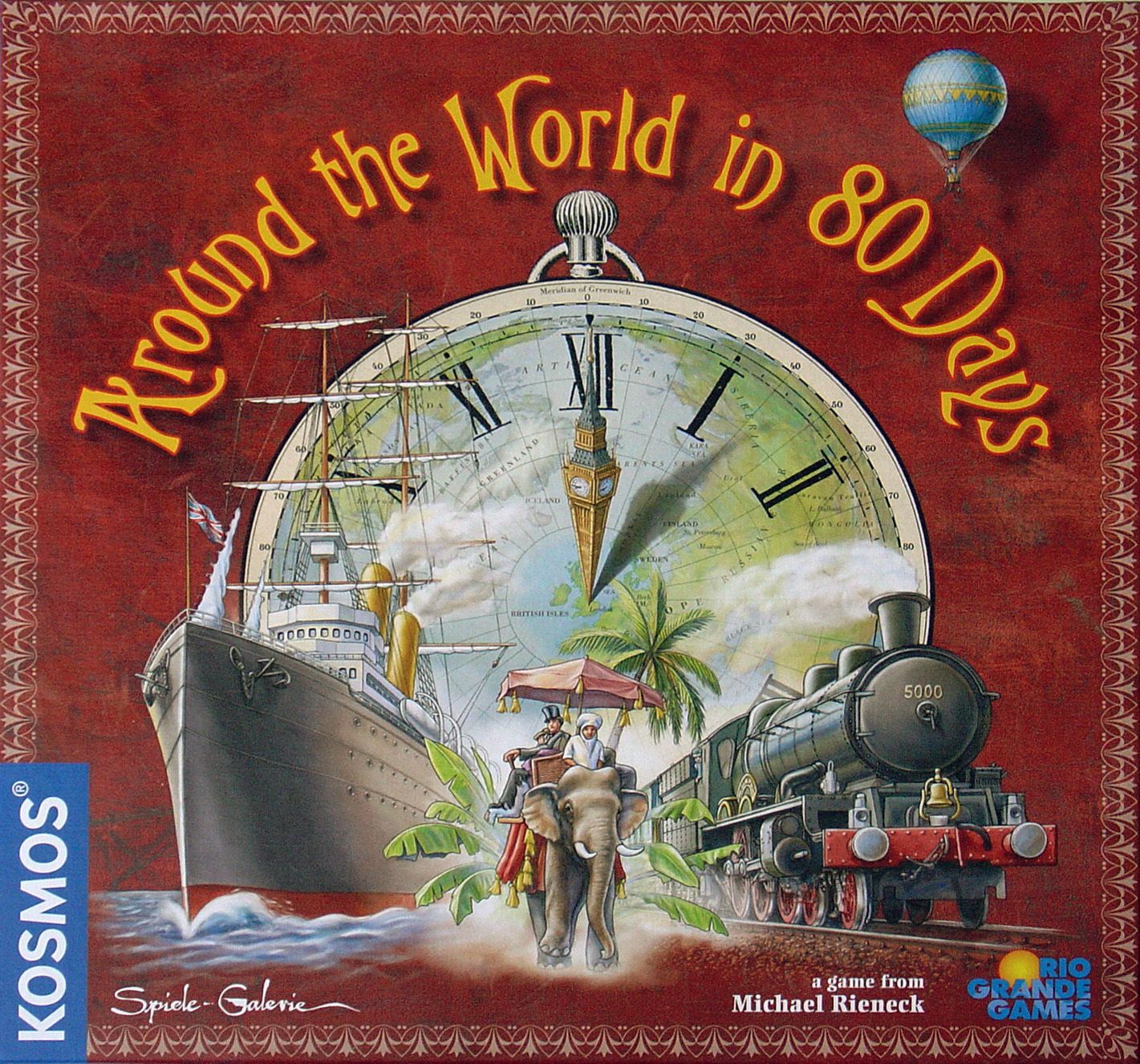
Around the World in 80 Days is a 2004 designer board game by Michael Rieneck.
por Michael Rieneck
- 2 a 3 jogadores
- 180 a 240 minutos
- A partir dos 14 anos
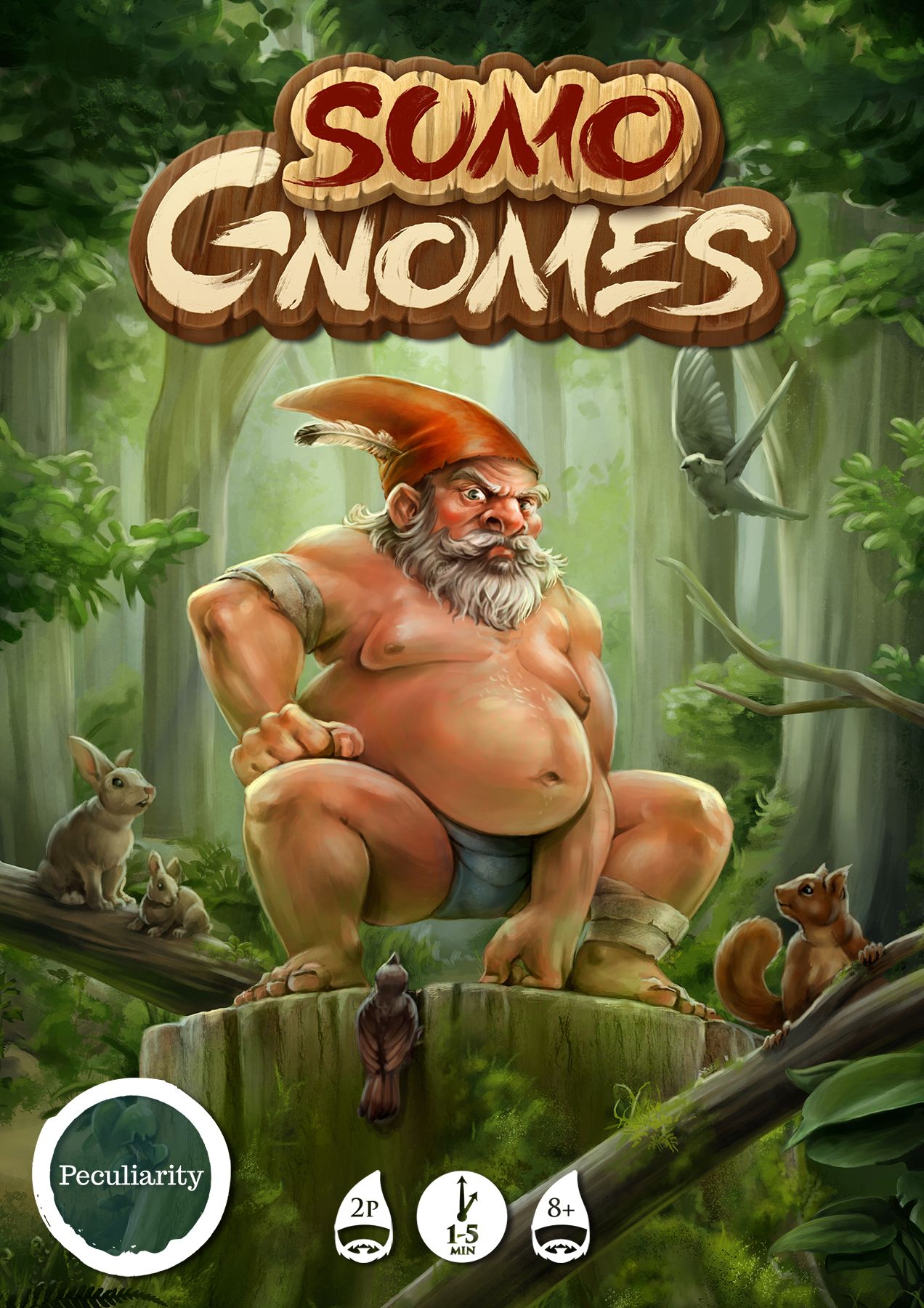
Sumo Gnomes
2019- 2 jogadores
- 1 a 5 minutos
- A partir dos 8 anos
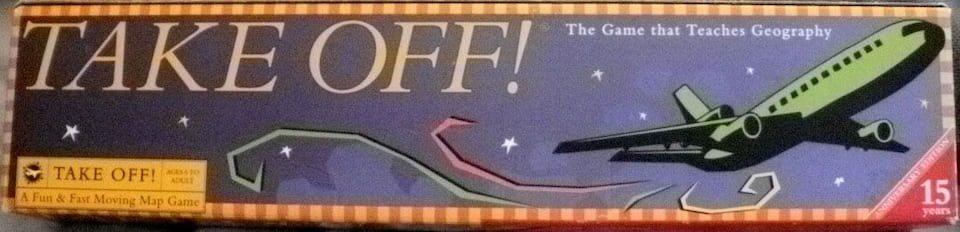
Take Off!
1987board game designed to teach geography, first released in 1988
- 2 a 6 jogadores
- 60 minutos
- A partir dos 6 anos
A geography-learning board game for two to six players aged six and up, made by Resource Games. Your planes start in Hawaii and must fly across the map to reach the opposite hemisphere, from the Eastern world to the Western world or back.
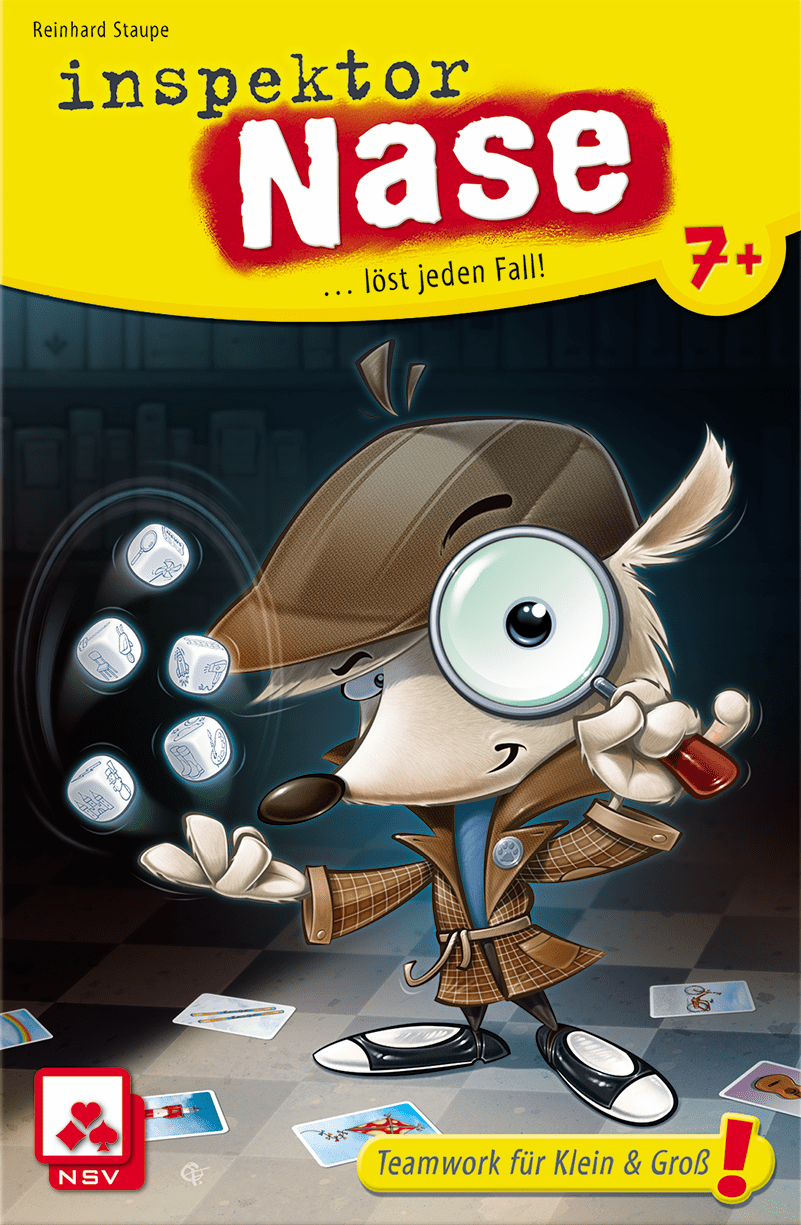
Inspektor Nase
2021- 2 a 5 jogadores
- 20 minutos
- A partir dos 7 anos
A cooperative deduction game for kids in which players take turns as the Inspector, using dice clues to help the others work out which picture card to remove.
por Reinhard Staupe
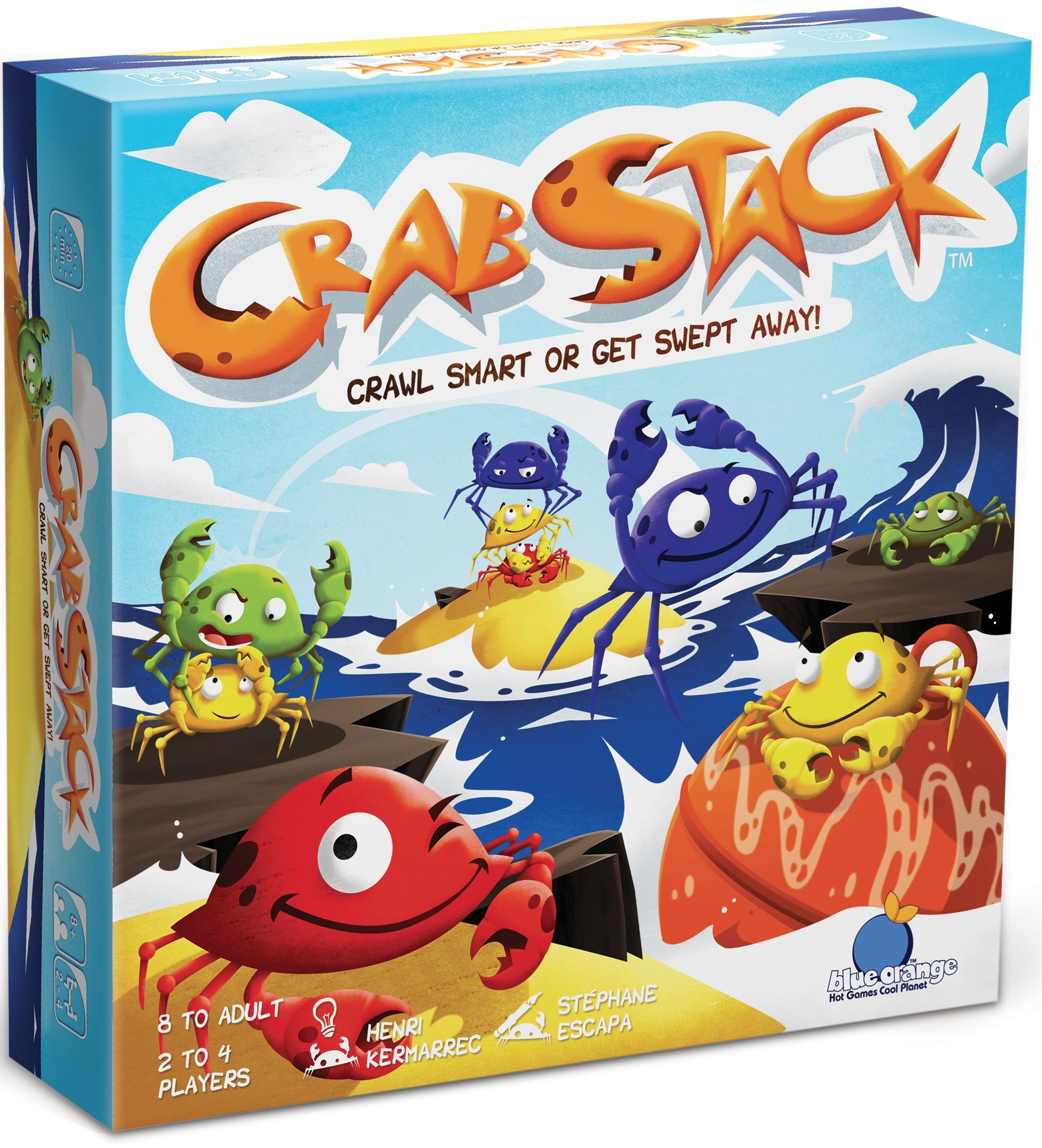
Crab Stack
2015Stack crabs on rocks and outlast rivals as waves wash away the smaller groups.
- 2 a 4 jogadores
- 20 minutos
- A partir dos 8 anos
Crab Stack is an abstract strategy game for 2 to 4 players aged 8 and up, first released in 2015. Henri Kermarrec designed it, and Blue Orange and several other publishers released it. Each player controls crabs of their own colour, scattered across a board of rocks.
por Henri Kermarrec
- 2 a 4 jogadores
- 20 a 30 minutos
- A partir dos 13 anos
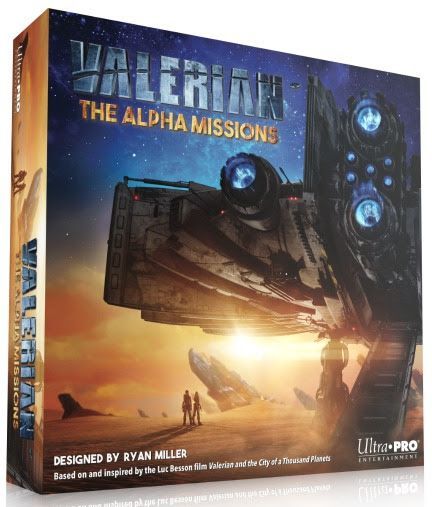
por Ryan Miller
Warriors of Mars
1974A rare 1974 Barsoom combat rulebook, published without permission and quickly pulled from sale.
A 1974 miniatures wargame rulebook created by Gary Gygax, with Brian Blume credited as co-writer and Tactical Studies Rules as publisher. The rules stage fights in Barsoom, the fantasy world from Edgar Rice Burroughs's John Carter of Mars novels.
por Gary Gygax
- 2 jogadores
- 180 minutos
- A partir dos 12 anos
por Ty Bomba
- 1 a 2 jogadores
- 20 a 40 minutos
- A partir dos 10 anos
- 1 a 8 jogadores
- 120 minutos
- A partir dos 12 anos
abstract board game for two players
This is an abstract strategy game for two players, also called Kaplansky's n-in-a-line. It takes its name from Irving Kaplansky. Two players compete to be the first to line up k stones of their own colour. Only a line that holds no stone of the opponent can deliver that win.
- 2 a 6 jogadores
- 240 a 1200 minutos
- A partir dos 12 anos
por Harry Rowland