A carregar a página…
A 1978 Napoleonic wargame of 15 mm miniature battles across Europe, 1808 to 1858.
This 1978 wargame was published by Game Designers' Workshop as a boxed set for tabletop battles, offered in a single box of rule and reference material. The game recreates Napoleonic-era clashes across Europe, fought with 15 mm miniature figures and spanning the years from 1808 to 1858.
- 2 jogadores
- 120 minutos
- A partir dos 12 anos
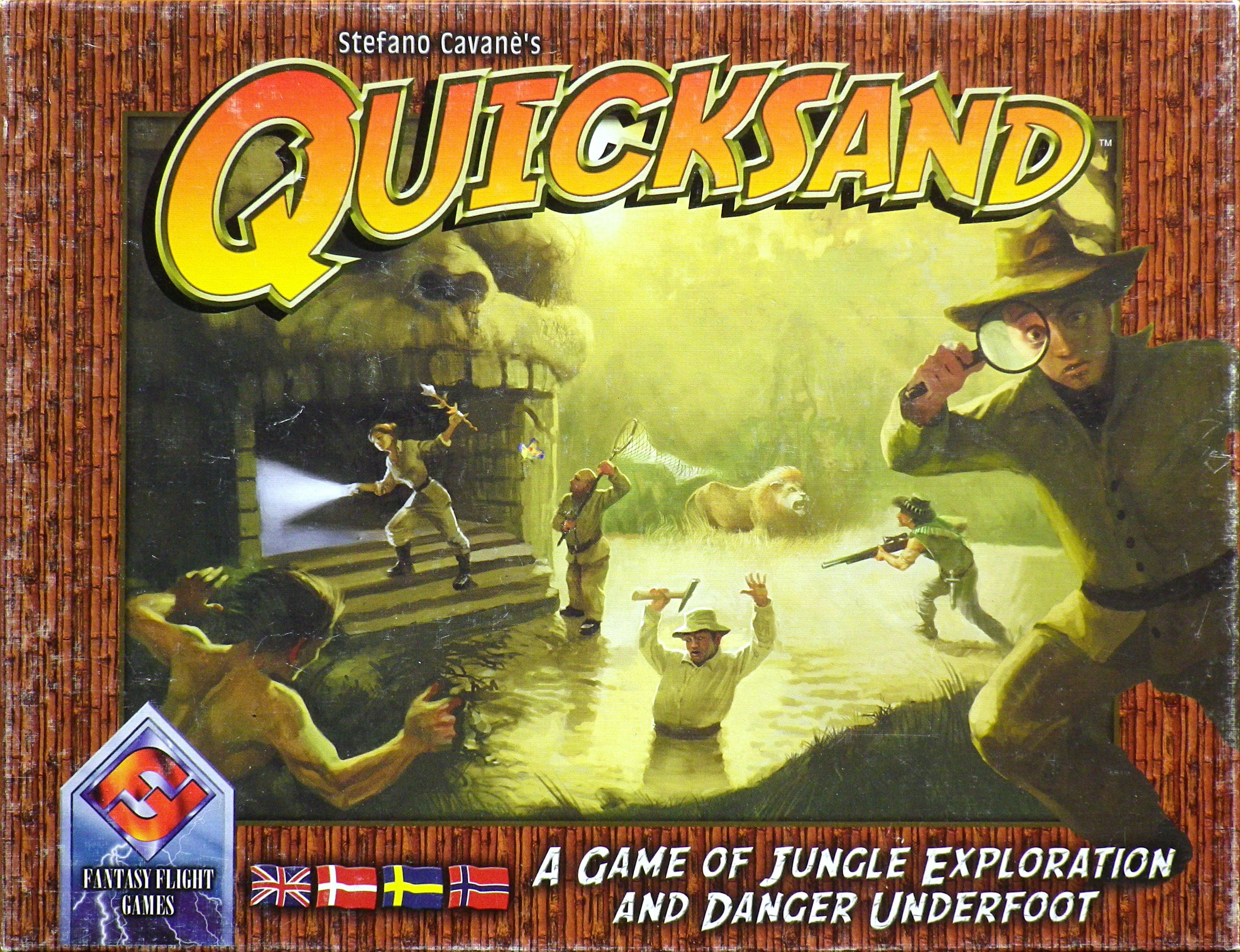
Quicksand
2003- 2 a 5 jogadores
- 10 a 20 minutos
- A partir dos 12 anos
Secret Recipe
2025A deduction game where you trade clues and make pacts to work out grandma's hidden recipe for 2-4 players.
- 2 a 4 jogadores
- 40 a 75 minutos
- A partir dos 13 anos
por Blaž Hribar, Nika Mlinarič Hribar · SnowBoardGames
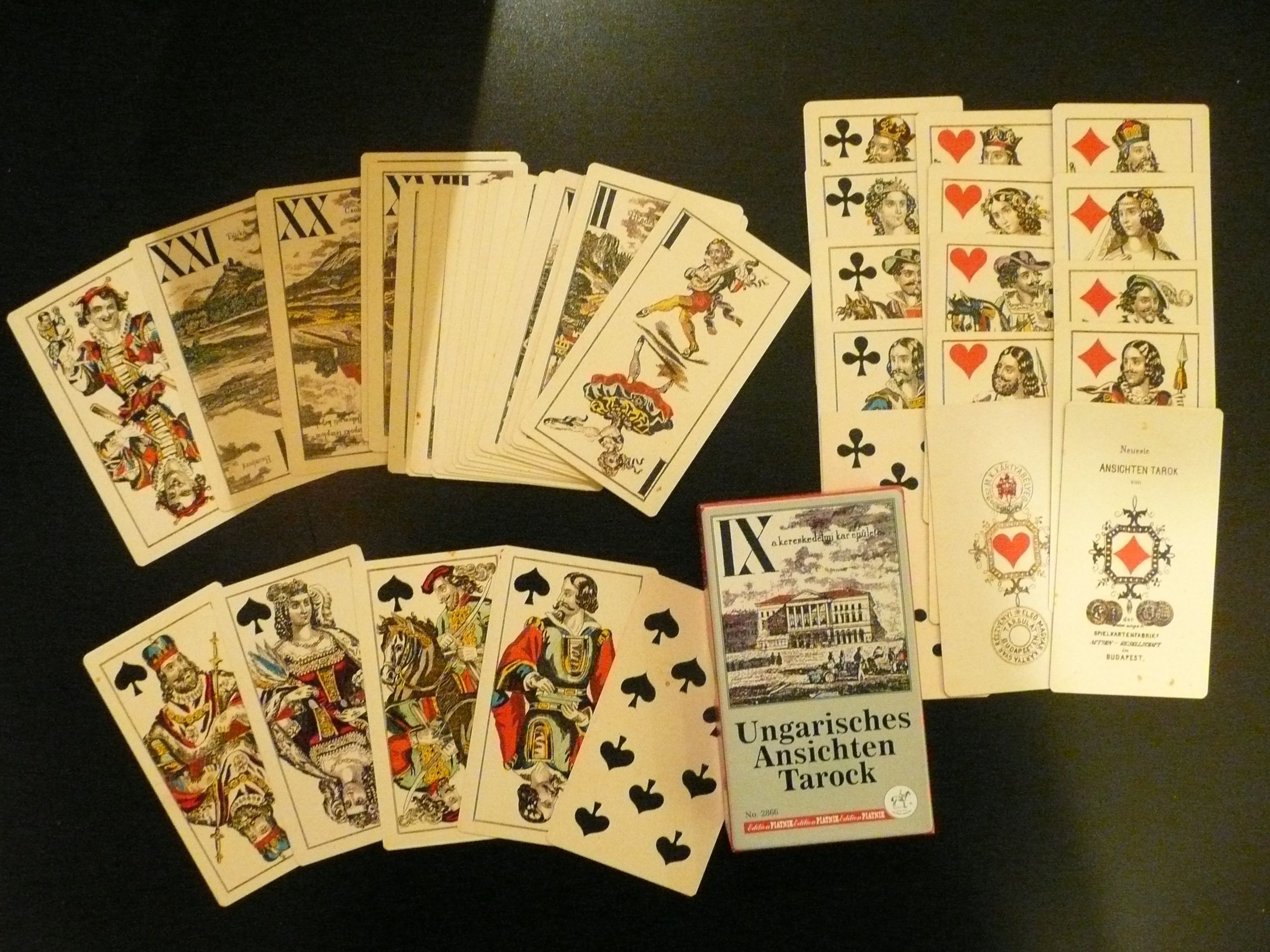
Hungarian Tarokk
1870A four-player Hungarian take on the Tarock family, also called Paskievics, first published in 1870.
- 4 jogadores
- 30 minutos
- A partir dos 14 anos
Hungarian Tarokk is a four-player card game from the Tarock family, first published in 1870 by Piatnik. It is suited to players aged 14 and up and plays in about 30 minutes. Hungary's version of the Tarock family is built around a 42-card deck and is also known under the name Paskievics.
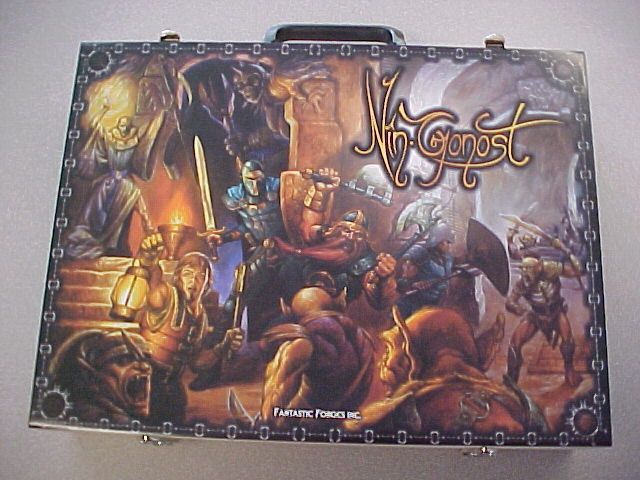
Nin-Gonost
2004Fantasy duels on a magnetic modular dungeon board, where cover and line of sight matter.
- 1 a 2 jogadores
- 45 minutos
- A partir dos 12 anos
Nin-Gonost is a fantasy adventure board game for one or two players aged 12 and up, lasting about 45 minutes. Fantastic Forges Inc published it from Canada, and Alain Henner and Arnaud Borne are credited as designers. The title means Fortress of Tears in the antique elvish language of the setting.
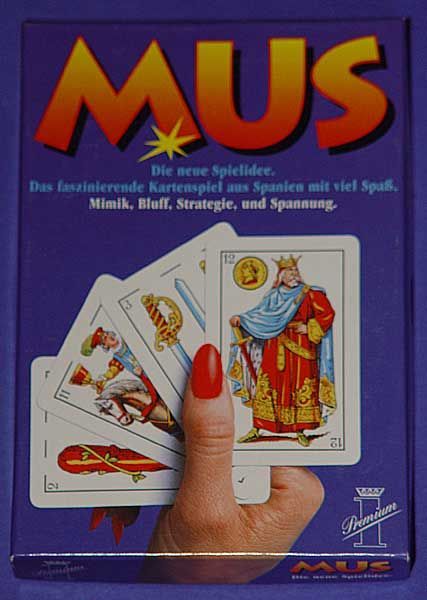
A Basque vying card game that is the most widely played card game in Spain.
- 4 jogadores
- 10 minutos
- A partir dos 7 anos
Mus is a vying card game from the Basque Country, played by four players in two teams, and it is the most widely played card game in Spain. Its first known reference dates to 1745, in a trilingual dictionary by the Jesuit scholar Manuel Larramendi.
- 2 a 4 jogadores
- 20 a 30 minutos
- A partir dos 8 anos
Suction-cup dart game where players toss darts toward a jack, bocce-style, with over 9 game modes.
- 2 a 4 jogadores
- 10 minutos
- A partir dos 3 anos
por TOSSIT
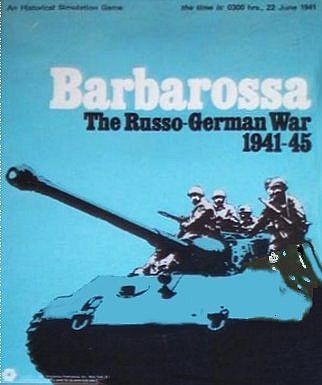
SPI's most popular Test Series wargame, covering the entire Eastern Front from 1941 to 1945.
- 2 jogadores
- 360 minutos
- A partir dos 14 anos
Barbarossa: The Russo-German War 1941-45 is a two-player board wargame designed by Jim Dunnigan and published by SPI in 1969, suited to players aged 14 and up. The game recreates the struggle between Germany and the Soviet Union on the Eastern Front of the Second World War.
por Jim Dunnigan · Simulations Publications, Inc.
- 2 a 6 jogadores
- 30 minutos
- A partir dos 21 anos
Helvetia
2011- 2 a 4 jogadores
- 90 a 120 minutos
- A partir dos 12 anos
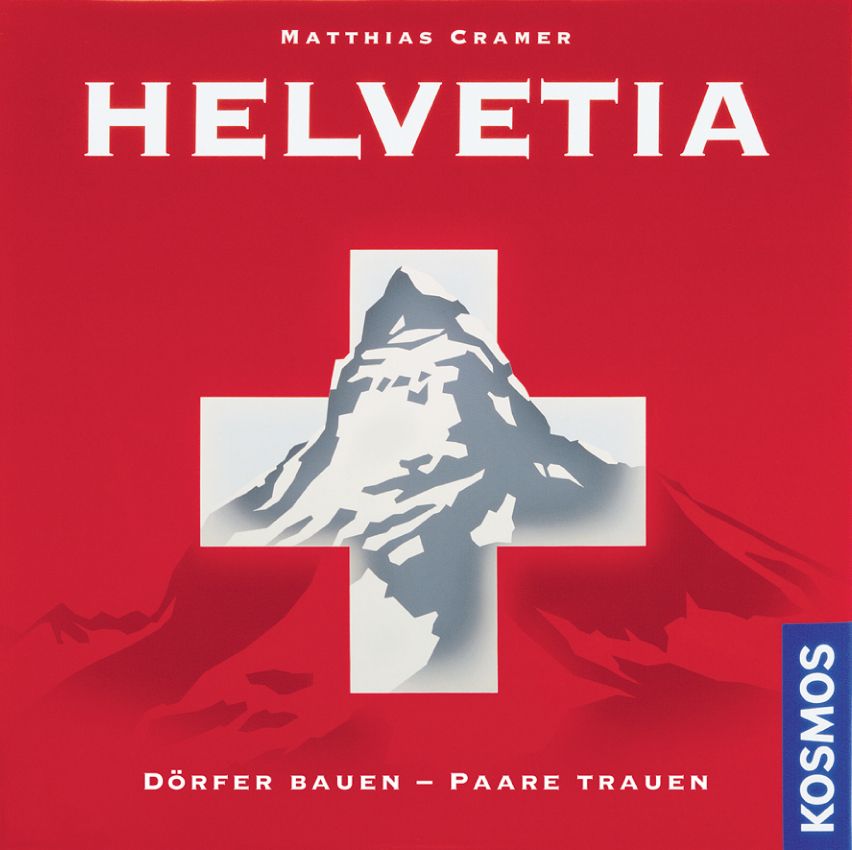
A family-weight strategy game for 2 to 4 players, designed by Matthias Cramer and published by Kosmos in 2011. Set in a remote mountain village in the Swiss Alps in the early nineteenth century, you lead a small community that must produce goods, grow its population and trade at market.
por Matthias Cramer · Franckh-Kosmos
- 2 a 6 jogadores
- 45 minutos
- A partir dos 14 anos
- 2 a 5 jogadores
- 60 a 120 minutos
- 1 a 5 jogadores
- 60 minutos
- A partir dos 14 anos
por Peter Lee
- 3 a 8 jogadores
- 30 minutos
- A partir dos 8 anos
por Dan Tibbles, Mike Selinker
Orgy is a board game published in 1986 by Comissatio Ltd.
- 2 jogadores
- 20 minutos
- A partir dos 10 anos
por Steve Finn
- 1 a 4 jogadores
- 45 a 60 minutos
- A partir dos 13 anos
por Keith Baker
Spaceopoly
1997- 2 a 6 jogadores
- A partir dos 7 anos
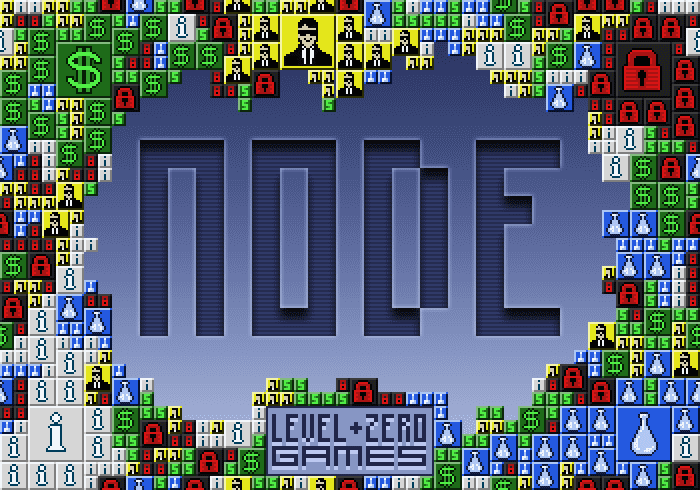
Node
2011- 2 a 4 jogadores
- 15 minutos
- A partir dos 10 anos
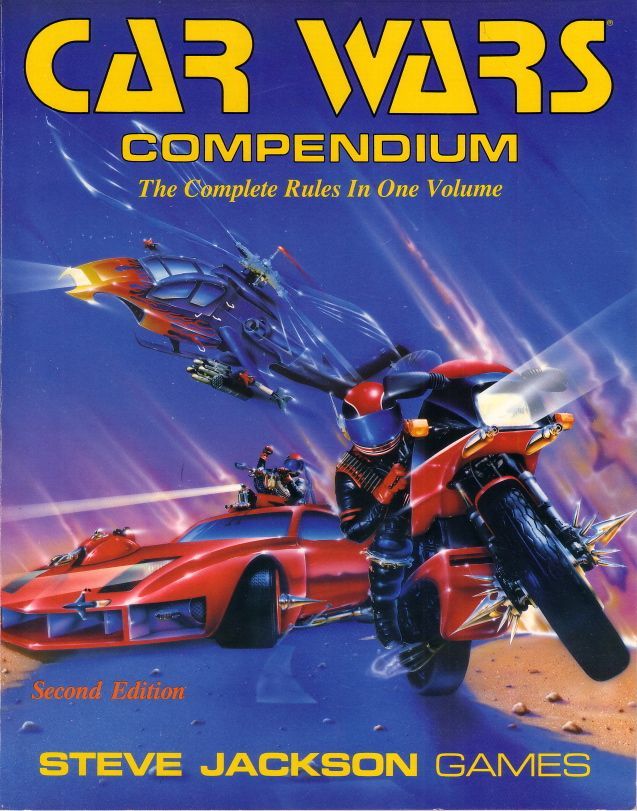
- 2 a 8 jogadores
- 45 minutos
- A partir dos 10 anos
por Steve Jackson
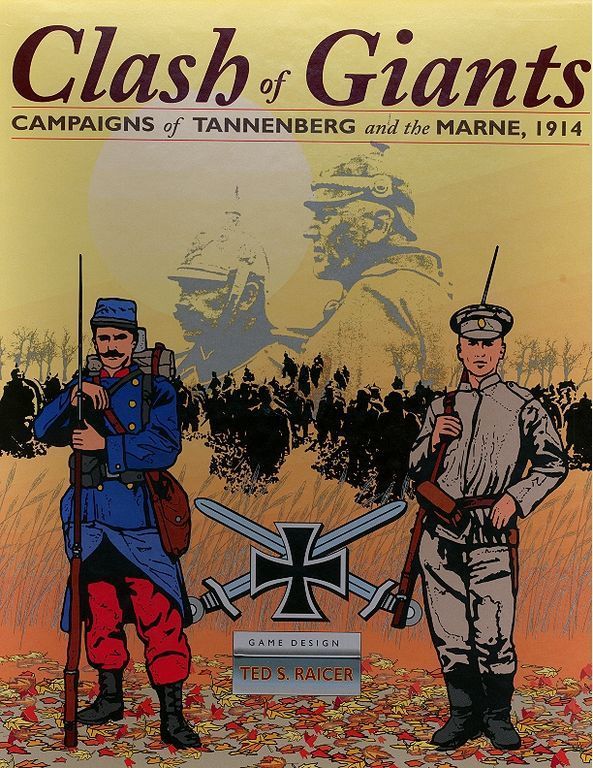
- 2 jogadores
- 180 minutos
- A partir dos 12 anos
por Ted Raicer
A traditional mancala from Angola that the Kimbundu people call a game of peace
Kiela is a traditional mancala-style board game with roots among the Kimbundu people of northern Angola. Angola holds a national tournament for it every year, and it is closely related to the Ugandan game Omweso.
Pest 2nd Edition
2026- 1 a 5 jogadores
- 60 minutos
- A partir dos 14 anos
por Kai Starck, Thomas Nielsen · Archona Games
- 3 a 6 jogadores
- 90 a 180 minutos
- A partir dos 10 anos
por Gary Dicken, Phil Kendall
A deduction game where you spin a story about your character and hope most players guess your secret.
- 3 a 6 jogadores
- 30 minutos
- A partir dos 14 anos
Dubious is a deduction game for three to six players aged 14 and up, with a playing time of about 30 minutes. Arcane Wonders published it. Each player invents a character and spins a tale around them, hiding a chosen occupation and secret. Your aim is to make most of the others name both correctly.
Diagonal checkers where pieces carry ranks and can only capture equal or lower pieces.
Italian Damone is an abstract strategy board game from Italy that belongs to the draughts family as a diagonal checkers variant. It is played only on the dark diagonal squares of a standard draughts board.