A carregar a página…
Camelot
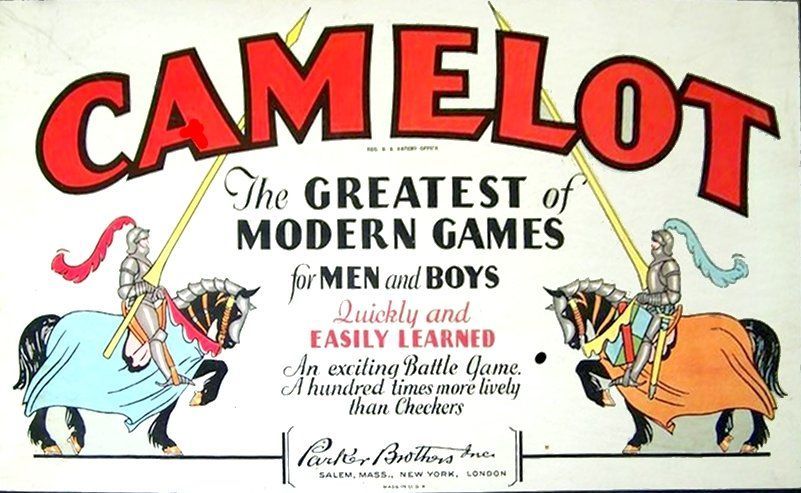
1930A quick, tactical two-player strategy game with far less opening theory than chess.
- 2 jogadores
- 15 minutos
- A partir dos 8 anos
A two-player strategy game of about 15 minutes for ages 8 and up, designed by George S. Parker and published by Parker Brothers, among others. The 1930 reissue came with a reduced size and fewer pieces than the original. Numerous editions and variants appeared, and the game was most popular in the 1930s.
por George Swinnerton Parker · Parker Brothers
A two-player topological game born from research into Hex and Bridg-It, devised in 1960.
This board game is covered in Winning Ways, and Larry Black devised it in 1960. It is also known as Brick and was introduced to the public by Martin Gardner in 1963 in Scientific American. Players take turns extending a path across a squared board, and whoever first sends it back into the board's edge loses.
- 3 a 6 jogadores
- 90 minutos
- A partir dos 13 anos
- 6 a 8 jogadores
- 120 minutos
- A partir dos 15 anos
por Amanda Birkinshaw
- 2 a 10 jogadores
- 30 a 60 minutos
- A partir dos 10 anos
por Steve Jackson
- 1 a 2 jogadores
- 120 minutos
- A partir dos 12 anos
por Udo Grebe
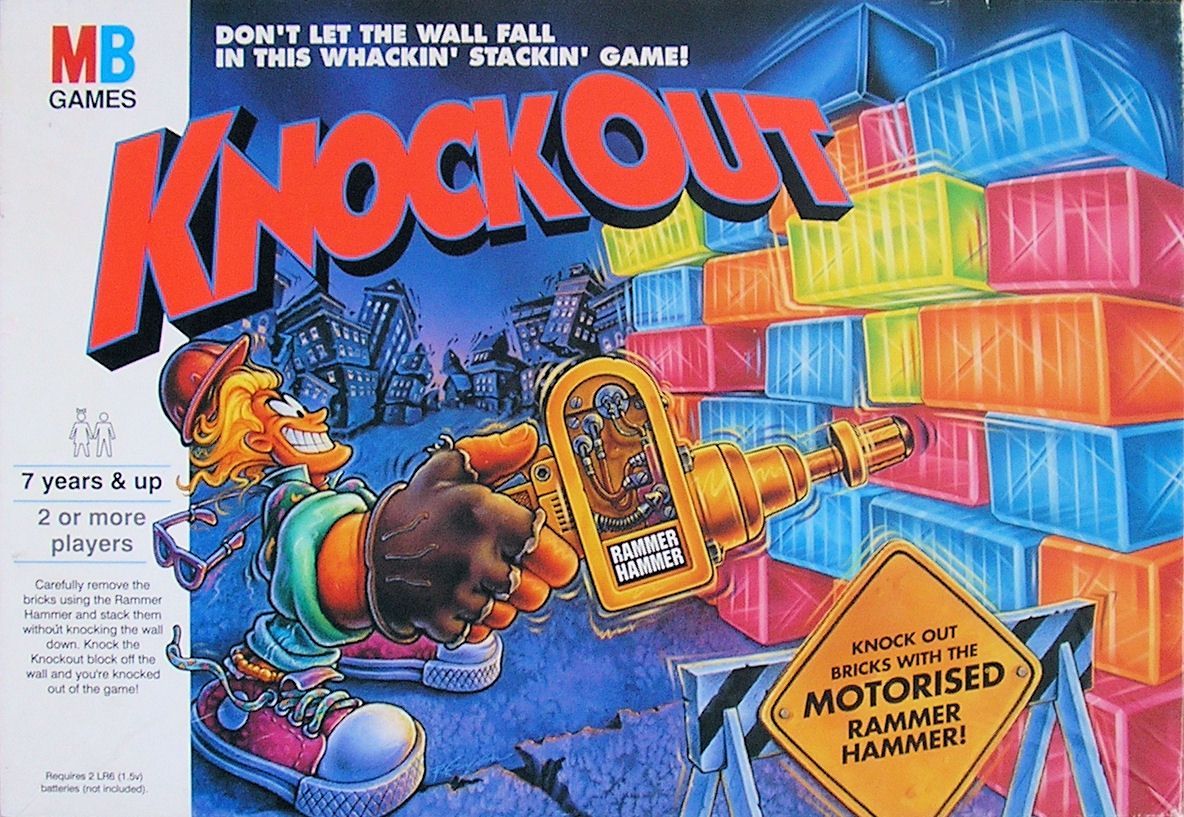
Knockout
1991Keep the central Knockout brick standing while you knock out your rivals' bricks with a battery jackhammer.
- 2 a 8 jogadores
- 30 minutos
- A partir dos 7 anos
Knockout is a family game for 2 to 8 players aged 7 and up, first released in 1991 by the Milton Bradley Company. It is a quick game of steady nerve and a little luck. You and your rivals share a wall of colored bricks built around one special central brick.
Milton Bradley Company
- 2 a 4 jogadores
- A partir dos 6 anos
- 1 a 5 jogadores
- 60 a 90 minutos
- A partir dos 12 anos
- 1 a 6 jogadores
Lost Worlds
1983A two-player duel where you read your rival's picture book to find out what your attacks did.
- 2 jogadores
- 10 minutos
- A partir dos 10 anos
A two-player combat game built around picture books, rated 10+ with a playing time of 10 minutes. Designed by Alfred Leonardi and Michael Stackpole and first published in 1983 by Nova Game Designs. Each player picks a fighter, such as a Cave Troll, a Unicorn or a Fighter-Mage, and hands the book to the rival.
por Alfred Leonardi, Michael Stackpole
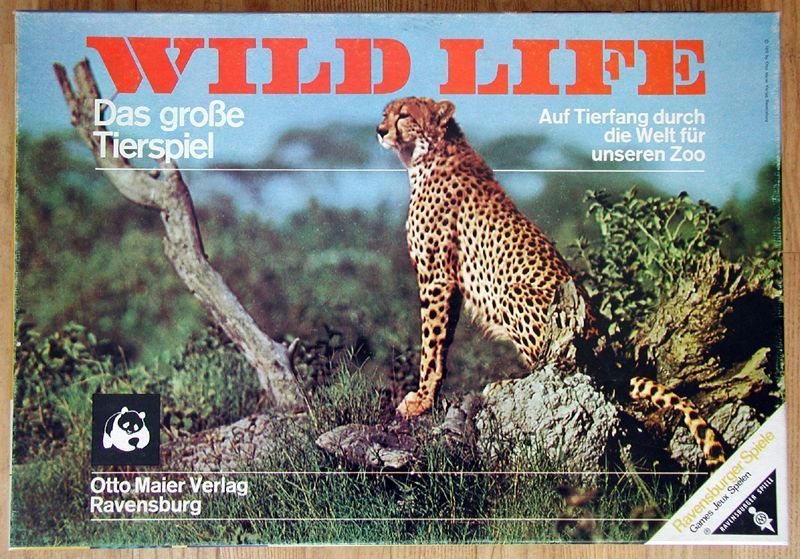
Wild Life
1964- 2 a 5 jogadores
- 90 minutos
- A partir dos 10 anos
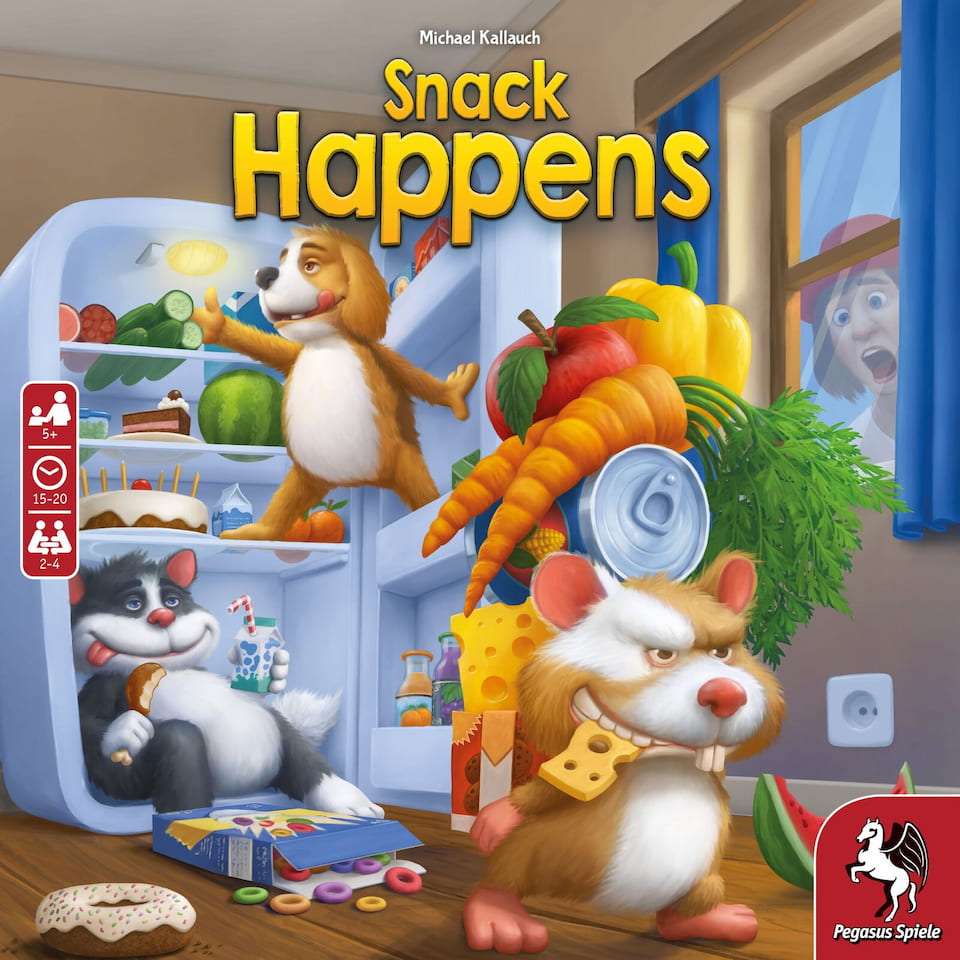
- 2 a 4 jogadores
- 15 a 20 minutos
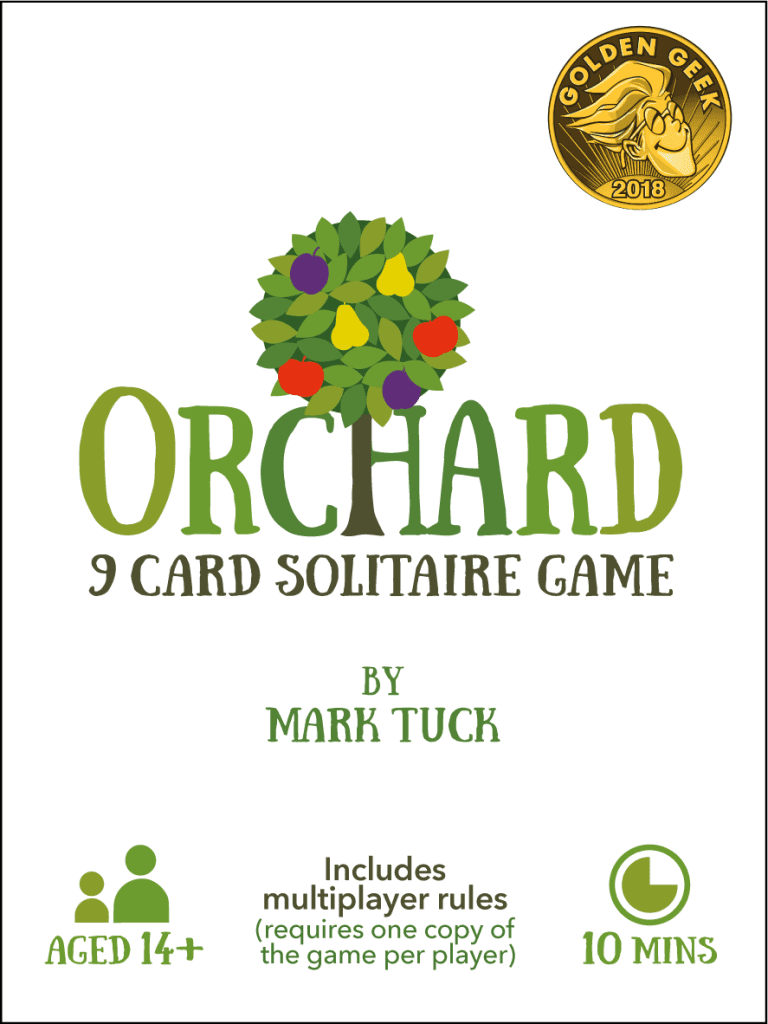
A nine-card tile-laying solitaire where overlapping fruit trees bring in the harvest.
- 1 jogador
- 5 a 10 minutos
- A partir dos 8 anos
A quick one-player tile-laying puzzle for ages 8 and up, designed by Mark Tuck and released in 2018 by several publishers. You are a grower gathering fruit, scoring by laying cards so their trees cover matching trees already planted in your orchard.
por Mark Tuck
- 2 a 5 jogadores
- A partir dos 10 anos
- 2 a 5 jogadores
- 90 minutos
- A partir dos 10 anos
por Marcin Wełnicki
A Europe-focused take on World War II strategy, built for balanced play between the sides.
- 2 a 4 jogadores
- 210 minutos
- A partir dos 12 anos
A strategic wargame set in the European Theatre of World War II, starting in spring 1941. Players command the Axis or Allied powers across Europe, the Atlantic, North Africa and the Middle East. Designed for balanced competition rather than strict historical accuracy.
por Larry Harris, Jr.
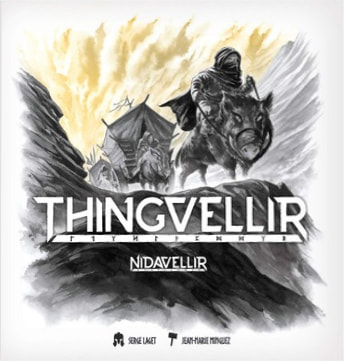
Nidavellir
2020Card-drafting auction game where dwarf-hiring elves bid coins on taverns to build the strongest battalion against Fafnir the dragon.
- 2 a 5 jogadores
- 45 minutos
- A partir dos 10 anos
Nidavellir is a bidding and set-collection card game for 2 to 5 players aged 10 and up, designed by Serge Laget and published in 2020. You are an elf working for a dwarf kingdom menaced by the dragon Fafnir, recruiting characters from the realm's taverns to assemble the strongest army against him.
por Serge Laget
- 4 a 6 jogadores
- 30 minutos
- A partir dos 7 anos
por Mark Alan Osterhaus, Matthew Kirby
- 2 a 6 jogadores
- 20 a 40 minutos
- A partir dos 8 anos
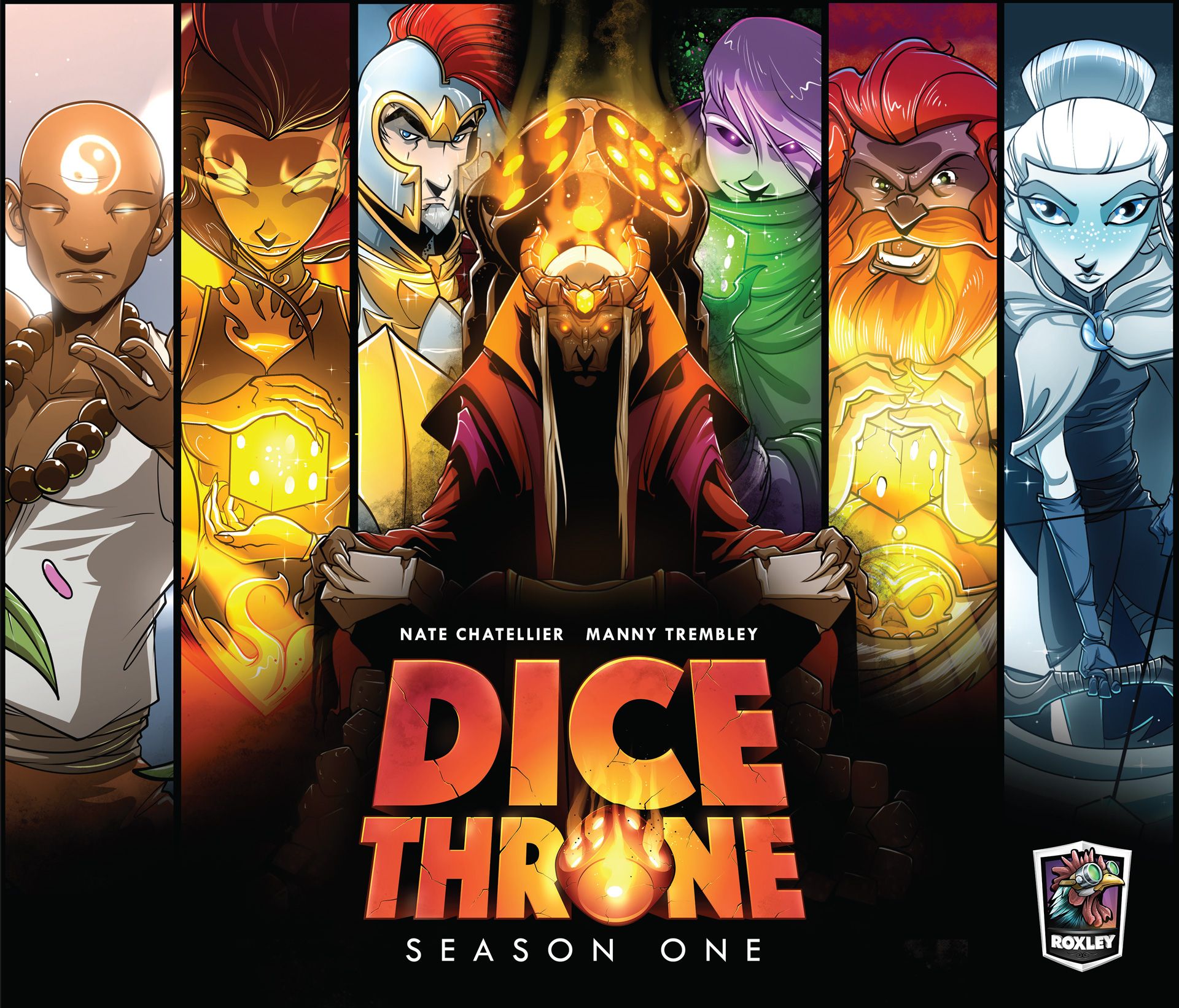
por Manny Trembley, Nate Chatellier
- 2 a 4 jogadores
- 30 a 60 minutos
- A partir dos 8 anos
por Julian Courtland-Smith
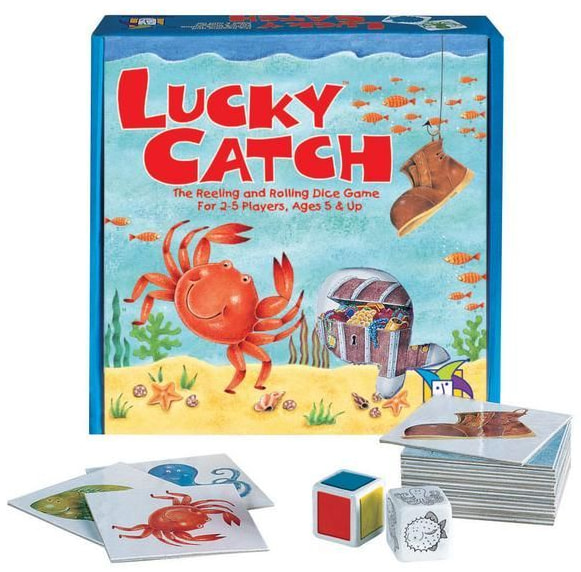
Lucky Catch
1997- 2 a 5 jogadores
- 10 minutos
- A partir dos 5 anos
- 1 a 5 jogadores
- 90 minutos
- A partir dos 12 anos
por Tobias Hall · All Or None Games
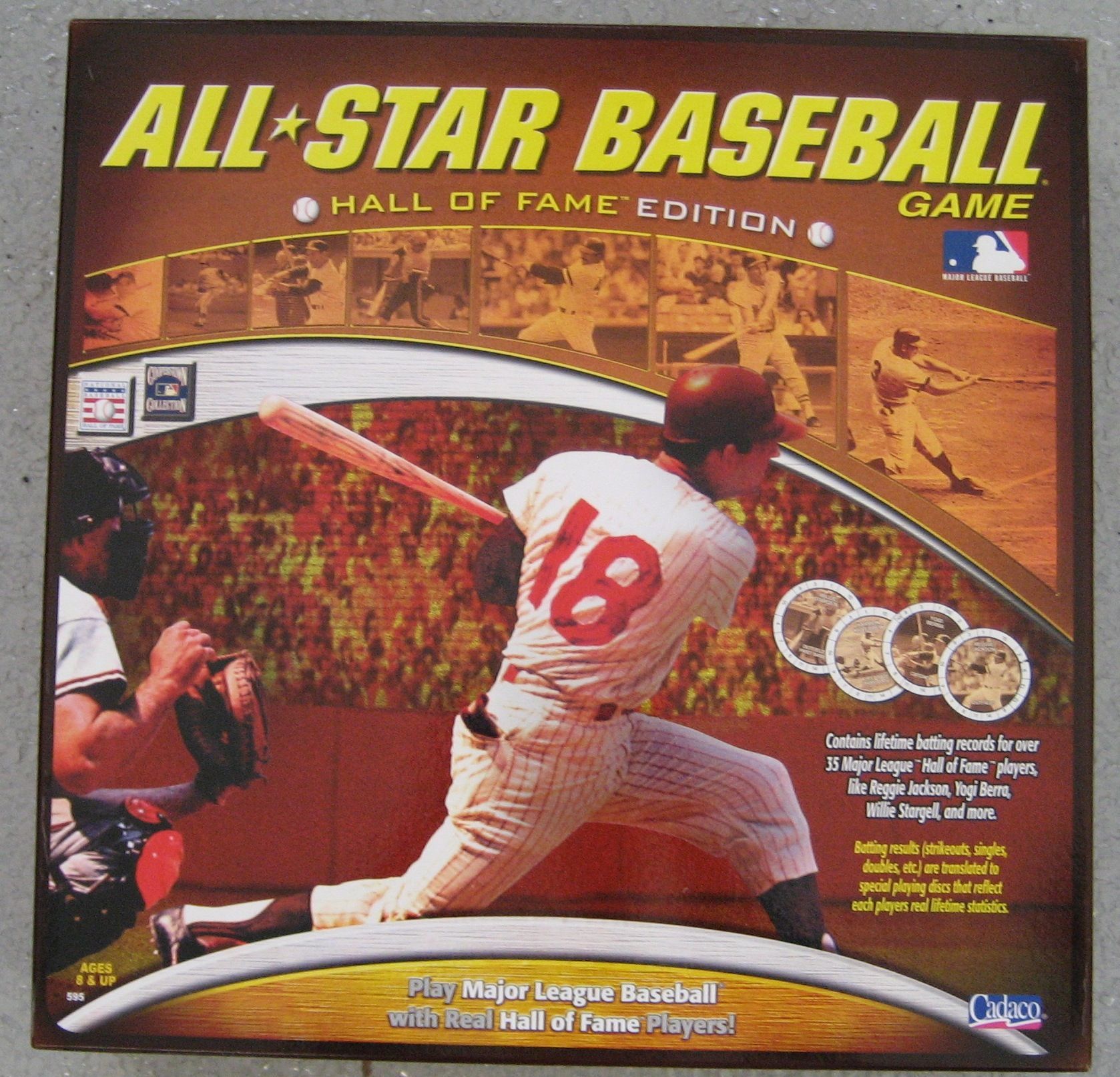
A 1941 baseball board game where spinners and player cards decide every at-bat.
- 2 jogadores
- 60 minutos
- A partir dos 10 anos
A two-player baseball board game for ages 10 and up, lasting about 60 minutes. Ethan Allen designed it, and Cadaco published it. The game recreates a baseball contest on a board, with one player batting and the other pitching and fielding. Each at-bat plays out through spins and charts.
- 2 a 6 jogadores
- 15 minutos
- A partir dos 5 anos
por Pierrick Yakovenko, Thomas Vuarchex
- 1 a 5 jogadores
- 90 minutos
- A partir dos 14 anos
por Ryan Swisher, Tim Eisner · Weird City Games
- 3 a 20 jogadores
- 30 minutos
- A partir dos 16 anos
por Rita Modl · ANZEN
The Ythri is a board wargame published by Metagaming Concepts in 1975 that is based on the 1973 science fiction novel The People of the Wind by Poul Anderson.
- 3 a 12 jogadores
- 45 minutos
- A partir dos 8 anos
por Ernst Führer, Paul Catty · Piatnik
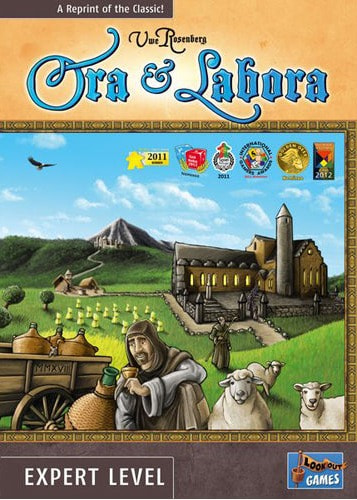
Medieval monastery game: manage workers and resources to build and produce goods for victory points.
- 1 a 4 jogadores
- 120 a 180 minutos
- A partir dos 12 anos
Ora et Labora is a large strategy game for 1 to 4 players aged 12 and up, lasting about 120 to 180 minutes. Uwe Rosenberg designed it, and it was first released in 2011 and has appeared through several publishers.
por Uwe Rosenberg
- 2 jogadores
- 120 minutos
- A partir dos 12 anos
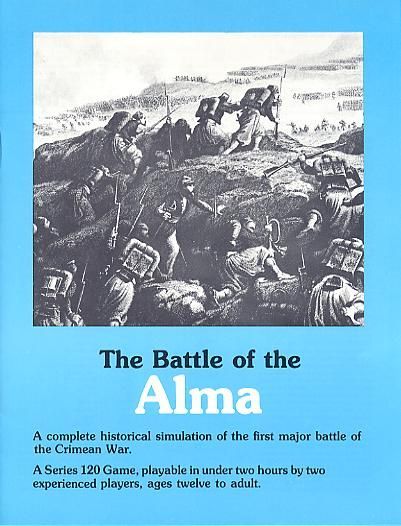
por Frank Chadwick
Slaughterville
2015- 1 a 6 jogadores
- 60 a 120 minutos
- A partir dos 14 anos