Taxonomy / Betting and Bluffing
Board game mechanic
Betting and Bluffing
Players stake tokens or points on an outcome that is hidden or uncertain, and may misstate their position to make others fold or overpay. The pot goes to the strongest position or to the last player who did not fold.
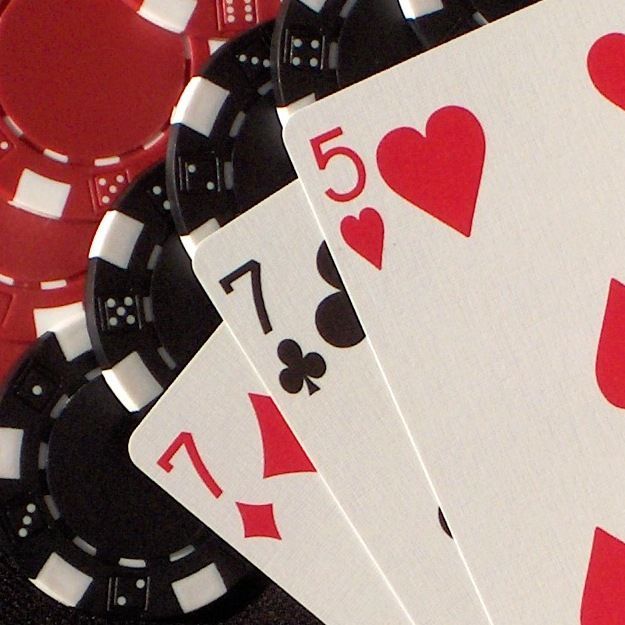
Betting and bluffing has players stake resources on an outcome, such as the strength of a hidden hand. Bets usually go into a shared pot, and some games let a player act as if their position is stronger or weaker than it really is.
Play typically runs in rounds. Each player in turn may check, raise, or fold, adding tokens or points to the pot. Once betting closes, hidden information is revealed or resolved, and the pot goes to the player with the best position or to whoever made the others fold.
Players must judge how much to risk against the odds and how others will read their bets. A bluff can win a pot with a weak position, but it also exposes the player to losing more. Results depend partly on the random draw of cards or dice and partly on reading opponents, so skill and chance both shape outcomes.
Variants differ in how bets are structured, with fixed limits, pot limits, or no limit, and in whether bluffing is central or minor. Many games combine betting with set-collection, dice-rolling, or auctions, using the bets as a tiebreaker or as a way to bid for turn order.