Board game mechanic
Bias
Players plan around a drift that moves pieces, effects, or progress in one set direction over time, such as a current, wind, or a turning marker. The drift is predictable, so it decides where things will be later.
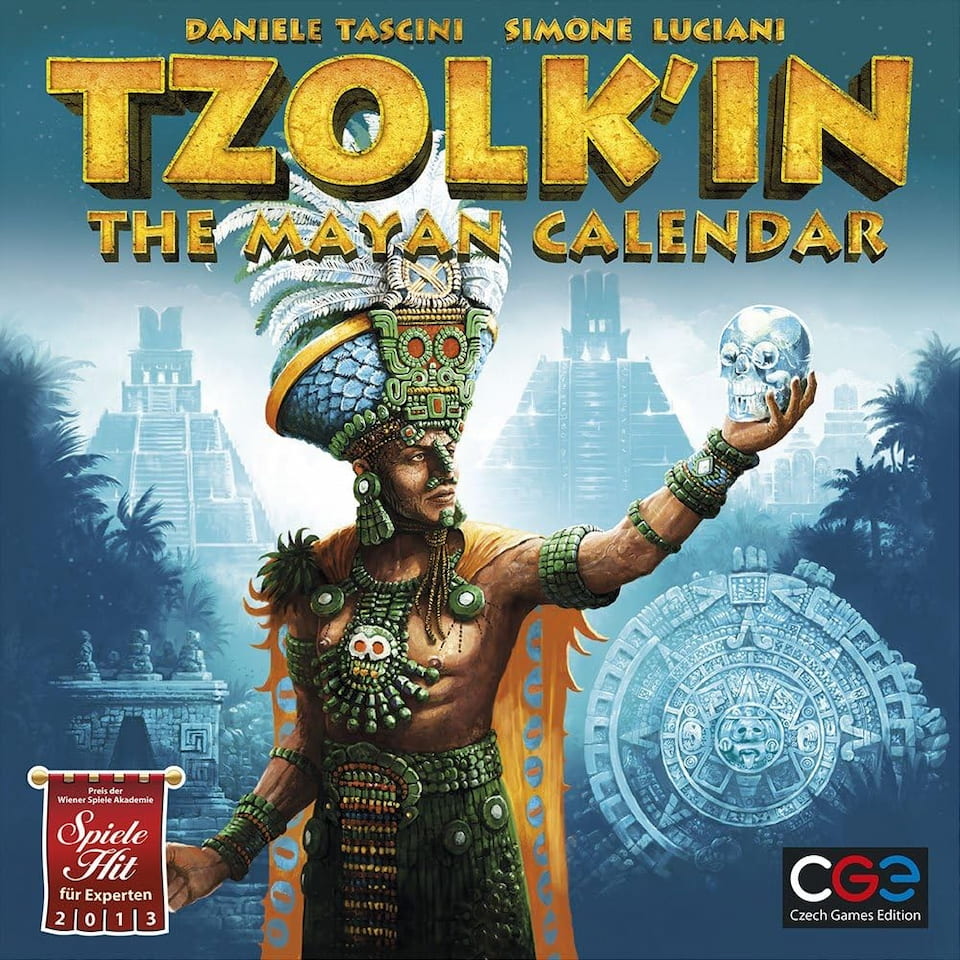
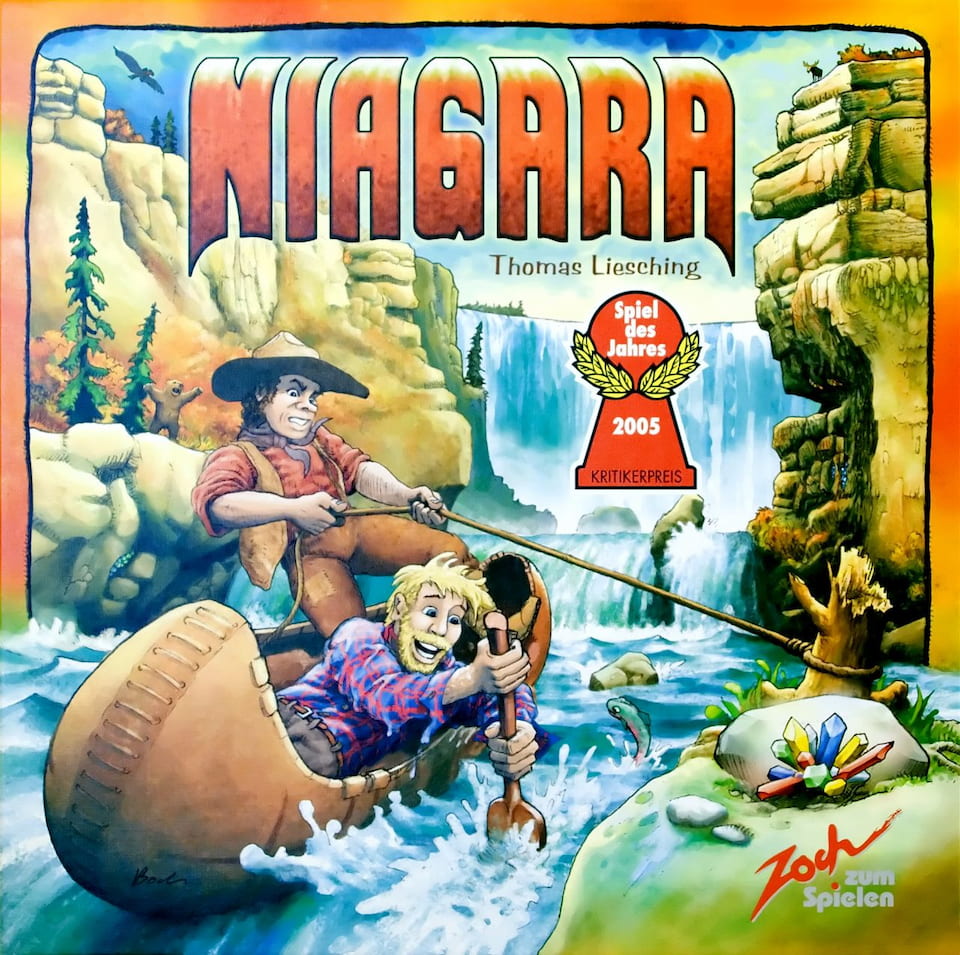
Bias is a label for games where something on the board pushes pieces, effects, or progress in one direction over time. The push is predictable: a river current carries pieces downstream, wind drifts effects across the map, a sun or marker circles the board, or turning gears advance workers along a track. In most games with this label, the direction is set by the setup or components rather than chosen by a player each turn.
At the table, the drift usually takes effect at a fixed point in each round or turn. A marker is advanced, the current or wind is applied, or a gear turns, and the affected pieces or effects move one step in the stated direction. Players then act on the new positions. Some games let a player's action speed up, slow down, or redirect the drift, while others leave it fixed for the whole game.
Players must read where the drift will carry things one or more turns ahead and place their pieces accordingly, so the decisions concern timing and position. Since the motion is known in advance, the drift itself adds little luck; the tension comes from whether a resource or opposing piece will land in a useful spot before the game ends.
Variants differ in how strong the push is, whether it can reverse, and whether it affects all pieces or only some. Some games combine it with dice or card draws, which adds randomness on top of the fixed drift, while others use it as the main source of pressure on the board.