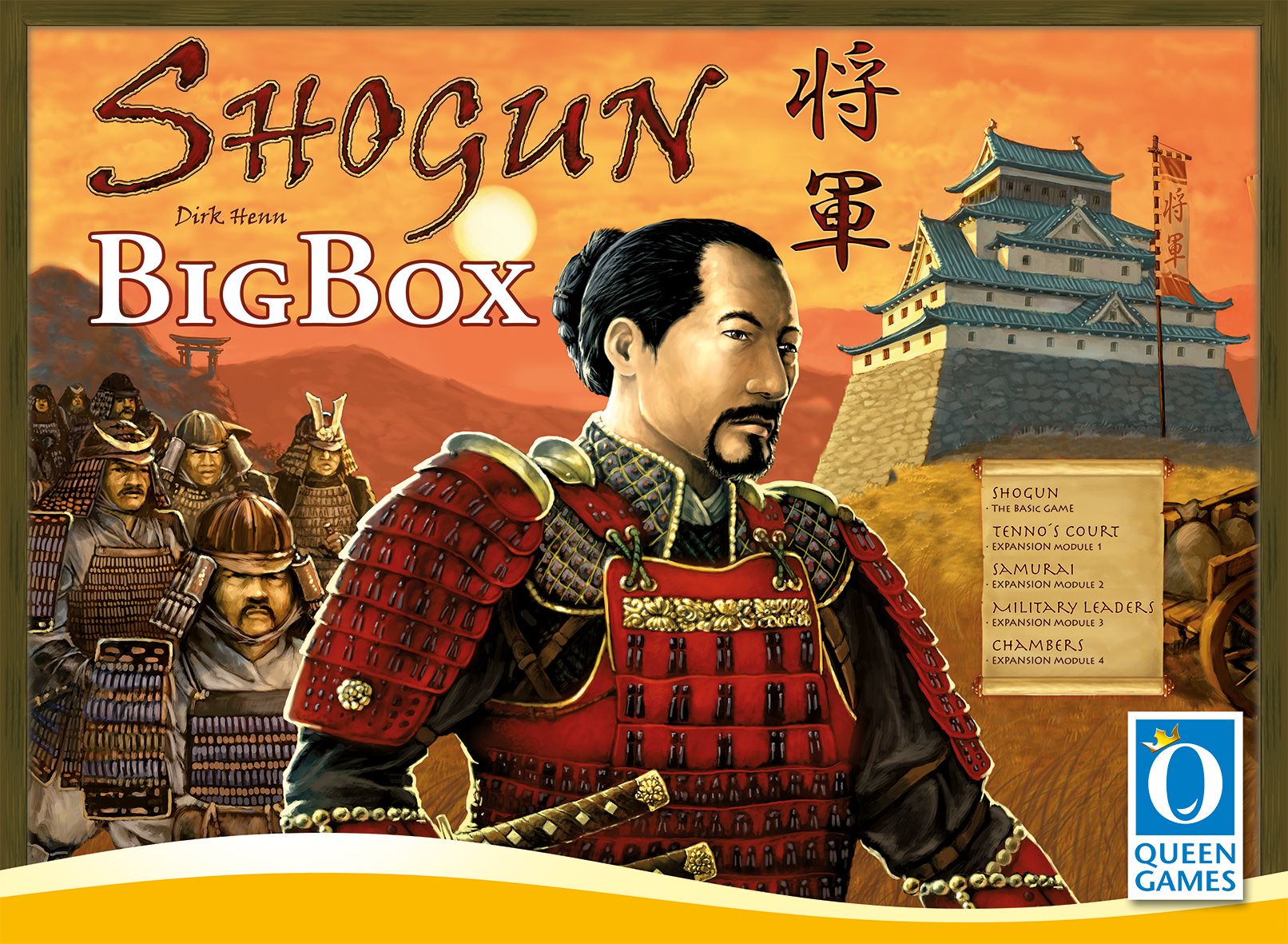
Board game mechanic
Cube Tower
Players drop cubes into a tower with internal baffles to resolve battles. Cubes that fall out count toward the result, and cubes that stay inside may drop out later, so the outcome is random.
A cube tower is a physical device, usually a box or column with angled ledges or baffles inside, that a player drops cubes into from the top. The cubes are marked with symbols that stand for results, such as hits or misses, and the tower's internal shape decides which slot each cube reaches.
In a typical use, a player drops the number of cubes set by the units involved in a fight into the top opening. Each cube bounces off the baffles and comes to rest in an outlet at the bottom, where its symbol is read. Some cubes do not reach an outlet and stay lodged inside. Those cubes are left in place and may fall out during a later drop or when the tower is tipped, so their results can arrive after the fight is already resolved.
The mechanic removes direct control over the result. A player chooses how many cubes to commit and which fights to start, but cannot steer any single cube. Skill lies mainly in deciding when a commitment is worth its expected return, and the lodged cubes add uncertainty that can change that estimate. Players often find the tower quick to read and visually engaging, though some find the outcomes harder to predict than a plain dice roll.
Some games use the tower only for one kind of combat and resolve other conflicts with dice or a results table. Others allow lodged cubes to be carried into the next round, which extends the randomness across turns.