Board game mechanic
Enclosure
Players build walls, fences or lines of pieces that close off regions of the board. Areas fully surrounded by a player's barrier are claimed or scored, which decides the winner or the points gained.
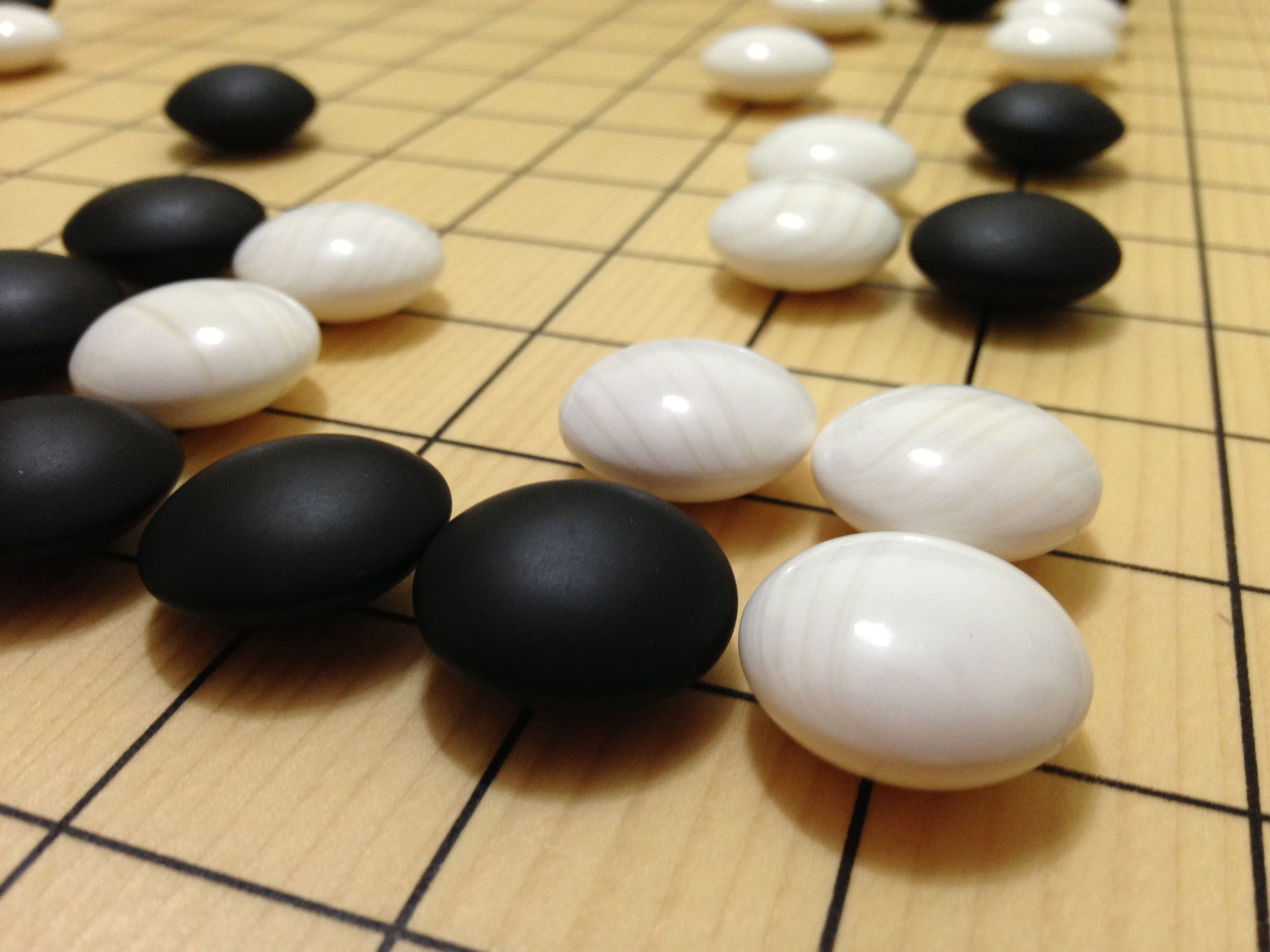
Enclosure is a way of scoring in which players draw or place barriers that cut off regions of the board. Barriers may be wall segments on square edges, fences along paths, or rings of pieces. A region usually counts for a player only when it is closed completely, and in some games it is claimed only if that player's barrier closes it.
On a turn, a player adds one barrier segment or piece, often one that extends an existing wall or threatens to close a region. When a loop is complete, the enclosed spaces are marked for that player, commonly with tokens or by shading. Turns continue until the board fills or no useful barriers remain, and then the enclosed areas are totaled. In some games, opponents may block an open region by placing a barrier of their own.
Players weigh building toward large enclosures against leaving gaps that opponents can use to cut in. One barrier can threaten several regions at once, forcing rivals to respond, so reading which gaps remain open is central. Skill and careful reading of the layout drive most outcomes. In games with random placement, luck also plays a part. The tension lies in racing to close a region before it is contested.
Variants differ in what forms a barrier and how areas score. Some games use tiles that form walls when joined, some score enclosures by size or by the pieces inside them, and some award points only for regions containing a particular feature. Enclosure is often combined with majority control of areas or with pattern-based scoring.